Skip to Content
The India-Middle East-Europe Economic Corridor
  • Backgrounder
  • The India-Middle East-Europe Economic Corridor

    The India-Middle East-Europe Economic Corridor (IMEC) is a proposed multinational infrastructure initiative aimed at upgrading connectivity between the three regions through integrated trade, energy, and digital networks. Announced at the G20 summit in New Delhi in September 2023, IMEC is envisioned partially as a counterweight to China’s international infrastructure project, the Belt and Road Initiative.

    June 3, 2026

    Featured Experts

    Filter by
    4435 Results
    Exploring the feasibility of the Jordan-Israel energy and water deal
    Quique Kierszenbaum/Tribune News Service via Getty Images
  • Analysis
  • Exploring the feasibility of the Jordan-Israel energy and water deal

    On Nov. 22, the Dubai Expo hosted an event where the United Arab Emirates (UAE), Jordan, and Israel signed a cooperation agreement that would broker an exchange of renewable energy and water between Jordan and Israel. The signing of the agreement between the respective minsters of the three countries took place in the presence of Abu Dhabi Crown Prince Mohammed bin Zayed and U.S. Climate Envoy John Kerry, who played a role in getting the deal done.

    December 16, 2021

    مخاوف خامنئي على مستقبل رجال الدين الإيرانيين (الجزء الثاني)
  • Commentary
  • مخاوف خامنئي على مستقبل رجال الدين الإيرانيين (الجزء الثاني)

    هذا هو الجزء الثاني من سلسلة مكونة من ثلاثة أجزاء

    في السنوات الأخيرة، نُشِرت العديد من التحليلات حول النفوذ المتزايد للحرس الثوري الإسلامي داخل النظام الإيراني. لا شك أنه في العقدين الماضيين، ازدادت قوة الحرس الثوري في المجالات السياسية والاقتصادية والأمنية بشكل كبير، ومع تزايد عدد الشخصيات العسكرية أو العسكرية السابقة في إدارة الرئيس الإيراني الجديد، إبراهيم رئيسي، لا يتوقع سوى أن يتجه نفوذ الحرس الثوري نحو مزيد من التوسع.

    December 14, 2021

    ميليشيات العراق تسعى لاستغلال وجود القوات الأمريكية
  • Commentary
  • ميليشيات العراق تسعى لاستغلال وجود القوات الأمريكية

    في 9 ديسمبر/كانون الأول، قال الجنرال الأمريكي المسؤول عن التحالف الدولي المناهض لتنظيم الدولة الإسلامية في العراق إن المهمة القتالية الأمريكية قد انتهت وأن القوات الأمريكية لن تقدم سوى المشورة والتدريب والمساعدة والاستخبارات لشركائها العراقيين. لن يغير التحول في الأدوار حجم القوة الأمريكية الصغيرة في العراق كثيرًا، لكن الجنرال فرانك ماكنزي، قائد القوات الأمريكية في الشرق الأوسط، قال في 9 ديسمبر/كانون الأول إن تواجد الناتو في مهمة المساعدة يجب أن يزيد.

    Khamenei’s concerns over the future of the Iranian clergy (Part 3)
    Photo by Iranian Leader Press Office/Handout/Anadolu Agency via Getty Images
  • Analysis
  • Khamenei’s concerns over the future of the Iranian clergy (Part 3)

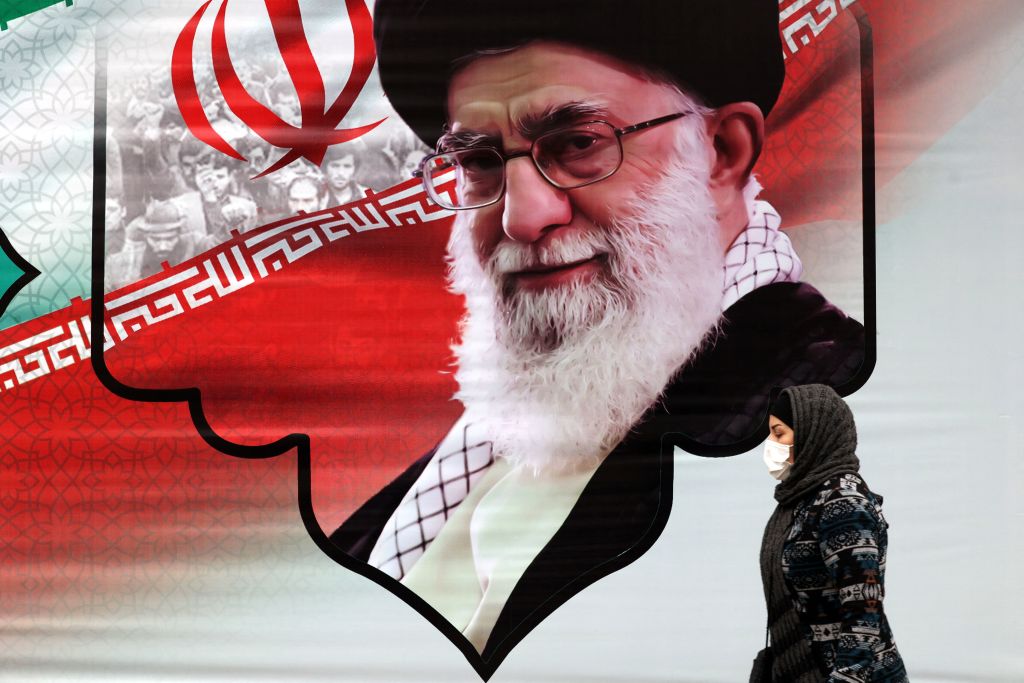
    When Ayatollah Ruhollah Khomeini, the founder of the Islamic Republic of Iran, died at the age of 89, he and the regime he established enjoyed the support of most of the country’s high-ranking clerics. His successor, Supreme Leader Ayatollah Ali Khamenei, aged 82, faces a very different situation, however. Most senior clerics apparently do not support him, and the “deviation” of the new generation of clerics has caused growing concerns within the regime.

    December 14, 2021

    OPEC+: Locked in a Russia-US-Saudi triangle
    Photo by Omar Marques/SOPA Images/LightRocket via Getty Images
  • Analysis
  • OPEC+: Locked in a Russia-US-Saudi triangle

    The events of recent months, including a series of critical statements by international players about the reluctance of OPEC+ to raise output beyond its established quotas, have clearly demonstrated the changing realities in the oil market. In addition to global uncertainty, the dynamics between Saudi Arabia, Russia, and the U.S., as well as the actions of Asian oil consumers, have become other key factors shaping the cartel’s behavior.

    أوبك بلس تواجه اختبارات جديدة لاستراتيجيتها لموازنة السوق في عام 2022
  • Commentary
  • أوبك بلس تواجه اختبارات جديدة لاستراتيجيتها لموازنة السوق في عام 2022

    عندما أعلن البيت الأبيض في عهد الرئيس جو بايدن أنه قد نجح في ضم العديد من الدول الرئيسية المستهلكة للنفط في محاولة لتنسيق عمليات الإفراج عن احتياطيات البترول الاستراتيجية (SPRs) حول العالم، بدا أن هذا سيكون العامل الرئيسي الوحيد في أسواق النفط التي ستناقشه أوبك بلس في

    تشكيل الحكومة العراقية الجديدة: تحولات استراتيجية وتغييرات تكتيكية
  • Commentary
  • تشكيل الحكومة العراقية الجديدة: تحولات استراتيجية وتغييرات تكتيكية

    أحدثت انتخابات 10 أكتوبر/تشرين الأول 2021 ثلاث تحولات استراتيجية رئيسية في العملية السياسية العراقية، والتي على الرغم من أنها لم تسفر بعد عن تغييرات جوهرية في عملية تشكيل الحكومة الحالية، إلا أنها تتمتع بإمكانية هائلة لإحداث المزيد من التغييرات الجوهرية في المستقبل. أولاً، تعرضت الفصائل الموالية لإيران عبر القوائم والأحزاب السياسية العراقية، سواء داخل الكتل الكردية أو السنية أو الشيعية، لخسارة ثقيلة. ثانيًا، فازت الأحزاب التي انبثقت عن الاحتجاجات الشعبية في أكتوبر/تشرين الأول 2019، “امتداد وإشراقات كانون”، بتسعة مقاعد وستة مقاعد على التوالي في منافستها الانتخابية الأولى.

    December 7, 2021

    The UAE at 50
    Middle East Institute
  • Podcast
  • The UAE at 50

    Gerald Feierstein, Afshin Molavi, and Courtney Freer discuss the state of the United Arab Emirates as the country celebrates its 50th anniversary, including its history, economic development, and domestic and regional policy objectives.

    December 7, 2021

    A stranger among us: Iran's tightening grip on religious minorities
    Photo by ATTA KENARE/AFP via Getty Images
  • Analysis
  • A stranger among us: Iran's tightening grip on religious minorities

    For thousands of years, Iran has stood out as a culture that prized diversity and a place where religious minorities have flourished as independent communities. The Islamic Republic now seeks to change that, however, by implanting its own leaders inside different faith groups to protect and advance its interests.

    December 7, 2021

    Khamenei’s concerns over the future of the Iranian clergy (Part 2)
    Photo by Fatemeh Bahrami/Anadolu Agency via Getty Images
  • Analysis
  • Khamenei’s concerns over the future of the Iranian clergy (Part 2)

    In recent years, numerous analyses have been published on the increasing influence of the IRGC within the Iranian regime. Nevertheless, the rise in the power of the military should not overshadow the fact that in the Islamic Republic, not only the paramount position of supreme leader, but also many other key roles are held exclusively by clerics. Moreover, many of these clerics, including the highest-ranking ones, must be appointed by the supreme leader. This system was designed to ensure the loyalty of key officials, but over time has given rise to growing concerns over the reliability of the next generation of clerics and the transfer of power.

    December 6, 2021

    Dust in the Cloud: The Future of Data Governance in the GCC
    Photo by Christopher Pike/Bloomberg/via Getty Images.
  • Analysis
  • Dust in the Cloud: The Future of Data Governance in the GCC

    As the countries of the Gulf Cooperation Council (GCC) work to transform from hydrocarbons-driven to data-driven economies, they will need to make significant and well-planned invest-ments in digital infrastructure, particularly when it comes to the complex issue of data govern-ance. They must take the lead in establishing regulatory and legal frameworks aligned with international standards in terms of data gathering, processing, and storing procedures. This report highlights the existing laws and regulations that govern data protection in the GCC while addressing their potential and limitations, along with the similarities and differences between the GCC’s legislative frameworks and the EU’s General Data Protection Regulation, and the impact of the GCC’s current data protection laws on individuals, the private sector, regulators, and governments.

    December 6, 2021

    More continuity than change in Tehran
    Photo by EU Vienna Delegation/Handout/Anadolu Agency via Getty Images
  • Analysis
  • More continuity than change in Tehran

    Ahead of the seventh round of the Iran nuclear negotiations that ended on Dec. 3 in Vienna, many observers interpreted Ebrahim Raisi’s election to the presidency and his recent rhetoric as representing a distinct shift in Iran’s nuclear strategy. Indeed, in November, Raisi’s government’s official newspaper Iran explained that Tehran’s strategy in Vienna has changed, and that it has embraced a new approach looking to compel the West to agree with Iran’s terms for a “good deal.” Yet there is more continuity than change in Iranian decision-making on the nuclear file than meets the eye, and Raisi’s election by itself has not represented a fundamental rearrangement.

    December 3, 2021

    Read the Middle East Journal

    The oldest peer-reviewed publication dedicated to the study of the modern Middle East, MEI’s flagship journal covers politics, society, and culture in the region.