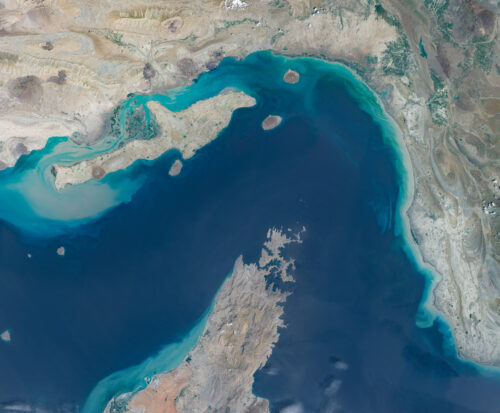
Proponents of the war with Iran have taken recent increases in crude-oil flows through the Strait of Hormuz as proof that the US strategy is finally working. President Trump is so confident in this that he recently rejected a seven-day plan, set forward by Iran’s foreign ministry, to end the war and open the strait. The United States is “winning tremendously,” Trump boasted.
Special Episode: Saudi Oil After the East-West Pipeline Attack
Saudi Arabia’s East-West pipeline is back in operation after a drone attack from Iraq, blamed on Iran-backed militias, shut it down for nearly two weeks. The pipeline is the kingdom’s main way to export oil while the Strait of Hormuz is closed, so the shutdown dealt another blow to global energy markets. How vulnerable is this route, and what does that mean for the kingdom and the world economy? This episode of Middle East Focus features a recent MEI Virtual Briefing in which Director of Communications Zeina Al-Shaib is joined by MEI Senior Fellow Colby Connelly and MEI Affiliate Yesar Al-Maleki. They examine the new geopolitical risks facing the oil market, what further losses of global supply could mean for Saudi Arabia and the world economy, and which buffers outside the Persian Gulf could ease the pressure.
The Mecca alliance meets the Red Sea – Saudi Arabia’s new defense pact faces its first major test
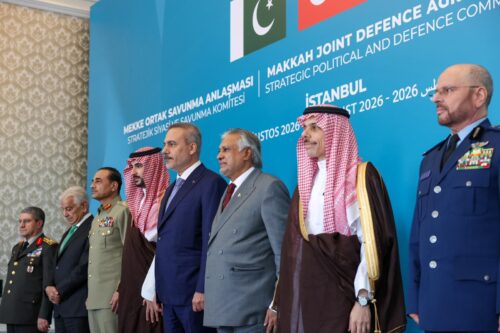
When Saudi Arabia, Turkey and Pakistan agreed to a mutual defense pact in August, it was principally seen as a political commitment. The “Mecca alliance,” as it was dubbed, stipulated that an armed attack on one would be treated as an attack on all three, accompanied by deeper military cooperation.
Iranian women campaign to stop the rise in “honor killings”
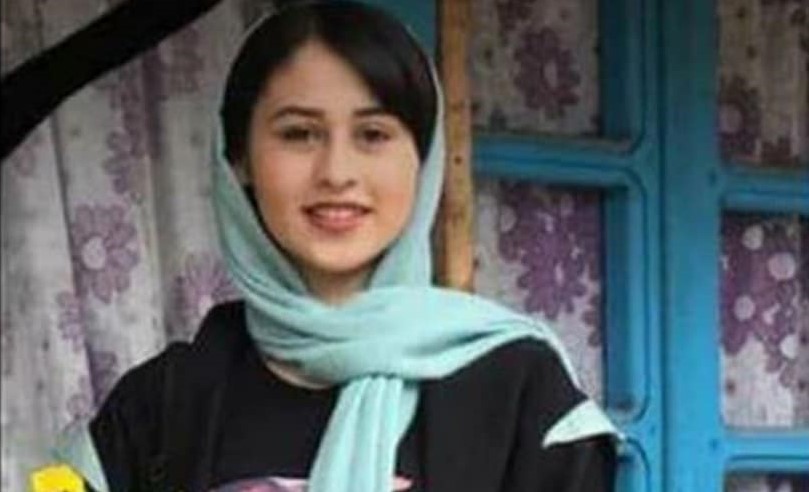
Every year 400-500 women are killed brutally in Iran to protect men’s “honor.” The killers are usually close relatives — often the victim’s father, husband, or brother. According to a report published in The Lancet in October 2020, at least 8,000 such killings were reported in Iran between 2010 and 2014. “The number of honor killing victims is greater than reported as in some cases women were driven to suicide or the cause of the death was not reported as murder but as illness,” according to Dr. Rezvan Moghadam, founder of the Iranian organization Stop Honor Killings. Dr. Moghadam has documented more than 1,200 cases of honor killings in the country. According to research, which will soon be published as a book and made available to the public, these kinds of violent killings of women and girls have been increasing for the last 20 years in different cities and villages in Iran.
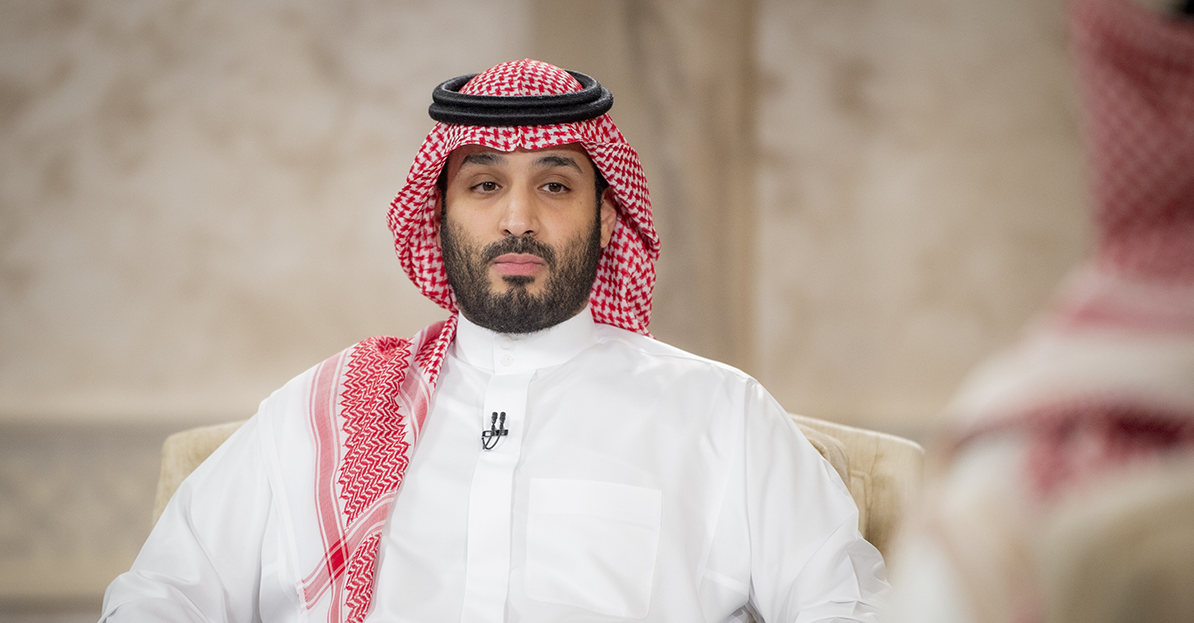
At the dawn of the Biden era of American foreign policy, a more mature, realistic Saudi foreign policy is emerging to match the shifting signals from Washington. In some measure, the Saudis are readopting elements that traditionally characterized their policy preferences before the meteoric rise of Crown Prince Mohammed bin Salman (MbS), the kingdom’s de facto ruler.
Since 1979 U.S. policies toward Iran have alternatively ranged from some version of “maximum pressure” to appeasement and back again while maintaining the same assumptions and calculus: the clerics would ultimately fall when the elite and middle class had enough and were willing to pay the price for revolting. Today, however, the landscape is evolving. While Iran’s leaders appear to be adapting, U.S. thinking is rooted in the past.
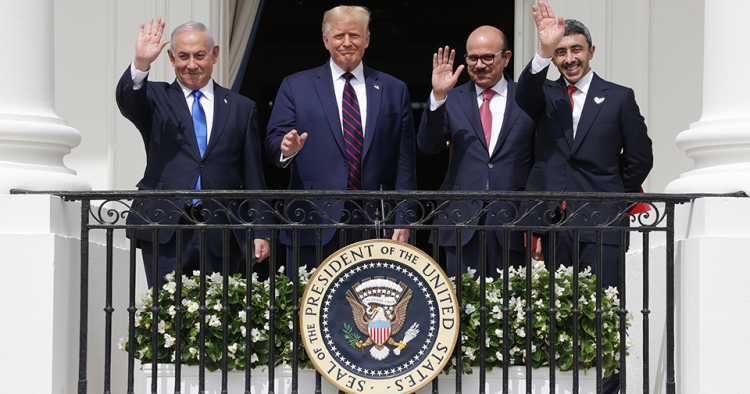
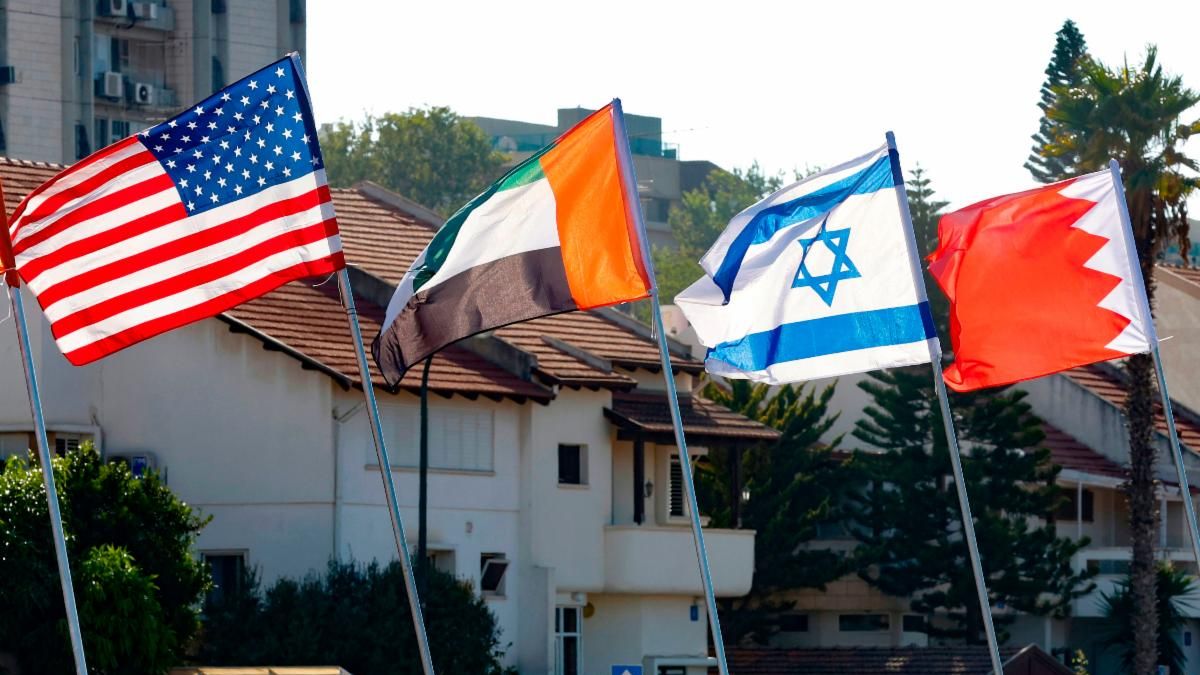
On Sept. 15, 2020, Emirati Foreign Minister Abdullah bin Zayed al-Nahyan, Bahraini Foreign Minister Abdullatif bin Rashid al-Zayani, then-Israeli Prime Minister Benjamin Netanyahu, and then-U.S. President Donald Trump met on the South Lawn of the White House to sign the Abraham Accords, normalizing relations between the two Gulf Arab states and Israel. Morocco followed suit several months later, signing a similar agreement with Israel on Dec. 22, and a week and a half after that, on Jan. 6, 2021, Sudan and Israel also agreed to normalize relations. A year on, these accords have had a significant, if not yet fully realized, impact on the Middle East, affecting everything from geopolitics and economics to tourism and people-to-people (P2P) ties, and they also reflect the changing dynamics in the region and beyond, particularly with the U.S. and China.
Hossein Amirabdollahian: A Quds Force favorite becomes Iran’s new foreign minister (Part 2)
Due to his divergent views on Iran’s international and regional policies, Hossein Amirabdollahian had various disagreements with then-Foreign Minister Mohammad Javad Zarif while serving as deputy foreign minister beginning in 2011, and these ultimately led to his removal from the post in June 2016. The official reason announced for the change was Amirabdollahian’s appointment as Iran’s new ambassador to Oman, although he refused to accept the position.
Hossein Amirabdollahian: A Quds Force favorite becomes Iran’s new foreign minister (Part 1)
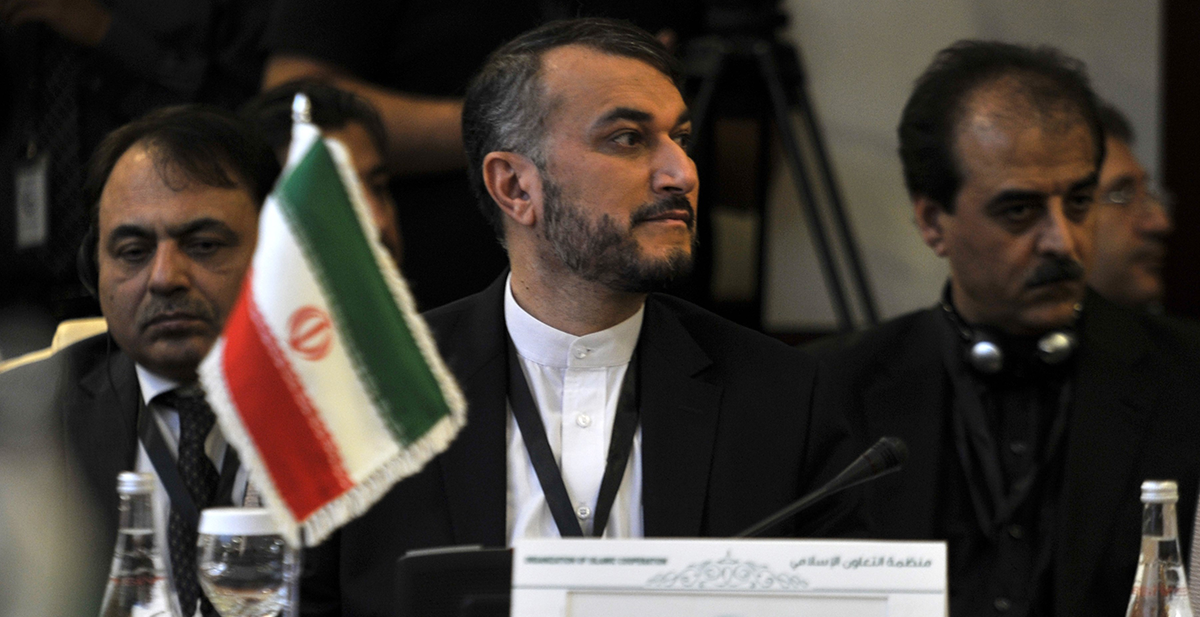
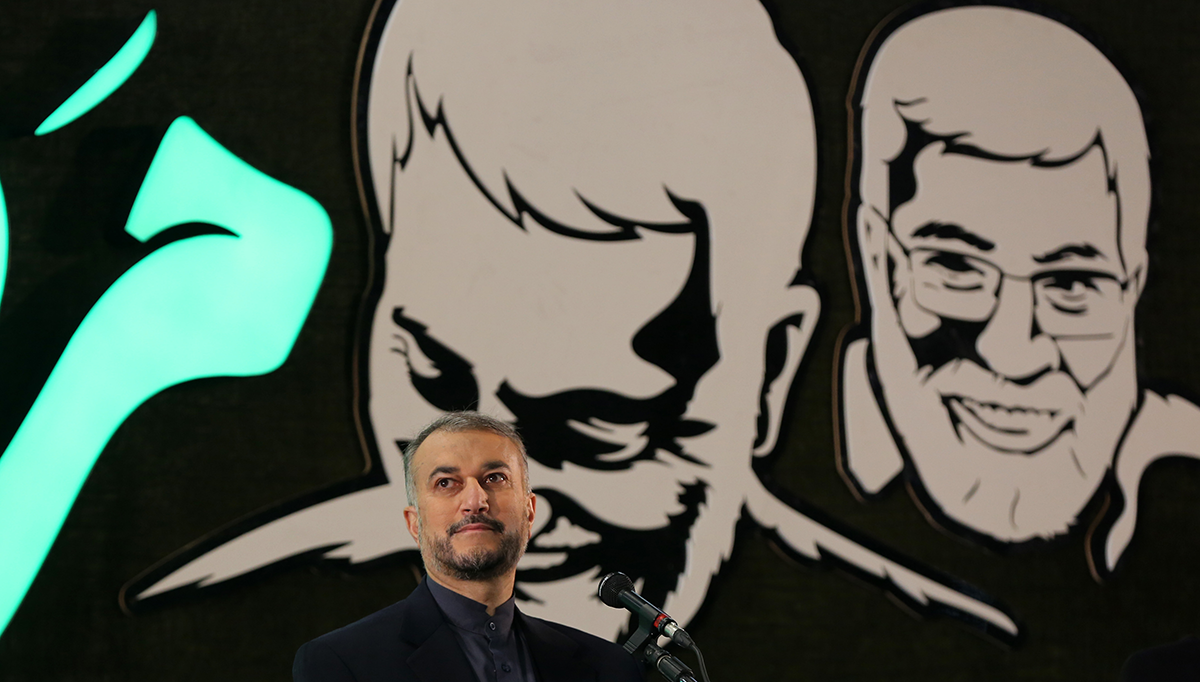
Hossein Amirabdollahian, Iran’s new foreign minister, is famous for his exceptionally close relationship with the Quds Force, the foreign operations branch of the Islamic Revolutionary Guard Corps (IRGC), as well as its regional allies.
Amb. Dennis Ross and Karen Young join guest host Gerald Feierstein to discuss the progress of relations between Israel and the Arab world one year after the signing of the Abraham Accords, as well as the agreement’s economic impacts and what role the United States will play moving forward.
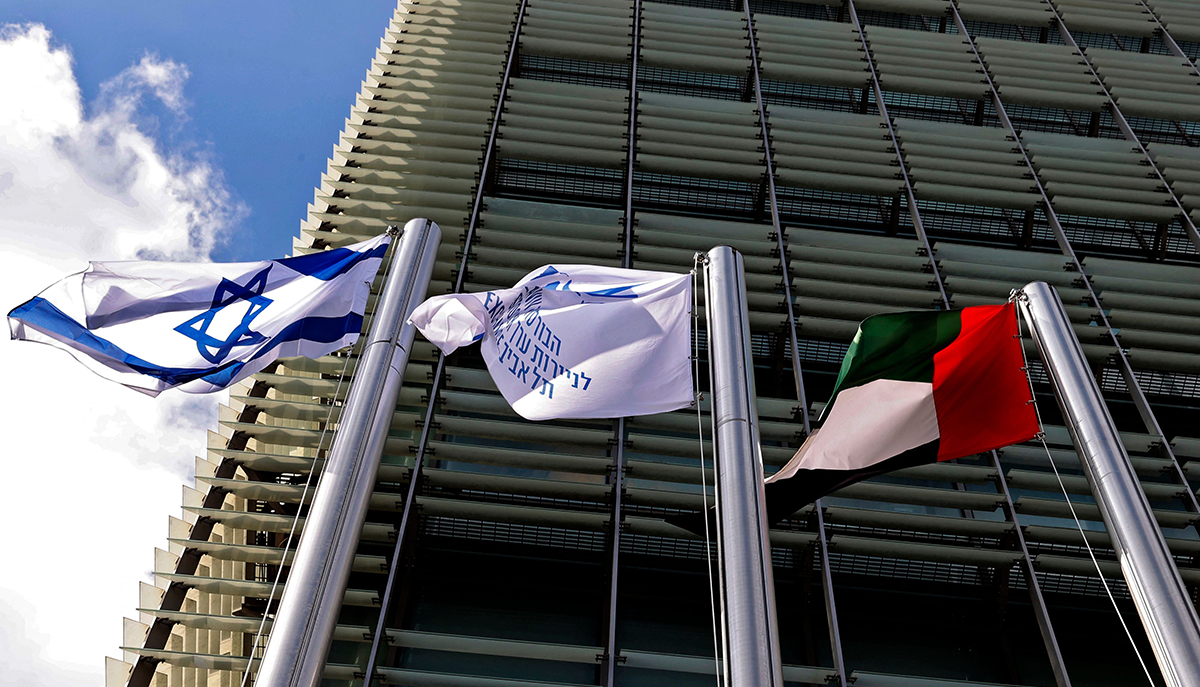
It has been a year since the August 2020 announcement of the Abraham Accords, which normalized diplomatic relations between the UAE and Israel. The accords were later signed at a White House ceremony attended by President Donald Trump that September. In less than a year the UAE and Israel swiftly exchanged ambassadors. This was the highlight of the first year of normalizing relations between Tel Aviv and Abu Dhabi. During their first year the accords also successfully passed the unexpected, brutal test of the 11-day military escalation between Israel and Hamas that began in late May 2021.
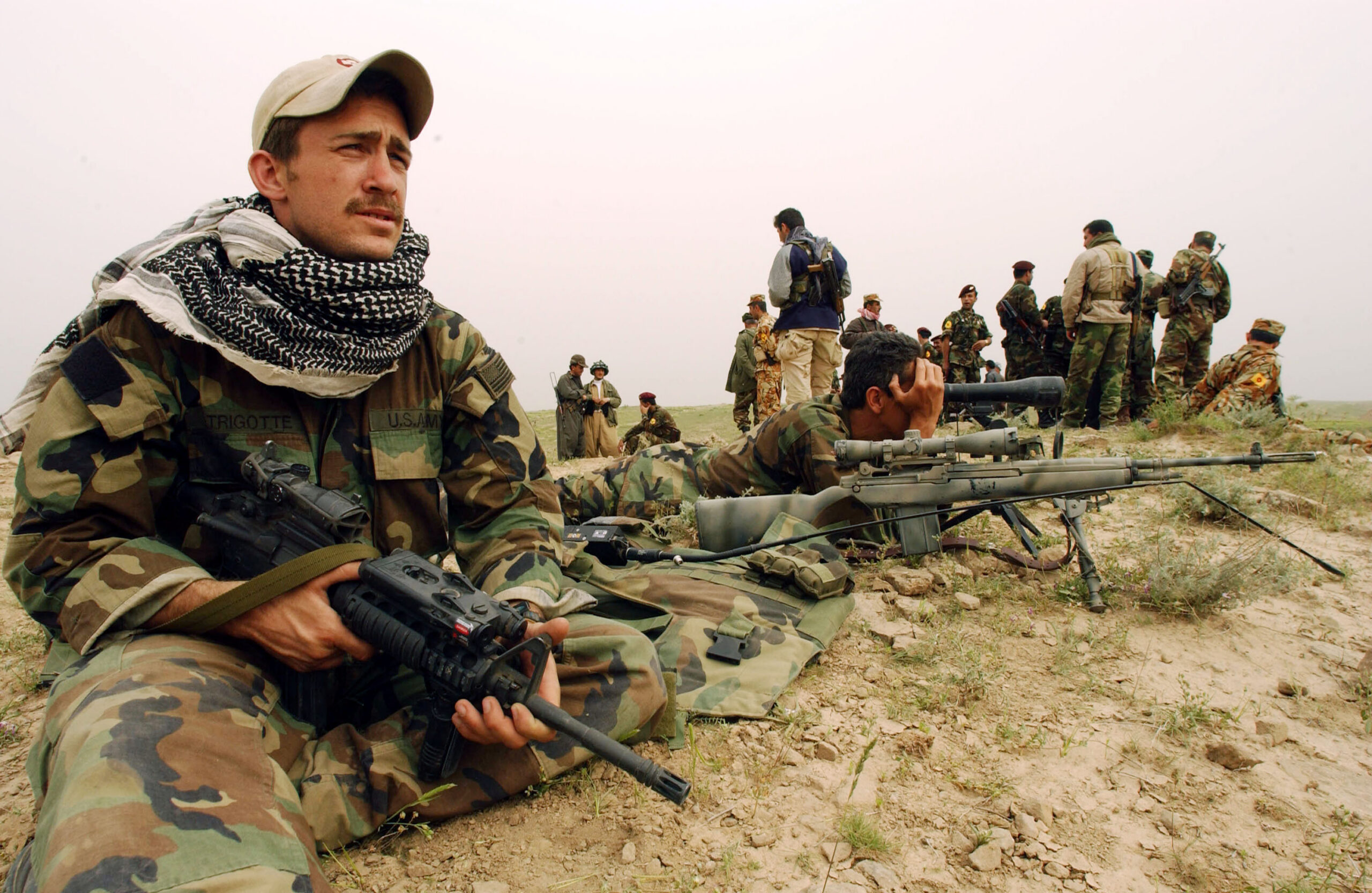
Irregular Warfare: A Case Study in CIA and US Army Special Forces Operations in Northern Iraq, 2002-03
Irregular warfare (IW) is increasingly common in the 21st century and the U.S. must learn from its successful experiences with it and apply those lessons to great power competition. For the past two decades the CIA and Army Special Forces have demonstrated how to leverage interagency relationships and apply complementary capabilities to achieve successful IW outcomes. The CIA/Army Special Forces partnership in Northern Iraq during the invasion of Iraq demonstrates the value of this interagency team and provides lessons and a model for the conduct of IW in the future.
Iran and Africa: Why Tehran will boost its ties with the continent under the Raisi administration
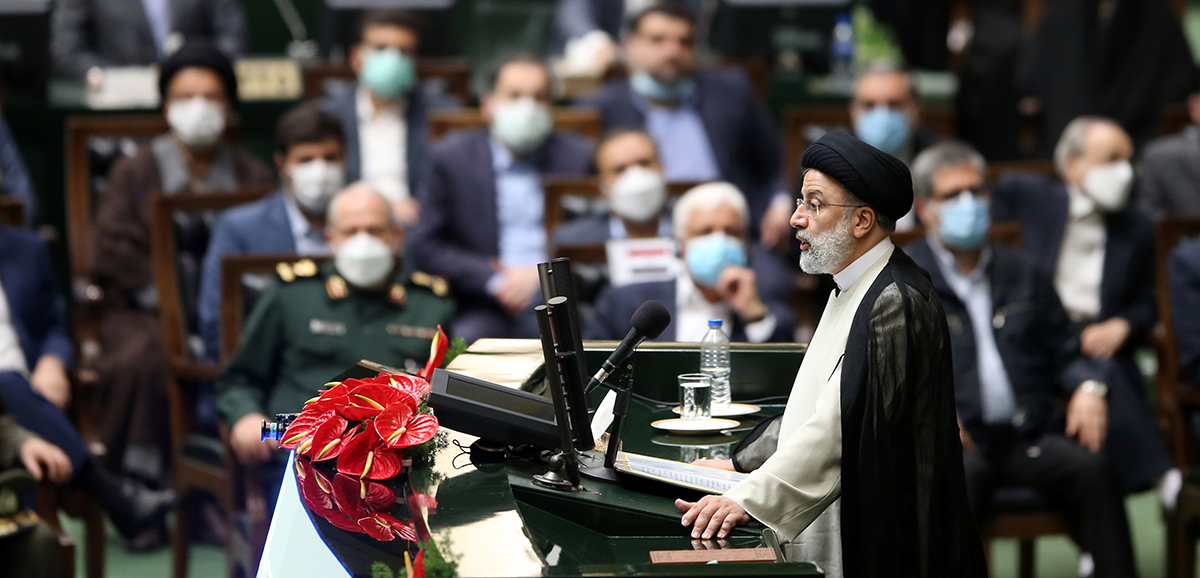
The inauguration of President Ebrahim Raisi has been heralded as the advent of a “New Iran” by the ultra-conservative camp. Although the Iranian authorities are still interested in the revival of the JCPOA, Raisi represents a resistance discourse that believes Iran has to focus on thwarting the sanctions instead of trying to lift them by means of political negotiations. The focal point of this worldview is the expansion of relations with non-Western countries, and Africa plays a central role in this effort.
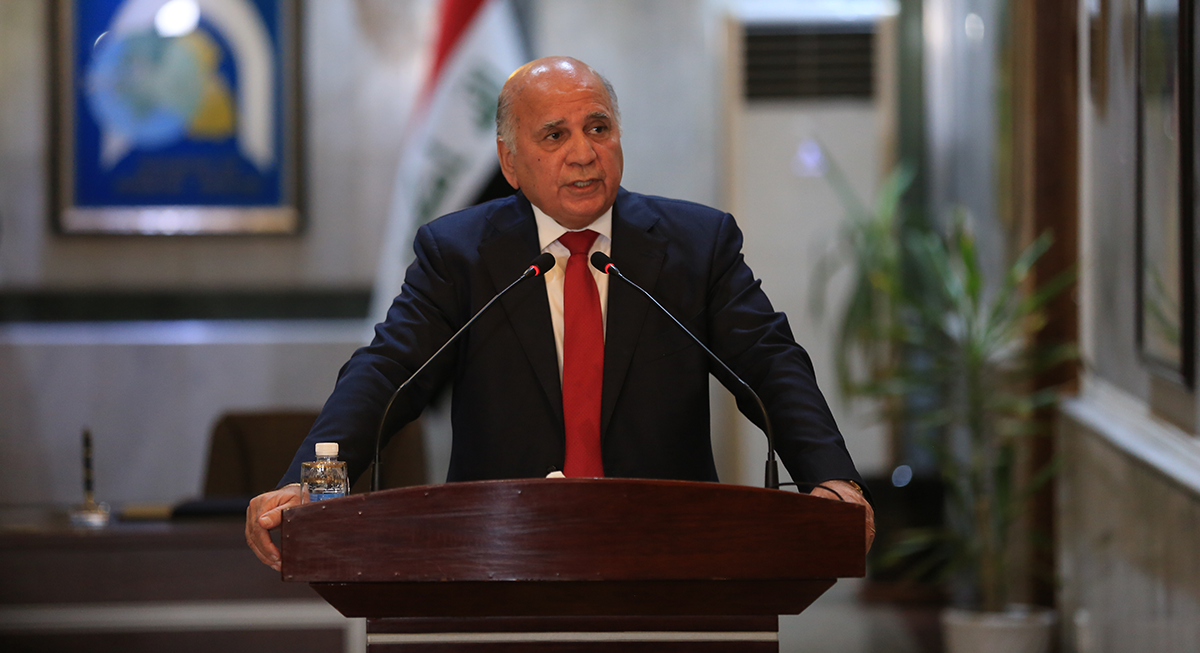
في 8 أغسطس/آب، سلَّم وزير الخارجية العراقي فؤاد حسين، عبر نظيره السعودي، دعوة من رئيس الوزراء مصطفى الكاظمي إلى العاهل السعودي الملك سلمان بن عبد العزيز آل سعود لحضور “قمة” لدول جوار العراق على مستوى القادة، والتي ستُعقد في نهاية هذا الشهر. في اليوم نفسه، وجَّه دعوة أخرى إلى الرئيس التركي رجب طيب أردوغان. لا شك أن الفكرة طموحة والصورة الأولى التي تتبادر إلى الذهن هي الاحتمال غير المرجح أن يجلس الملك سلمان والرئيس الإيراني الجديد المتشدد إبراهيم رئيسي، على جانبي الطاولة نفسها في بغداد.
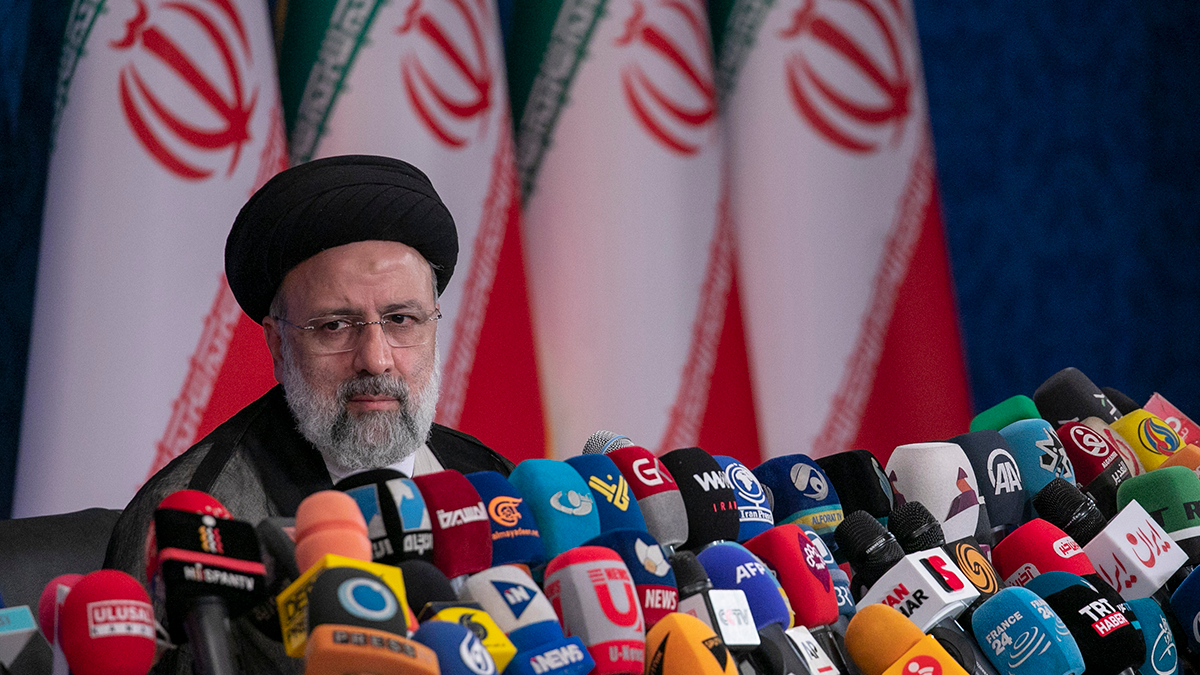
Incoming Iranian President Ebrahim Raisi may break the mold of his predecessor by exceeding expectations in his first 100 days, but make no mistake—less horrific is still horrific; no one should be fooled.
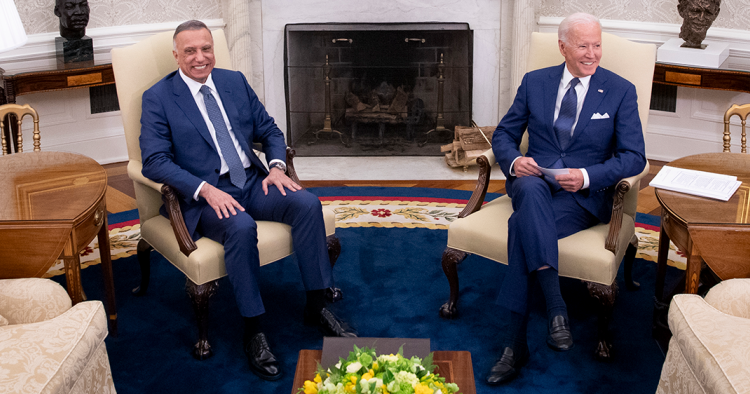
There were two parts to the Iraqi prime minister’s request to President Biden on July 26 in their meeting at the White House: end Washington’s combat mission in Iraq but maintain U.S. military assistance there. The first part was aimed mostly at Mustafa al-Kadhimi’s domestic audience; the roughly 2,500 U.S. troops in Iraq are there primarily to advise and assist the Iraqi army. But the second part deserves a bit of thought.
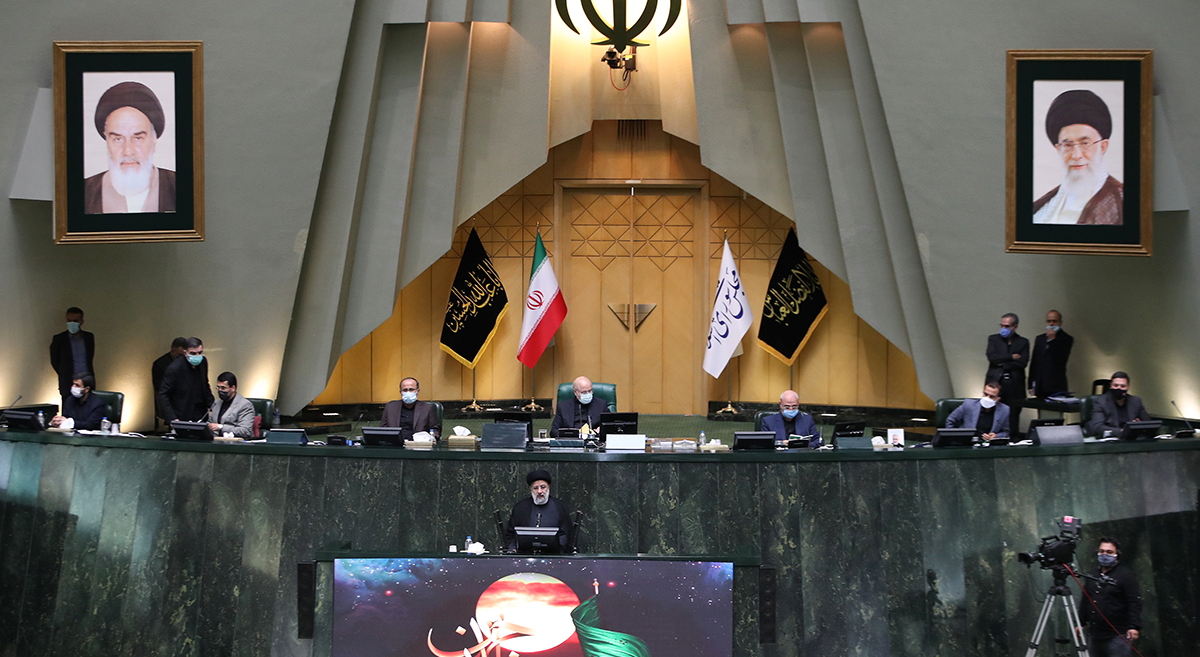
Ebrahim Raisi was sworn in as Iran’s new president on August 5. Ali Alfoneh and Henry Rome join guest host Alex Vatanka, director of MEI’s Iran Program, to discuss the political and economic challenges the new president will contend with, his relationship to Ayatollah Khamenei, and the future of Iran and the country’s leadership.
The oldest peer-reviewed publication dedicated to the study of the modern Middle East, MEI’s flagship journal covers politics, society, and culture in the region.