Iran’s New Defense Minister Is a Missile Man, Not a Military Man
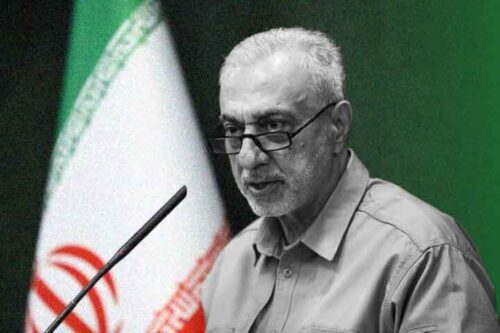
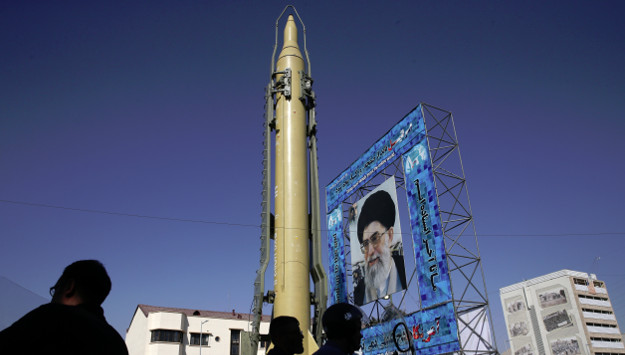
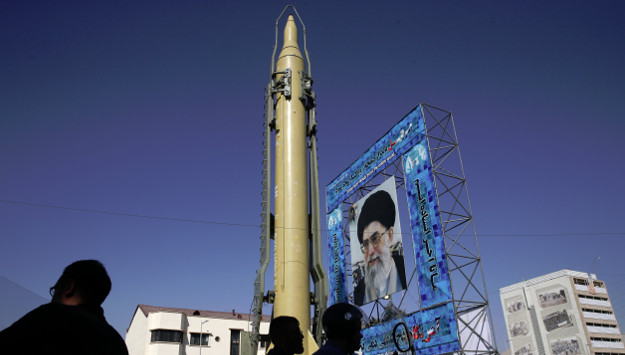
Mehrdad Akhlaghi was appointed defense minister in October 2026 by Iranian President Masoud Pezeshkian. He is an unusual choice, as, unlike most of his predecessors, he does not come from a uniformed military background. And his appointment comes arguably at the most sensitive time in the history of the Islamic Republic.
Washington says it doesn’t know who runs Iran. Tehran insists its leadership is united. MEI Senior Fellow Alex Vatanka joins hosts Alistair Taylor and Matthew Czekaj to sort out where the truth lies. They look at the small circle of political and military figures now steering the war effort in Tehran: who they are, how they make decisions, and how unified they really are. They also discuss the current state of US-Iran negotiations, the role of the upcoming midterm elections in the United States, and how the Islamic Republic is preparing for a potential renewal of conflict afterward.
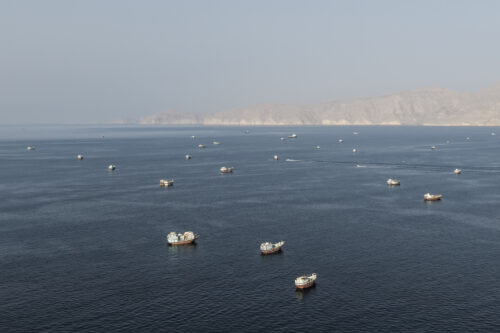
Crude oil is flowing out of the Gulf again, but the market is no better prepared for another disruption in the Strait of Hormuz. It has assembled a temporary system for managing one. Crude exports from the Gulf, excluding Iran, returned to pre-war levels in September, while total Gulf shipments reached 15.5 million barrels a day, more than 80% of the pre-conflict volume.
Iranian Kurdish Group Vows to Continue Fighting Islamic Republic
The Democratic Party of Iranian Kurdistan (PDKI) will continue armed resistance against the Iranian regime, the group’s leader said in an exclusive interview with the BBC Persian published on January 30.
Ali Tayyeb-Nia, Iran’s Minister of Economy, appeared in front the parliamentarians and defended the Rouhani government’s policies to combat large-scale smuggling operations that hurt the Iranian economy. Tayyeb-Nia claimed that the value of smuggled good into Iran has decreased from “$25 billion to $15 billion.”
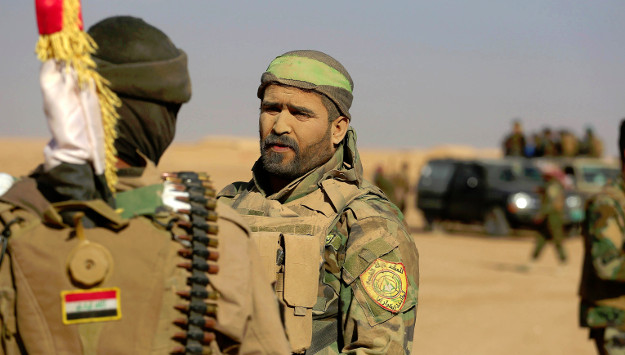
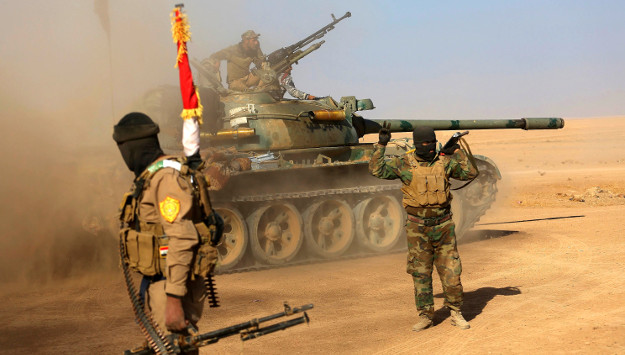
Iran-Backed Shiite Militias Ready to Take West Mosul
Fars News, an outlet affiliated with Iran’s Islamic Revolution Guards Corps (I.R.G.C.), has published an interview with the spokesperson of the Hashd al-Shaabi (Popular Mobilization Force), on the question of the military campaign to free the Iraqi city of Mosul from the Islamic State. Ahmad al-Assadi, the spokesperson of the Shiite-dominated Iraqi paramilitary organization, claimed in the interview that the next phase of operations to liberate west of Mosul from the Islamic State is underway.
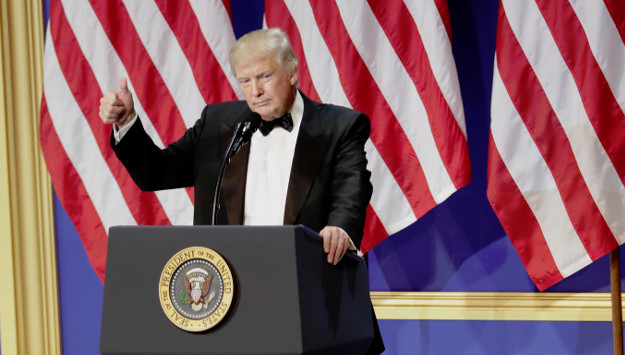
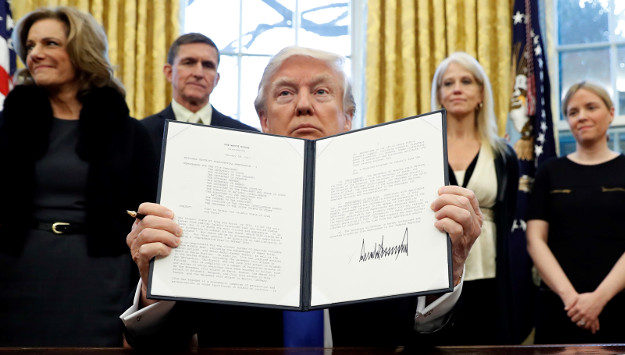
Iranian Officials React Angrily to Trump’s Visa Ban
Iranian officials and state-run media have reacted angrily to President Donald Trump’s executive order that bans the entry of the citizens of Iran and six other Muslim-majority countries.
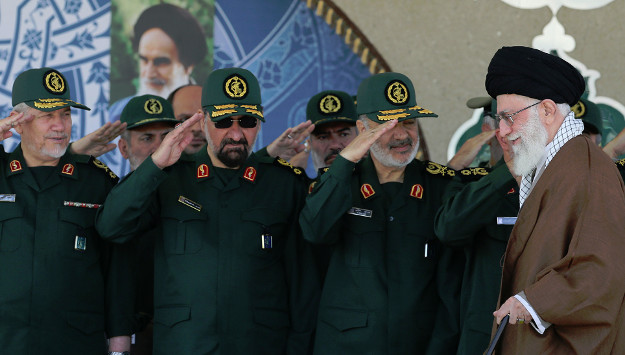
IRGC-Controlled Media Continue to Glorify Iraqi Shiite Militias
Tasnim News, an outlet that is affiliated with Iran’s Islamic Revolution Guards Corps (IRGC), has published a rare video footage of its correspondent’s account of Shiite militia operations in Iraq. In what the outlet calls “exclusive” video, the correspondent is seen accompanying fighters from Hashd al-Shaabi (Popular Mobilization Force) in the battle for Mosul against fighters from the Islamic State.
Warning about US Attempts to Attack Iran via Cyberspace
Brigadier General Gholam Reza Jalali, the head of Iran’s Civil Defense Organization, warned on January 29 that Tehran’s foreign adversaries are increasingly tapping into “social media and personal smart phones to carry out espionage operations against people.” According to Jalali, the latest smart phone technologies are so sophisticated that unsuspecting citizens in Iran can become collectors of information for foreign intelligence services.
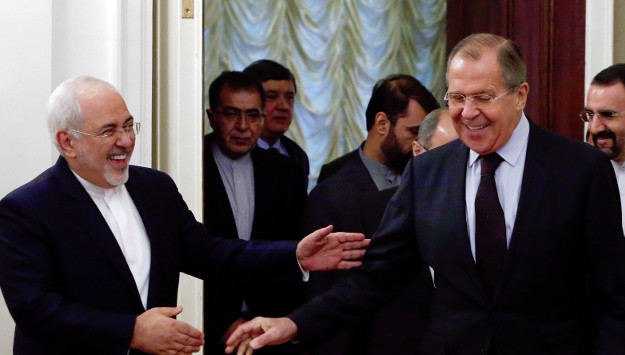
Iranian media quoted Foreign Minister Javad Zarif as stating that Iran and Russia “need to have far more extensive relations” and that “few countries in the world have as deep and historical relations as Iran and Russia.” Zarif’s unusually warm remarks about Russia were delivered on the occasion of 515 years of Iranian-Russian ties. Zarif was quick to point out that closer cooperation between Iran and Russia will be a major stabilizing factor for the future of the Middle East and Central Asia.
Iran, North Korea Call for Closer Partnership to “Resist” US
Iranian and North Korean officials have discussed ways to strengthen bilateral ties and jointly “resist” the United States and its allies, the Iranian media reports.
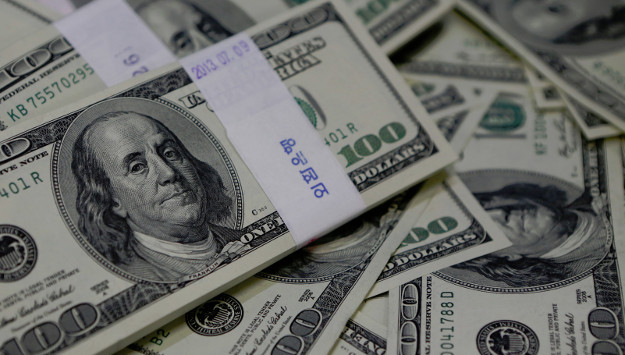
The head of the Iranian Central Bank, Valiollah Seif, has announced that Iran will stop using the American dollar as its currency of choice in its financial and foreign exchange reports from the new Iranian fiscal year that begins in March 2017. According to Iranian press reports, Tehran might opt to use the euro instead.
The oldest peer-reviewed publication dedicated to the study of the modern Middle East, MEI’s flagship journal covers politics, society, and culture in the region.