A Strategic Conundrum: Pakistan’s Transit Corridor to Iran as Lifeline or Liability
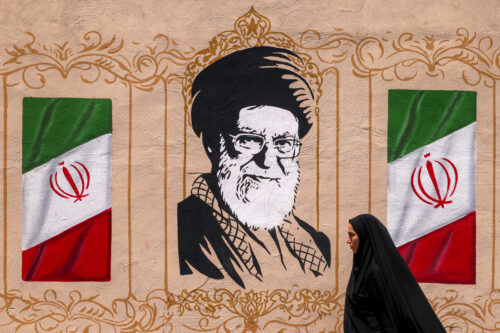
The US-Iran standoff over the Strait of Hormuz — disruptive to global trade and energy flows, and devastating for debt-burdened economies — has handed Pakistan an unexpected geoeconomic opportunity, one that may persist even if the framework agreement announced on June 14 results in a lasting peace and permanent reopening of the strait. But seizing it will have interlocking consequences for Islamabad’s ties with Tehran, Washington, and the Gulf states.
Iran: What’s Next for US Policy as the Region Seeks to Move On
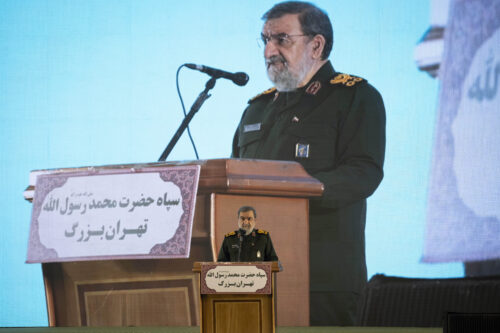
As the US and Iran move to reopen the Strait of Hormuz, the war’s real lesson lies in how Gulf states rapidly adapted — building pipelines, ports, and rail to bypass the chokepoint. Washington should seize this momentum, pursuing a “long game” of regional connectivity that serves shared security and economic interests.
Featured Experts
Containment: A Viable Strategy for Iran?
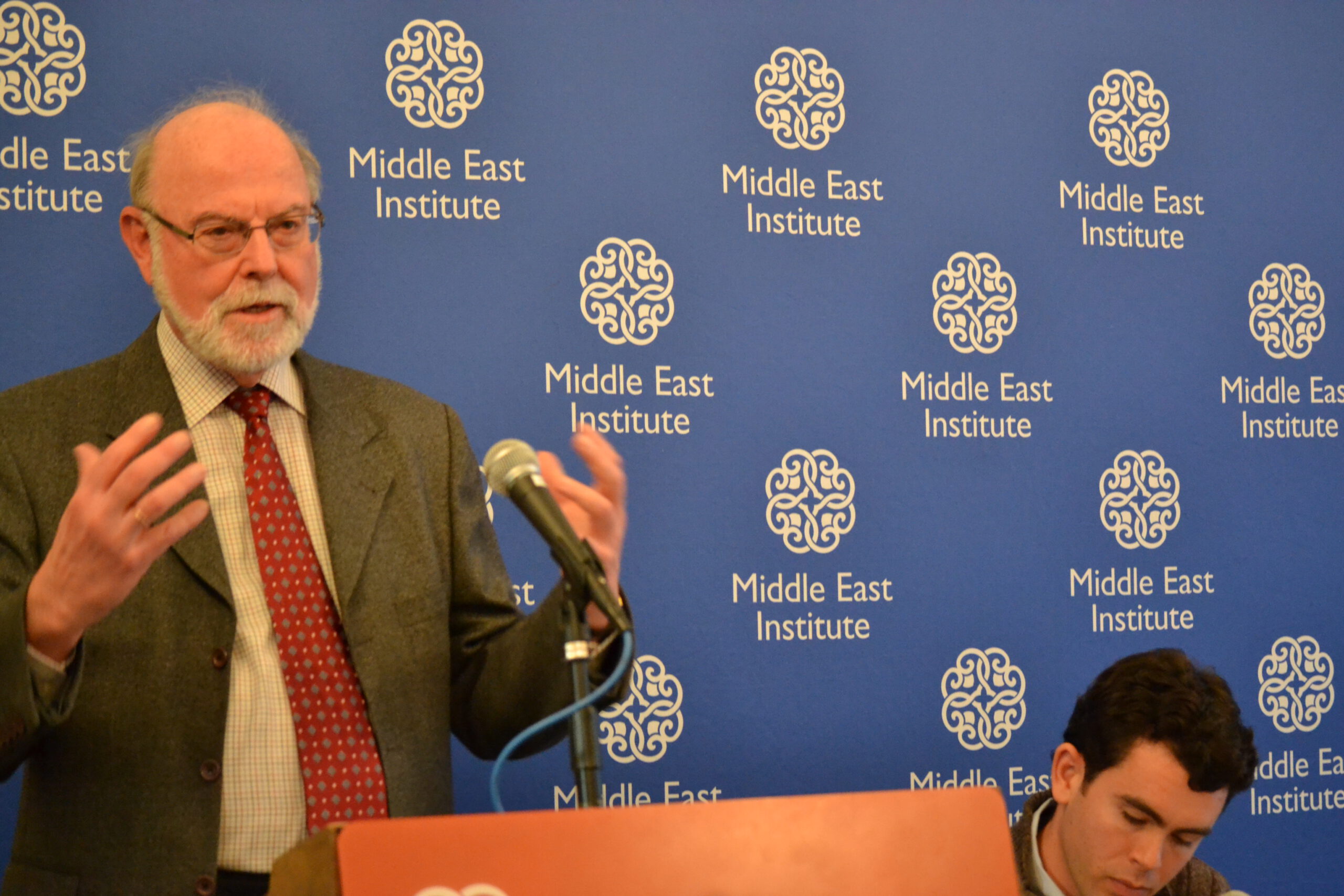
The Middle East Institute is proud to host Georgetown University professor Paul Pillar for a discussion about Iran and how best to address its nuclear ambitions. Pillar argues that the acceptable range of opinion on Iran has narrowed around the idea that all options, including a military strike, must be pursued to prevent the country from acquiring nuclear weapons. And yet, Pillar argues, if the combination of nuclear talks and sanctions do not yield the outcome the West and Israel seek, containment is preferable to war.
Containment: A Viable Strategy for Iran?
MEI Podcast, 18 April, 2012 Containment: A Viable Strategy for Iran?
Containment: A Viable Strategy for Iran?
MEI Podcast, 18 April, 2012 Containment: A Viable Strategy for Iran?
Containment: A Viable Strategy for Iran?
MEI Podcast, 18 April, 2012 Containment: A Viable Strategy for Iran?
Containment: A Viable Strategy for Iran?
MEI Podcast, 18 April, 2012 Containment: A Viable Strategy for Iran?
Containment: A Viable Strategy for Iran?
MEI Podcast, 18 April, 2012 Containment: A Viable Strategy for Iran?
How Turkey and Iran See Each Other
This Opinion first appeared in Hurriyet on April 13, 2012
By Alex Vatanka and Soner Çağaptay
U.S.-Iraq Relations after the Withdrawal
Podcast forU.S.-Iraq Relations after the Withdrawal 13 April, 2012
U.S.-Iraq Relations after the Withdrawal
Podcast forU.S.-Iraq Relations after the Withdrawal 13 April, 2012
U.S.-Iraq Relations after the Withdrawal
Podcast forU.S.-Iraq Relations after the Withdrawal 13 April, 2012
U.S.-Iraq Relations after the Withdrawal
Podcast forU.S.-Iraq Relations after the Withdrawal 13 April, 2012
U.S.-Iraq Relations after the Withdrawal
Podcast forU.S.-Iraq Relations after the Withdrawal 13 April, 2012
The Iranian Revolution at 30
Originally posted January 2009
It is only fitting that “The Iranian Revolution at 30” begin with an introductory essay by R.K. Ramazani and that this project be dedicated to him. For 55 years, Professor Ramazani has been a teacher and mentor to many scholars and practitioners of the Middle East. His body of work on Iran is unrivalled in its scope and originality. Many of his articles and books on Iranian foreign policy are standard works.
Iran Diplomacy: Letter from Berlin
This article originally appeared in Foreign Policy’s Middle East Channel on April 9, 2012
BERLIN – If at one time European governments believed the threat of a nuclear-armed Iran was far more frightening for the United States than for those across the Atlantic, those days are in the past. As talks near on Iran’s nuclear program, Tehran should know that European officials’ views are somewhere in the middle between America’s caution and Israel’s alarm.
Read the Middle East Journal
The oldest peer-reviewed publication dedicated to the study of the modern Middle East, MEI’s flagship journal covers politics, society, and culture in the region.