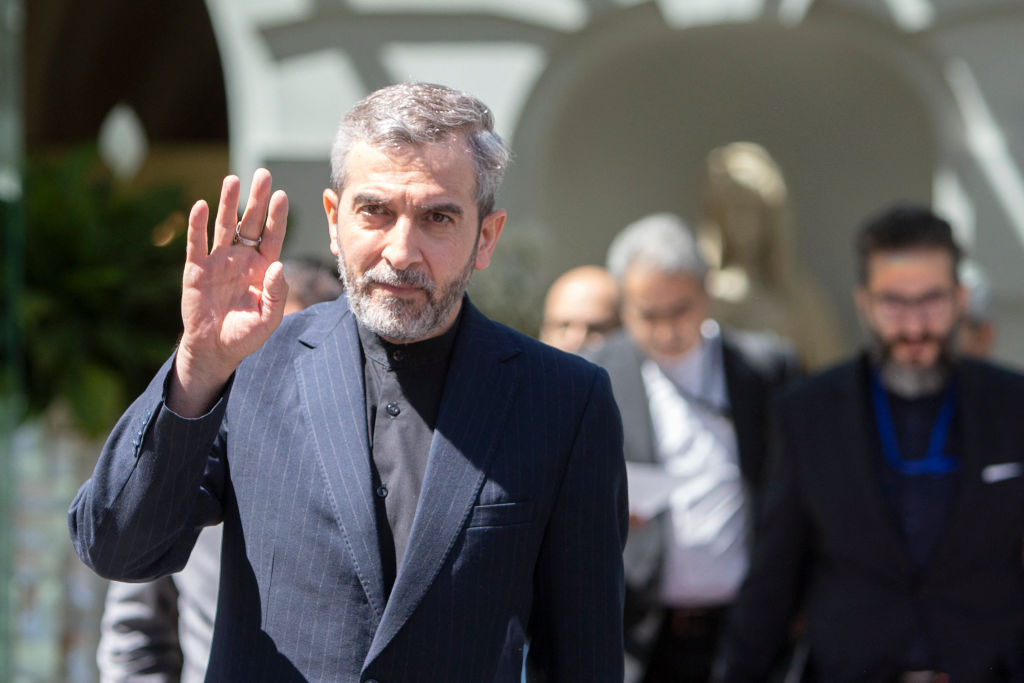
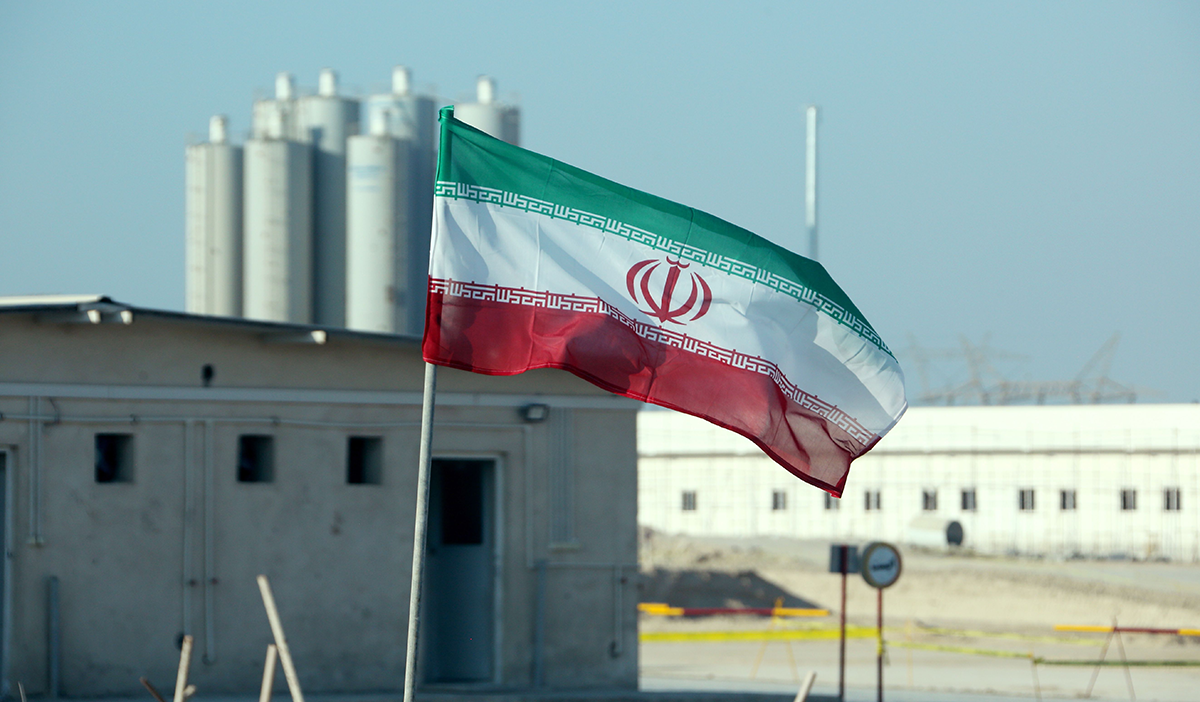
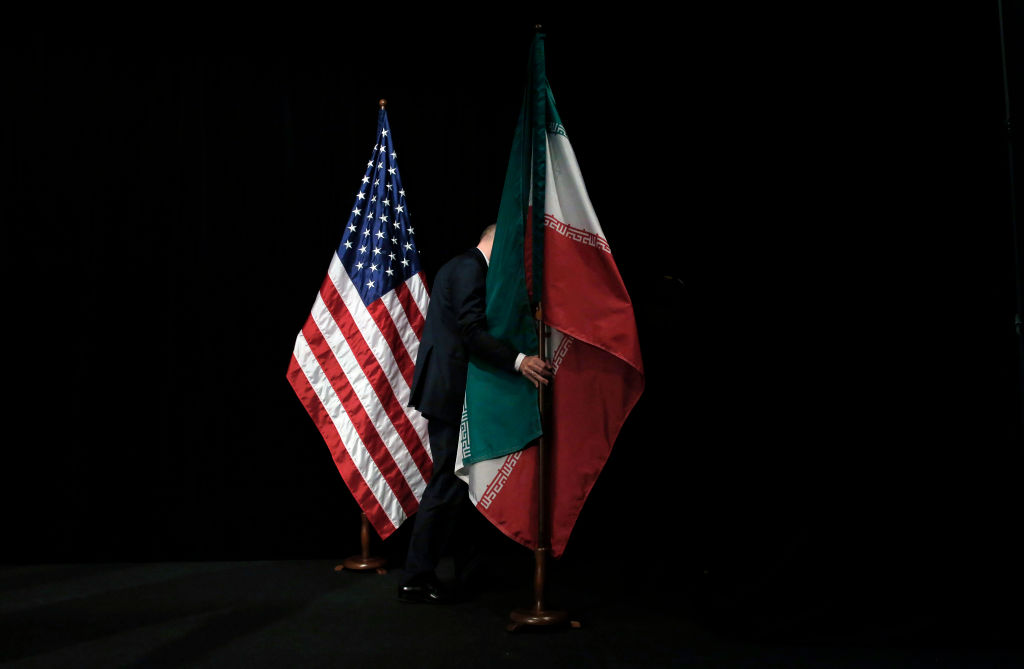
Washington says it doesn’t know who runs Iran. Tehran insists its leadership is united. MEI Senior Fellow Alex Vatanka joins hosts Alistair Taylor and Matthew Czekaj to sort out where the truth lies. They look at the small circle of political and military figures now steering the war effort in Tehran: who they are, how they make decisions, and how unified they really are. They also discuss the current state of US-Iran negotiations, the role of the upcoming midterm elections in the United States, and how the Islamic Republic is preparing for a potential renewal of conflict afterward.
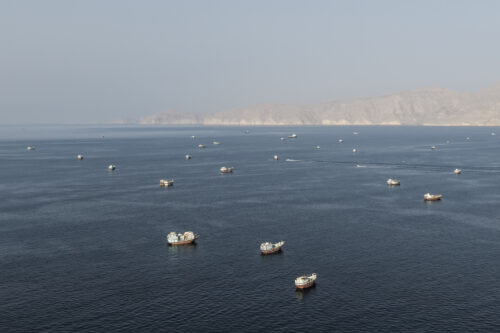
Crude oil is flowing out of the Gulf again, but the market is no better prepared for another disruption in the Strait of Hormuz. It has assembled a temporary system for managing one. Crude exports from the Gulf, excluding Iran, returned to pre-war levels in September, while total Gulf shipments reached 15.5 million barrels a day, more than 80% of the pre-conflict volume.
Many of the immediate consequences of the Israeli-American war with Iran are already clear. The further emergence of drones and missiles as dominant weapons of war; the danger to the global economy from the threats to vital chokepoints such as the Strait of Hormuz and the Bab el-Mandeb; and the inadequacy of US weapons procurement, among other issues, have garnered widespread and entirely merited attention.
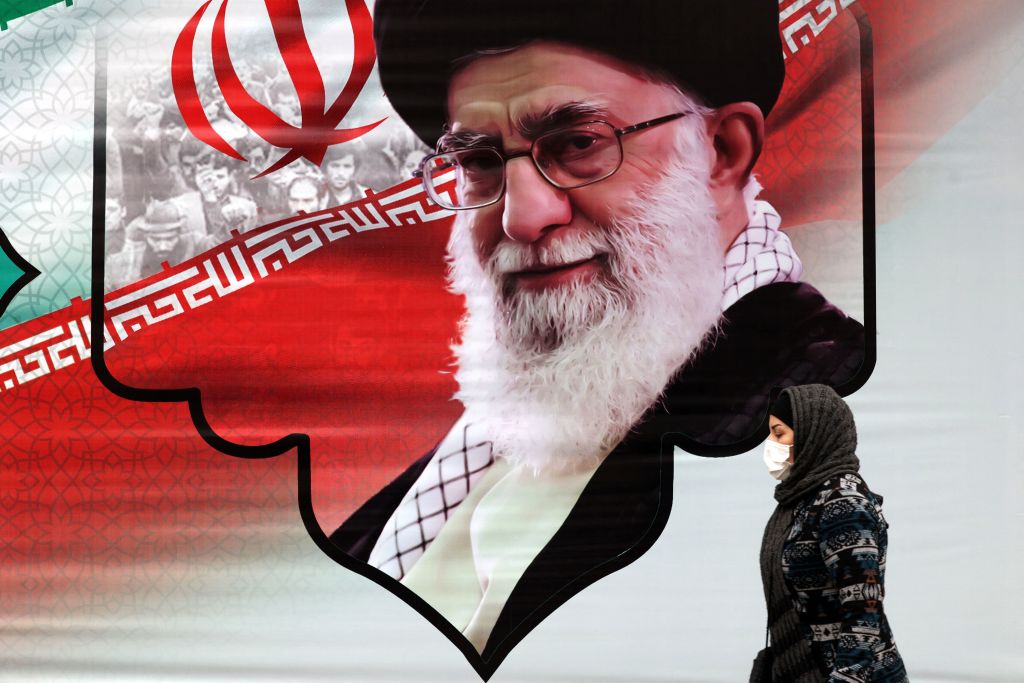
When he declared his presidential candidacy in May 2021, Ebrahim Raisi was already recognized as a favorite of Iran’s supreme leader, Ayatollah Ali Khamenei. A month later, Raisi was handed the job on a silver platter of an election that was carefully engineered by Khamenei. Voter turnout hit a historical low, making clear that Iranian voters saw the sham for what it was. From the get-go, then, Raisi’s primary concern was not Iranian public opinion but Khamenei’s continued patronage.
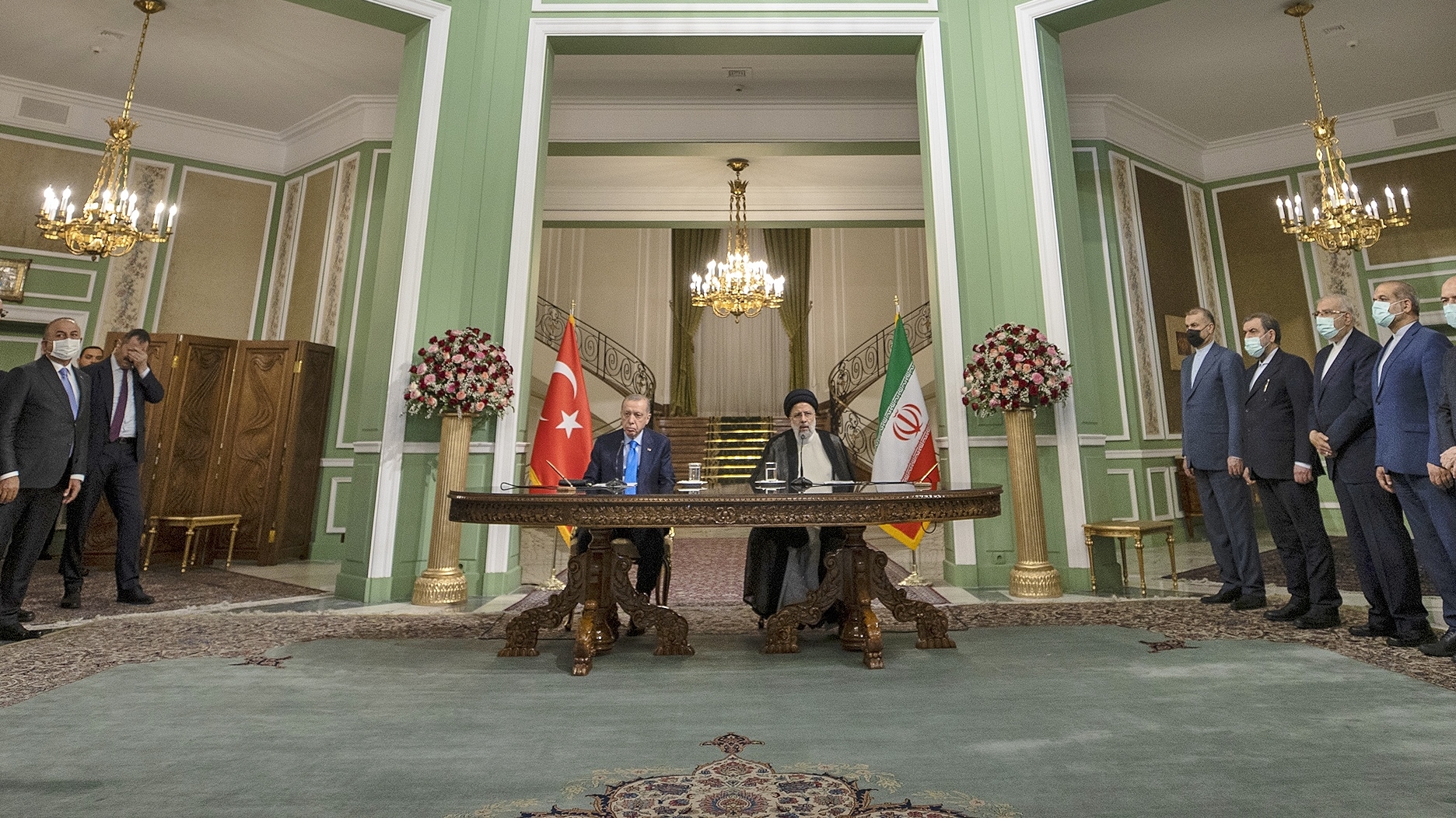
Erdoğan in Tehran, but Turkey and Iran have plenty of mistrust to overcome
Iranian-Turkish trade and economic cooperation has been the all-important platform on which otherwise often tense bilateral relations could survive. With trade and economic ties now weakening, their geopolitical rivalry could sharply re-intensify.
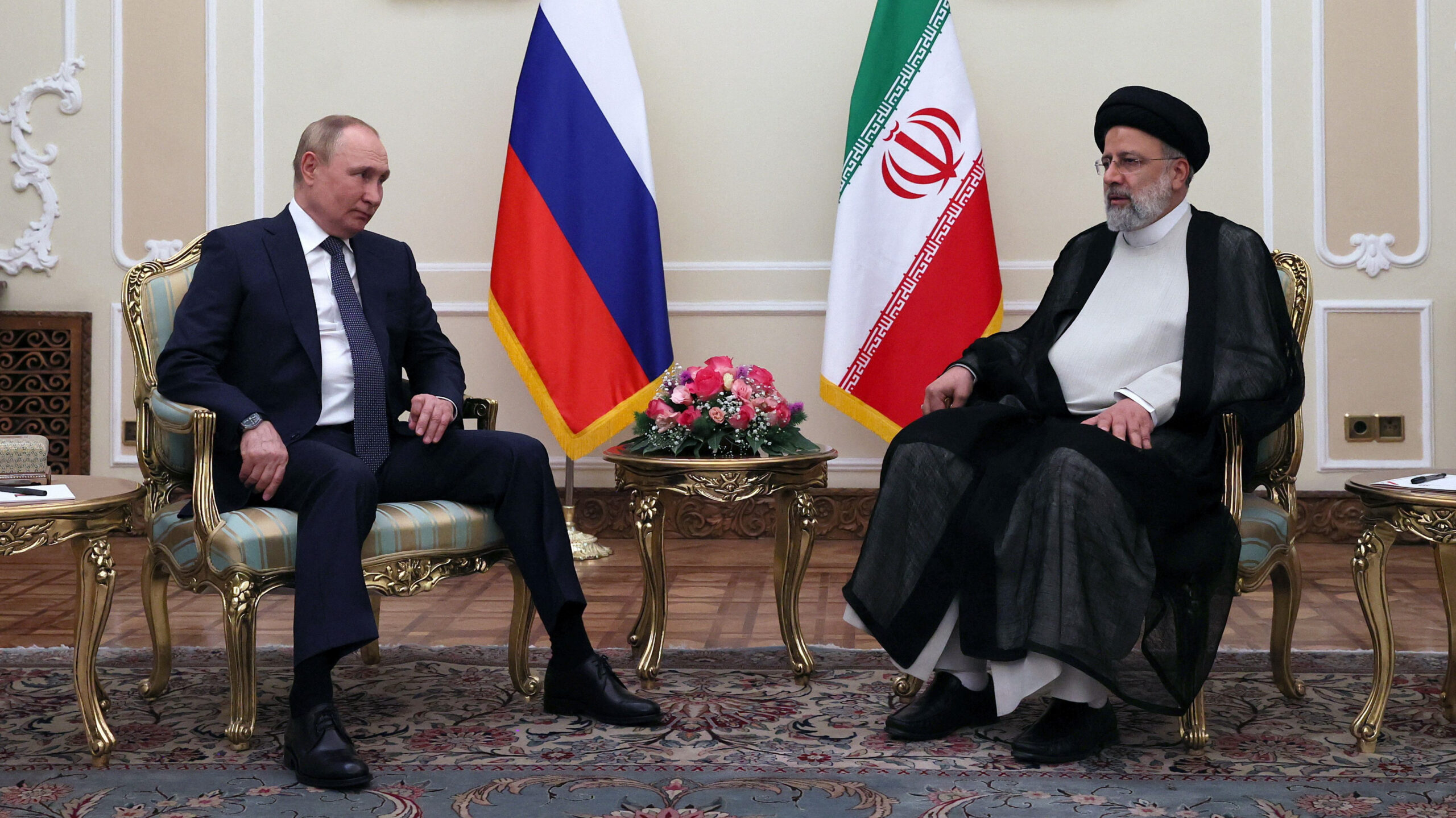
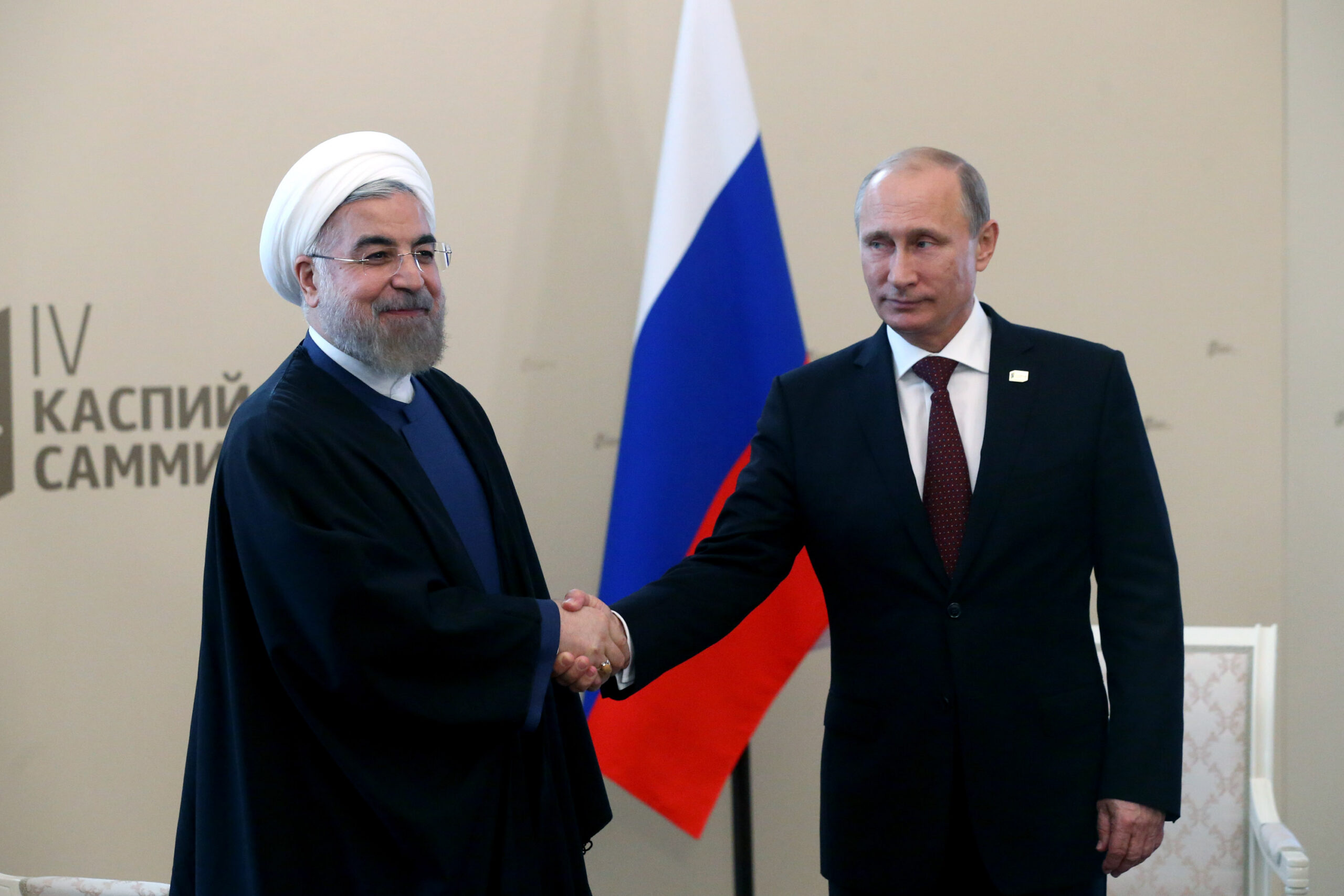
Putin’s visit to the Islamic Republic: Bringing Iran closer to Russia while building long-term leverage over Tehran
Russian President Vladimir Putin’s July 19 visit to Tehran will have important repercussions for the region’s evolving security environment as well as the trajectory of Iranian-Russian relations more specifically. Although officially billed as seeking to revive the “Astana peace process” on Syria, the significance of the trip has less to do with the trilateral meeting between Iran, Russia, and Turkey and more with the deepening of ties between Moscow and Tehran.
Israel’s new Iran strategy complicates regional security
The decades-long confrontation between Israel and Iran is now arguably becoming more dangerous. Amid a lack of consensus among Israeli leaders on how to address this perceived existential threat, calls for applying greater pressure are gaining momentum. The two countries have been engaged in a shadow war for years that includes assassinations, sabotage, kidnappings, and cyber operations, but a new phase of tensions may only bring them closer to a full-scale conflict.
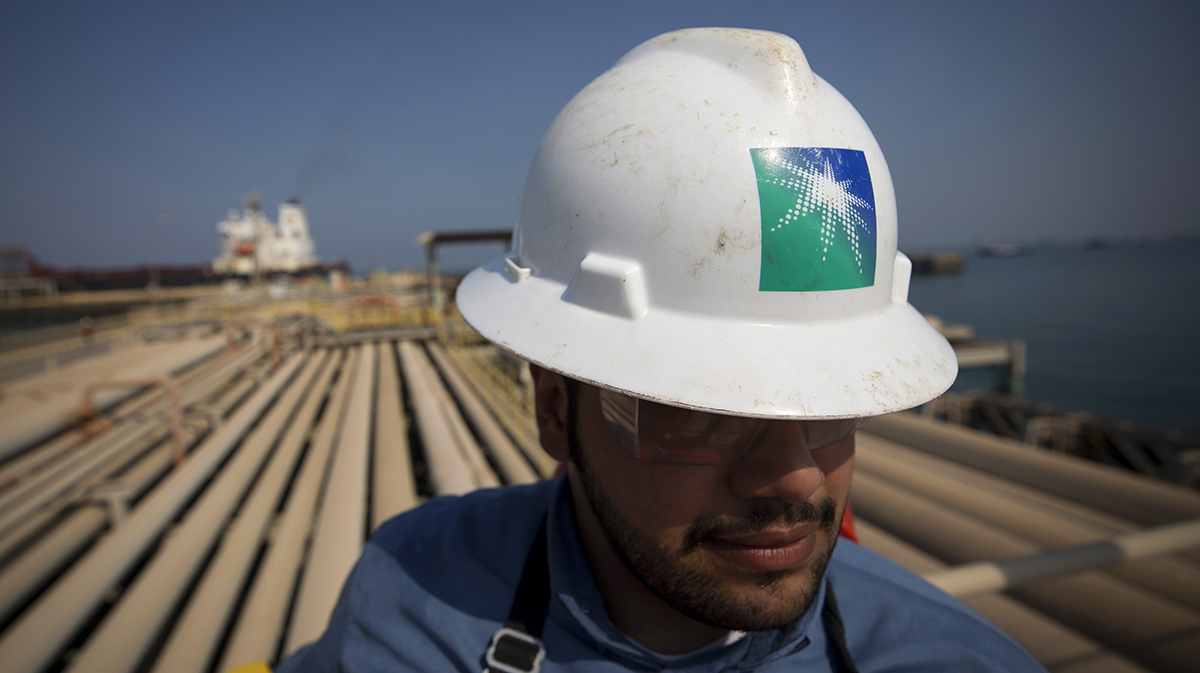
Industry analysts widely agree that OPEC+ production levels are currently well below the members’ authorized quotas and that any production increases will mainly be met by Saudi Arabia and the UAE. The challenges facing the group are daunting, but if met, seven major OPEC countries could feasibly raise crude oil production while utilizing existing infrastructure, significantly narrowing the global demand-supply gap.
Escalating emigration and the “drought” in Iran's IT industry
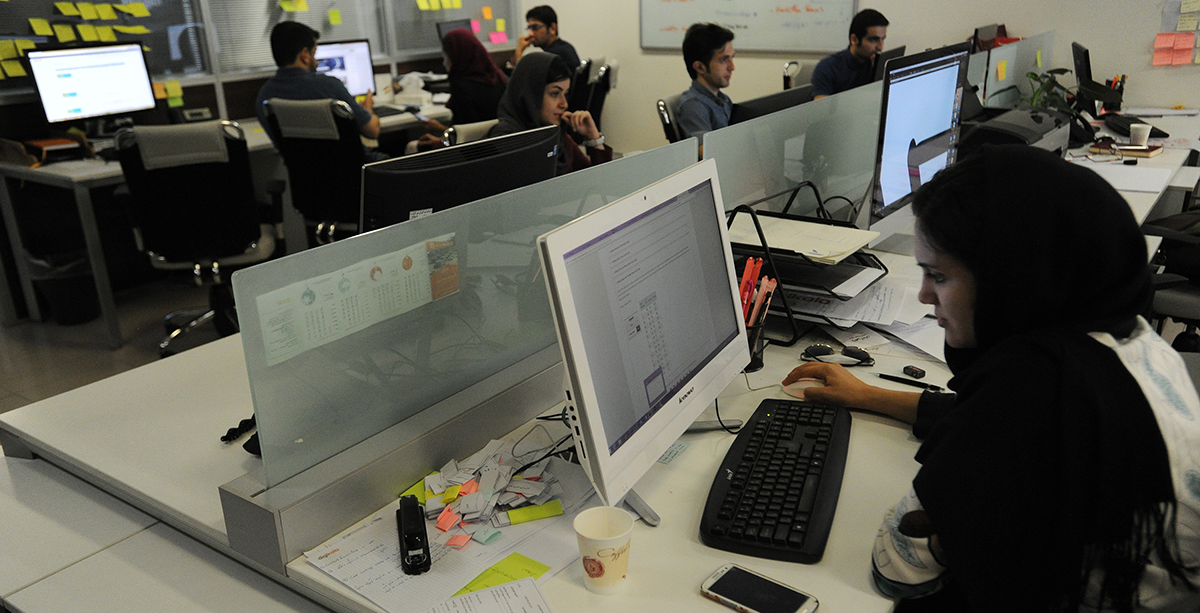
For many years, Iran’s educated elites have been leaving the country in growing numbers. They are emigrating, mostly to Western countries, for various reasons, but chief among them are poor economic conditions and a lack of political and social freedoms at home. Iran’s information technology sector is among the sectors hit hardest due to the burgeoning outflow of its experts in recent years.
For the past year, negotiations over the revival of the 2015 Iran nuclear deal, known as the Joint Comprehensive Plan of Action (JCPOA), have not been conclusive. It appears that Iran’s current JCPOA calculations are shaped by three key factors: the future transition of power, lessons learned from the Ukraine war, and changes in the emerging international order.
The view from Tehran on Biden’s trip to the Middle East
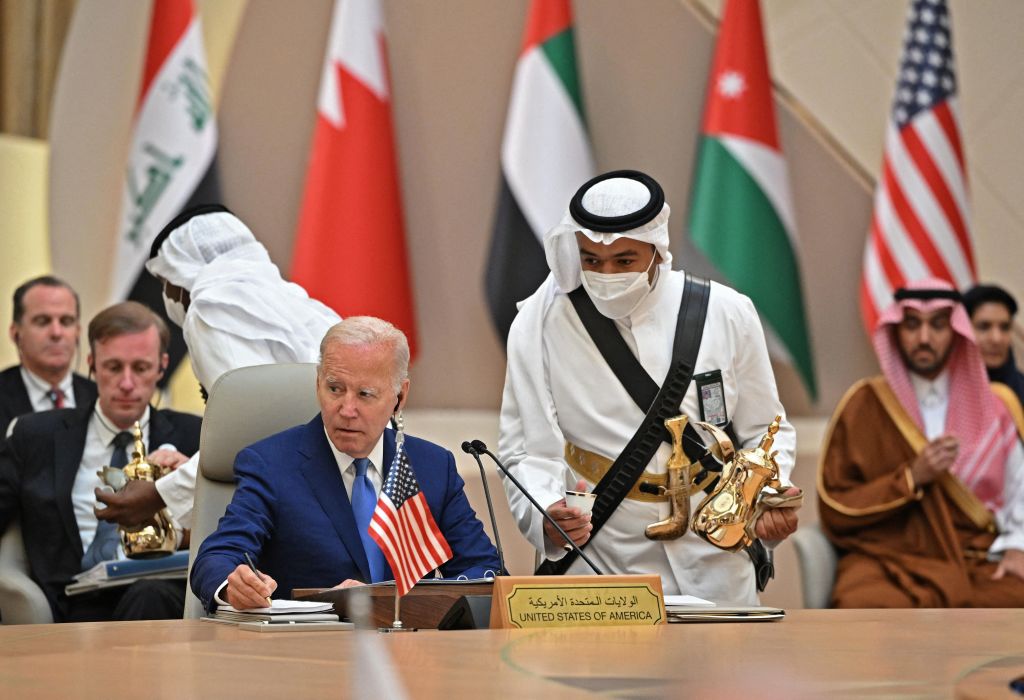
The Iranian authorities anticipate that President Joe Biden’s visit to the Middle East is aimed at one top priority: to reaffirm the U.S. commitment to its partners in the region. To achieve this goal, the expectation in Tehran is that Biden will make some concessions to America’s regional partners, but the Iranians are very hopeful that these will be limited and not capsize the already tenuous U.S.-Iran nuclear talks.
How Iran sees Turkey’s plan for a new military operation in Syria
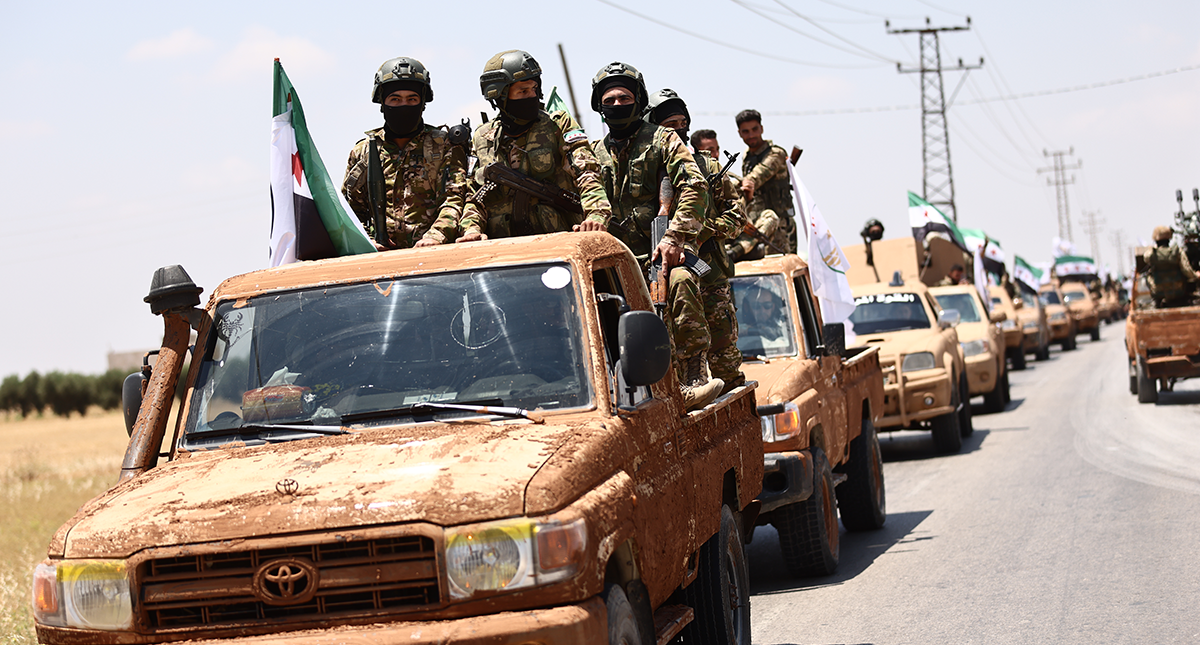
As the threat of a new Turkish military incursion into northern Syria looms, other international stakeholders in the Syrian crisis continue to voice their concerns over Ankara’s ambitions. At odds with Turkey since 2011 over its desire to overthrow the regime of Syrian President Bashar al-Assad and its support for an array of armed opposition factions, Iran has been increasingly vocal of late in opposing a potential new Turkish military operation.
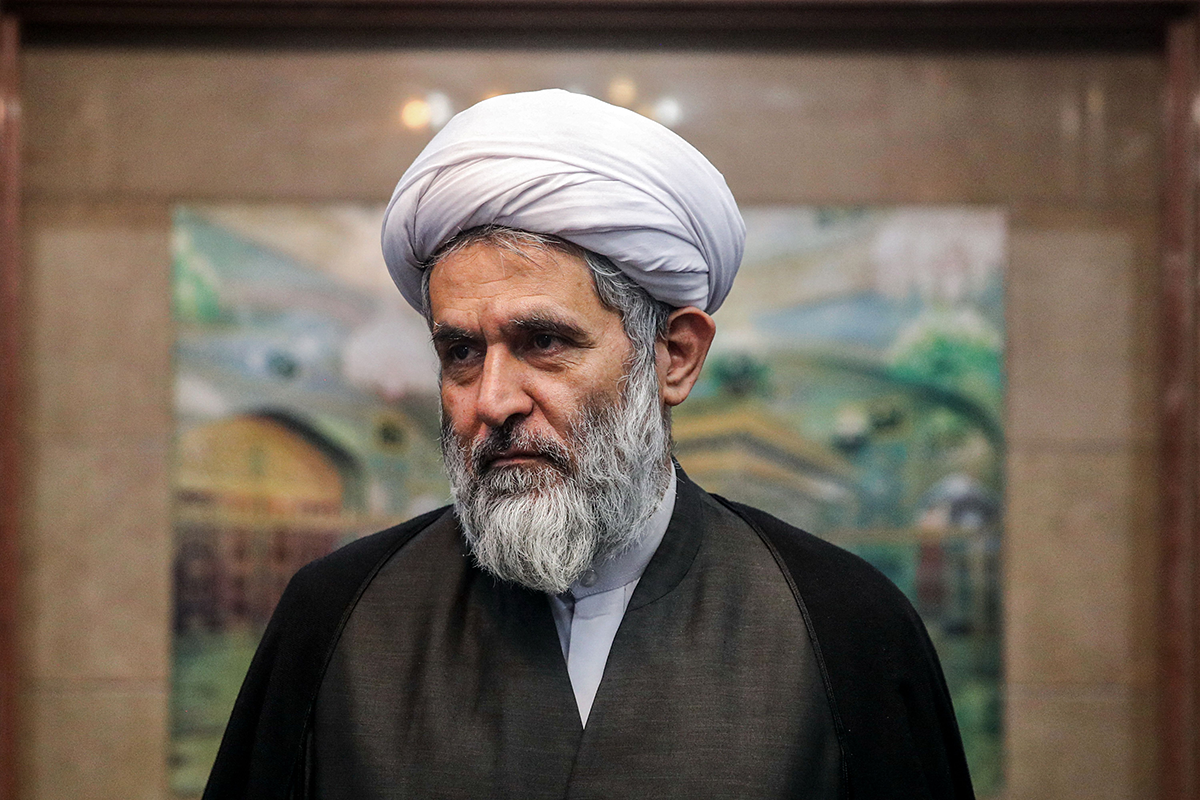
The departure of Hossein Taeb from his post as the head of Iran’s Islamic Revolutionary Guard Corps’ Intelligence Organization triggered a wave of reshuffling in the command structure of the guardsmen. But the story is more than just a reaction to Iran’s unsuccessful terrorist targeting of Israelis in Turkey and counterintelligence lapses. There are internal power struggles and a natural maturation of the Islamic Republic’s security structure that also likely figured into the decision to remove Taeb.
The oldest peer-reviewed publication dedicated to the study of the modern Middle East, MEI’s flagship journal covers politics, society, and culture in the region.