This article is part of a collection of short essays written by the Fellows of the Middle East Institute to explore aspects of the ongoing war with Iran. The intent of the collection is to help readers see new and unexpected elements of the dynamics and impact of the ongoing hostilities and to think harder, deeper, and broader about the implications of the conflict.
Yemen: The Houthis’ Role in the Next Evolution of the Axis of Resistance
The outbreak of the war with Iran demonstrated the strategic value of maritime chokepoints in the Islamic Republic’s confrontation with the United States. But as Tehran’s strategy of using the Strait of Hormuz to pressure Washington seems to be backfiring, Iran is working with the Houthis to strengthen its leverage over another strategic chokepoint: the Bab el-Mandeb. The recent escalation in Yemen should be viewed within this context.
US Regional Foreign Policy: Unforced Diplomatic Errors Risk Accelerating American Retrenchment
As the summer draws to a close, the storyline for the 2026 Iran war remains incomplete and the United States’ broader Middle East policy direction highly uncertain. None of the major issues that have long headlined Washington’s Iran portfolio appear any closer to resolution, and new problems have emerged that did not exist before.
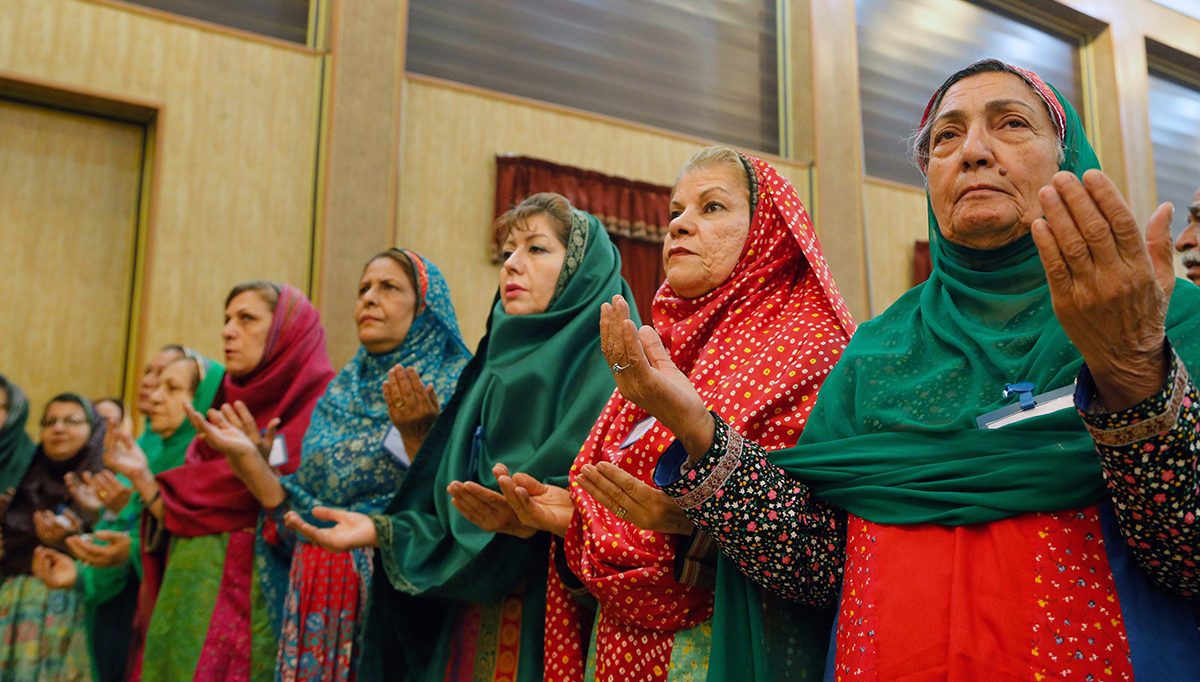
A stranger among us: Iran's tightening grip on religious minorities
For thousands of years, Iran has stood out as a culture that prized diversity and a place where religious minorities have flourished as independent communities. The Islamic Republic now seeks to change that, however, by implanting its own leaders inside different faith groups to protect and advance its interests.
Khamenei’s concerns over the future of the Iranian clergy (Part 2)
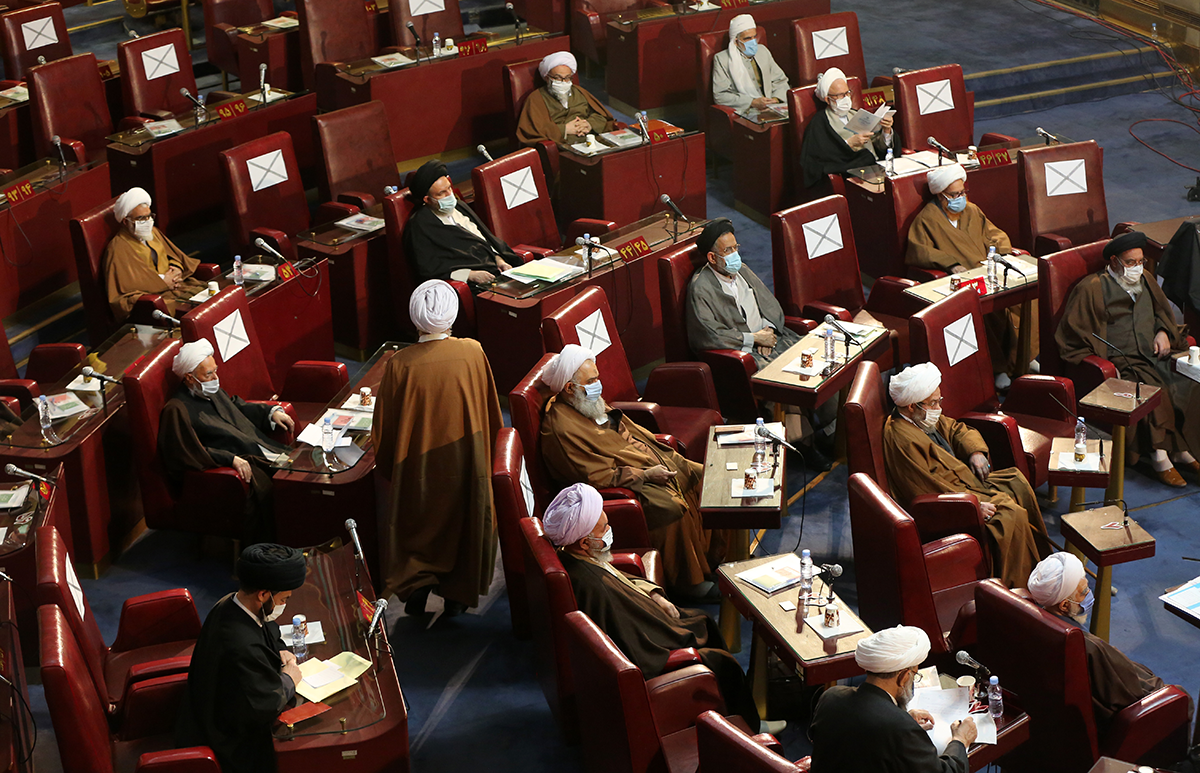
In recent years, numerous analyses have been published on the increasing influence of the IRGC within the Iranian regime. Nevertheless, the rise in the power of the military should not overshadow the fact that in the Islamic Republic, not only the paramount position of supreme leader, but also many other key roles are held exclusively by clerics. Moreover, many of these clerics, including the highest-ranking ones, must be appointed by the supreme leader. This system was designed to ensure the loyalty of key officials, but over time has given rise to growing concerns over the reliability of the next generation of clerics and the transfer of power.
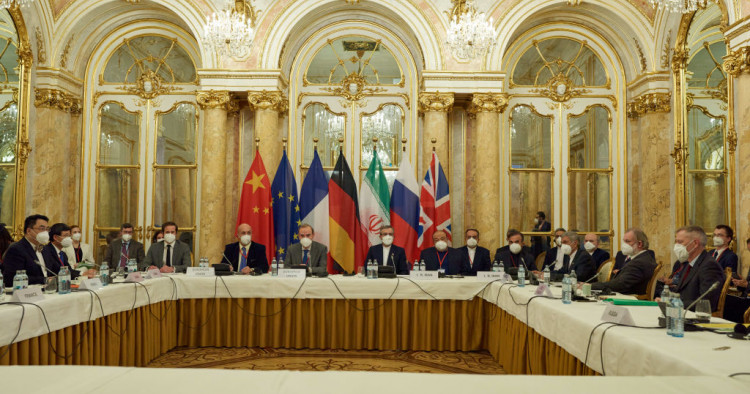
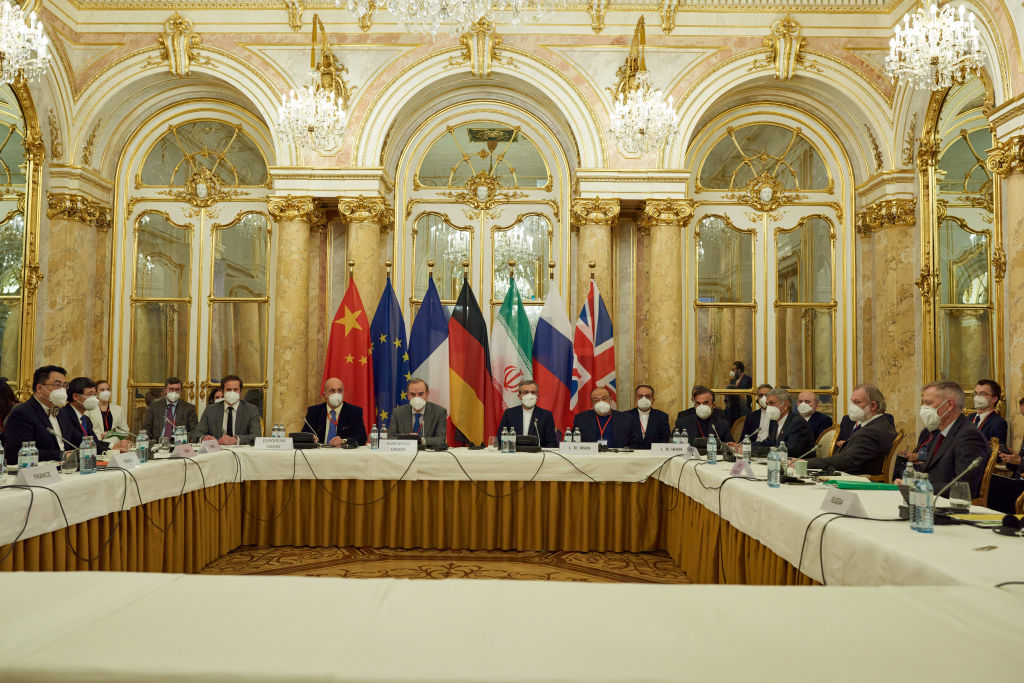
Ahead of the seventh round of the Iran nuclear negotiations that ended on Dec. 3 in Vienna, many observers interpreted Ebrahim Raisi’s election to the presidency and his recent rhetoric as representing a distinct shift in Iran’s nuclear strategy. Indeed, in November, Raisi’s government’s official newspaper Iran explained that Tehran’s strategy in Vienna has changed, and that it has embraced a new approach looking to compel the West to agree with Iran’s terms for a “good deal.” Yet there is more continuity than change in Iranian decision-making on the nuclear file than meets the eye, and Raisi’s election by itself has not represented a fundamental rearrangement.
Iranians are disillusioned with Biden’s soft approach to the Islamic Republic
If the Biden administration makes concessions to appease the Islamic Republic of Iran as part of the recently resumed Vienna nuclear talks, it will be a historic mistake. The Islamic Republic is facing a deep legitimacy crisis of its own making, as a series of disastrous decisions have hardened the people’s views against the regime. These days, anyone who is seen to be throwing the Islamic Republic a lifeline will be wildly unpopular among Iranians.
منذ البداية، عرَّفت جمهورية إيران الإسلامية نفسها على أنها دولة دينية يتمتع فيها رجال الدين بمكانة مميزة. ومع ذلك، لم تتمكن السلطات قط من إخفاء مخاوفها المستمرة بشأن ما تعتبره فجوة متنامية بين أفكار العديد من رجال الدين الإيرانيين ووجهات نظر المرشد الأعلى لإيران.
Khamenei’s concerns over the future of the Iranian clergy (Part 1)
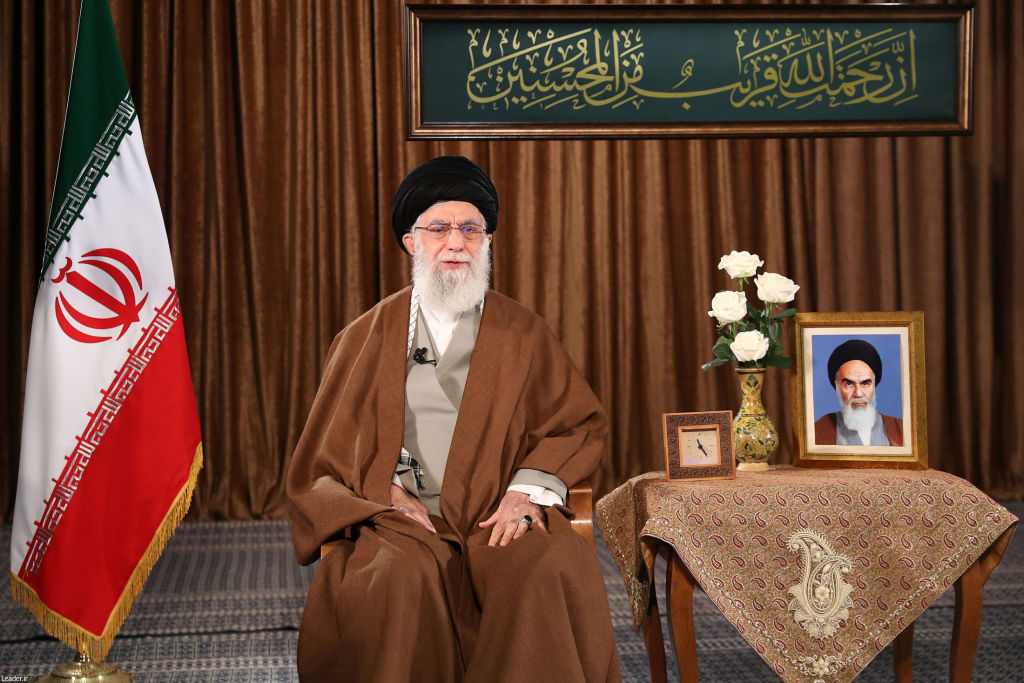
The Islamic Republic of Iran, from the very beginning, has defined itself as a religious state, in which the clergy enjoy a privileged status. Nevertheless, the authorities have never managed to hide their fears over what they see as a growing gap between the ideas of many Iranian clerics and the views of Iran’s supreme leader.
Plotting like a revolutionary: The need for growing like-minded humanistic networks of Iranians and Arabs
It is a mistake to view Iran’s regional aggression and hegemony as purely a result of violence and terrorism. Iran’s powerplay also has important media, political, economic, and cultural aspects.
Alex Vatanka and Michael Metrinko discuss the Iranian hostage crisis, how it has shaped US-Iran relations, and what that history tells us about the present and potential future of the Islamic Republic. Metrinko also recounts his experience as a political officer at the embassy in Iran in 1979 and being one of the 52 hostages.
The 3+3 format in the South Caucasus doesn’t add up
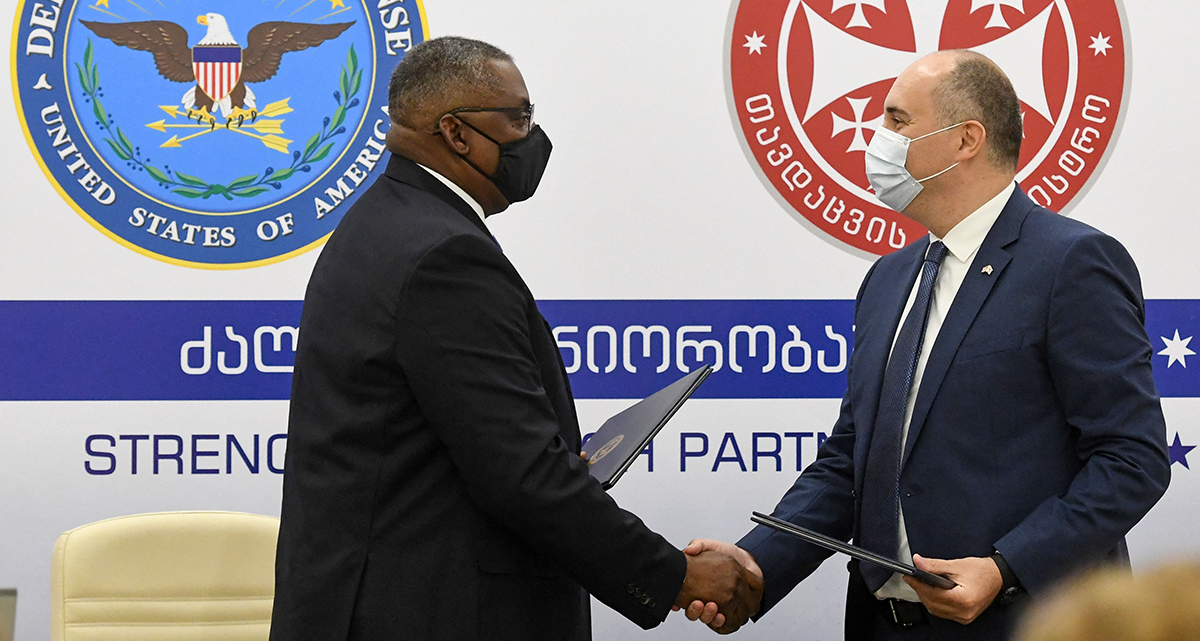
During his recent visit to Tbilisi, U.S. Defense Secretary Lloyd Austin poured cold water on the idea of American support for a so-called “3+3 format” in the South Caucasus. When asked about the proposal, he said, “I would just say that Russia, which currently occupies 20% of Georgia’s territory, should focus on honoring its 2008 cease-fire commitments before promoting any new discussion platforms.”
The oldest peer-reviewed publication dedicated to the study of the modern Middle East, MEI’s flagship journal covers politics, society, and culture in the region.