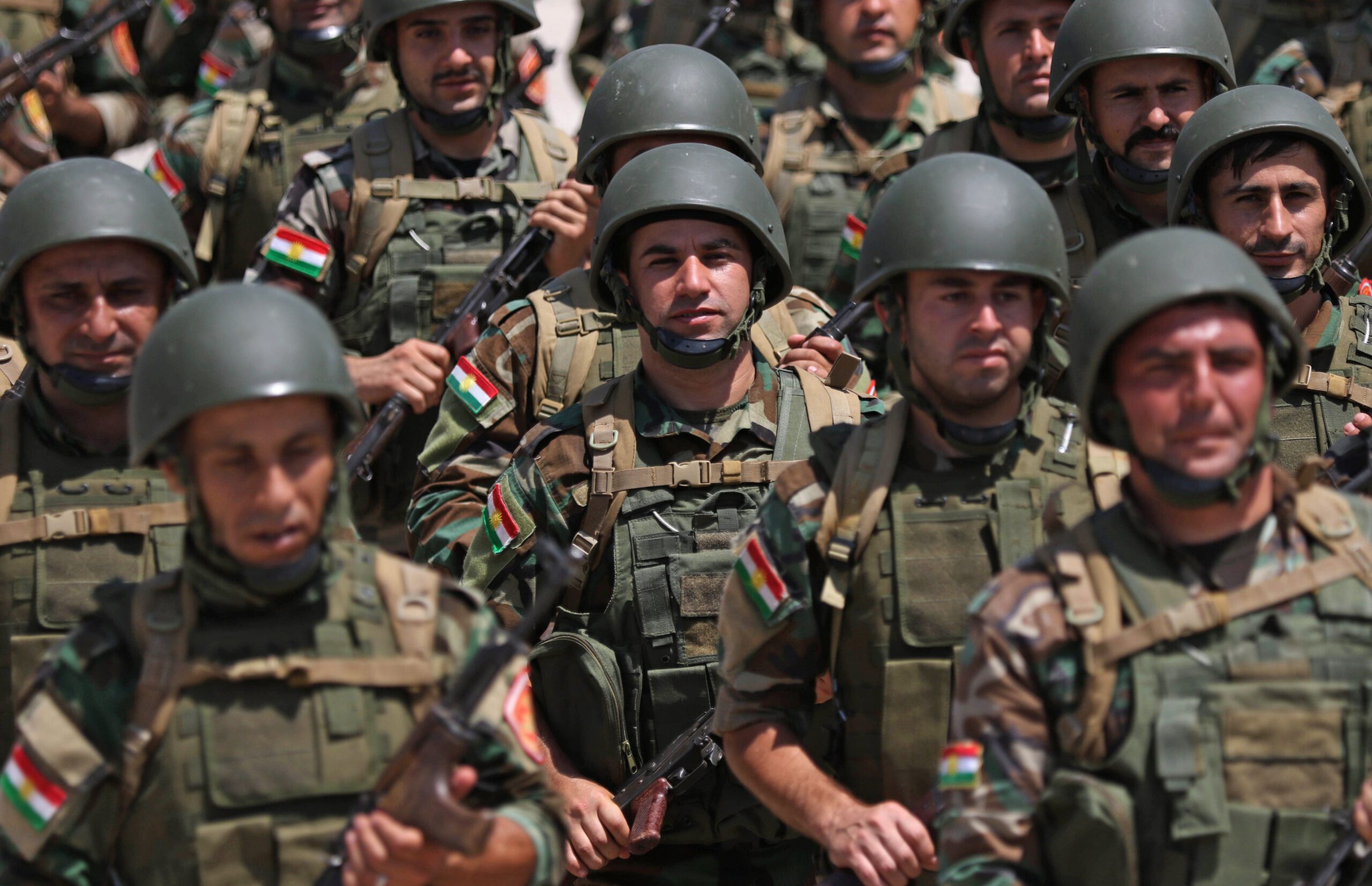
The Kurdistan Region of Iraq (KRI), also known as Iraqi Kurdistan, is a semi-autonomous region in northeastern Iraq with a population of approximately 6.5 million. The KRI’s contemporary politics are rooted in a century of Kurdish efforts to achieve self-rule.
Reflections on a Diplomatic Career in the Middle East: A Conversation With Ambassador Yael Lempert
Brian is joined by Amb. (ret.) Yael Lempert, Vice President for Outreach at MEI, to discuss her career in diplomacy and the importance of US diplomatic efforts abroad. She shares stories from postings across the Middle East in Baghdad, Cairo, Tripoli, Jerusalem, and Amman and examines how her personal and professional experiences shaped her approach to the work. Together, Brian and Yael discuss the realities of life in the Foreign Service, the core tenets of American diplomacy, and why it matters in today’s Middle East.
It has become a commonplace for Americans to describe our current war with Iran as stuck in a kind of limbo, neither full war nor real peace. We’re not the only ones. Iraq finds itself caught in a limbo of its own, between America and Iran, between the tolerable and the intolerable, between progress and relapse.
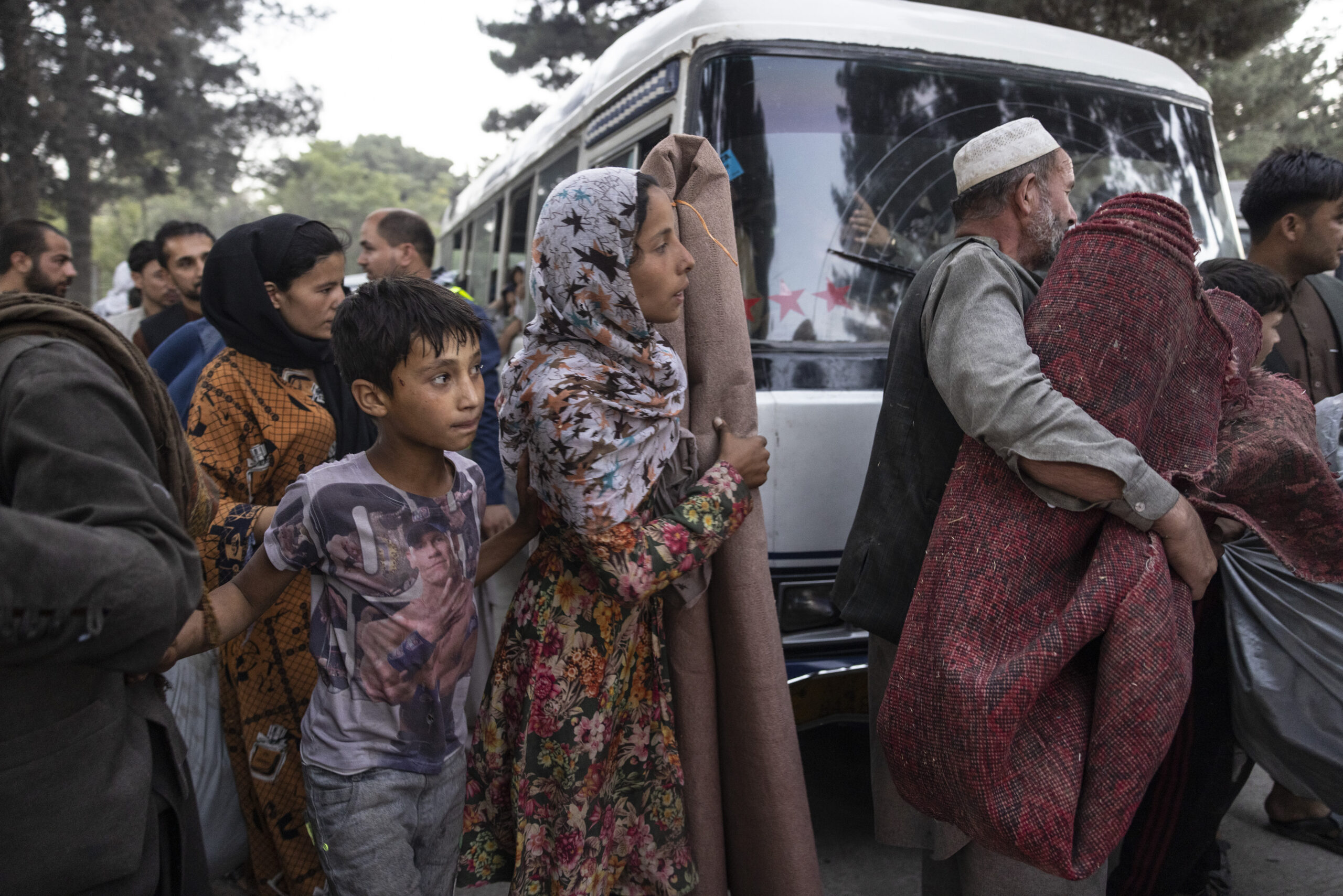
Budget dust: Better approaches for security and sustainability — lessons learned from Iraq and Afghanistan
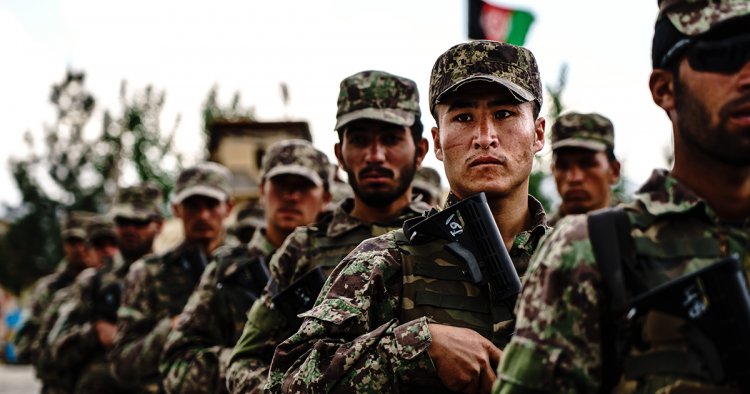
It took the Taliban just three and a half months to undermine a 20-year international effort to build a competent Afghan military. The Afghanistan National Army (ANA) collapsed once it was clear the U.S. was pulling out ground troops and ceasing air support operations after two decades of training and sustainment that cost the American taxpayer approximately $83 billion. When required to stand alone, against a Taliban force, the ANA failed unequivocally. Building the ANA as a mirror image of the U.S. military was strategically and operationally flawed. If they are designed to fight like the U.S. but cannot fight in the absence of U.S. forces, they are ineffective. What lessons should we learn from this and how could our approach be different in the future?
Ross Harrison, Paul Salem, and Randa Slim join host Alistair Taylor to reflect on 9/11’s impact on US policy in the Middle East over the past 20 years and how its legacy has been viewed by the region.
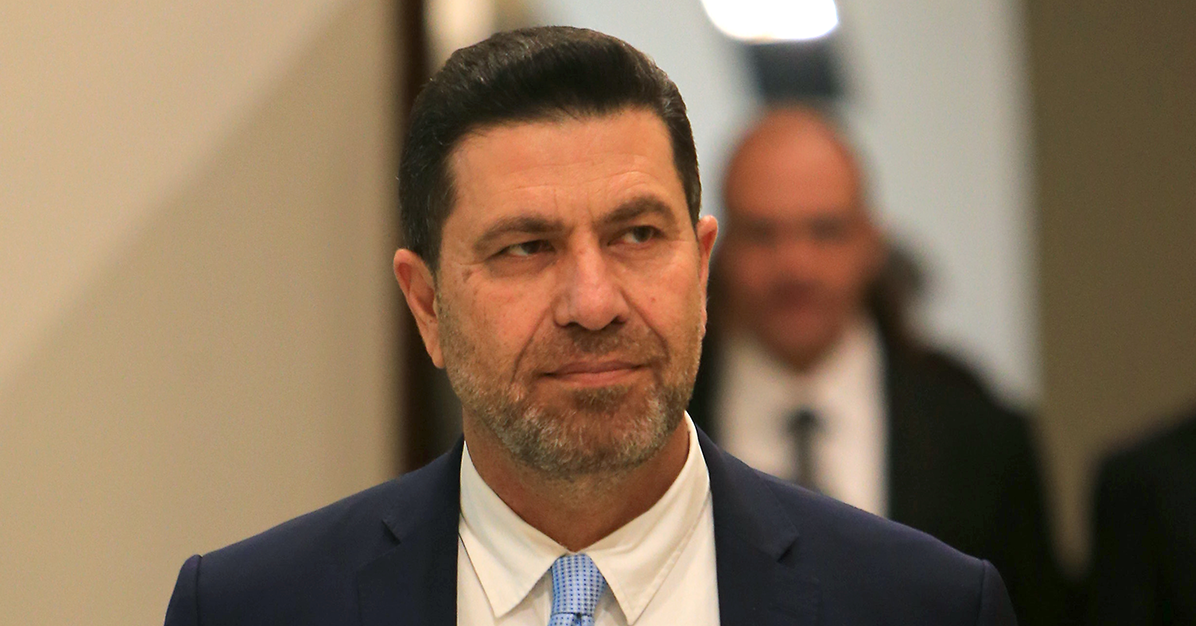
Baghdad, Beirut, and the politics of Lebanon’s power crisis
On July 24, Beirut and Baghdad signed a governmental framework agreement under which Iraq pledged 1 million tons of heavy fuel oil to Lebanon over a full year.
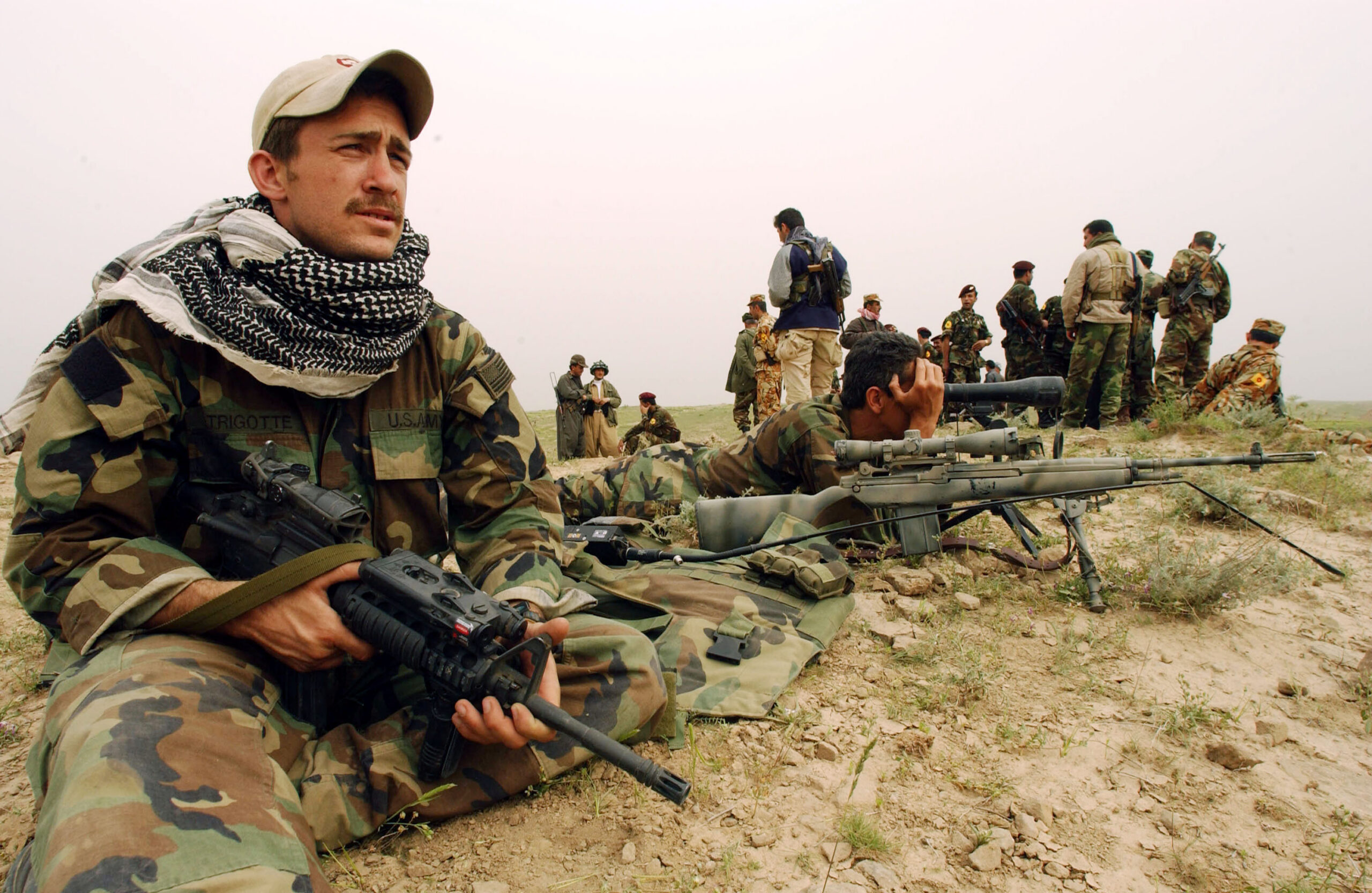
Mick Mulroy and Ken Tovo join host Alistair Taylor to discuss their recent paper on how US intelligence and military operatives effectively collaborated with local Kurdish partners in Northern Iraq in the early 2000s, why it was a successful partnership, and what lessons it may provide for future operations. The paper, “Irregular Warfare: A Case Study in CIA and US Army Special Forces Operations in Northern Iraq, 2002-03,” is available now on MEI’s website.
Irregular Warfare: A Case Study in CIA and US Army Special Forces Operations in Northern Iraq, 2002-03
Irregular warfare (IW) is increasingly common in the 21st century and the U.S. must learn from its successful experiences with it and apply those lessons to great power competition. For the past two decades the CIA and Army Special Forces have demonstrated how to leverage interagency relationships and apply complementary capabilities to achieve successful IW outcomes. The CIA/Army Special Forces partnership in Northern Iraq during the invasion of Iraq demonstrates the value of this interagency team and provides lessons and a model for the conduct of IW in the future.
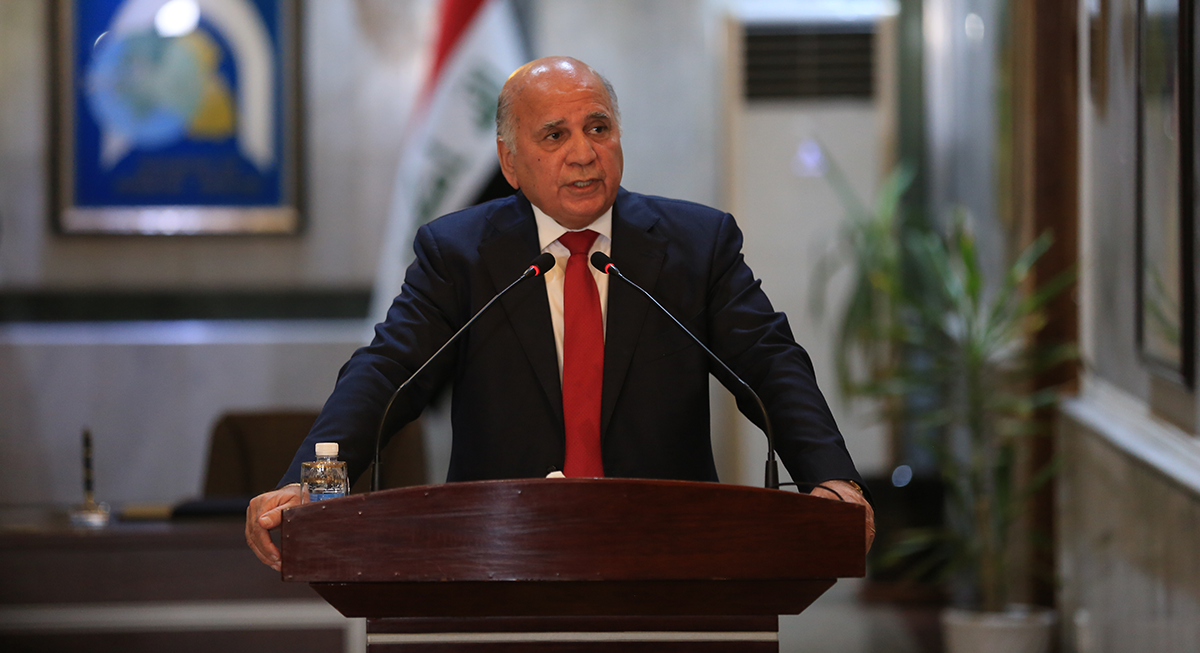
في 8 أغسطس/آب، سلَّم وزير الخارجية العراقي فؤاد حسين، عبر نظيره السعودي، دعوة من رئيس الوزراء مصطفى الكاظمي إلى العاهل السعودي الملك سلمان بن عبد العزيز آل سعود لحضور “قمة” لدول جوار العراق على مستوى القادة، والتي ستُعقد في نهاية هذا الشهر. في اليوم نفسه، وجَّه دعوة أخرى إلى الرئيس التركي رجب طيب أردوغان. لا شك أن الفكرة طموحة والصورة الأولى التي تتبادر إلى الذهن هي الاحتمال غير المرجح أن يجلس الملك سلمان والرئيس الإيراني الجديد المتشدد إبراهيم رئيسي، على جانبي الطاولة نفسها في بغداد.
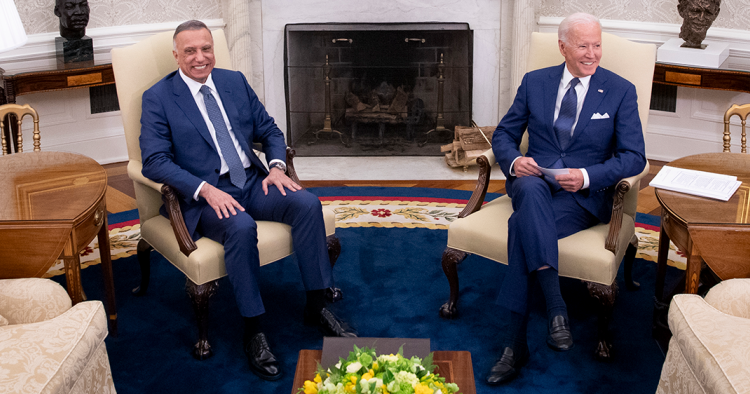
There were two parts to the Iraqi prime minister’s request to President Biden on July 26 in their meeting at the White House: end Washington’s combat mission in Iraq but maintain U.S. military assistance there. The first part was aimed mostly at Mustafa al-Kadhimi’s domestic audience; the roughly 2,500 U.S. troops in Iraq are there primarily to advise and assist the Iraqi army. But the second part deserves a bit of thought.
لقاء الرئيس جو بايدن مع رئيس الوزراء العراقي مصطفى الكاظمي يوم الاثنين 26 يوليو/تموز لن يفتح آفاقًا جديدة، لكن الأمريكيين بدلًا من ذلك يحاولون إبراز الجوانب غير العسكرية للعلاقة الثنائية. ففي وزارة الخارجية الأمريكية في نهاية الأسبوع الماضي، قاد وزير الخارجية أنتوني بلينكن ووزير الخارجية العراقي فؤاد حسين فرقًا ناقشت التعاون المستمر في مجالات مثل الصحة العامة، حيث يدعم الأمريكيون جهود بغداد للتعامل مع تفشي فيروس كورونا. كما أعلن بلينكن يوم الجمعة الماضي عن مساعدات إنسانية أخرى بقيمة 155 مليون دولار للعراقيين النازحين داخليًا وكذلك لتجمعات اللاجئين العراقيين في الدول المجاورة.
Hezbollah’s Regional Activities in Support of Iran’s Proxy Networks
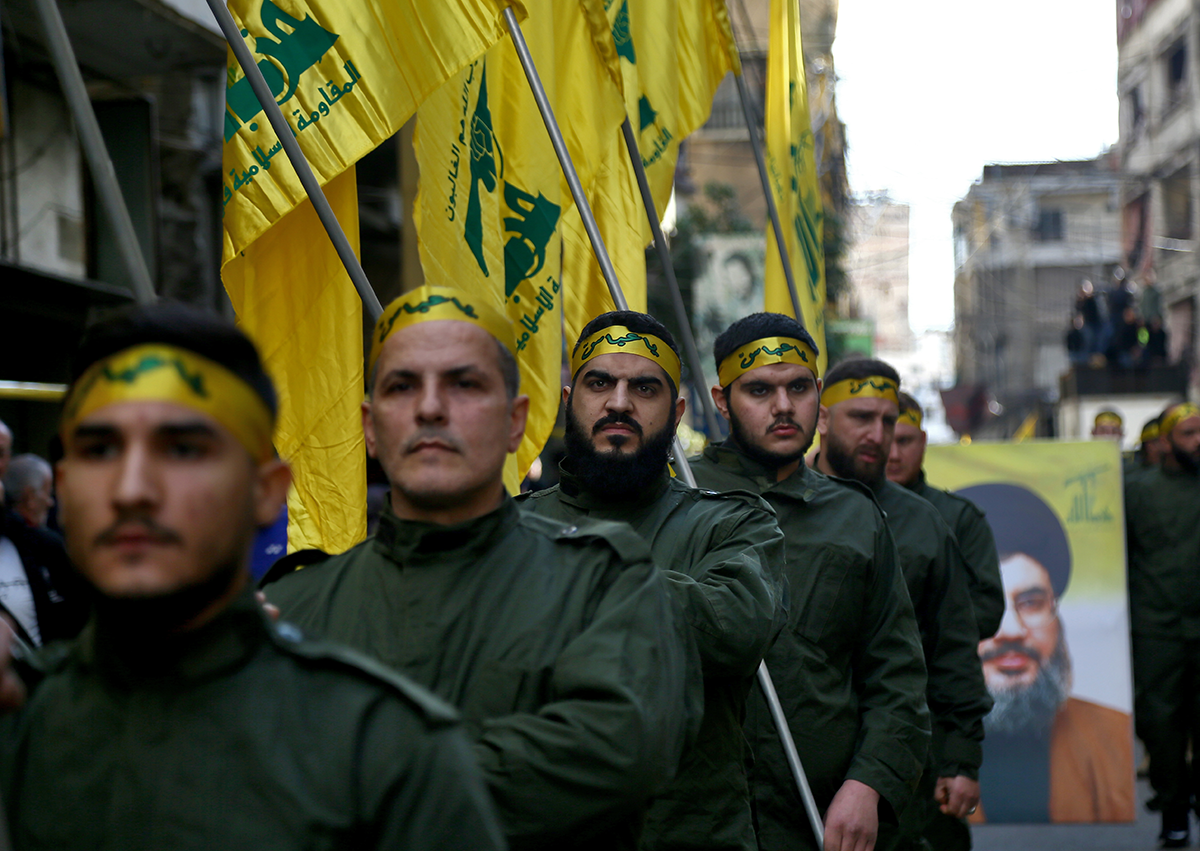
As a Lebanese actor ideologically tied to Iran, Hezbollah has multiple allegiances and objectives that do not always align symmetrically. Hezbollah’s regional activities are a reflection of the group’s increasingly close alignment with Iran, rather than the interests of the Lebanese state or citizenry. Today, Hezbollah’s regional adventurism is most pronounced in its expeditionary forces deployed in Syria and elsewhere in the region, but no less important are the group’s advanced training regimen for other Shi’a militias aligned with Iran, its expansive illicit financing activities across the region, and its procurement, intelligence, cyber, and disinformation activities. Together, these underscore the scale and scope of the group’s all-in approach to transforming from one of several Lebanese militias into a regional player acting at Iran’s behest.
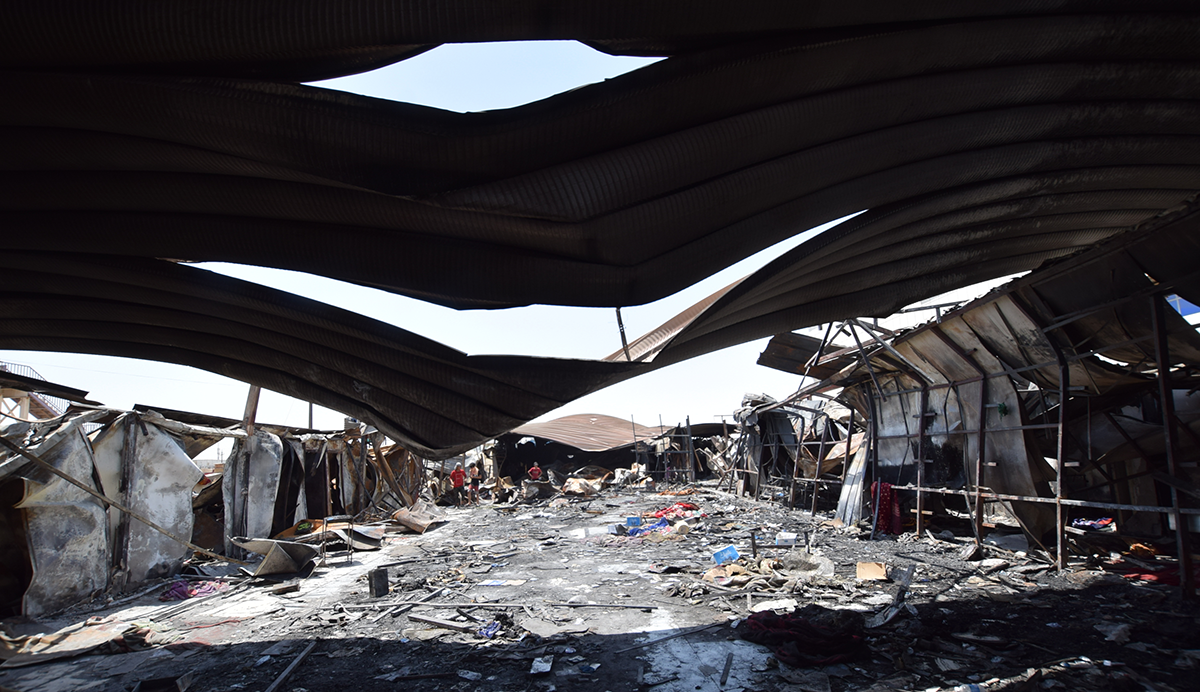
The idea for writing this piece came late last Tuesday as feelings ran high — the author’s included — amid scenes of patients’ charred bodies being pulled out from what remained of a burned-out coronavirus isolation ward in Nassiriya. It was originally meant to be a eulogy for those lost to Iraq’s stubborn corruption and chronic mismanagement, but it has since become a eulogy for democracy in Iraq.
The War at Home: The Need for Internal Security Sector Reform in Iraqi Kurdistan
The forces and agencies of Kurdistan’s Ministry of Interior and the Kurdistan Region Security Council, collectively referred to the Kurdistan Region Interior Forces, are now the region’s main security actors, but their role as instruments of partisan rivalry and enforcers of public loyalty to the political bureaus threatens the Kurdistan Region’s stability. This report makes the case that coalition security sector reform efforts should be refocused on them. Although Peshmerga reform is necessary to improve the Kurdistan Region’s ability to combat external threats, it is equally, if not more important to start the same reform within these internal forces and agencies to achieve durable stability.
The oldest peer-reviewed publication dedicated to the study of the modern Middle East, MEI’s flagship journal covers politics, society, and culture in the region.