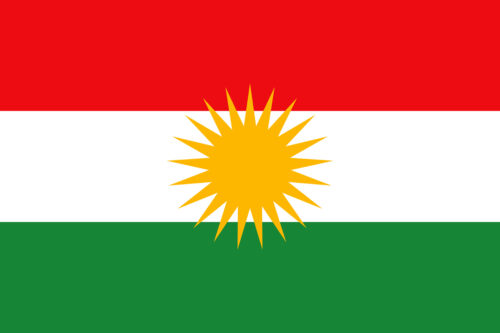
The Kurdistan Region of Iraq (KRI), also known as Iraqi Kurdistan, is a semi-autonomous region in northeastern Iraq with a population of approximately 6.5 million. The KRI’s contemporary politics are rooted in a century of Kurdish efforts to achieve self-rule.
Reflections on a Diplomatic Career in the Middle East: A Conversation With Ambassador Yael Lempert
Brian is joined by Amb. (ret.) Yael Lempert, Vice President for Outreach at MEI, to discuss her career in diplomacy and the importance of US diplomatic efforts abroad. She shares stories from postings across the Middle East in Baghdad, Cairo, Tripoli, Jerusalem, and Amman and examines how her personal and professional experiences shaped her approach to the work. Together, Brian and Yael discuss the realities of life in the Foreign Service, the core tenets of American diplomacy, and why it matters in today’s Middle East.
It has become a commonplace for Americans to describe our current war with Iran as stuck in a kind of limbo, neither full war nor real peace. We’re not the only ones. Iraq finds itself caught in a limbo of its own, between America and Iran, between the tolerable and the intolerable, between progress and relapse.
Iran’s soft power: Islamic Azad University opening branches in major Syrian and Iraqi cities
While Iran’s military involvement in regional conflicts and support for militant groups often make headlines, Tehran’s sophisticated soft power strategies aimed at promoting the Islamic Republic’s ideological and political goals in the region are largely overlooked. The establishment of Islamic Azad Universities in major Syrian and Iraqi cities and the expansion of its main branch in Lebanon is one example of how Tehran uses soft power tools to expand its sphere of influence across the region.
Fittingly for someone who divides her time between two river cities, DC-born, Baghdad-bred, and now London-based filmmaker Maysoon Pachachi says she is a woman who “lives on a bridge.”
“I’ve been a stranger everywhere I’ve lived,” says Pachachi, now 70, whose documentaries have captured life in Gazan refugee camps, downtown Beirut and medieval Cairo. “I’ve moved around my whole life, but I can adapt and fit in wherever I am.”
Iran-Backed Militia Groups Threaten US Forces in Iraq
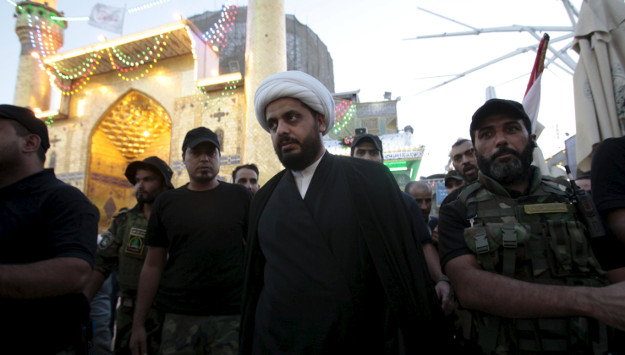
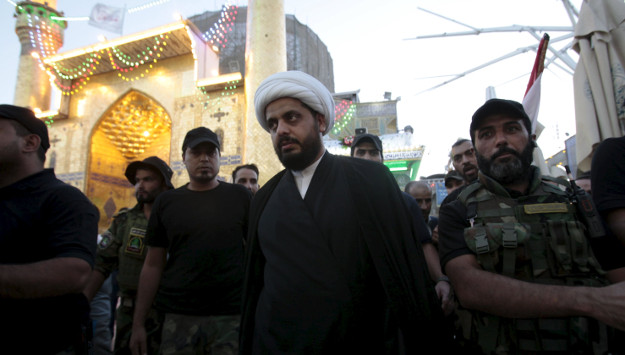
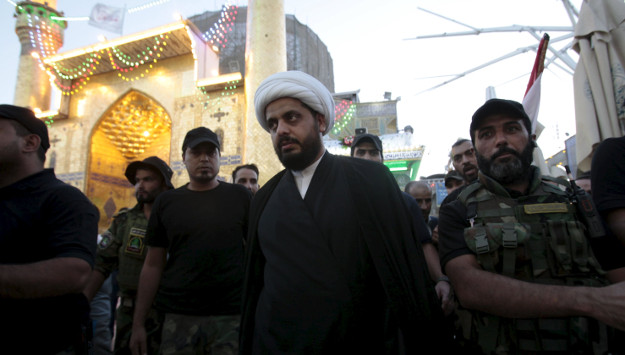
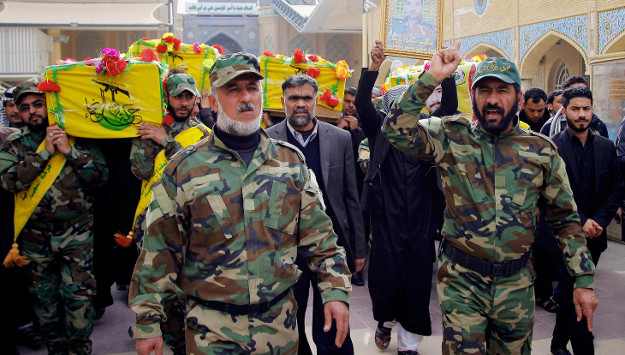
The head of a prominent Iranian-backed Iraqi militia group has called for the exit of American troops from Iraq, Iran’s Fars News Agency reported today. “We have repeatedly heard American government officials saying that Washington wants to remain in Iraq after ISIS for the long haul. This is not something that we want to allow to happen and is totally acceptable to us,” Qais al-Khazali, the secretary-general of Asa’ib Ahl al-Haq, said during a speech in the Iraqi city of Najaf.
Iran Worried about Shiite Allies in Iraq Losing Power in Next Elections
Major General Yahya Rahim Safavi, senior advisor to Supreme Leader Ali Khamenei on military affairs, has expressed the concern that Iran’s interests in Iraq could be imperiled if the upcoming Iraqi parliamentary elections change the balance of power in
Iran-Backed Iraqi Paramilitaries Gearing up for Next Year’s Elections
The leader of a prominent Iranian-backed unit within Iraq’s Popular Mobilization Forces (P.M.F.) said today that his group will hand over its heavy and medium weapons to the Iraqi security forces, Iran’s Fars News Agency reported. Qais al-Khazali, the head of the Asa’ib Ahl al-Haq, called on the Iraqi government to value P.M.F. forces as an asset and treat them fairly. The A.A.H.
Iran-Backed Militia Leader’s Tour of Lebanese-Israeli Border Raises Concern
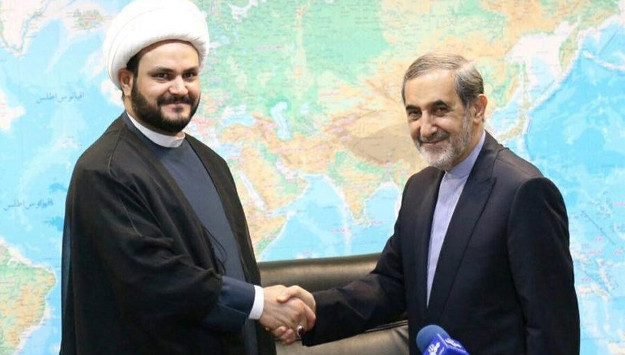
A prominent Iranian-supported Iraqi militia commander has visited the Lebanese-Israeli border and pledged to support Hezbollah in a potential war against Israel in the future, Iranian and
Iran-Backed Militia Calls U.S. Troops in Iraq “Legitimate Target”
Harakat al-Nujaba, an Iranian-sponsored Iraqi militia group fighting in Iraq and Syria, today threatened to attack American troops in Iraq and the broader region in response to President Donald Trump’s announcement yesterday about the recognition of Jerusalem as Israel’s capital.
Iran-Backed Iraqi Groups Threaten Violence Following U.S. Terrorism Bill
Two Iranian-backed Iraqi militia groups have threatened violence against the United States in Iraq and the broader region after a proposed U.S. congressional bill designated them as terrorist organizations. On November 3, a bill was introduced the U.S.
Conditions Facing Religious Minorities in Iraqi Kurdistan (Livestream)
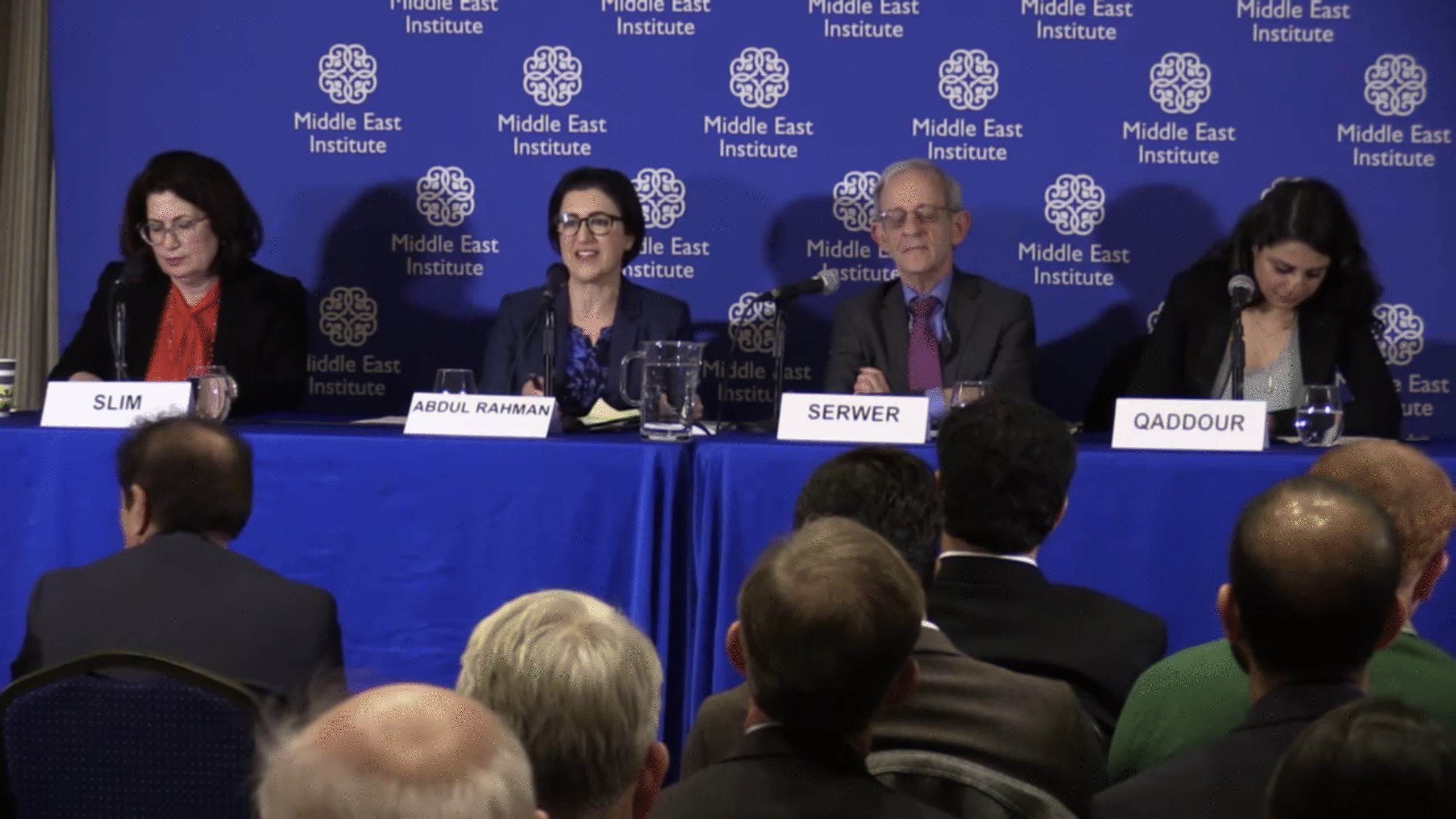
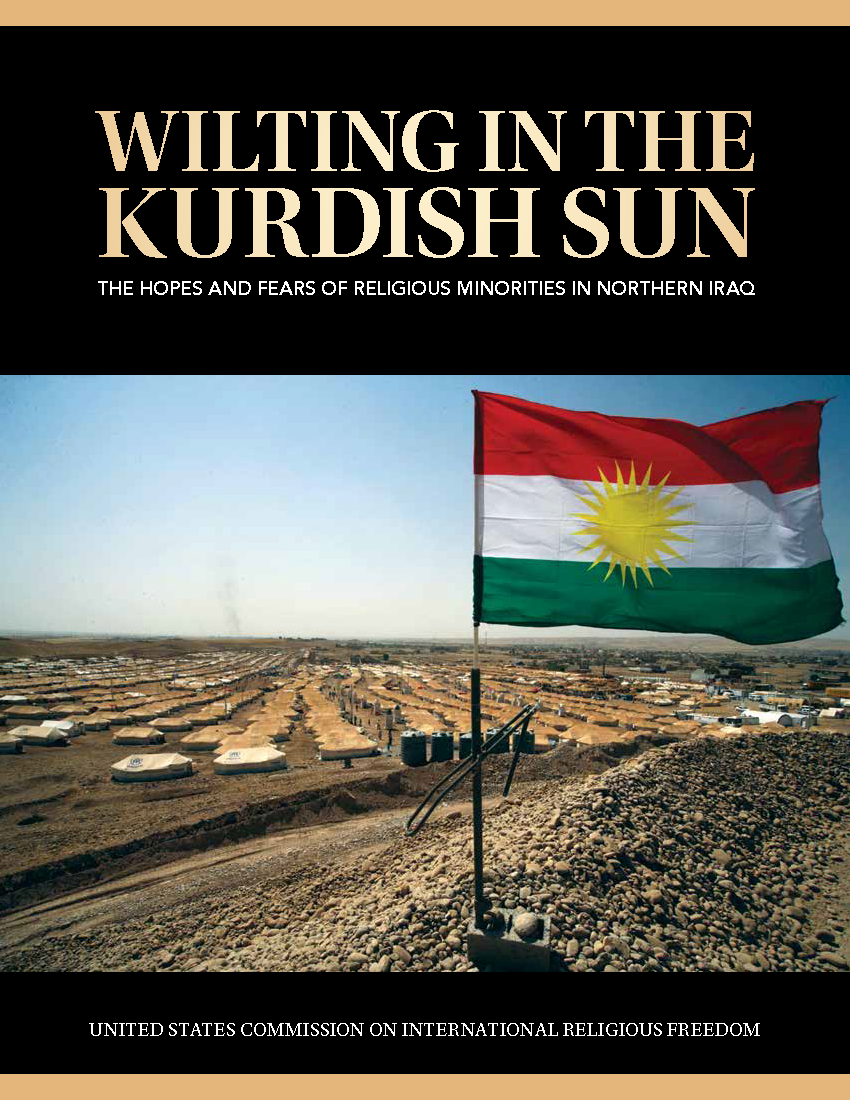
Surrounded by conflict and grappling with a rapidly changing political landscape, the Kurdistan Region of Iraq (KRI) stands out as a locus of relative stability in its region. A recently-released report by the United States Commission for International Religious Freedom (USCIRF), entitled “Wilting in the Kurdish Sun: The Hopes and Fears of Religious Minorities in Northern Iraq,” highlights the difficulties faced in the KRI to address religious freedom.
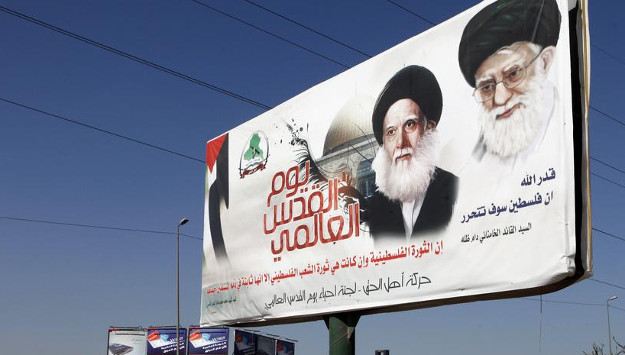
Video Shows Protesters Tearing up Posters of Khamenei, Pro-Iran Iraqi Leaders in Najaf
Iraqis in the city of Kufa of Najaf Province held a protest rally against Iran and its Iraqi proxies and attacked the offices of the Badr Organization, according a video clip circulating in social media and published in some Arab outlets. It is not clear when the protest occurred. In the video, protesters are seen ripping up images of Iran’s Supreme Leader Ali Khamenei and Hadi al-Amiri, the leader of the Badr Organization, a powerful group within Iraq’s Popular Mobilization Forces (P.M.F.) and with close to Tehran.
Tehran Pressures Baghdad not to Disband P.M.F. despite Mounting Concerns
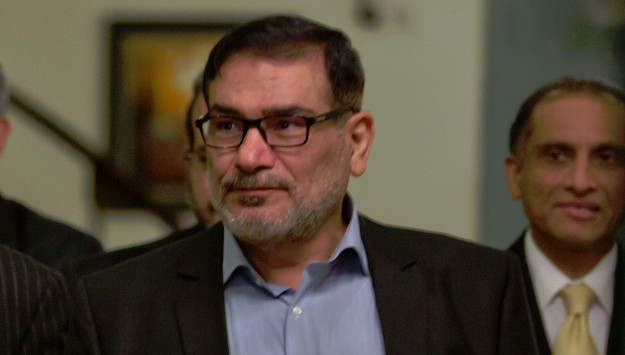
Ali Shamkhani, the secretary of Iran’s Supreme National Security Council, has said that a “new foreign plot” is underway to dismantle Tehran-backed Popular Mobilization Forces (P.M.F.) in neighboring Iraq, the Iranian media reported. In a meeting with Deputy Speaker of the Iraqi Parliament Hammam Hamoudi in
Iran-Backed Groups Form “The Mujahideen Alliance” to Contest Next Iraqi Elections
With the fight against ISIS in Iraq almost over, Iran’s allies within the Iraqi Popular Mobilization Forces (P.M.F.) are gearing up for next year’s parliamentary elections. In the latest effort, several Iranian-backed P.M.F.
Public Opinion in a Conflicted Middle East (Livestream)
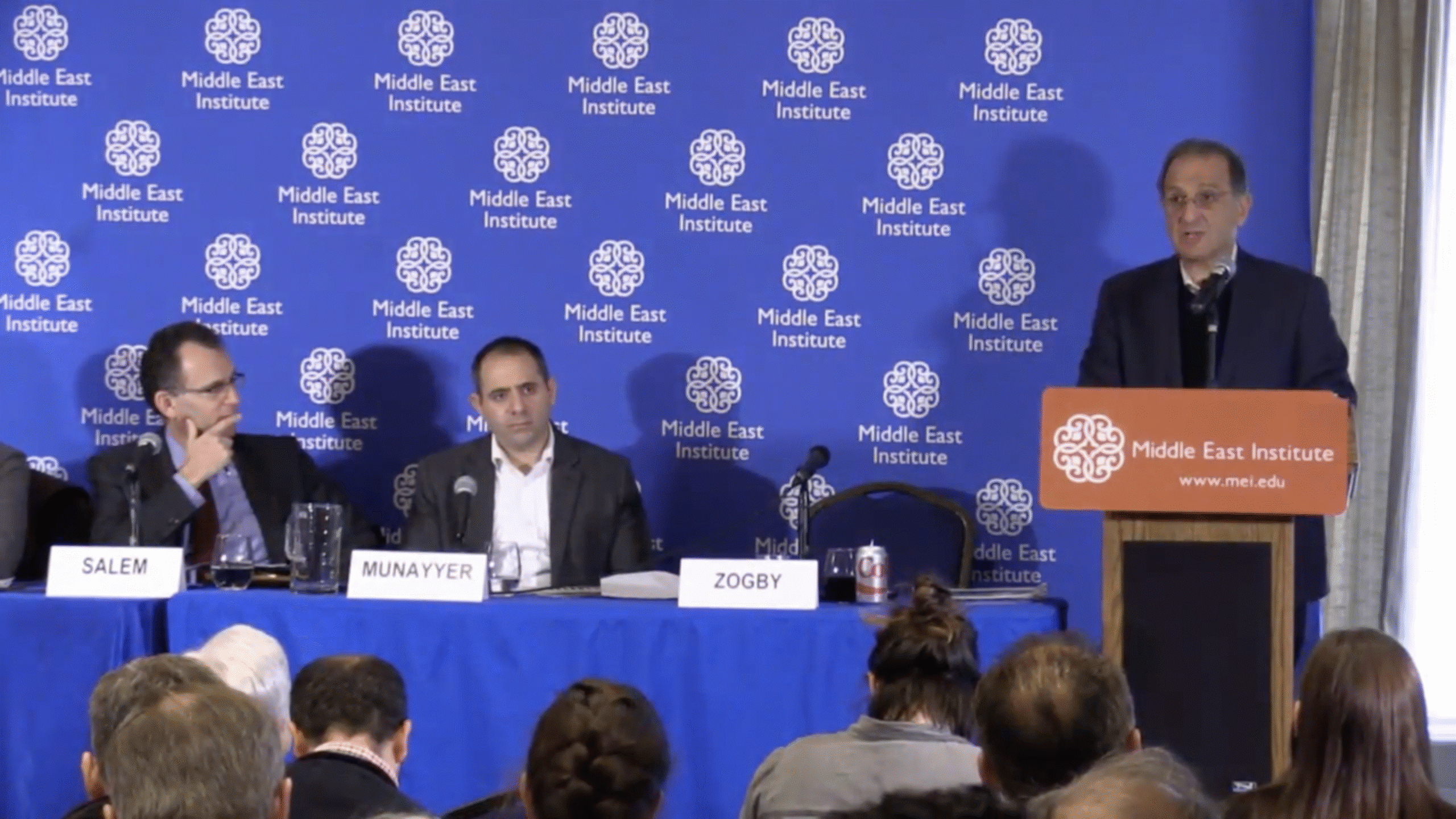
The Middle East Institute (MEI) and the Arab American Institute (AAI) are pleased to host James Zogby (AAI and Zogby Research Services) for the presentation of fresh polling results from across Egypt, Lebanon, Jordan, Palestine, Iraq, Saudi Arabia, the UAE, Iran, and Turkey. The report examines opinions from 7,800 respondents about the U.S. and other regional states’ roles in Syria, Iraq, and Yemen. It also looks at Trump Administration policy, political Islam, prospects for Israeli-Palestinian peace, the Iran nuclear deal, and the region’s refugee crisis.
The oldest peer-reviewed publication dedicated to the study of the modern Middle East, MEI’s flagship journal covers politics, society, and culture in the region.