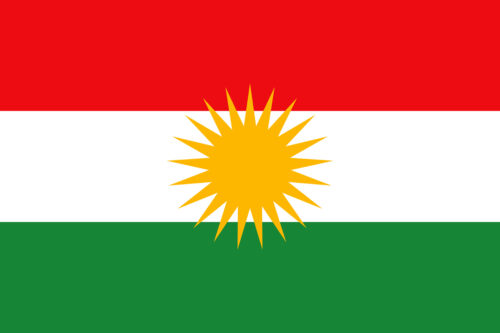
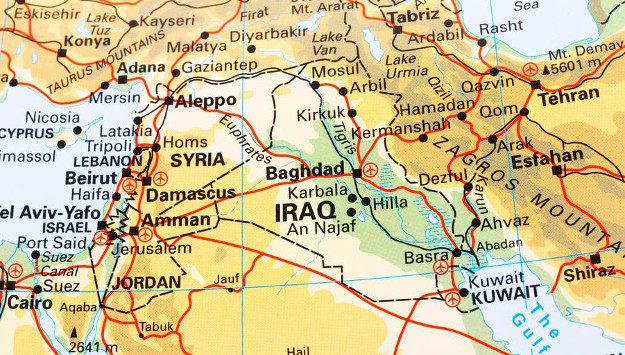
The Kurdistan Region of Iraq (KRI), also known as Iraqi Kurdistan, is a semi-autonomous region in northeastern Iraq with a population of approximately 6.5 million. The KRI’s contemporary politics are rooted in a century of Kurdish efforts to achieve self-rule.
Reflections on a Diplomatic Career in the Middle East: A Conversation With Ambassador Yael Lempert
Brian is joined by Amb. (ret.) Yael Lempert, Vice President for Outreach at MEI, to discuss her career in diplomacy and the importance of US diplomatic efforts abroad. She shares stories from postings across the Middle East in Baghdad, Cairo, Tripoli, Jerusalem, and Amman and examines how her personal and professional experiences shaped her approach to the work. Together, Brian and Yael discuss the realities of life in the Foreign Service, the core tenets of American diplomacy, and why it matters in today’s Middle East.
It has become a commonplace for Americans to describe our current war with Iran as stuck in a kind of limbo, neither full war nor real peace. We’re not the only ones. Iraq finds itself caught in a limbo of its own, between America and Iran, between the tolerable and the intolerable, between progress and relapse.
I.R.G.C. Outlet Questions Iraqi President’s Participation in Riyadh Summit
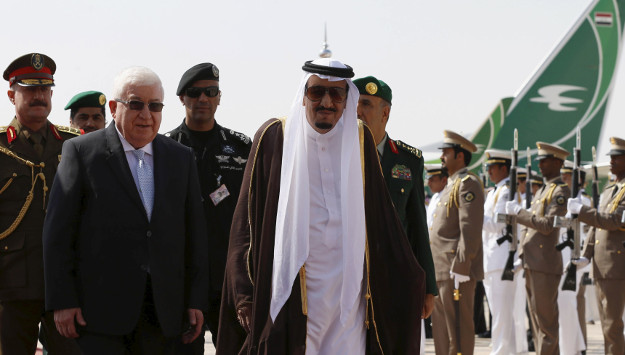
The participation of the Iraqi delegation led by President Fuad Masum at the Riyadh summit has raised a lot of questions in Tehran. “Has Iraq joined the Saudi against Iran?” was the title of a lengthy analysis piece published today in Tasnim News Agency, an outlet affiliated with the Islamic Revolution Guards Corps. According to the article, many in Iran have criticized the Palestinian and Iraqi leaders for attending and the Riyadh summit and “voting in favor of an anti-Iran resolution” despite the fact that the Islamic Republic has supported Palestine and Iraq for many years.
Iran-Supported Iraqi Paramilitaries Make Further Gains near Iraqi-Syrian Border
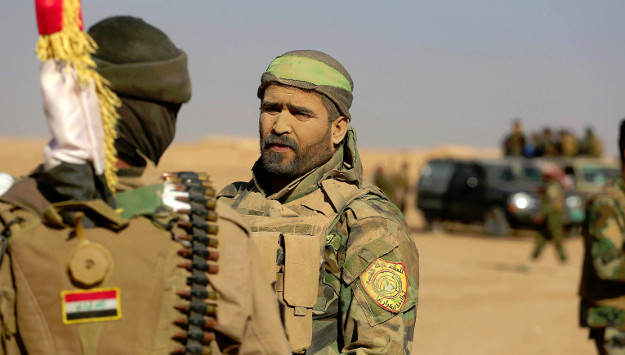
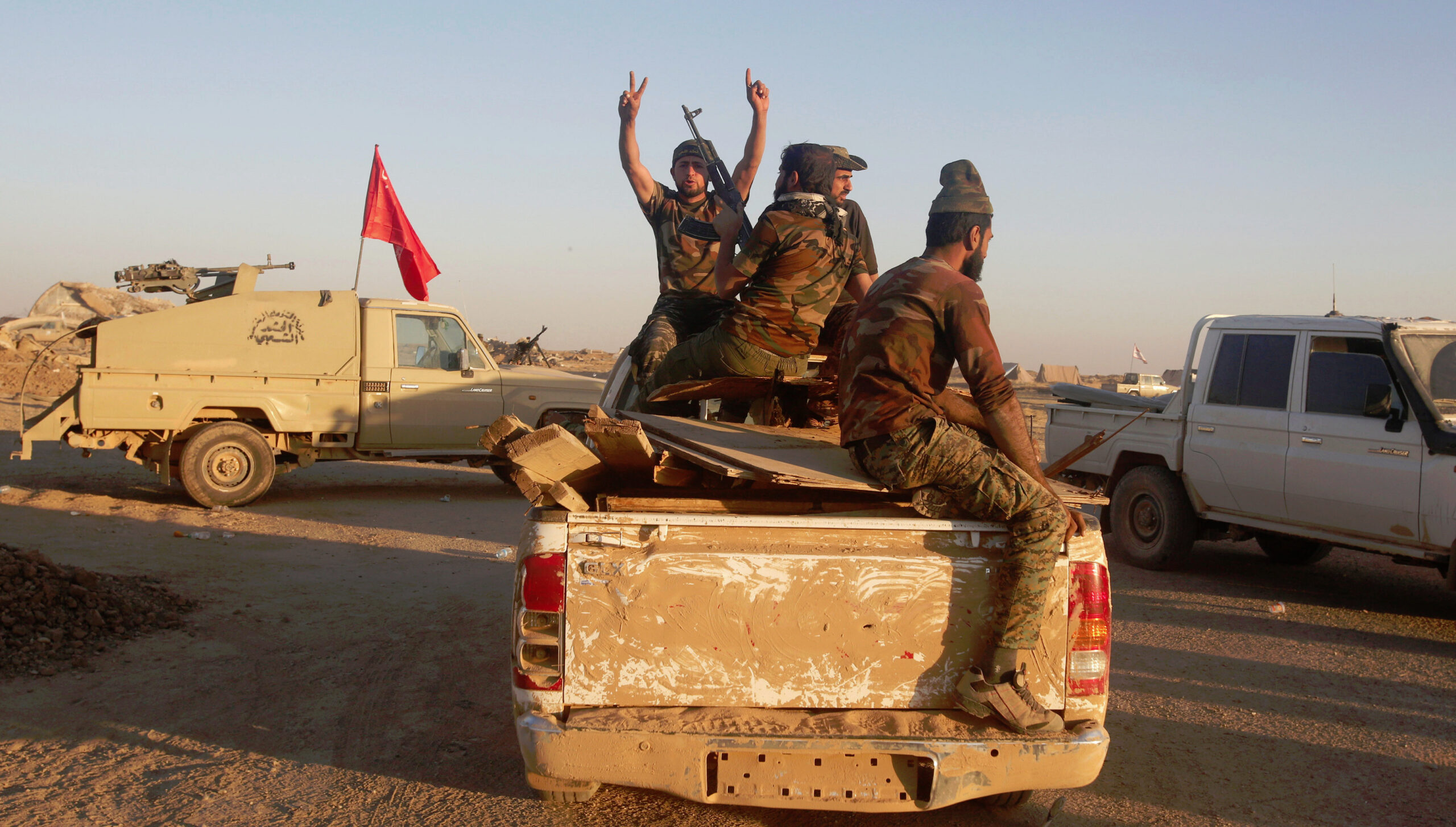
The spokesman for Iraq’s Popular Mobilization Forces, also known as Hashd al-Shaabi, said on Wednesday that the paramilitary forces aim to seize and control all regions along
Final Phase of Mosul Battle Begins | Weekly Briefing
In this week’s Briefing, MEI experts Charles Lister, Gonul Tol, and Gerald Feierstein provide analysis on recent and upcoming events including the beginning of the final phase of the battle to retake Mosul, Germany’s consideration for withdrawing troops from Turkey, and Qatar’s fragile relations within the G.C.C.
Iran-Backed Iraqi Paramilitaries Reach Border Area, Express Readiness to Fight in Syria
The head of an Iranian-supported Badr Organization said today that the Iraqi Popular Mobilization Forces have launched a new operation to secure areas along the Syrian-Iraqi border, Fars News Agency, which is affiliated with the Islamic Revolution Guards Corps (I.R.G.C.), reported.
Iran-Supported Iraqi Paramilitaries Make Further Gains in Western Mosul
The Iraqi Popular Mobilization Forces today seized nine villages around al-Qairawan region in western Mosul from the Islamic State, the Iranian media reports. According to a P.M.F. statement, the paramilitary forces “managed to reach the Sinjar mountains and block the road that connects Sinjar to al-Ba’aj.
Iran-Supported Iraqi Groups Marching ahead in Western Mosul
The Iraqi Popular Mobilization Forces (P.M.F.) have seized eight villages from the Islamic State in western Mosul, the Iranian media reports. According to Iraqi officials, the paramilitary forces have also launched operations in northern Ba’aj and have secured the control of the main road linking al-Adaniyah district and the two of al-Ba’aj. According to a P.M.F.
Iranian-Backed Forces Advancing to Southeast Syria despite U.S. Warning
The U.S. air strike last week targeting Iranian-led forces in southern Syria signaled escalating tension between Washington and Tehran over the six-year conflict in Syria. The U.S. military said it carried out the raid because an Iran-directed convoy was advancing toward a “de-confliction zone” near the al-Tanf region, where the U.S. military is training Syrian opposition forces to fight the Islamic State. The militia forces reportedly did not respond to U.S. warnings. The air strike – the first such action by the U.S.
Iran-Supported Iraqi Militias Seize Strategic Town in Western Mosul
Iran-supported units within the Hashd al-Shaabi, the Iraqi paramilitary forces called Popular Mobilization Forces (P.M.F.), have seized the al- Qairawan region in western Mosul from the Islamic State, Iran’s Fars News Agency reported today.
Iran-Backed Iraqi Militia Groups Seize Strategic Air Base in Western Mosul
The Hashd al-Shaabi – Iraqi paramilitary forces known as the Popular Mobilization Forces – captured an air base from the Islamic State on Thursday, the Iranian media reports.
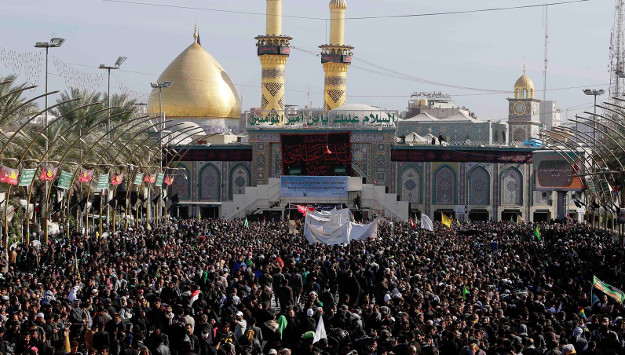
Iran’s Envoy to Iraq Meets with Senior Religious and Political Leaders in Karbala
On Monday, Iranian Ambassador to Baghdad Iraj Masjedi traveled to the holy city of Karbala and held meetings with senior Iraqi government officials and religious leaders, the
The oldest peer-reviewed publication dedicated to the study of the modern Middle East, MEI’s flagship journal covers politics, society, and culture in the region.