Skip to Content

Iraq

A New US-Iraq Relationship?
  • Analysis
  • A New US-Iraq Relationship?

    The US administration appears to have great expectations for Iraq’s new prime minister, Ali Falah al-Zaidi. But the expectations need to be tempered.

    June 25, 2026

    Attacked by All Sides Iraq’s New Government Faces Old Problems
  • Podcast
  • Attacked by All Sides Iraq’s New Government Faces Old Problems

    After months of deadlock following the November 2025 elections, Iraq’s parliament approved a new government under Prime Minister Ali al-Zaidi on May 14, 2026 — just as the country has become a battleground in the US-Israel-Iran war. Zaidi inherits a daunting brief: reviving a struggling economy, reining in armed factions, and steering Iraq through a perilous regional landscape. Dr. Renad Mansour, deputy director of the Middle East and North Africa Programme and director of the Iraq Initiative at Chatham House, joins host Alistair Taylor to discuss the war’s impact on Iraq — from Iran’s militia networks to the surge of attacks on the Kurdistan region — and how it’s reshaping Baghdad’s ties with Tehran and Washington.

    June 11, 2026

    Iraq in Between Iran and the United States
  • Podcast
  • Iraq in Between Iran and the United States

    Hosts Alistair Taylor and Matthew Czekaj are joined by MEI Distinguished Diplomatic Fellow Amb. (ret.) Robert S. Ford to examine what is at stake for Iraq in the Iran war. The only country to have been hit by both sides, Iraq is caught in the middle of a regional conflict, with the local Iranian-backed Popular Mobilization Forces (PMF) carrying out attacks on American interests and personnel — and the US responding. This escalation comes at a period of internal political transition in Iraq, which has been locked in negotiations to form a new government since the November 2025 elections. Ford, who served as Deputy and later Acting Ambassador in Baghdad from 2008 until 2010, unpacks how Iraq is navigating the current moment, how the Kurdistan region fits into this equation, and what this all means for the future of US-Iraqi relations.

    April 9, 2026

    Featured Experts

    Filter by
    925 Results
    A Conversation on Diplomacy and Religion in the Middle East
    Middle East Institute

    A Conversation on Diplomacy and Religion in the Middle East

    July 10 – January 1, 1970, July 10 - 10:00 AM – 12:00 AM
    January 1 - 10:00 AM – 12:00 AM

    Carnegie Endowment for International Peace, 1779 Massachusetts Ave NW, Washington, District of Columbia 20036

    Turkey and the ISIS Challenge
  • Analysis
  • Turkey and the ISIS Challenge

    With the Syrian civil war raging and the ISIS offensive in northern Iraq creating a fresh crisis, Turkey now effectively has two failed states on its southern border and is dealing with new security, political, and economic challenges. Gonul Tol, director of MEI’s Turkish Center, explains how Turkey is responding to this predicament.

    Iran’s Moment of Truth with Maliki
  • Analysis
  • Iran’s Moment of Truth with Maliki

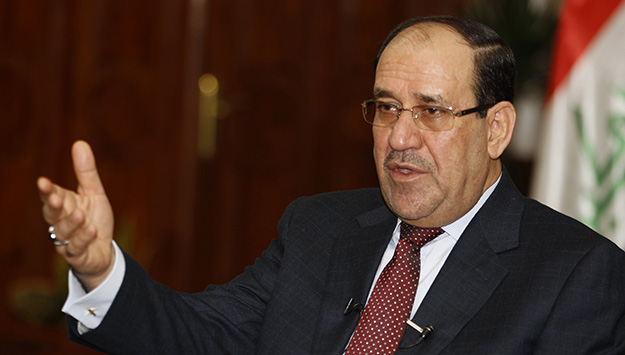
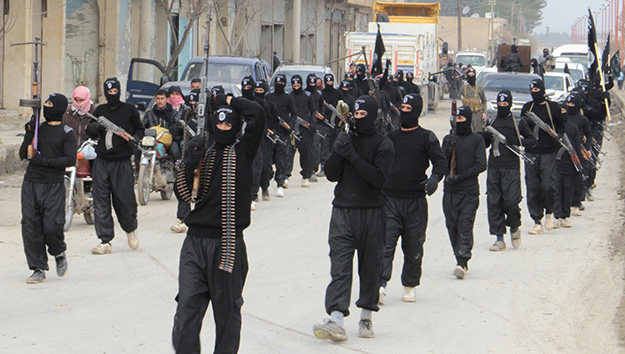
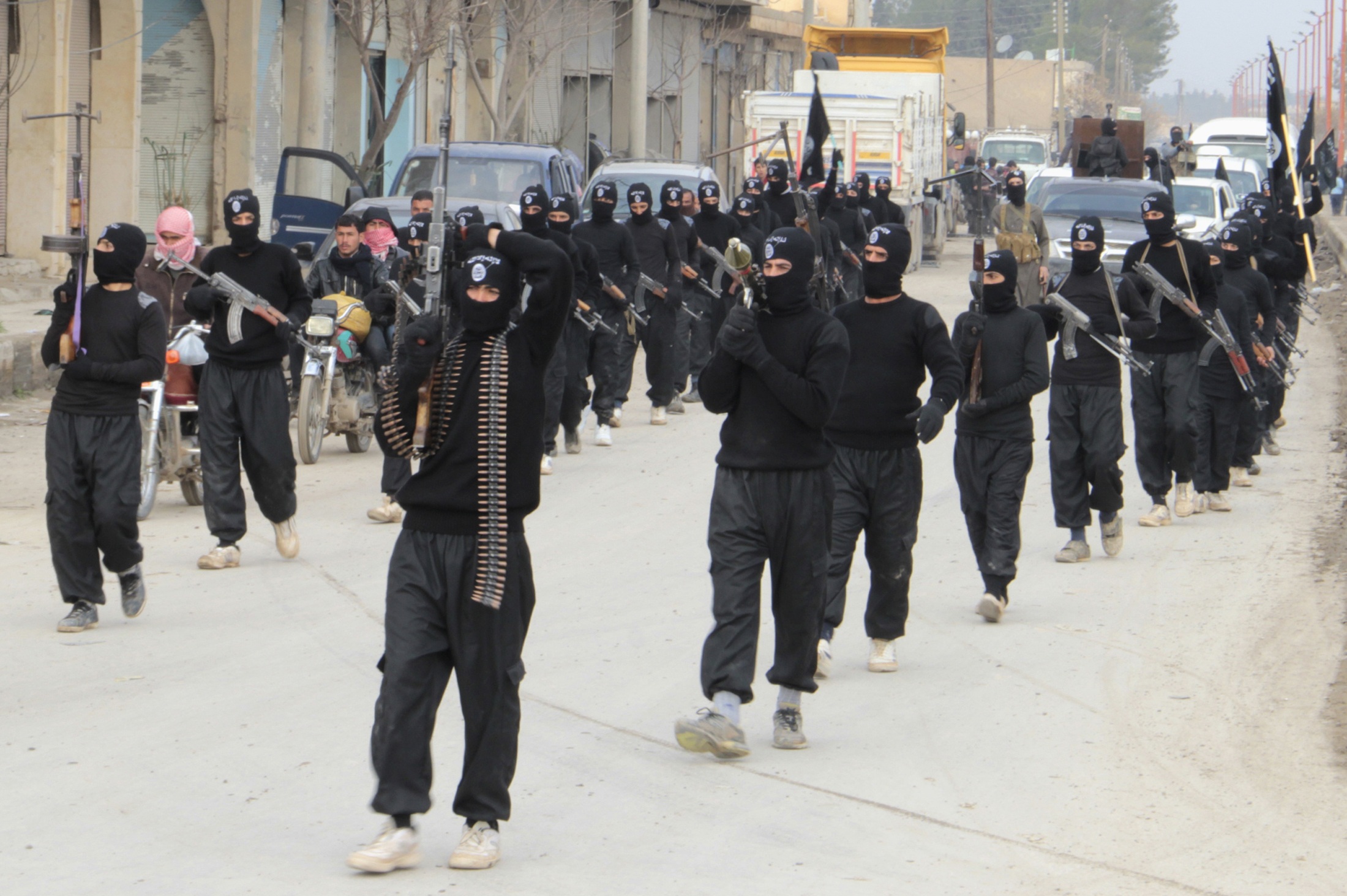
    The swift and violent rise of the Islamic State in Iraq and Syria (ISIS) continues to rattle the cages of power in Tehran. Overnight, Iran’s ally in Baghdad, Prime Minister Nuri al-Maliki, is suddenly fighting for his political life and the country of Iraq, which he had largely inherited from the Americans. Maliki has been a solid friend of Iran, but rapidly shifting realities inside Iraq can turn him into an expendable ally, making him more into a liability than an asset.

    Shi'astan 1, Kurdistan 1, Sunnistan 0
  • Analysis
  • Shi'astan 1, Kurdistan 1, Sunnistan 0

    President Obama’s decision to send 300 troops to Iraq to help Prime Minister Nuri al-Maliki’s government organize and gain the intelligence needed to fight off a Sunni rebellion spearheaded by the Islamic State in Iraq and Syria (ISIS) is getting decidedly mixed reviews.

    June 20, 2014

    Reconceptualizing Sectarianism in the Middle East and Asia
  • Analysis
  • Reconceptualizing Sectarianism in the Middle East and Asia

    Sectarianism as a concept has gained renewed prominence following an offensive by the Islamic State in Iraq and Syria (ISIS) in early June 2014, which resulted in the fall of Mosul and a string of Iraqi towns. These land grabs have resulted in a flurry of commentaries blaming the conflict on sectarian differences between Iraq’s Shi‘a and Sunnis and predicting the fragmentation of Iraq along sectarian lines. This piece seeks to provide an analysis as to whether sectarianism, in and of itself, is the driving factor behind the renewed conflict in Iraq or the three-year civil war raging in Syria.

    June 18, 2014

    Secular Sectarians
    Middle East Institute
  • Analysis
  • Secular Sectarians

    A common dichotomy that emerges in discussions of Sunni-Shi‘i “sectarianism” in the contemporary Middle East is that of secular versus sectarian. The logic underlining this false duality is obvious enough: a sect is, after all, a subgroup of a religious denomination that exists as a result of theological or jurisprudential peculiarity as shaped by history, politics, and geography. Therefore, logic would suggest that “secularism” is a plausible antonym for “sectarianism:” a temporal, civic approach to public space rooted in modern understandings of the nation-state and its master institutions and the need to separate church from state. As intuitive as this undoubtedly seems, it remains a false dichotomy that misrepresents sectarian identities and sectarian dynamics in the Arab world and overlooks the role played by class, politics, and power in what is ostensibly a religious issue.

    June 17, 2014

    Iraq — So What to Do?
  • Analysis
  • Iraq — So What to Do?

    This article was originally posted on Charles Duelfer’s blog.

    A possible path ahead is to take advantage of the post-election negotiations and configure a leadership that accommodates Sunni interests. This would by necessity mean someone other than Maliki becoming prime minister.

    June 13, 2014

    Robert Ford on the ISIS Offensive in Iraq
  • Analysis
  • Robert Ford on the ISIS Offensive in Iraq

    The Islamic State of Iraq and Syria (ISIS), a Sunni militant group controlling territory spanning the border between the two country’s northern regions, made a rapid advance toward Baghdad this week, seizing control of Mosul, Iraq’s second largest city, and Tikrit, and attacking the refinery town of Baiji. Forces from Iraqi Kurdistan have since moved to secure Kirkuk as the Iraqi central government’s military has fled in disarray. Robert Ford, former U.S.

    Read the Middle East Journal

    The oldest peer-reviewed publication dedicated to the study of the modern Middle East, MEI’s flagship journal covers politics, society, and culture in the region.