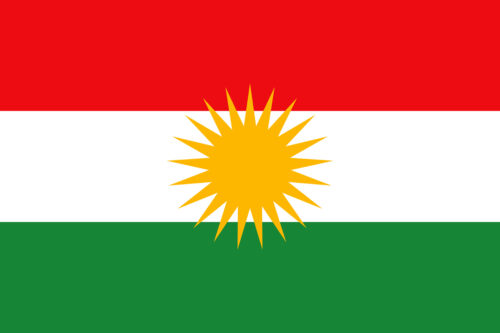
The Kurdistan Region of Iraq (KRI), also known as Iraqi Kurdistan, is a semi-autonomous region in northeastern Iraq with a population of approximately 6.5 million. The KRI’s contemporary politics are rooted in a century of Kurdish efforts to achieve self-rule.
Reflections on a Diplomatic Career in the Middle East: A Conversation With Ambassador Yael Lempert
Brian is joined by Amb. (ret.) Yael Lempert, Vice President for Outreach at MEI, to discuss her career in diplomacy and the importance of US diplomatic efforts abroad. She shares stories from postings across the Middle East in Baghdad, Cairo, Tripoli, Jerusalem, and Amman and examines how her personal and professional experiences shaped her approach to the work. Together, Brian and Yael discuss the realities of life in the Foreign Service, the core tenets of American diplomacy, and why it matters in today’s Middle East.
It has become a commonplace for Americans to describe our current war with Iran as stuck in a kind of limbo, neither full war nor real peace. We’re not the only ones. Iraq finds itself caught in a limbo of its own, between America and Iran, between the tolerable and the intolerable, between progress and relapse.
The Middle East Institute is proud to host Rochelle Davis, professor of Anthropology at the Center for Contemporary Arab Studies in the School of Foreign Service at Georgetown University, to discuss US military conceptions of culture and the war in Iraq.
US Interest Wanes in the Mission that Remains in Iraq
This Commentary first appeared as an op-ed in The National, July 25, 2010.
After the March 2003 invasion of Iraq by United States and coalition forces, a short but sharp war, and the declaration of “Mission Accomplished” aboard an American aircraft carrier, Iran felt isolated and encircled on all sides by US might. Not so today.
Tehran has closely observed US travails in Iraq over the years, and watched with satisfaction as the US began withdrawing its forces in anticipation of a full withdrawal by the end of 2011.
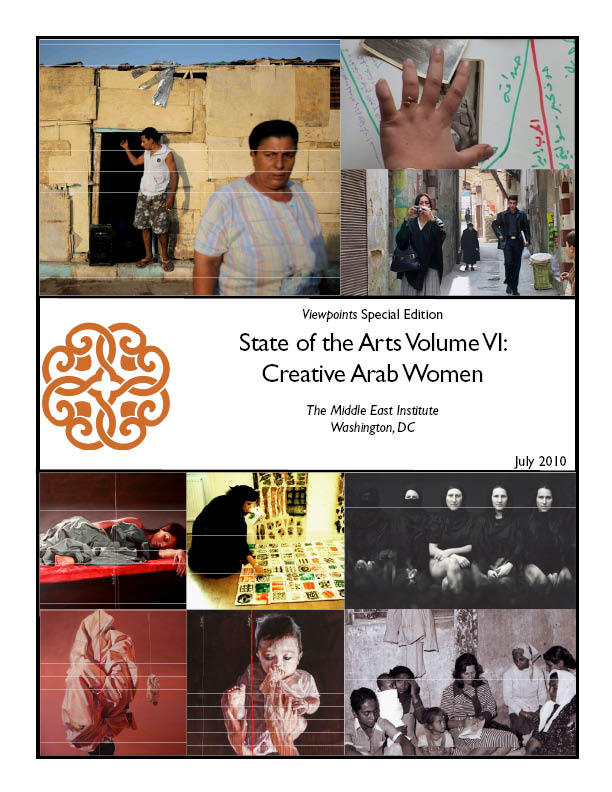
Introduction to The State of the Arts in the Middle East: Volume VI: Creative Arab Women
Creative Arab Women is the sixth edition of the MEI Viewpoints series on the State of the Arts in the Middle East. The 14 essays in this collection offer a glimpse into the rich and varied cultural output of Arab women in the region and the diaspora. Partly reminiscences and partly calls to action, they are essays of survival and empowerment that add a deeply personal dimension to the subject of the role of Arab women as cultural producers. MEI is grateful to Dr.
The Middle East Institute is proud to host Thomas W. Donovan, an expert in Iraqi business law, specializing in international investment. Drawing upon his background as a corporate attorney and managing partner of the Iraq Law Alliance, PLLC, Mr. Donovan will discuss the particular nuances of doing business in post-war Iraq and how the 2009 Status of Forces Agreement may change the way in which international investors interact with their Iraqi partners. Mr.
As the US Plans Its Exit, the Iraqis Find Reason to Worry
This Commentary was originally published as an op-ed in The National May 31, 2010.
‘What does the US want from Iraq?” This was the question of a university educator during a large gathering of Iraqi politicians, students, journalists and activists we met during a 10-day trip to Baghdad and Kurdistan sponsored by Washington’s Stimson Center earlier this month.
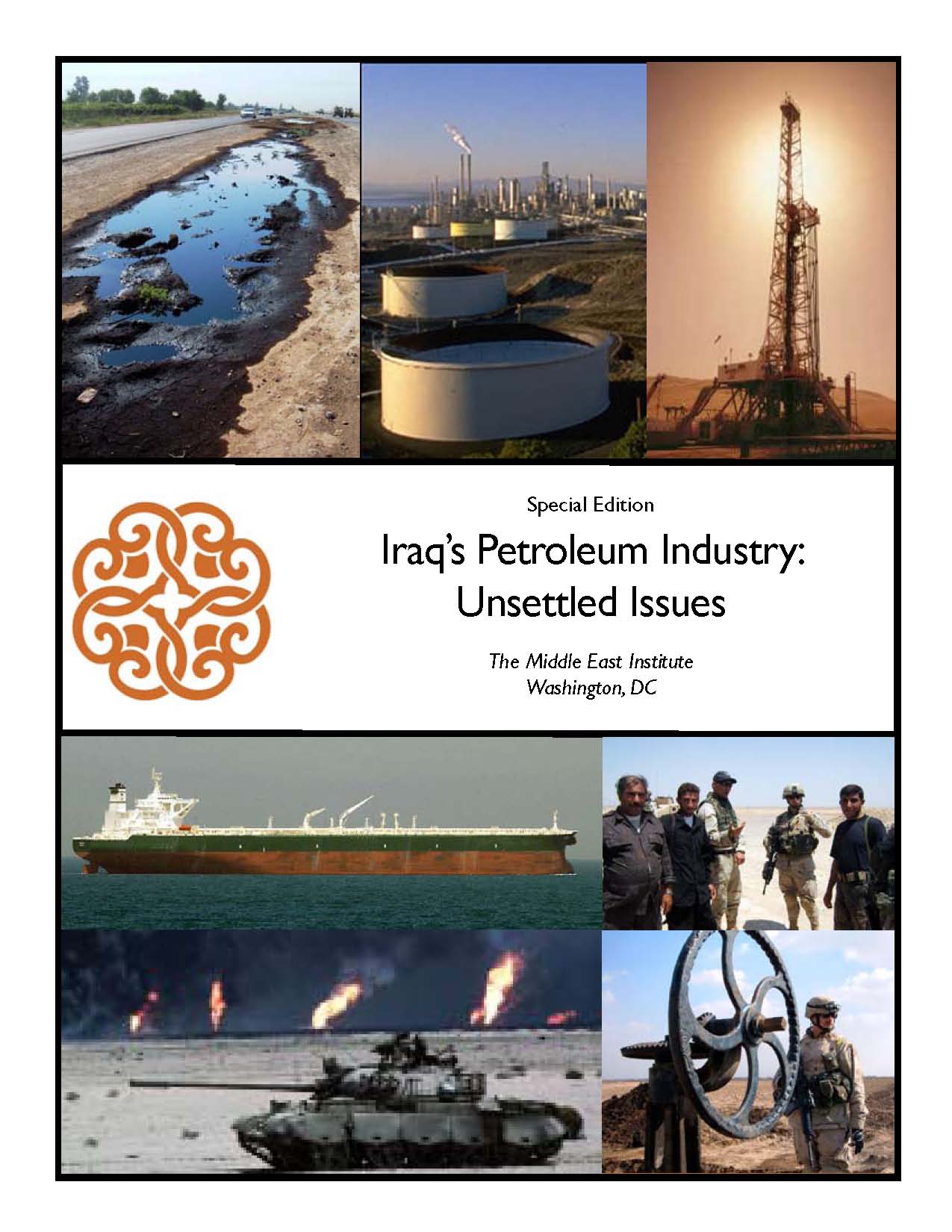
Iraq has the world’s third-largest oil reserves. However, the development of Iraq’s petroleum sector has been severely hampered by decades of war, sanctions, underinvestment, the exodus of scores of technocrats, and sabotage. Repairing Iraq’s oil infrastructure and expanding exploration, development, and production is of paramount importance to the country’s future. In June 2009, the Iraqi Oil Ministry embarked on an effort to help meet this challenge by offering service contracts to international oil companies (IOCs) in two rounds of tenders.
Since June 2009, the Government of Iraq (GoI) has secured nearly a dozen major oil field technical service agreements with international oil companies (IOCs) after two highly publicized bidding rounds. The deals are seen as the cornerstone of Iraq’s economic development in the coming years. While future oil production has been rather optimistically projected as high as 12 million barrels per day (bpd) by 2020, significant obstacles to the development of the oil and gas industry remain.
The Status of Forces Agreement and Investing in Iraq: Risky Business?
In spite of ongoing security and political instability, Iraq remains one of the most fertile yet volatile regions in the world for emerging business opportunities, specifically in the petroleum industry. Since the completion of the widely successful “surge” and implementation of the Status of Forces Agreement (SOFA), Iraq has experienced slow but steady improvements in security and economic opportunities in the petroleum sector. As a result, there has been an influx of international companies eager to engage Iraq’s ministries for access to these lucrative markets.
Transnational Networks and Local Challenges: Iraqis in Cairo
Originally posted March 2010
It is estimated that over four million Iraqi refugees have fled to neighboring countries in the region since the 2003 war began. While migration continued after the war, the peak of this influx was witnessed particularly in and after 2006 due to the acceleration of violence in central and southern Iraq. More particularly, the majority of these refugees fled due to direct threats to their lives and their immediate families.
This Commentary first appeared as an op-ed in the The National, March 14, 2010.
Iraq’s parliamentary elections have just concluded, but the major political battles are about to begin. At stake is what kind of country Iraq will become. Will Iraq’s progress toward greater stability continue? Will it look east towards Tehran for support and encouragement, or to the United States and its fellow Arabs? The stakes are high, and no one can afford to remain uninterested while Iraq continues its dramatic political evolution.
The oldest peer-reviewed publication dedicated to the study of the modern Middle East, MEI’s flagship journal covers politics, society, and culture in the region.