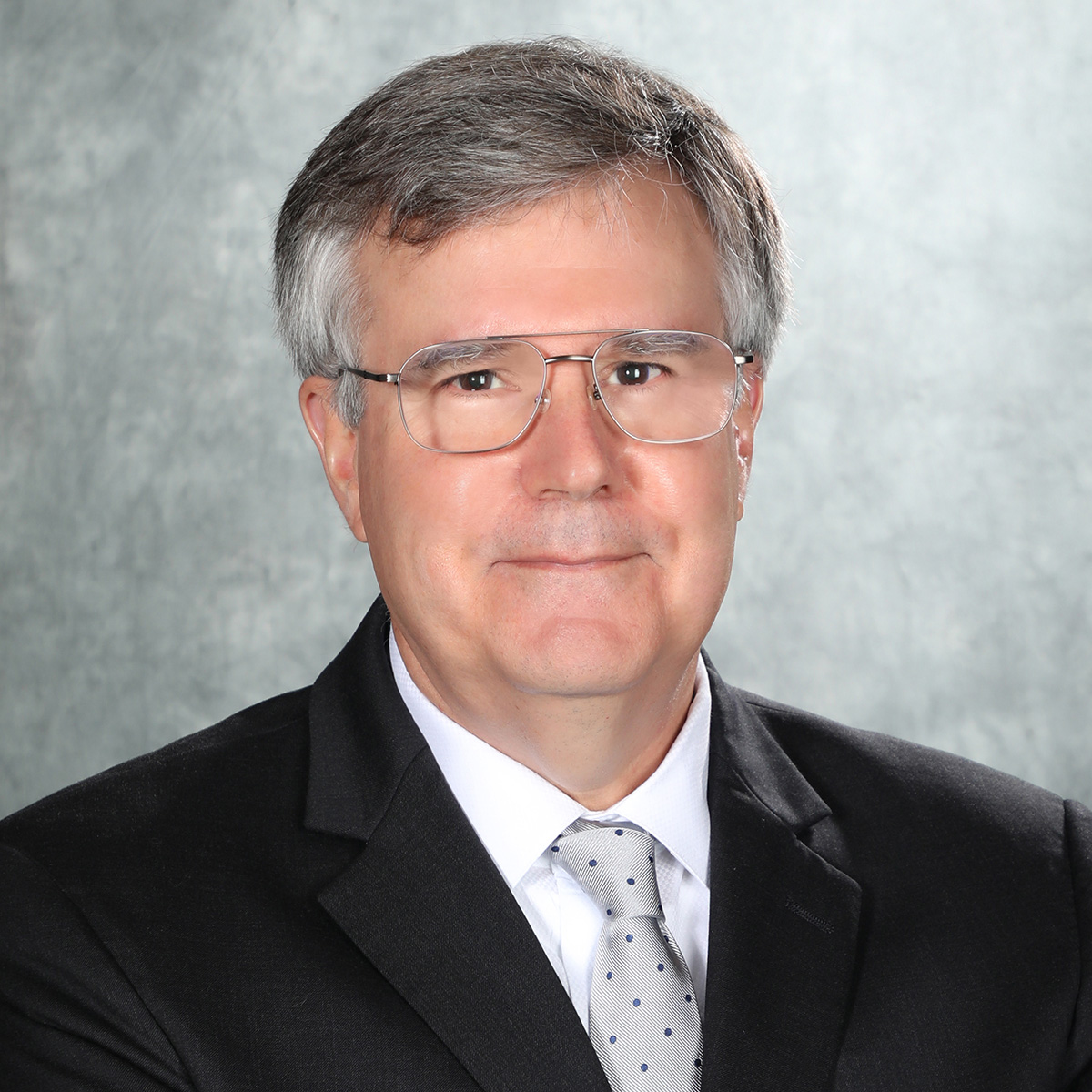
After the US-Israel-Iran war — and the strikes that followed the cease-fire — the Gulf states find themselves dangerously exposed. Host Alistair Taylor is joined by MEI Associate Fellow Gregory Gause to discuss the war’s impact on the Gulf, their partnership with the United States, and whether the turmoil of recent months will push Gulf leaders to reassess their alliances and international engagement.
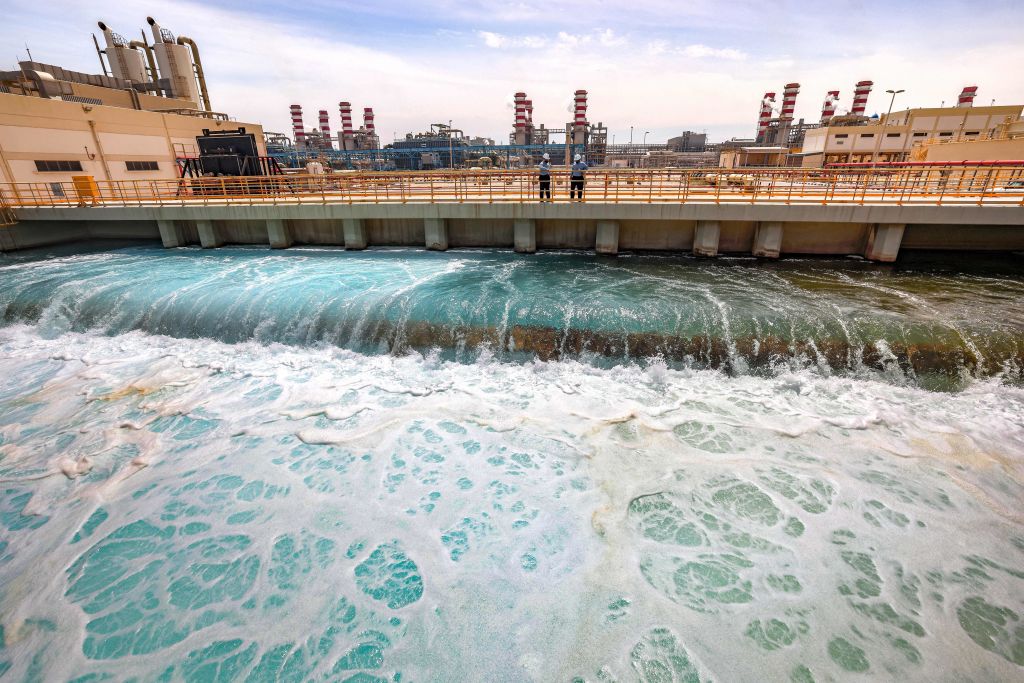
The Gulf’s water crisis: Why cooperation is crucial — and complicated
On June 19, false reports of an Israeli strike on Iran’s Bushehr nuclear plant sparked alarm across the Gulf. Though denied by Israeli officials, the claim traces back to a warning from Qatar’s prime minister of a potential catastrophe in the event of nuclear contamination — no water, no food, no life — due to the Gulf’s reliance on desalinated seawater. Gulf governments moved quickly to reassure the public that no radiation had been detected, but the episode underscored the region’s growing sense of vulnerability. A regional approach to water security could help to mitigate such risks.
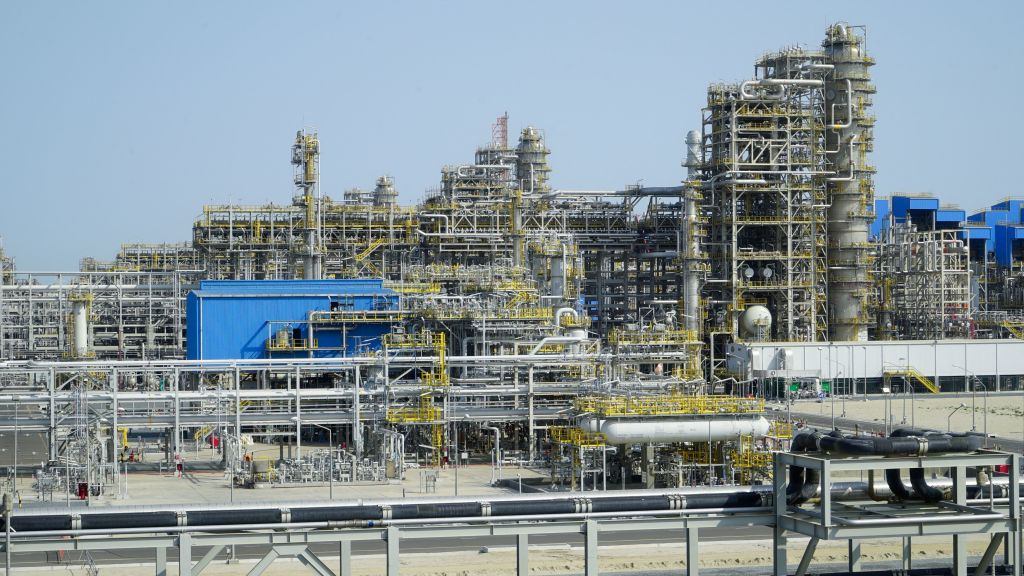
Impact of the Russo-Ukrainian war on energy flows from the Arab Gulf states
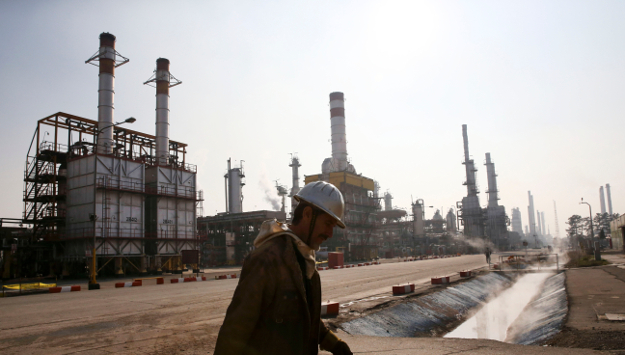
Nearly three years on, Russia’s full-scale invasion of Ukraine in February 2022 has reshaped trade and investment in the energy sector, leading to an increase in Gulf imports of Russian oil and a sharp rise in the region’s hydrocarbon exports to Europe as well as further fueling the growth of Gulf investment in renewable energy projects located in and targeting the continent.
Tehran Views GCC Overture as “Sign of Weakness,” Not Goodwill Gesture
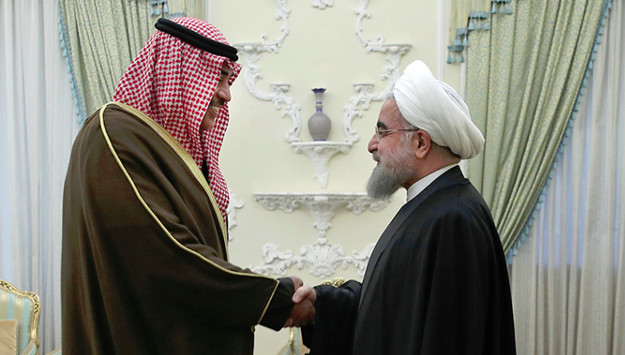
Kuwaiti Foreign Minister Sheikh Sabah Khaled al-Sabah has arrived in Tehran today to deliver a message from Gulf Cooperation Council (GCC) on a strategic dialogue between the Gulf Arab states and Iran, the Iranian and Arab media report. “Gulf states have a true desire that relations with Iran are normal and based on international law,” Sabah said on Tuesday after attending the inauguration of a NATO center in Kuwait.
Hezbollah Front Company Allegedly Training Kuwait University Students
A Lebanese company fronting for Hezbollah allegedly has contracted with Kuwait University to provide students with training in computers and information science, according to the Kuwaiti daily al-Shahed. Alarmed Kuwaitis have asked the Ministry of Education to investigate the reports. According to the al-Shahed report, the sources claim that the front company is using its program to “brainwash” the students and is providing them with free travel to Lebanon, including tickets and accommodations, which includes arranging visits to Hezbollah headquarters in Beirut.
The intensifying rivalry between Saudi Arabia and Iran is raising sectarian temperatures in some smaller Gulf Cooperation Council (G.C.C.) states. Kuwait’s fractious parliament has seen growing tension and even physical confrontation between its Sunni and Shiite MPs in response to regional developments. Growing tension in Kuwait is also evident in the national media and online forums.
Gulf Decisionmakers' Perceptions of Security Ties with China
The essays featured here are the products of a workshop series analyzing China’s position in the context of Gulf security, organized by the Department of International Affairs and the Center for Humanities and Social Sciences of Qatar University under the direction of Dr. Imad Mansour.
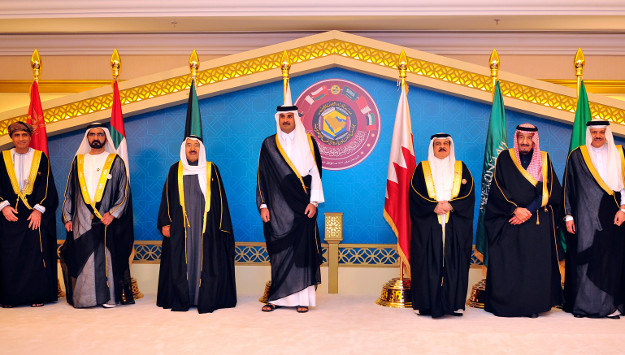
Saudi-Iran Tensions Place Pressure on Smaller GCC States
The recent escalation in tension between Saudi Arabia and Iran is throwing the GCC into a crisis of unity. Riyadh’s actions in particular are built on the frustration of the Yemen war and the perception of Iranian encroachment in Arab lands that the Saudi kingdom believes is its domain. King Salman and his son, Deputy Crown Prince Mohammad bin Salman, feel the kingdom is being ignored by the international community in other hot zones, namely Syria, where the outcome of the war is being determined by Washington and Moscow.
In the unending panorama of violence that is today’s Middle East, one hopeful note emerged earlier this month with a low-key announcement from Saudi Arabia that drew scant attention from the American news media.
King Salman appointed a military officer, Gen. Thamer al-Sabhan, to be the kingdom’s first resident ambassador in Baghdad since Iraq invaded Kuwait in 1990.
Kuwait: At the Crossroads of Change or Political Stagnation
Though Kuwaitis have been striving for change, particularly since 2011, their country’s political structures remain more or less unaltered. Yet change is inevitable, writes Shafeeq Ghabra in this MEI Policy Paper. At issue is a semi-democratic system that has proven ineffective at dealing with problems such as government mismanagement, corruption, a lack of economic transparency, and inequality toward tribes and undocumented immigrants.
Gulf Governments Offer Financing for U.S. Strike on Syria
Like pieces fitting together in a jigsaw puzzle, Arab governments – presumably from the oil-rich Gulf Cooperation Council – offered to finance a U.S. military strike on Syria, according to comments made by Secretary of State John Kerry during testimony September 4 with the House Foreign Affairs Committee. In an exchange with Representative Ileana Ros-Lehtinen (R-FL) on the potential cost of U.S. military action in Syria, Kerry said,
Since the 1970s oil boom, the Gulf region has been one of the principal destinations for workers from South Asia, with the result that today Indians constitute a large percentage of the non-nationals living in the region. Indeed, at five million out of an estimated 15 million people, the Indian community forms the largest expatriate group in each of the Gulf countries. Most Indian immigrants are from the south Indian state of Kerala, while many of the rest originate from Tamil Nadu, Punjab, Uttar Pradesh, and Bihar.
When the young Shaykh Tamim bin Hamad al-Thani became ruler of Qatar last month after his father stepped aside in a seamless transition, one of his first official acts was to seal the generational shift by appointing a new prime minister.
The oldest peer-reviewed publication dedicated to the study of the modern Middle East, MEI’s flagship journal covers politics, society, and culture in the region.