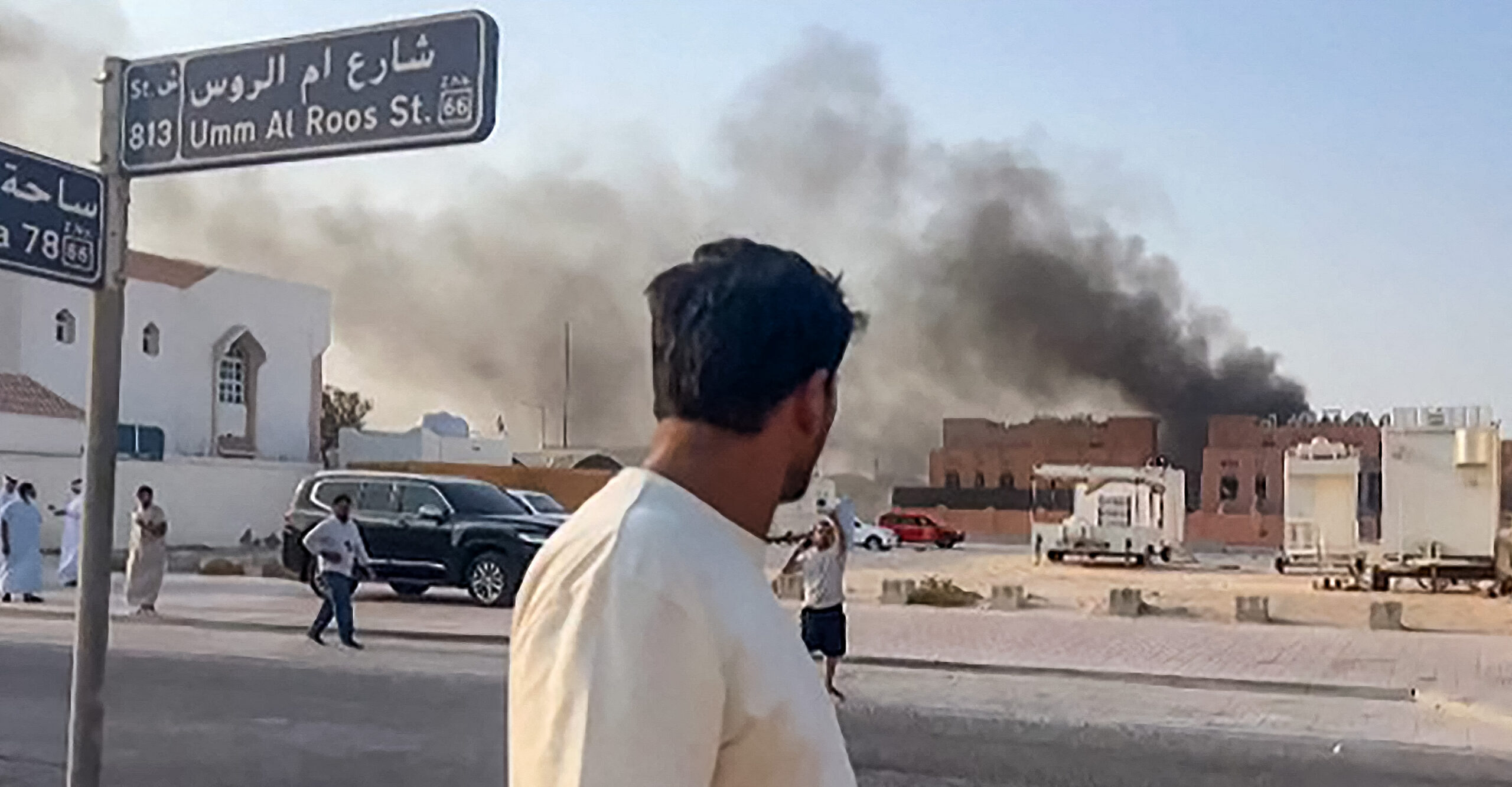
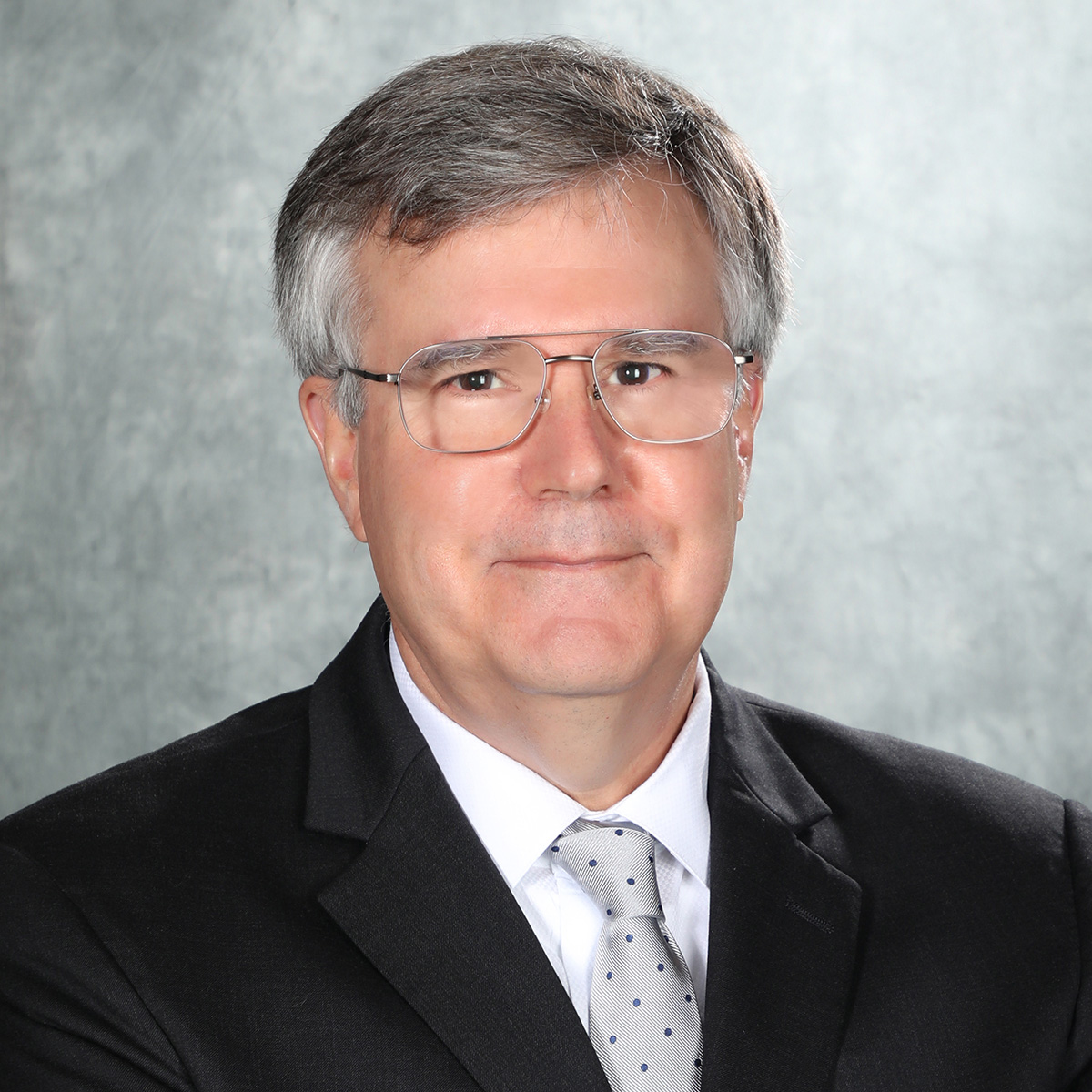
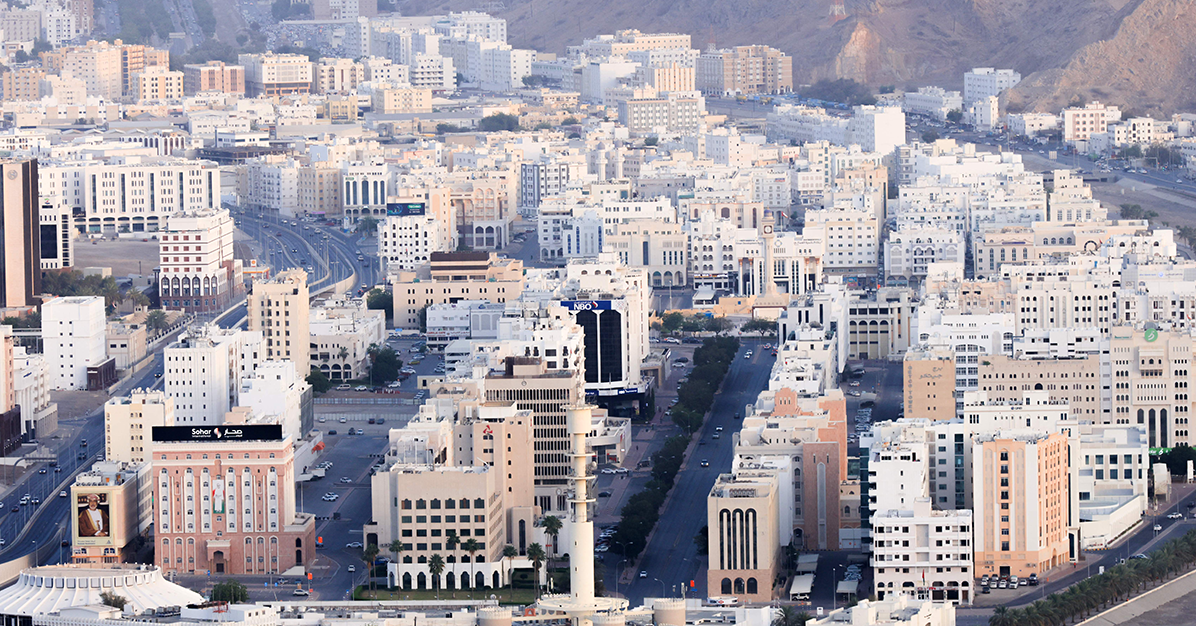
After the US-Israel-Iran war — and the strikes that followed the cease-fire — the Gulf states find themselves dangerously exposed. Host Alistair Taylor is joined by MEI Associate Fellow Gregory Gause to discuss the war’s impact on the Gulf, their partnership with the United States, and whether the turmoil of recent months will push Gulf leaders to reassess their alliances and international engagement.
From the Middle East to West Asia: Redefining America’s Global Strategy
MEI Senior Fellow Mohammed Soliman joins hosts Alistair Taylor and Matthew Czekaj to discuss his new book, West Asia: A New American Grand Strategy in the Middle East. The book argues that it is time for the United States to move decisively away from nation-building and focus instead on order-building, outlining a framework for a new regional order that links Europe to the Indo-Pacific. Soliman also shares how he conceived of the core ideas behind his book and explains why his thesis is especially relevant in today’s geopolitical, economic, and technological landscape.
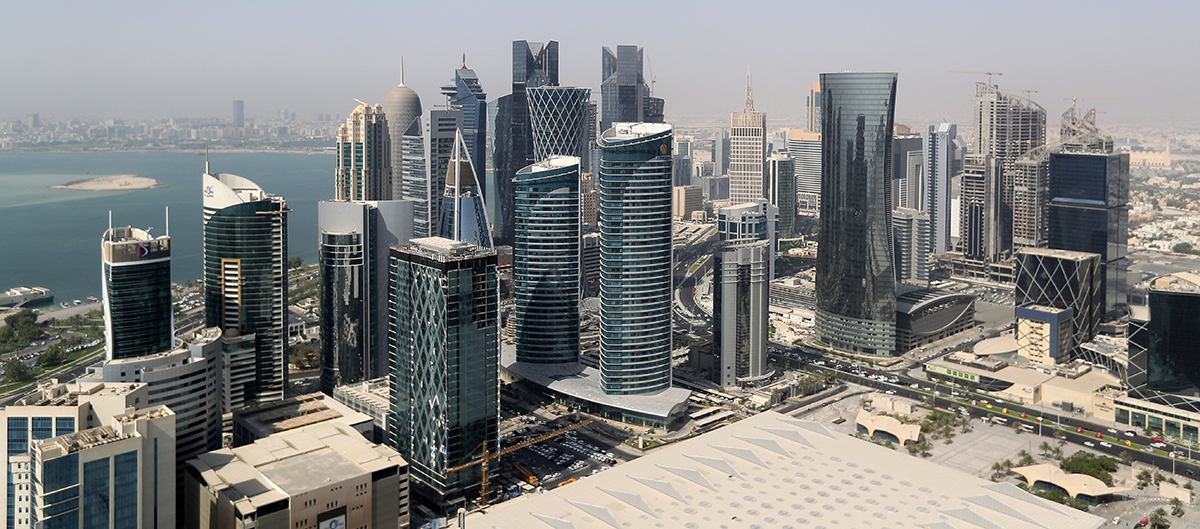
Israel’s Doha strike could further destabilize region, undermine US security partnerships
The reverberations of Israel’s strike on the Hamas negotiating team in Doha yesterday are still rippling across the globe and will continue to for the foreseeable future. Its ramifications are profound and will alter the geopolitical landscape not just in the Middle East but likely on a global scale.
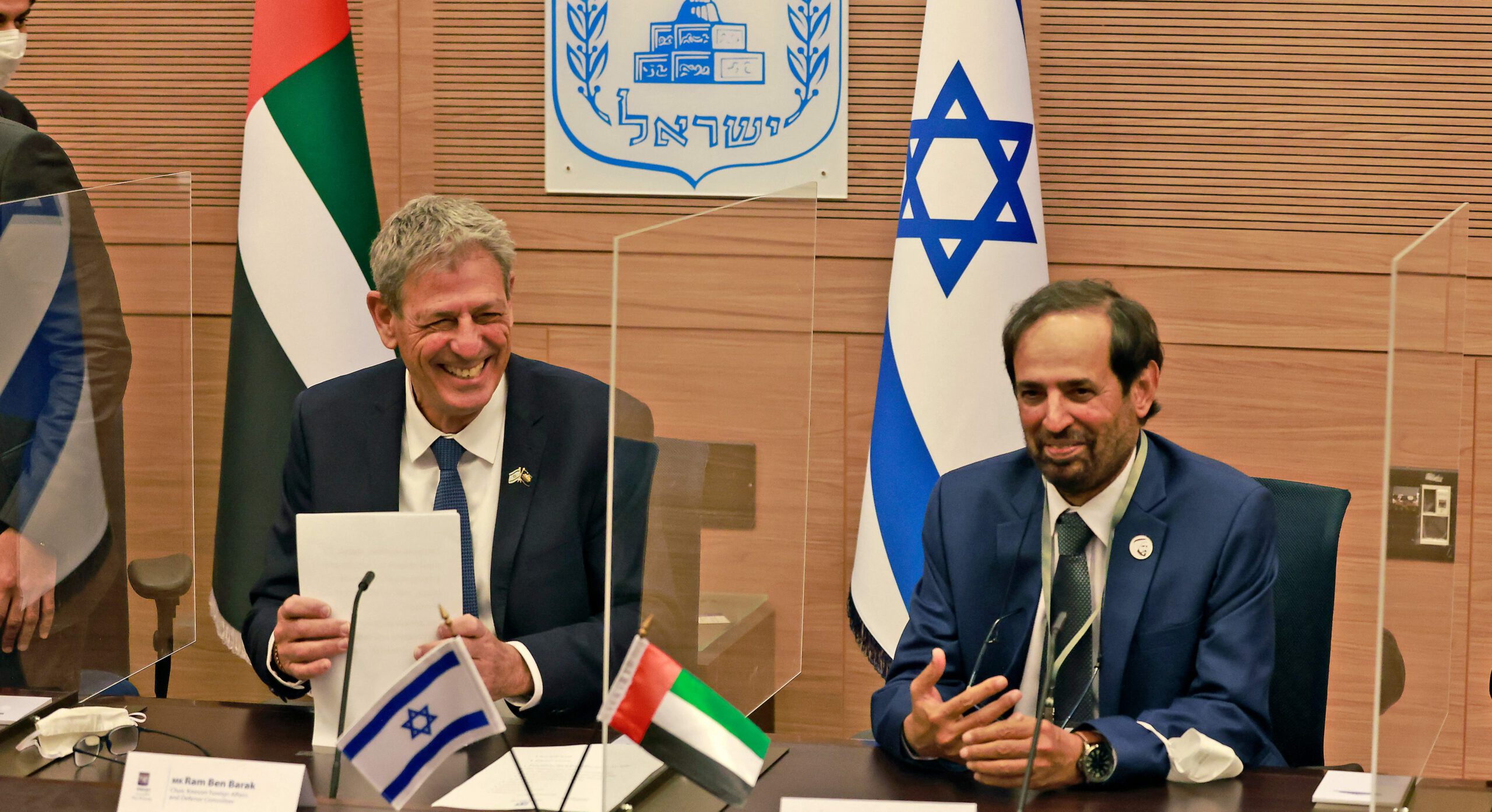
Two years on, what is the state of the Abraham Accords?
Two years after the signing of the Abraham Accords, progress in developing relations between Israel and its Arab neighbors has achieved mixed results, opening up some greater cooperation in the security sphere but failing to change Arab publics’ minds due to the lack of movement on the Israeli-Palestinian conflict.
Gulf economies should use the available fiscal space to ensure a soft landing
After achieving respectable growth in 2021, the GCC member states now face the risk of monetary (over) tightening due to the need to follow the U.S Federal Reserve’s interest rate adjustments. These increases are not warranted, however, as the GCC economies currently face relatively moderate inflation. Instead, they should use the available fiscal space to mitigate the negative fallout of monetary tightening and make greater use of PPPs for future infrastructure development.
Pensions, sovereign wealth funds, and industrial policy in the Gulf: A look at fund consolidation
The last few years have seen a lot of consolidation in Gulf financial sectors. Not only do these mergers create economic benefits, the merged entities also become potent tools for economic development. The mega-funds and other major financial institutions are part of a trend where Gulf political elites sidestep ossified bureaucracies and instead centralize power in private entities over which they have even more control.
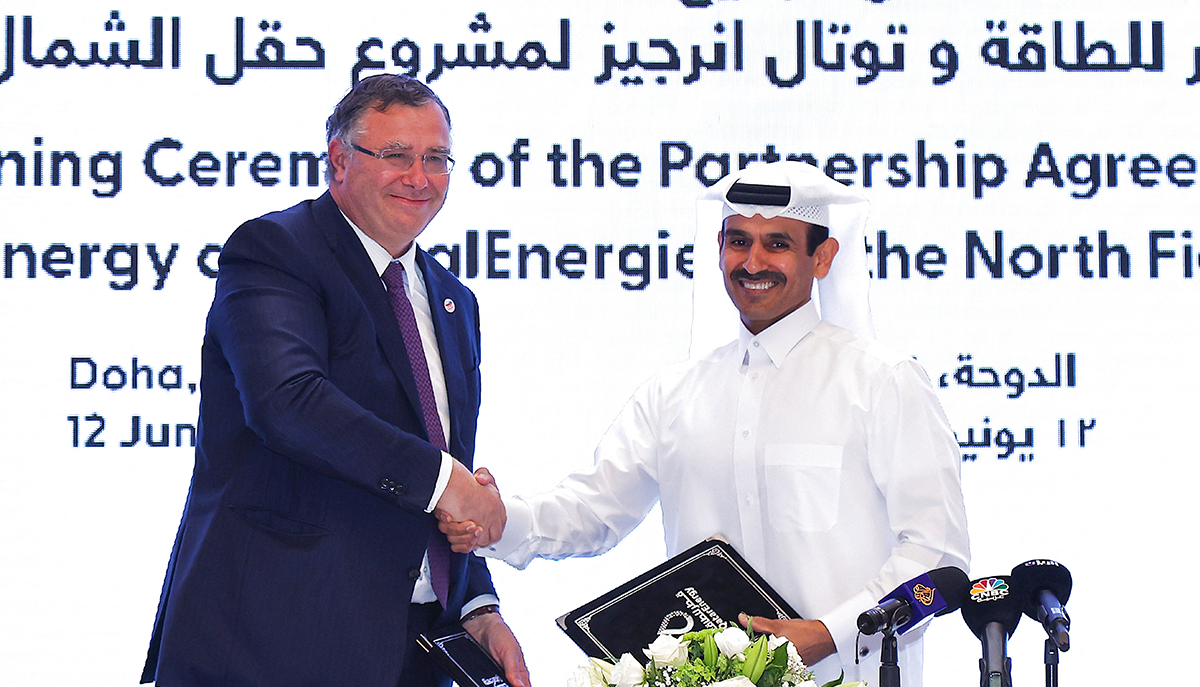
Qatar strengthens ties with international energy players through North Field East Project
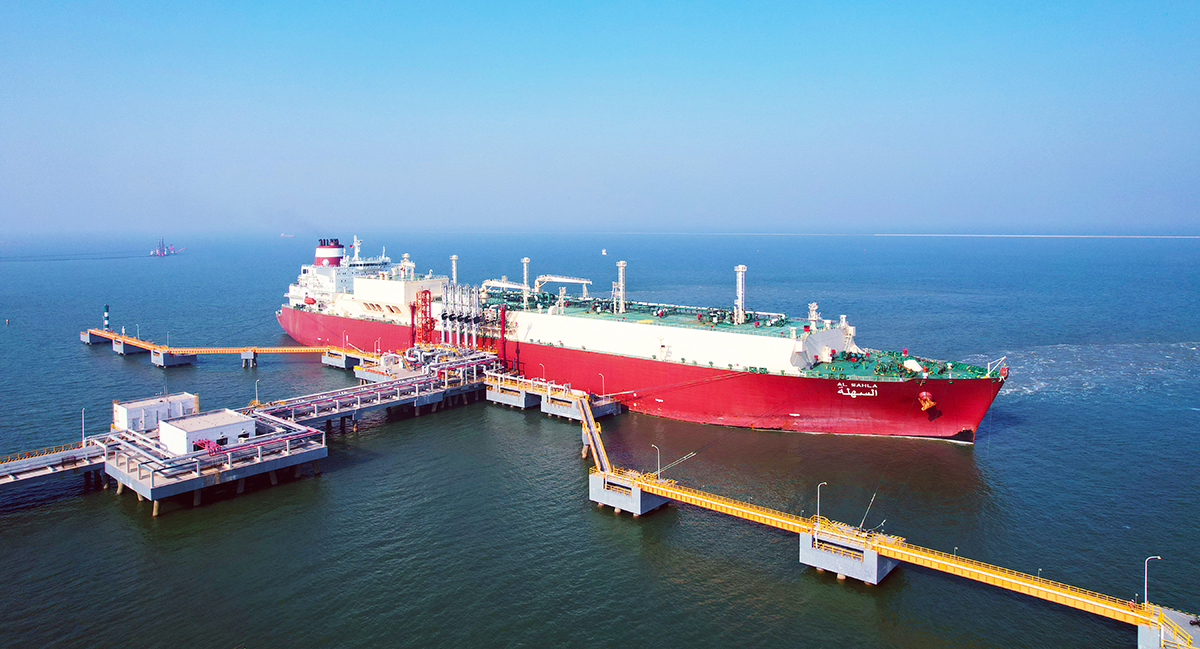
Throughout the month of June, Qatar Energy, the state-owned energy company responsible for delivering the newly named North Field East Project, captivated the attention of global energy players. After more than six months of bid evaluation, the Qataris have selected the partners in the drive to expand their LNG capacity. While all partners have minor interests, the Qataris have publicly secured participation from representative Western energy players.
The CMF-153: Rebuilding US-GCC confidence through maritime security
Efforts to restore confidence between the U.S. and the Arab Gulf states took a first step with the recent formation of a new naval task force, known as the Combined Maritime Forces-153 (CMF-153), to improve maritime security in the Red Sea, Bab el-Mandeb, and the Gulf of Aden, including the hotspot of Yemen. Established in mid-April, the new task force intends to target weapons smuggling for Ansar Allah, as the Houthi militias are officially known, as well as human trafficking and the drug trade.
The Biden administration promises US LNG for Europe. How does that work?
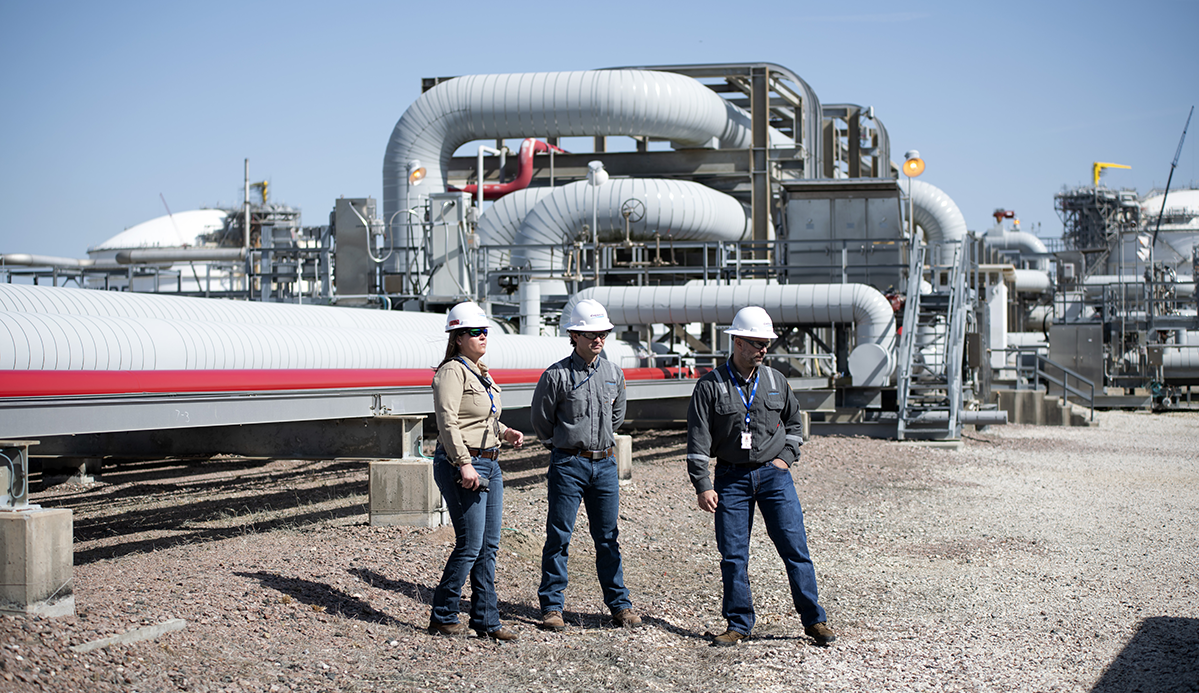
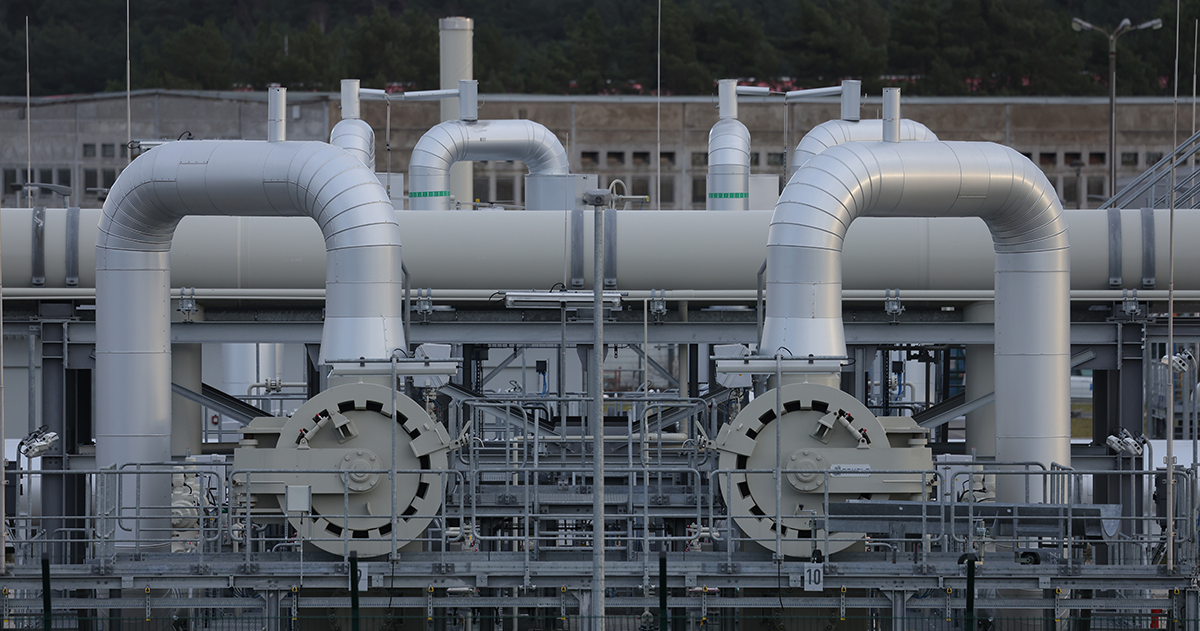
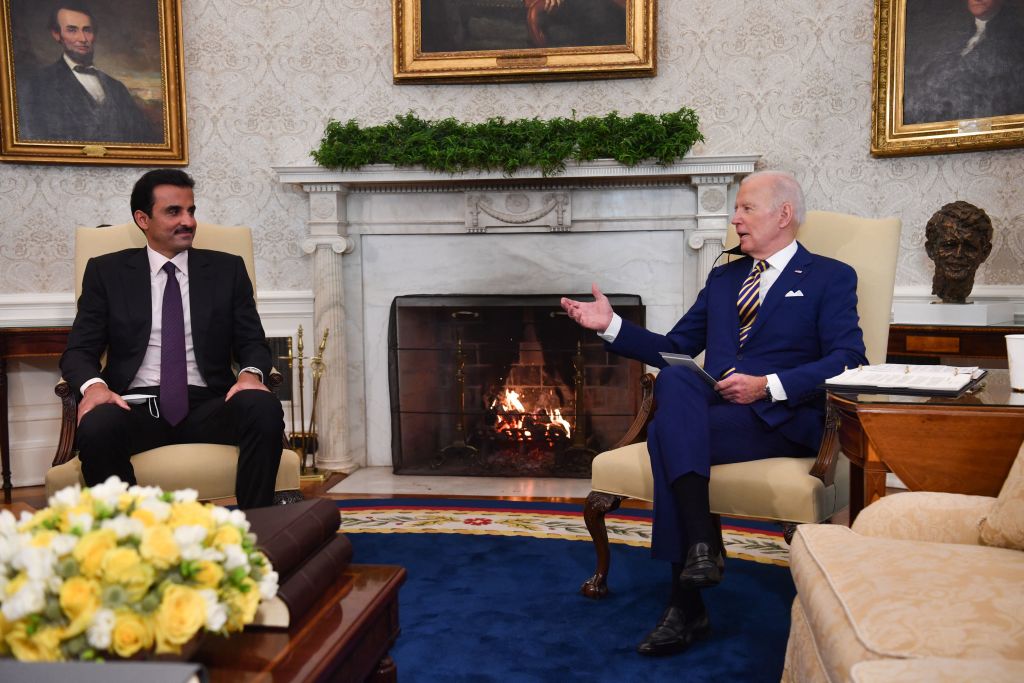
On March 25, 2022, President Joe Biden announced an agreement committing the U.S. LNG industry to supply an additional 15 bcm of LNG to Europe through the remainder of the year. The agreement also envisions U.S. LNG increasing supply to Europe to 50 bcm through 2030, equating to approximately one-third of the EU’s gas imports from Russia in 2021.
US-Gulf Relations at the Crossroads: Time for a Recalibration
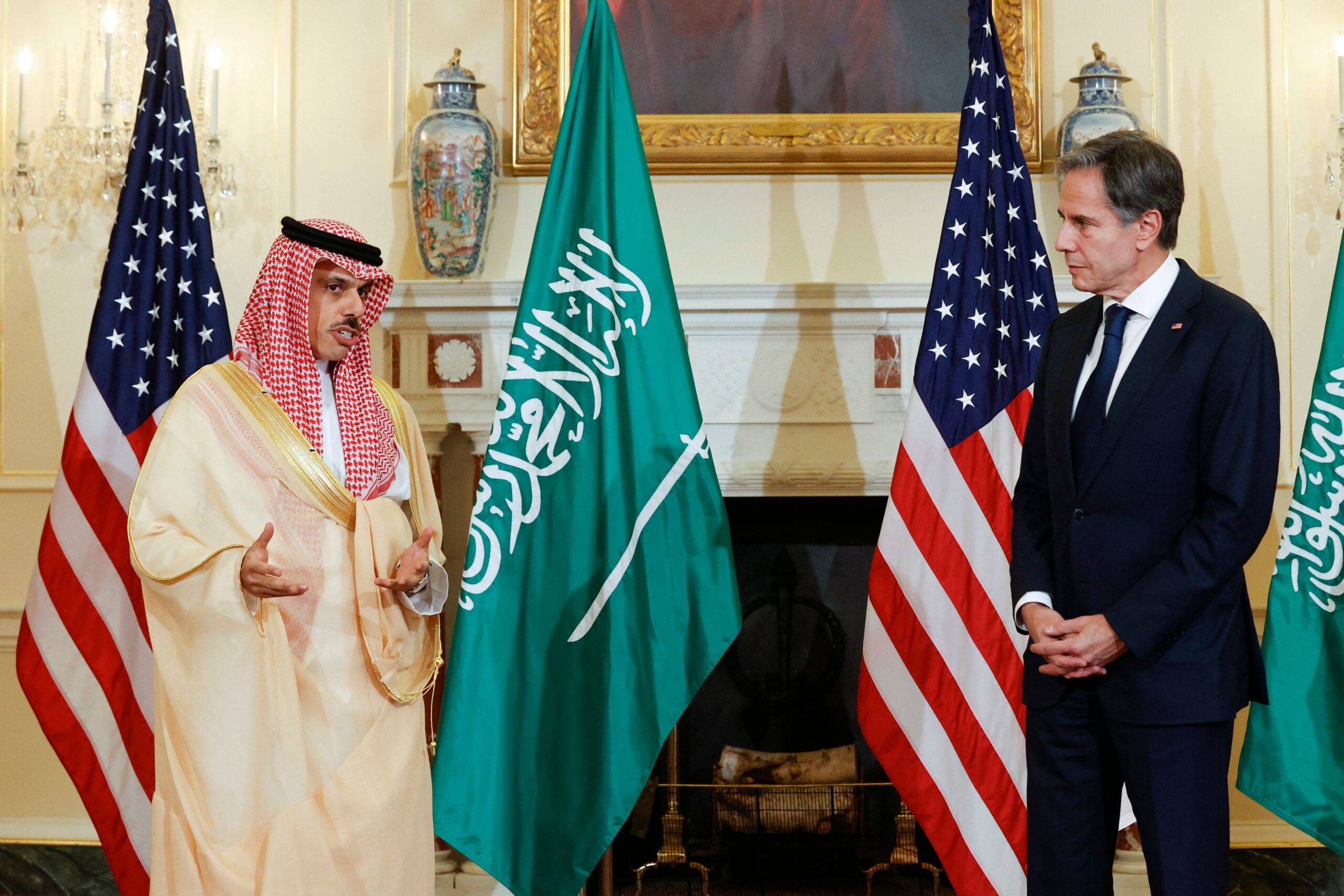
The global response to Russia’s invasion of Ukraine has focused new attention on friction between the United States and its traditional partners in the Gulf and reinforced skepticism regarding the United States’ status as the dominant international partner in the region. It’s time for both sides to identify a realistic way forward that sheds outdated notions of mutual obligation without becoming merely transactional.
Qatar and global LNG: Potential pivot from Asia to Europe?
The global LNG landscape is changing, and while Qatar will continue to be a major LNG exporter, it will briefly drop to third in the global rankings until planned expansion projects come on stream in the middle part of the decade. Strategically, Qatari suppliers may opt to change their market supply profile, which will have a knock-on effect on the global market, both LNG suppliers and buyers.
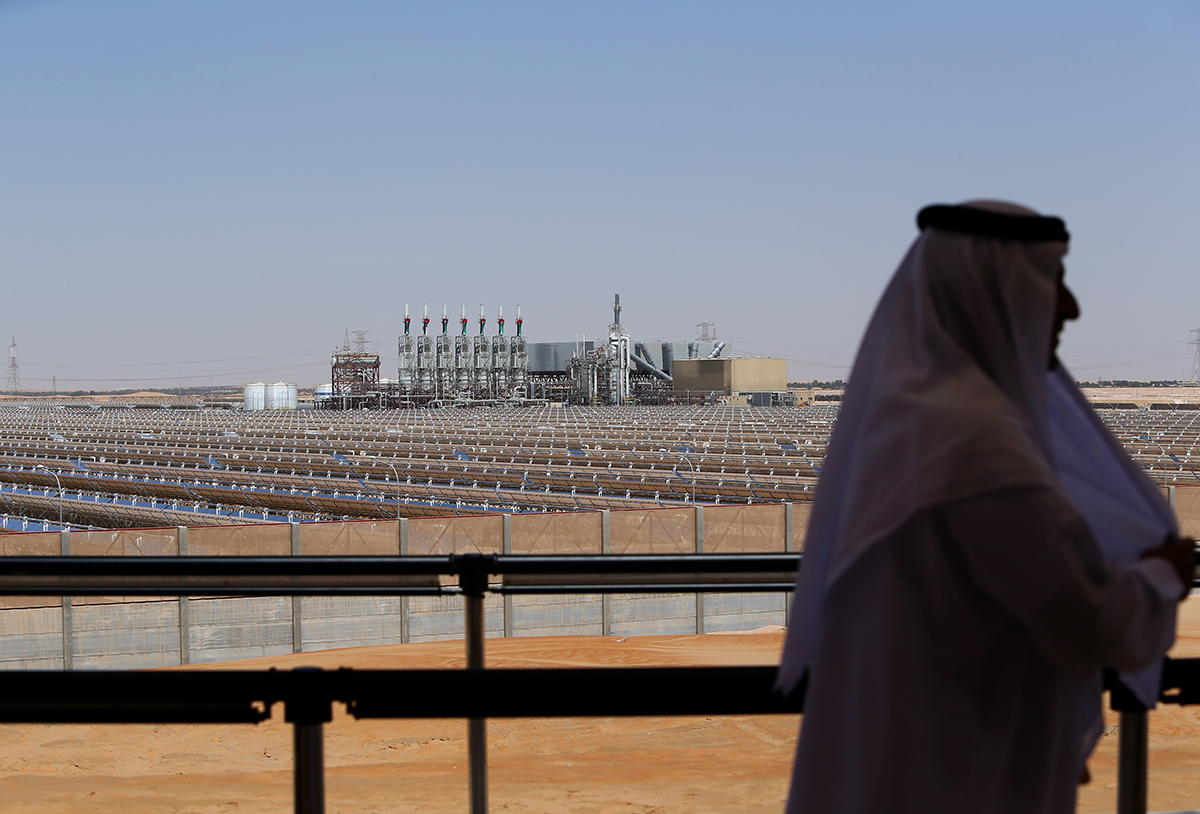
The Arab Gulf states appear to be following a common template in responding to the global transition toward an energy system in which renewables play an increasingly central role. They are publicizing renewable energy targets, decarbonizing upstream and downstream oil and gas operations, commissioning renewable energy projects, and improving energy efficiency, among other strategies. A closer look, however, reveals differences in how they have deployed solar and wind power capacity.
Qatar is no short-term savior, but it may still play a role in strengthening EU energy security
The U.S. request for Qatari assistance in ensuring the EU’s energy security in case of a Russian supply disruption should be perceived as a political gesture of support addressed to Western allies and a warning to Russia. In reality, however, the American request is just one factor in Qatar’s calculations as it considers increasing its energy exports to Europe, and Doha’s final decision will be determined by an intricate combination of long-term economic and political considerations. In this equation political reasons may not be dominant and economic drivers will not always be in the West’s favor.
The Gulf has a 5G conundrum and Open RAN is the key to its tech sovereignty
Long-simmering economic and political tensions between the U.S. and China have continued to spill over into the technology sector, where the two superpowers have made this ever-more vital industry the site of a new Cold War. The acrimony looks poised to only get worse moving forward, potentially leading to a tech decoupling, and 5G is at the heart of it. Some third parties have sought to find a way to navigate this divide and the dilemma is particularly acute for the Gulf states. As they seek to balance their relationships with both Washington and Beijing, several have chosen to stake out their own territory by building an Open Radio Access Network (RAN). This initiative could be a potential solution to the current conundrum that would give states 5G sovereignty in an era of great power competition, with a digital twist.
Dust in the Cloud: The Future of Data Governance in the GCC
As the countries of the Gulf Cooperation Council (GCC) work to transform from hydrocarbons-driven to data-driven economies, they will need to make significant and well-planned invest-ments in digital infrastructure, particularly when it comes to the complex issue of data govern-ance. They must take the lead in establishing regulatory and legal frameworks aligned with international standards in terms of data gathering, processing, and storing procedures. This report highlights the existing laws and regulations that govern data protection in the GCC while addressing their potential and limitations, along with the similarities and differences between the GCC’s legislative frameworks and the EU’s General Data Protection Regulation, and the impact of the GCC’s current data protection laws on individuals, the private sector, regulators, and governments.
Energy Prospects in the Gulf: The Oil Price Ascent, in Brief
While oil prices have rebounded before soaring since the depths of collapse in the spring of 2020 — with Brent crude prices skyrocketing from $19 per barrel in April 2020 to a three-year high of $86 per barrel in October 2021 — the prospects for a sustained high oil price for Gulf producers is unlikely.
Integrated Air and Missile Defense Will Enhance Security in the Middle East
Integrated air and missile defense will make America’s partners in the Persian Gulf safer and bolster America’s policy against Iran. It’s past time to make IAMD a priority.
The oldest peer-reviewed publication dedicated to the study of the modern Middle East, MEI’s flagship journal covers politics, society, and culture in the region.