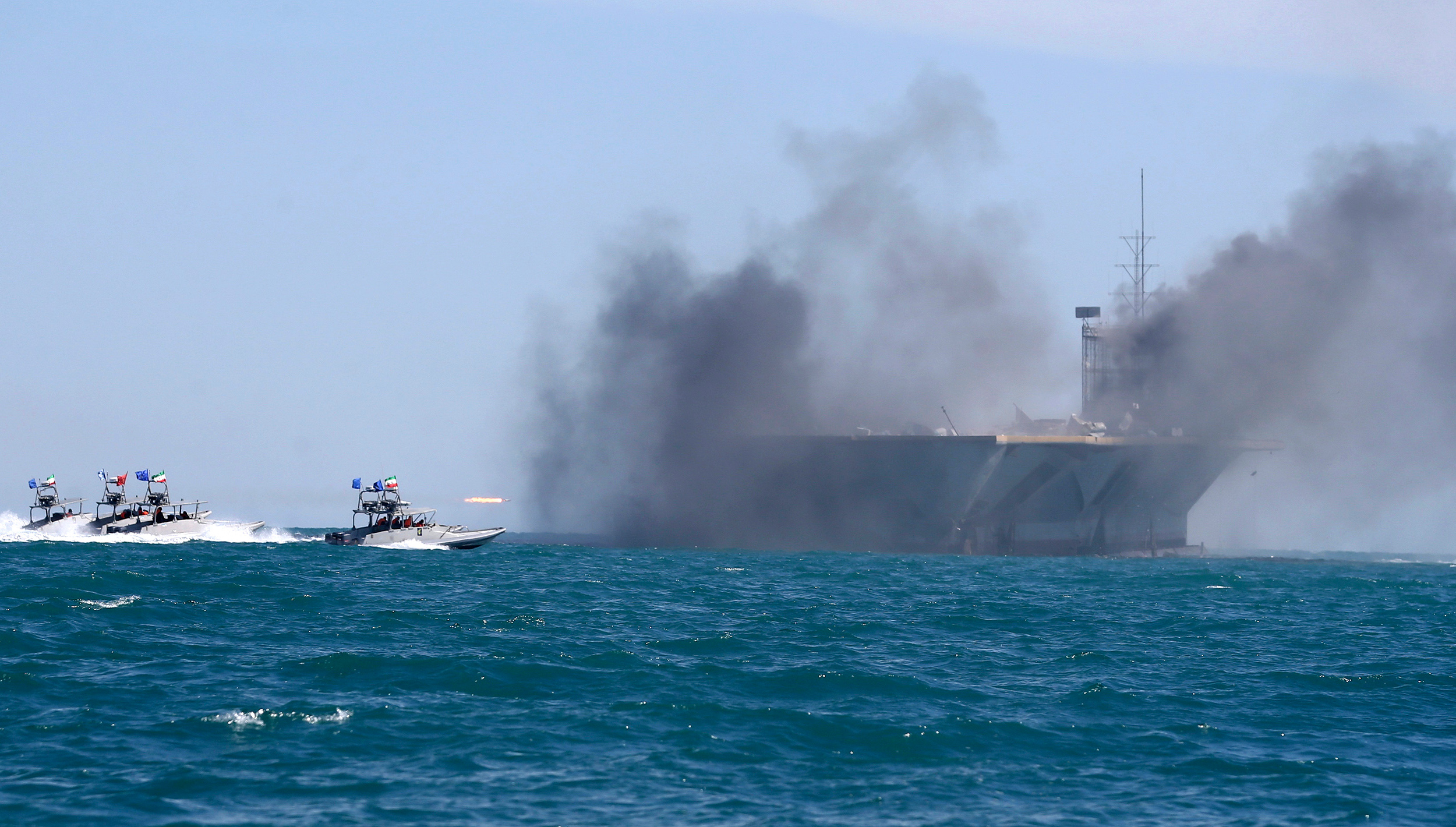
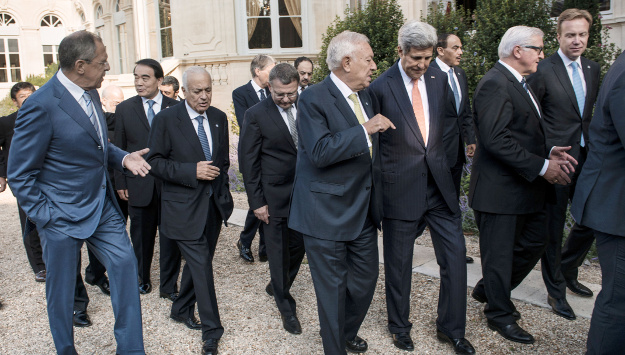
After the US-Israel-Iran war — and the strikes that followed the cease-fire — the Gulf states find themselves dangerously exposed. Host Alistair Taylor is joined by MEI Associate Fellow Gregory Gause to discuss the war’s impact on the Gulf, their partnership with the United States, and whether the turmoil of recent months will push Gulf leaders to reassess their alliances and international engagement.
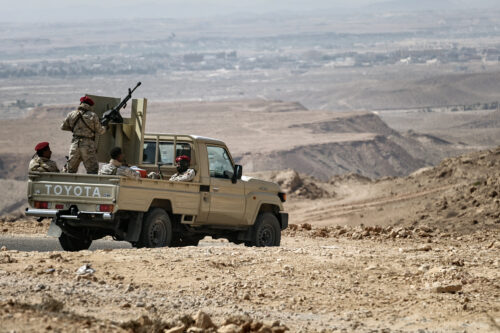
Saudi Arabia has stepped up its efforts to unify and restructure Yemen’s anti-Houthi forces after the rapid expansion and sudden implosion of the United Arab Emirates-backed secessionist Southern Transitional Council following Abu Dhabi’s military withdrawal from the country.
With its bold and public intervention in Yemen’s civil war, Saudi Arabia has cast off a half-century of caution and restraint in regional security affairs.
Collection Spotlight: In the Name of Oil: Anglo-American Relations in the Middle East, 1950-1958
Ivan L. G. Pearson’s In the Name of Oil: Anglo-American Relations in the Middle East, 1950-1958 provides a comprehensive analysis of the extent to which British interests in the Middle East influenced or were furthered by the United States between 1950 and 1958.
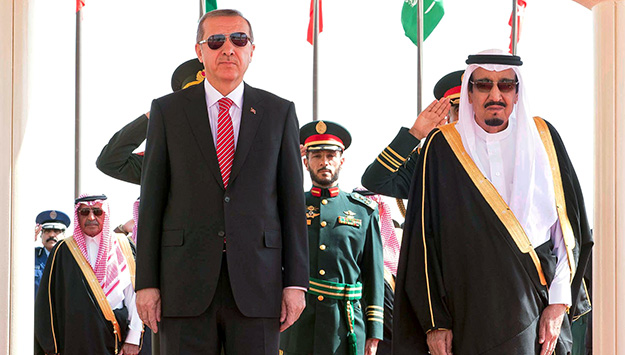
Frustrated Turkey Turns to Onetime Ally Saudi Arabia
Frustrated by the United States’ failure to heed its advice on Syria and Iraq, and by Iran’s growing clout in these countries, Turkey seems to have decided to mend its frosty relationship with Saudi Arabia. When King Abdullah died earlier this year, Turkish President Recep Tayyip Erdogan immediately cut short an African tour and flew to Riyadh to offer his condolences. He declared a period of mourning in Turkey and ordered the Turkish flag to be flown at half-mast.
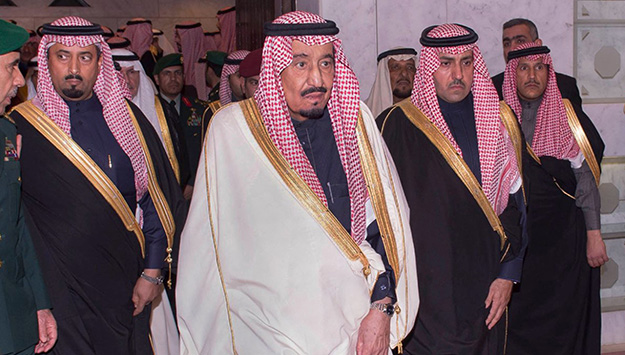
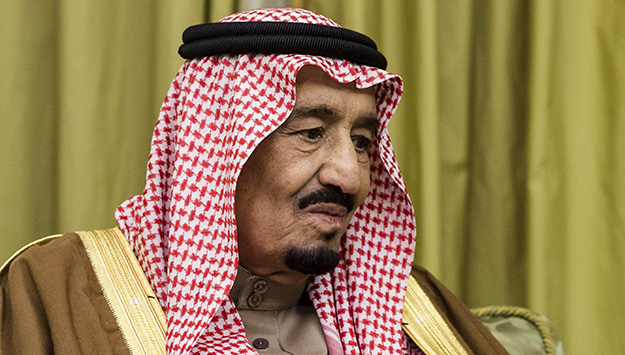
The death of King Abdullah in late January 2015 brought a seamless transition of power in Saudi Arabia. Crown Prince Salman acceded to the throne and Prince Muqrin became crown prince, while Prince Muhammad bin Nayef, minister of the interior, became second deputy prime minister and the first grandson of Ibn Saud in line for the throne. Despite speculation to contrary, the smooth transition was strong evidence of a preexisting agreement that included the late king, Salman, and other senior princes.
The Middle East is experiencing unprecedented upheaval, and by all indications the region is likely to remain in turmoil for the foreseeable future. From Yemen to Bahrain to Syria and Lebanon, the sectarian agendas and geopolitical maneuverings of the two regional heavyweights – Iran and Saudi Arabia – will likely remain the key drivers fueling the regional fire.
It appears that the senior princes who run Saudi Arabia don’t read Western news reports about their country or the numerous analyses of Saudi affairs put forth by American and European think tanks. If they did, they would have known that the death of King Abdullah was going to set off a “succession crisis” that would divide the ruling family and possibly destabilize the kingdom. They clearly did not get the memo.
Taiwan’s Relations with Saudi Arabia: An Interview with Ibrahim Chao
Over the past half century, Saudi Arabia has been the most important country for Taiwan’s Middle East diplomacy. The following interview with HE Dr. Ibrahim Chao (Hsi-lin Chao), Taiwan’s representative to the Kingdom from 2009 to 2012, sheds light on the contours of and recent developments in the bilateral relationship. Prior to joining the Ministry of Foreign Affairs of the Republic of China, or Taiwan, Ibrahim Chao earned an M.A. and a Ph.D. in Shariah (Islamic Law) from the Umm al-Qura University in Mecca, Saudi Arabia. Since retiring from the diplomatic service, he has served as an advisor to the Chinese Muslim Association in Taipei.
The rise of China and India, coupled with major changes in the global energy market such as the US shale revolution have shifted the Gulf countries’ economic focus towards the Asian continent. East Asia has already emerged as the GCC’s most important trade partner, accounting for over 57% of its external trade.
One way to grasp the immense difficulty facing President Obama as he tries to forge an effective international coalition to oppose the Islamic State is to examine the difference between this effort and the last time the United States led a diverse group of countries to take on a conflict in the Middle East: Operation Desert Storm, in 1991.
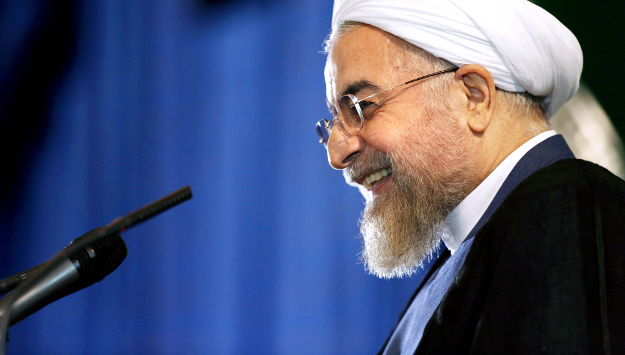
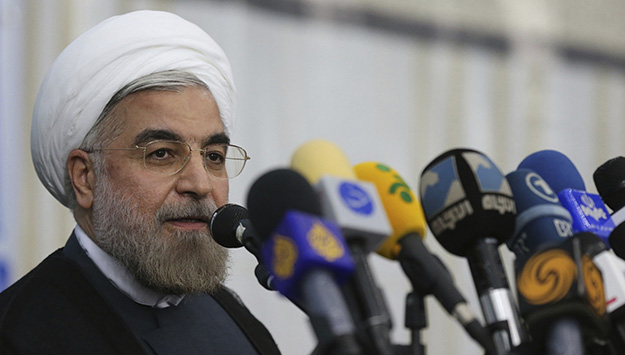
After a year of hesitation, Iranian president Hassan Rouhani is signaling his readiness to reach out to Tehran’s chief regional rival—Saudi Arabia. Last week, a top official was sent to Riyadh; he was the most senior Iranian visitor to the country since Rouhani’s election in June 2013.
This week’s visit to Tehran by the Kuwaiti emir, Sheik Sabah al-Ahmad al-Sabah, is about more than Iranian-Kuwaiti relations. It might even be a pivotal moment in the shaping of Iran’s ties with the Arab countries across the Gulf. Kuwait, which currently holds the rotating presidency of the Gulf Cooperation Council (GCC), is acting as a conduit for the collective unease that the GCC’s six member states, particularly Saudi Arabia, have about Iran’s regional policies.
The oldest peer-reviewed publication dedicated to the study of the modern Middle East, MEI’s flagship journal covers politics, society, and culture in the region.






 Ivan L. G. Pearson’s In the Name of Oil: Anglo-American Relations in the Middle East, 1950-1958 provides a comprehensive analysis of the extent to which British interests in the Middle East influenced or were furthered by the United States between 1950 and 1958.