This article is part of a collection of short essays written by the Fellows of the Middle East Institute to explore aspects of the ongoing war with Iran. The intent of the collection is to help readers see new and unexpected elements of the dynamics and impact of the ongoing hostilities and to think harder, deeper, and broader about the implications of the conflict.
Turkey: Ankara’s Nuclear Ambitions in the Post-Iran War Environment
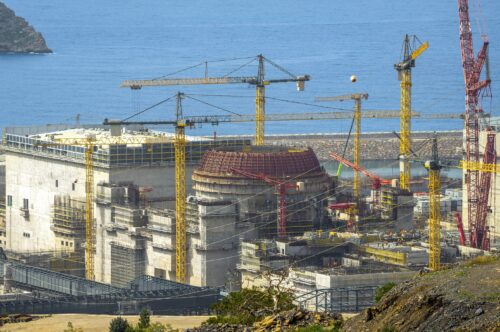
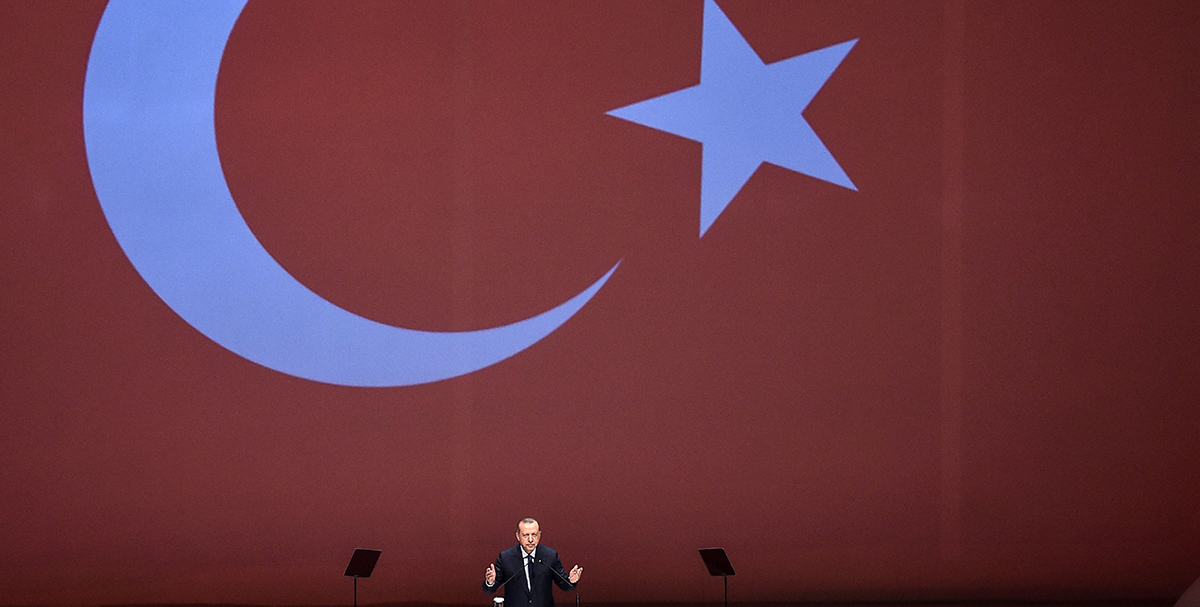
In February 2026, Turkish Foreign Minister Hakan Fidan suggested that shifting international dynamics could push Turkey to acquire nuclear weapons. That rhetoric, combined with Turkey’s civilian nuclear energy and research programs and its indigenous surface-to-surface missile development projects, has fueled concerns that these capabilities could eventually form the backbone of a Turkish nuclear weapons program.
When the US and Israel launched military action against Iran on February 28, 2026, it set in motion a chain of events that saw violence spread across the Middle East. Yet as the region found itself engulfed in conflict, Syria has experienced its most peaceful months in 15 years, and the government in Damascus appears determined to stay its course toward recovery.
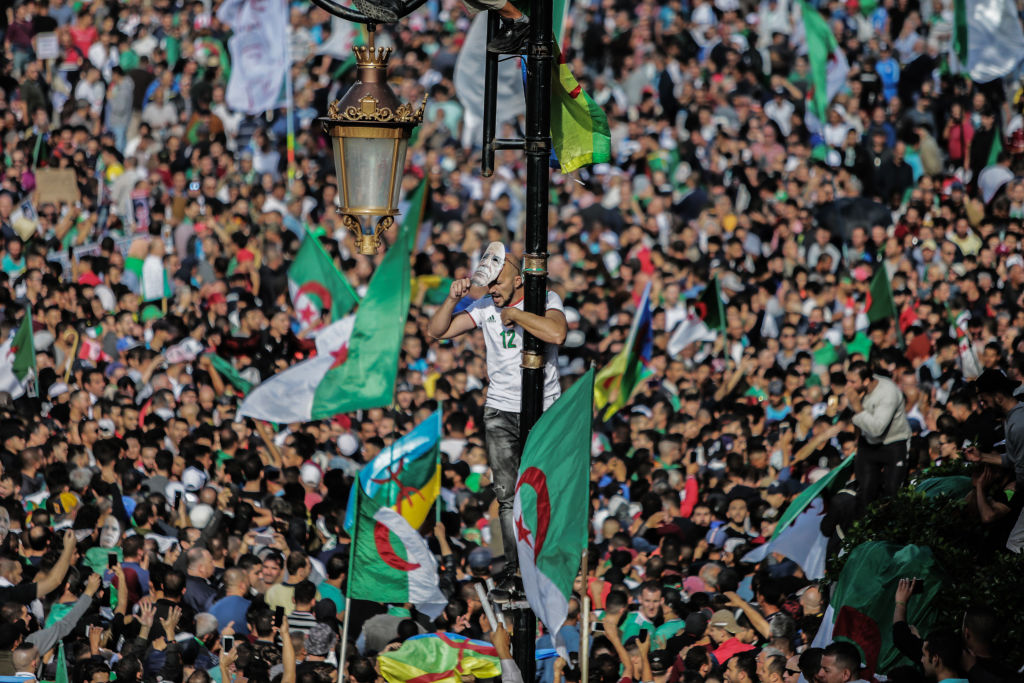
Successes and shortcomings: How Algeria’s Hirak can inform Lebanon’s protest movement
As Lebanese protesters look to advance the systemic reforms they seek and contend with an entrenched ruling elite with little incentive to change, they can draw on their Algerian peers’ successes and shortcomings.
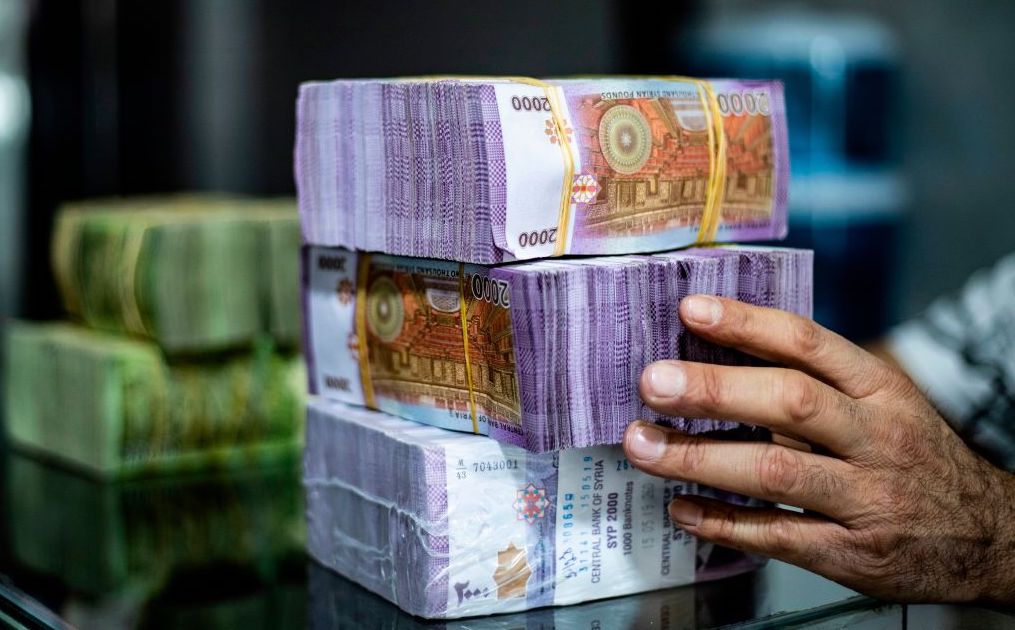
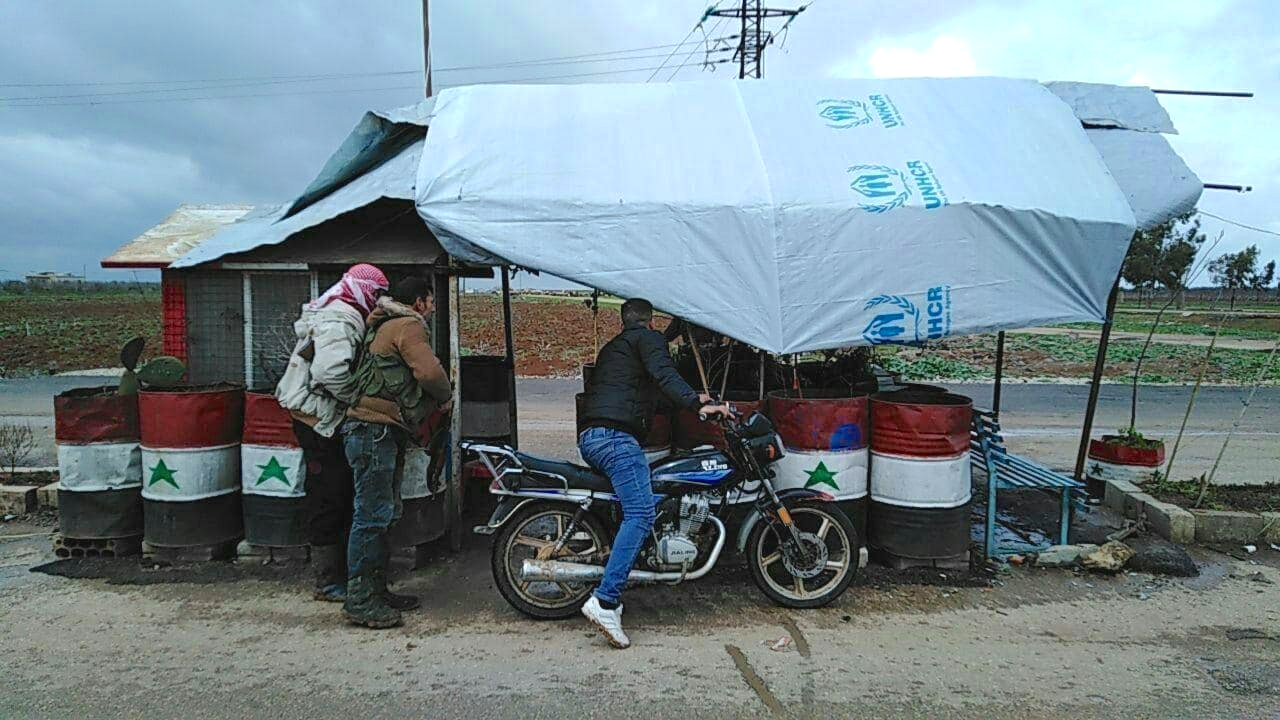
Rampant inflation adds to Syria’s economic turmoil
The Syrian economy is entering its most fragile phase yet in the country’s nine-year-long conflict. After being devastated by the fighting, constrained by biting Western sanctions, and ravaged by widespread corruption, it is now witnessing the sharpest rise in inflation in its history.
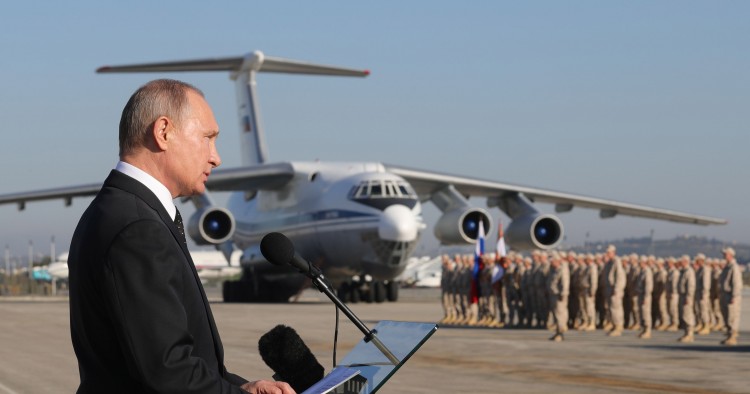
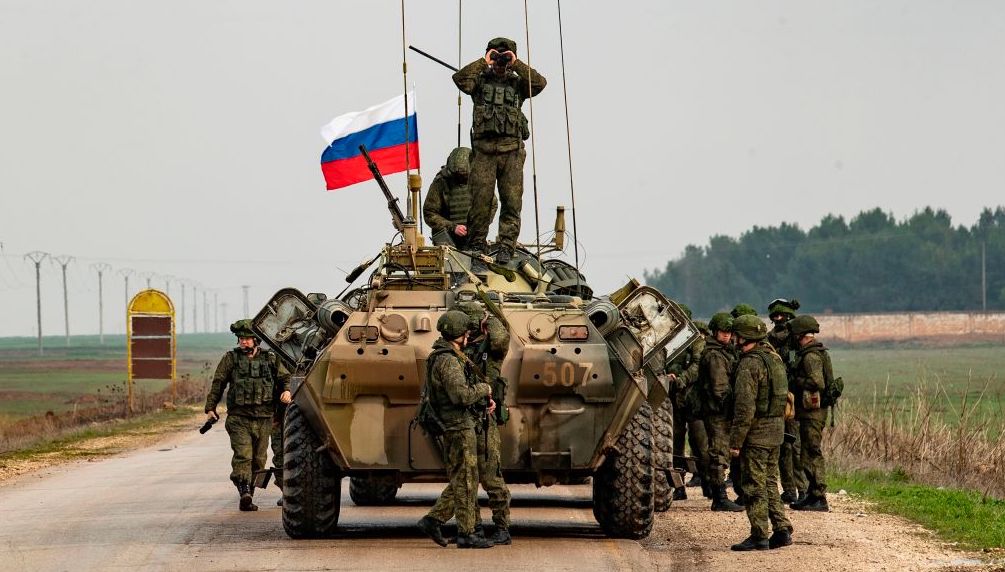
Why is Russia seeking to expand its military bases in Syria?
While Russia is currently struggling with the consequences of COVID-19 at home, its foreign policy projections suggest it is also bracing itself for the post-pandemic world.
Quickly attributing or blaming a country for a cyber incident without technical analysis, proof, and government officials willing to go on record only inflames an already tense situation.
Russia’s involvement in the Middle East: Building sandcastles and ignoring the streets
The collapse of the OPEC+ deal and the diplomatic impasse in Syria reveal the intrinsic fragility of Russia’s gains in the Middle East. Building relations with the region’s autocratic leaders and maintaining a status quo based on a personalistic approach might be effective for some time, but in the long run the Kremlin’s strategy fails to institutionalize relations and thus will be unable to protect them from disruption.
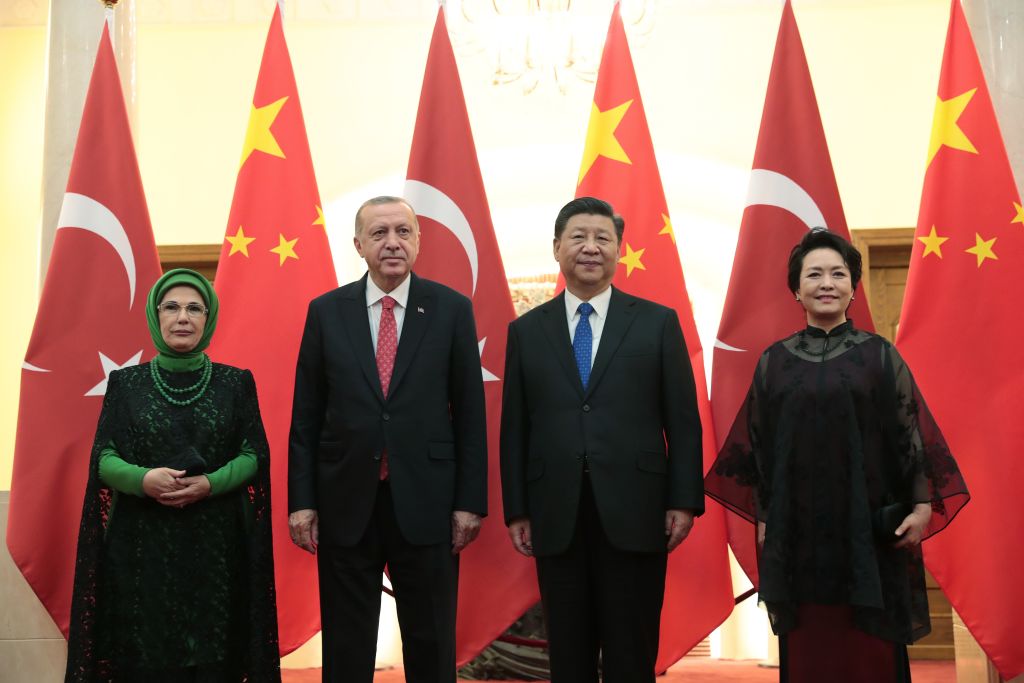
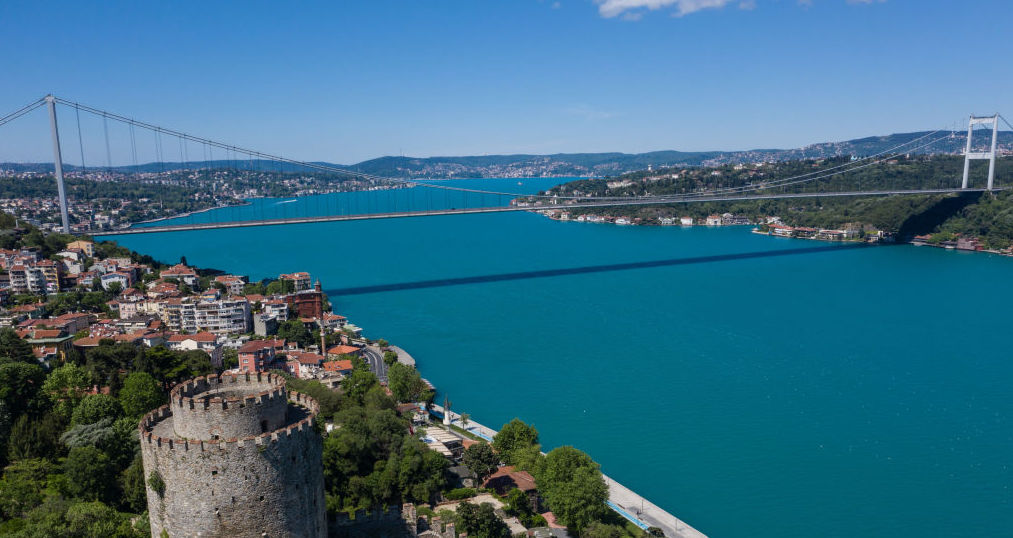
The Middle Kingdom and the Middle Corridor: Prospects for China-Turkey ties
As part of Beijing’s broader strategy of seeking out new markets and cultivating strategic partnerships with countries beyond its backyard, China has been seeking to expand its economic and political ties with Black Sea states. While Beijing’s involvement in the region is still at a nascent stage, it has already prompted fears that its economic engagement masks a political agenda that could hurt Western interests.
How the battle over energy will reshape Eurasia relationships
The conflict between Turkey and the anti-Turkey bloc is hurting everyone’s energy interests, making an investment in the region costlier for energy companies. Without compromises on all sides, everyone stands to lose.
MEI’s Gonul Tol and Jonathan Winer join host Alistair Taylor to discuss the state of the conflict in Libya, where the internationally recognized Government of National Accord (GNA) forces supported by Turkey have made significant gains in recent weeks over Khalifa Haftar’s Libyan National Army (LNA) forces, which are backed by Russia, the UAE, Egypt, and France.
How Russia made Hemeimeem air base its African hub
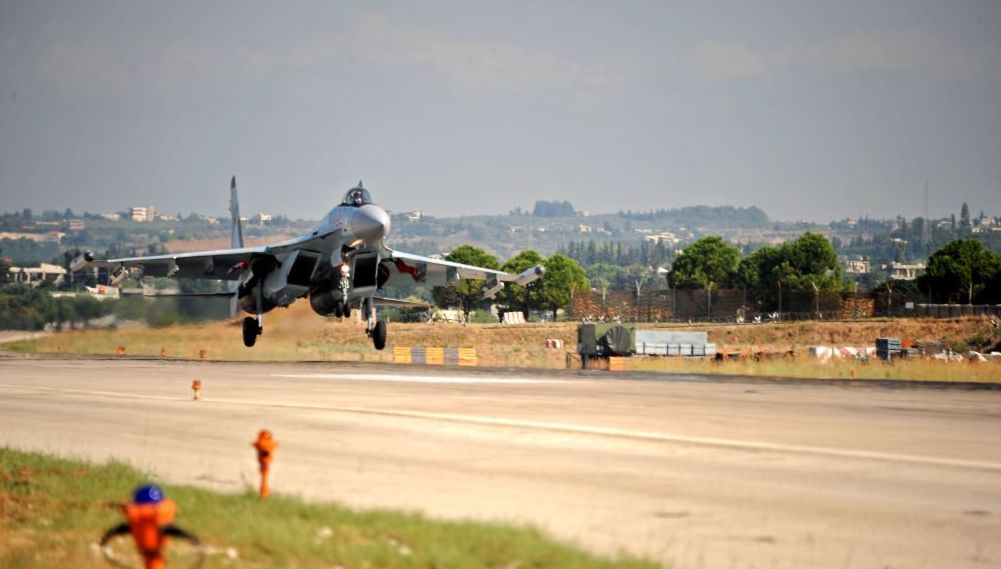
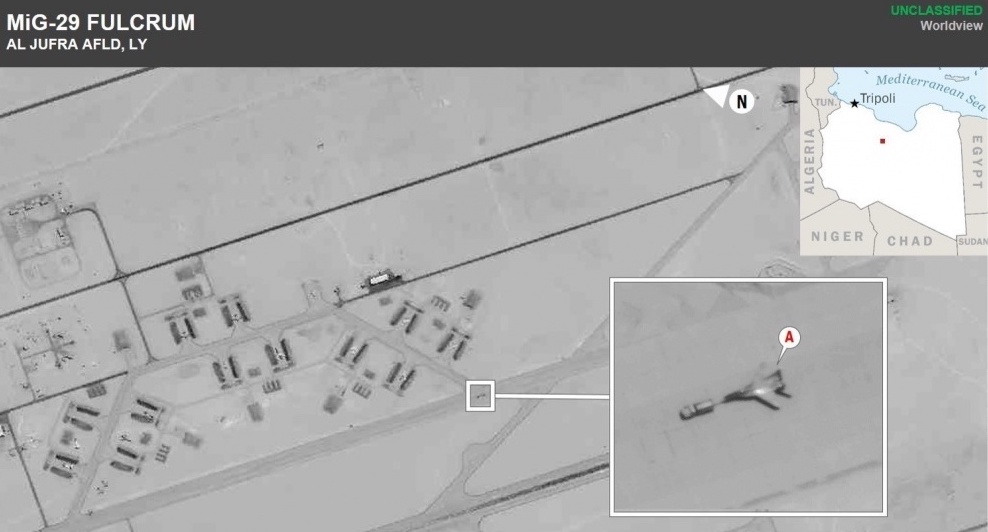
The satellite images published on May 26 by AFRICOM appear to confirm reports that Russian MiG-29 jet fighters had flown to Libya. In fact, the MiG-29s travelled to Libya via Russia’s Hemeimeem air base in Syria, and as this latest episode makes clear, Hemeimeem plays a central role in Russia’s growing involvement in both the Mediterranean and Africa.
Are the foreign patrons of the Libyan war ready to end it?
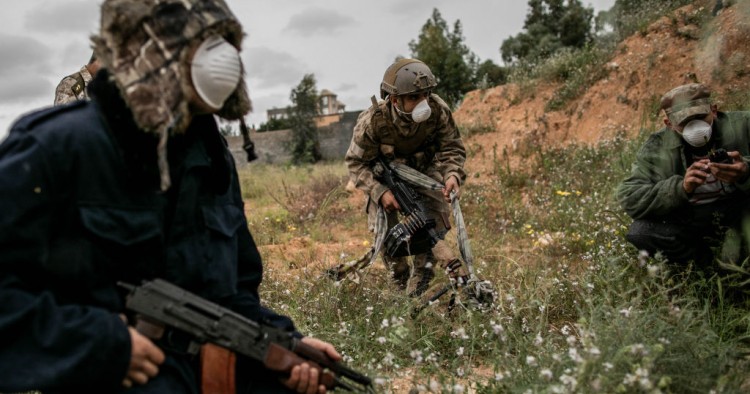
Absent major military escalation by his foreign patrons, Khalifa Hifter has now lost the war he initiated against Libya’s internationally recognized government in Tripoli. The question remains, however, of how to end Libya’s proxy war and restart the necessary political process to bring about sustained peace.
As the May 26 AFRICOM statement makes clear, Russia’s strategy is fraught with the risk of new sanctions and its geopolitical maneuvers may not come for free.
COVID-19 is a humanitarian problem, and containing the pandemic as soon as possible is an urgent obligation to save human lives. Yet we have to deal with the economic fallout from the pandemic just as urgently because the costs are substantial.
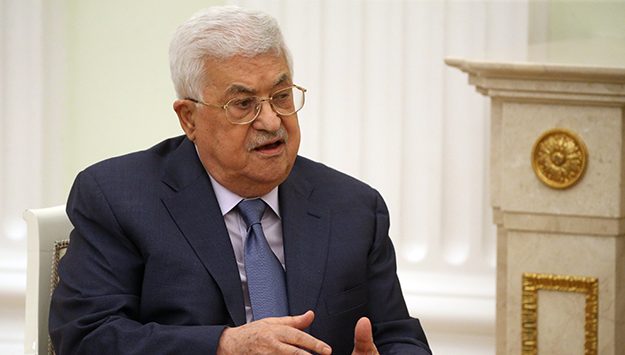
The May 20 announcement is something of a watershed, in which Palestinian decision-makers appear to have chosen to leave behind the professionalism of President Abbas and instead adopt the Fatah revolutionary way of making strategic decisions and then implementing them on an ad hoc basis while making adjustments along the way.
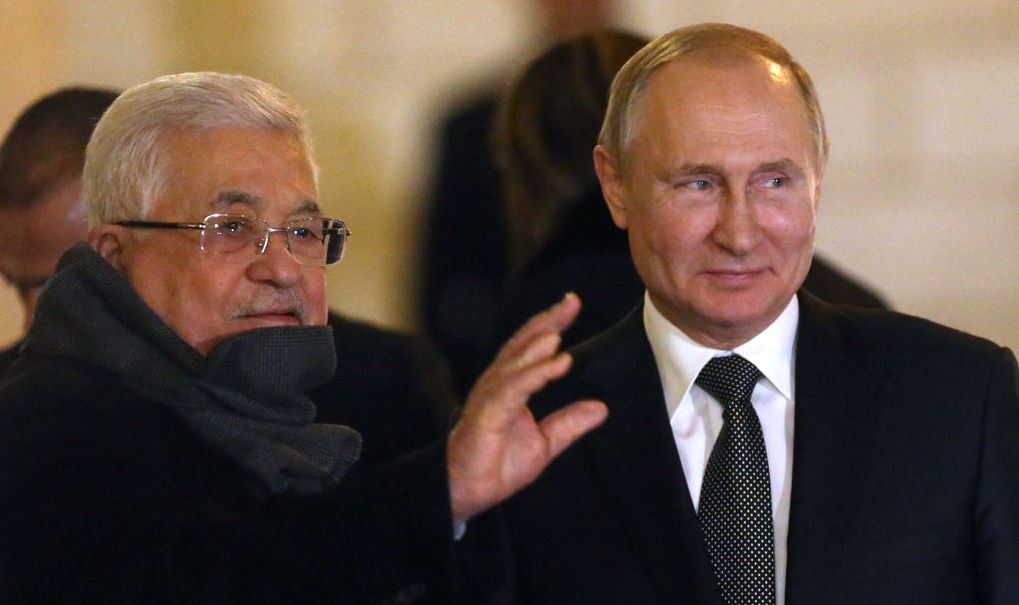
The last few days have seen an unprecedented flurry of Russian activity on the Israeli-Palestinian track. On May 19, Russia’s Deputy Foreign Minister and Vladimir Putin’s Special Envoy for the Middle East and Africa Mikhail Bogdanov spoke on the phone with Assistant to the U.S. President and Special Representative for International Negotiations Avi Berkowitz.
The oldest peer-reviewed publication dedicated to the study of the modern Middle East, MEI’s flagship journal covers politics, society, and culture in the region.