This article is part of a collection of short essays written by the Fellows of the Middle East Institute to explore aspects of the ongoing war with Iran. The intent of the collection is to help readers see new and unexpected elements of the dynamics and impact of the ongoing hostilities and to think harder, deeper, and broader about the implications of the conflict.
Turkey: Ankara’s Nuclear Ambitions in the Post-Iran War Environment
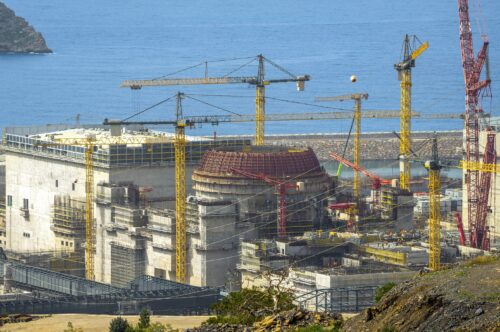
In February 2026, Turkish Foreign Minister Hakan Fidan suggested that shifting international dynamics could push Turkey to acquire nuclear weapons. That rhetoric, combined with Turkey’s civilian nuclear energy and research programs and its indigenous surface-to-surface missile development projects, has fueled concerns that these capabilities could eventually form the backbone of a Turkish nuclear weapons program.
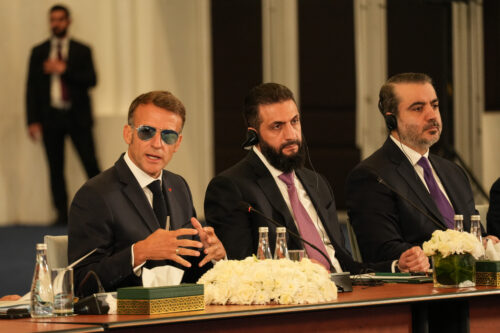
When the US and Israel launched military action against Iran on February 28, 2026, it set in motion a chain of events that saw violence spread across the Middle East. Yet as the region found itself engulfed in conflict, Syria has experienced its most peaceful months in 15 years, and the government in Damascus appears determined to stay its course toward recovery.
Punching above their weight: Cyber lessons for small states
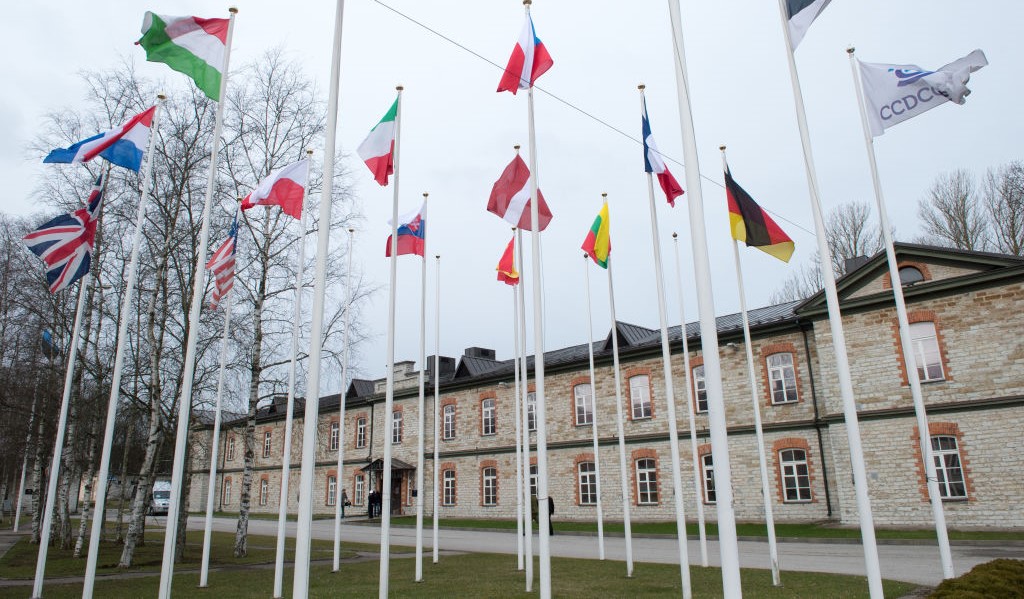
The role of cybersecurity in the future of geopolitics in the Middle East and the surrounding regions will have much to do with individual state and enterprise preparedness. With cyber threats a growing source of interstate tension, governments must take measures to increase national cyber preparedness that are tailored to their vulnerabilities and cyber ecosystems. Israel and Estonia are examples of states that prove this rule. Despite their relatively small size, both have demonstrated an exceptional capacity to deter or defend against cyber aggression from their much larger, more aggressive neighbors.
Balance in the Black Sea: The complex dynamic between Turkey, Russia, and NATO
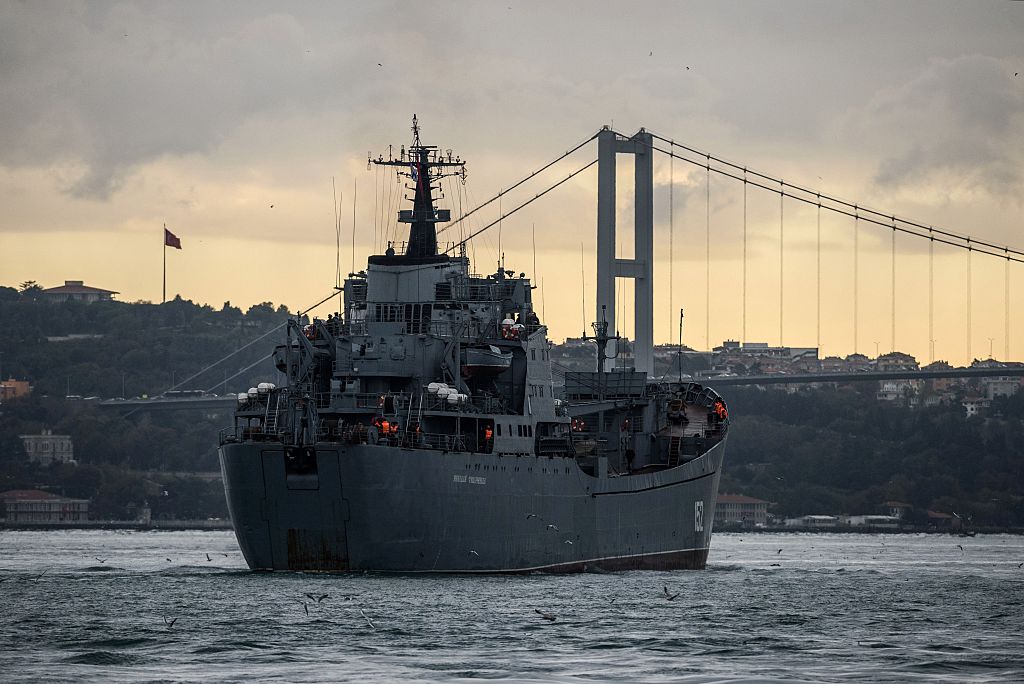
Turkey’s relations with its Western allies are at an all-time low while its partnership with Russia is flourishing. Since Russia began delivery of its S-400 advanced aerial defense system in July, questions have abounded about Turkey’s future in the NATO alliance. Such concerns are not baseless. Turkey-Russia ties have never been closer. The two countries cooperate closely not only on energy and trade but also in the defense sector. But fears of a Turkish withdrawal from the alliance overlook the continued tension between Ankara and Moscow, which makes NATO an indispensable partner for Turkey.
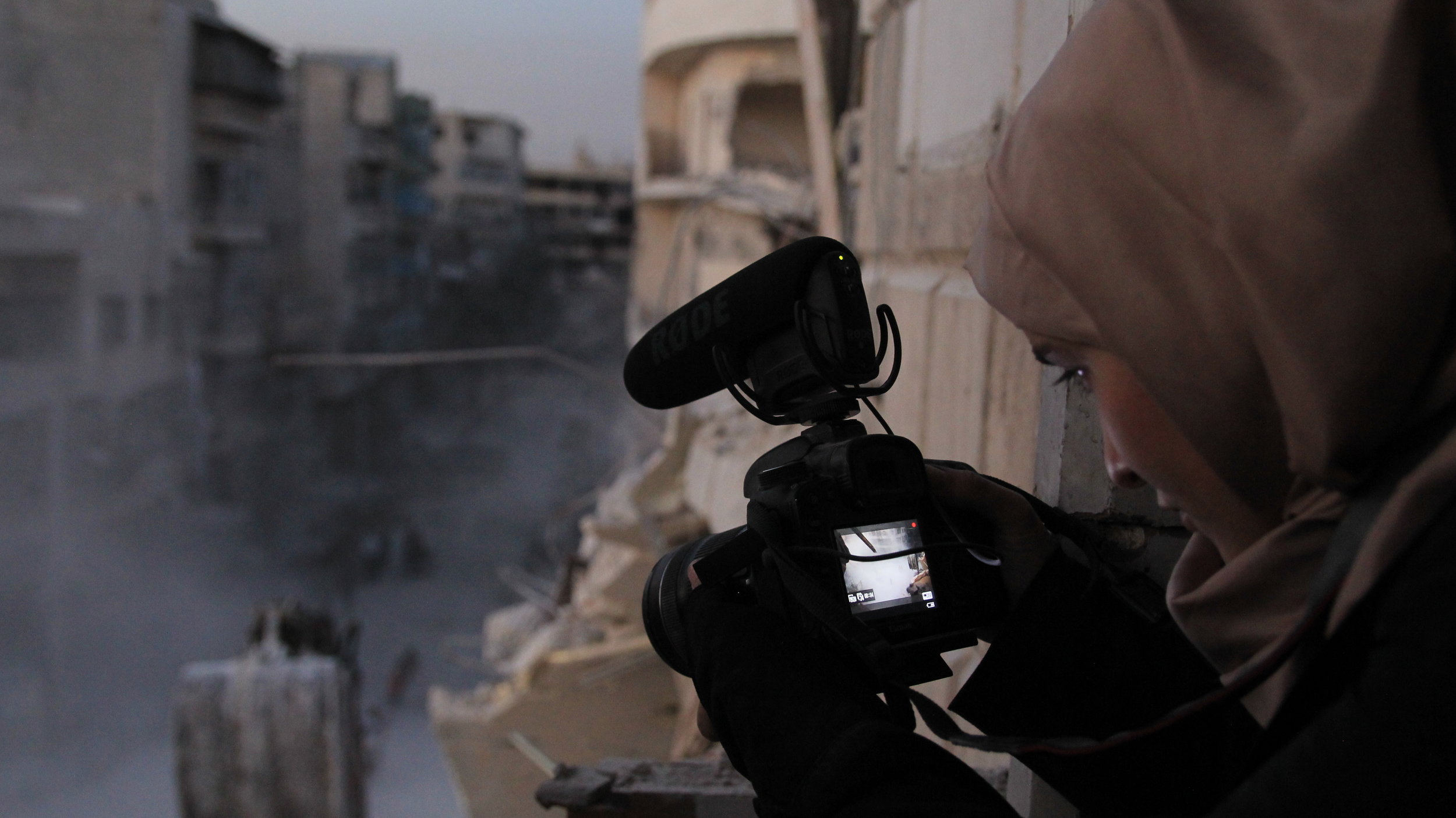
Despair and Decay: East Ghouta After 18 Months of Renewed Regime Rule
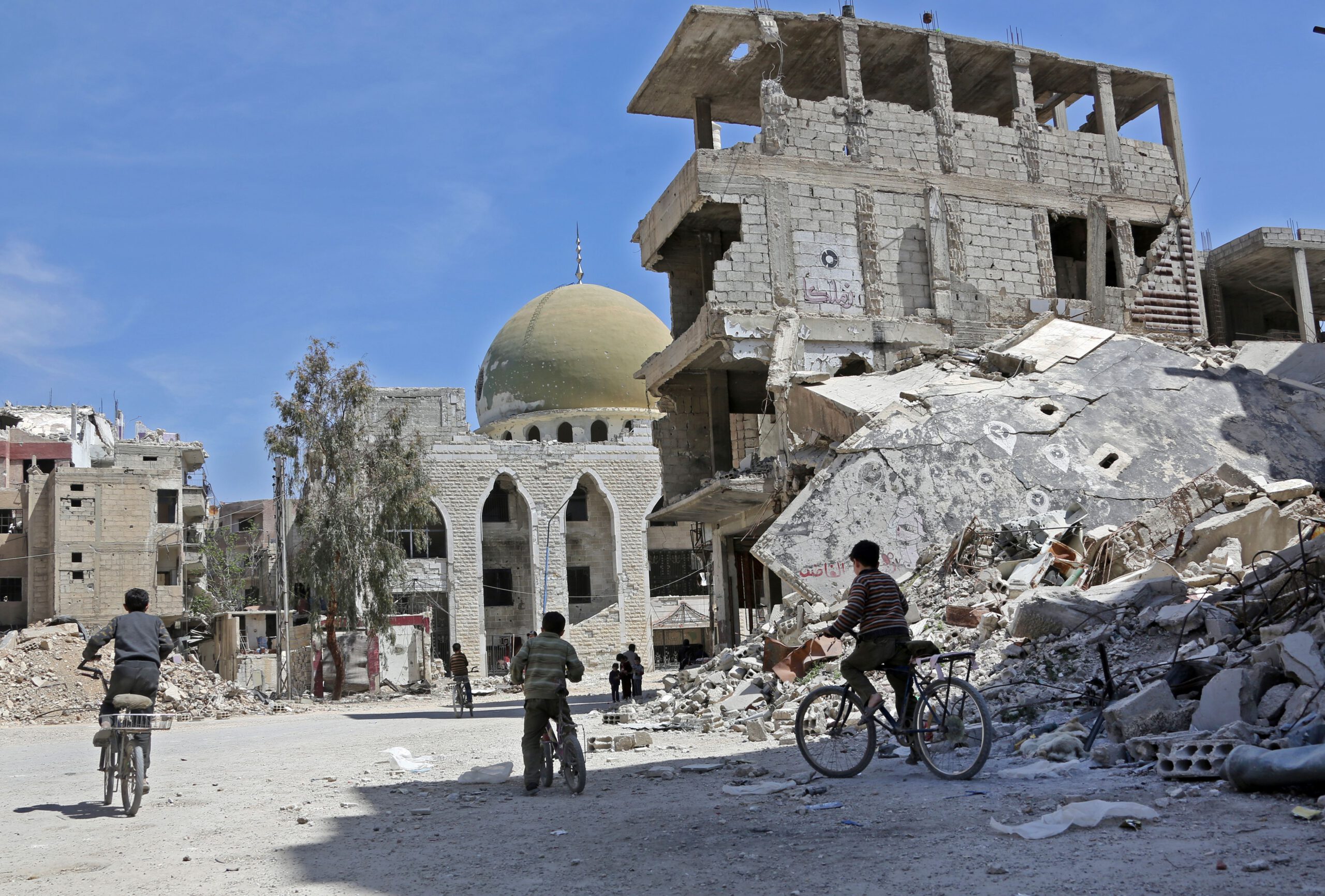
East Ghouta is perhaps the darkest example of renewed Assad regime rule over former opposition territory. 18 months after the regime recaptured the area, its security forces and intelligence apparatus continue to terrorize Syrians there. Night-time raids on homes, mass arrests, and forced disappearances are common occurrences across the region. Intelligence forces assert themselves in every aspect of daily life, especially at the ubiquitous checkpoints where personnel extort residents for bribes when they pass, subjecting them to security checks that can lead to civilians either being arrested on the spot or conscripted into military service. In addition, residents of East Ghouta are facing a humanitarian crisis amid a total lack of basic services, from sewage to schools and hospitals, and the basic pillars of the local economy remain in total disrepair.
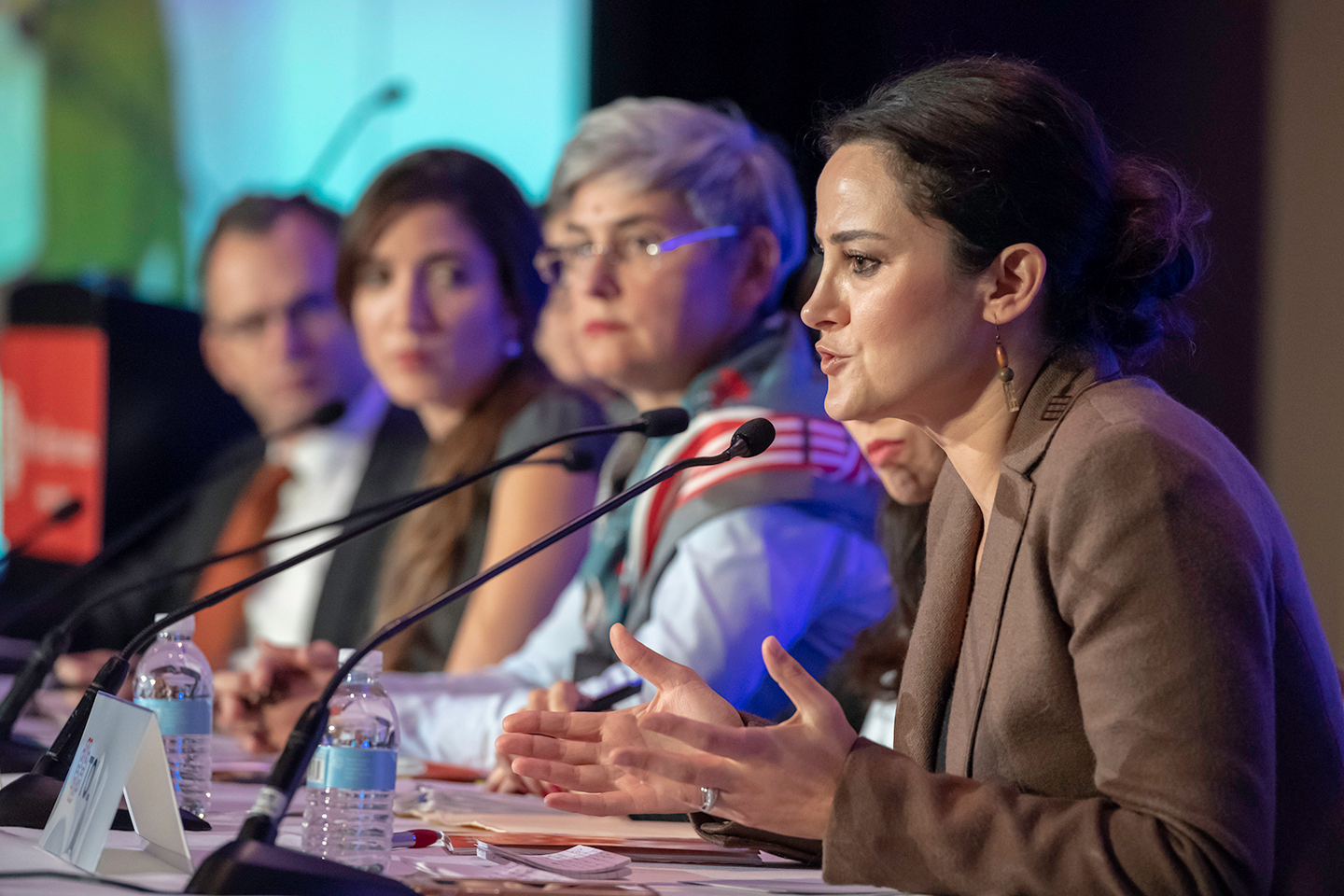
Nadine Labaki receives 2019 Issam M. Fares Award for Excellence
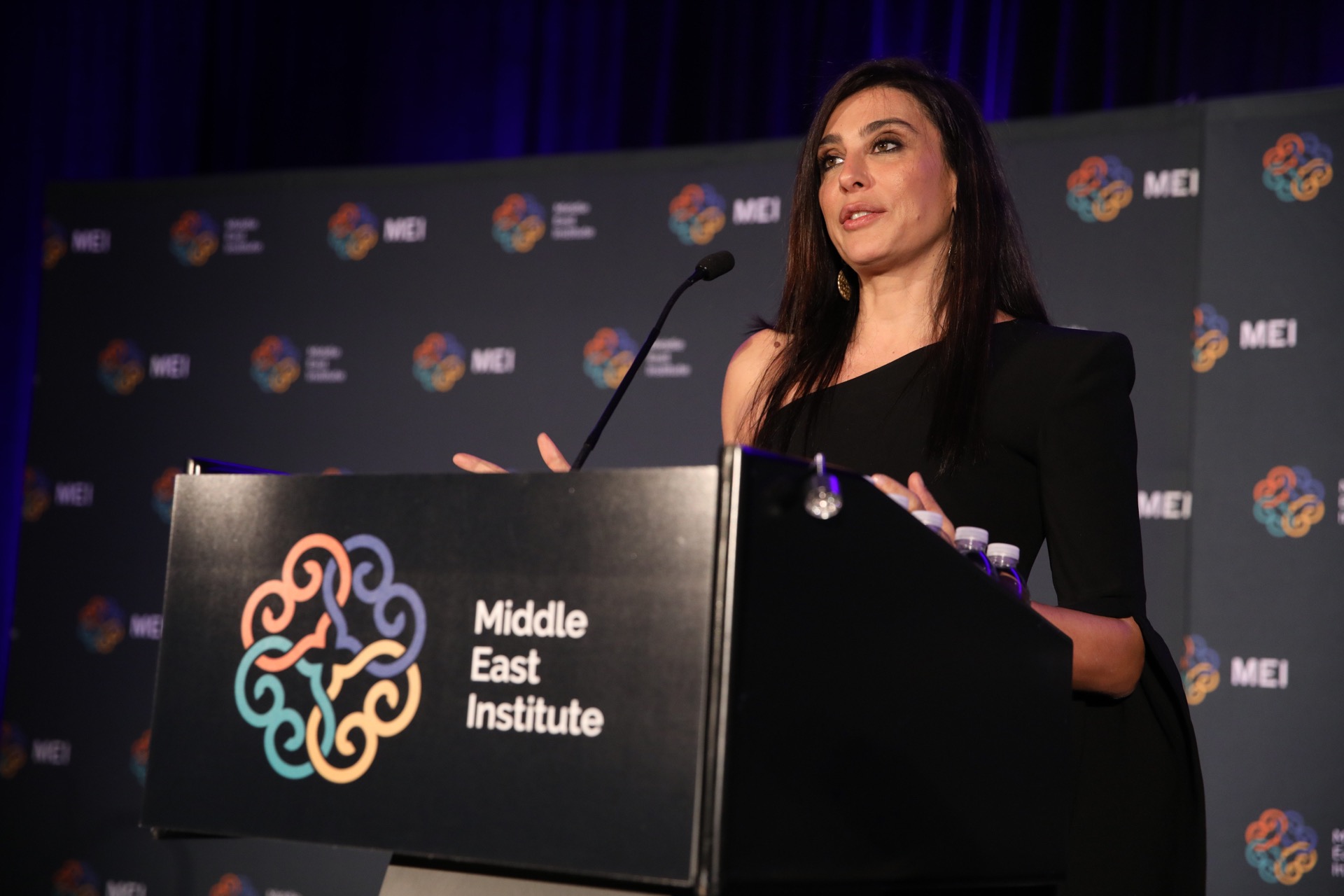
Oscar-nominated Lebanese film director Nadine Labaki received the 2019 Issam M. Fares Award for Excellence at MEI’s 73rd Annual Awards Gala on November 12 in Washington, DC.
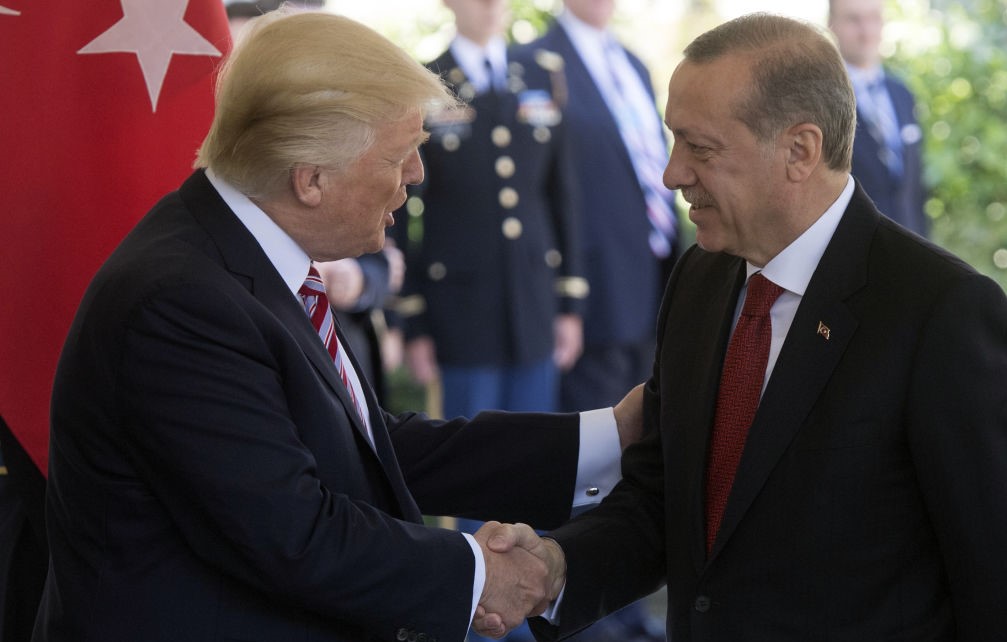
Syria tops the agenda as Erdogan heads to Washington
Turkish President Recep Tayyip Erdogan is set to meet with his U.S. counterpart, Donald Trump, in Washington on Wednesday. While there are doubtless other items for discussion on the agenda, at the top of the list is, at least on Turkey’s side, Syria — or more specifically, what U.S. policy is and should be in Syria.
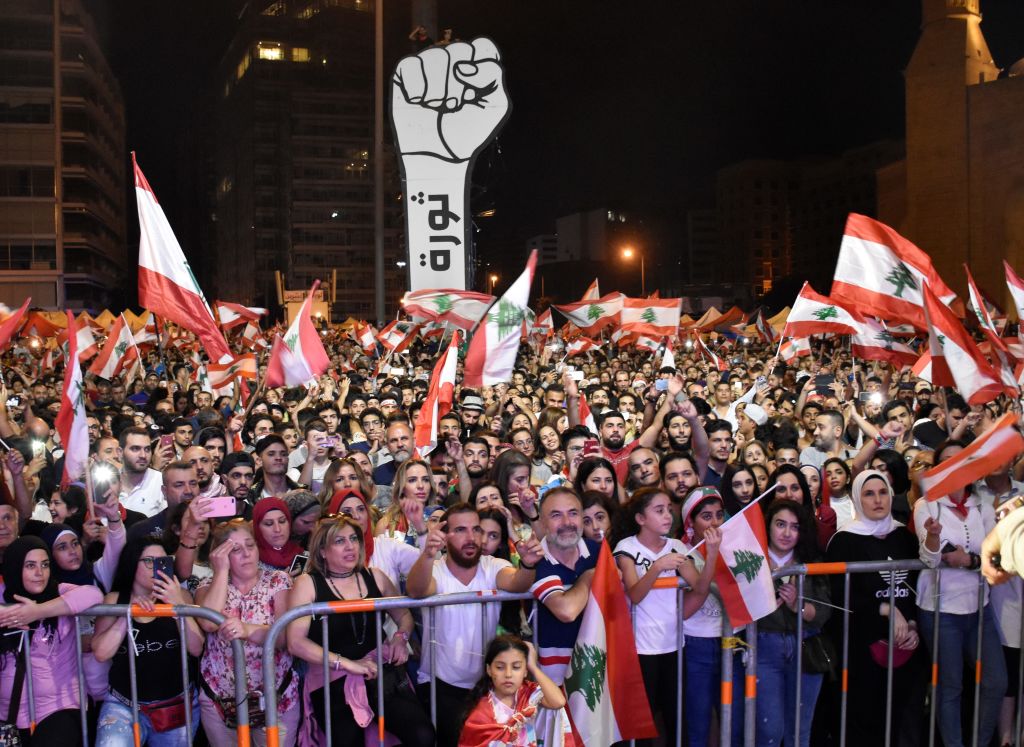
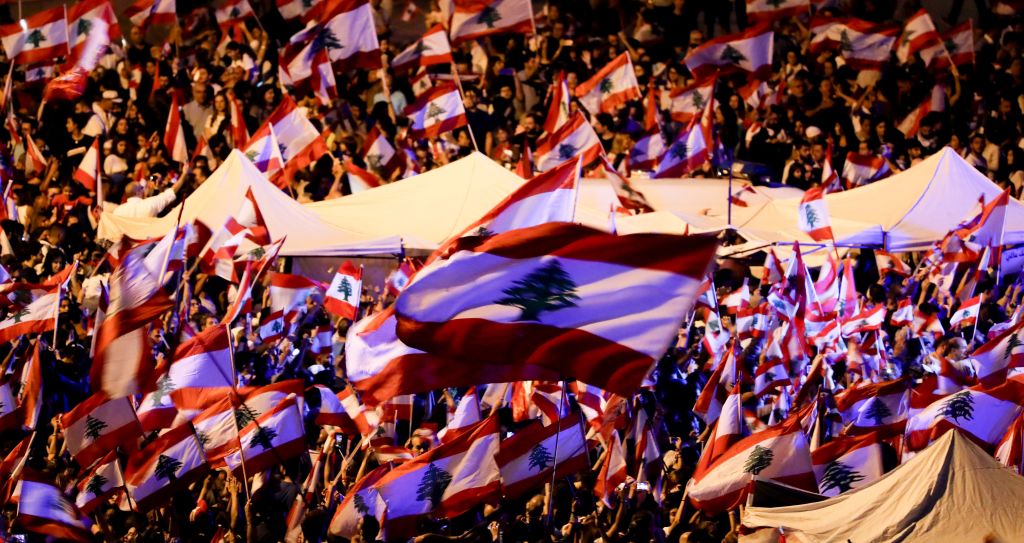
Lebanon’s popular uprising seems to be moving into a long and painful standoff between, on the one hand, a new generation along with a wide spectrum of the population demanding wholesale accountability and profound change, and on the other a ruling class mired in an interdependent web of corruption, intent on protecting its interests and waiting out the populace.
Perpetual Identities: Interview with Katya Traboulsi
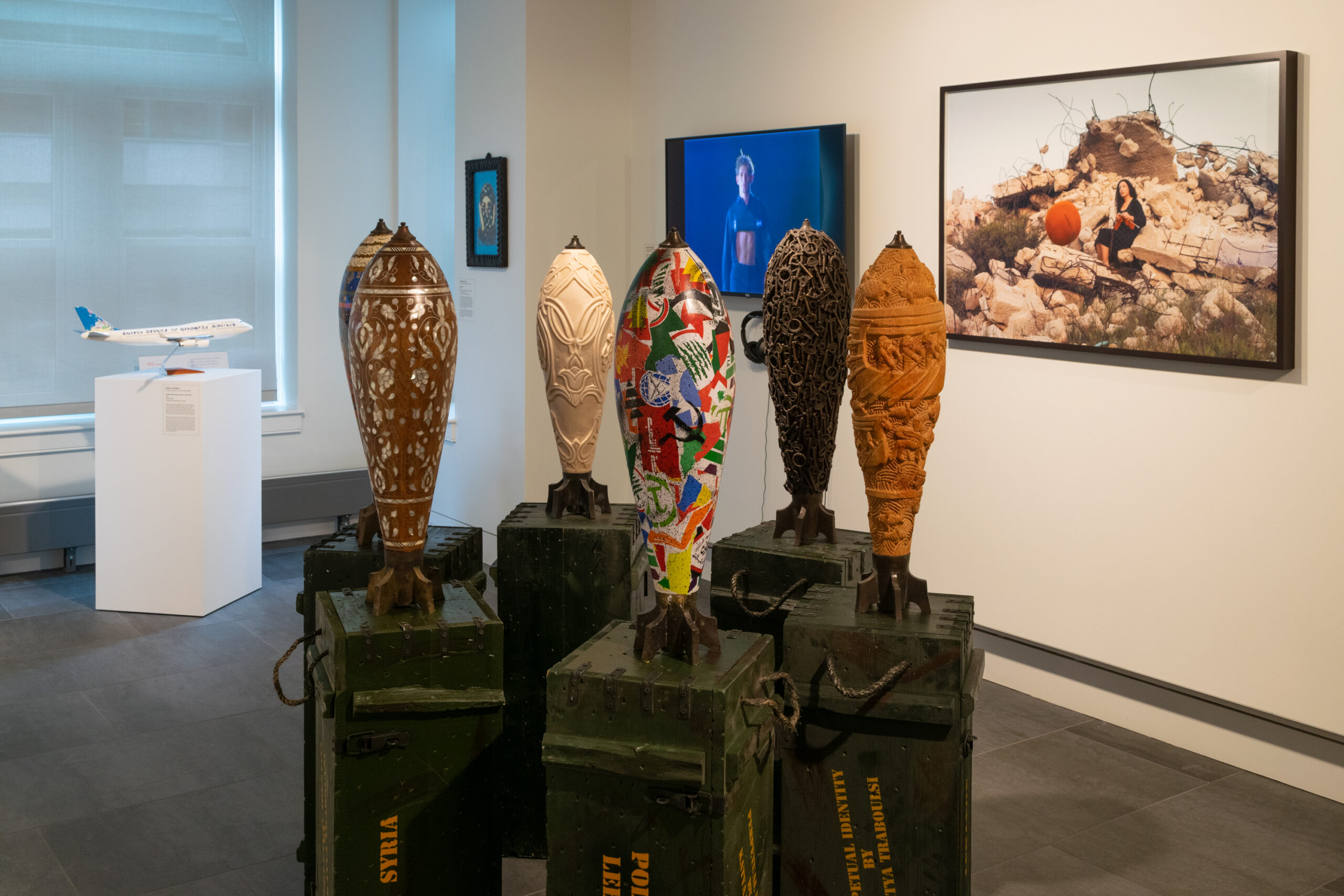
Lebanese artist Katya Traboulsi joins guest host Lyne Sneige to discuss her art exhibition, Perpetual Identities, which consists of 22 hand-crafted replicas of bombshells used in the Lebanese civil war, each adorned with designs and iconography associated with the artistic traditions of 22 featured countries.
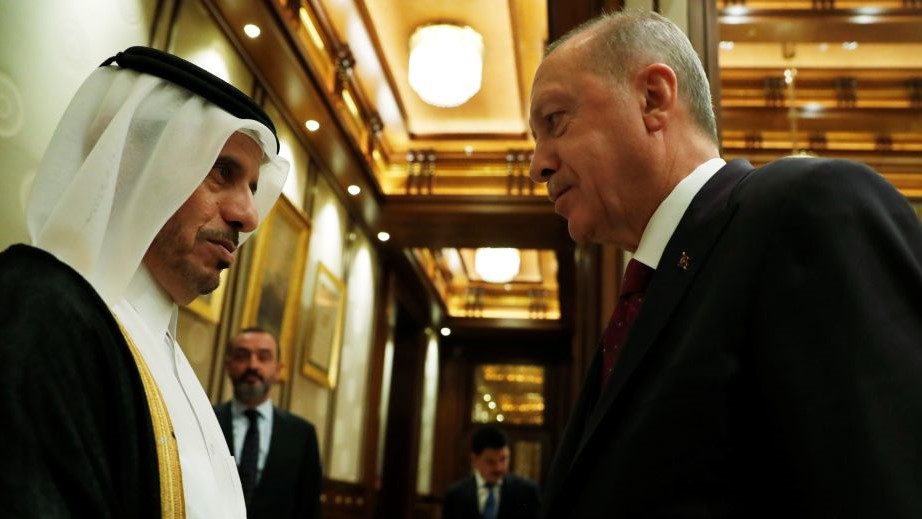
On Nov. 4 Daily Sabah, a strongly pro-government English-language daily in Turkey, published a scathing editorial with a title that says it all: “Al Jazeera English: A threat against the Turkey-Qatar alliance.” According to the editorial, Al Jazeera English slandered Turkey over its recent military incursion into northern Syria, and thus jeopardized the future of the Turkey-Qatar alliance. Given the close relationship between the Turkish government and Daily Sabah — and indeed the broader media environment in Turkey — it is highly unlikely that such a fiery editorial, which directly threatens Qatar, would have been published without a green light from “the palace.”
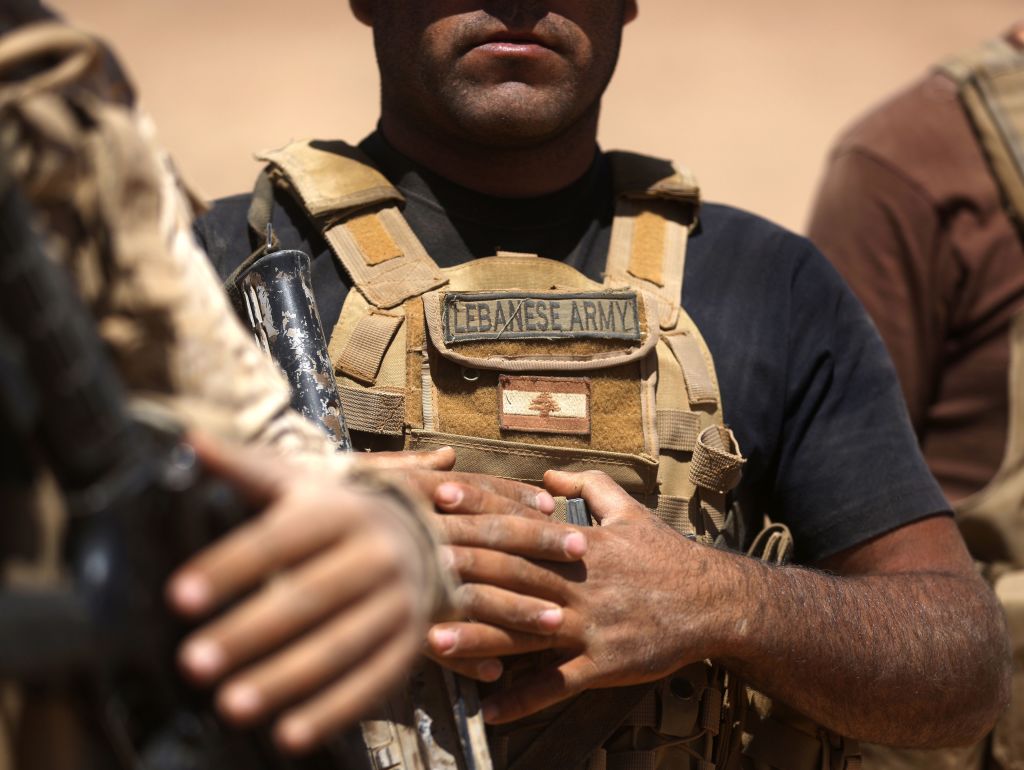
Washington Should Back, Not Punish, the Lebanese Military
With ongoing protests, potential sectarian clashes, and threats of terrorism in the region looming, the country’s armed forces need propping up now more than ever.
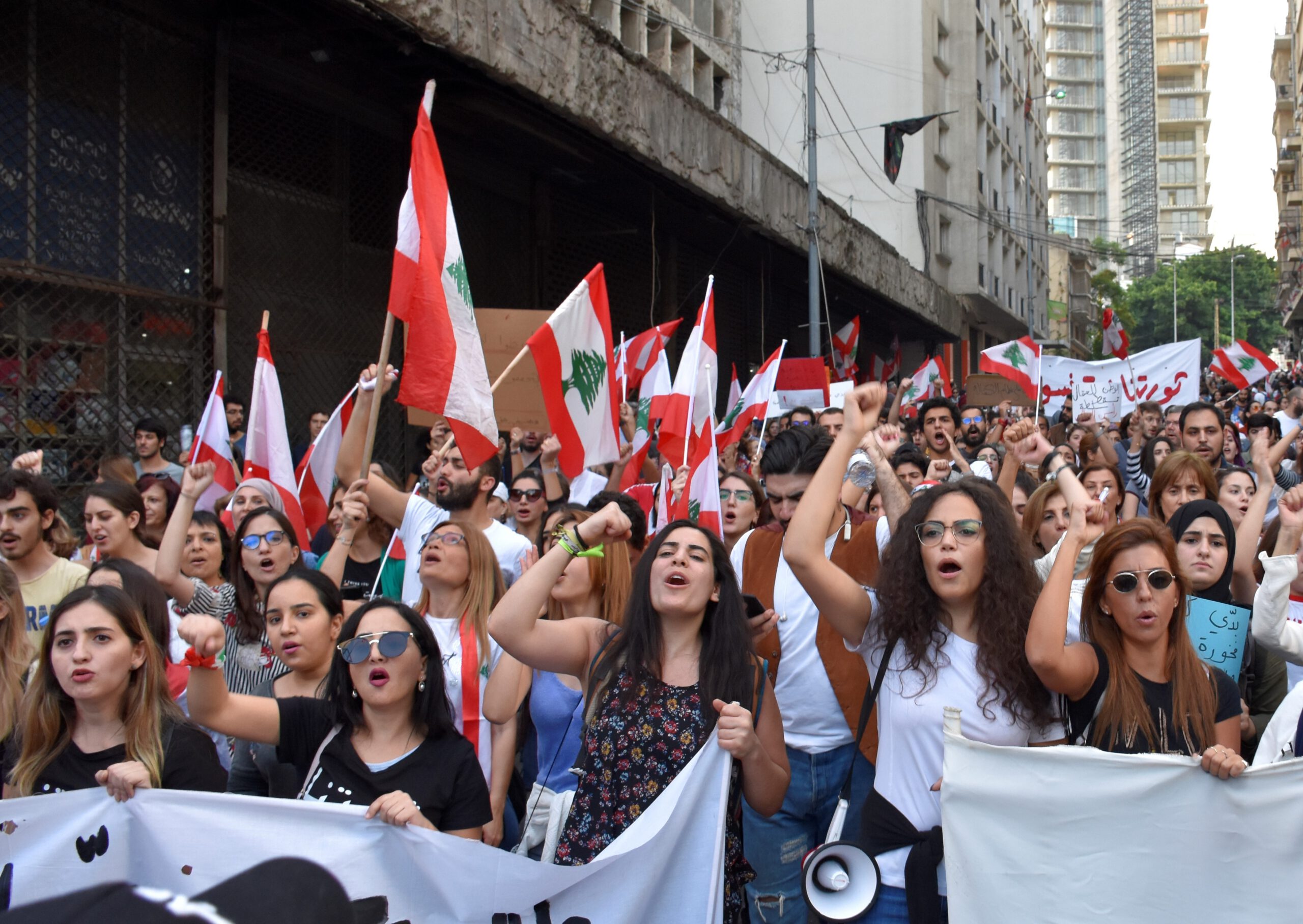
Women and women’s rights are central to Lebanon’s protest movement
On Oct. 29, Prime Minister Saad Hariri submitted his resignation and that of the government, a move that has been hailed as an important victory for the protestors who have taken to the streets across the country for nearly three weeks now. Heralded as al-thawra, or revolution in Arabic, Lebanon is witnessing the rise of an inclusive, decentralized, and grassroots movement that transcends geography, sect, and traditional loyalties to political dynasties and parties.
Syria: The most important issues are not yet on the table in Geneva
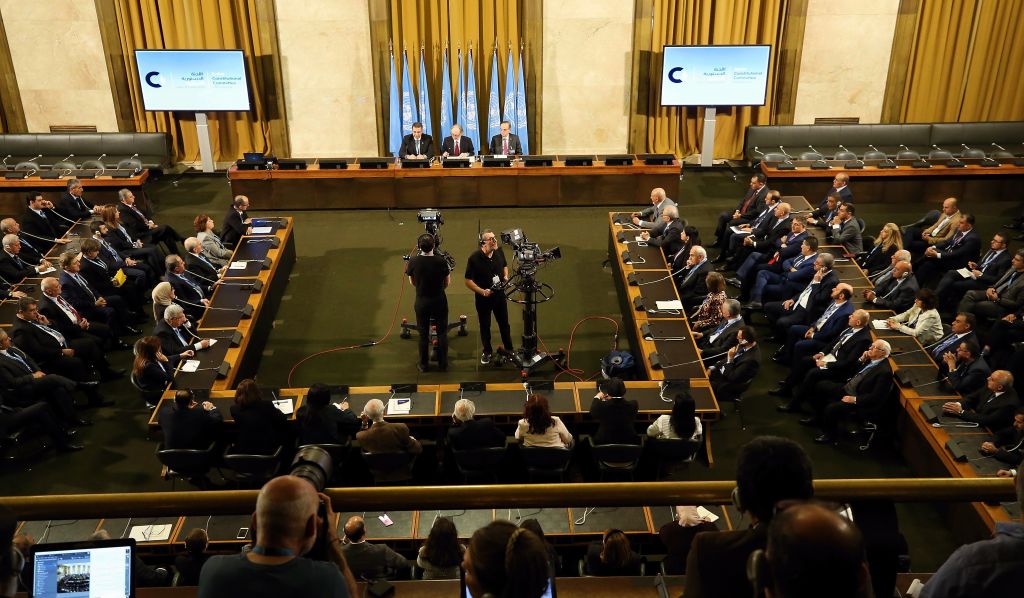
If the Syrian Constitutional Committee does not address the oppressive security and military apparatus, which are the primary root causes of the Syrian crisis, then its work will not actually effect change in Syria — and so far, reforms of those two sectors are not yet on the table.
Testimony: The Human Toll of Turkey’s Policy at Home and Abroad
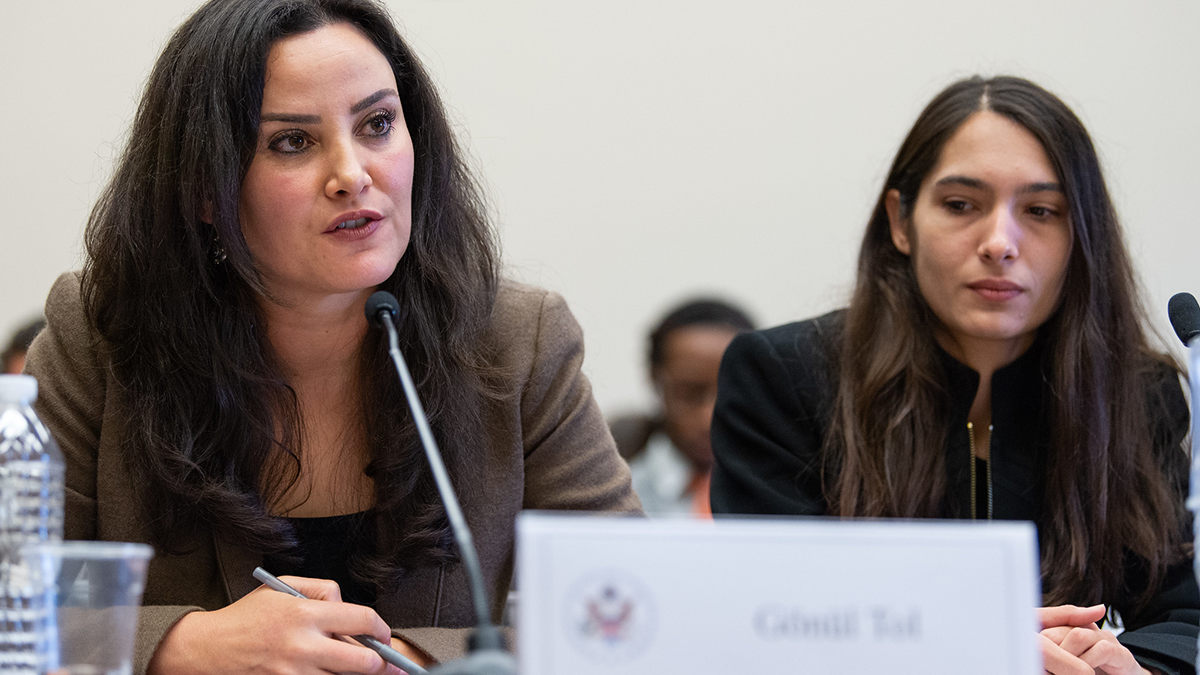
The following testimony was delivered before the U.S. Helsinki Commission at a hearing titled, “At What Cost: The Human Toll of Turkey’s Policy at Home and Abroad,” on October 31, 2019.
The oldest peer-reviewed publication dedicated to the study of the modern Middle East, MEI’s flagship journal covers politics, society, and culture in the region.