This article is part of a collection of short essays written by the Fellows of the Middle East Institute to explore aspects of the ongoing war with Iran. The intent of the collection is to help readers see new and unexpected elements of the dynamics and impact of the ongoing hostilities and to think harder, deeper, and broader about the implications of the conflict.
Turkey: Ankara’s Nuclear Ambitions in the Post-Iran War Environment
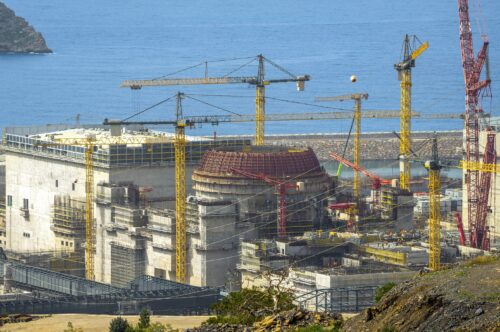
In February 2026, Turkish Foreign Minister Hakan Fidan suggested that shifting international dynamics could push Turkey to acquire nuclear weapons. That rhetoric, combined with Turkey’s civilian nuclear energy and research programs and its indigenous surface-to-surface missile development projects, has fueled concerns that these capabilities could eventually form the backbone of a Turkish nuclear weapons program.
When the US and Israel launched military action against Iran on February 28, 2026, it set in motion a chain of events that saw violence spread across the Middle East. Yet as the region found itself engulfed in conflict, Syria has experienced its most peaceful months in 15 years, and the government in Damascus appears determined to stay its course toward recovery.
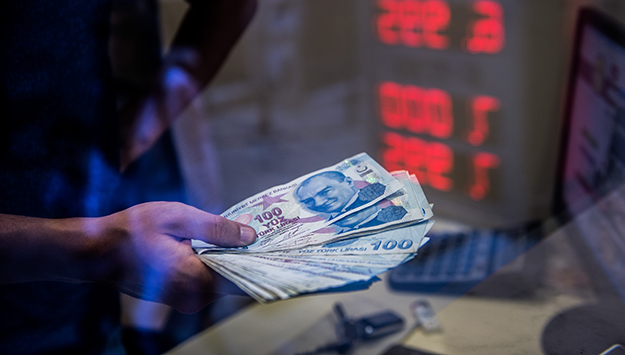
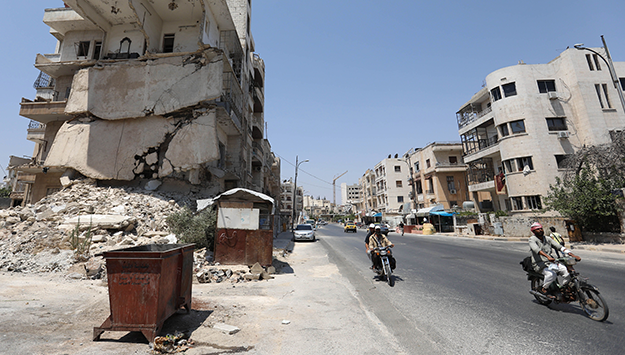
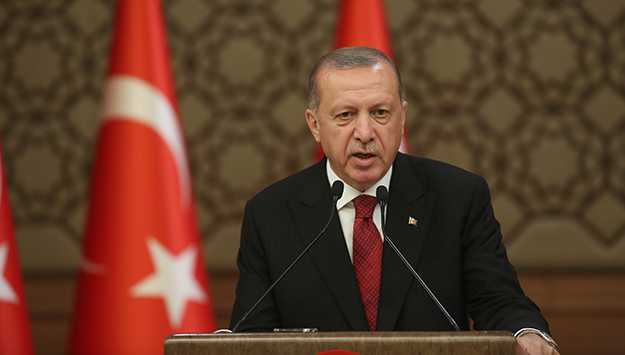
In this week’s Monday Briefing, MEI experts Gonul Tol, Robert S. Ford, Randa Slim, and Marvin G. Weinbaum provide analysis on Turkey’s currency crisis, talks in Ankara over the future of Idlib, Abadi’s chances of clinging to the premiership, and the Taliban’s capture of Ghazni.
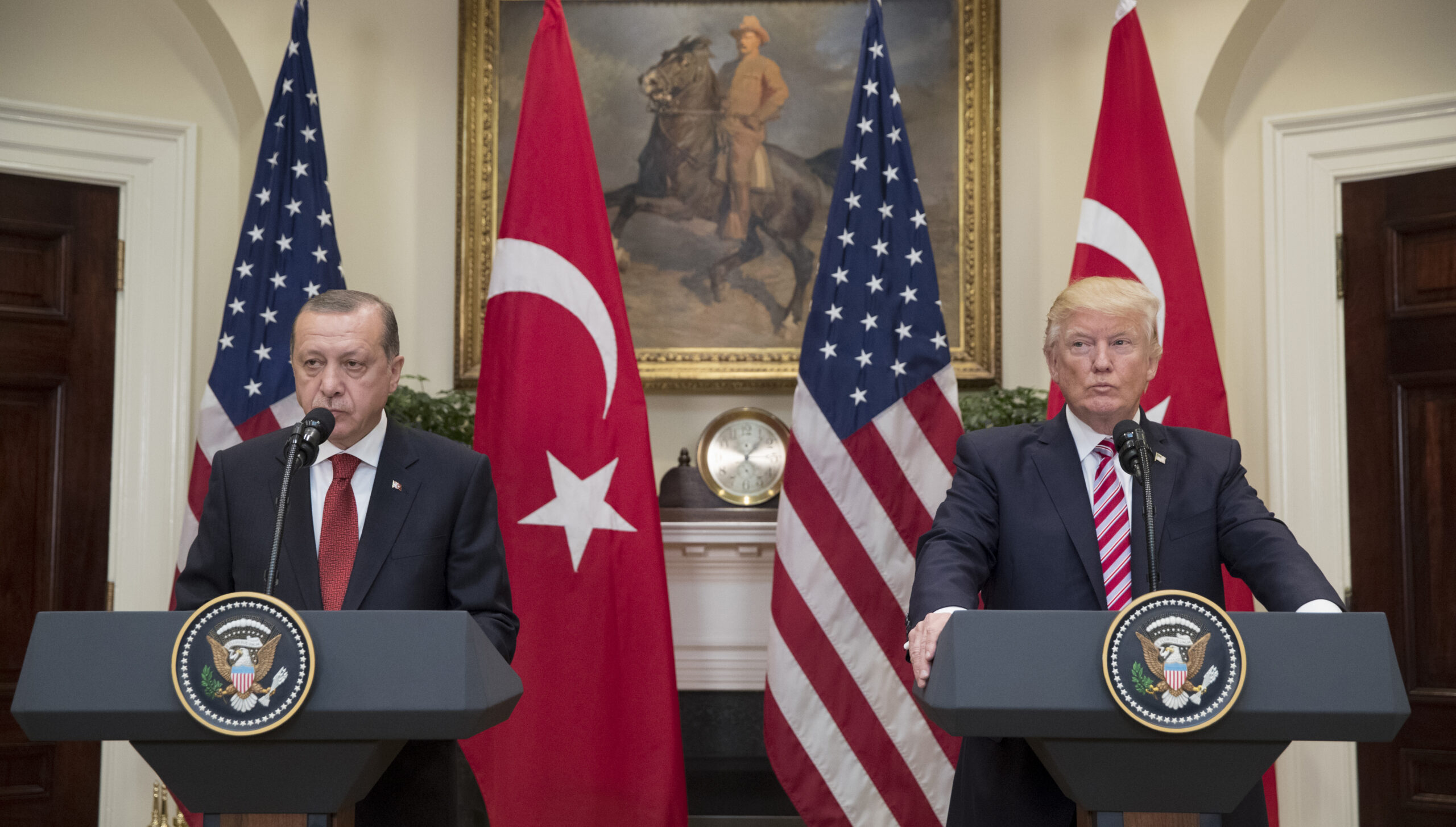
Iran sanctions may see US-Turkey ties get a lot worse
This week, the Trump administration reimposed economic sanctions on Iran, targeting mainly financial transactions with and commercial airline sales to Iran. Tougher sanctions to stop the sale of Iranian gas and oil will go into effect in November. In a tweet, President Donald Trump issued a strong warning to those trading with Iran: “Anyone doing business with Iran will NOT be doing business with the United States.” Its NATO ally Turkey is defiant. In a Jul.
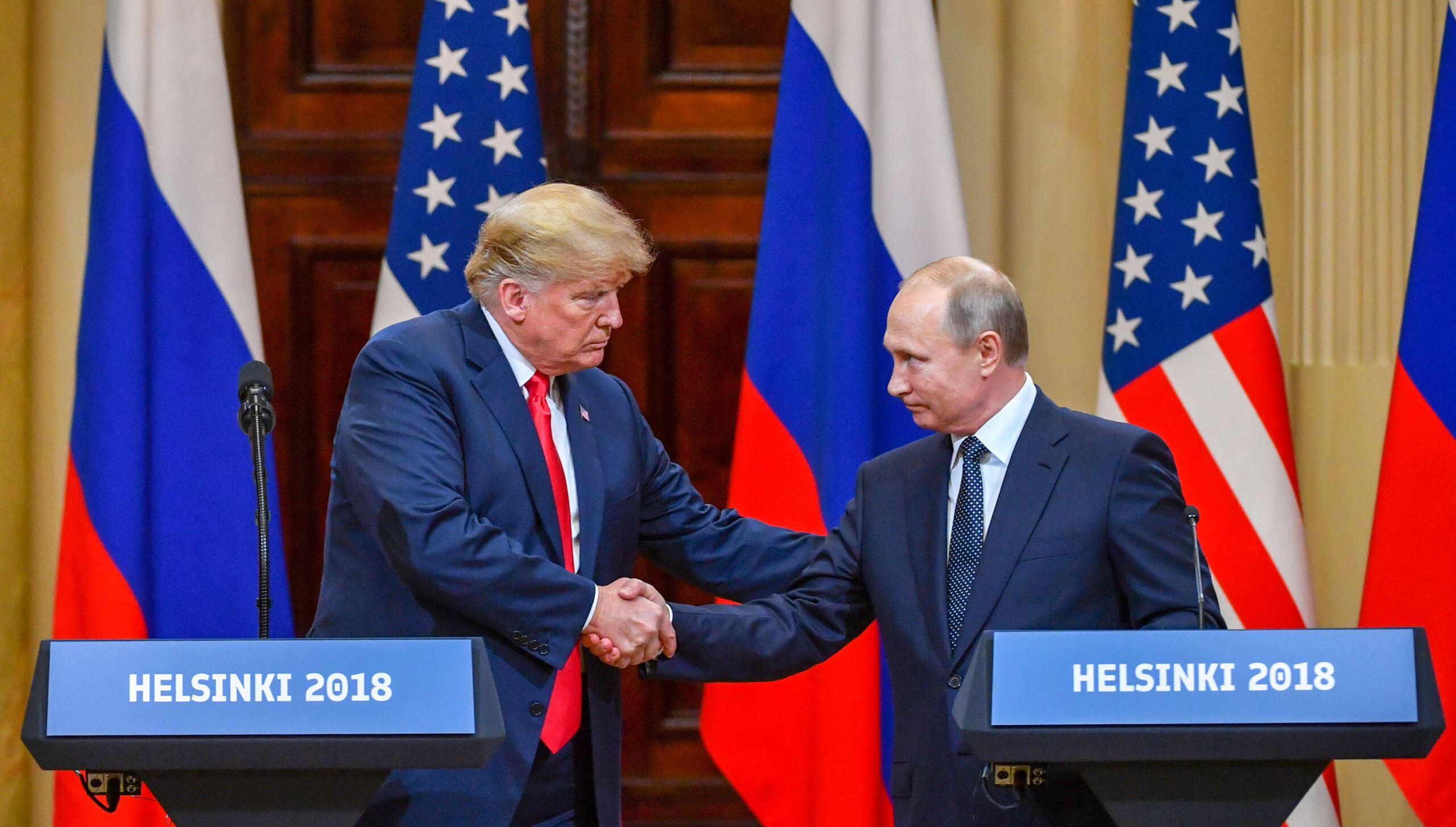
Despite the absence of a public and formal account of what transpired during the meeting between Presidents Trump and Putin in Helsinki on Jul. 16, it seems that there is at least tacit agreement that effectively endorses the Syrian regime’s takeover of southern Syria and limits Iranian presence in Syrian areas near the Jordanian and Israeli borders.
Will US sanctions bring Iran back to the negotiating table?
In this week’s Monday Briefing, MEI experts Ahmad Majidyar, Gerald Feierstein, and Charles Lister provide analysis on the first batch of U.S. sanctions on Iran, leaked emails that may undermine the Trump administration’s Mideast peace plan, and the assassination of a Syrian military scientist.
Will US sanctions bring Iran back to the negotiating table?
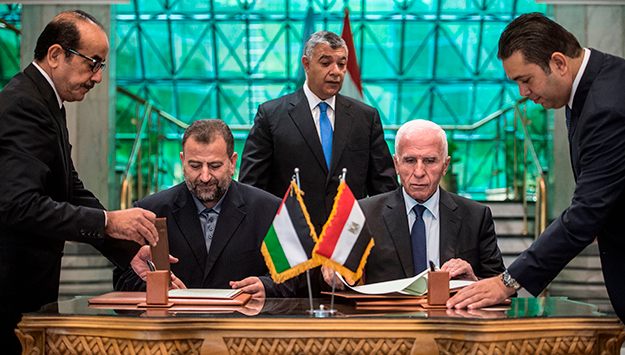
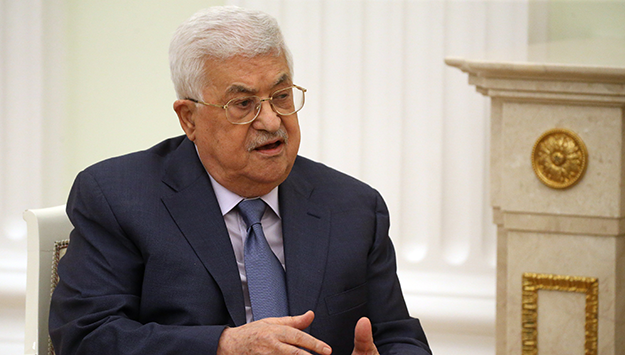
In this week’s Monday Briefing, MEI experts provide analysis on Fatah-Hamas reconciliation talks in Cairo, possible cooperation between the Syrian Democratic Council and the Assad regime, the protests in Iraq, the U.S.’s lifting of restrictions on aid to Egypt, and Imran Khan’s victory in the Pakistani elections.
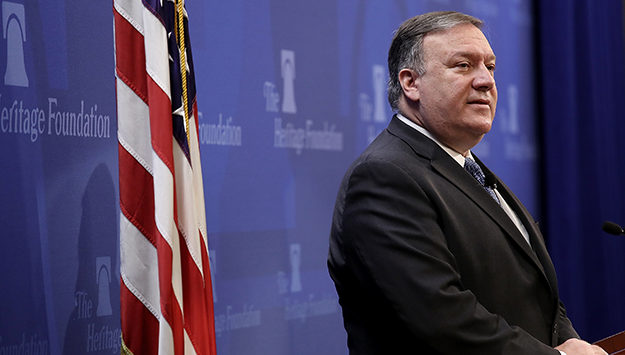
In this week’s Monday Briefing, MEI experts provide analysis on Secretary Pompeo’s speech on Iran, Erdogan’s decision to lift Turkey’s state of emergency, the cease-fire in Gaza, Iran’s continued threat in Syria, Trump’s tweets on Iran, and Vice President Dostum’s return to Afghanistan.
The Sectarian Dimension of the Syrian Civil War and Lebanese-Syrian Relations
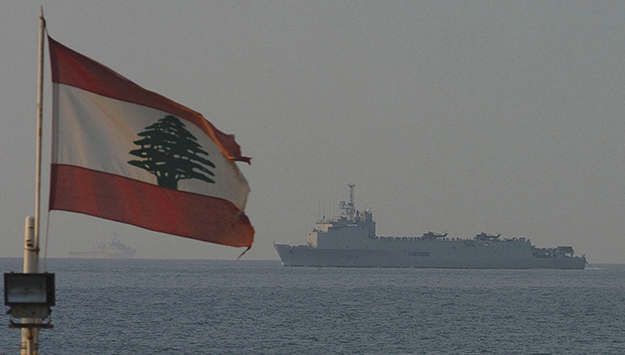
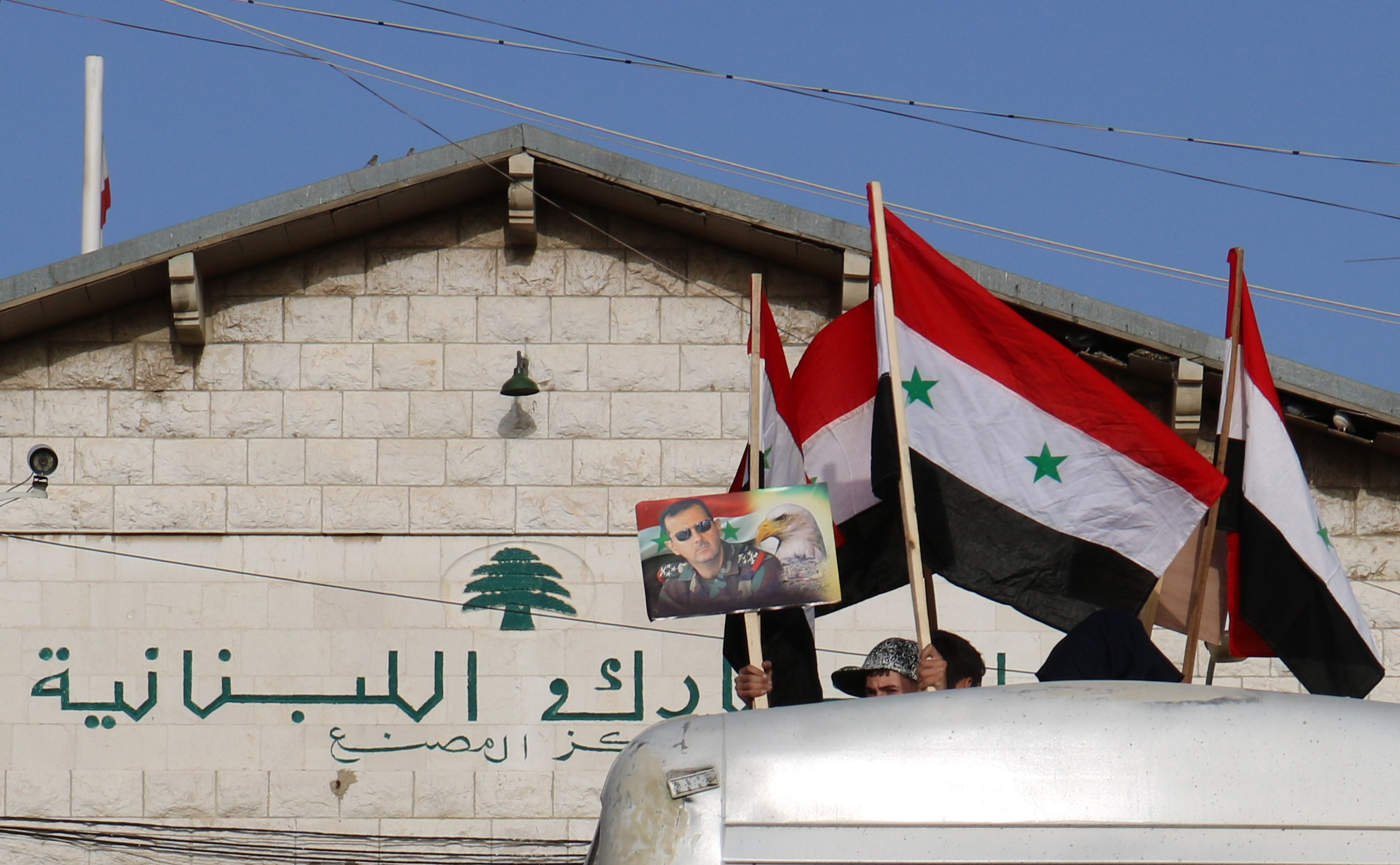
The eruption of conflict between the Syrian regime and the armed opposition exacerbated the political and sectarian divisions within the Lebanese government, causing it to sever relations with Damascus and dissociate itself from the war. Nevertheless, the Lebanese government eventually was forced to coordinate with the Assad regime in order to manage the refugee crisis and other spillover effects of the conflict. Beirut’s dealings with Damascus reflect the overarching aim of mitigating the impact of the war on the relations between the Lebanese Sunni and Shiite communities.
As protests roil Iraq, political elite seeks scapegoat
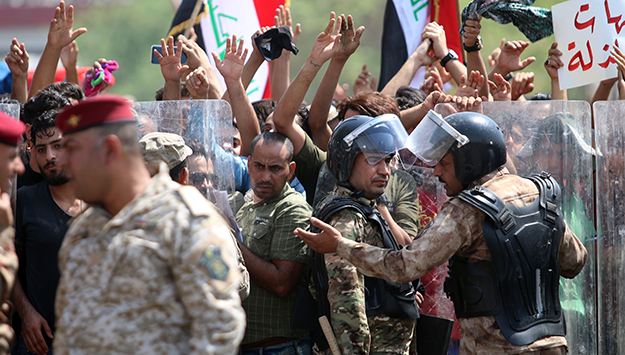
In this week’s Monday Briefing, MEI experts Randa Slim, Marvin G. Weinbaum, and Charles Lister provide analysis on recent and upcoming events including the ongoing protests in Iraq, the Sharifs’ return to Pakistan and their subsequent imprisonment, and pro-Assad forces’ westward push in Syria.
Last week, rebel forces in southwestern Syria agreed to a Russia-brokered deal to surrender Deraa province and lay down their arms, possibly securing strategic victory for the Assad regime in the long-running Syrian conflict. MEI’s Robert Ford and Charles Lister join guest host Gerald Feierstein to discuss the significance of these developments and whether the United States is preparing to withdraw from Syria in a broader agreement with Russia.
The oldest peer-reviewed publication dedicated to the study of the modern Middle East, MEI’s flagship journal covers politics, society, and culture in the region.