This article is part of a collection of short essays written by the Fellows of the Middle East Institute to explore aspects of the ongoing war with Iran. The intent of the collection is to help readers see new and unexpected elements of the dynamics and impact of the ongoing hostilities and to think harder, deeper, and broader about the implications of the conflict.
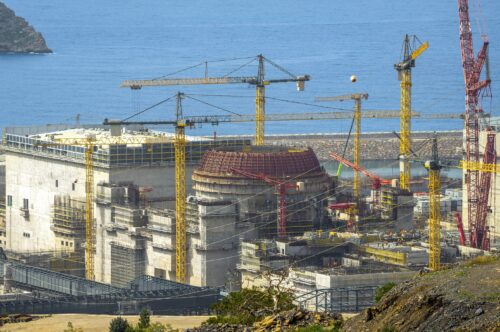
Turkey: Ankara’s Nuclear Ambitions in the Post-Iran War Environment
In February 2026, Turkish Foreign Minister Hakan Fidan suggested that shifting international dynamics could push Turkey to acquire nuclear weapons. That rhetoric, combined with Turkey’s civilian nuclear energy and research programs and its indigenous surface-to-surface missile development projects, has fueled concerns that these capabilities could eventually form the backbone of a Turkish nuclear weapons program.
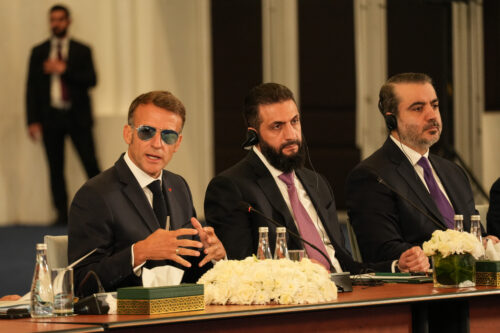
When the US and Israel launched military action against Iran on February 28, 2026, it set in motion a chain of events that saw violence spread across the Middle East. Yet as the region found itself engulfed in conflict, Syria has experienced its most peaceful months in 15 years, and the government in Damascus appears determined to stay its course toward recovery.
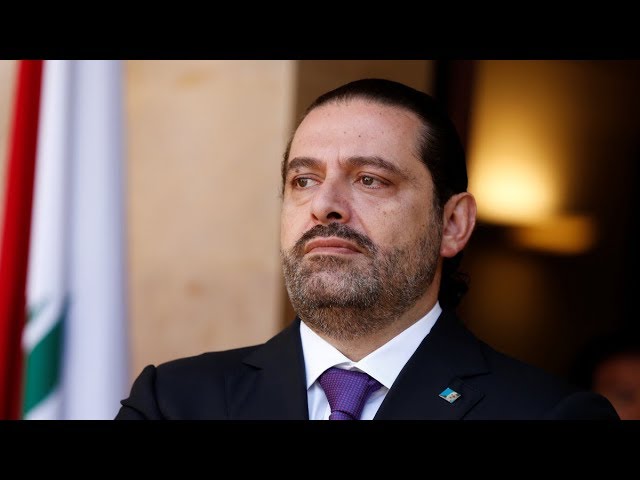
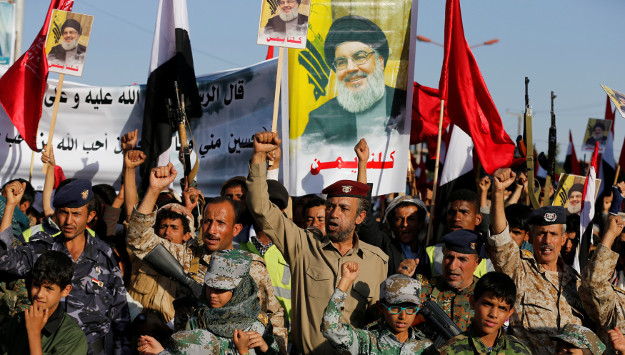
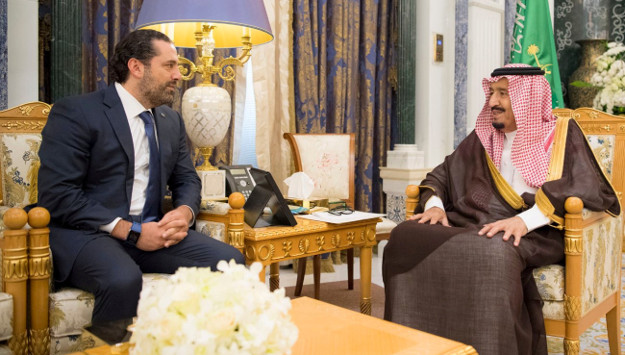
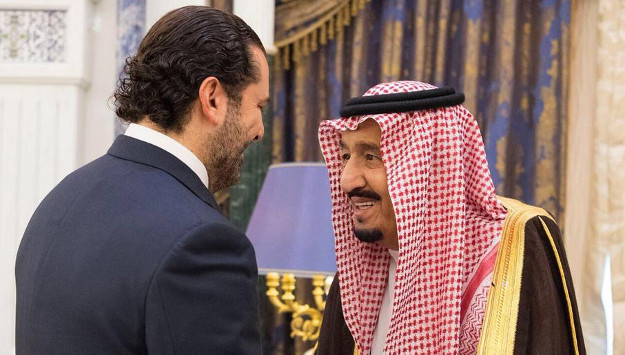
November 13, 2017 – The crisis between Saudi Arabia and Lebanon and the resignation of Prime Minister Saad Hariri appears to be largely about Yemen, says Paul Salem, Sr. Vice President for Policy Analysis, Research, and Programs at the Middle East Institute.
The Lebanon Crisis Pivots on Hezbollah’s Presence in Yemen | Monday Briefing
In this week’s Monday Briefing, contributors Paul Salem, Eran Etzion, Alex Vatanka, and Bilal Saab provide analysis on recent and upcoming events including the rising tension between Saudi Arabia and Lebanon over Hezbollah’s presence in Yemen, rumors that an Israeli attack on Lebanon is imminent, the Saudis’ latest attempt to round up collective action against Iran, and the new phase in the Saudi-Iran proxy war following the recent explosion of a pipeline in Bahrain.
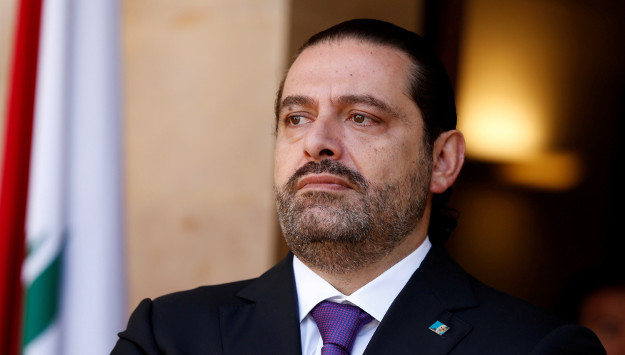
It takes a certain level of political naiveté or blindness to continue to believe that Lebanese Prime Minister Saad Hariri resigned last week of his own volition.
Hariri’s Resignation and the Saudi Corruption Crackdown
Last weekend’s arrests of prominent Saudi government officials and leading businessmen on charges of corruption has sent shockwaves through Saudi society as well as global center of finance and commerce. The developments also impacted Lebanon, with Prime Minister Saad Hariri announcing his resignation from the Saudi capital of Riyadh. MEI experts Gerald Feierstein, Jean-Francois Seznec, and Randa Slim join Paul Salem to discuss these developments.
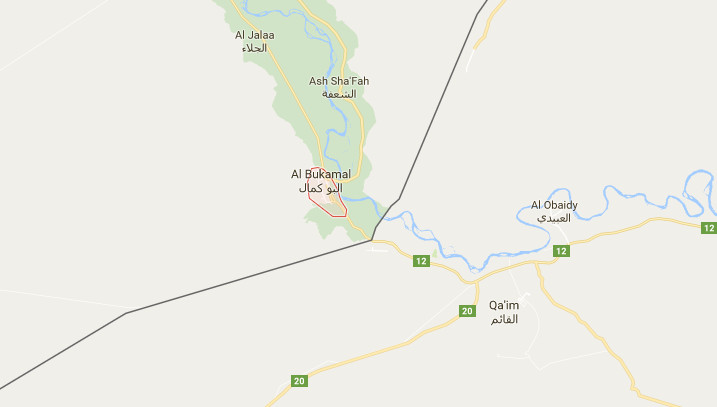
Syrian, Iranian-Led Forces Capture Abu Kamal, Threaten to Confront U.S. and S.D.F.
The Syrian Army and Iranian-led forces have captured Abu Kamal, a strategic border town in eastern Syria and the last major ISIS stronghold in the country, Iranian and Arab media report. While the physical and military defeat of the Islamic State is good news, the rapid territorial gains by pro-Syrian regime forces, particularly in the oil-rich eastern province of Deir Ezzor, have increased the risk of a potential confrontation with U.S.-backed Syrian opposition forces that have also captured strategic areas from ISIS in northern and eastern Syria.
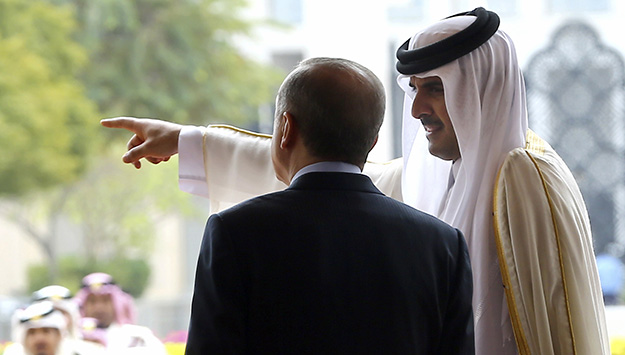
Qatar is Turkey’s closest ally in the Gulf Cooperation Council (G.C.C.) and, since 2011, Ankara has become Doha’s most important regional ally. From Syria to Libya, the Qataris and Turks have worked in tandem to pursue shared interests, chiefly via support for Islamist non-state actors. More than four months into the G.C.C. crisis, Ankara has played a pivotal role in assisting Qatar weather the blockade imposed by a quartet of Arab countries—Bahrain, Egypt, Saudi Arabia, and the United Arab Emirates (U.A.E.).
The Political (or Social) Economy of Sectarianism in Lebanon
Most of the literature that seeks to explain sectarianism in Lebanon focuses on its history or on the regional and geopolitical dynamics associated with it. Relatively few studies have examined the internal factors that shape the process of sectarianization and sustain sectarianism today. However, if one does not first understand the present dynamics of sectarianism and the material and structural factors that shape it, then exploring the history of the phenomenon in an attempt to locate its “roots” is unlikely to be very illuminating. This essay seeks to shed light on the current political economy of sectarianism in Lebanon so as to advance our understanding of this phenomenon.
Mohammed bin Salman’s High-Wire Act | Monday Briefing
In this week’s Monday Briefing, MEI experts Gerald Feierstein, Paul Salem, Ruba Husari, Amal Kandeel, and Gonul Tol provide analysis on recent and upcoming events including the arrests of numerous prominent Saudi government officials and leading businessmen on charges of corruption, Lebanese Prime Minister Hariri’s resignation, oil prices in the Middle East hitting new highs, the threat to MENA due to rising temperature levels in the region, and the Turkish prime minister’s visit to Washington.
Hariri’s Resignation Alarms Tehran about Lebanon’s Future
The resignation of Lebanese Prime Minister Saad Hariri on Sunday has sent shockwaves in Tehran. While Iranian leaders and their regional allies try to appear measured and confident, they fear that political instability in Lebanon and a potential war between Israel and Iran’s ally Hezbollah – particularly at a time when Hezbollah and other Iranian proxies are still engaged in the Syrian war – could adversely impact Tehran’s regional ambitions.
The NYC Terror Attack and U.S. Counterterrorism Policy
November 2, 2017 – Charles Lister, director of MEI’s Extremism and Counterterrorism program, discusses what the recent terror attack in lower Manhattan, and the suspect’s claimed connection to ISIS, means for U.S. security and counterterrorism policy.
Akram al-Kaabi, the leader of Iranian-sponsored Iraqi militia group Harakat al-Nujaba, visited prominent Lebanese Shiite cleric Sheikh Afif al-Nabulsi to discuss regional affairs, Iranian and
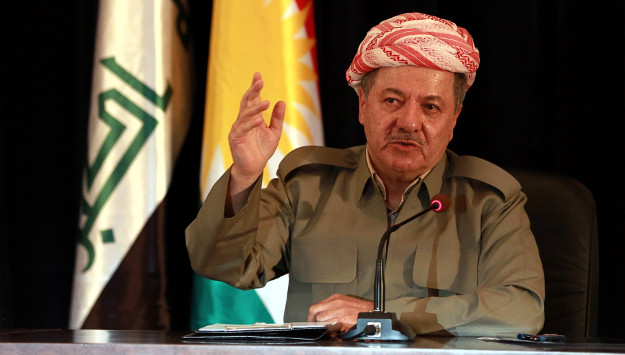
Barzani Stands Down as K.R.G. President | Monday Briefing
In this week’s Monday Briefing, MEI experts Randa Slim, Yousef Munayyer, Charles Lister, Charles Schmitz, and Alex Vatanka provide analysis on recent and upcoming events including President Barzani’s decision to step down from the KRG, the Trump administation’s silent response to Israeli settlement expansion in Jerusalem , the Armed Syrian Opposition’s attendance of the seventh round of Astana Talks, Saudi foreign minister blaming Iran for lack of progress in peace talks in Yemen, and President Rouhani’s failure to advance the reform cause in Iran.
The oldest peer-reviewed publication dedicated to the study of the modern Middle East, MEI’s flagship journal covers politics, society, and culture in the region.