This article is part of a collection of short essays written by the Fellows of the Middle East Institute to explore aspects of the ongoing war with Iran. The intent of the collection is to help readers see new and unexpected elements of the dynamics and impact of the ongoing hostilities and to think harder, deeper, and broader about the implications of the conflict.
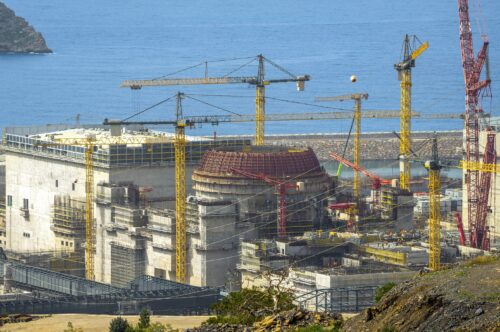
Turkey: Ankara’s Nuclear Ambitions in the Post-Iran War Environment
In February 2026, Turkish Foreign Minister Hakan Fidan suggested that shifting international dynamics could push Turkey to acquire nuclear weapons. That rhetoric, combined with Turkey’s civilian nuclear energy and research programs and its indigenous surface-to-surface missile development projects, has fueled concerns that these capabilities could eventually form the backbone of a Turkish nuclear weapons program.
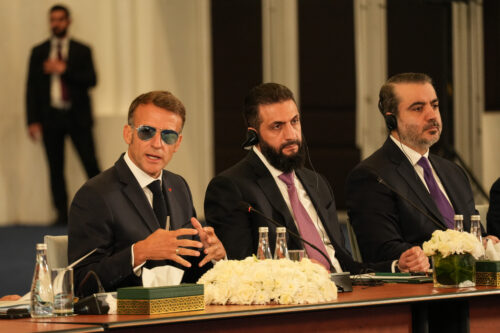
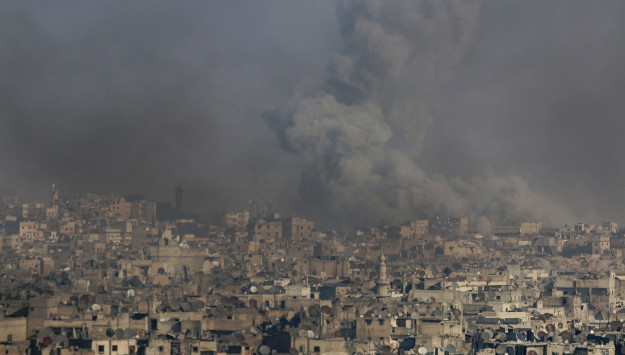
When the US and Israel launched military action against Iran on February 28, 2026, it set in motion a chain of events that saw violence spread across the Middle East. Yet as the region found itself engulfed in conflict, Syria has experienced its most peaceful months in 15 years, and the government in Damascus appears determined to stay its course toward recovery.
Iran Paper Predicts Major Challenges to Syria De-Escalation Zones
Although Iran, Turkey and Russia have signed an agreement to create four de-escalation zones in Syria, the implementation of the plan will face major challenges, writes
I.R.G.C. Says Will Continue Deploying Its Officers to Syria to Support Assad and anti-Israel “Resistance Front”
The chief commander of the Islamic Revolution Guards Corps (I.R.G.C.) Ground Force has said that he will continue to deploy “military advisers” to defend the government of Bashar al-Assad and the “resistance front” against Israel. “A war has multiple dimensions. The most important one is the ground part.
Authorities in Iran Threaten Afghan Migrants to Fight in Syria or Face Deportation
Iran’s security forces threaten Afghans living in Iran to go to Syria to “fight for Syrian President Bashar al Assad or be deported to Afghanistan,” according to a report the Pakistani Dawn newspaper.
Senior Reformist Politician Faces Prosecution after Criticizing Iran’s Role in Regional Wars
A court in Iran’s Isfahan Province announced today that Gholam Hossein Karbaschi, a senior reformist politician, will be prosecuted for questioning the Islamic Republic’s policies and actions in the Syrian conflict.
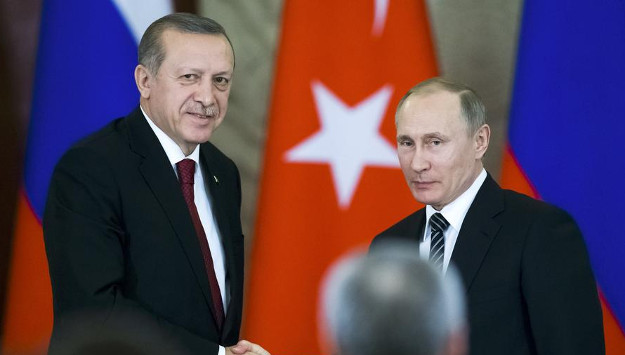
In this week’s Monday Briefing, MEI experts Gonul Tol, Randa Slim, Alex Vatanka, Marvin G. Weinbaum, and Mabrouka M’Barek provide analysis on recent and upcoming events including Turkish President Erdogan’s upcoming meeting with Russian President Putin, the upcoming speech by Hezbollah Secretary General Nasrallah, the suprising popularity of Rouhani’s VP in the Iranian Presidential Race, the Taliban’s new Spring offensive, and protests in Tunisia over a government proposal to give amnesty to the country’s corrupt financial elite.
Soleimani Hails Iranian Health Ministry’s Aid to Wounded Combatants in Syria
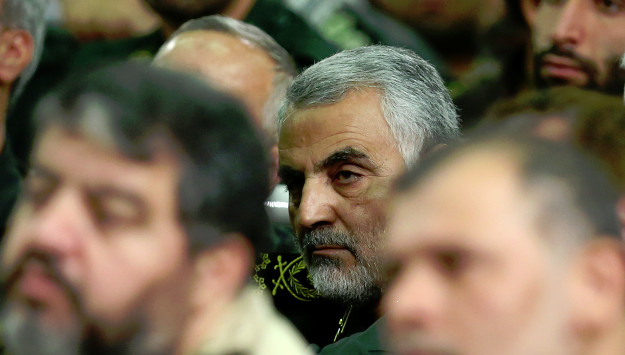
Iran’s Quds Force Commander Major General Qassem Soleimani has thanked the country’s Ministry of Health for providing assistance to his forces and Iranian-controlled militiamen fighting in Syria under his command.
New Iranian Ambassador Arrives in Damascus after Six-Month Hiatus
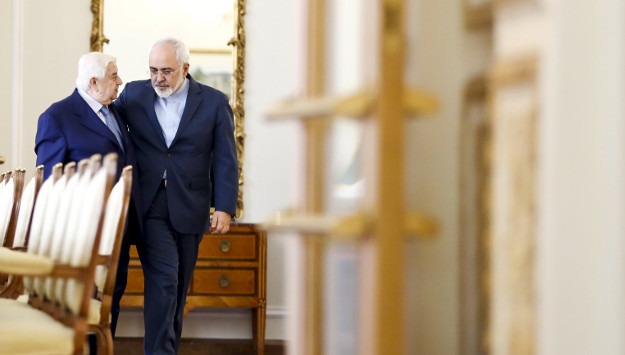
Iran’s new ambassador to Syria, Javad Torkabadi, presented his credentials to Syrian Foreign Minister Walid Muallem on Wednesday, the Iranian media reports. He arrived in Damascus on Tuesday and was welcomed by Iranian and Syrian officials, including Syrian Social Affairs Minister Rima al-Qadiri.
Testimony: Syria After the Missile Strikes: Policy Options
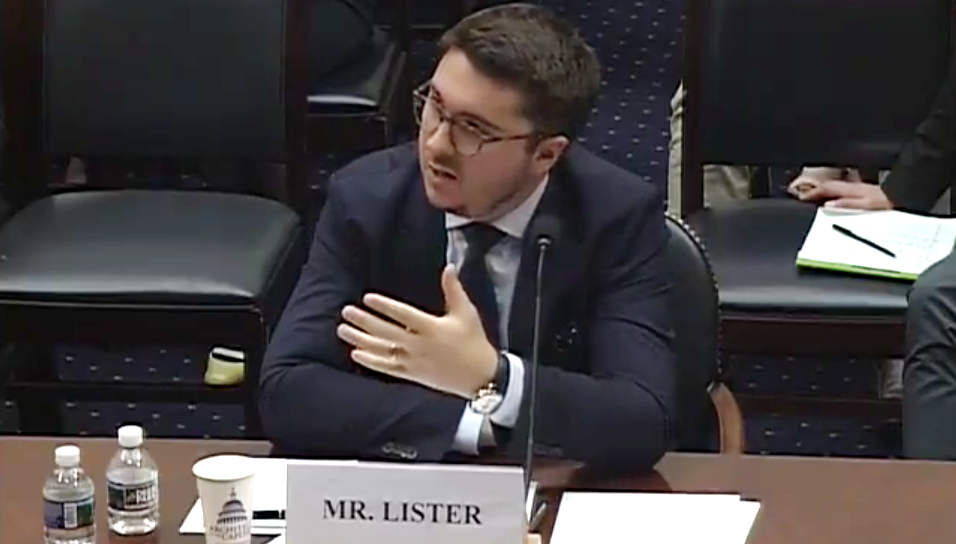
The following testimony was presented to the United States House Committee on Foreign Affairs on April 27, 2017.
Mr. Chairman, Mr. Ranking Member, Members of the Committee:
First, thank you for providing me with this opportunity to speak to you today, and to address the situation in Syria and what policy options the United States might consider going forward.
Iran Reportedly Offers to Deploy Ground Forces to Syria to Counter Potential U.S.-led Intervention
The latest air strikes on an airport near Damascus purportedly by Israel and increased U.S. military activities on Jordan’s northern border have triggered a concern in Tehran about the possibility of a broader U.S.-led military campaign in Syria.
Iran, Russia and Syria Vow to Continue Joint Military Efforts
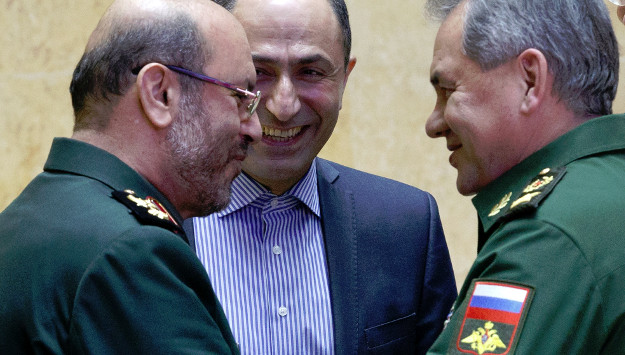
Iranian Defense Minister Brigadier General Hossein Dehqan and his Russian and Syrian counterparts, Sergey Shoygu and Fahd Jassem al-Freij, stressed that they will co
Pope’s Egypt Visit to Reassure MidEast Christians | Monday Briefing
In this week’s Monday Briefing, MEI experts Paul Salem, Alex Vatanka, Eran Etzion, and Gerald Feierstein provide analysis on recent and upcoming events including the Pope’s upcoming visit to Egypt, Ahmadinejad’s public feud with Ayatollah Khamenei, Israeli efforts to draw Russian support away from Iran, and the appointment of Prince Khalid bin Salman as Saudi Ambassador to the U.S.
The oldest peer-reviewed publication dedicated to the study of the modern Middle East, MEI’s flagship journal covers politics, society, and culture in the region.