This article is part of a collection of short essays written by the Fellows of the Middle East Institute to explore aspects of the ongoing war with Iran. The intent of the collection is to help readers see new and unexpected elements of the dynamics and impact of the ongoing hostilities and to think harder, deeper, and broader about the implications of the conflict.
Turkey: Ankara’s Nuclear Ambitions in the Post-Iran War Environment
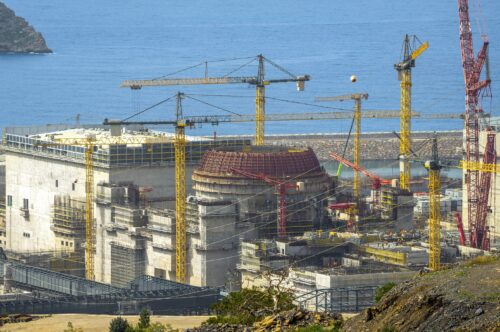
In February 2026, Turkish Foreign Minister Hakan Fidan suggested that shifting international dynamics could push Turkey to acquire nuclear weapons. That rhetoric, combined with Turkey’s civilian nuclear energy and research programs and its indigenous surface-to-surface missile development projects, has fueled concerns that these capabilities could eventually form the backbone of a Turkish nuclear weapons program.
When the US and Israel launched military action against Iran on February 28, 2026, it set in motion a chain of events that saw violence spread across the Middle East. Yet as the region found itself engulfed in conflict, Syria has experienced its most peaceful months in 15 years, and the government in Damascus appears determined to stay its course toward recovery.
A Message to Vienna: Build a Framework, but Leave the Details to Syrians
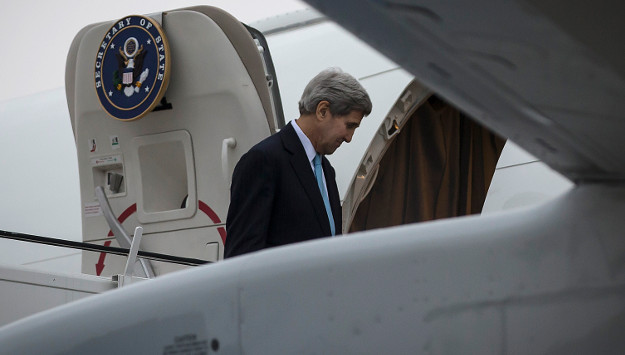
As Secretary of State John Kerry seeks to launch a new peace effort on Syria, he needs to be careful about the goals he sets and the language he uses. Getting the fundamentals wrong at the outset might scuttle the process or could ensure that whatever deal results will crumble under pressure. It will then lead to more warfare and a worsening of the refugee crisis. Moreover, it would preclude us from securing our strategic goal of mobilizing more Syrians to contain and eventually expel terrorists from Syria.
President Barack Obama has notoriously disparaged the moderate opposition as “farmers or dentists or maybe some radio reporters who didn’t have a lot of experience fighting.” The key question about the Syrian opposition is not whether it can fight — in fact many of its cadres are former Syrian army soldiers — but whether it can govern.
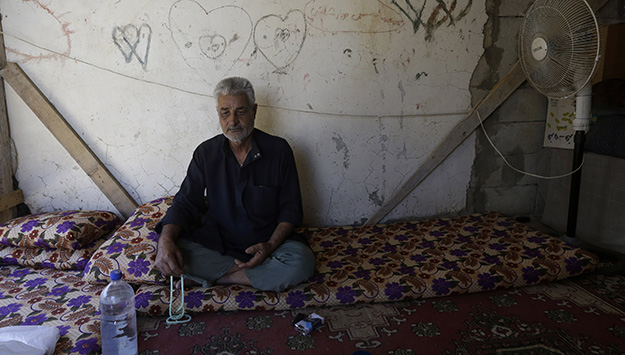
A recent United Nations report warned that the Gaza Strip might become “uninhabitable” by 2020 for its 1.8 million residents.[1] Serious changes must be implemented as soon as possible to reverse the coastal enclave’s de-development.
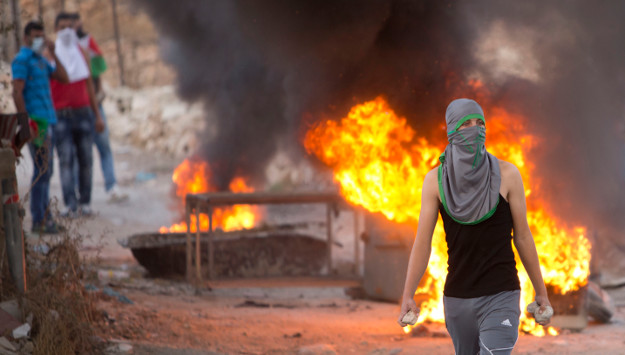
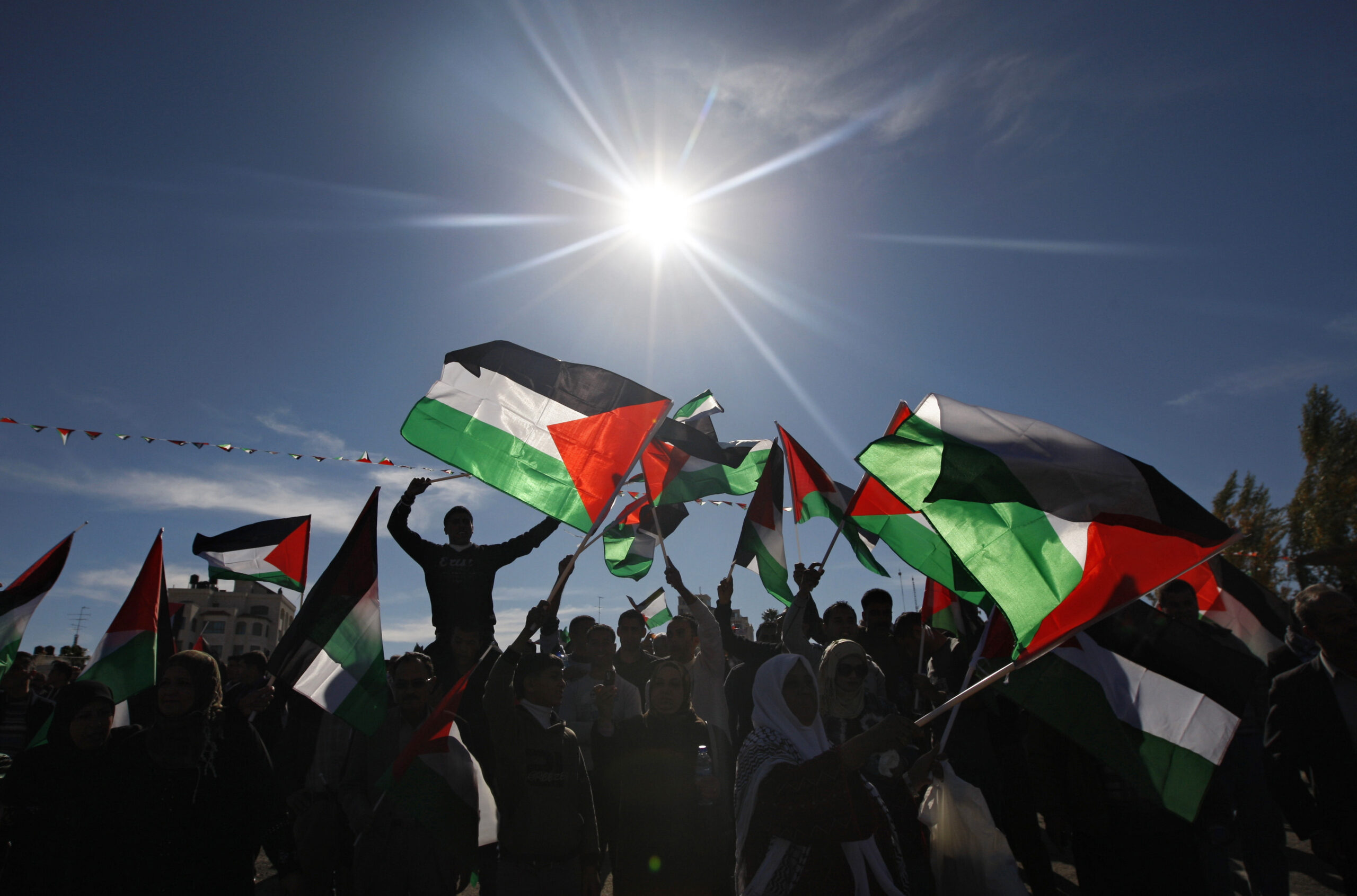
Although the Israeli-Palestinian conflict has been around for generations, it still has the capacity to surprise. Even the experts are confused by the current violence that has been roiling Jerusalem for weeks now. Is this the long-awaited third intifada? What is causing it? Why is it centered in Jerusalem, not the West Bank? Who is leading it, and why are the principal actors teenagers with household knives? In fact, similar questions were asked at the beginning of the two previous intifadas, and of the Palestinian Revolt during the British Mandate. Why now? What for?
Palestinian Security Forces: Living on Borrowed Time
On a scale not seen since April 2002, Israel is instituting dramatic increases in the deployment of its military and police forces throughout Israel, East Jerusalem and the West Bank proper. These moves by the government of Prime Minister Benjamin Netanyahu comprise the initial security response to limited but escalating Palestinian attacks against Israeli civilians, settlers, and military forces throughout Israel and the occupied West Bank.
Recent Russian activity in Syria is not about combating the Islamic State, despite Russian claims to the contrary. Though actively fighting ISIS and thus propagating its long-stated goal of keeping Assad in power would seem to be the straightforward explanation for Russia’s recent behavior, the fact that Russian strikes are also hitting U.S.-backed, rebel-held areas demonstrates the hollowness of official discourse.
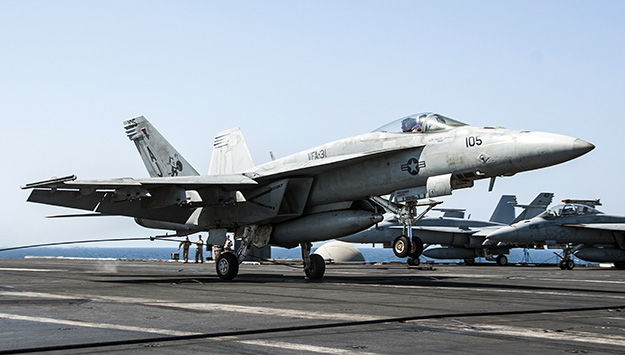
October 2015 marks the fourteenth month of formal U.S. military engagement in the struggle against the Islamic State (ISIS). The Obama administration was at first reluctant to engage U.S. military power in this struggle but then became more deliberate in its approach. U.S. involvement in the battlegrounds of Iraq and Syria has been evolving especially over the past year. This evolution has been defined and is in many ways limited by a strategy that emphasizes political change in Iraq and a broad coalition of states taking action against ISIS.
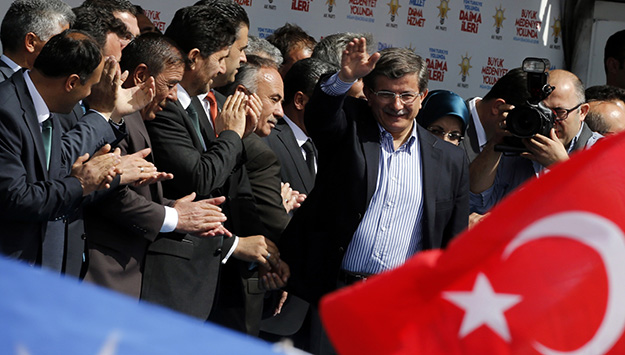
Turkish Prime Minister Ahmet Davutoglu is at the United Nations in New York, making another push for Turkey’s long-standing demand for a safe zone in northern Syria, while President Recep Tayyip Erdogan seems to have realized that it might be a long shot given recent developments.
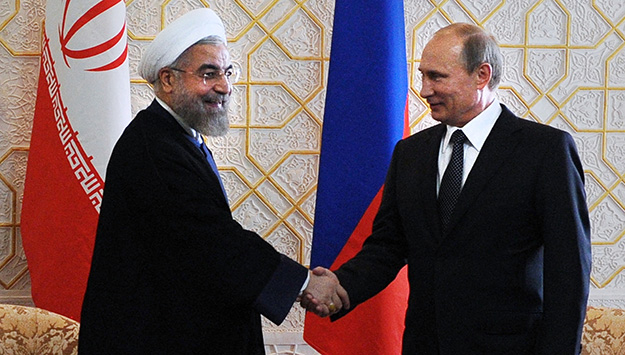
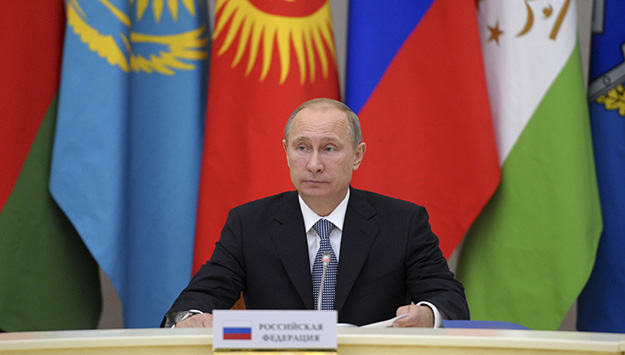
Russian President Vladimir Putin made waves leading into the UN General Assembly with new military deployments to Syria and an accord with Iran and the Iraqi government, signaling the formation of something like an alternate coalition combating ISIS. The sudden moves serve as a wakeup call not only for the United States and its allies, but also for Iran. The Russian actions are not enough to lead the Iranians to openly second-guess their support for Syria’s President Bashar al-Assad, but they are bound to raise tough questions among officials in Tehran.
A recent public opinion poll conducted by Ipsos suggests that the Turkish public is supportive of foreign aid, with around 45 percent of those surveyed indicating that Turkey should spend 3 to 10 percent of its national budget on such assistance. Material and ideological factors rather than moral imperatives play a role in this opinion.
Addressing Mental Health Needs among Syrian Refugees
Sana managed to escape the violence in Syria by making her way to Lebanon, but now she is alone and suffering from mood swings. She is battling eviction threats from her landlord due to her disruptive and erratic behavior. Mahmoud, another Syrian refugee in Jordan, is experiencing increasing feelings of depression, worried that he can no longer provide for his wife and three children, two of whom have learning disabilities.
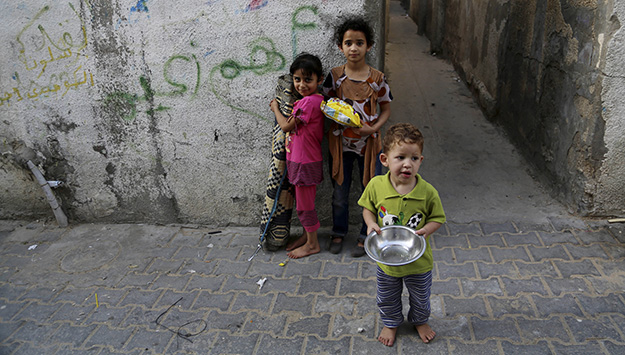
While the international community focuses on the latest refugee crisis fomented by the cascading calamities now engulfing the Middle East, Gaza—home to the region’s first permanent refugees—offers a cautionary lesson about the costs of man-made hardship and instability.
The UN recently reported that the infant mortality rate in the Gaza Strip has increased for the first time since Israel occupied the area in June 1967, in part because of the draconian restrictions on Gaza trade imposed by Israel and Egypt during the last decade.
The Russian escalation in Syria will create a flurry of diplomatic activity to find a political solution to the Syrian crisis and a fresh attempt to confront ISIS in Syria, but the conditions for success on both fronts are still absent. The intervention is likely to lead to further escalation of the conflict with no resolution of the political or security stalemates.
Furthermore, Russian President Vladimir Putin’s move into Syria is the result of a number of factors and will have far-reaching consequences at the international, regional, and local levels.
The oldest peer-reviewed publication dedicated to the study of the modern Middle East, MEI’s flagship journal covers politics, society, and culture in the region.