Unlocking the Levant: Why the United States and Syria Must Pursue a Bilateral Trade and Investment Agreement
Apart from the brief honeymoon period between 1961 and 1963 under President John F. Kennedy and President Nazim al-Qudsi, US-Syria relations have never held such optimistic potential as they do today. Today, following the fall of Bashar al-Assad regime and the rise of a new government under President Ahmad al-Sharaa at the end of 2024, a new geopolitical window has opened.
Consolidating Sovereignty, Security and Peace: Time to Step up the Game
Although it has been a frustrating summer, Lebanon remains on the right track. My observation after a ten-day visit to Beirut and Jerusalem this month is that leaders in both capitals remain strongly committed to a shared objective.
The national dialogue in Syria: A step forward or a concerning trajectory?
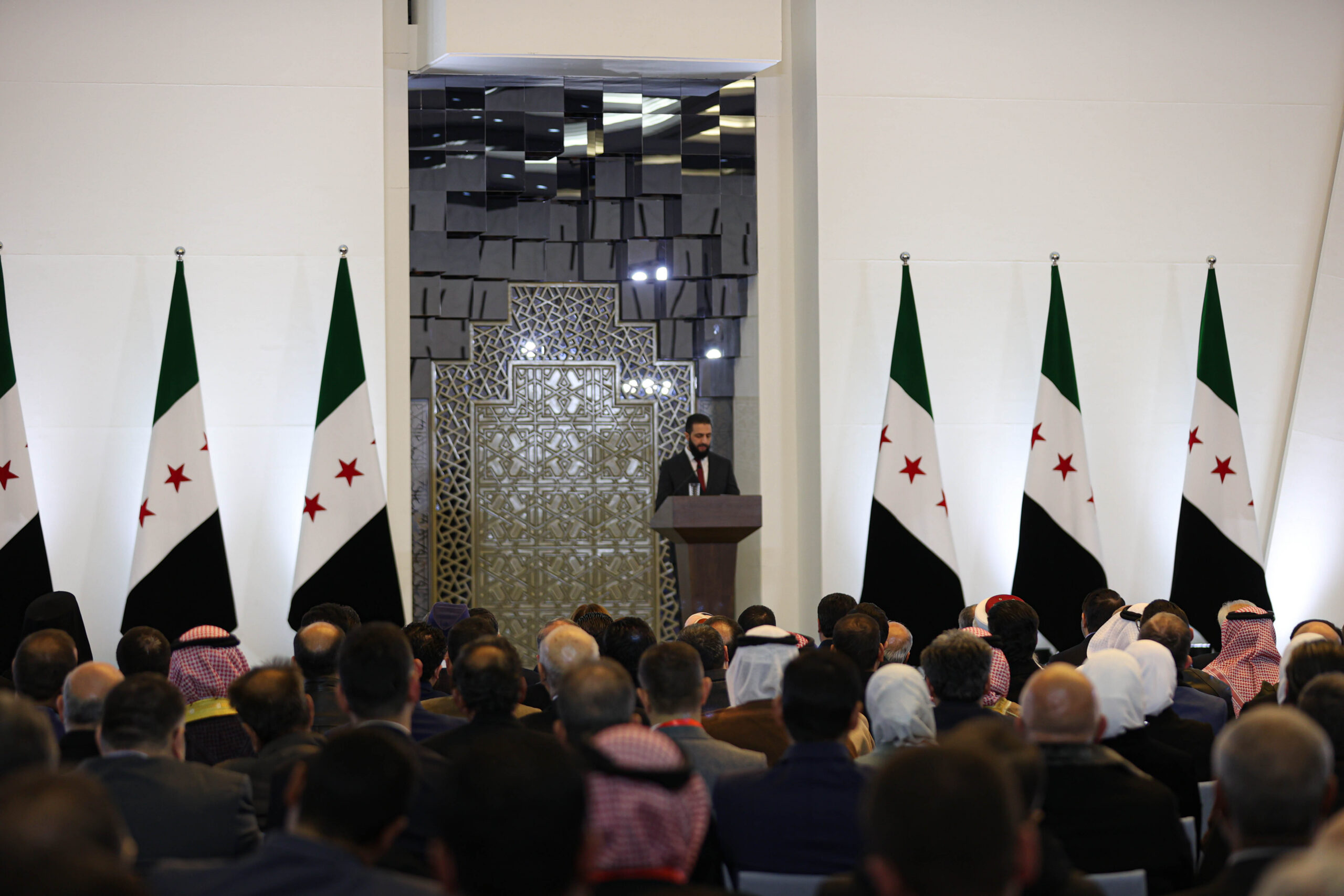
Syria’s national dialogue, held in Damascus at the end of February, was intended to chart the country’s future, one that would have been unthinkable just three months earlier. However, the process and outcomes of the dialogue were flawed, left critical questions unanswered, and raised new concerns.
A chaotic foreign policy on overdrive risks alienating key US partners in the Middle East
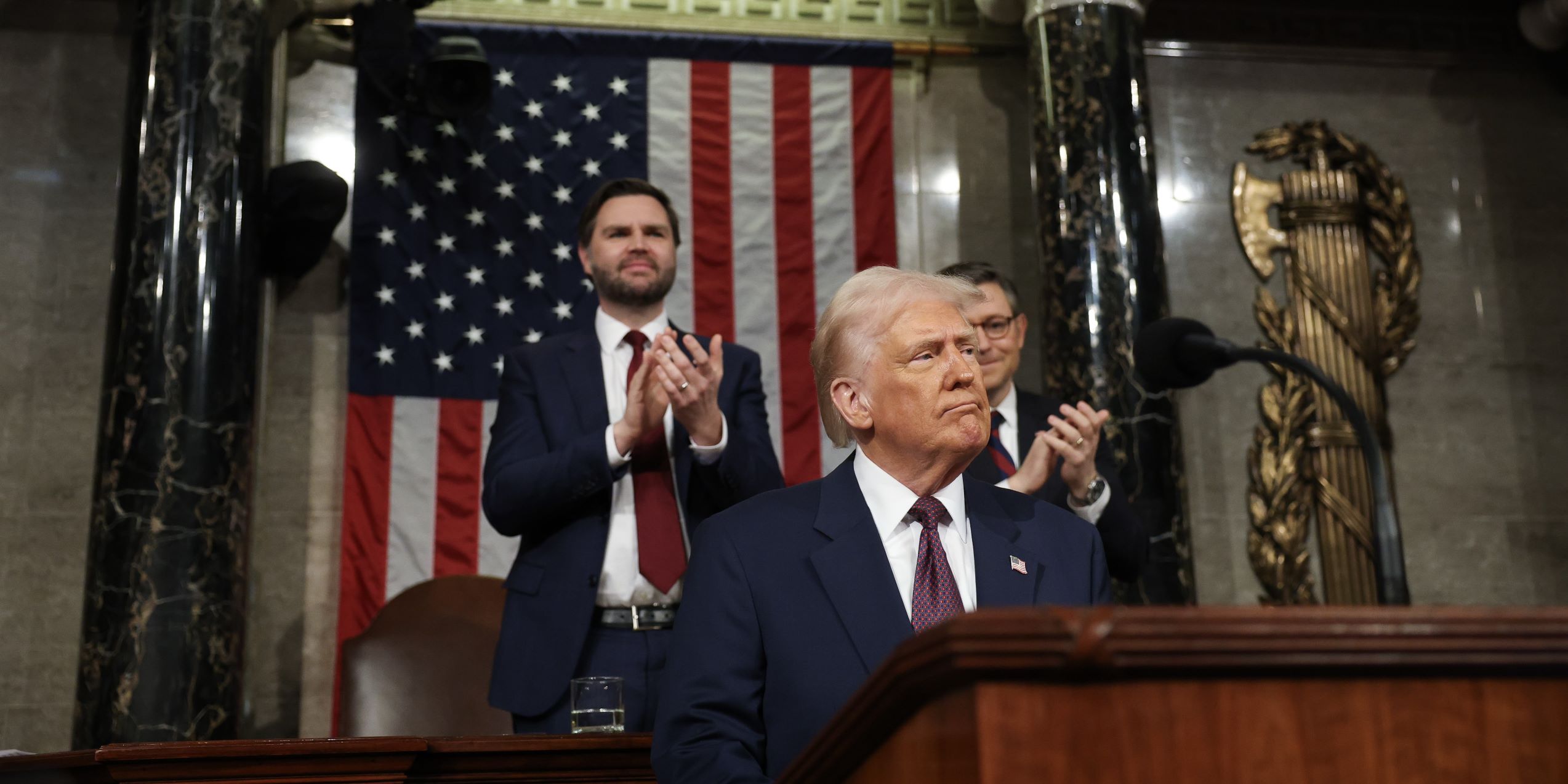
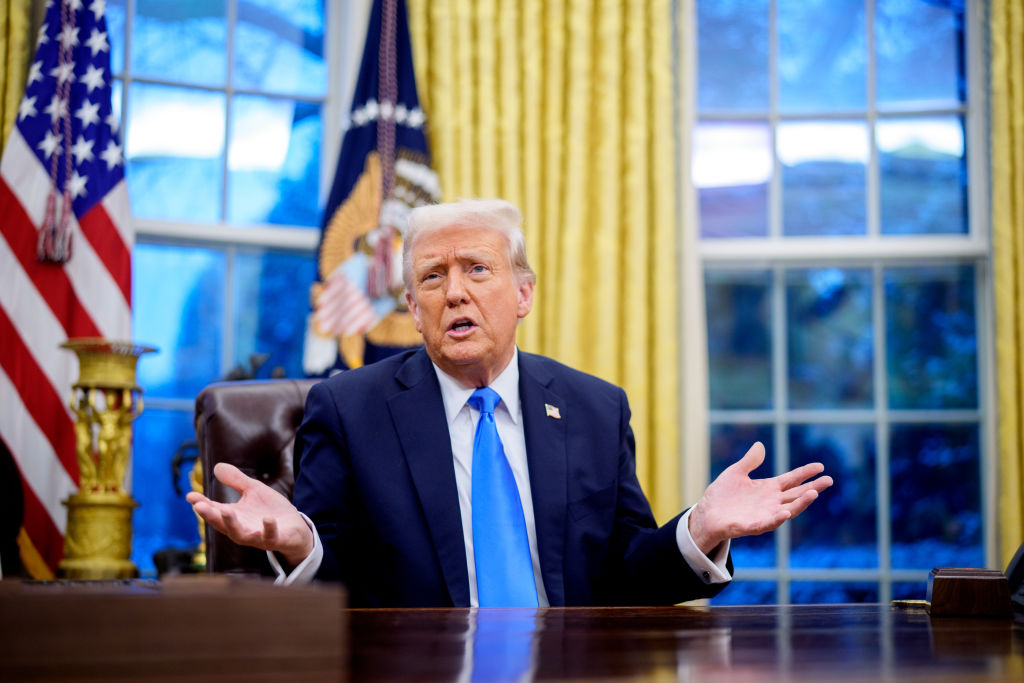
President Donald Trump’s joint address to Congress on March 4 doubled down on his disruptive and contentious domestic policy agenda. Foreign policy, including Trump’s approach to the Middle East, was mostly an afterthought. Though he said little about Middle East policy in his speech, Trump’s team is taking an irregular approach on the twin issues of Israel-Arab ties and Iran that may not produce the stability and prosperity it seeks.
Ibrahim Dalalsha and Shira Efron | 'Taking the Edge Off the Middle East' Ep. 8
Ibrahim Dalalsha, founder and director of Horizon Center for Political Studies and Media Outreach, and Shira Efron, research director at the Israel Policy Forum, join host Brian Katulis to discuss policy developments in the devastating war between Israel and Hamas, and how Israelis and Palestinians can work together toward a peaceful resolution of conflict.
Amid regional upheaval, Turkey looks to energy to secure strategic autonomy
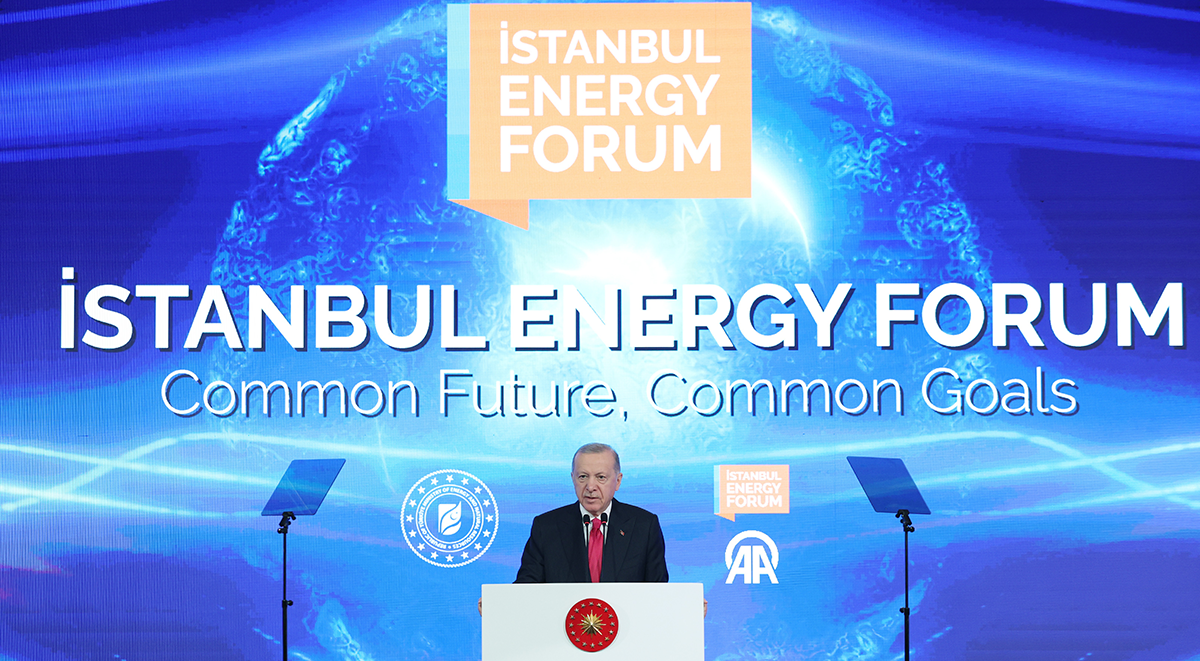
President Recep Tayyip Erdoğan has sought to position Turkey as an energy hub, connecting gas producers to its east and south and markets to the west. Turkey’s geographical position and infrastructure give it an advantage. But becoming an energy center also requires Ankara to dust off a long-abandoned foreign policy approach: “zero problems with neighbors” and the West. Amid changing regional dynamics, Ankara sees an opportunity to achieve that and revive its plans to become an energy hub.
Trump’s mixed messages and actions on the Arab-Israeli front
Some analysts try to explain Trump’s Middle East rhetoric as an effort to provoke a new type of conversation and to break the mold. But one unconventional source that helps explain Trump’s tactics is pro wrestling, in which the actions are understood to be illusory but still prompt a response from all sides.
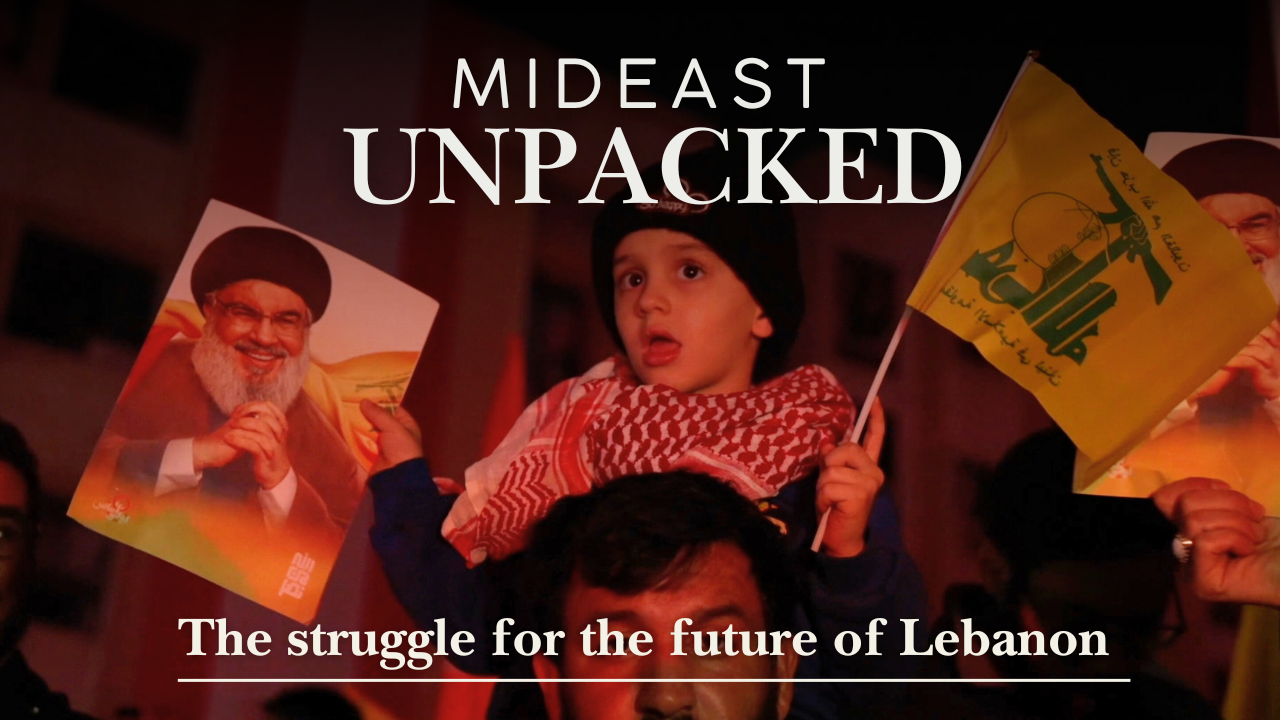
Nasrallah’s funeral is one of the most consequential moments for Lebanon & the Levant. Will the show of force mark the start of Iran’s campaign to sabotage an emerging American order? Much depends on what the US does next. MEI’s Firas Maksad offers insights & recommendations.
Trump’s diplomatic gambit in the Middle East at one month
This massive distraction of the Trump administration’s Gaza non-plan and the even more serious move of dismantling America’s ability to shape and influence events abroad together carry three risks for the Middle East.
Watching Trump’s second term unfold from the Middle East
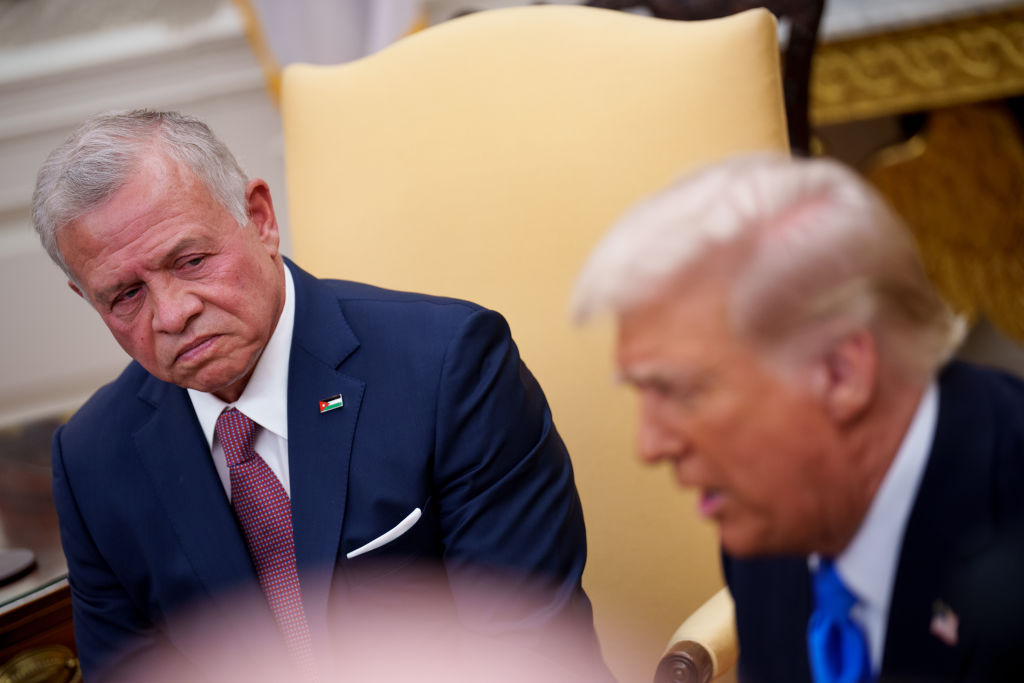
Observing the unfolding of President Donald Trump’s second term from the Middle East is as confusing and disorienting as it must be from the United States. In Palestine, Egypt, and Jordan, urgent concern is focused on Trump’s surprise plan to take over the Gaza Strip, displace its population, and rebuild it as the “Riviera of the Middle East.” In Israel, the right wing is extremely pleased with Trump’s gift, but they don’t know what he has planned for the West Bank. In the Arab Gulf monarchies, leaders are generally happy to be dealing with Trump again but are alarmed by the recklessness of his Gaza plan and concerned about the potential impact his energy and tariff policies could have on their economies.
Act 1 of Trump’s Middle East policy: Off script or no script?
The Trump administration’s Middle East approach in its first three weeks back in office was filled with plenty of sound and fury. It’s still too soon to tell whether all of the noise signifies much of anything for the region, yet there are few promising signs of a smooth ride ahead.
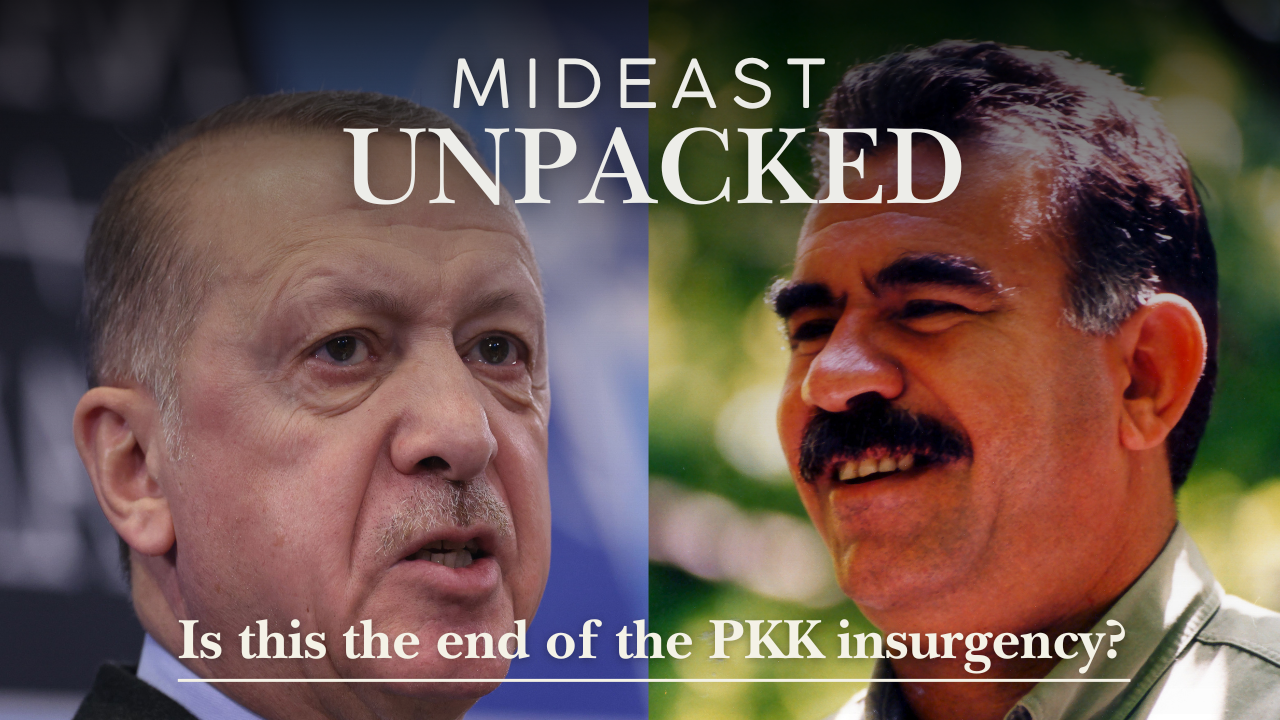
A historic shift may be on the horizon, as Turkey and Kurdish militant leader Abdullah Ocalan engage in unexpected peace talks. After 40 years of insurgency and 40,000 lives lost, Ocalan is expected to call for PKK fighters to lay down their arms. However, with President Erdogan’s democratic backsliding and continued crackdown on Kurdish political rights, questions remain about whether lasting peace is possible. MEI’s Gönül Tol explains.
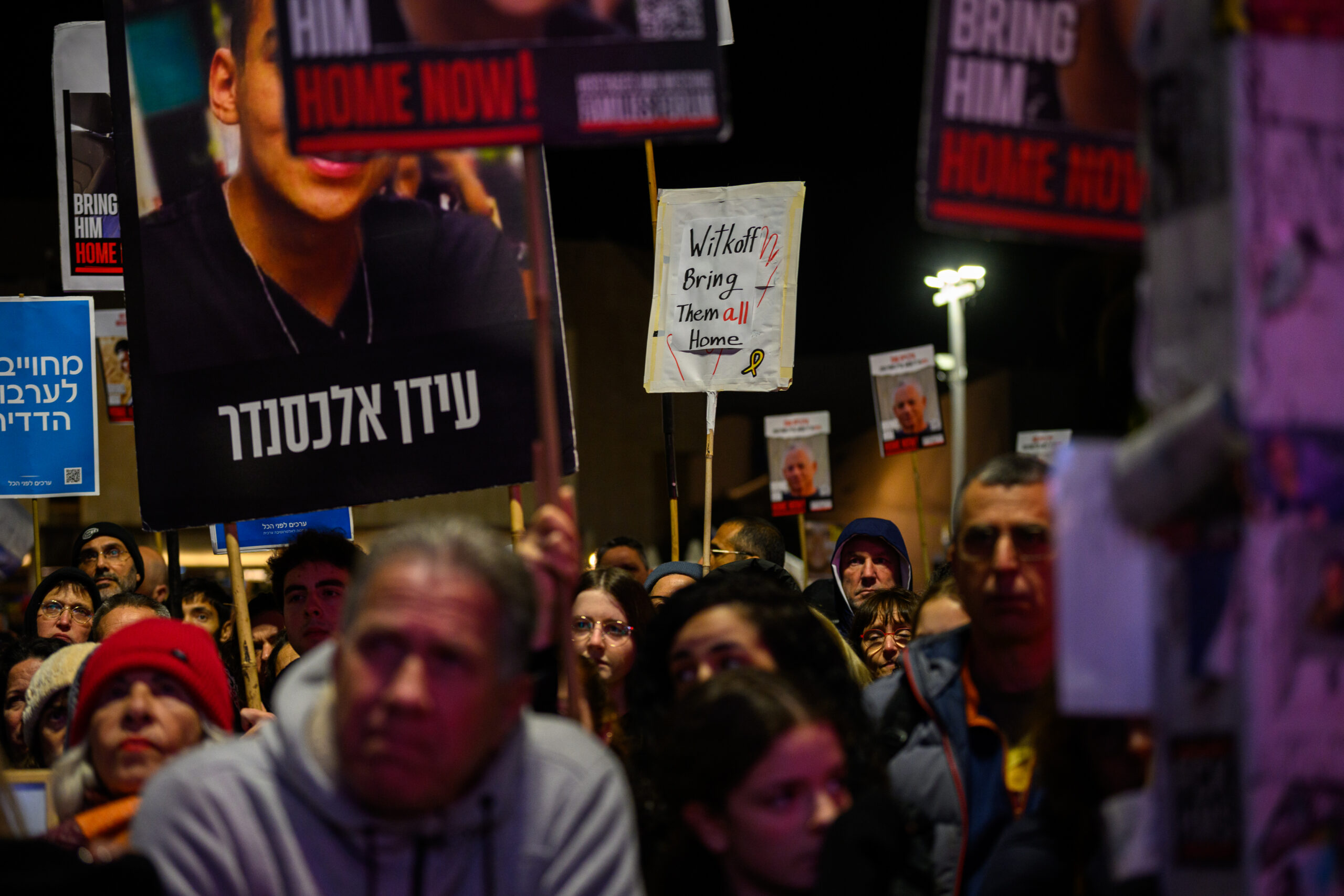
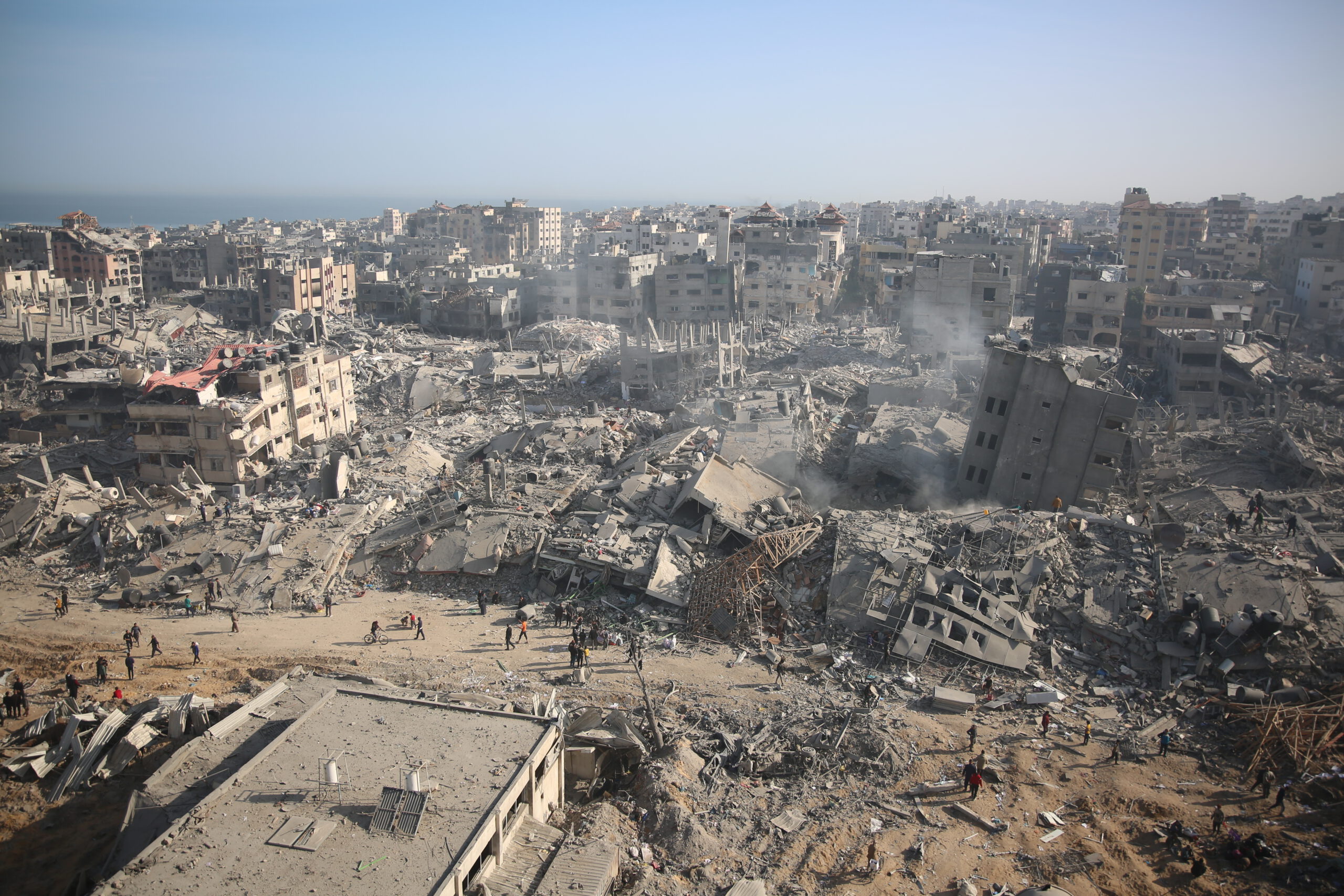
Despite a few hiccups, the cease-fire between Israel and Hamas has achieved its initial milestones. Much will depend on the upcoming negotiations regarding the next phases of the agreement. Yet for now, the fundamental questions of who will govern Gaza, who will provide security, and who will deliver the funding to rebuild it have yet to be definitively resolved.
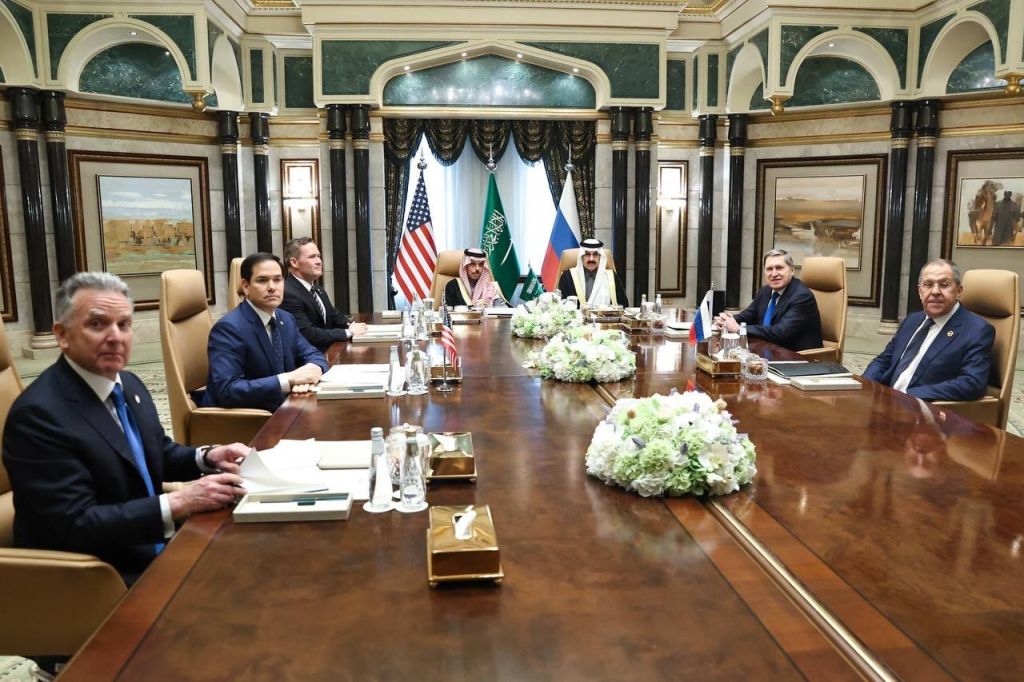
Rebalancing Russia’s Mediterranean strategy: From showing the flag to retreating to the gray zone
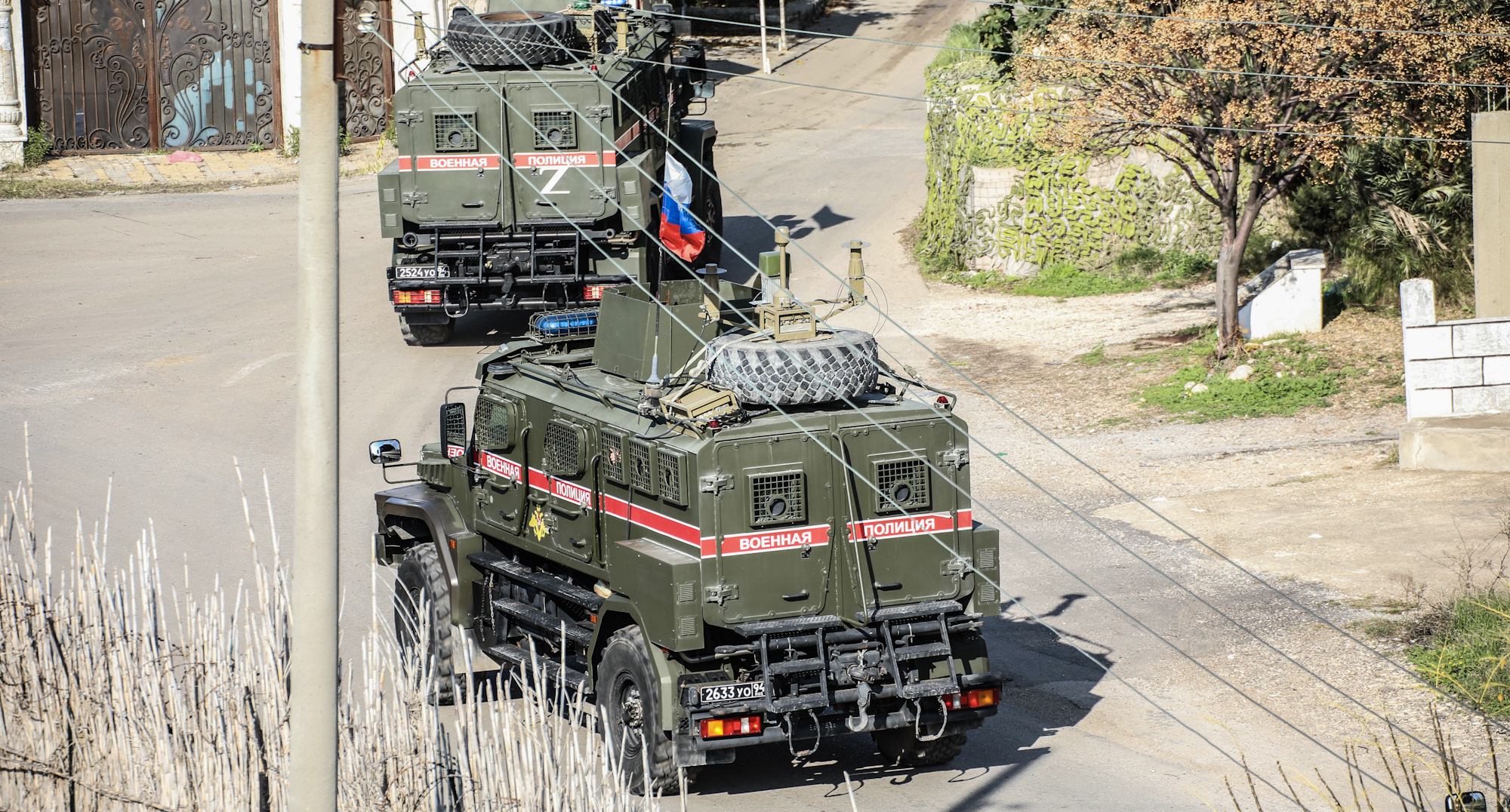
Either maintaining Russia’s military bases in Syria or finding an alternative outpost in the Mediterranean will prove extremely difficult for Moscow. And part of the problem with pursuing the latter option, particularly if in Libya, is that it would require a full-on transformation of Russia’s military presence model — from more traditional bases designed to establish deterrence by showing the flag in the region to building up a military and logistical operation inside a security “gray zone.”
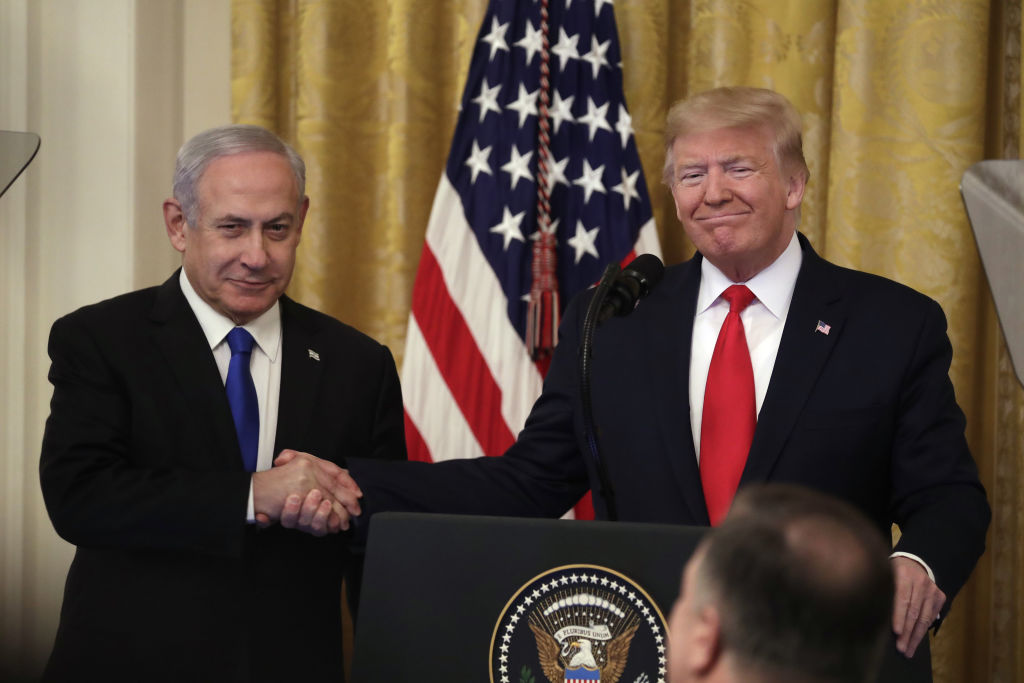
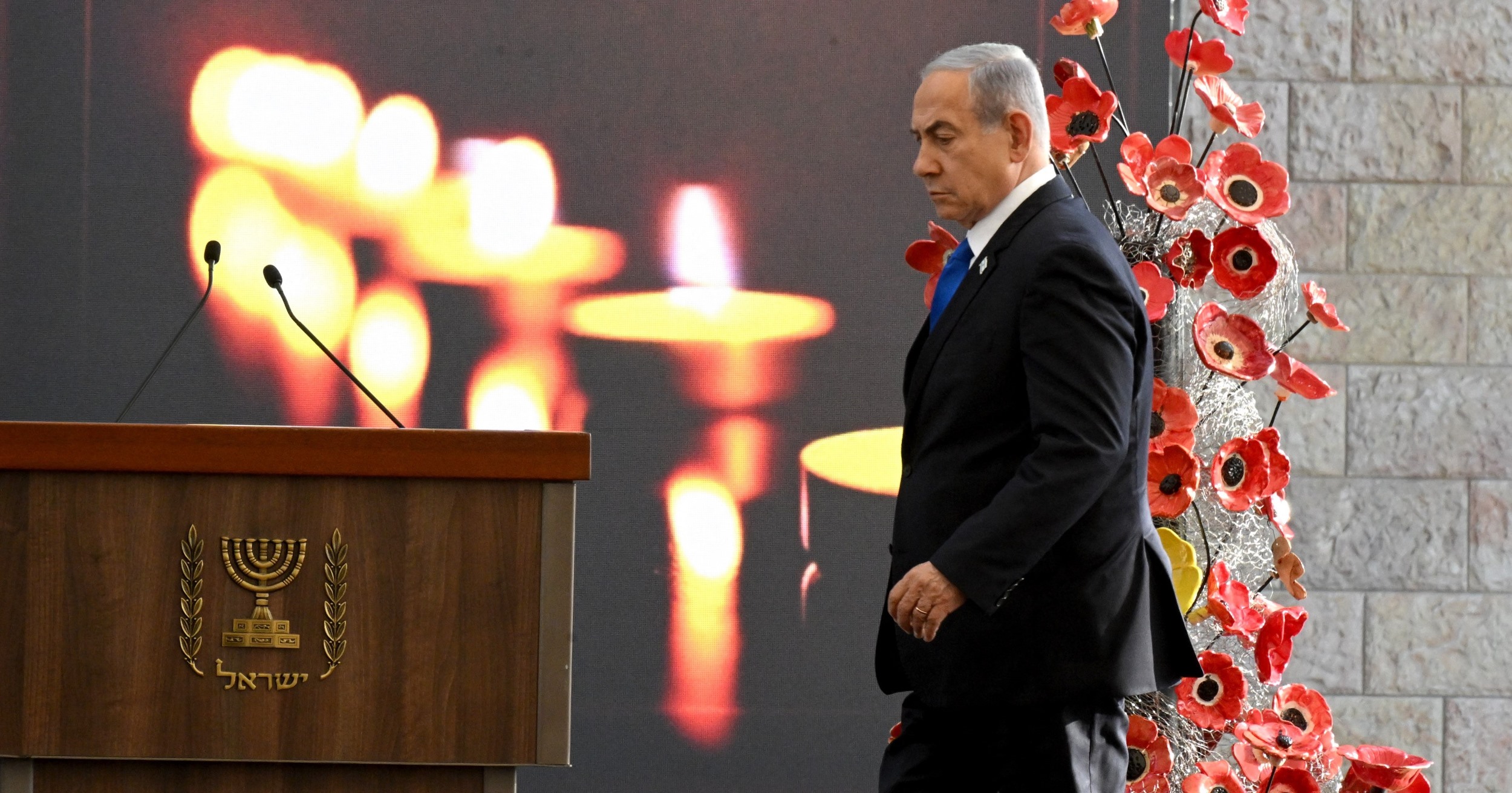
Israeli Prime Minister Benjamin Netanyahu faces a potentially disastrous showdown within the next month that could shake his hold on power, unless he manages to deter the strongly held positions of the foreign and domestic politicians and political forces on which he is dependent.
The oldest peer-reviewed publication dedicated to the study of the modern Middle East, MEI’s flagship journal covers politics, society, and culture in the region.