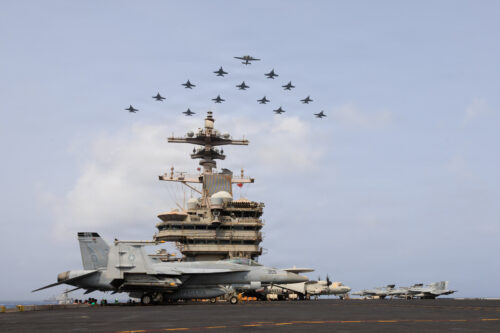
This article is part of a collection of short essays written by the Fellows of the Middle East Institute to explore aspects of the ongoing war with Iran. The intent of the collection is to help readers see new and unexpected elements of the dynamics and impact of the ongoing hostilities and to think harder, deeper, and broader about the implications of the conflict.
Turkey: Ankara’s Nuclear Ambitions in the Post-Iran War Environment
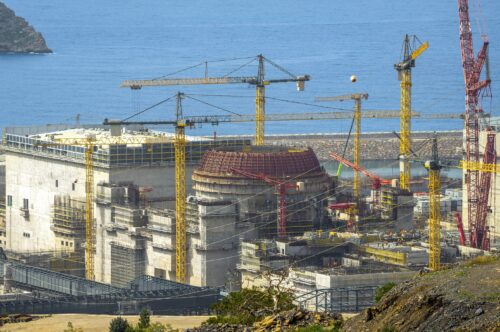
In February 2026, Turkish Foreign Minister Hakan Fidan suggested that shifting international dynamics could push Turkey to acquire nuclear weapons. That rhetoric, combined with Turkey’s civilian nuclear energy and research programs and its indigenous surface-to-surface missile development projects, has fueled concerns that these capabilities could eventually form the backbone of a Turkish nuclear weapons program.
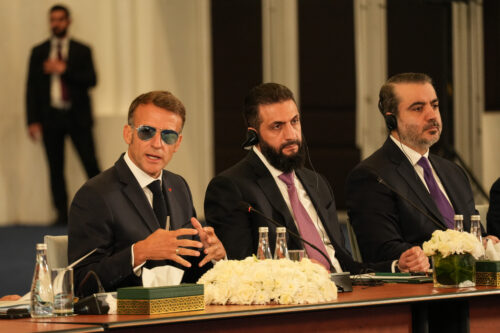
When the US and Israel launched military action against Iran on February 28, 2026, it set in motion a chain of events that saw violence spread across the Middle East. Yet as the region found itself engulfed in conflict, Syria has experienced its most peaceful months in 15 years, and the government in Damascus appears determined to stay its course toward recovery.
The first volume of the migration and the Arab World series dealt primarily with the trends in, consequences of, and policy responses to labor migration in the Gulf Cooperation Council (GCC) states since the “oil boom” period of the 1970s. This volume focuses on the countries of the Mashreq (i.e., Egypt and the Levant) as source and destination countries for various migrant groups, dating from the late 19th century up to the present day.
Israeli-Palestinian Peace: The Palestinian Refugee Challenge
Of the four core issues to resolve for an Israeli-Palestinian peace (security, borders/settlements, Jerusalem and Palestinian refugees) it is the refugee question that gets the least attention by non-specialists. And it is the core issue least addressed publically in detail by Israeli and Palestinian leaders.
Orientalism's Wake: The Ongoing Politics of a Polemic
Originally posted September 2009
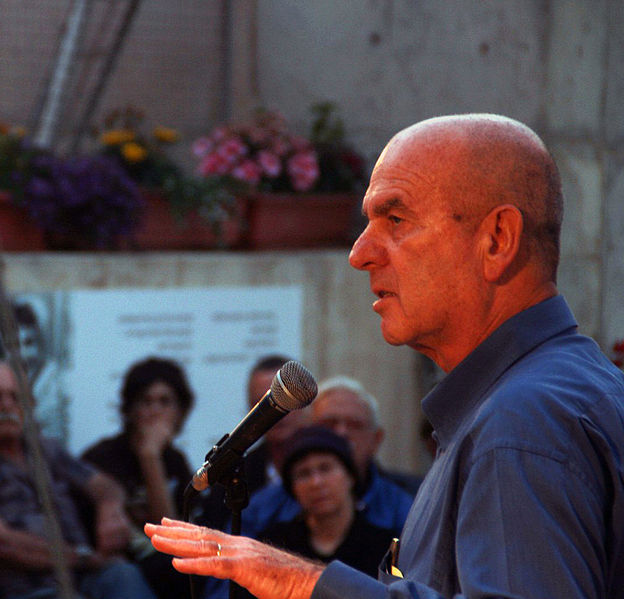
Edward W. Said, who passed away at the age of 67 on September 25, 2003, was a towering “public intellectual” — a man of extraordinary erudition, a path-breaking scholar, and a passionate activist.
Said was a man of many interests, talents, and accomplishments — pianist, opera critic, newspaper columnist, popular essayist, television celebrity, and public lecturer. From 1963 until his death, he was Professor of English and Comparative Literature at Columbia University.
This Opinion first appeared in Foreign Policy’s “Middle East Channel” on July 17, 2012
Sheikh Ahmad al-Assir, a self-proclaimed religious authority with a bushy long beard, is no stranger on the Lebanese scene. His latest incarnation, from his mosque in the coastal town of Sidon, is as a firebrand political Salafist whose objectives transcend the confines of Lebanon.
The appointment of a political figure as ambassador often signals the level of importance attached to bilateral relations, more so if the person in question was a career military officer and current cabinet minister. This was the case in February 2012 when Israel named Matan Vilnai as its next ambassador to China. Beijing was more than happy to accept the appointment of then-Israeli Minister of Home Front Defense, seeing it as a signal for further improvement.
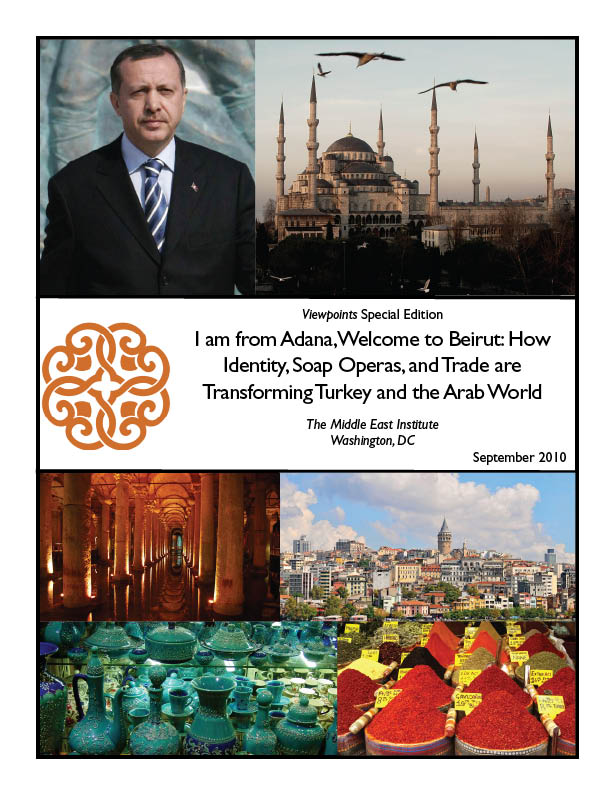
Turkey’s growing links with the Arab world are evolving on multiple levels and reflect key shifts in the diplomacy, economy, and society of much of the Middle East. They also reflect Turkey’s desire to utilize its close links to Western nations, its neighbors, and other nations to expand its economy and to have greater influence in global politics.
The Third Annual Conference on Turkey: Regional and Domestic Challenges for an Ascendant Turkey
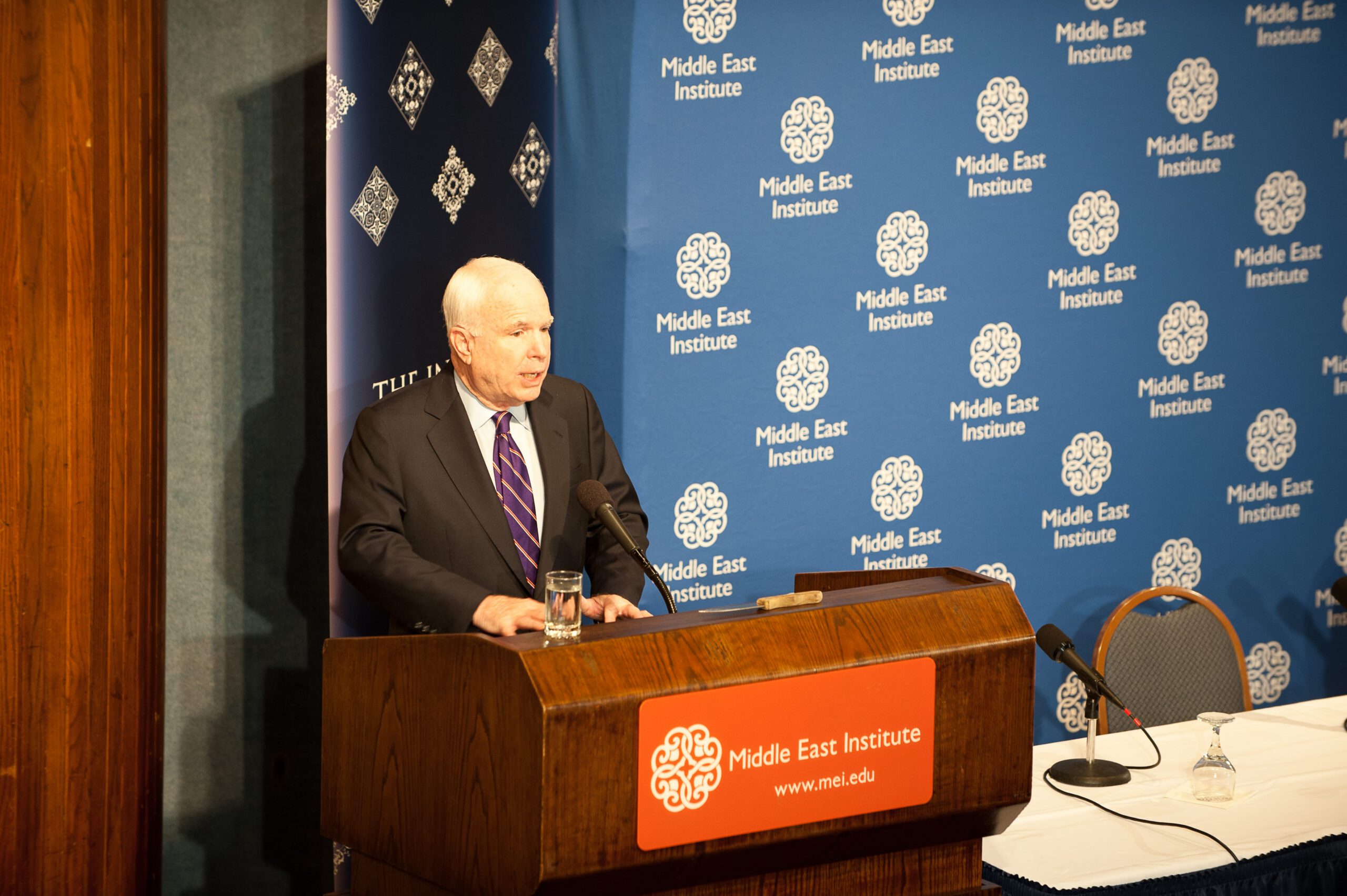
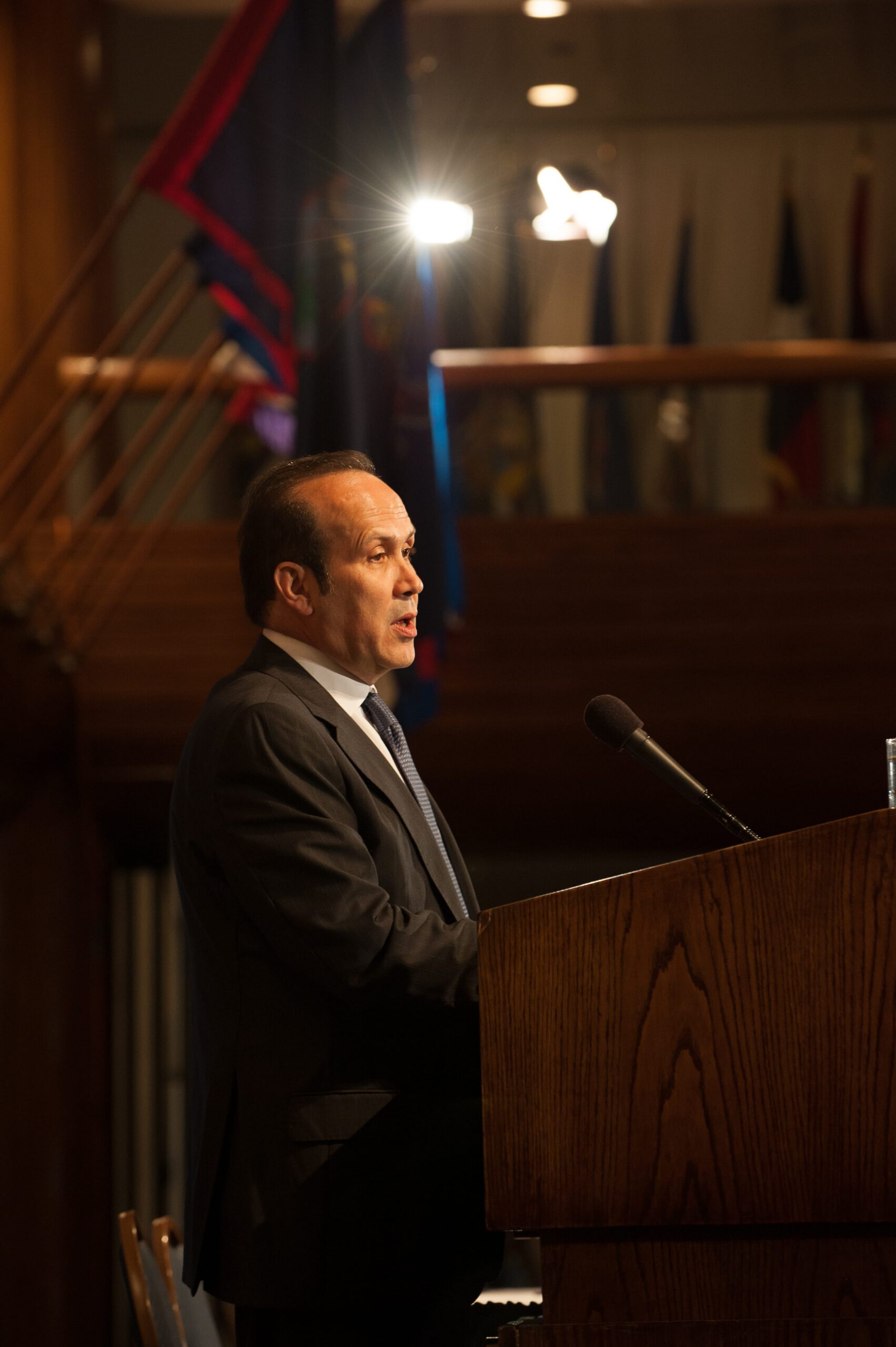
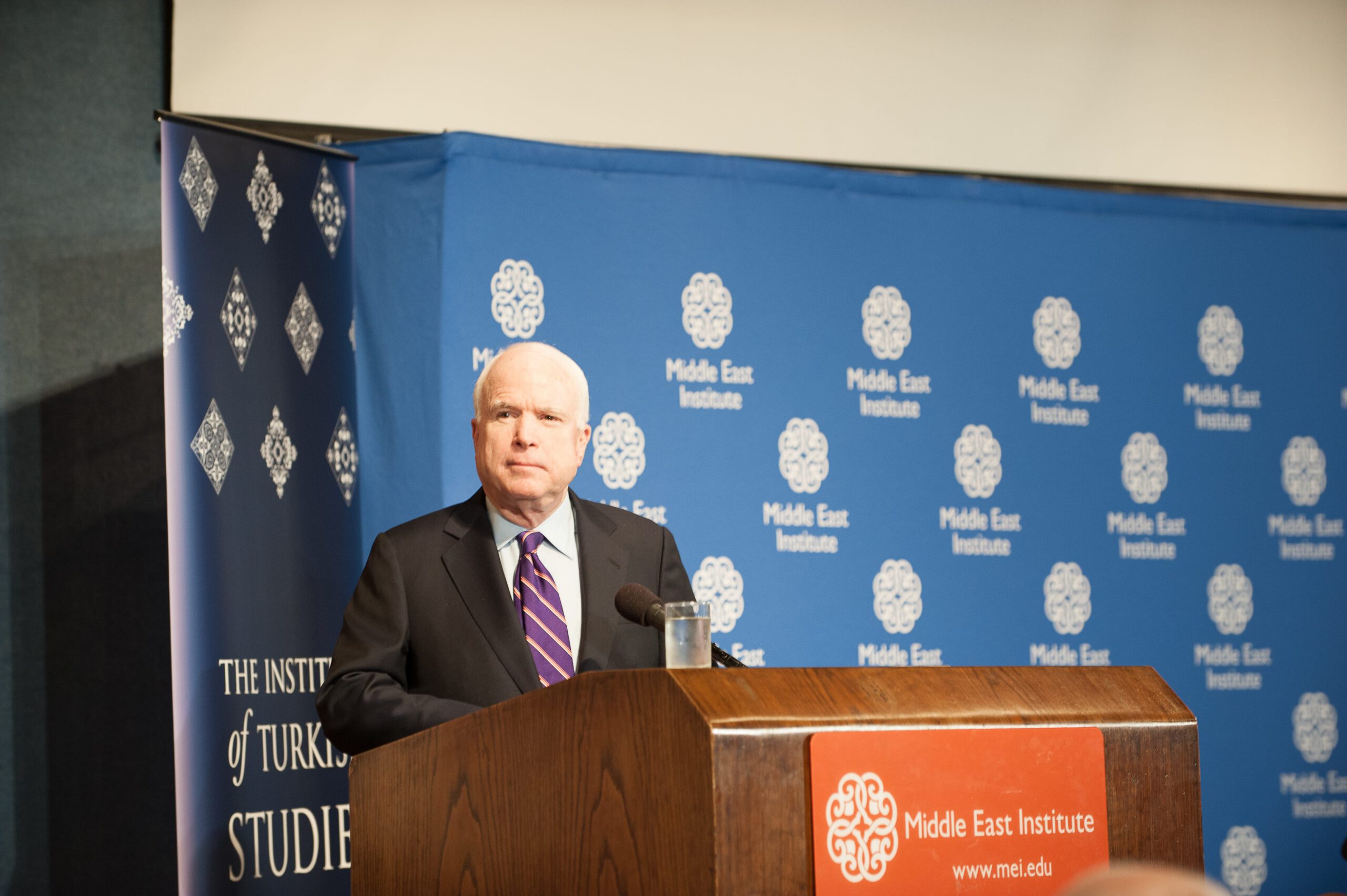
The Middle East Institute’s Center for Turkish Studies in collaboration with the Institute of Turkish Studies present:”Regional and Domestic Challenges for an Ascendant Turkey” June 27th, 20129:00am-5:00pmNational Press Club529 14th Street, NW 13th FloorWashington, DC 20045 Conference Schedule:8:45am – 9:00am: Registration9:00am – 9:15am: WelcomeAmb. Wendy J. Chamberlin, Middle East InstituteGönül Tol, MEI’s Center for Turkish StudiesRoss Wilson, Institute of Turkish Studies 9:15am – 10:00am: Opening KeynoteSenator John McCainUnited States Senate 10:00am – 10:30am: KeynoteAmb.
The Third Annual Conference on Turkey: Regional and Domestic Challenges for an Ascendant Turkey
The Middle East Institute’s Center for Turkish Studies in collaboration with the Institute of Turkish Studies present:”Regional and Domestic Challenges for an Ascendant Turkey” June 27th, 20129:00am-5:00pmNational Press Club529 14th Street, NW 13th FloorWashington, DC 20045 Conference Schedule:8:45am – 9:00am: Registration9:00am – 9:15am: WelcomeAmb. Wendy J. Chamberlin, Middle East InstituteGönül Tol, MEI’s Center for Turkish StudiesRoss Wilson, Institute of Turkish Studies 9:15am – 10:00am: Opening KeynoteSenator John McCainUnited States Senate 10:00am – 10:30am: KeynoteAmb.
The Third Annual Conference on Turkey: Regional and Domestic Challenges for an Ascendant Turkey
The Middle East Institute’s Center for Turkish Studies in collaboration with the Institute of Turkish Studies present:”Regional and Domestic Challenges for an Ascendant Turkey” June 27th, 20129:00am-5:00pmNational Press Club529 14th Street, NW 13th FloorWashington, DC 20045 Conference Schedule:8:45am – 9:00am: Registration9:00am – 9:15am: WelcomeAmb. Wendy J. Chamberlin, Middle East InstituteGönül Tol, MEI’s Center for Turkish StudiesRoss Wilson, Institute of Turkish Studies 9:15am – 10:00am: Opening KeynoteSenator John McCainUnited States Senate 10:00am – 10:30am: KeynoteAmb.
The oldest peer-reviewed publication dedicated to the study of the modern Middle East, MEI’s flagship journal covers politics, society, and culture in the region.