Unlocking the Levant: Why the United States and Syria Must Pursue a Bilateral Trade and Investment Agreement
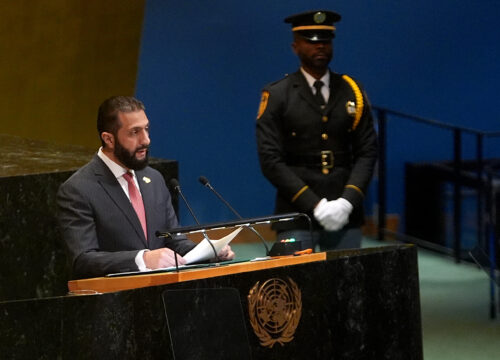
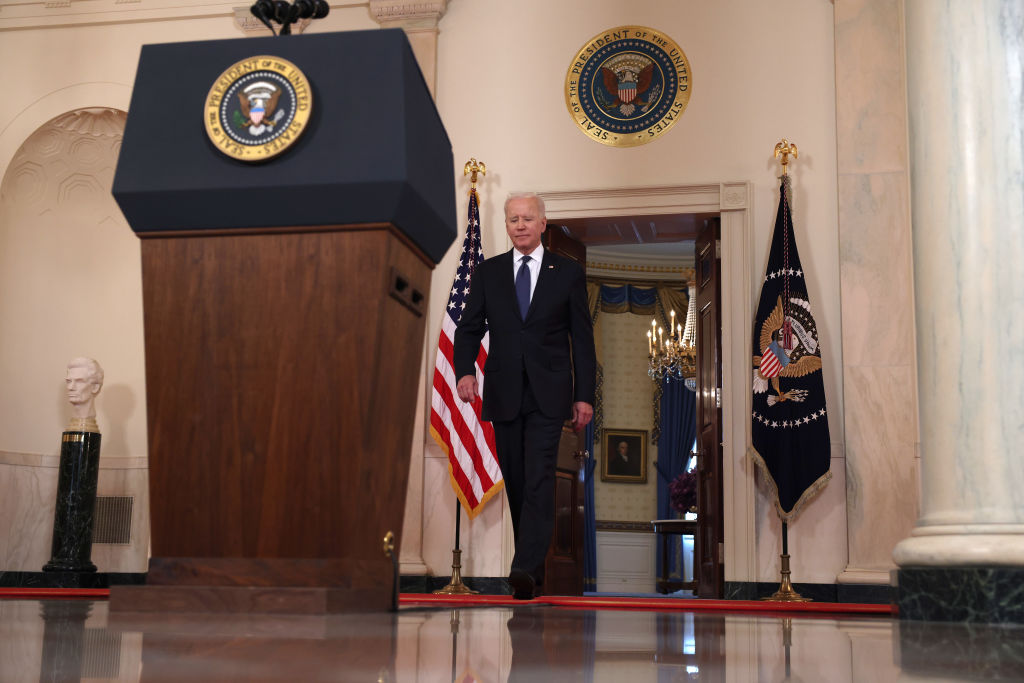
Apart from the brief honeymoon period between 1961 and 1963 under President John F. Kennedy and President Nazim al-Qudsi, US-Syria relations have never held such optimistic potential as they do today. Today, following the fall of Bashar al-Assad regime and the rise of a new government under President Ahmad al-Sharaa at the end of 2024, a new geopolitical window has opened.
Consolidating Sovereignty, Security and Peace: Time to Step up the Game
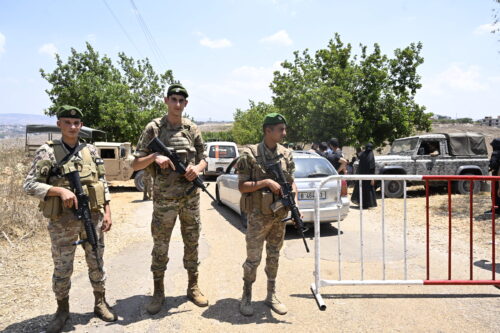
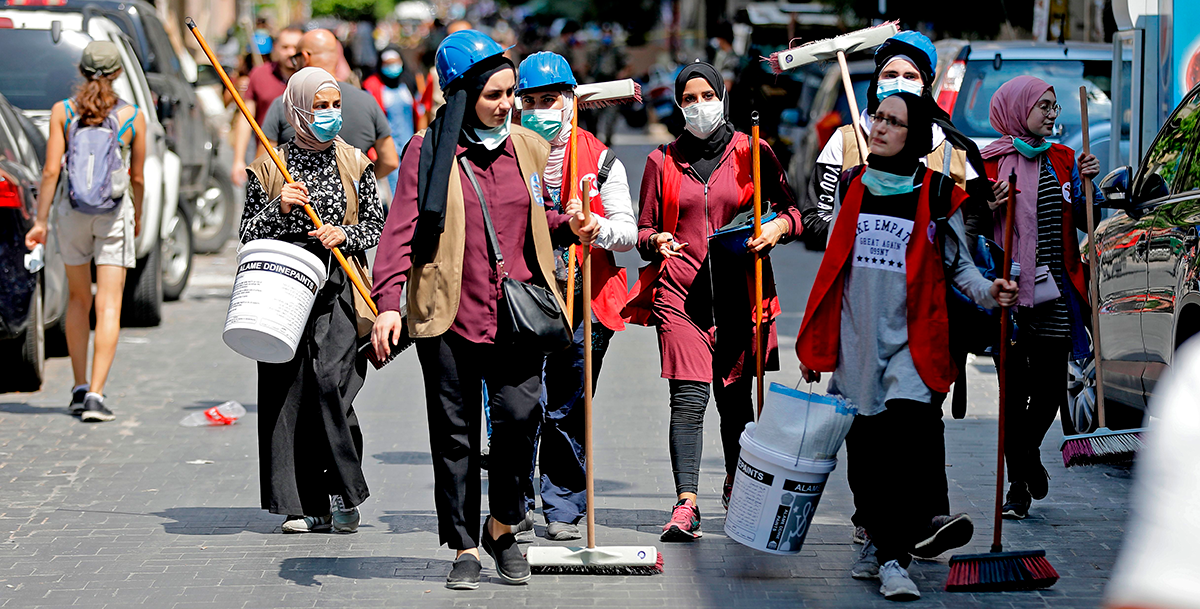
Although it has been a frustrating summer, Lebanon remains on the right track. My observation after a ten-day visit to Beirut and Jerusalem this month is that leaders in both capitals remain strongly committed to a shared objective.
How the War on Terror paved the way for online censorship of Palestinians
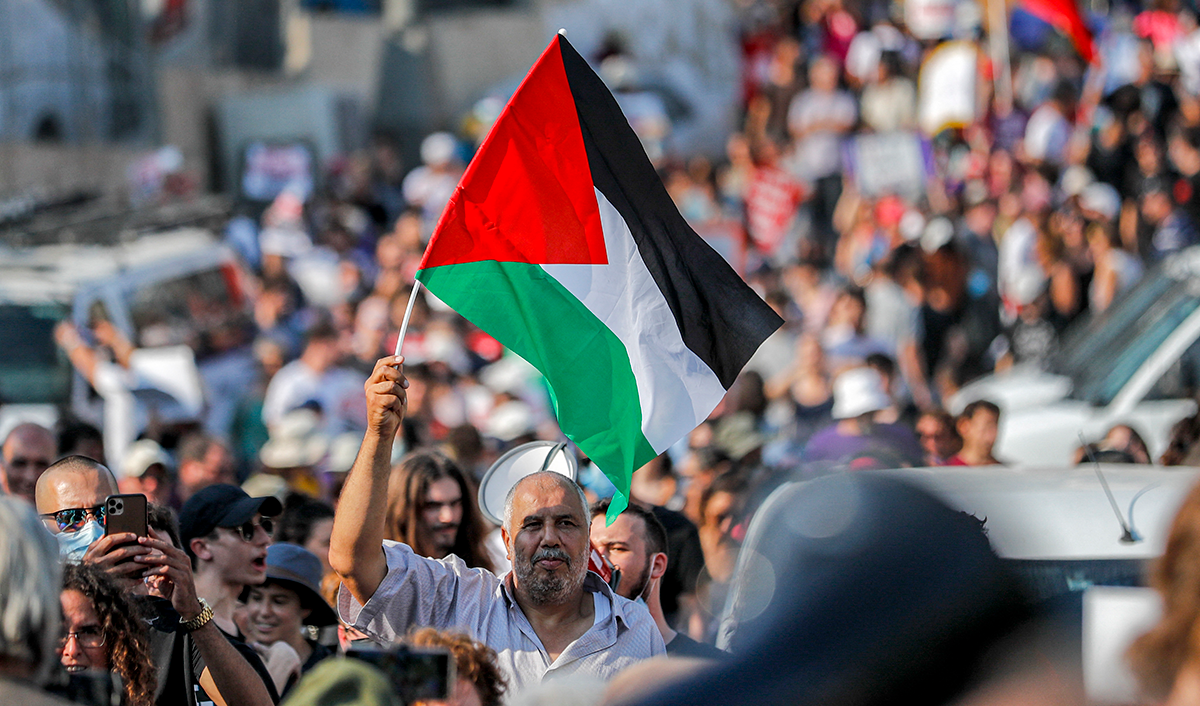
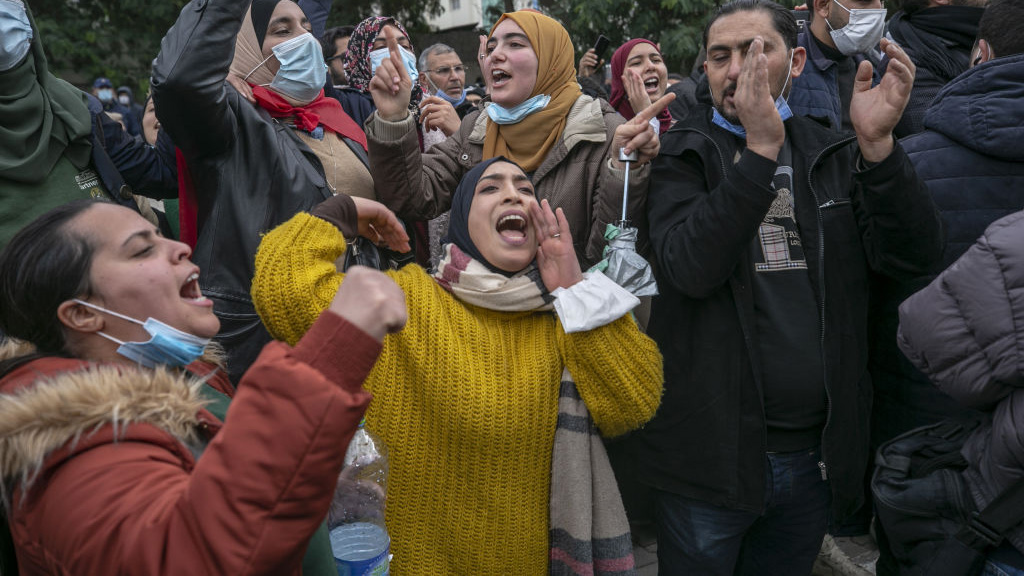
In May 2021, the world watched in horror, as Israeli police evicted the Palestinian residents of Jerusalem’s Sheikh Jarrah neighborhood against their fervid resistance. Meanwhile, another fight was raging: that of narrative power. As journalists, citizen activists, and human rights organizations attempted to document Israel’s brutal crackdown, many found their communications subject to overzealous content moderation. Key social media posts were removed from influential platforms, including Twitter, Facebook, and Instagram, precisely when those posts were most crucial.
Pro-Palestine solidarity in the UAE: A view from Emirati activists
When the normalization agreement between the UAE and Israel was announced in August 2020, the response from the heavily policed and surveilled Emirati population was — understandably — muted. Social media accounts tied to government officials, or those thought to be close to the regime, were quickly vocal and aggressive online in support of the new policy, threatening retribution for anyone who might disagree. Opposition to the policy has come from within the Emirati exile community instead.
Women’s labor force participation and COVID-19 in Jordan
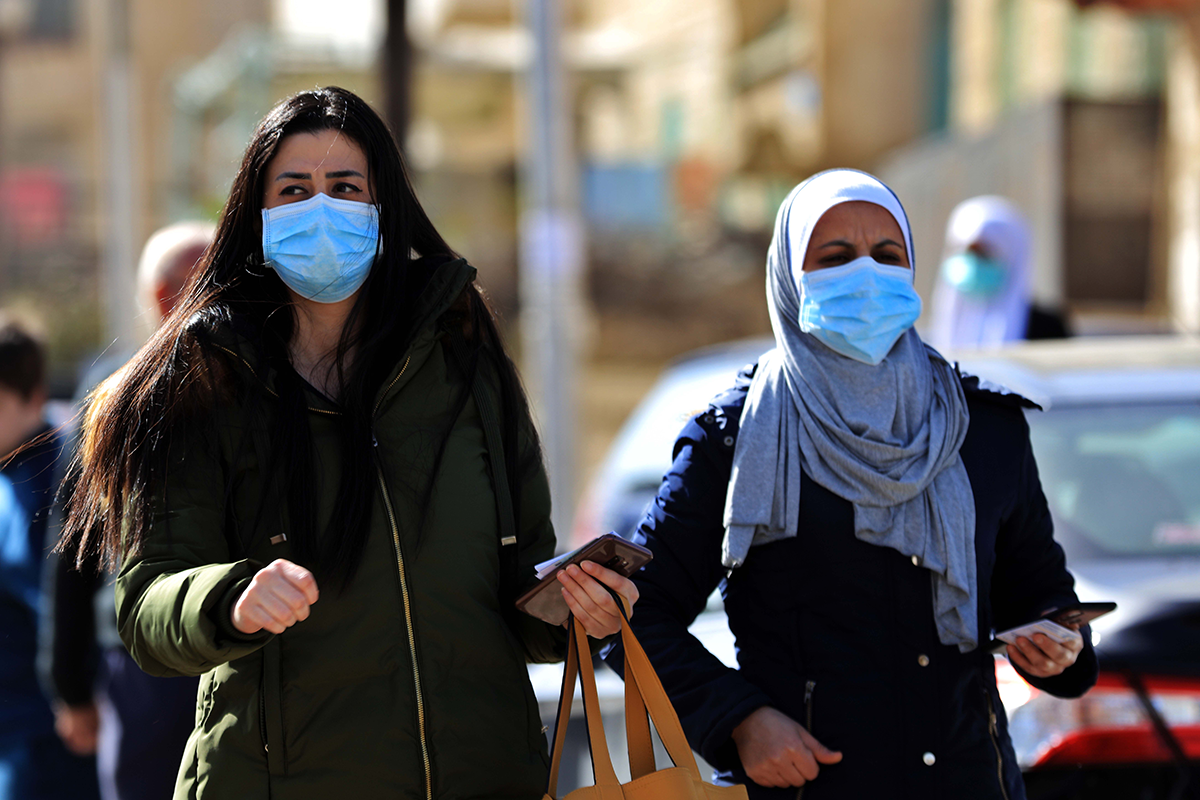
Jordan has the lowest rate of women’s economic participation of any country not at war. According to the ILO, the kingdom’s female labor force participation rate is below 15%, while that of men is about 60%. This is lower than rates of female labor force participation in neighboring Lebanon (23%), Saudi Arabia (22%), and the West Bank and Gaza (18%). As the COVID-19 pandemic stretches on, the government of Jordan should take the opportunity to expand the accessibility of remote work and corresponding opportunities for Jordanian women who aim to play a role in their nation’s economy.
Helping the Lebanese People Move Toward Recovery: Recommendations for US Policy
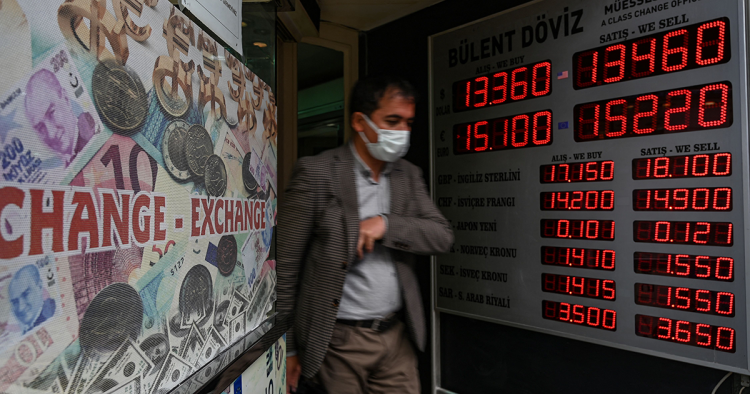
Lebanon is currently at a crossroads as the government faces the daunting tasks of rebuilding the economy, restoring public trust, and clearing the way for free and fair parliamentary elections in May of 2022. The country finds itself spiraling downward — an agreement with the IMF is yet to be realized, poverty and emigration are increasing, and there are growing threats to stability due to a failing economy and widespread corruption. Given this critical situation, it is worthwhile to review U.S. interests in Lebanon’s survival and consider key recommendations for U.S. policy to help Lebanon avoid complete collapse and help the Lebanese people move toward economic recovery, political legitimacy, and a more capable, transparent, and sovereign state.
The UAE paves way for Syria’s return to the Arab fold, but plenty of hurdles remain
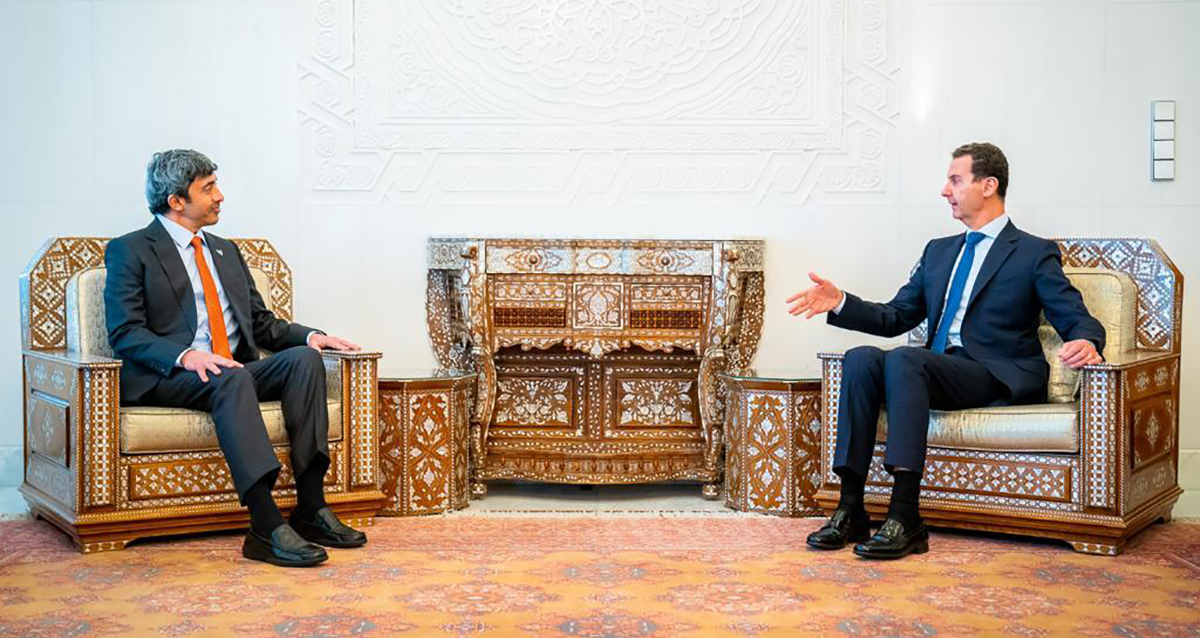
The UAE has made bold strides to normalize relations with embattled Syrian President Bashar al-Assad, opening itself up to criticism as many countries remain reluctant to reconcile with Damascus. Despite this measured reintegration of Assad into the Arab fold, many serious complications and challenges lie ahead. The most important of these is the lack of support from a hesitant Saudi Arabia, which would impede the crucial next step of Syria’s restoration to full membership in the Arab League before its upcoming summit.
Confronting climate change, Turkey needs “green” leadership now more than ever
Turkey, like all other countries, is facing the harsh reality of climate change. Last year, it experienced one of the hottest summers on record. Blistering heat waves led to widespread wildfires in the country’s southwest, affecting five times more land than normal during the summer. Though Turkey usually has large water surpluses, some areas experienced shortages due to extreme drought. Others suffered heavy flooding, leaving scores dead.
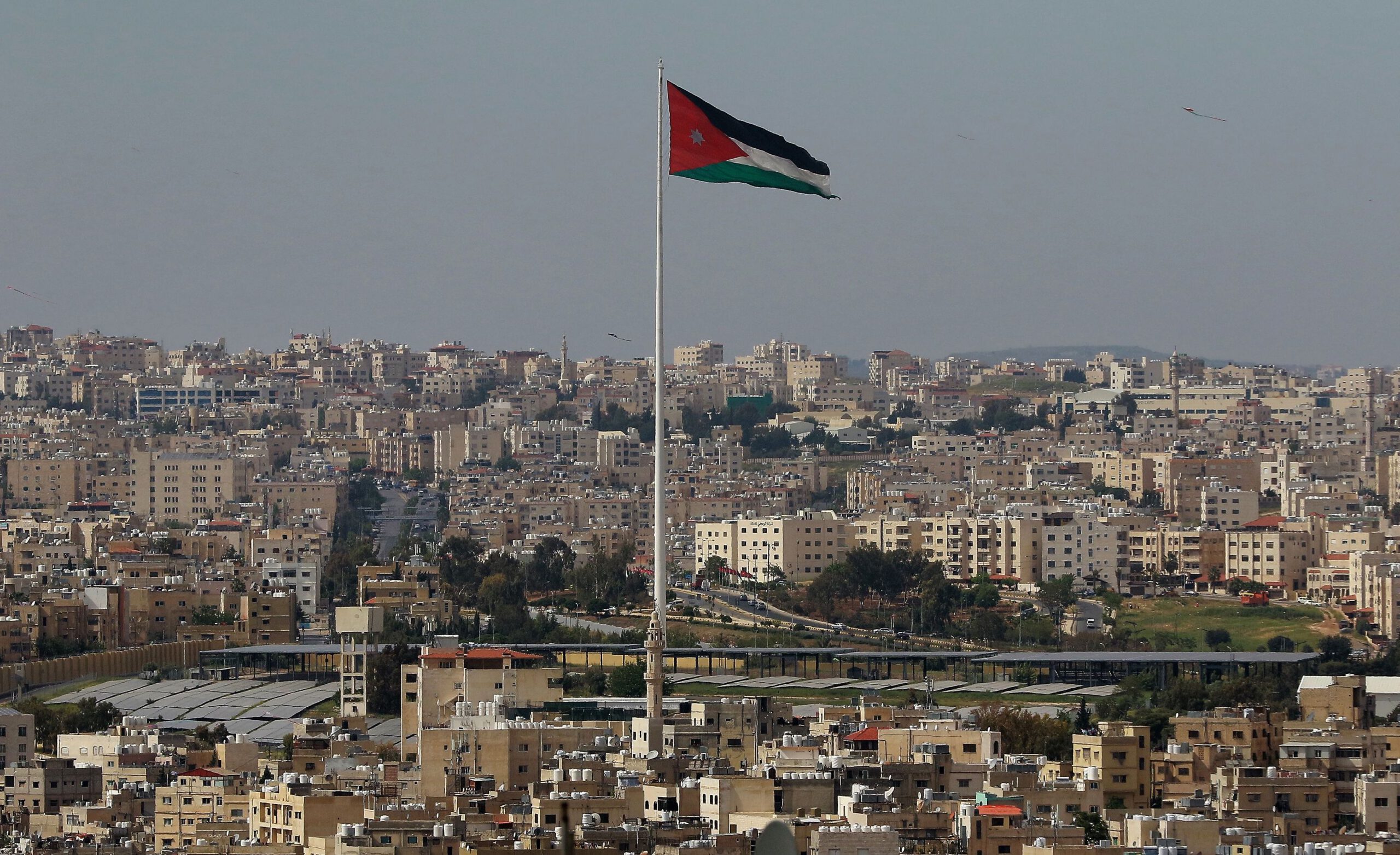
On Dec. 23, Jordanian Minister of Industry, Trade, and Supply Yousef Shamali and Russia’s Ambassador to Jordan Gleb Desyatnikov attended a ceremony to finalize a bilateral cooperation agreement on science, culture, and education. This agreement highlights Jordan’s delicate foreign policy balancing act. The government, led by King Abdullah II, will continue to work with a diverse group of countries, even those with tense relations with the West, to bolster its security and economic opportunities. Mitigating security threats and increasing business opportunities is key to political stability and the continuation of the king’s rule amid Jordan’s persistent socio-economic problems. However, the king will need to be careful not to undermine his closest allies by working with their adversaries.
Federal court ruling demonstrates limits of anti-Palestinian “lawfare”
On Jan. 6, 2022, a U.S. district court judge dismissed a lawsuit against the Palestine Liberation Organization (PLO) and the Palestinian Authority (PA) brought by the family of Ari Fuld, a dual U.S.-Israel citizen murdered in 2018 by a Palestinian teenager outside of Bethlehem in the occupied West Bank. The ruling demonstrates the strictly political nature of the lawsuit, whereby powerful interests with deep pockets use litigation and lobbying to target the PA’s finances, including foreign aid, in order to hasten its collapse, as well as the limits of this type of “lawfare” against the PA.
The attack on al-Sina Prison points to a broader ISIS resurgence
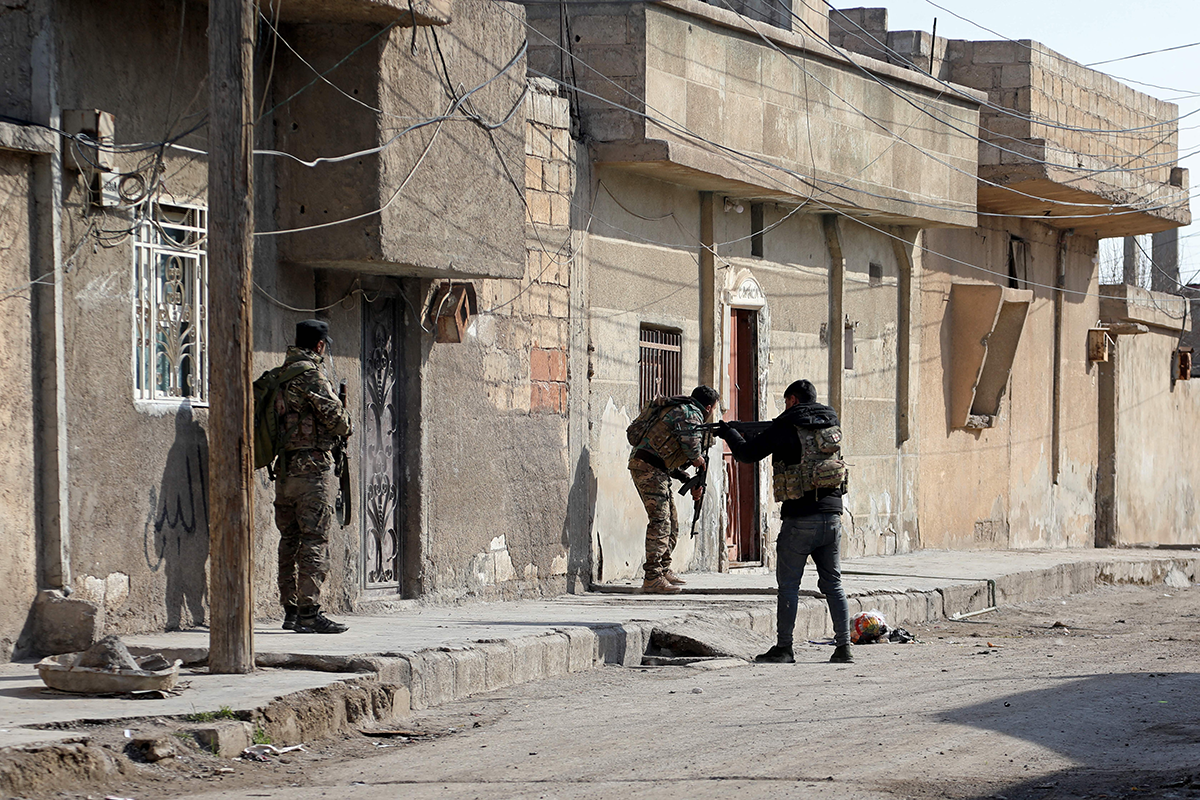
Intense fighting between the SDF and ISIS continued for the fifth day in Syria’s northeastern city of al-Hasakeh on Monday, following ISIS’s biggest attack in Syria and Iraq in three years. In the evening of Jan. 20, as many as 200 ISIS militants, many wearing suicide belts, launched a coordinated multi-axis assault on al-Sina Prison, shortly after detonating two car bombs parked along the exterior walls of its northern wing. In the chaos that ensued, SDF vehicles were seized and used to break through secure walls, clearing the way for hundreds of ISIS detainees to escape.
Back to basics? Lebanon’s critical role in Biden’s Middle East
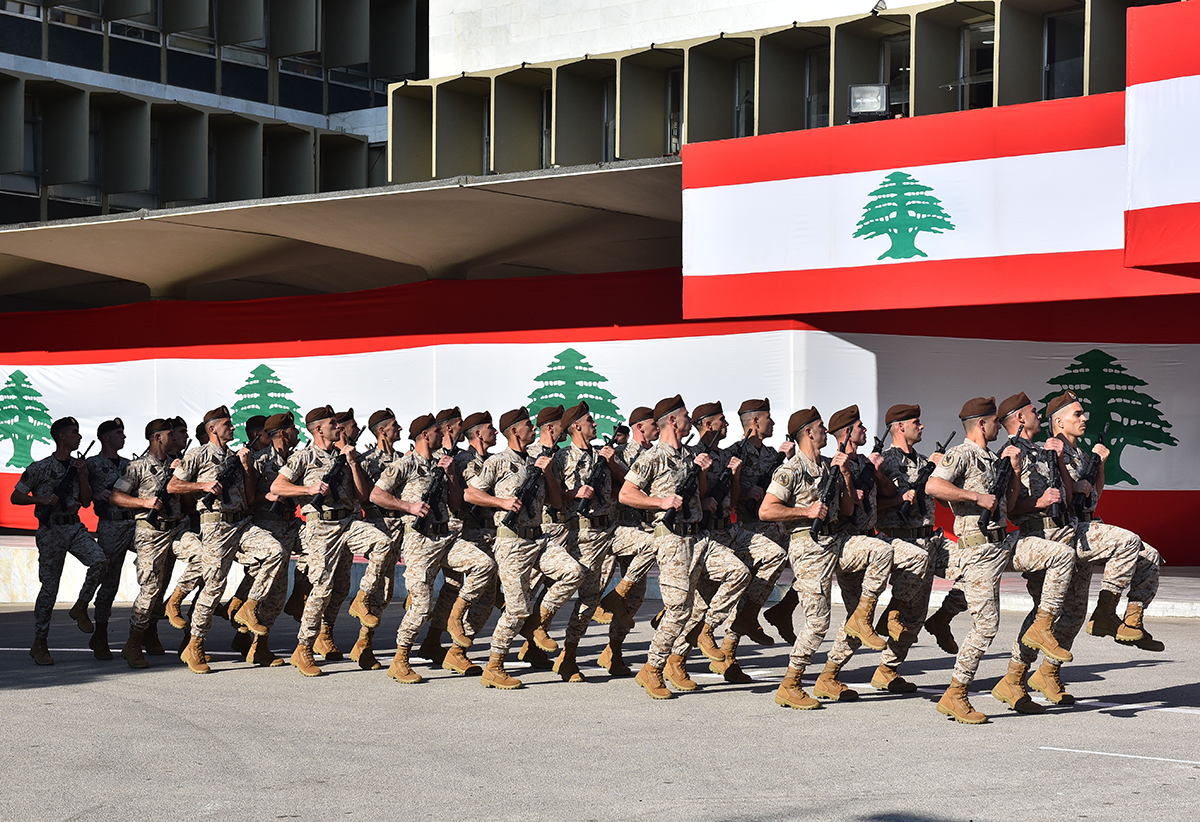
In the past several months, Biden administration officials have been pushing back against an encroaching narrative that the United States has abandoned the Middle East. But deepening partnerships built on a shared threat are not enough to assuage the concerns of all valuable allies in the region given the increasing perceptions of U.S. unreliability. To address these concerns, the U.S. needs to identify positive nexuses across policy priorities as well. One ripe option in this frame is Lebanon, where the United States has a reliable and long-standing partner in the Lebanese Armed Forces.
Eliza Campbell and Emerson T. Brooking discuss the Israeli government’s suppression of Palestinian online speech and activism, the surprising role that American social media companies play in the process, and their recent article for Foreign Policy, “How to End Israel’s DIgital Occupation.”
Strong Turkey-Ukraine ties are key to Black Sea security
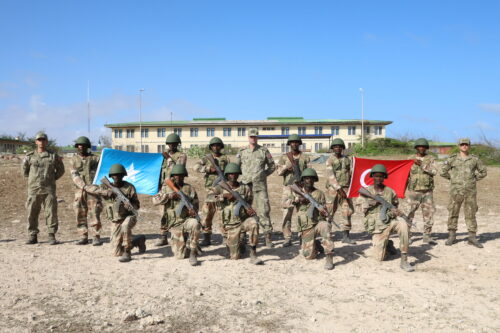
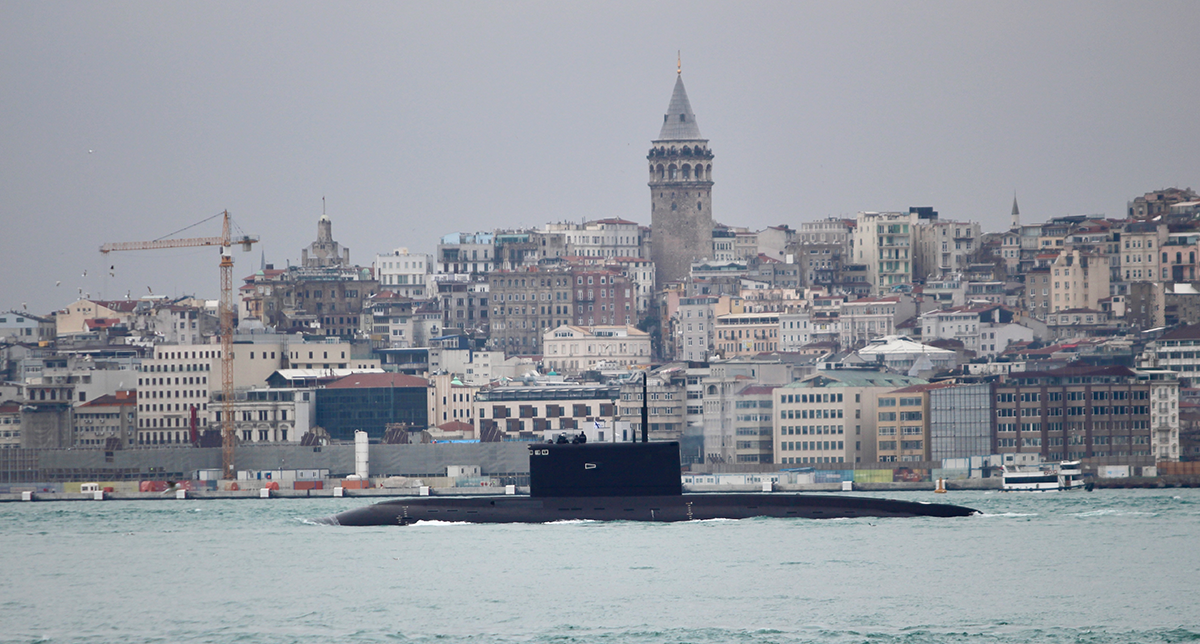
On Jan. 6, 2019, the eve of Orthodox Christmas, the Ecumenical Patriarchate in Istanbul awarded a decree of independence, known as a tomos, to the then-newly established Orthodox Church of Ukraine — a milestone in the country’s history. The move reversed a 1686 decision that had transferred jurisdiction over Kyivan Orthodox churches to Moscow. After 333 years, however, it’s not only the faithful who have changed their direction from Moscow toward Istanbul. Ukraine and Turkey are strengthening their strategic partnership by deepening their cultural, political, military, and economic cooperation.
The oldest peer-reviewed publication dedicated to the study of the modern Middle East, MEI’s flagship journal covers politics, society, and culture in the region.