Unlocking the Levant: Why the United States and Syria Must Pursue a Bilateral Trade and Investment Agreement
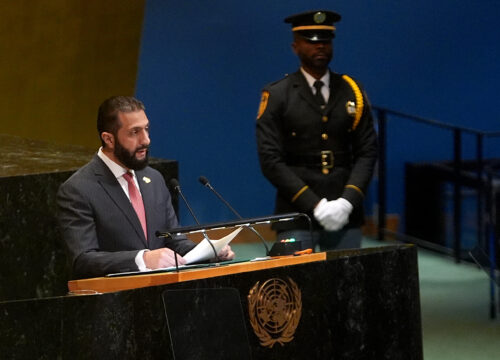
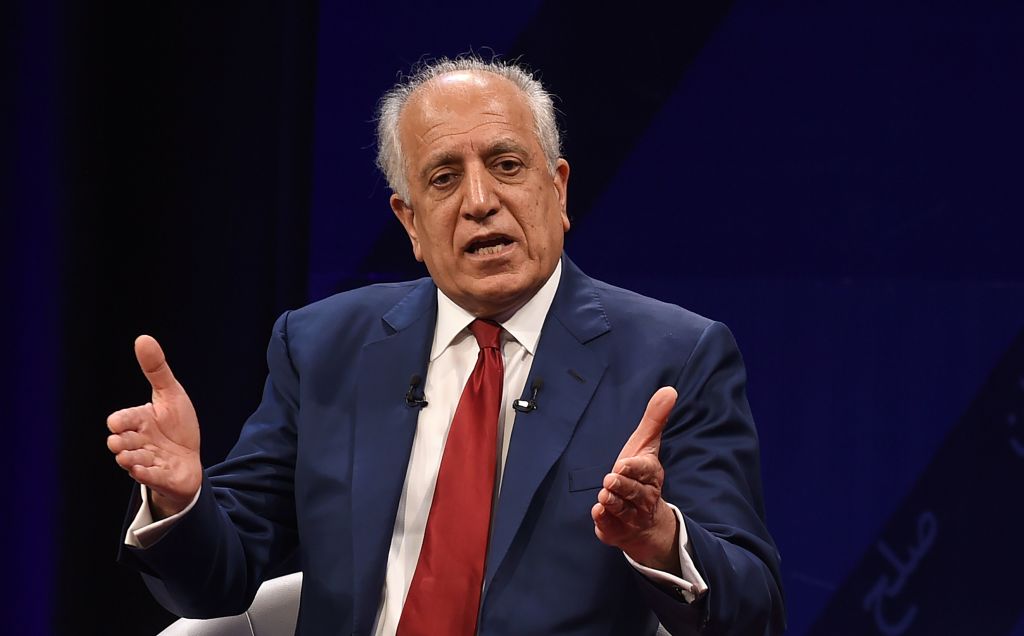
Apart from the brief honeymoon period between 1961 and 1963 under President John F. Kennedy and President Nazim al-Qudsi, US-Syria relations have never held such optimistic potential as they do today. Today, following the fall of Bashar al-Assad regime and the rise of a new government under President Ahmad al-Sharaa at the end of 2024, a new geopolitical window has opened.
Consolidating Sovereignty, Security and Peace: Time to Step up the Game
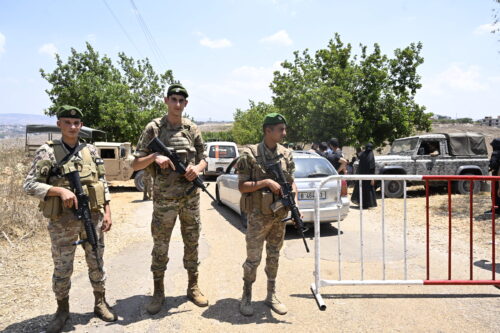
Although it has been a frustrating summer, Lebanon remains on the right track. My observation after a ten-day visit to Beirut and Jerusalem this month is that leaders in both capitals remain strongly committed to a shared objective.
Definitional doom: How Iran and Israel derail legal application in cyberspace
Despite the importance of cyberattacks, little has been written about the relationship between these attacks and the applicable law. States are still struggling with controversies involving definitions, even though there is wide applicability of both laws and norms in this context. As a result, cyberspace remains relatively anarchic and the continued controversies have impeded further progress. Although the global discussion has only just begun, it is clear that the rising prevalence of state-led cyber operations warrants a thoughtful, innovative, and immediate regulatory response. Pressure has been building on the governments of the Middle East to join the conversation as their relevance and power in the cyber domain grows.
“الحرب الخفية بين إيران وإسرائيل تدور رحاها الآن في الميادين الثلاثة: الجوي والبري والبحري. لكن نتيجتها ستُحسم في نهاية المطاف في ميدان الدبلوماسية والسياسة، وبشكل أساسي من خلال خيارات السياسة الأمريكية”.
A decade on, the Syrian crisis is far from over and the US must step up
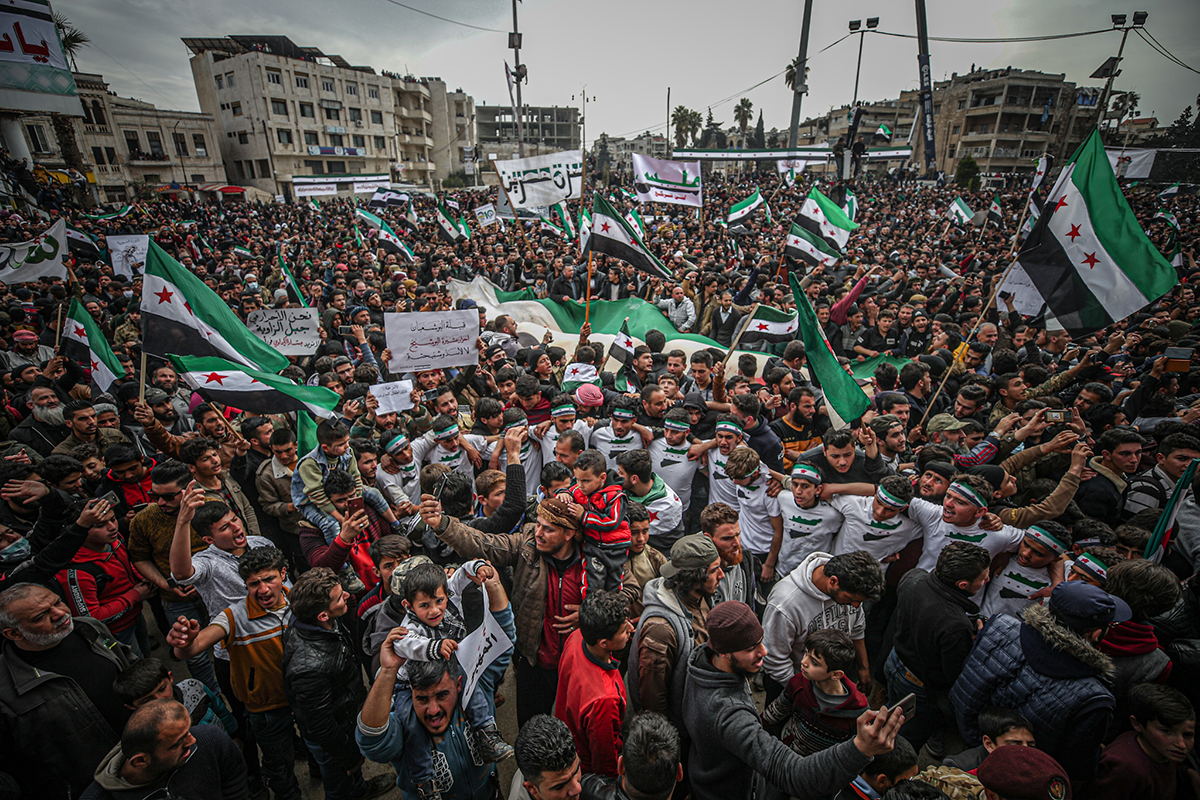
As Syrians mark the 10-year anniversary of the 2011 uprising this week, it remains inescapably true that the country’s debilitating crisis is far from over. After a decade of conflict that was initiated and driven by an utterly ruthless regime and reinforced and diplomatically protected by its Russian and Iranian allies, Syria is broken.
ISIS and the Assad regime: Strategy and counter-strategy in Syria’s Badia
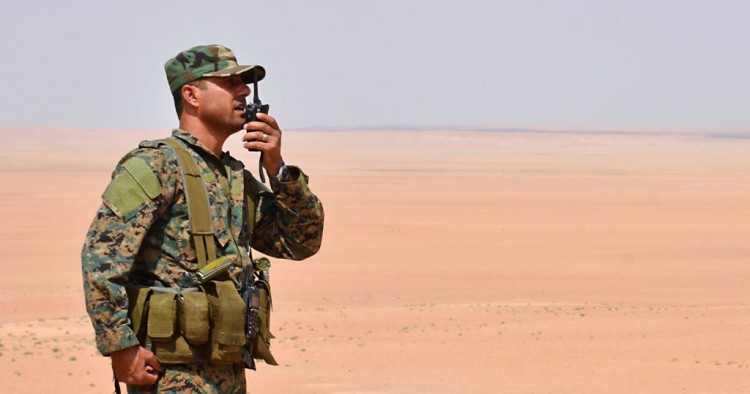
It has been more than a month since the launch of military operations by Syrian regime forces and their allies, with air support from the Russian air force, in the Syrian Badia — the country’s expansive central desert region — in an attempt to eliminate ISIS cells deployed there. To date, however, these operations have not yielded any tangible results.
"داعش" والنظام الاستراتيجية والاستراتيجية المضادة في البادية
مضى قرابة الشهر على العمليات العسكرية التي تشنها قوات النظام السوري وحلفائها، بدعم جوي من الطيران الروسي في البادية السورية، في محاولة للقضاء على خلايا تنظيم “داعش” المنتشرة في تلك المناطق، لكن تلك الهجمات لم تُثمر عن نتائج تذكر حتى اللحظة.
الهجمات العسكرية للقوات المعادية للتنظيم لم تتغير على الصعيدين العملياتي والاستراتيجي، فقد اقتصرت على عمليات توغل لقوات برية بأسلحة خفيفة ومتوسطة، بغطاء جوي من طائرات حربية روسية تُمهد بعمليات قصف جوي، وطائرات مروحية مرافقة للقوات المتقدمة برياً تحسباً لهجمات التنظيم الدفاعية.
“The war of hunger … scares me more than the war of cannons”: As inflation soars, Syria’s economy spirals downward
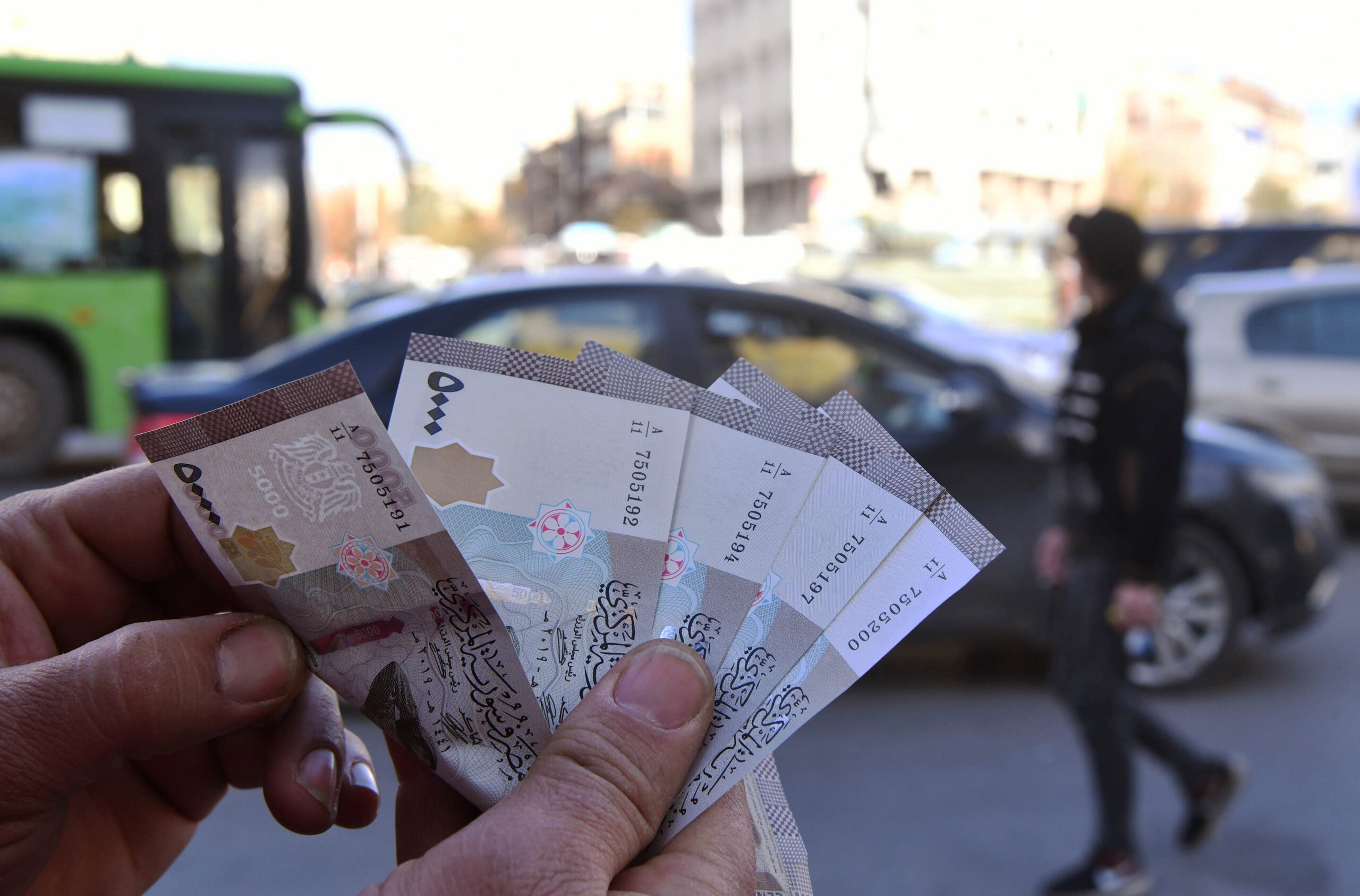
As the Syrian conflict reaches its 10-year anniversary, the economic consequences of a decade of war have been nothing less than catastrophic. Instability and inflation are likely to remain major problems over next 10 years — and possibly well beyond — but for now they have created a new level of despair in government-held areas. The Syrian economy has entered its most fragile phase yet and the prospects of a serious recovery remain all but a distant hope as the fiscal challenges confronting the country far outweigh the meagre remedies on offer.
The Biden Administration and the Middle East: Policy Recommendations for a Sustainable Way Forward
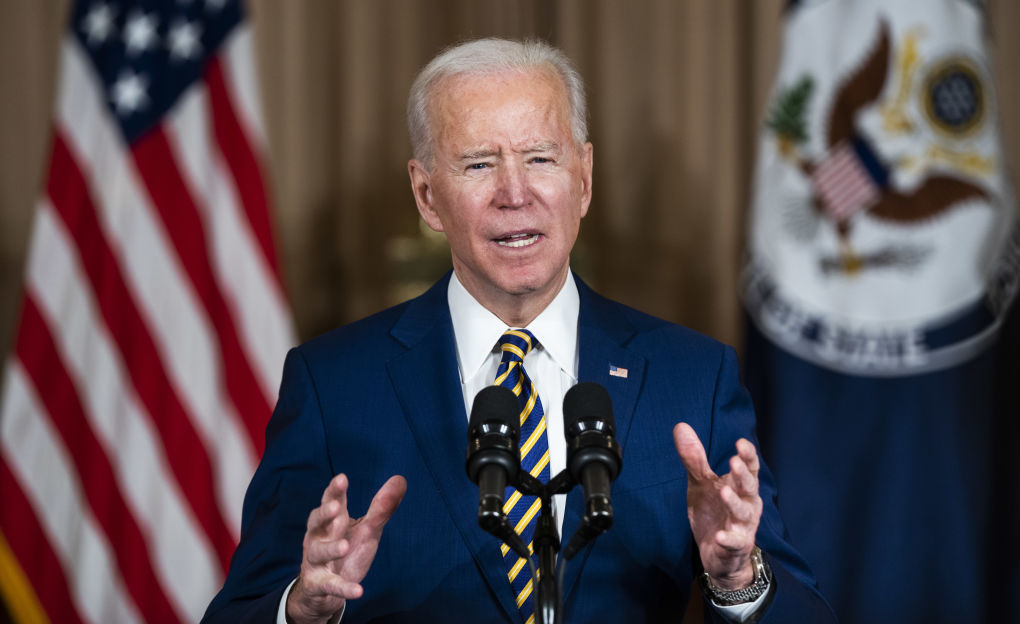
In a new policy briefing book, entitled The Biden Administration and the Middle East: Policy Recommendations for a Sustainable Way Forward, MEI scholars tackle a large number of country-specific and region-wide issue areas, laying out both the abiding U.S. interests and specific recommendations for Biden administration policies that can further U.S. interests amid a region in turmoil.
يستضيف إبراهيم الأصيل في هذه الحلقة مدير برنامج في معهد الشرق الأوسط كريس أبي نصايف للحديث عن إطلاق برنامج لبنان ومناقشة آخر التطورات في لبنان والدور الدولي المحتمل. — Ibrahim Al-Assil Chris Abi Nassif
An unequal present and future in a COVID-19 world: The pandemic’s impact on refugee women in Lebanon
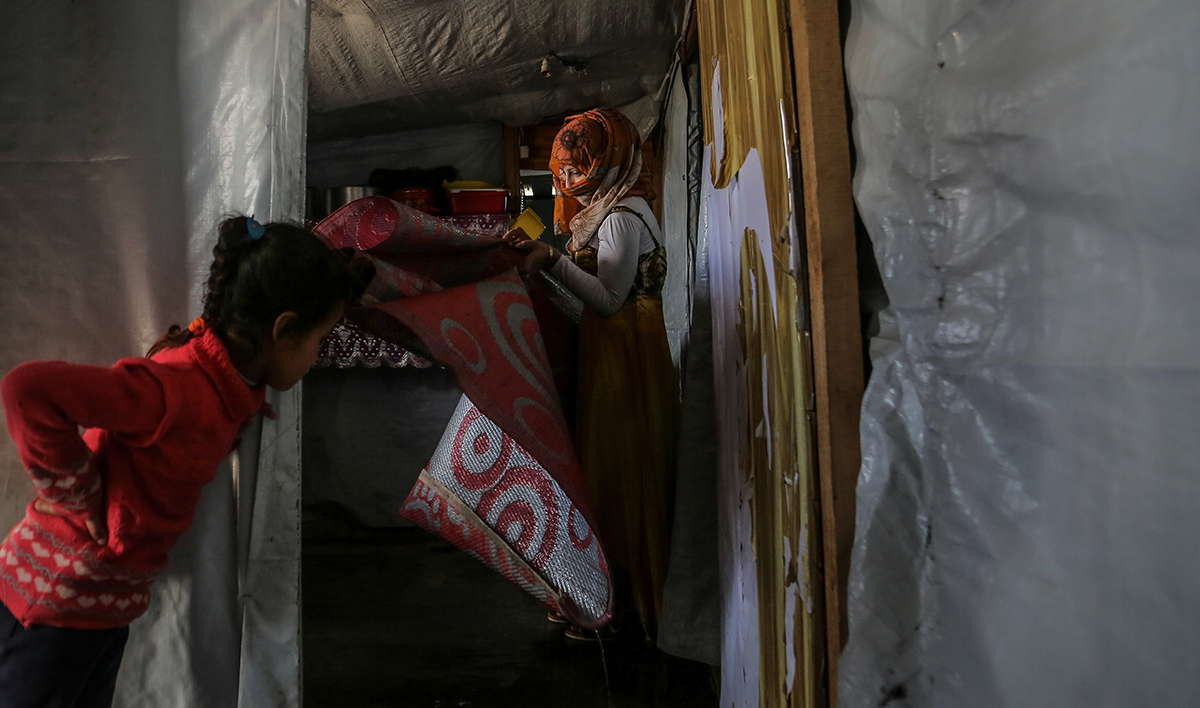
March 8 marks International Women’s Day and this year’s theme is “Women in Leadership: Achieving an Equal Future in a COVID-19 World.” However, refugee women and girls in Lebanon remain far behind the aspirations of the U.N.’s theme. This difficult situation is unlikely to change unless Lebanon ends its discriminatory policies toward refugees.
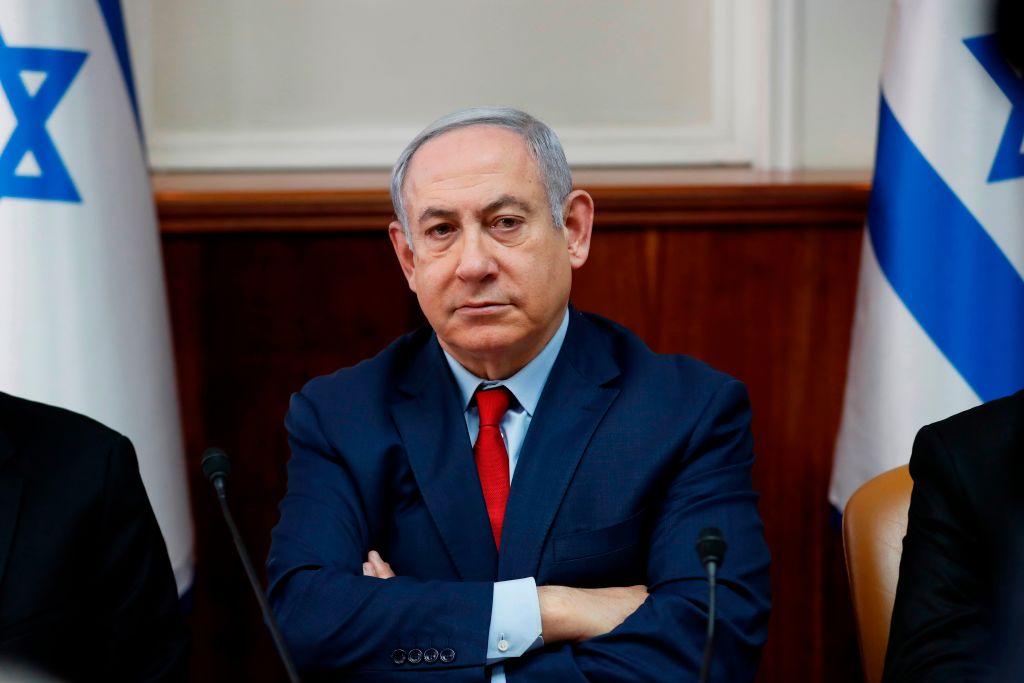
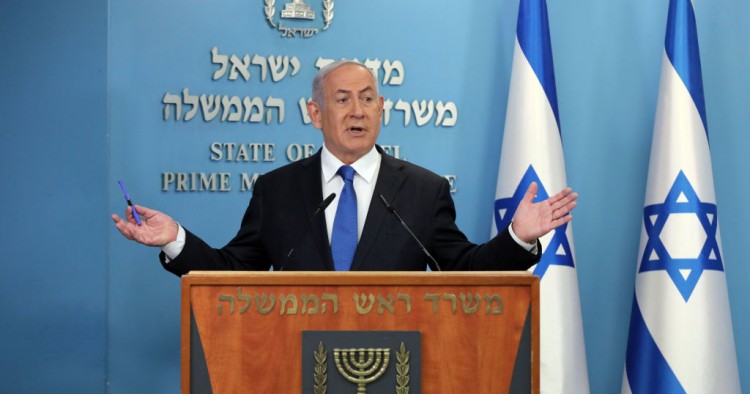
The understandings reached between Washington and Jerusalem half a century ago establish the critical context for the Biden administration’s current effort to restore the JCPOA, which Israeli Prime Minister Benjamin Netanyahu fiercely opposed during its adoption by the U.N. Security Council in July 2015 and which he still bitterly contests today.
The oldest peer-reviewed publication dedicated to the study of the modern Middle East, MEI’s flagship journal covers politics, society, and culture in the region.