
Reflections on a Diplomatic Career in the Middle East: A Conversation With Ambassador Yael Lempert
Brian is joined by Amb. (ret.) Yael Lempert, Vice President for Outreach at MEI, to discuss her career in diplomacy and the importance of US diplomatic efforts abroad. She shares stories from postings across the Middle East in Baghdad, Cairo, Tripoli, Jerusalem, and Amman and examines how her personal and professional experiences shaped her approach to the work. Together, Brian and Yael discuss the realities of life in the Foreign Service, the core tenets of American diplomacy, and why it matters in today’s Middle East.
The New Old Middle East
In many ways, the U.S.-Israeli war against Iran and the war in Gaza that preceded it seem transformative. After decades of shadow warfare, Iran and Israel have now attacked each other’s homelands directly. And Israel and the United States have joined forces in a genuinely novel way to wage war against Iran.
Get updates from the Middle East Institute
Featured Experts






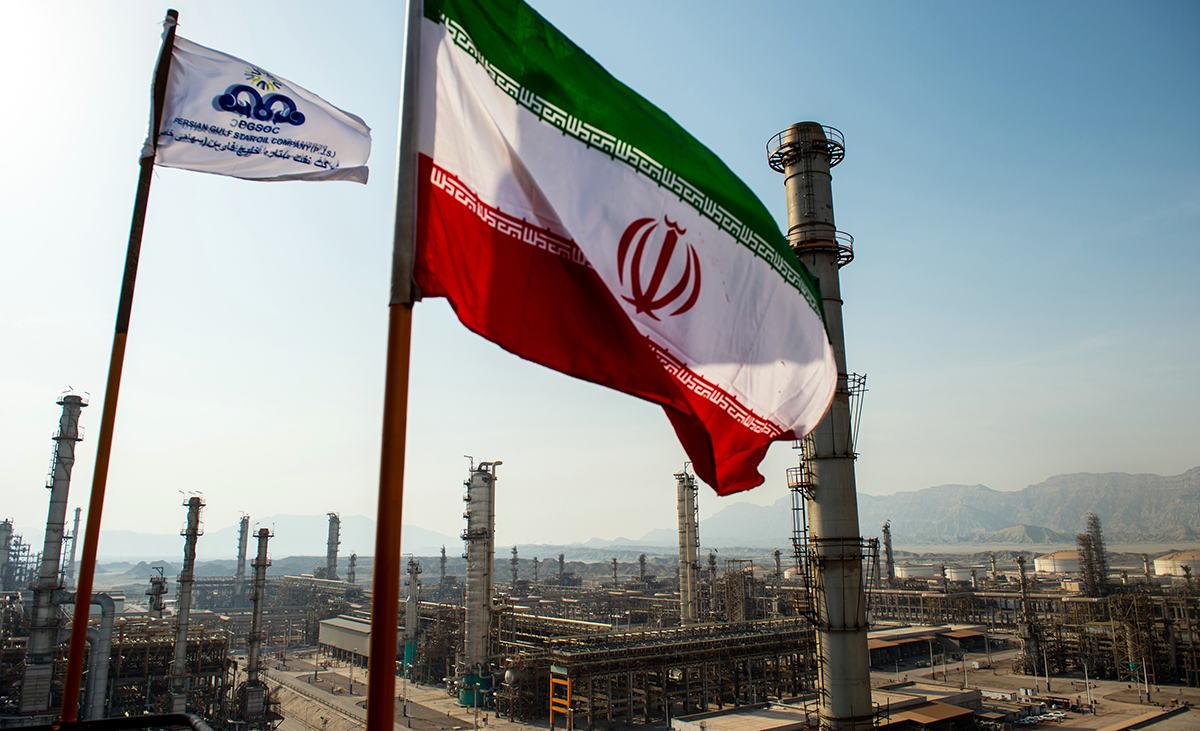
The extraordinary risk of targeting regional energy assets
A cycle of retaliation against energy assets, though far from a guaranteed outcome, would be to the detriment of all and the benefit of none.
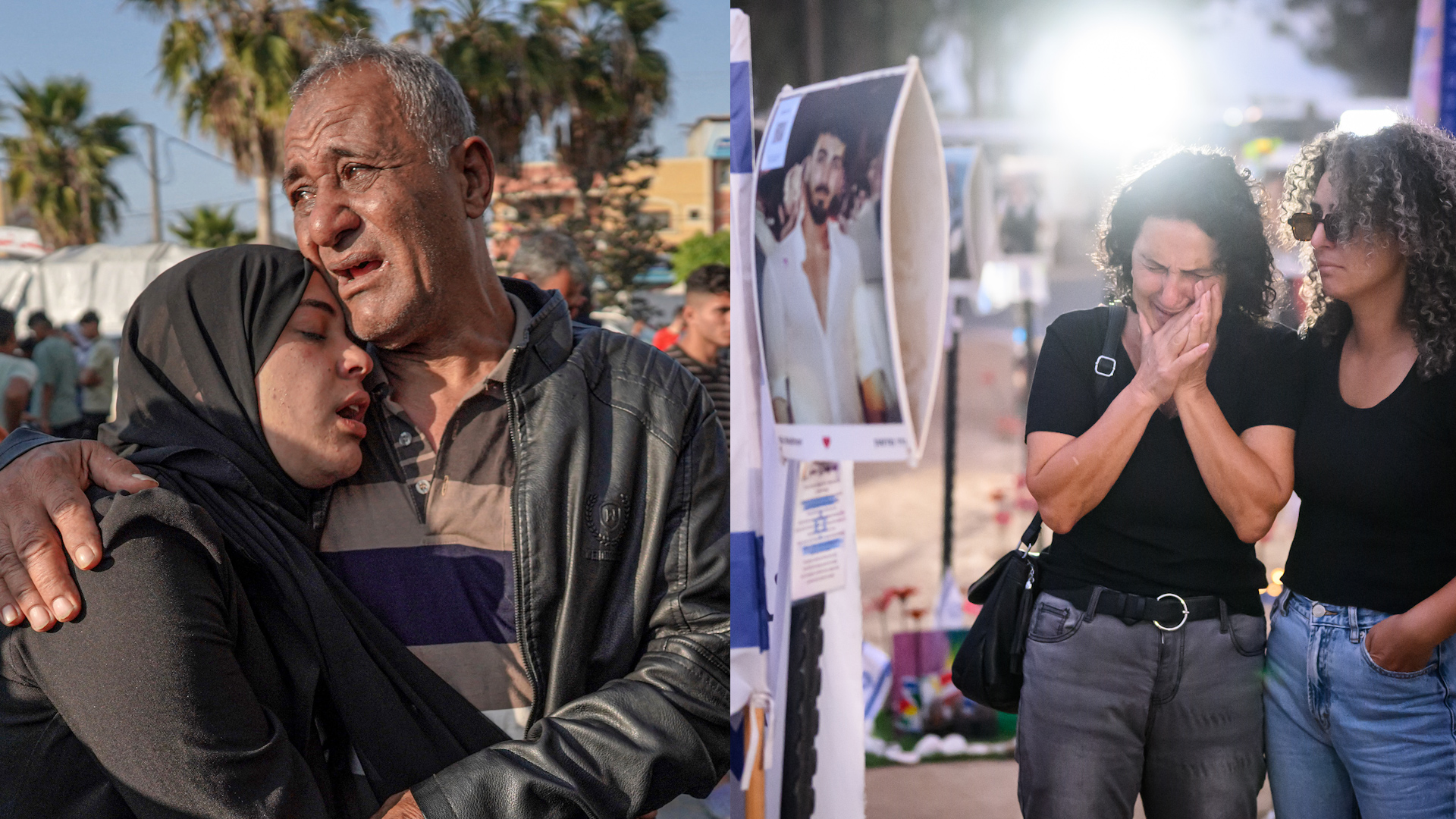
Special Briefing: A year of after-shocks since Oct. 7
Read MEI’s weekly briefing featuring expert analysis of key regional developments for the week ahead.
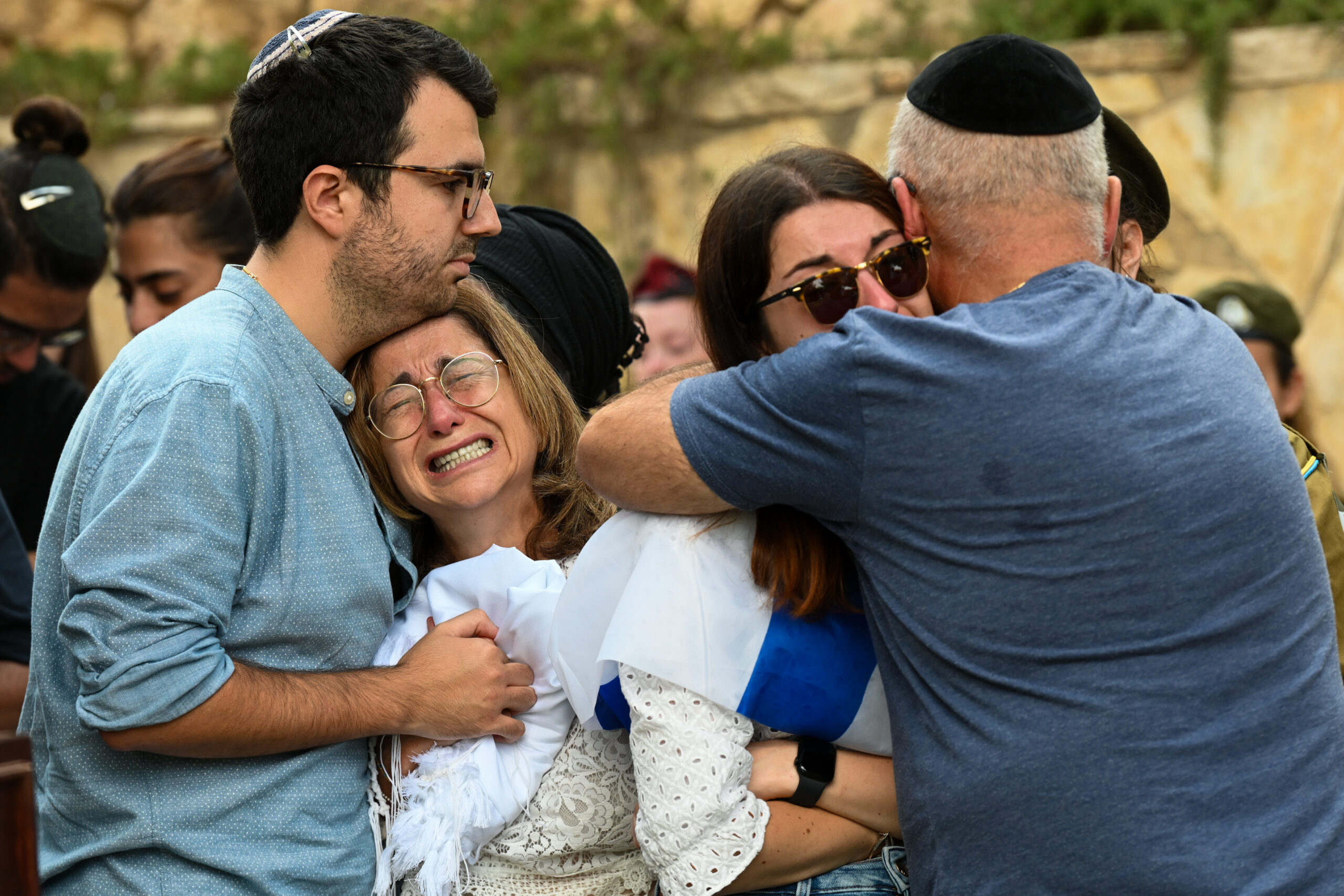
One year on, Israeli society still grapples with Oct. 7
Israeli society still seeks to fully understand what happened on October 7, while many in Israel yearn for a new and trustworthy political leadership
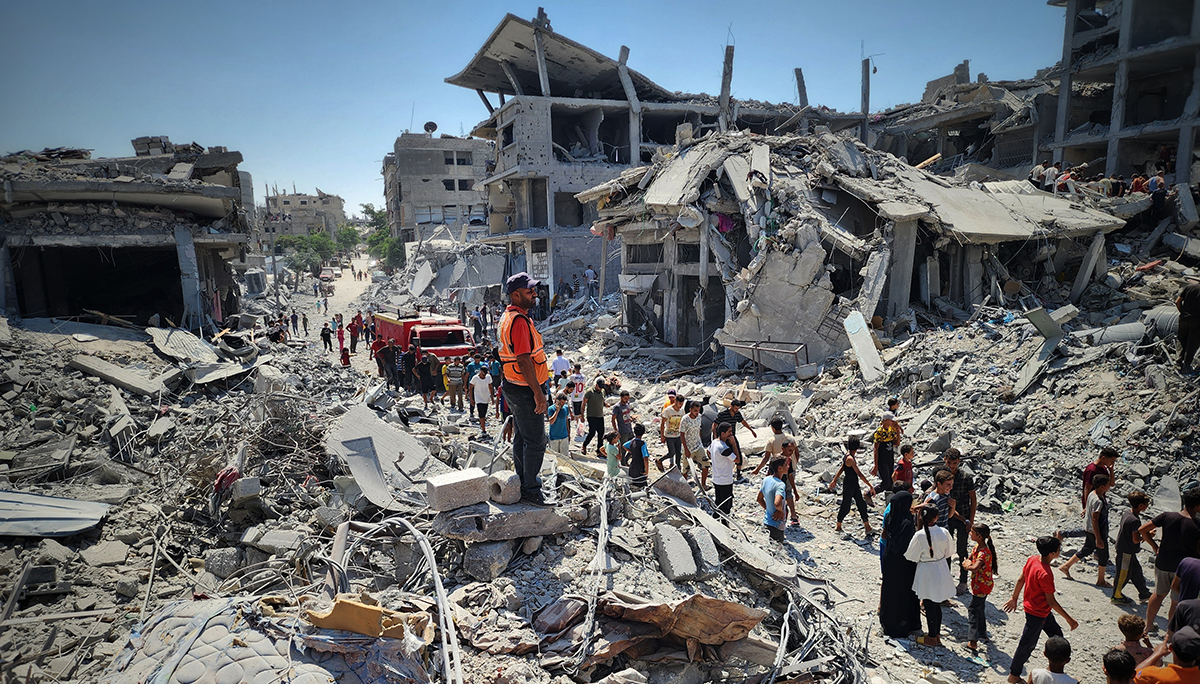
Understanding Gaza: Lessons for the "day after" and beyond
The devastating details of what has happened in Gaza since the war started have been widely covered. Absent from the discussion, however, are questions about what led to the war, what went wrong on the policy front, and, more importantly, whether this man-made tragedy could have been averted. Without understanding Gaza, plans for the “day after” may very well result in the further mismanagement of the already devastated enclave.
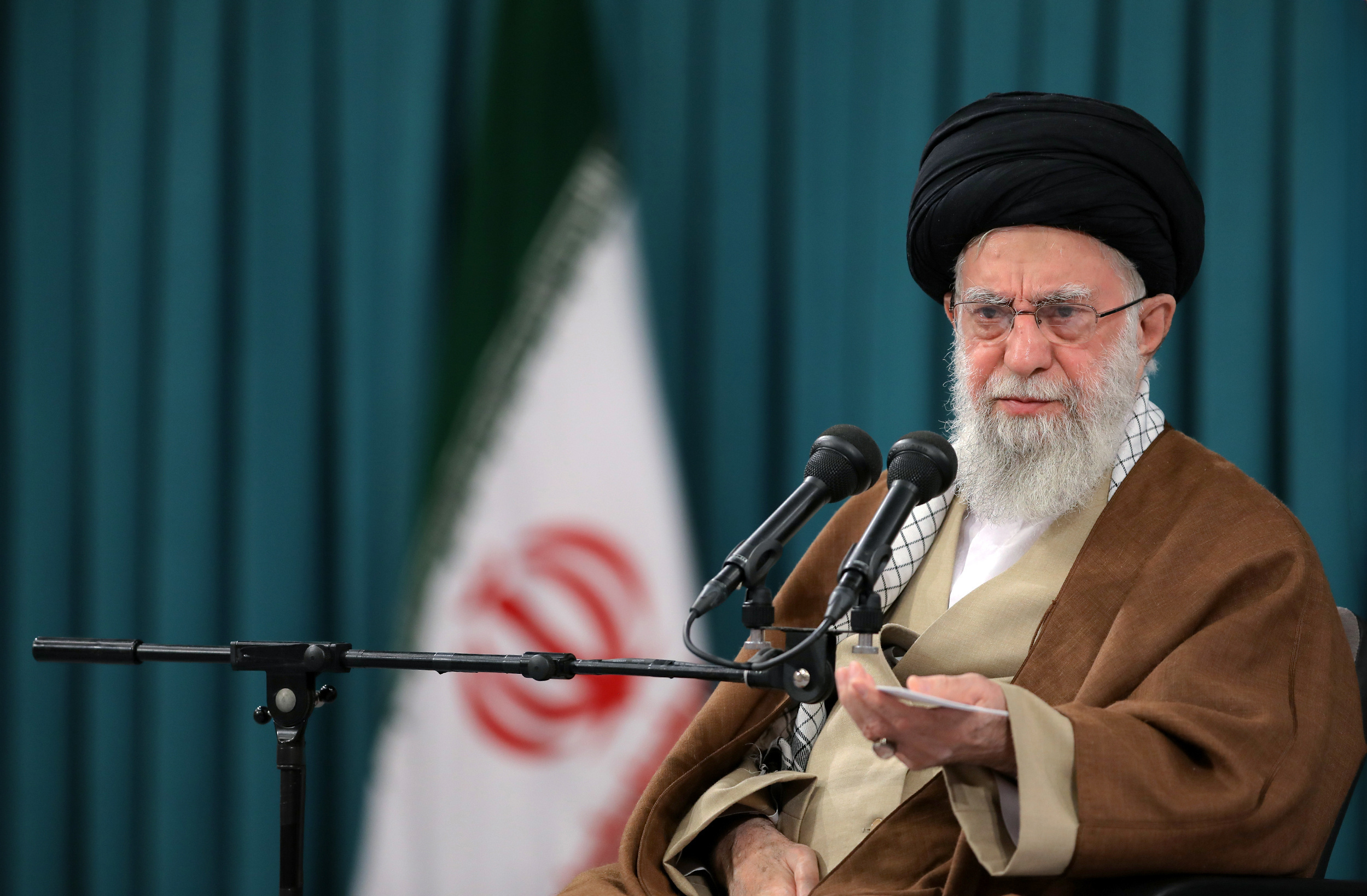
Iran will feel Israel’s wrath like never before
After Iran’s second direct missile attack on Israel in less than six months, all eyes are on Israel’s next move. Reports suggest that Jerusalem plans a massive revenge that might include striking Iran’s oil and nuclear facilities and other strategic sites.
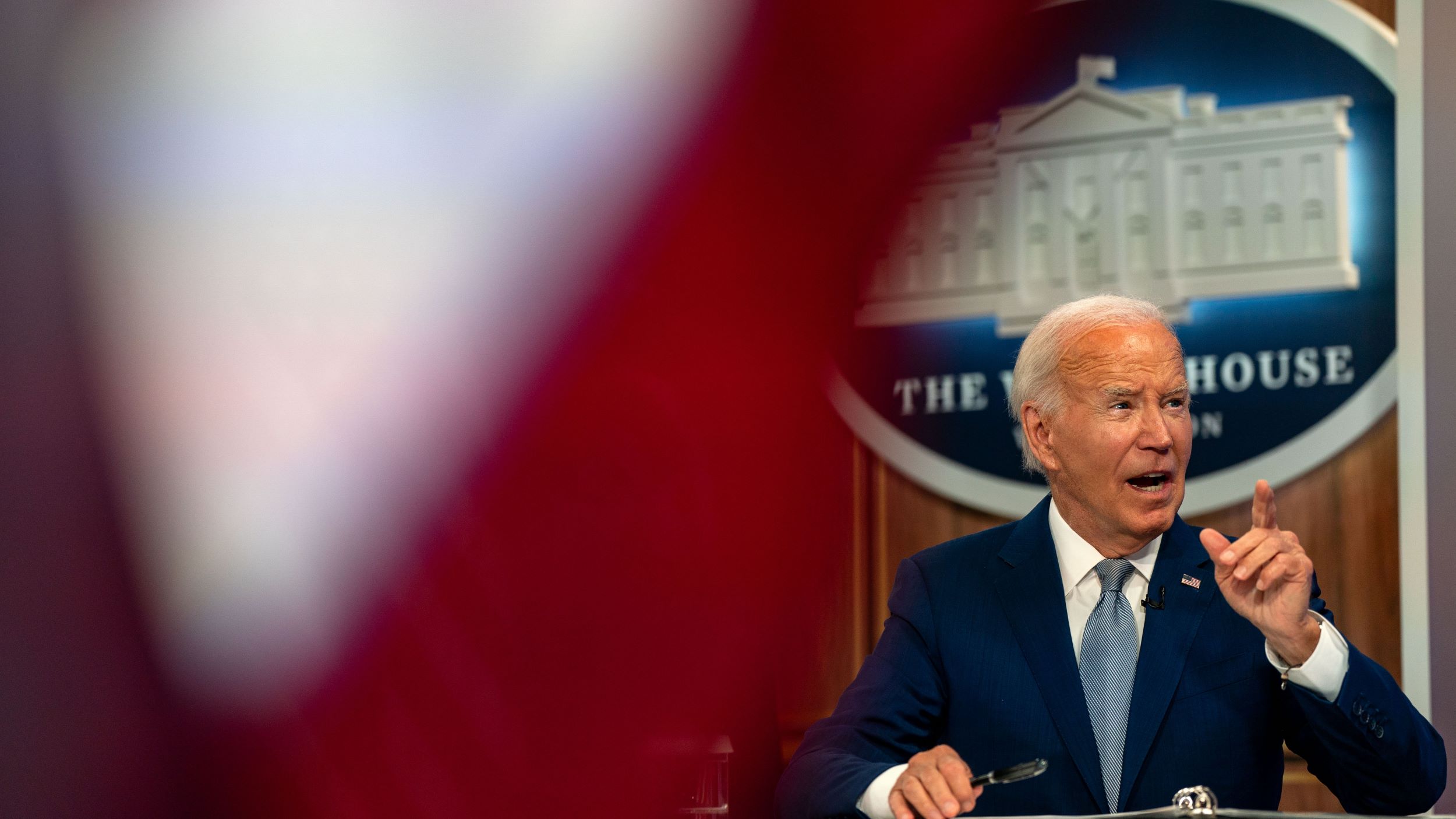
America’s Strategic Drift in the Middle East: An Assessment of the Biden Administration’s Policy One Year Into the Israel-Hamas War
The United States is trapped in a reactive Middle East policy approach of its own making one year into a regional war that continues to expand.

Special Briefing: Nasrallah killing reshapes the regional power balance
Expert regional analysis by MEI scholars and contributors.
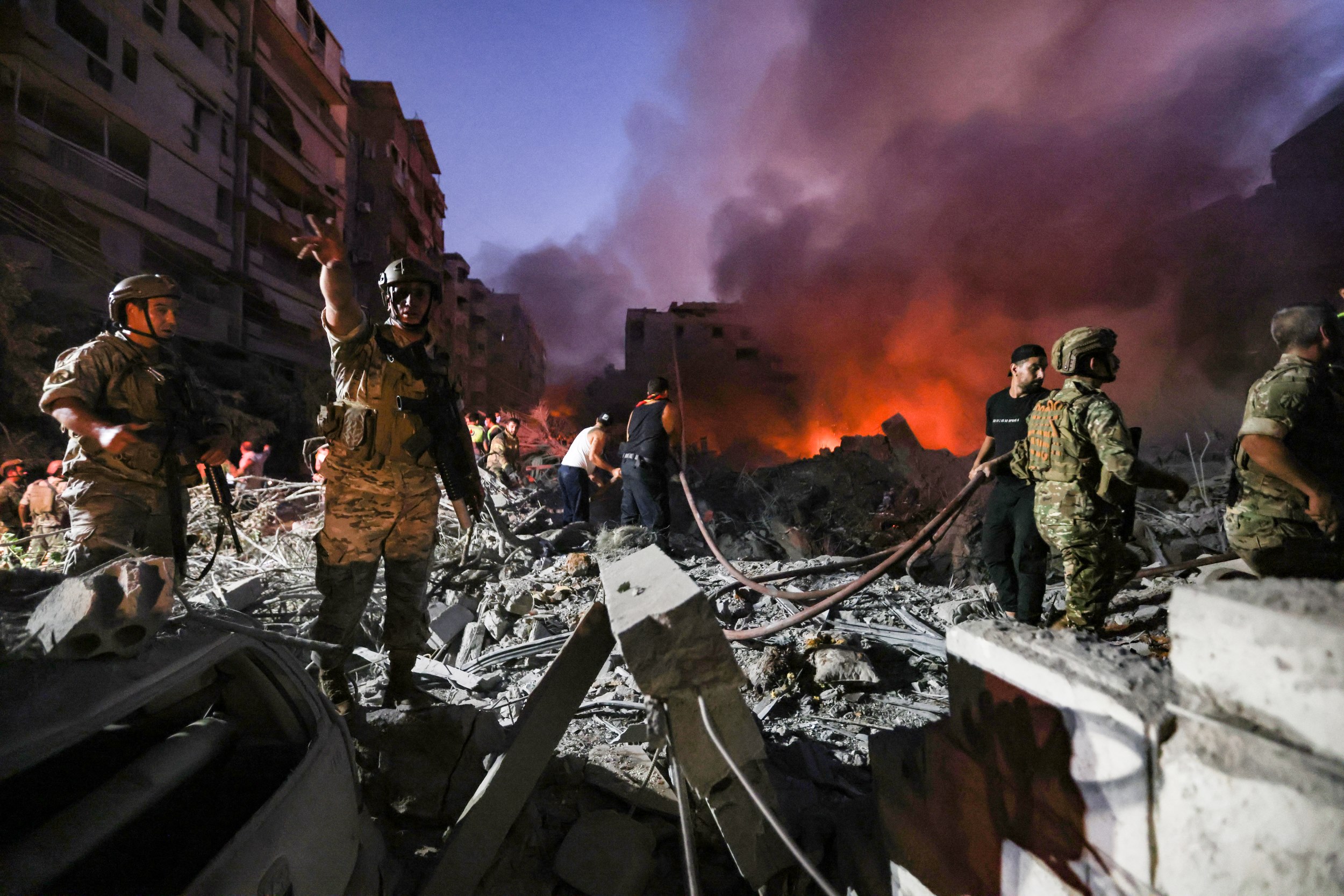
A tectonic shift in the Middle East
The killing of Hezbollah Secretary-General Hassan Nasrallah along with the rapid degradation of Hezbollah’s power over the past two weeks signals a tectonic shift in the Middle East.

Comparing Harris and Trump on Middle East Policy
The two leading presidential candidates in America’s 2024 election have made statements and established track records on the Middle East based on their time in office. This document aims to highlight the most important and reliable positions staked out by former President Donald Trump and current Vice President Kamala Harris.
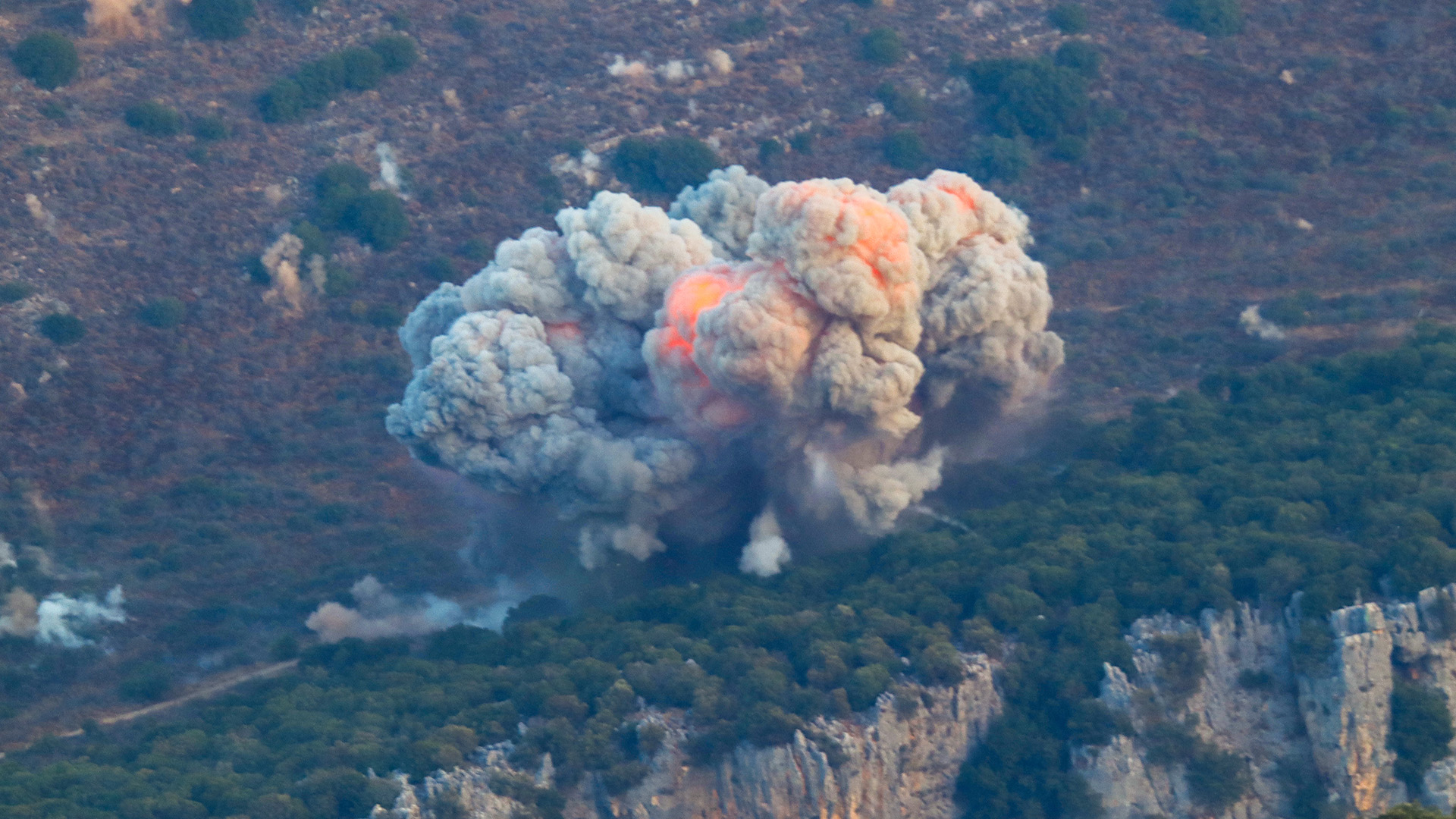
Special Briefing: The war comes to Lebanon
Expert regional analysis by MEI scholars and contributors.

Defense Rapid Reaction: Israel expands its war aims to neutralize Hezbollah
In the latest installment of the Defense Rapid Reaction series, experts from MEI’s Defense & Security Program provide their views on the likely evolution of the Israeli-Hezbollah war, the potential for the conflict to draw in outside actors, as well as the impact of the war on global terrorist recruitment and appeal for extremist activities.
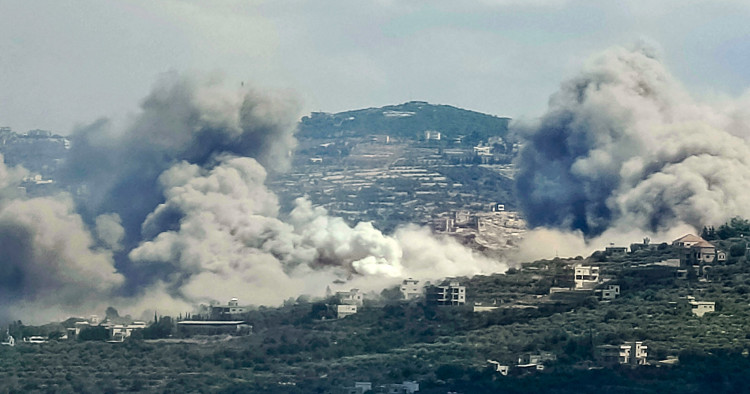
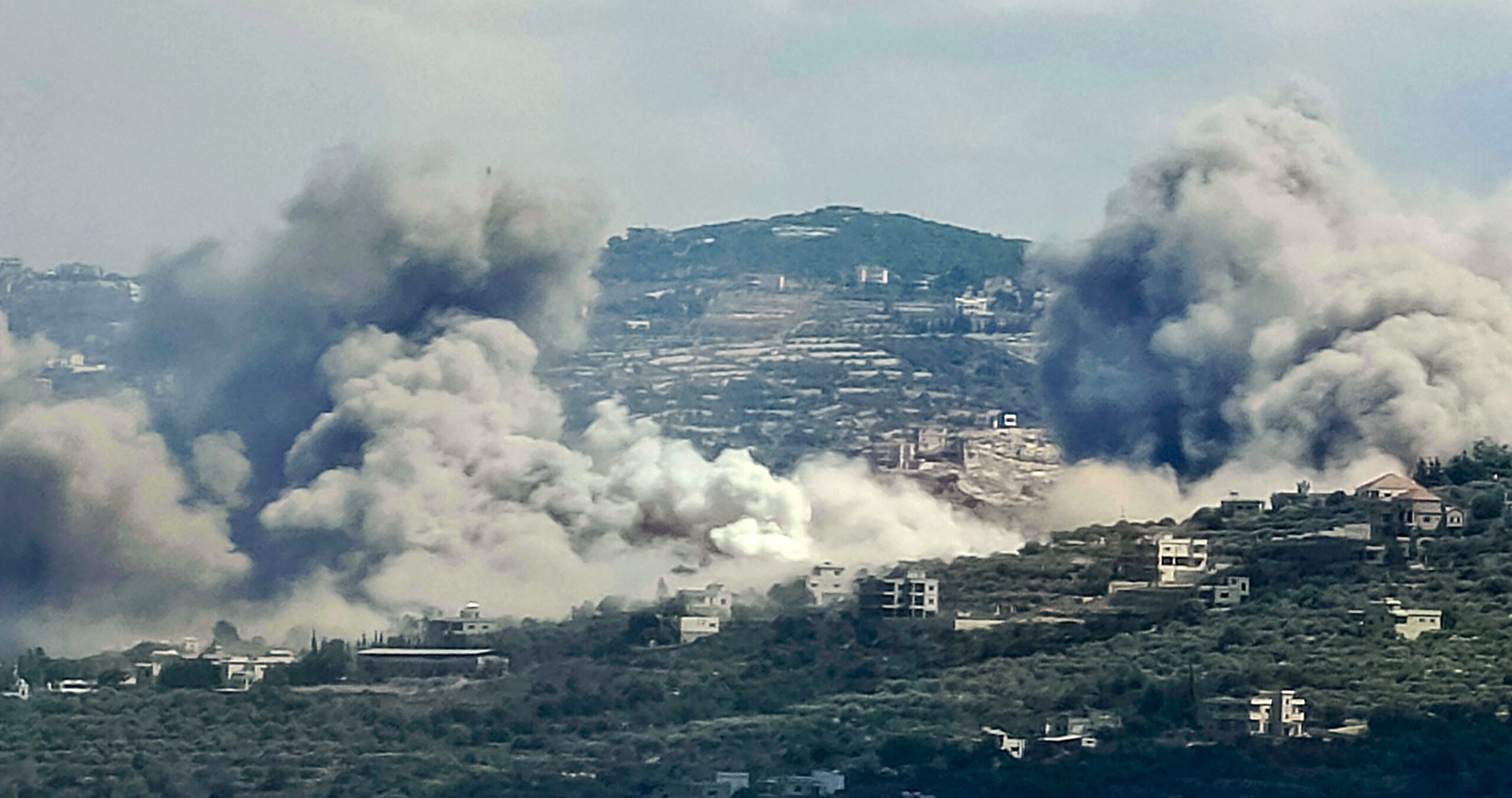
Hezbollah and Iran’s calculus as the conflict with Israel heats up
The deadly, back-to-back pager/two-way radio attacks against Hezbollah, which killed dozens and wounded thousands of its operatives, undoubtedly signaled a new phase in the intense cross-border exchanges between the group and Israel.
In a high-risk move, Israel ramps up escalation against Hezbollah
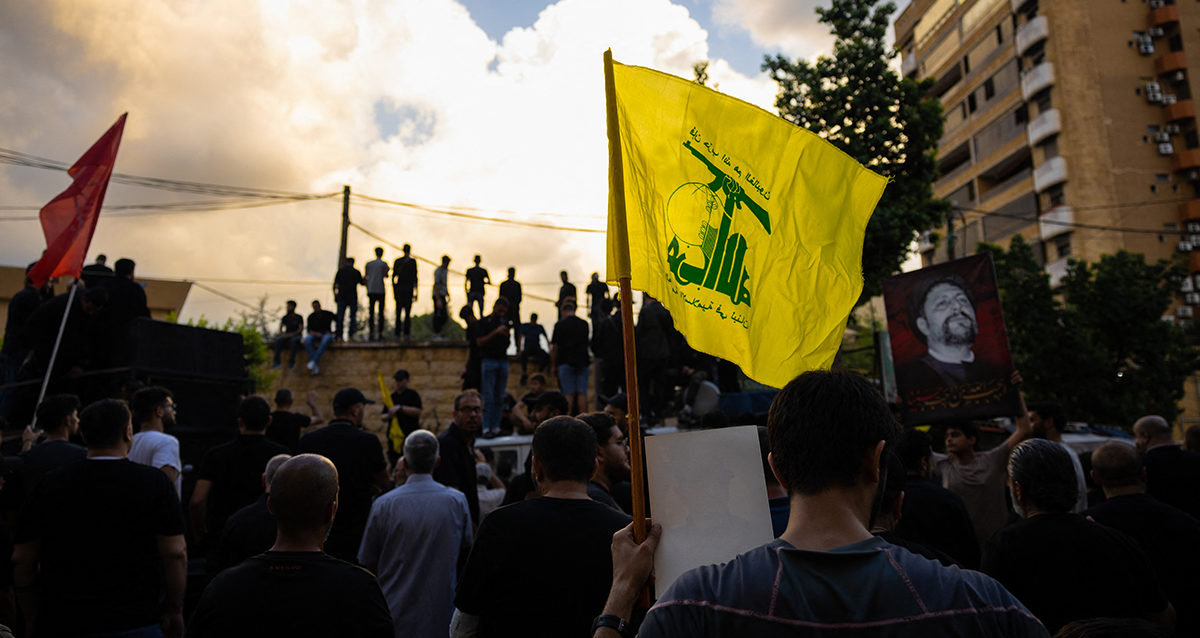
Over the past few days, the conflict between Israel and Hezbollah has entered a precarious new phase, with Israel carrying out both unconventional attacks and heavy airstrikes against the Iran-backed Lebanese militant group, while Hezbollah has responded with an increase in retaliatory fire.

Weekly Briefing: Remembrance of Mahsa Jina Amini and calls for change remain strong, as Pezeshkian’s cabinet disappoints
Expert regional analysis by MEI scholars and contributors.
Read the Middle East Journal
The oldest peer-reviewed publication dedicated to the study of the modern Middle East, MEI’s flagship journal covers politics, society, and culture in the region.