
Reflections on a Diplomatic Career in the Middle East: A Conversation With Ambassador Yael Lempert
Brian is joined by Amb. (ret.) Yael Lempert, Vice President for Outreach at MEI, to discuss her career in diplomacy and the importance of US diplomatic efforts abroad. She shares stories from postings across the Middle East in Baghdad, Cairo, Tripoli, Jerusalem, and Amman and examines how her personal and professional experiences shaped her approach to the work. Together, Brian and Yael discuss the realities of life in the Foreign Service, the core tenets of American diplomacy, and why it matters in today’s Middle East.
The New Old Middle East
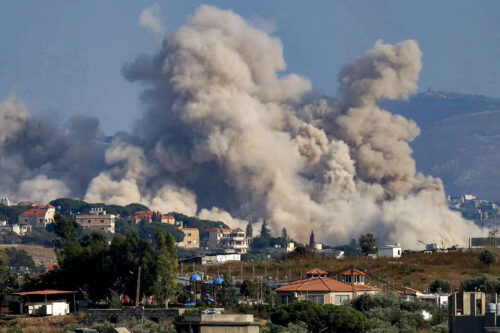
In many ways, the U.S.-Israeli war against Iran and the war in Gaza that preceded it seem transformative. After decades of shadow warfare, Iran and Israel have now attacked each other’s homelands directly. And Israel and the United States have joined forces in a genuinely novel way to wage war against Iran.
Get updates from the Middle East Institute
Featured Experts






The way out of the war in Gaza will shape Israel-Egypt relations for years
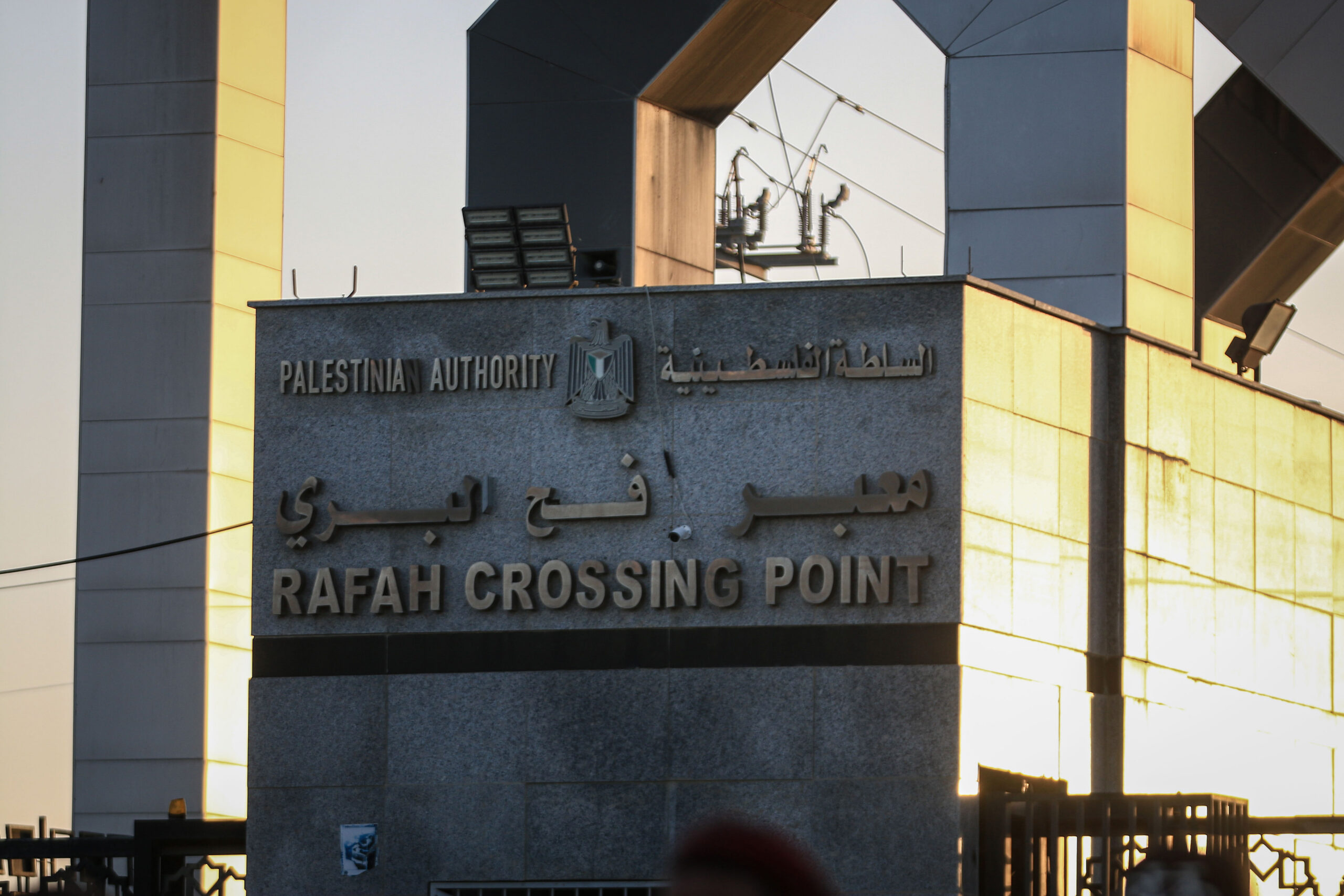
March 26, 2024, marked the 45th anniversary of the signing of the peace agreement between Israel and Egypt. Over the years, this bilateral settlement has proven its stability and resilience, despite a series of crucial challenges. Yet the Begin-Sadat legacy, and the benefits it brings, is now in jeopardy.

Monday Briefing: Political dynamics inside Israel make an imminent hostage deal problematic
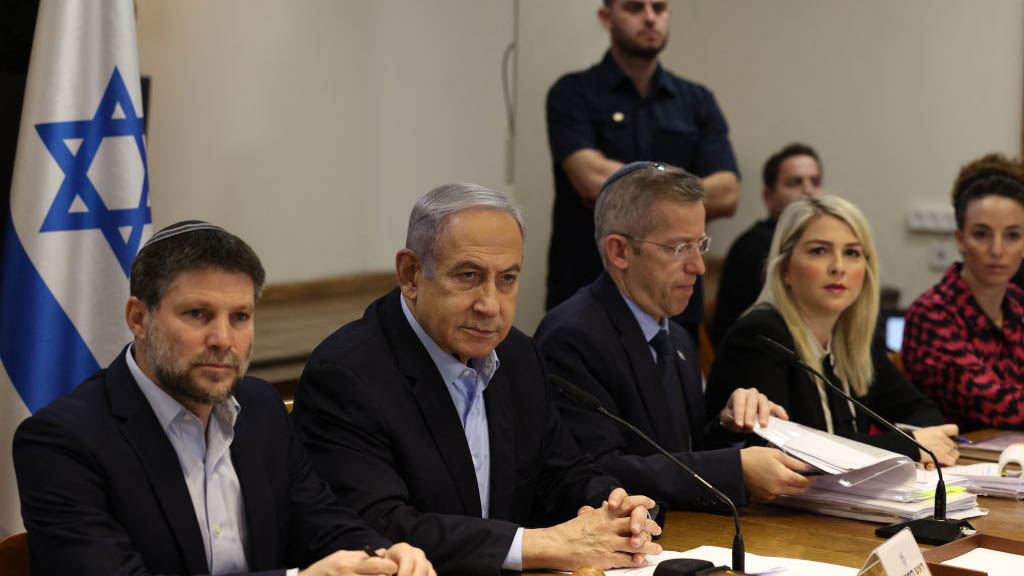
Read MEI’s weekly briefing featuring expert analysis of key regional developments for the week ahead.
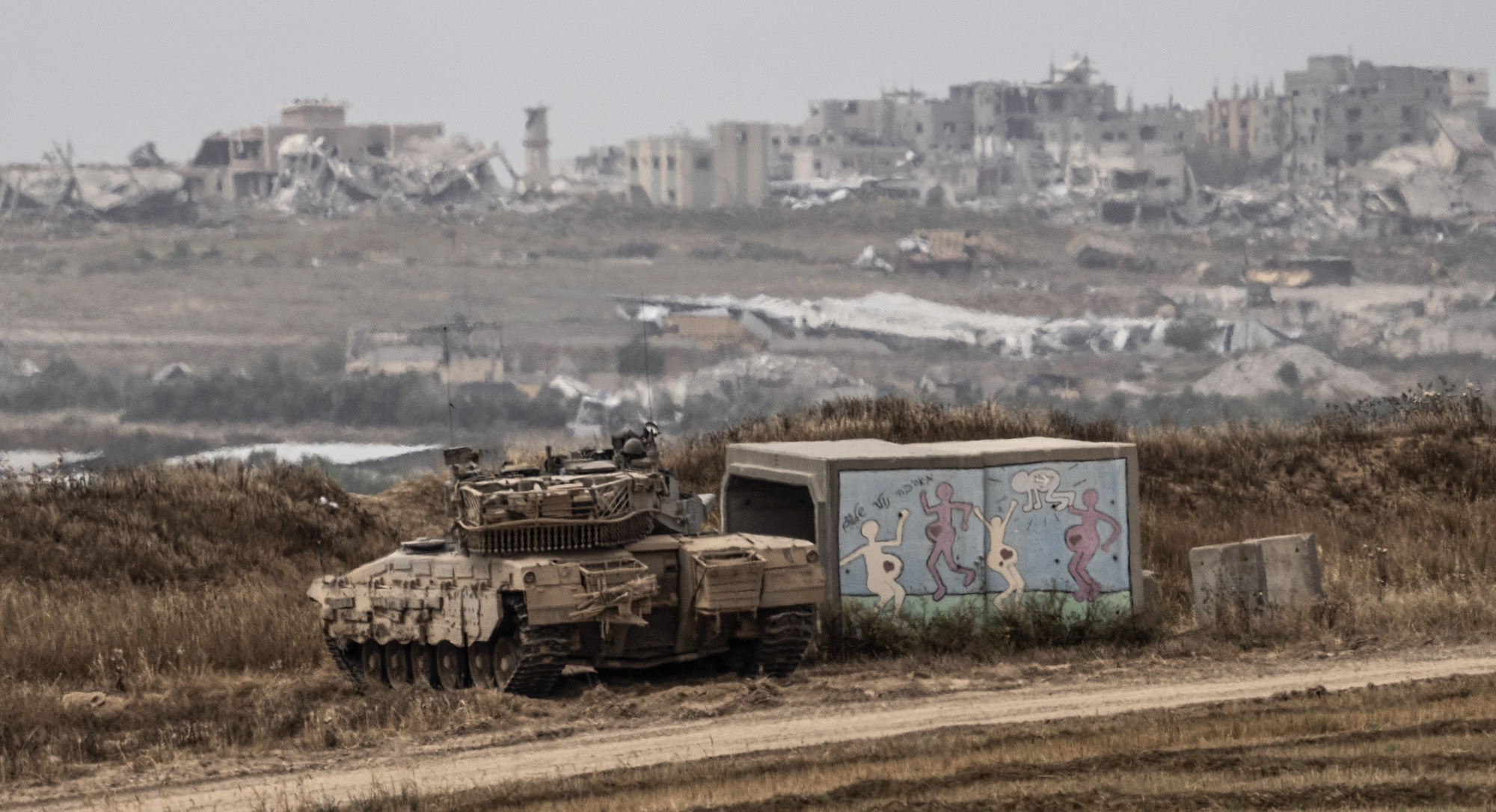
Regional escalations complicate stalled negotiations between Israel and Hamas
A version of this article first appeared as part of an Expert Views special feature on the new rules of the game in the Iranian-Israeli conflict.
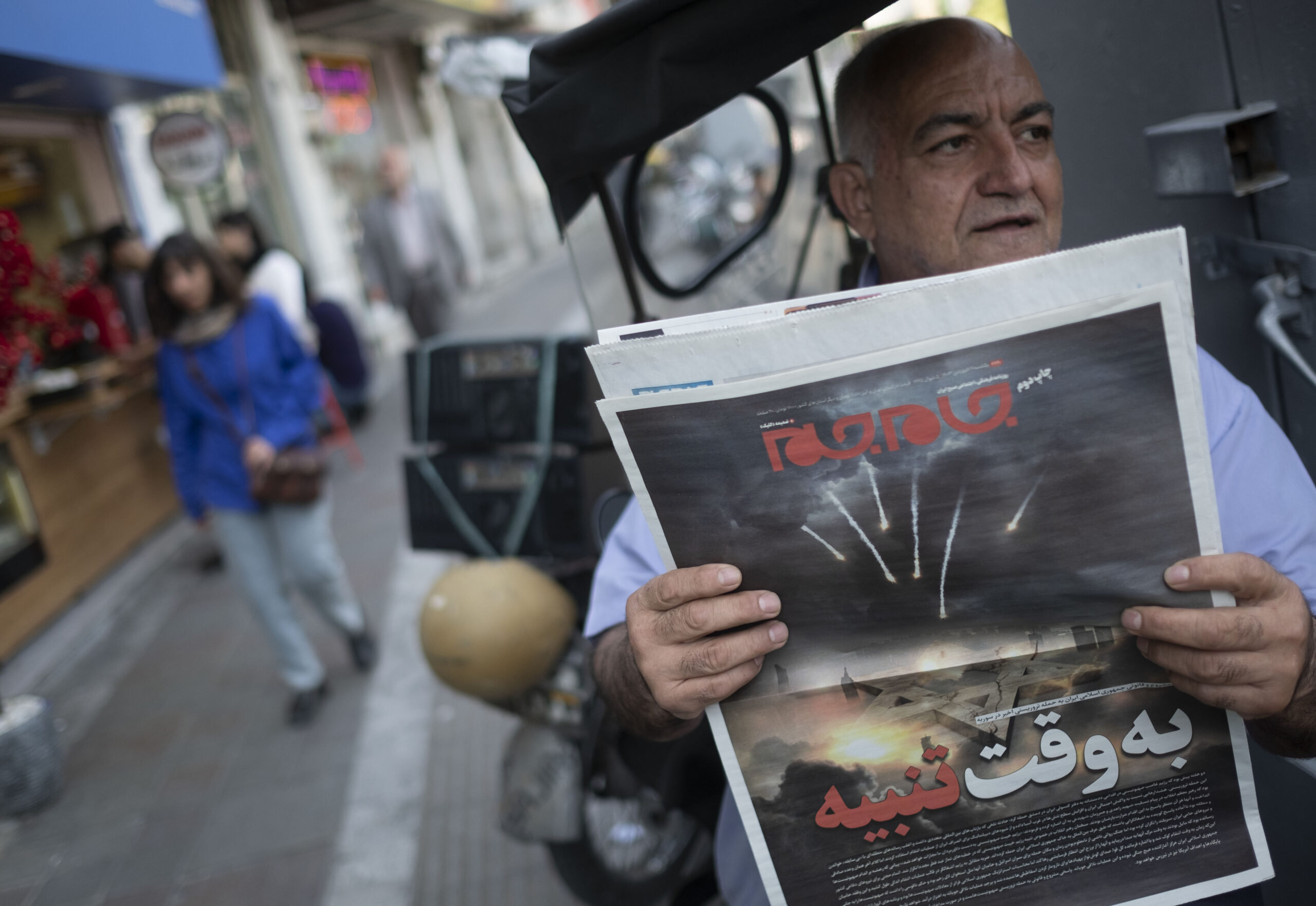
Expert Views: How should we navigate the new rules of the game in the Israel-Iran conflict?
The month of April saw a series of unprecedented escalations in the long-simmering Iranian-Israeli conflict, with both countries launching missile and drone attacks against the other’s territory for the first time in history.
In the wake of these strikes, what will be the impact on the regional security and political environment going forward, what is needed to stabilize the new rules of the game, and how can US diplomacy help to facilitate that process? MEI has asked its experts to weigh in.
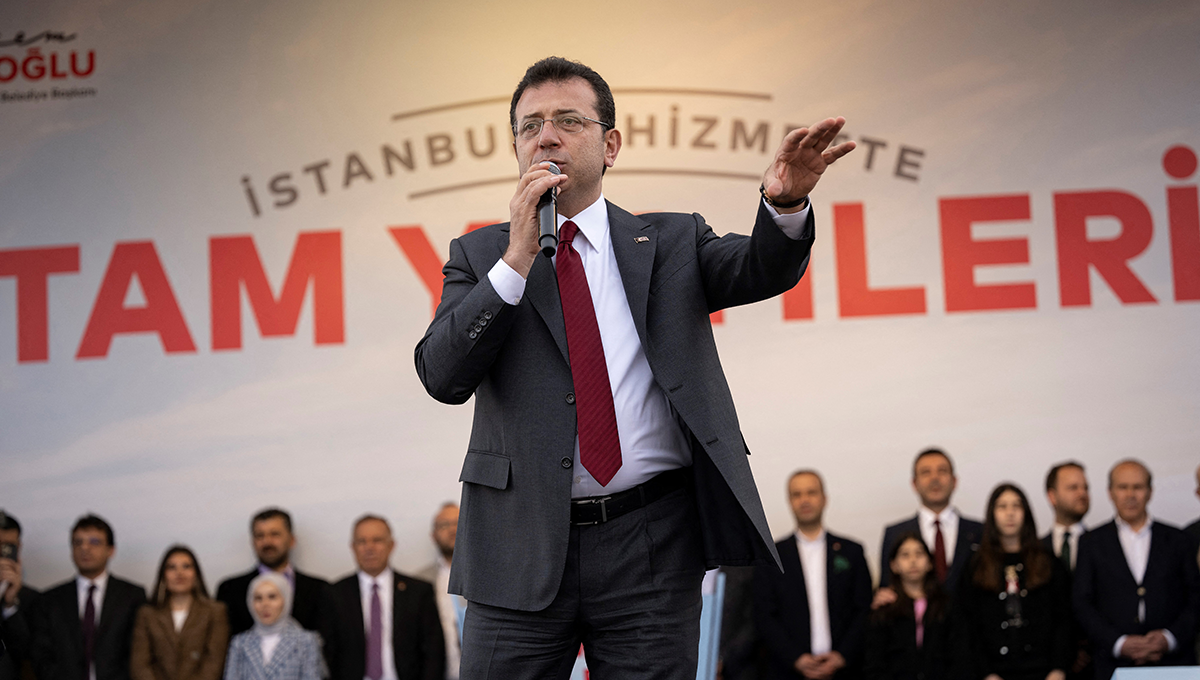
Are mayors democracy’s best bet?
Even as more and more countries move toward authoritarianism, big cities across the world are becoming strongholds for pro-democracy forces, a fact underlined by the recent local elections in Israel and Turkey. So the question is, can cities lead a democratic revival in countries that have experienced a democratic recession?
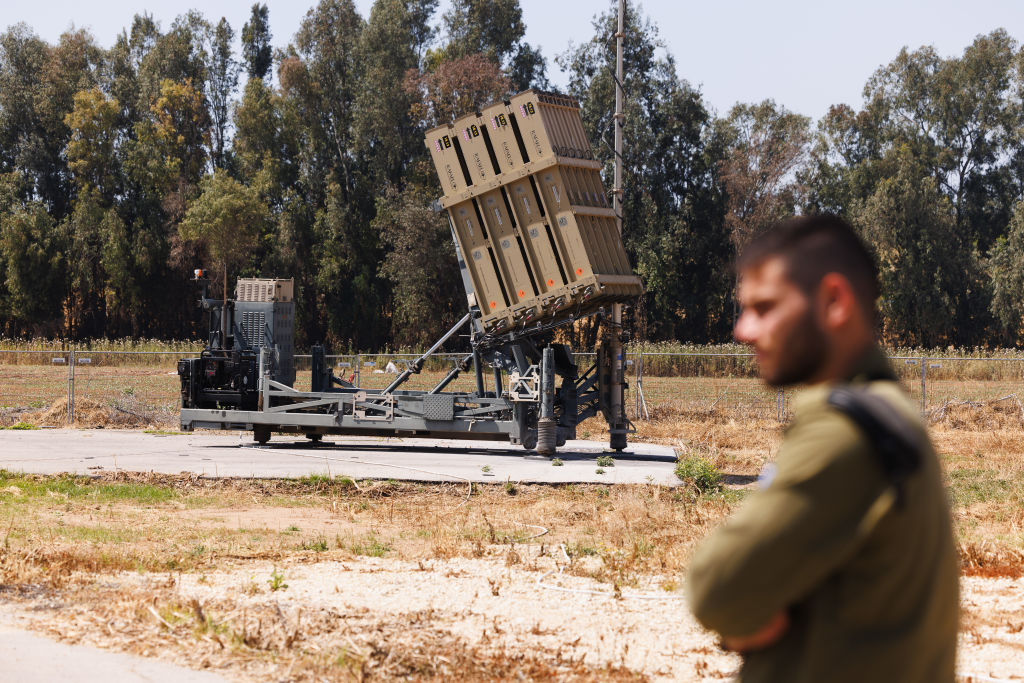
Monday Briefing: In the Israel-Iran standoff, it’s not about direct deterrence
Read MEI’s weekly briefing featuring expert analysis of key regional developments for the week ahead.
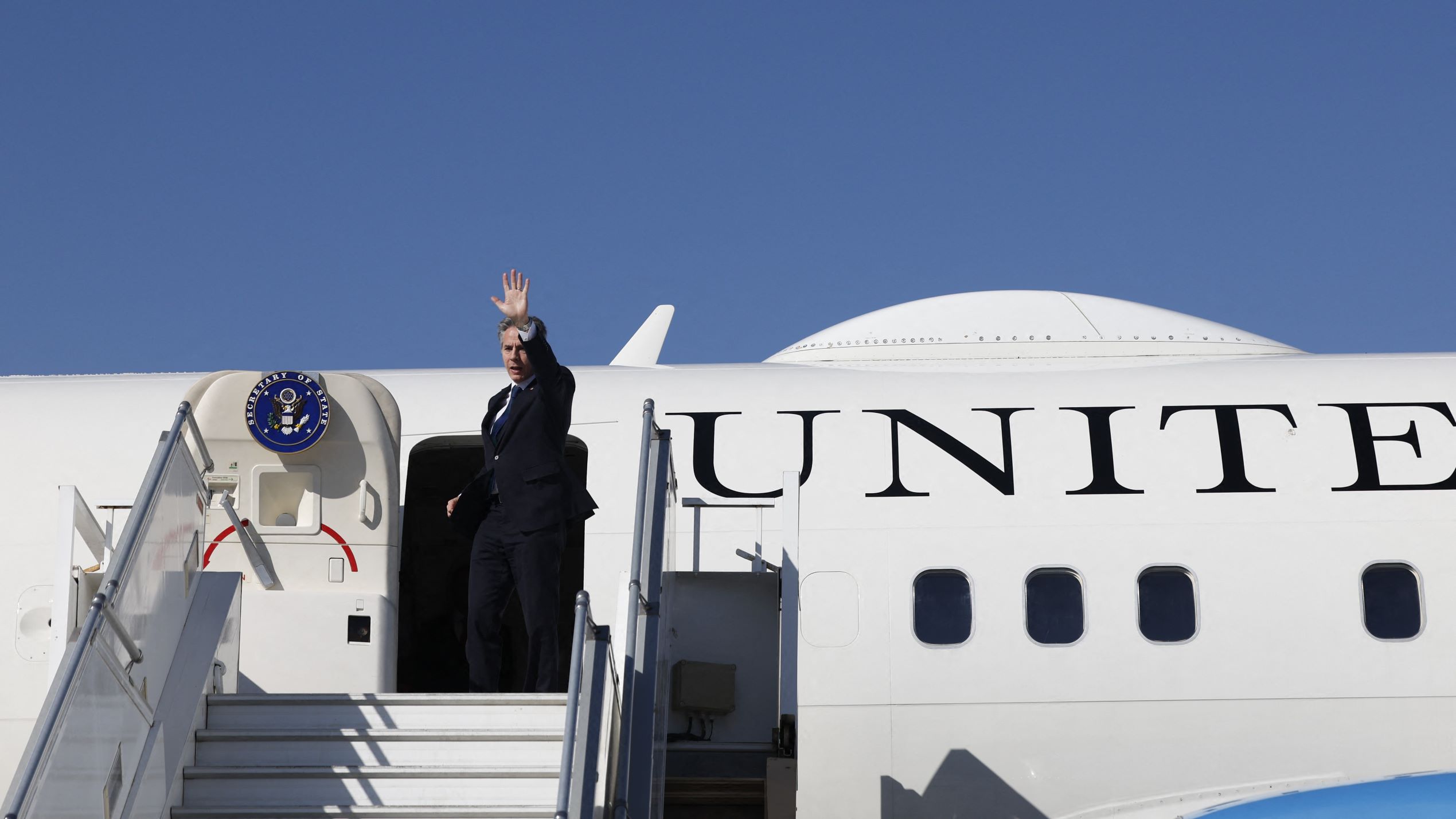
The Biden Administration’s Middle East Policy at a Time of War: An Assessment of US Policy Six Months Into the Israel-Hamas War
The Biden administration set forth five main objectives in reaction to the Oct. 7 Hamas attack against Israel and ensuing war in the Gaza Strip. Six months into the Israel-Hamas war, the Biden administration has not achieved enough progress toward these goals, although it has avoided some of the worst-case scenarios. Success is hampered in part by tensions stemming from the fact that some of the tactics and policy approaches are at odds with each other.
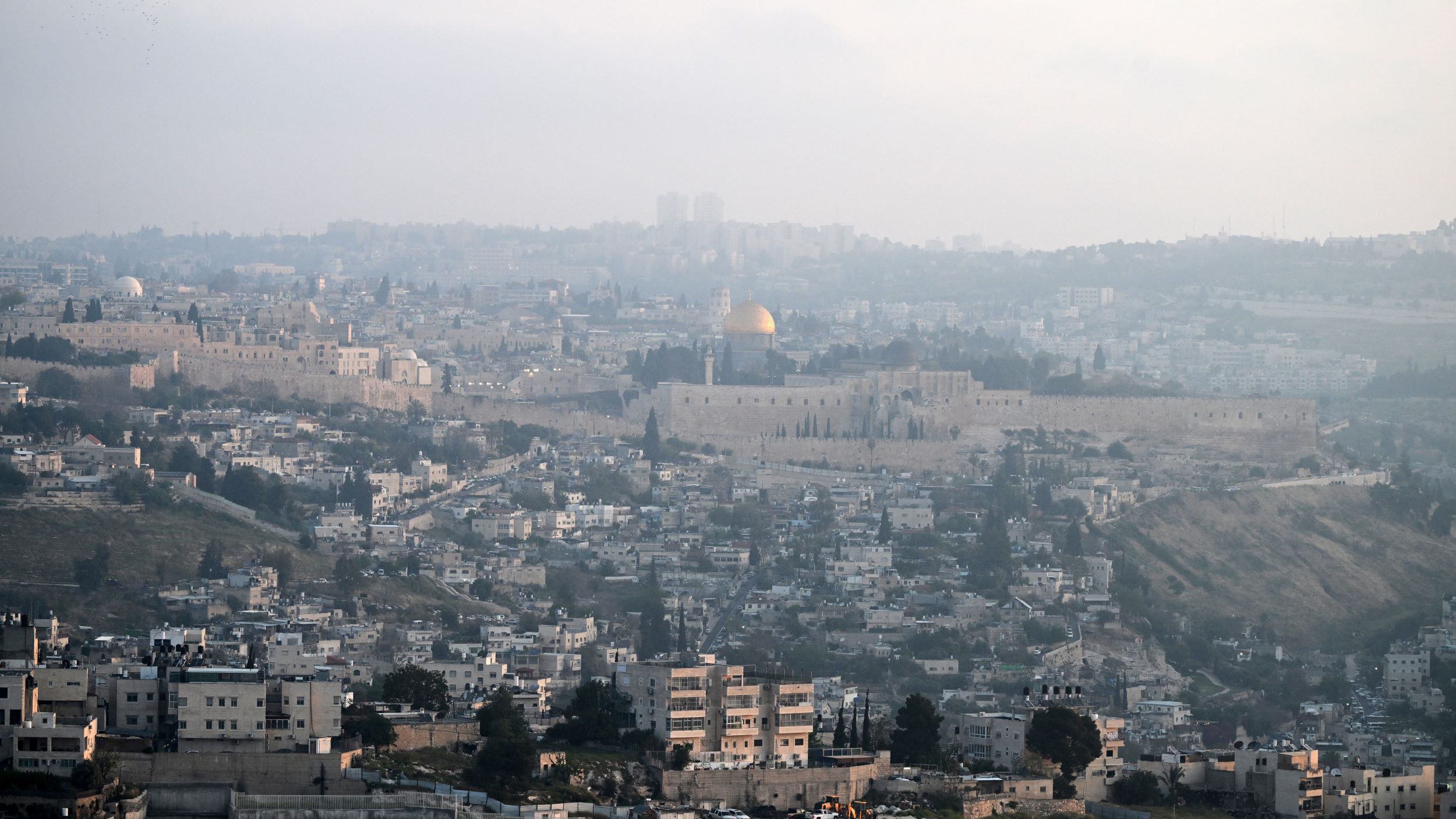
First take on a new era in the Middle East
A version of this article was originally published on the Substack “Thinking Middle East.”
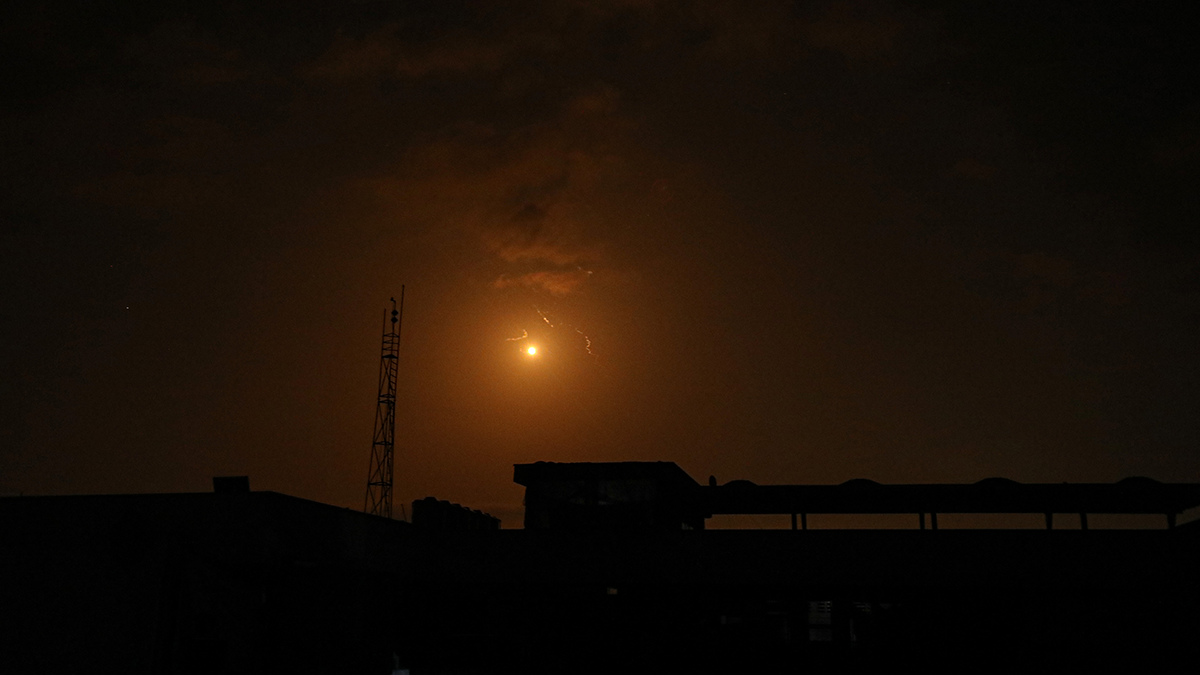
Defense Rapid Reaction: Iran’s unprecedented direct strike against Israel
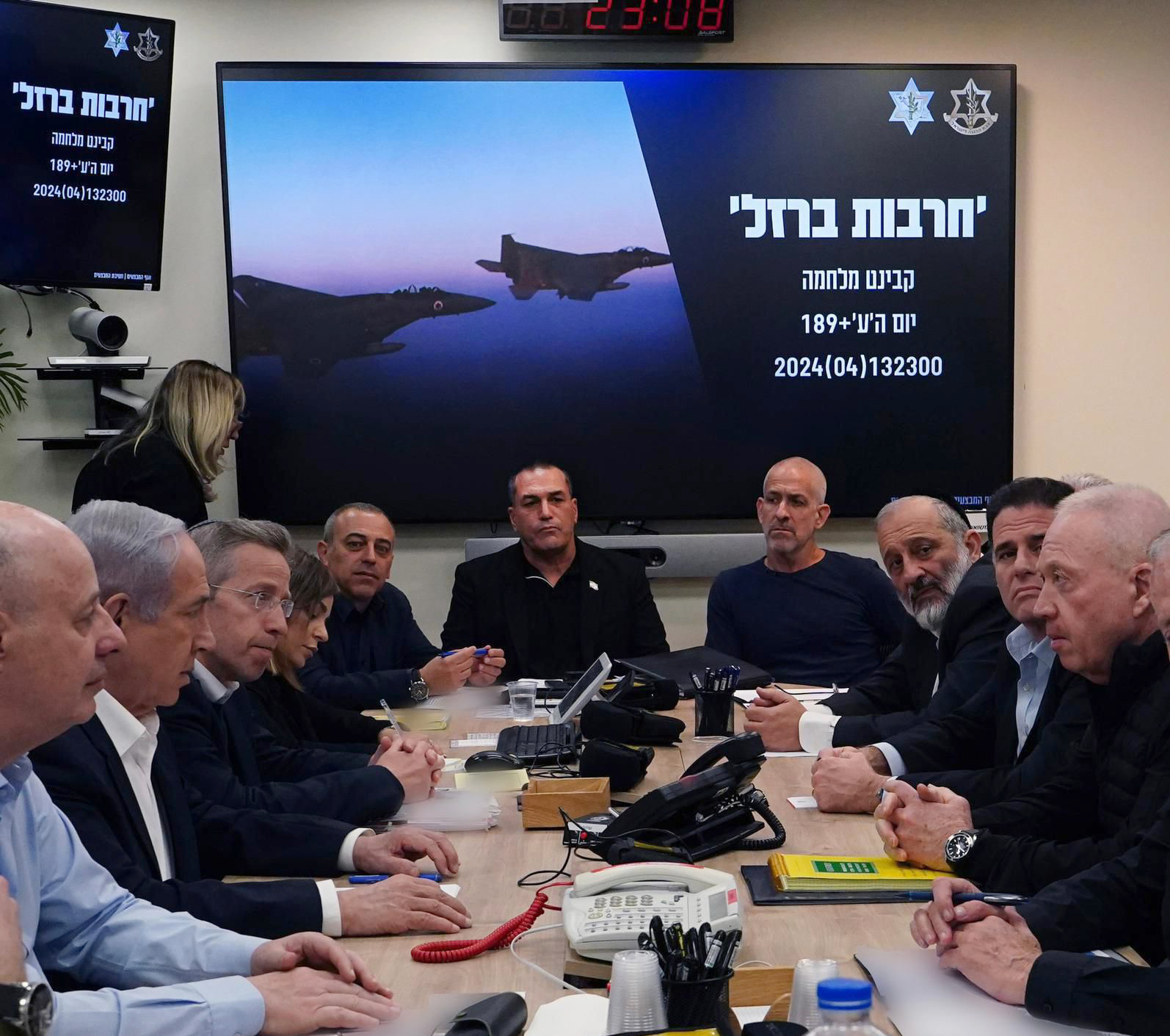
After scoring important points by blocking Iran’s attack, Israel should draw the right lessons from its success
The Iranian strike against Israel was a first of its kind. Its mere occurrence sets a precedent that will have a long-term impact and require Israel to weigh new considerations when planning future military operations against Iranian assets.
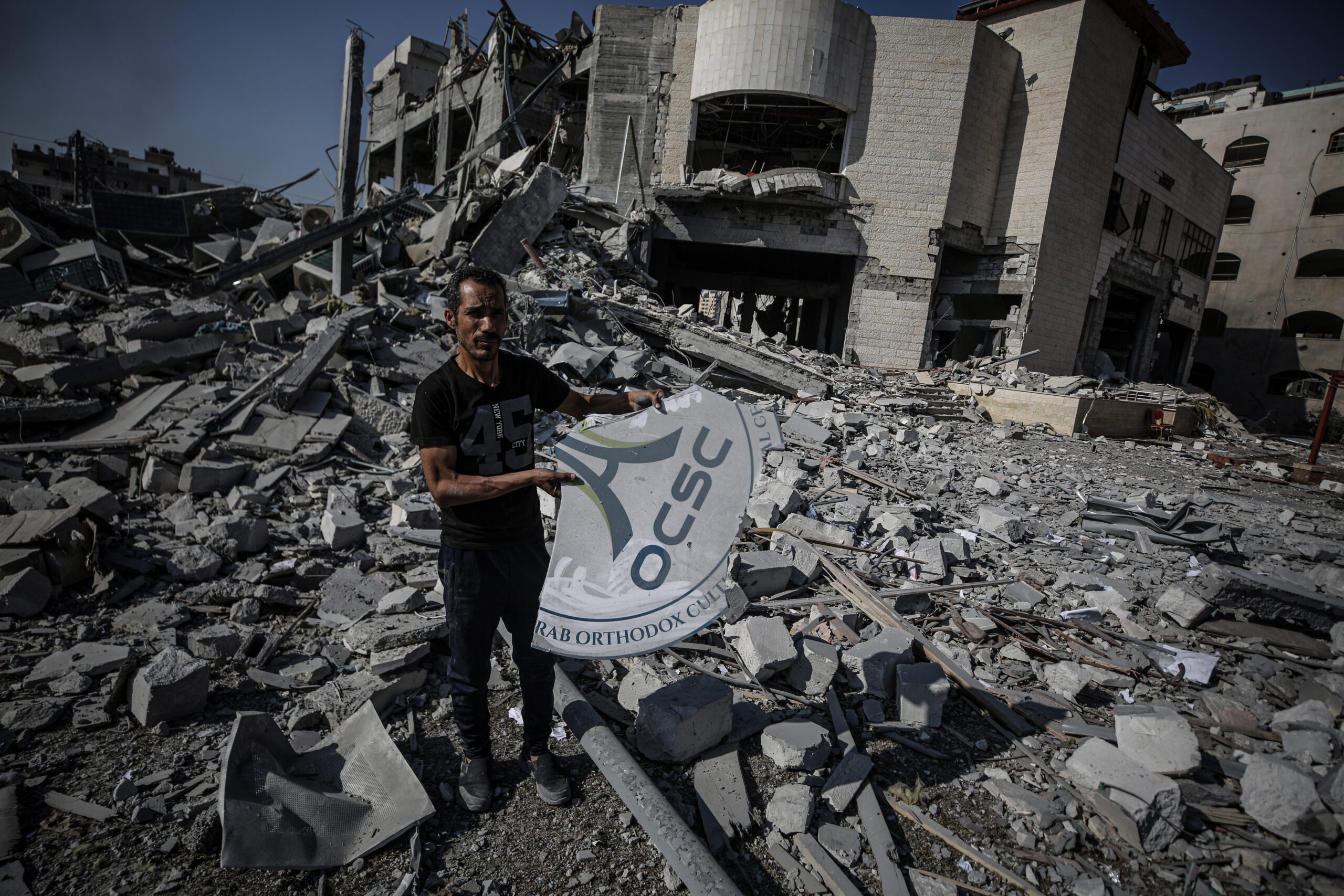
Journalism out, hasbara in: How Israeli TV news joined the Gaza war effort
For the last few months, people around the world have been closely following the ongoing brutality of the war in Gaza. Pictures of Palestinians fleeing south and looking for relatives under the rubble, videos of children searching for food and water — these and more have been circulating on social media and news networks every day since October 7.
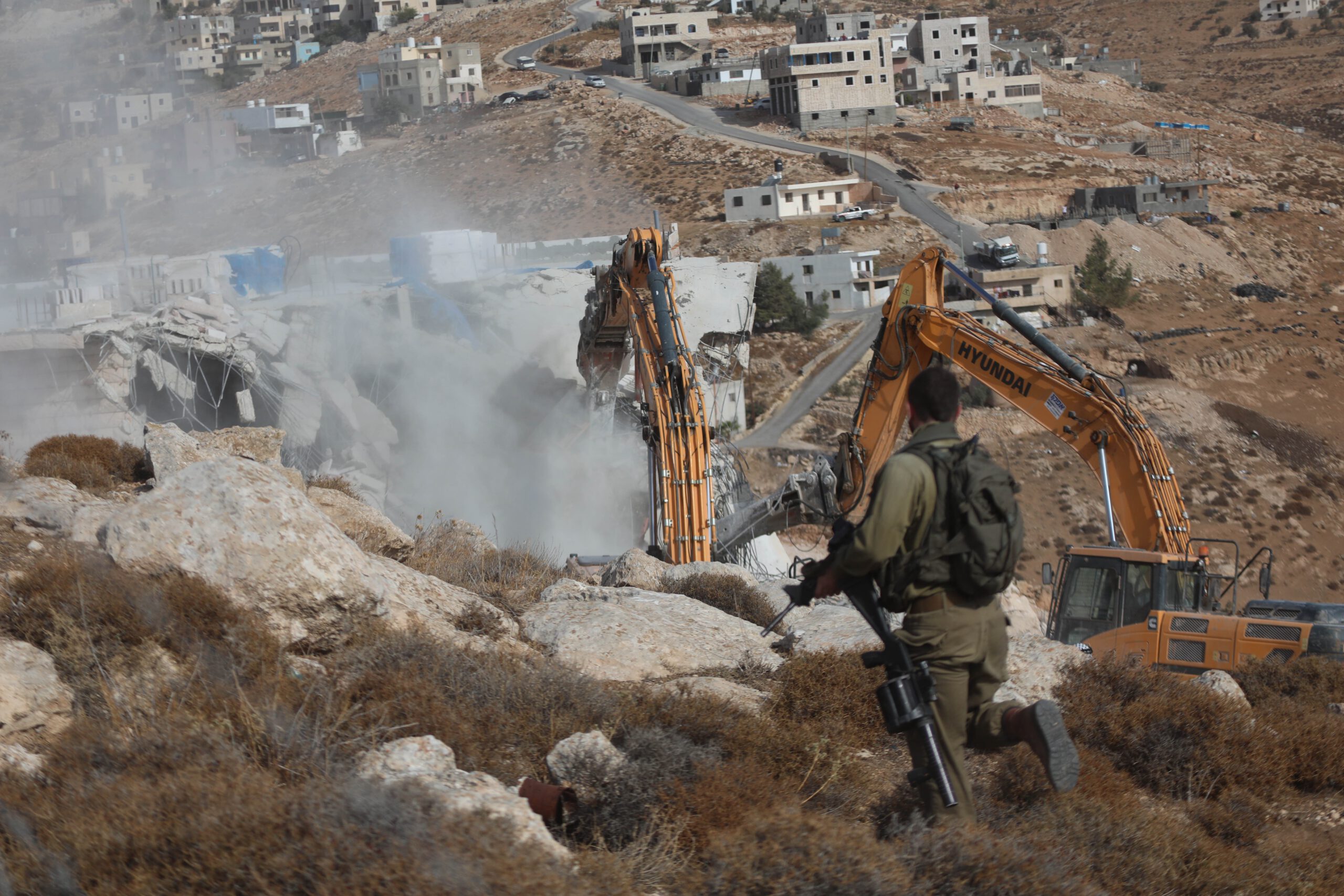
In recent years, the settler movement discovered a winning strategy: Attack the Israeli military
As the war in Gaza approaches its seventh month, the settler movement has been raging its own separate war against none other than the Israeli military itself. While Israeli society is still healing from the devastation of Oct. 7 and tens of thousands of Israelis are displaced from their homes near the Gaza Strip and the northern border, the settlers have launched campaigns against the Head of the Central Command, advocated for resettling Gaza, and escalated tensions with the Israeli military.
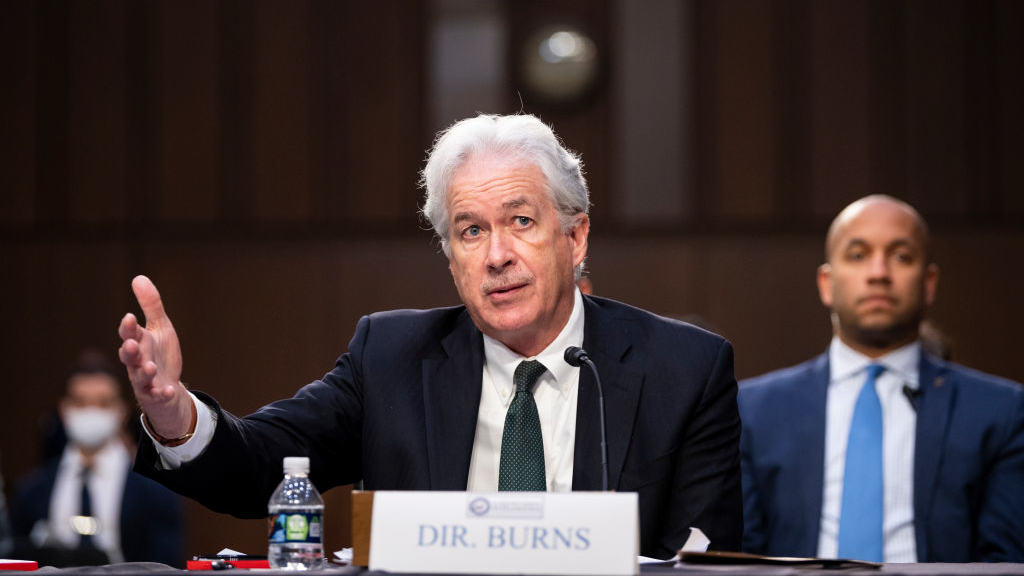
Monday Briefing: The Biden administration’s latest tactical adjustments to its Gaza war response
Read MEI’s weekly briefing featuring expert analysis of key regional developments for the week ahead.
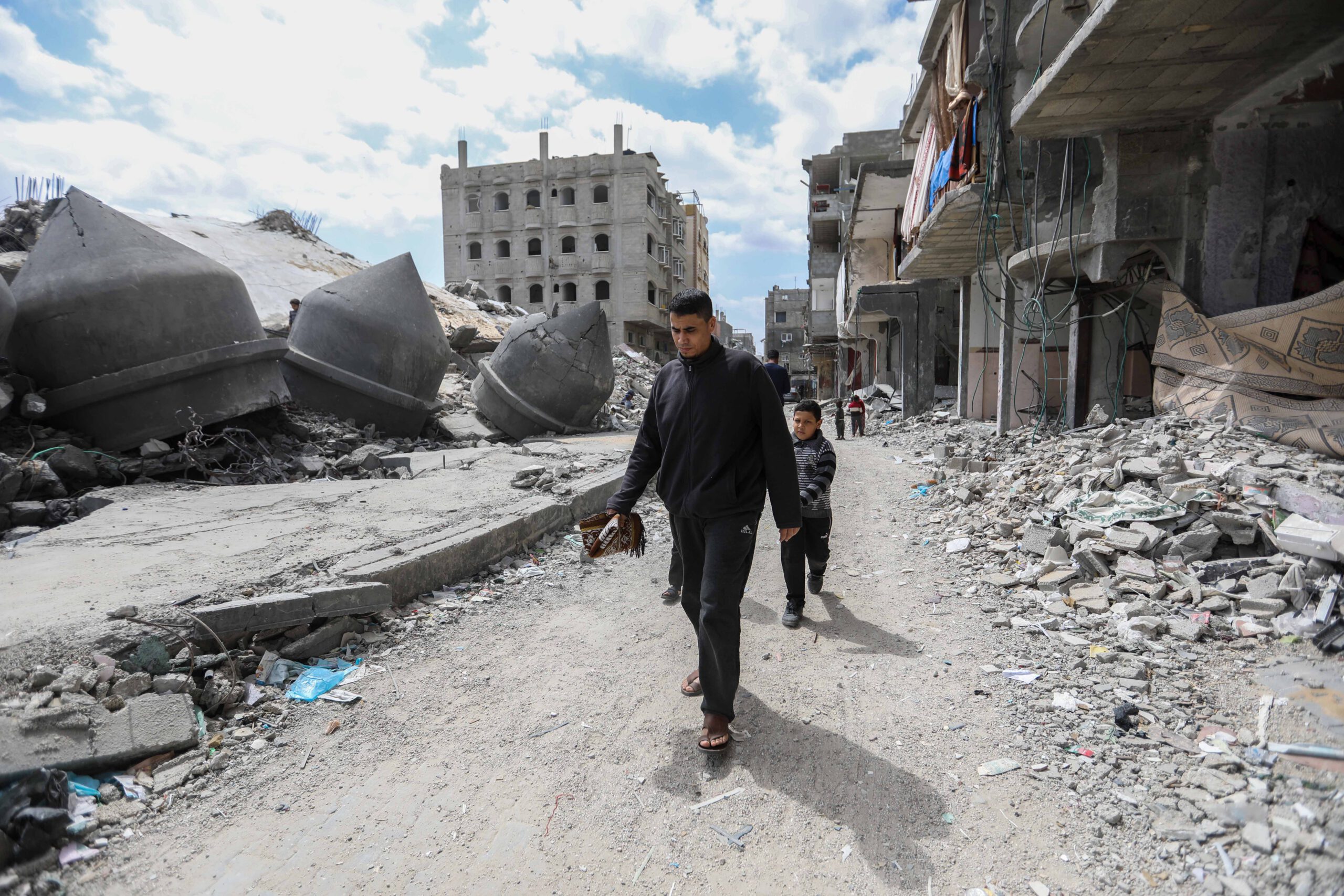
Expert Views: What is needed to end the war in Gaza?
Six months since the October 7 Hamas attacks on Israel and subsequent outbreak of war in Gaza, the deadly and devastating conflict looks no closer to concluding. Is it still possible to achieve a sustainable cessation of hostilities and restart the conflict-resolution process? To get there, what are the incentives and disincentives that could be constructed for the two main combatants, Israel and Hamas?
Read the Middle East Journal
The oldest peer-reviewed publication dedicated to the study of the modern Middle East, MEI’s flagship journal covers politics, society, and culture in the region.