
Reflections on a Diplomatic Career in the Middle East: A Conversation With Ambassador Yael Lempert
Brian is joined by Amb. (ret.) Yael Lempert, Vice President for Outreach at MEI, to discuss her career in diplomacy and the importance of US diplomatic efforts abroad. She shares stories from postings across the Middle East in Baghdad, Cairo, Tripoli, Jerusalem, and Amman and examines how her personal and professional experiences shaped her approach to the work. Together, Brian and Yael discuss the realities of life in the Foreign Service, the core tenets of American diplomacy, and why it matters in today’s Middle East.
The New Old Middle East
In many ways, the U.S.-Israeli war against Iran and the war in Gaza that preceded it seem transformative. After decades of shadow warfare, Iran and Israel have now attacked each other’s homelands directly. And Israel and the United States have joined forces in a genuinely novel way to wage war against Iran.
Get updates from the Middle East Institute
Featured Experts






Robust diplomacy is Washington’s only chance to stop a Lebanon-Israel war
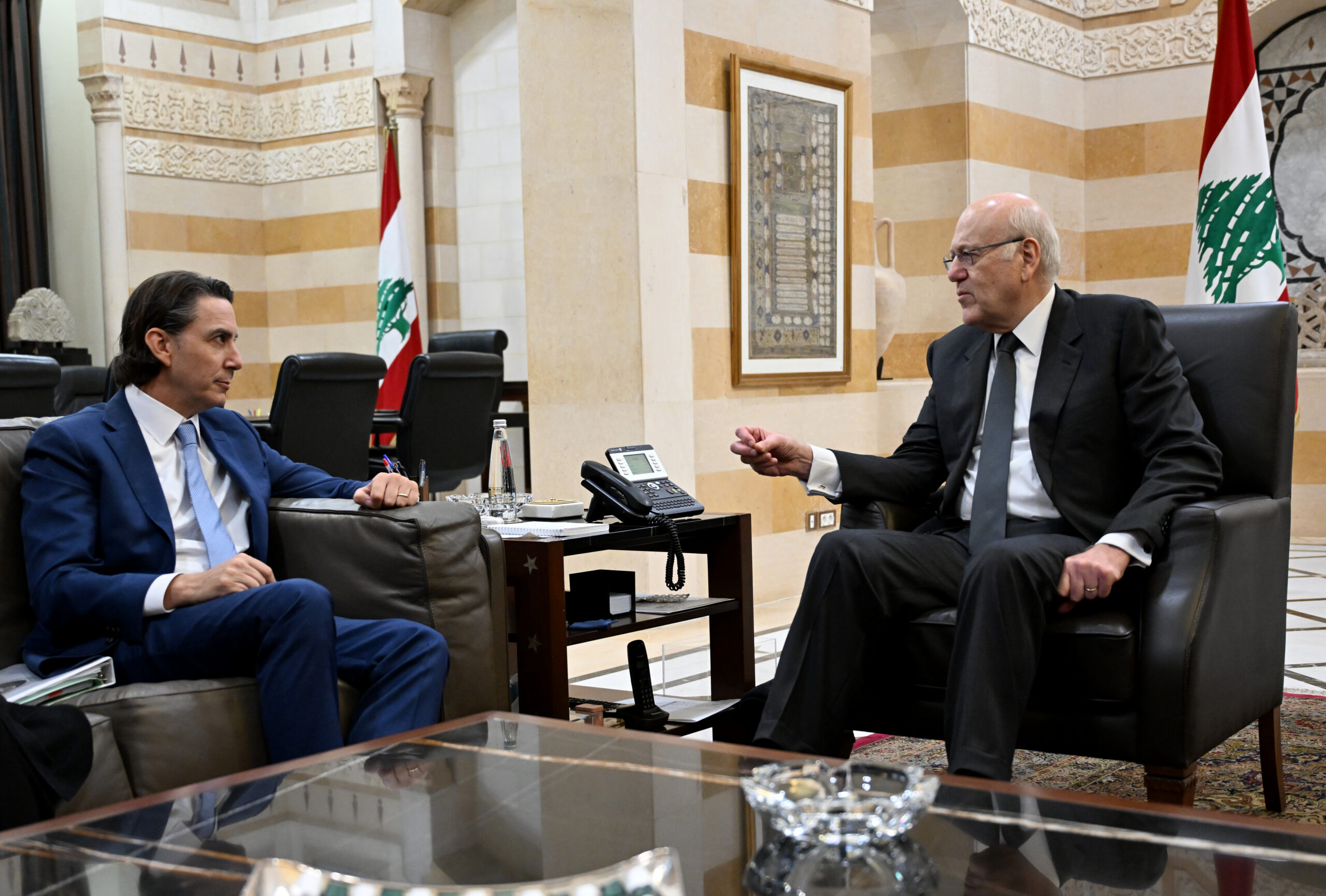
In navigating the thickening fog of war, ongoing US-led mediation must actively take two critical steps to pull Lebanon and Israel back from the brink and avoid a direct US-Iran confrontation: secure credible guarantees on compliance and endorse local efforts to elect an independent president.

Reinventing a square wheel: Can a revitalized Palestinian Authority lead the way to a better “day after?”
As questions about regarding who can take over governance of the war-torn Gaza Strip, Washington and other are pinning their hopes on a revitalized Palestinian Authority. But such “revitalization,” if limited to “strengthening” the PA cabinet and making only minor improvements in governance, will ensure that Gaza will remain a “super camp” and a source of recurring/persistent instability for Palestine and Israel.

Antisemitism and Islamophobia in the US Political Discourse on Israel/Palestine
Sahar Aziz and Mitchell Plitnick discuss their study “Presumptively Antisemitic: Islamophobic Tropes in the Palestine Israel Discourse” with MEI’s Palestine and Palestinian-Israeli Affairs Program Director Khaled Elgindy.

Monday Briefing: The war is widening. Can anyone stop it?
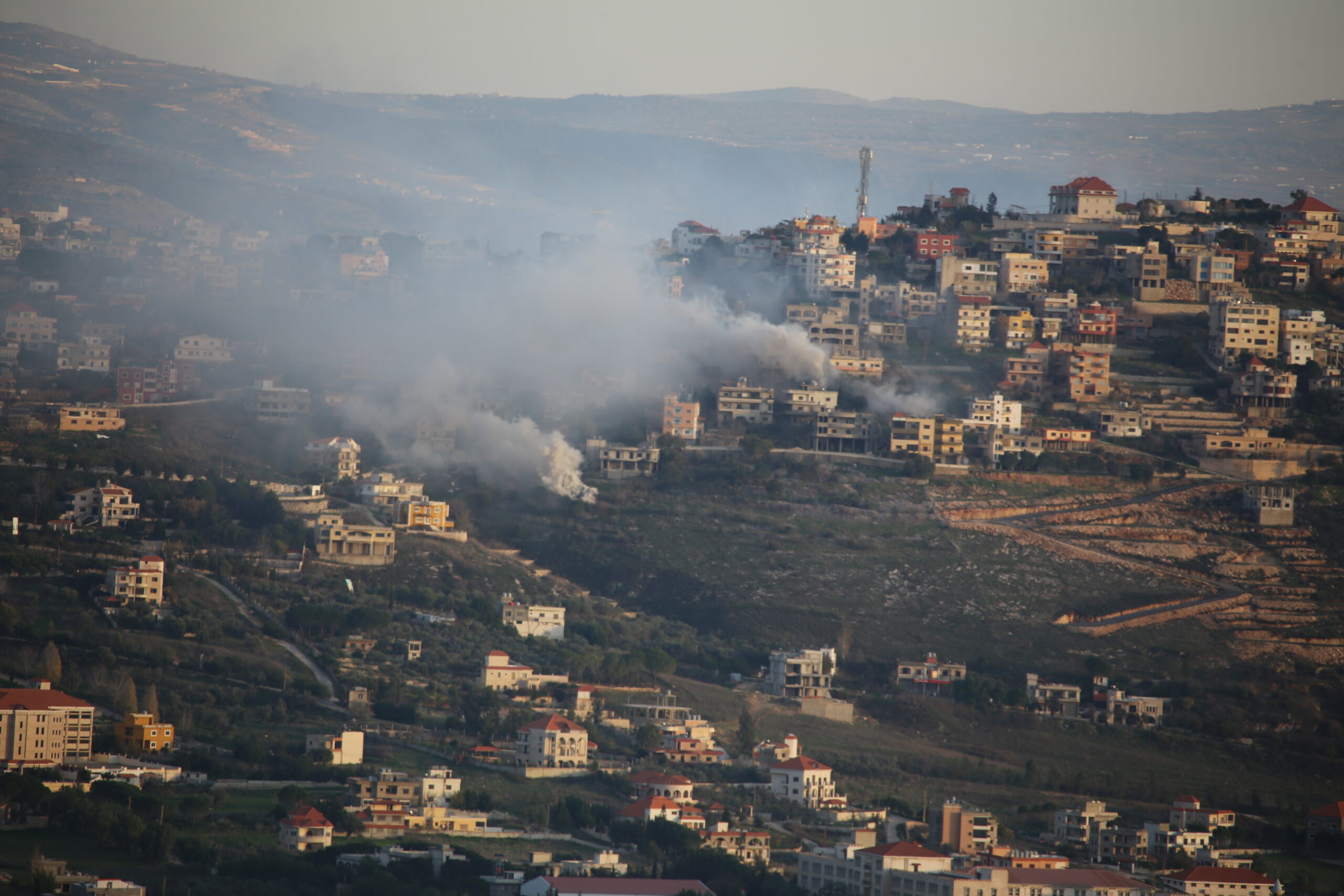
Read MEI’s weekly briefing featuring expert analysis of key regional developments for the week ahead.
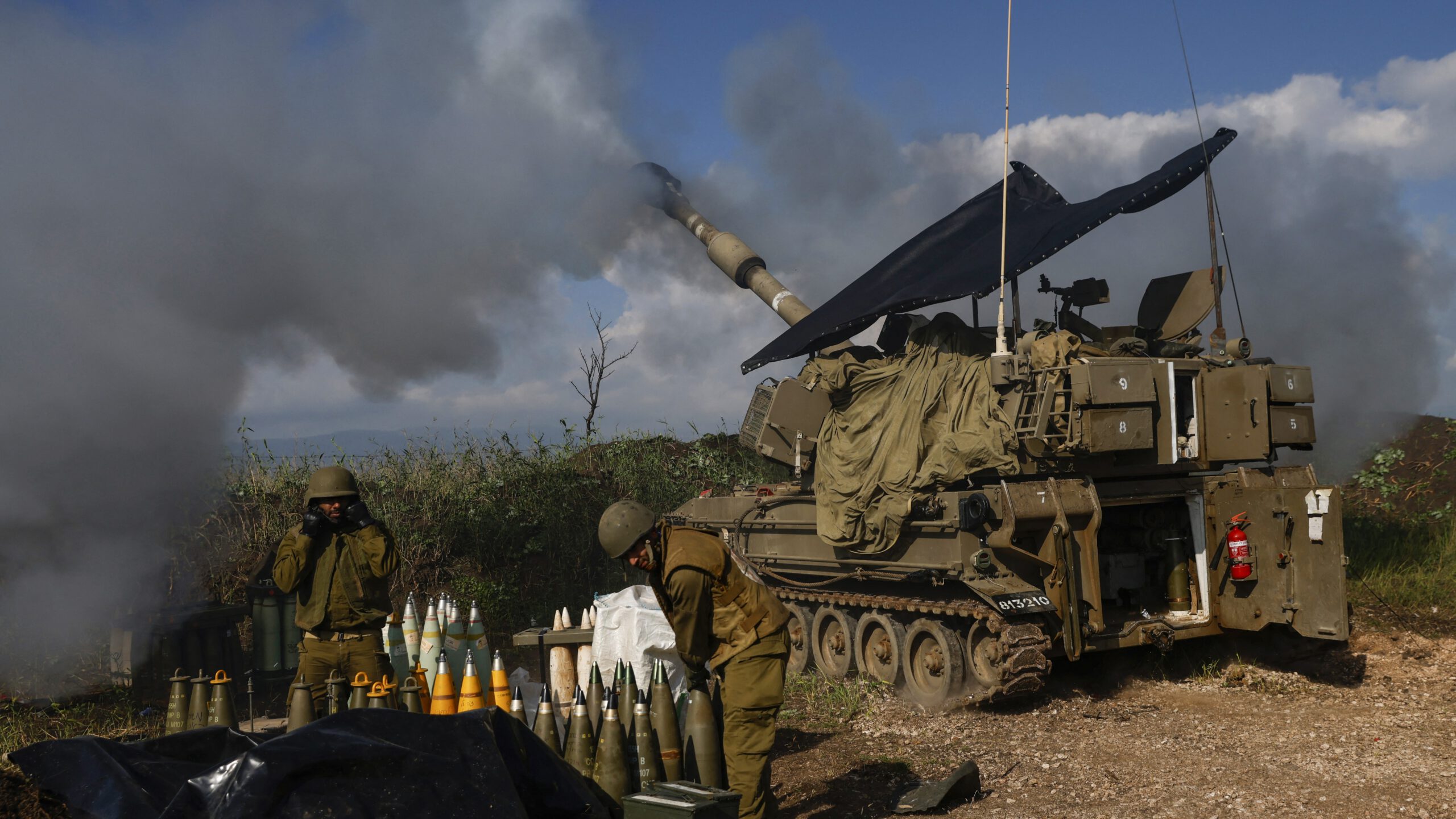
The US is key to preventing an Israel-Lebanon war
The current escalation between Israeli and Hezbollah forces necessitates immediate action from the international community to prevent a widening of the Gaza war, and the US is positioned in a leadership role to mollify tensions, beginning with diplomatic actions to stabilize the Lebanese-Israeli border, helping to pacify the broader region as a result.

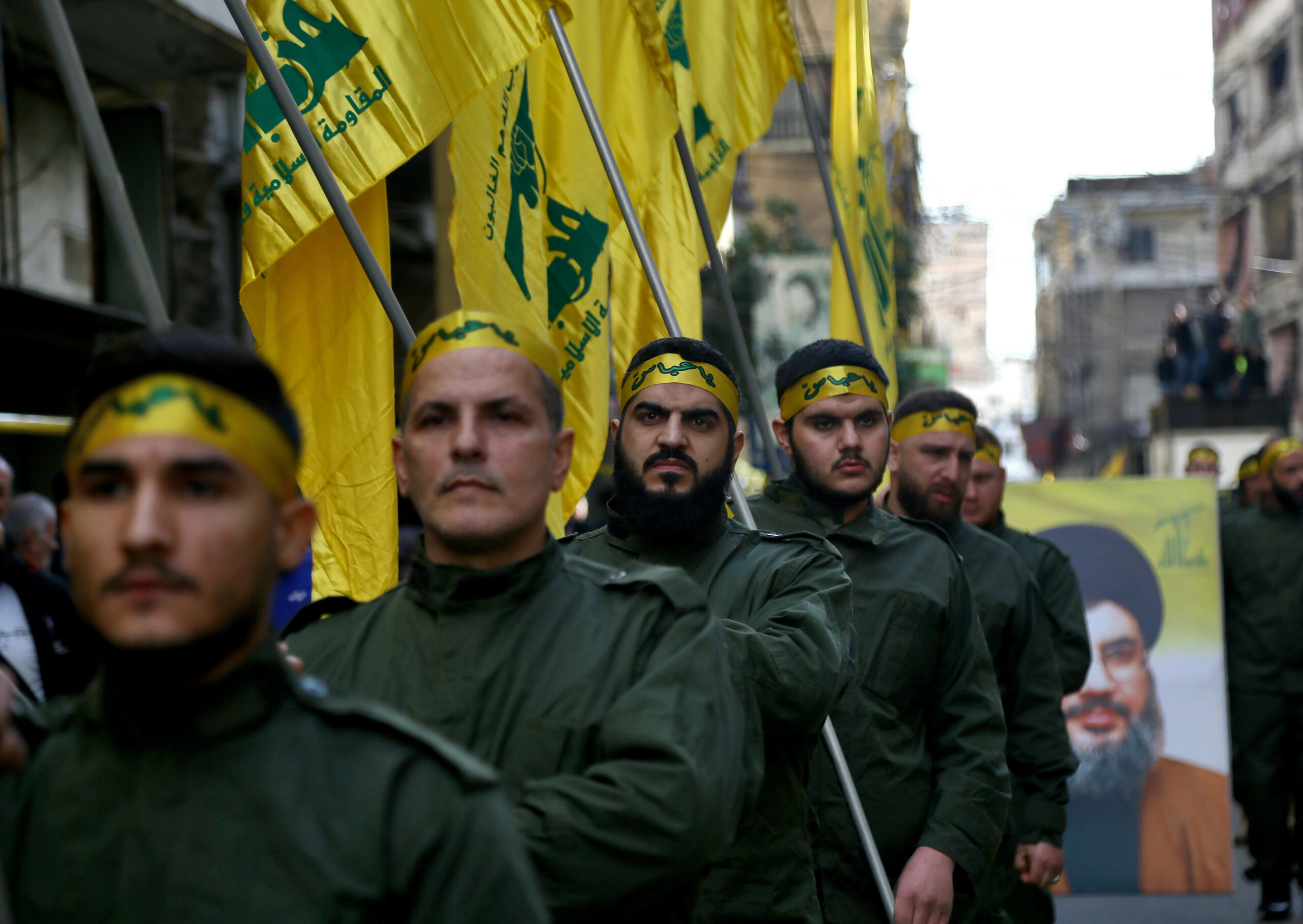
Israel and Lebanon are sliding into war, but the US can still stop it
A battle for hearts and minds is being waged in the winding alleyways of Beirut. The Lebanese are anxiously going about their lives while keeping an eye on the intensifying border skirmishes between Israel and the Iranian-backed militant group Hezbollah.
Plastered across the city walls and hanging from lampposts is the enigmatic image of Abu Obeida, Hamas’s masked spokesperson. Wrapped in a red kufiyah, the traditional Arab head garb, he is put forth as a symbol of defiance against Israel.
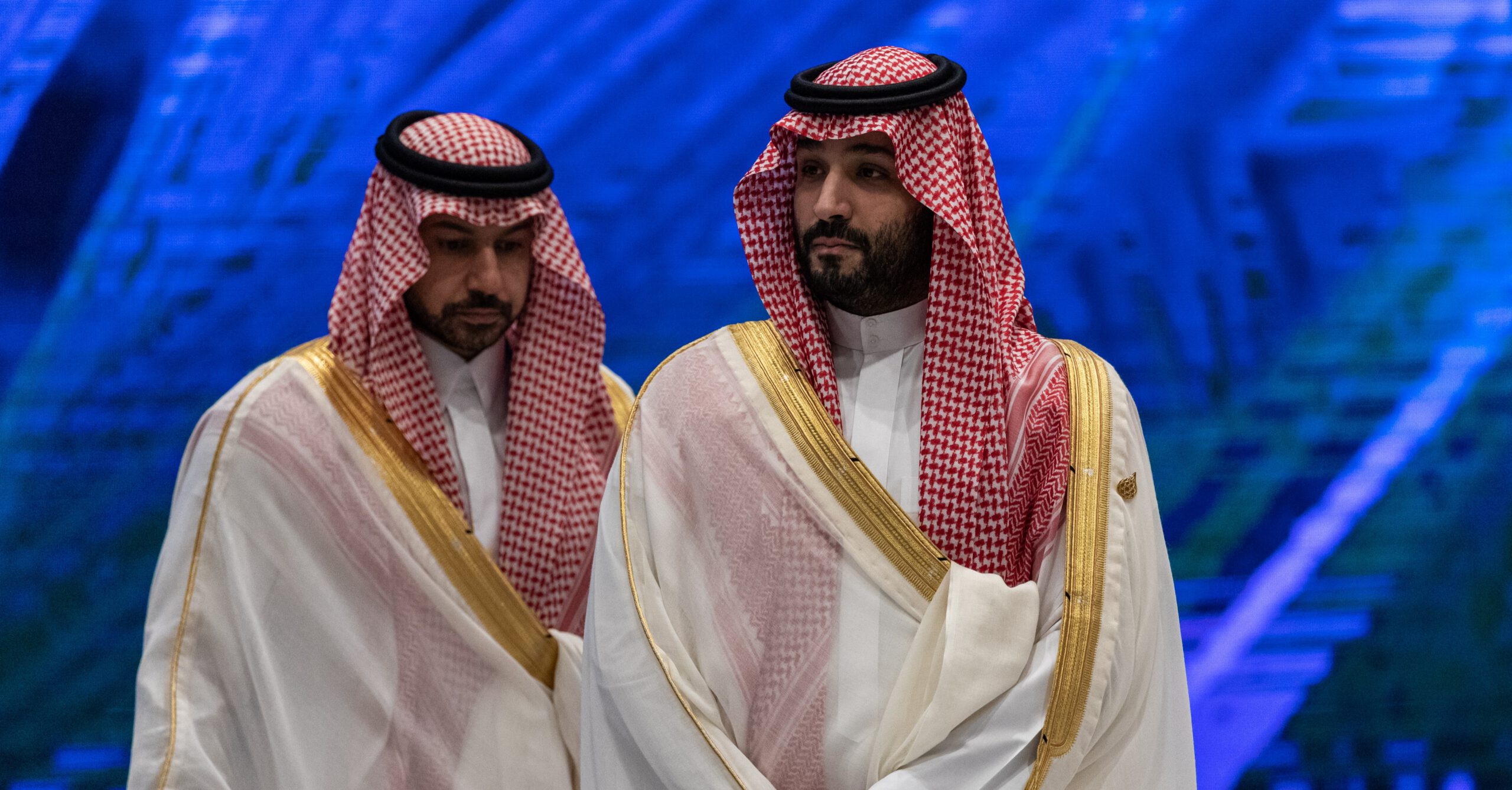
Is Saudi-Israel normalization still on the table?
In response to the Oct. 7 attacks and subsequent bombing and invasion of the Gaza Strip, most media outlets and think tanks concluded that Hamas initiated the war to sever the path toward normalization between Saudi Arabia and Israel. Prior to the Hamas strike, Saudi Crown Prince Mohammed bin Salman (MbS) said his country was moving steadily in the direction of normalizing relations with Israel.
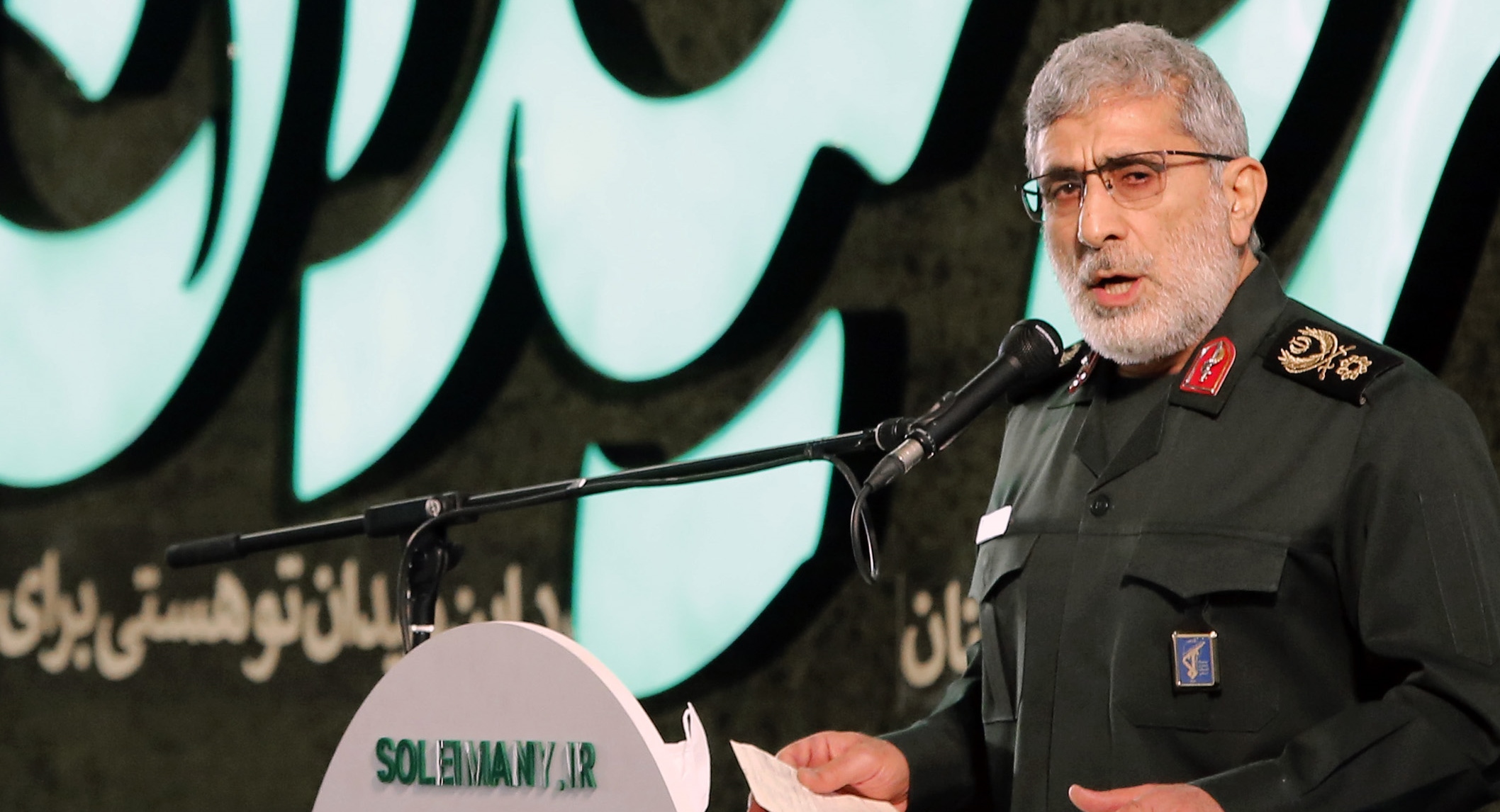
Soleimani birthed Iran’s Axis of Resistance, Ghaani coordinated it
Iranian strategy in the Middle East has long centered on nurturing regional proxies and partners — a so-called “Axis of Resistance” — to mount an existential threat to Israel by encircling it in a ring of fire. The bloody war between Israel and Hamas sparked by the latter’s Oct. 7 massacre is the first large-scale implementation of this Axis of Resistance doctrine. Quds Force commander Esmail Ghaani’s lasting contribution will be the network’s entry into the battlefield in a comprehensive and coordinated manner.

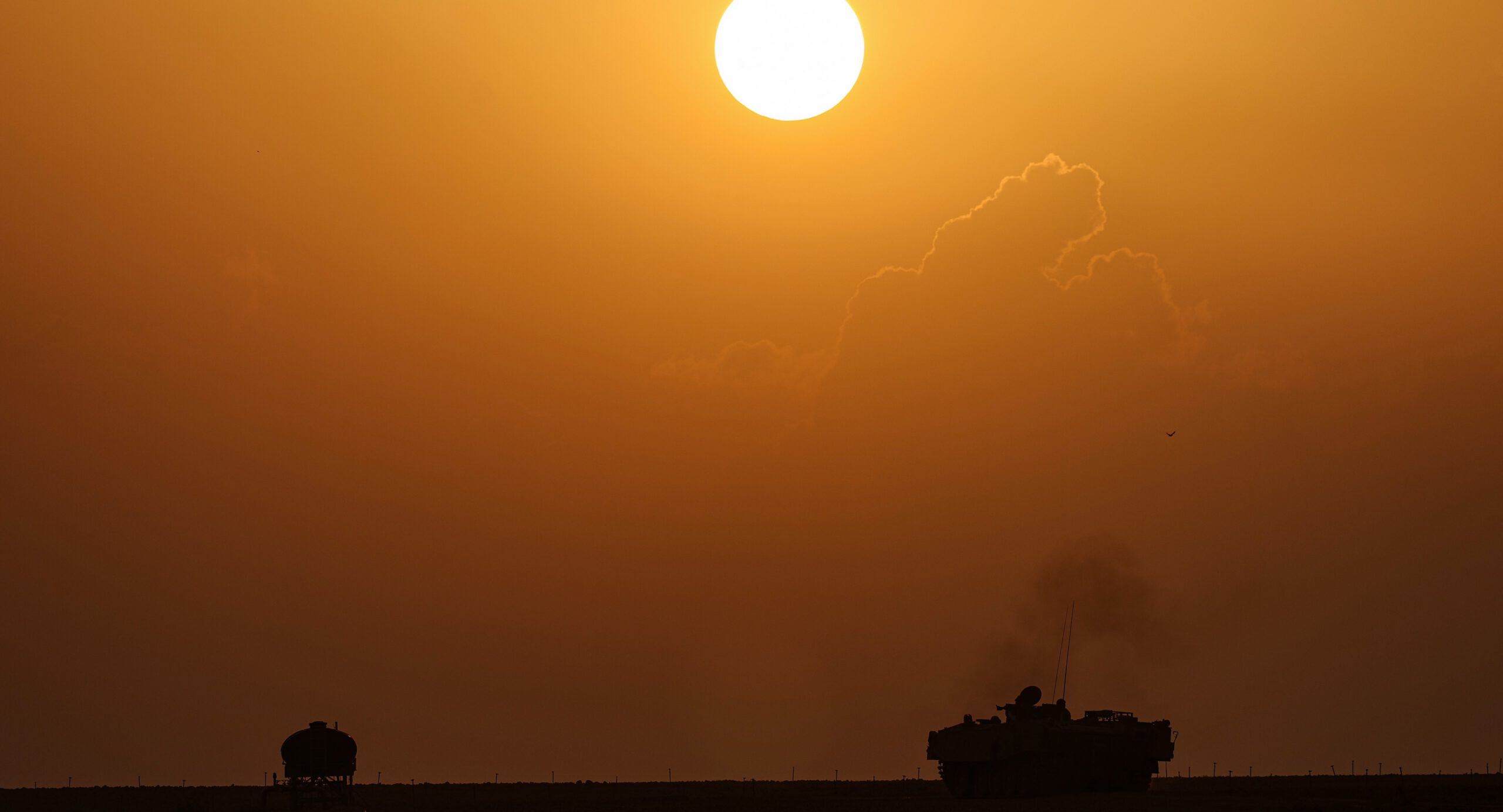
Conflict, competition, and containment will shape the contours of the MENA region in 2024

Gaza war hasn’t halted de-escalation efforts in Yemen
Over the past two months, the Houthi rebels in Yemen have launched missiles and drones into Israel, attacked several commercial ships in the Red Sea, and threatened to block all ships sailing to Israel, regardless of nationality, until Gaza receives humanitarian aid. In the Gulf, there is a growing fear that the situation could constrain ongoing de-escalation talks between Riyadh, the Republic of Yemen Government, and the Houthis, or even take them back to square one were conflict dynamics to escalate.
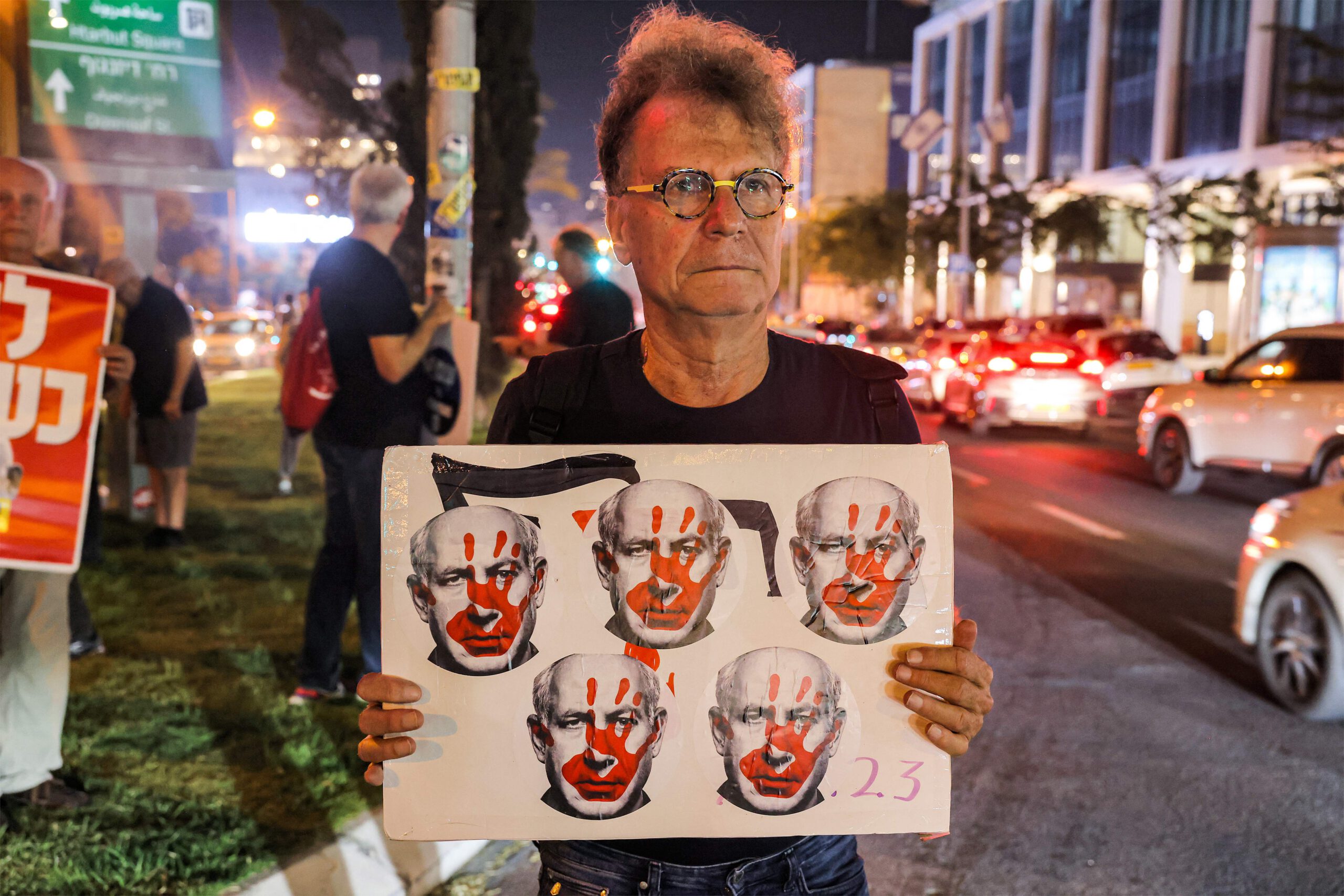
Israel’s Moment of Crisis: What are the Prospects for Political Change?
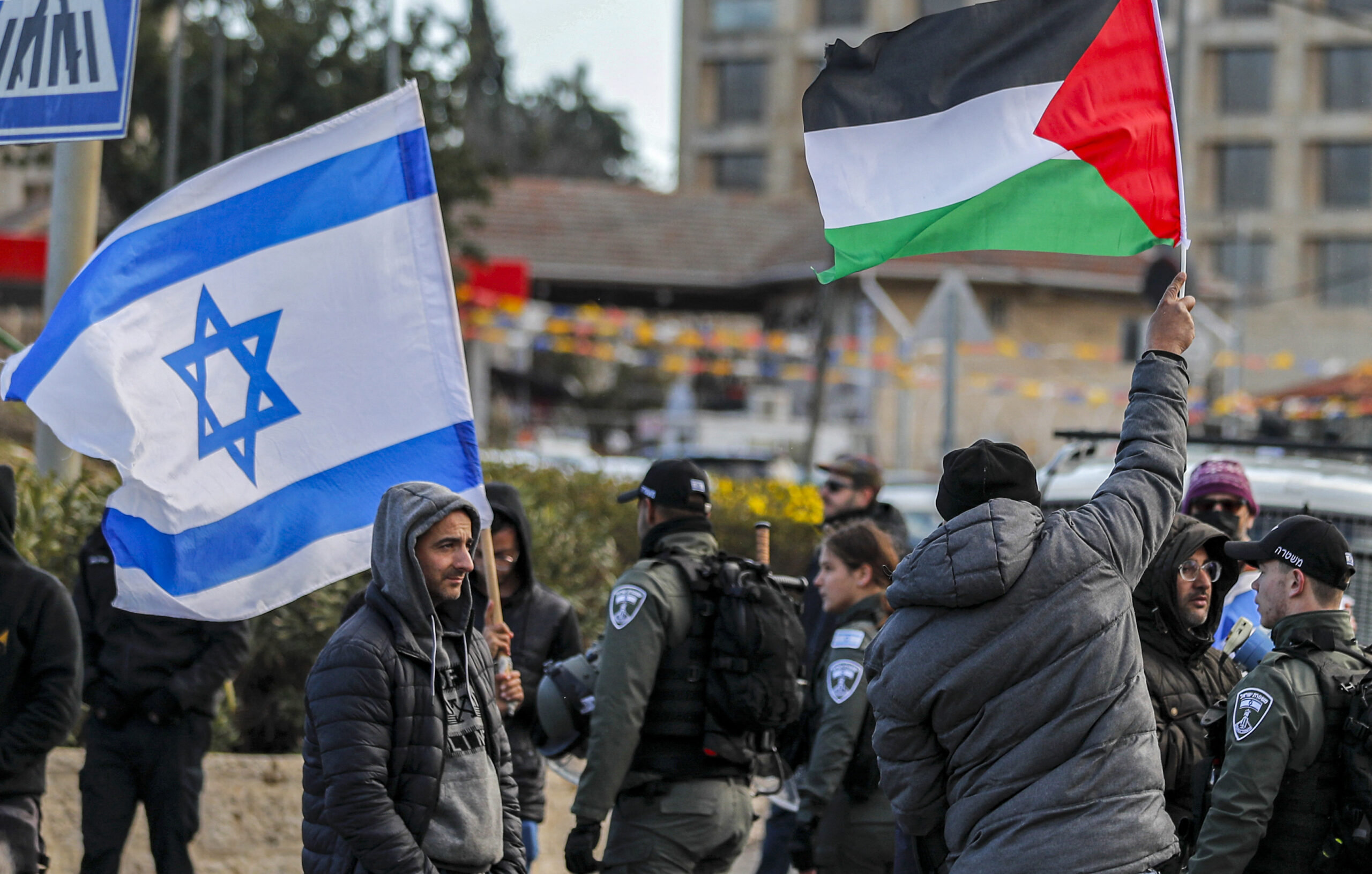
Wars create opportunities for peaceful change: Will the Gaza war serve as a case in point?
While war is still raging in Gaza following Hamas’ brutal Oct. 7 attack on Israel, it nonetheless arguably offers an opportunity for a profound shift in the modalities of the Israeli-Palestinian conflict, which looked unlikely in the period preceding the war. Based on analysis of several examples from the history of the Israeli-Palestinian conflict, this article asserts that in order to seize the opportunity, both sides will need legitimate leaderships that enjoy international support and are willing and determined to make concessions and build trust.
Read the Middle East Journal
The oldest peer-reviewed publication dedicated to the study of the modern Middle East, MEI’s flagship journal covers politics, society, and culture in the region.