Reflections on a Diplomatic Career in the Middle East: A Conversation With Ambassador Yael Lempert
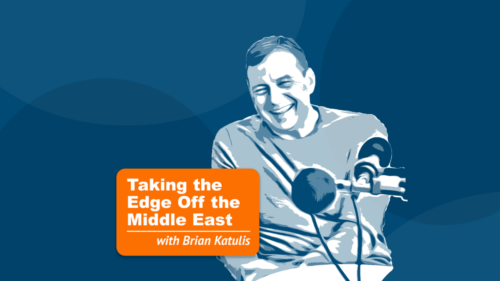
Brian is joined by Amb. (ret.) Yael Lempert, Vice President for Outreach at MEI, to discuss her career in diplomacy and the importance of US diplomatic efforts abroad. She shares stories from postings across the Middle East in Baghdad, Cairo, Tripoli, Jerusalem, and Amman and examines how her personal and professional experiences shaped her approach to the work. Together, Brian and Yael discuss the realities of life in the Foreign Service, the core tenets of American diplomacy, and why it matters in today’s Middle East.
The New Old Middle East
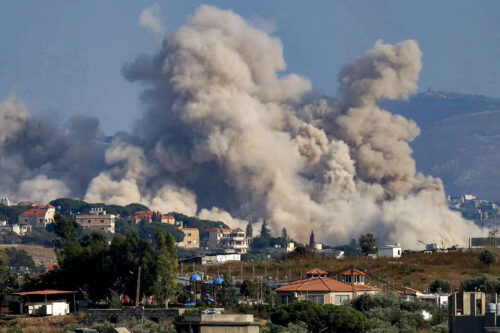
In many ways, the U.S.-Israeli war against Iran and the war in Gaza that preceded it seem transformative. After decades of shadow warfare, Iran and Israel have now attacked each other’s homelands directly. And Israel and the United States have joined forces in a genuinely novel way to wage war against Iran.
Get updates from the Middle East Institute
Featured Experts





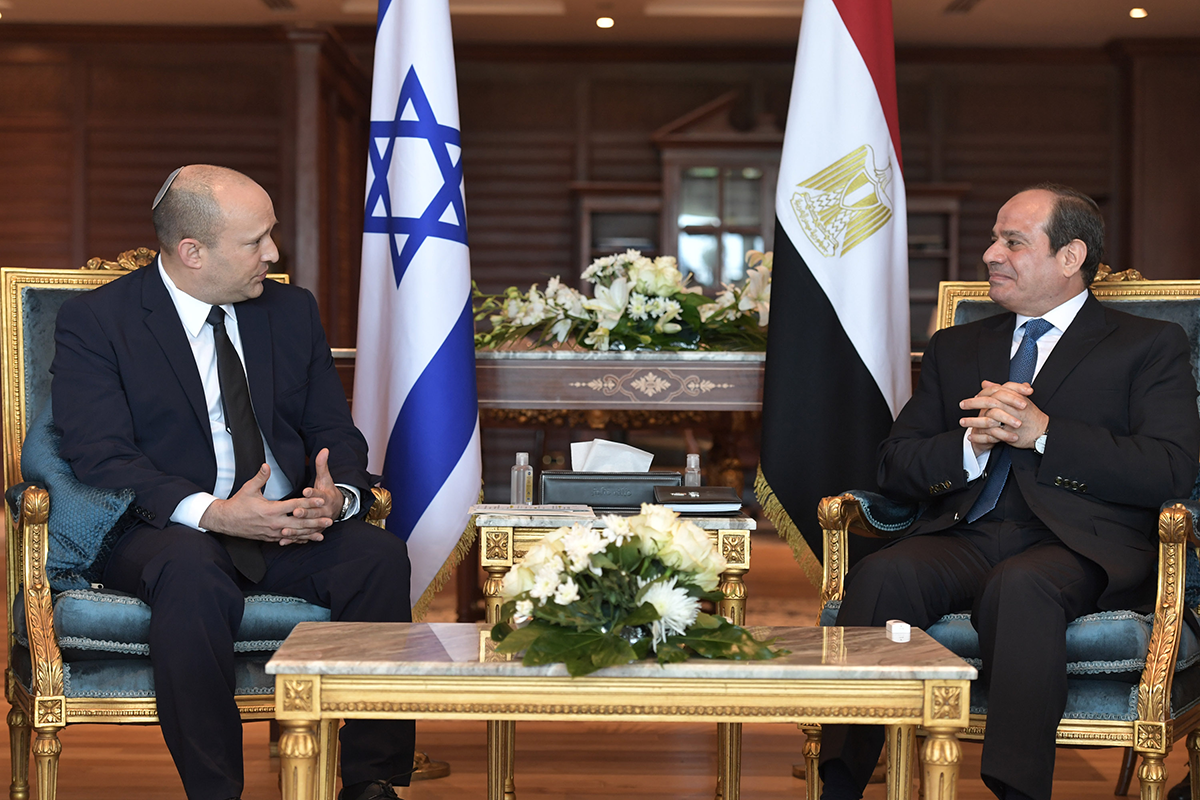
Does a new Israeli government mean a new regional policy? A look at the first 100 days
Naftali Bennett found his way to the Israeli prime minister’s office, even though his party won only six out of 120 seats in the Knesset (the Israeli parliament) in the March 2021 elections. He replaced the country’s long-time prime minister, Benjamin Netanyahu, who held the position for a combined total of 12 years and set the tone for Israeli policy, especially in the region. With the new government, formed in June, recently passing the 100-day mark, it is time to ask whether the change in the prime minister’s office has resulted in a real change in Israel’s regional policy.
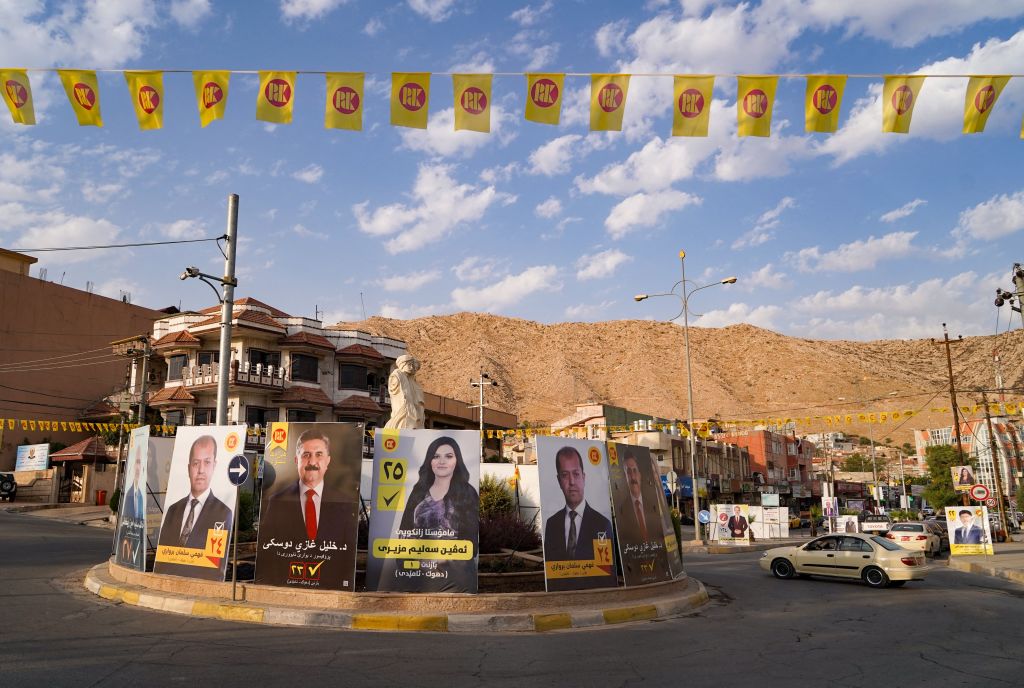
Monday Briefing: The Tishreen anniversary, a muted affair in the run-up to Iraq’s elections
Read MEI’s weekly briefing featuring expert analysis of key regional developments for the week ahead.
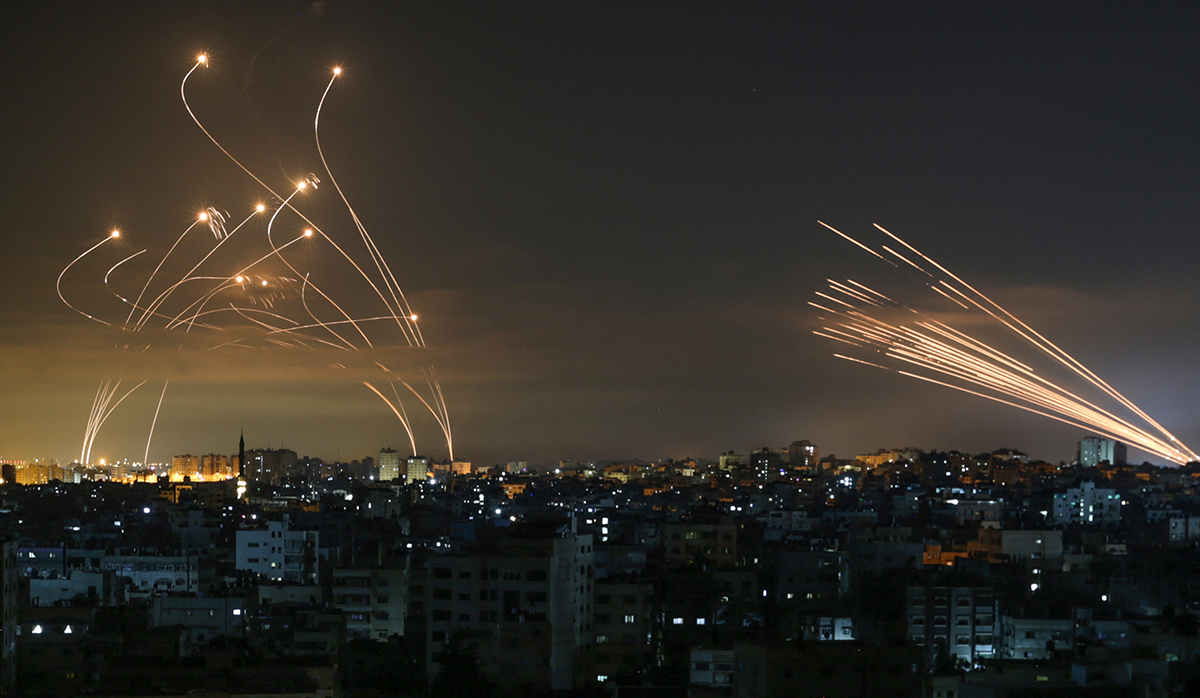
لا، القبة الحديدية لا تحمي أرواح الفلسطينيين
الجدل المستمر (والمبالغ فيه إلى حد كبير) حول قرار أعضاء الكونغرس التقدميين بإعاقة إدراج مليار دولار في التمويل الإضافي لنظام الدفاع الصاروخي الإسرائيلي المسمى بالقبة الحديدية، إلى جانب الـ 3.8 مليار دولار من المساعدات العسكرية الأمريكية التي تتلقاها إسرائيل بالفعل، كشف عن تصدعات في داخل الحزب الديمقراطي وكذلك عن مدى إمكانية إجراء نقاش حقيقي حول القضايا المتعلقة بإسرائيل/فلسطين في واشنطن.
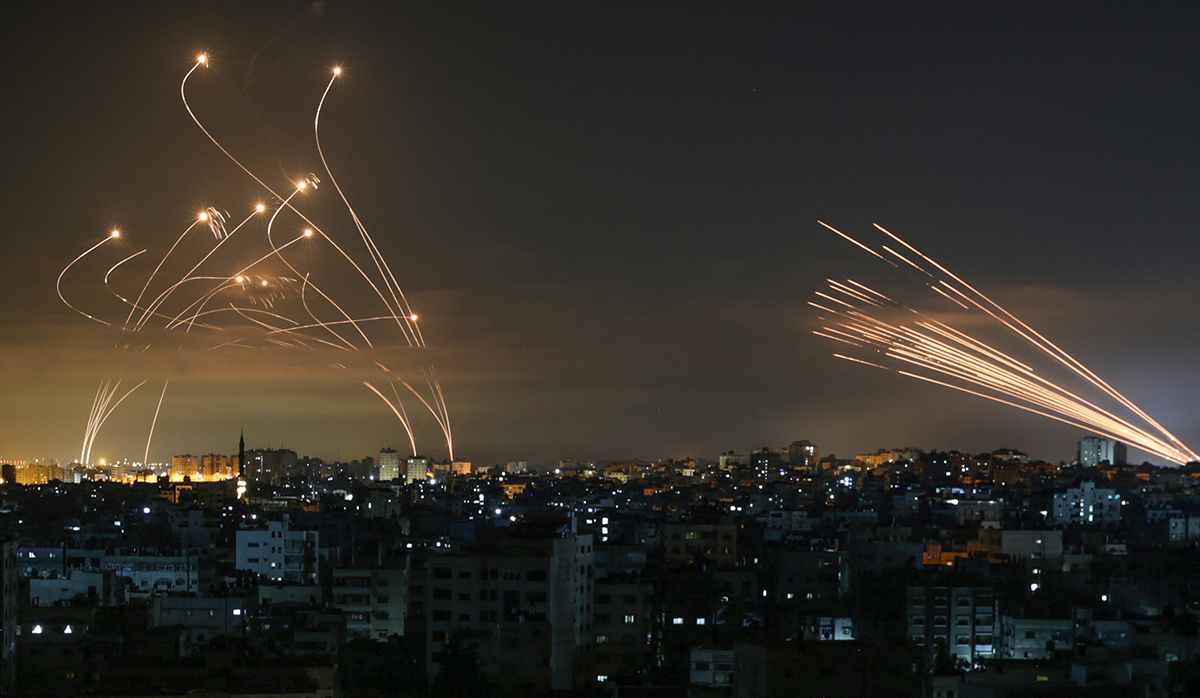
No, Iron Dome doesn’t save Palestinian lives
While much of the discourse surrounding the Iron Dome controversy is mired in hysterics and hyperbole, some have put forward a more rational case for providing additional funding for it. One of the standard arguments advanced in recent days is that Iron Dome is crucial not only for saving Israeli lives but is equally important (perhaps even more so) for saving Palestinian lives. This claim has been echoed by numerous American and Israeli analysts and even Members of Congress, and seems to have been accepted by a number of journalists as well. But is it actually true?
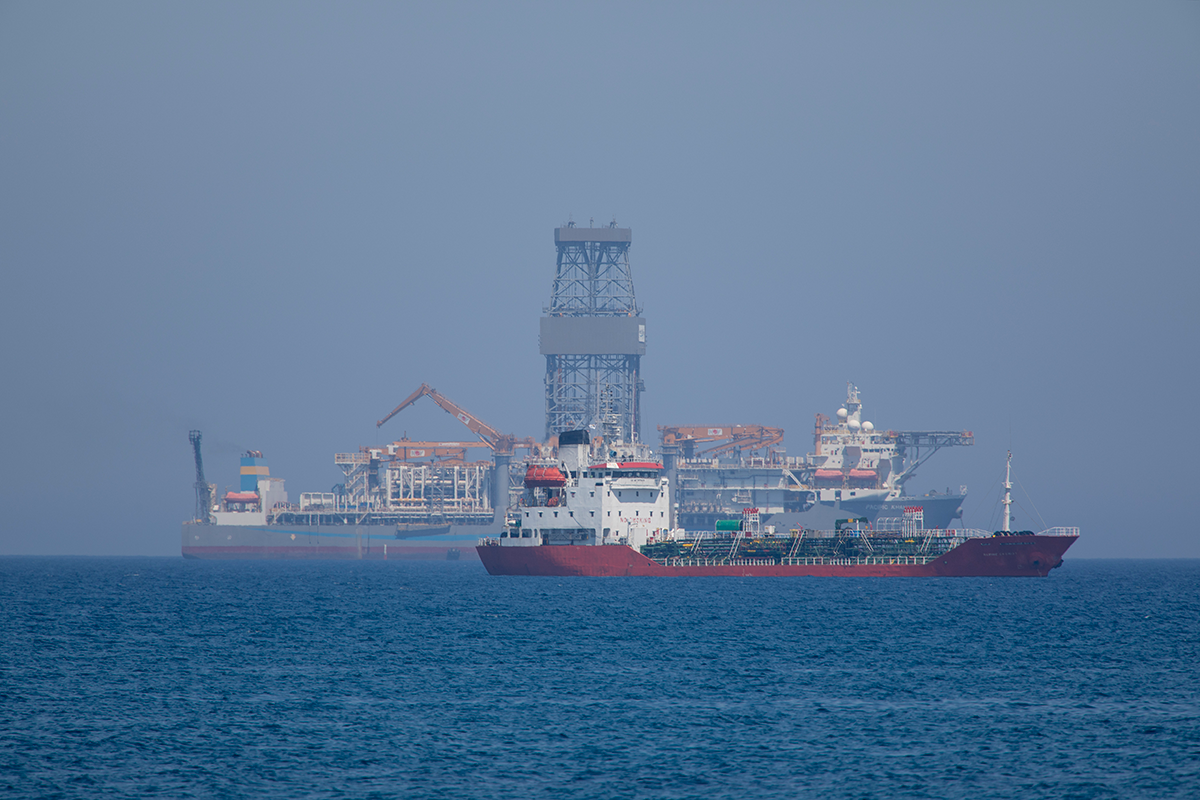
East Med gas needs clean tech and regional integration to support investment case
The viability of Eastern Mediterranean natural gas resources has long been a source of debate for reasons including cost considerations, market demand, and regional geopolitical tensions. The past couple of years have further complicated the debate, introducing new questions about the role of these resources in supporting post-pandemic economic recovery or helping more advanced markets achieve net-zero policies by replacing coal and other fuel sources (a particularly relevant topic of debate given Europe and Asia are key export targets for East Med gas).
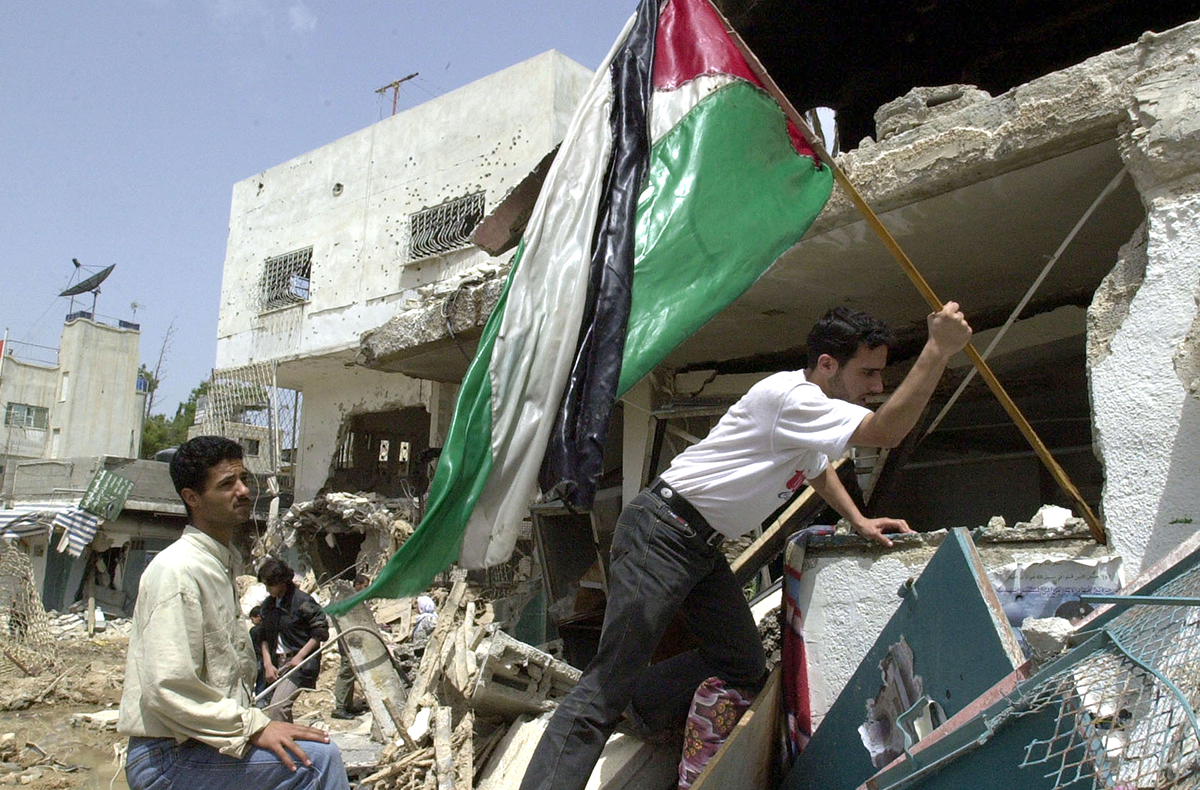
The legacy of 9/11 in the Middle East Peace Process
As we mark 20 years since the 9/11 terror attacks and the subsequent U.S. interventions in Afghanistan, Iraq, and other protracted elements of the ill-fated and ill-conceived “war on terror,” it is easy to overlook other disastrous legacies of U.S. policy in the post-9/11 era. This is particularly true in the case of the Israeli-Palestinian conflict, where Washington’s response to 9/11 effectively marked the beginning of the long, tortured death of the Middle East Peace Process, and with it hopes for a two-state solution.
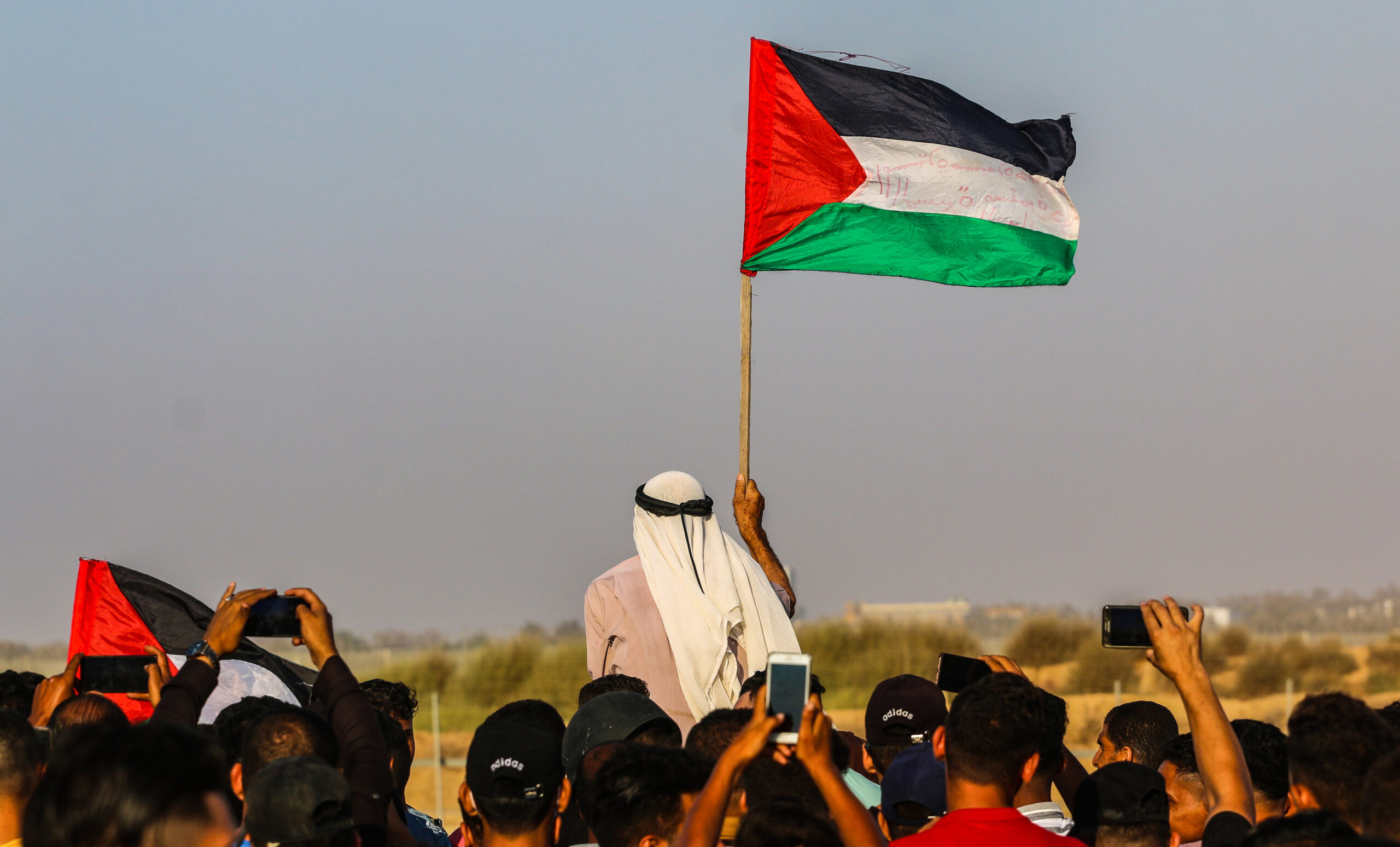
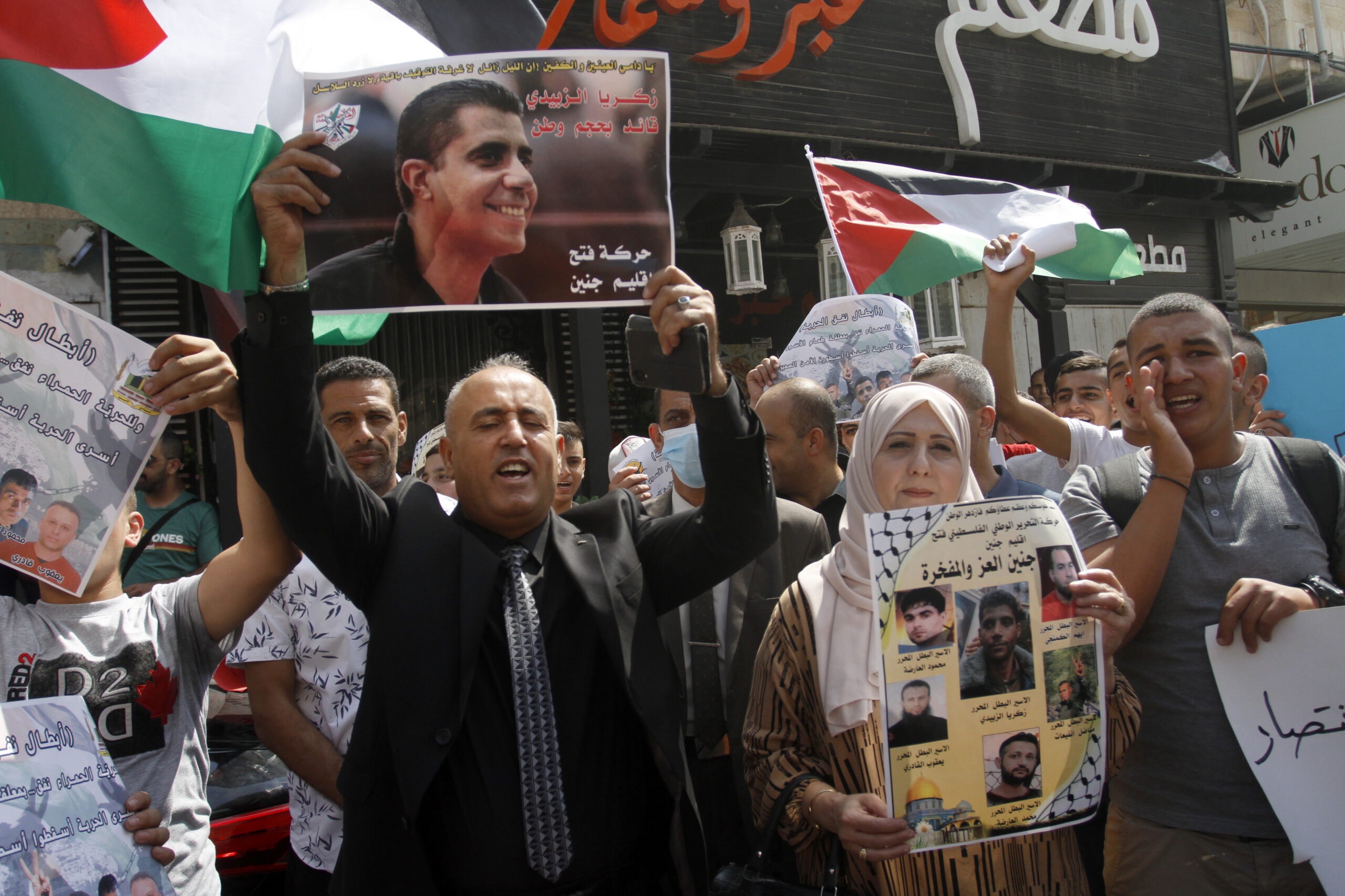
Palestinian Protests and the Future of the Palestinian Struggle
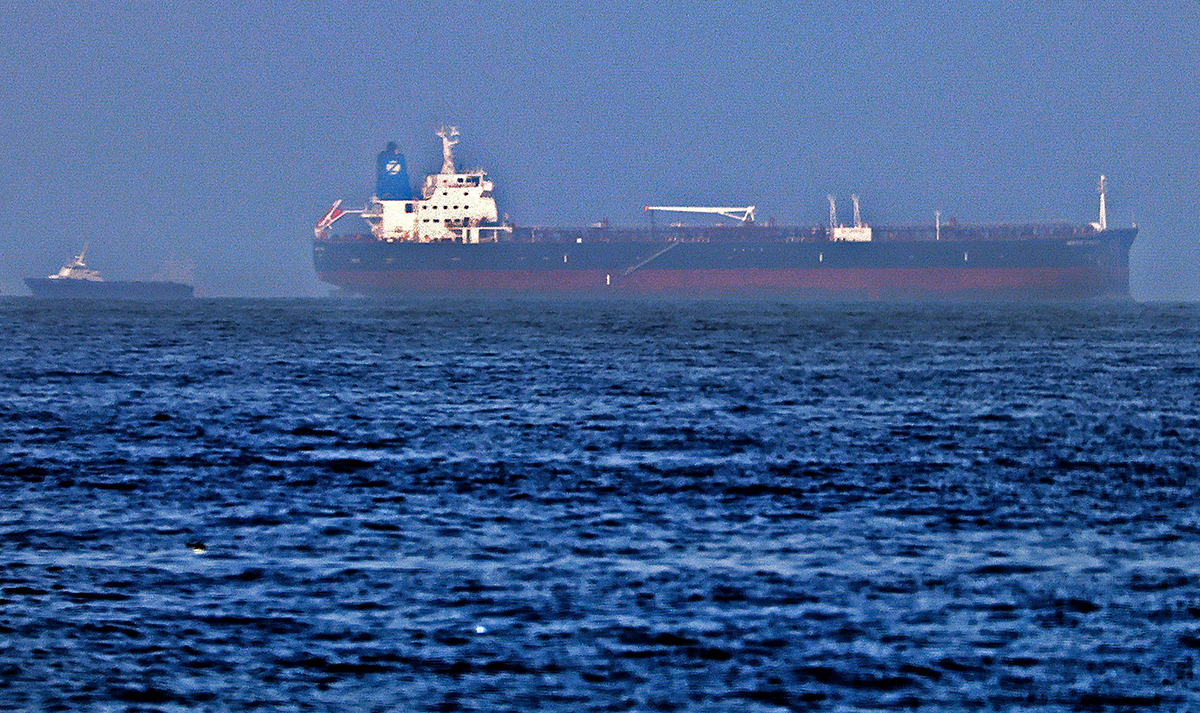
What prompted Iran to strike the Mercer Street?
The July 29 suicide drone attack on the Israeli oil tanker Mercer Street, which left two British and Romanian crewmembers dead in the Arabian Sea, was carried out by Iran and was intended to cause human casualties and physical damage, according to the investigative report from U.S. Central Command(CENTCOM). While Tehran denied any hand in the strike, the G7 directly blamed Iran and U.S. Secretary of State Antony Blinken promised a “collective response.”
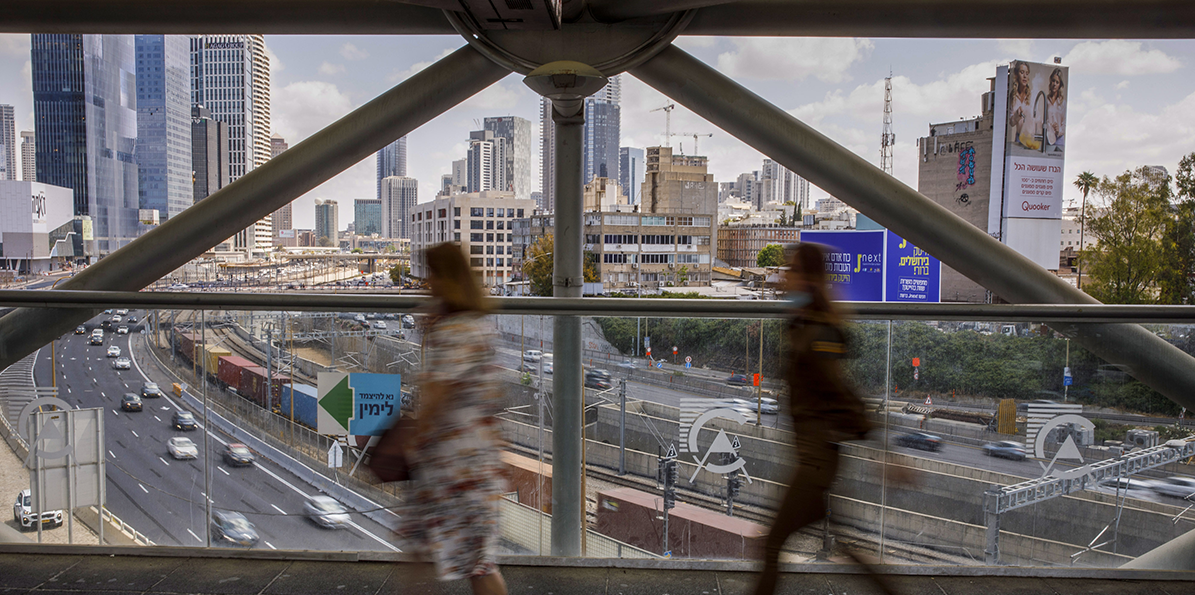
إسرائيل ومصر تتصدران توقعات النمو في الشرق الأوسط وشمال إفريقيا: قصة استراتيجيتين متباينتين
الدولتان في الشرق الأوسط اللتان تتمتعان بأعلى توقعات نمو لعام 2022 هما إسرائيل ومصر. وتقدر مؤسسة فيتش سوليوشنز أن الناتج المحلي الإجمالي على مستوى منطقة الشرق الأوسط وشمال إفريقيا سينمو بنسبة 3.6% في عام 2021، بعد انكماش بنسبة 4% في عام 2020. هنا نجد أن مصر وإسرائيل هما الدولتان الوحيدتان في المنطقة اللتان يُتوقع نمو اقتصادهما بما يتجاوز حجم مستويات ما قبل كوفيد-19.
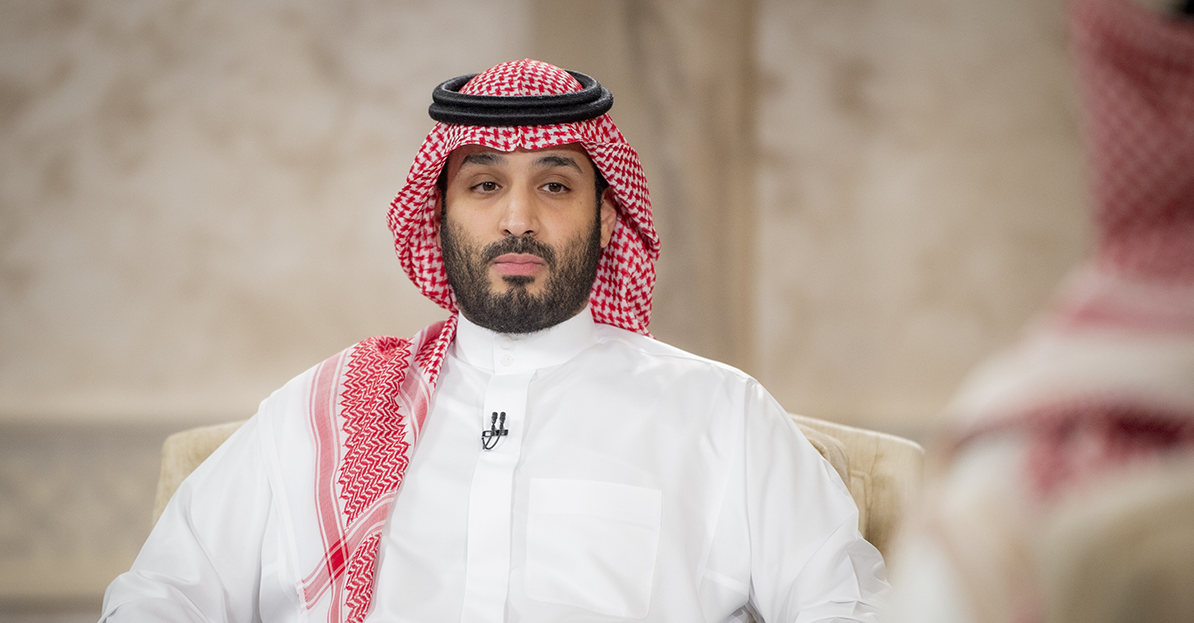
Saudi Arabia Returns
At the dawn of the Biden era of American foreign policy, a more mature, realistic Saudi foreign policy is emerging to match the shifting signals from Washington. In some measure, the Saudis are readopting elements that traditionally characterized their policy preferences before the meteoric rise of Crown Prince Mohammed bin Salman (MbS), the kingdom’s de facto ruler.
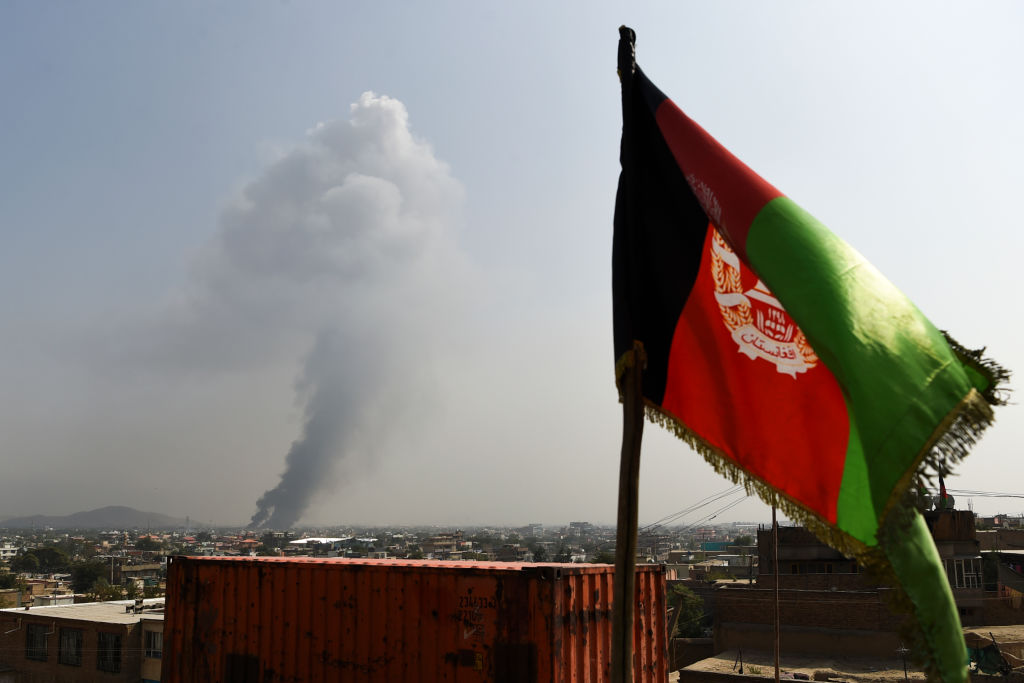
Monday Briefing: New threats and a far more dangerous environment in Afghanistan
Read MEI’s weekly briefing featuring expert analysis of key regional developments for the week ahead.
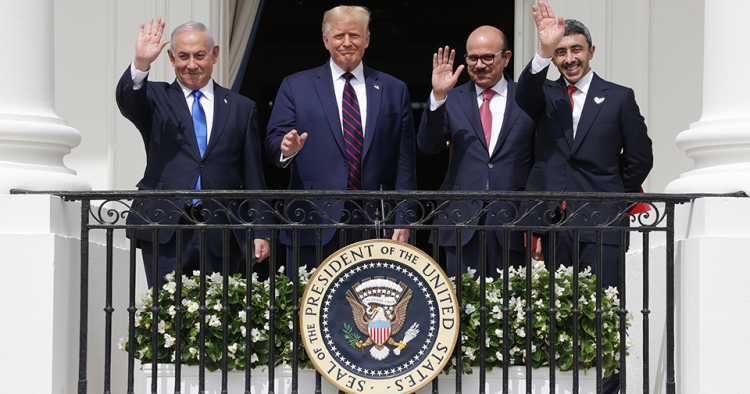
The Abraham Accords one year on
On Sept. 15, 2020, Emirati Foreign Minister Abdullah bin Zayed al-Nahyan, Bahraini Foreign Minister Abdullatif bin Rashid al-Zayani, then-Israeli Prime Minister Benjamin Netanyahu, and then-U.S. President Donald Trump met on the South Lawn of the White House to sign the Abraham Accords, normalizing relations between the two Gulf Arab states and Israel. Morocco followed suit several months later, signing a similar agreement with Israel on Dec. 22, and a week and a half after that, on Jan. 6, 2021, Sudan and Israel also agreed to normalize relations. A year on, these accords have had a significant, if not yet fully realized, impact on the Middle East, affecting everything from geopolitics and economics to tourism and people-to-people (P2P) ties, and they also reflect the changing dynamics in the region and beyond, particularly with the U.S. and China.
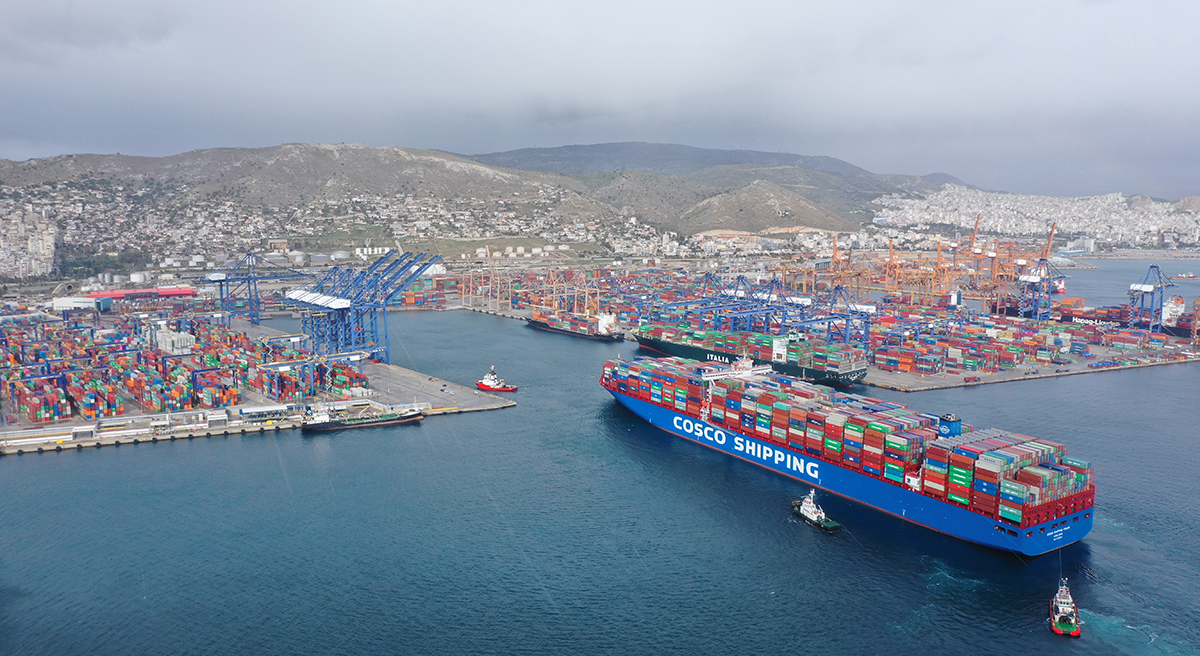
The race to reset the Middle East's maritime map
One of the most consequential changes in the Middle East’s geopolitical map is happening at the water’s edge. Along the entire eastern rim of the Mediterranean basin, global and regional actors are engaging in a spate of port capacity expansions, new private port construction, and the sell-off of major state-owned ports that will determine who sits atop the region’s global trade flows for decades to come. The international competition to rebuild Beirut’s port is one key puzzle piece in this larger process that is reconfiguring the Levant’s maritime commercial architecture and, as a consequence, the geopolitical contours of the Middle East.
The possibility that the Lebanese government could opt for China to reconstruct Beirut’s port has raised alarm in Washington and European capitals given China’s already outsized commercial port presence in Egypt, Israel, and Greece. Increased Chinese involvement in Lebanon’s port operations could consolidate Beijing’s hold over the commercial connectivity architecture of the Levant. Re-orienting global commercial flows between Europe, the Middle East, and Asia according to Beijing’s priorities would make China’s Belt and Road Initiative a dominant organizing principle in the international relations of the Middle East. The most effective way to offset China’s ambition may be to facilitate Mediterranean rivals France and Turkey to jointly rebuild Beirut’s port.

First Anniversary of the Abraham Accords
Amb. Dennis Ross and Karen Young join guest host Gerald Feierstein to discuss the progress of relations between Israel and the Arab world one year after the signing of the Abraham Accords, as well as the agreement’s economic impacts and what role the United States will play moving forward.
Read the Middle East Journal
The oldest peer-reviewed publication dedicated to the study of the modern Middle East, MEI’s flagship journal covers politics, society, and culture in the region.