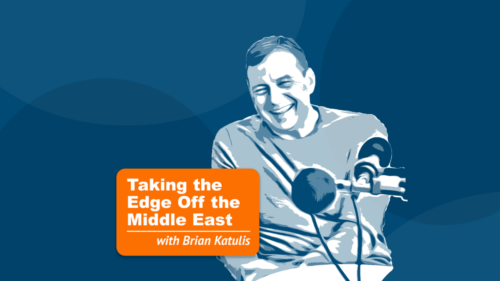
Reflections on a Diplomatic Career in the Middle East: A Conversation With Ambassador Yael Lempert
Brian is joined by Amb. (ret.) Yael Lempert, Vice President for Outreach at MEI, to discuss her career in diplomacy and the importance of US diplomatic efforts abroad. She shares stories from postings across the Middle East in Baghdad, Cairo, Tripoli, Jerusalem, and Amman and examines how her personal and professional experiences shaped her approach to the work. Together, Brian and Yael discuss the realities of life in the Foreign Service, the core tenets of American diplomacy, and why it matters in today’s Middle East.
The New Old Middle East
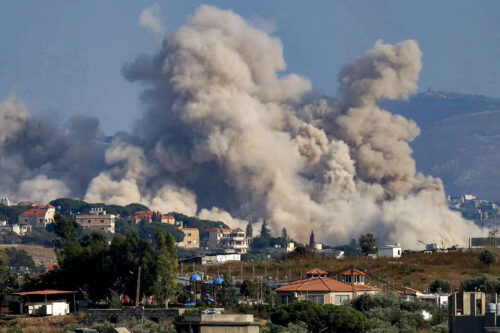
In many ways, the U.S.-Israeli war against Iran and the war in Gaza that preceded it seem transformative. After decades of shadow warfare, Iran and Israel have now attacked each other’s homelands directly. And Israel and the United States have joined forces in a genuinely novel way to wage war against Iran.
Get updates from the Middle East Institute
Featured Experts





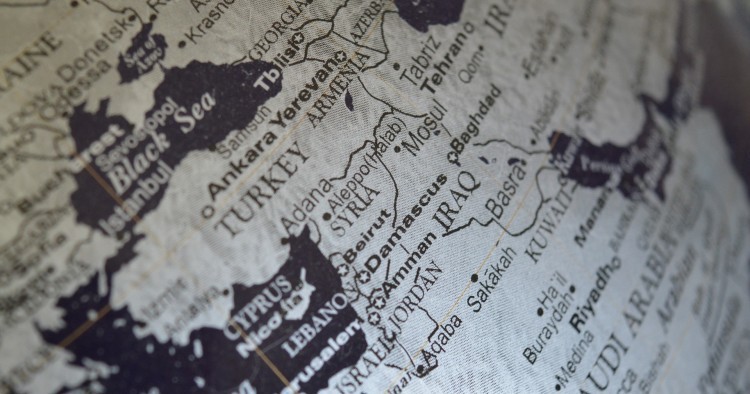
Election 2020: Challenges and Opportunities for US Policy in the Middle East
In a new briefing book released ahead of the U.S. elections in November, entitled Election 2020: Challenges and Opportunities for US Policy in the Middle East, MEI scholars lay out key issues across the region, highlight the U.S. interests at stake, and provide policy insights and recommendations for the path forward.
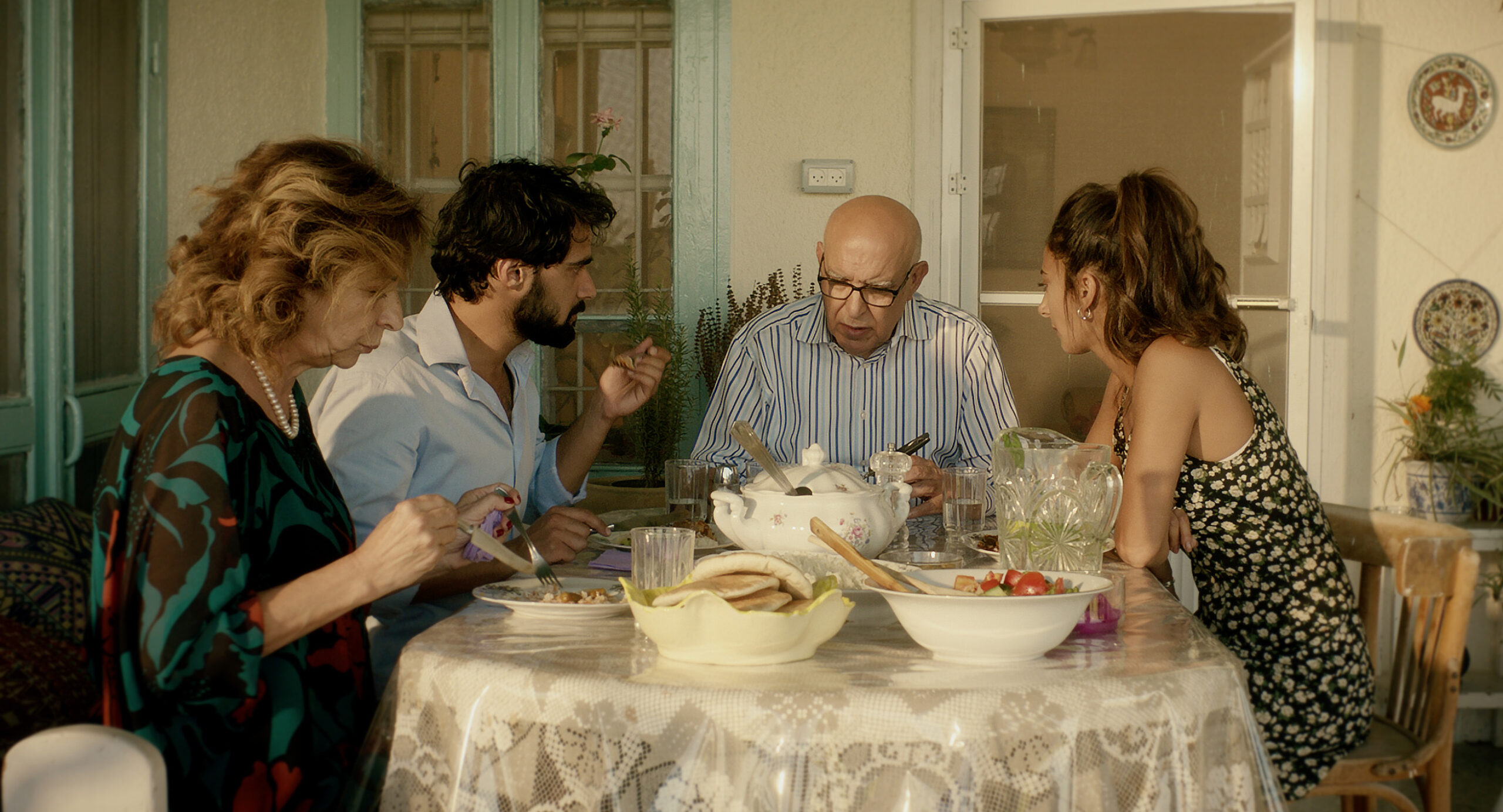
“Between Heaven and Earth”: A road movie with a mission at a pandemic-era festival
“Between Heaven and Earth,” filmmaker Najwa Najjar’s latest offering about love and divorce under occupation, is part road movie, part mystery, and part deep dive into the Palestinian psyche. To call its whole ethos a wild ride might just be an understatement.
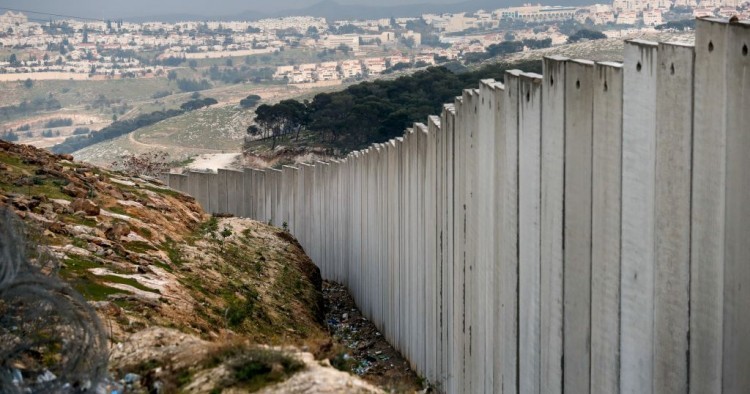
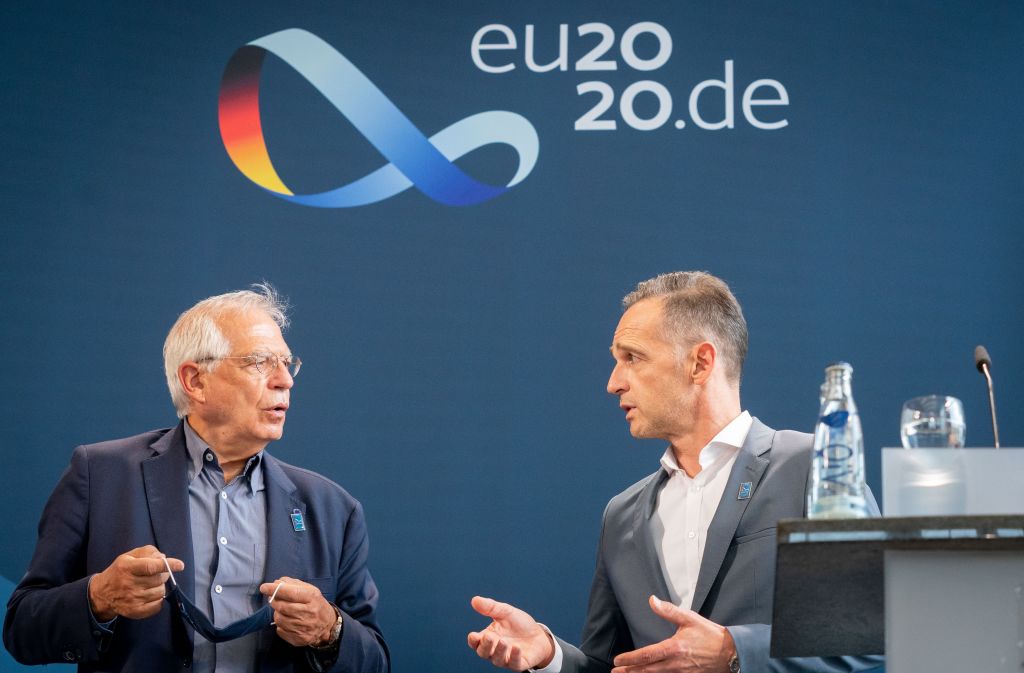
Monday Briefing: Eastern Mediterranean tensions reach a boiling point
This week’s briefing on recent news and upcoming events in the region featuring Emiliano Alessandri, Randa Slim, and Mark A. Heller.
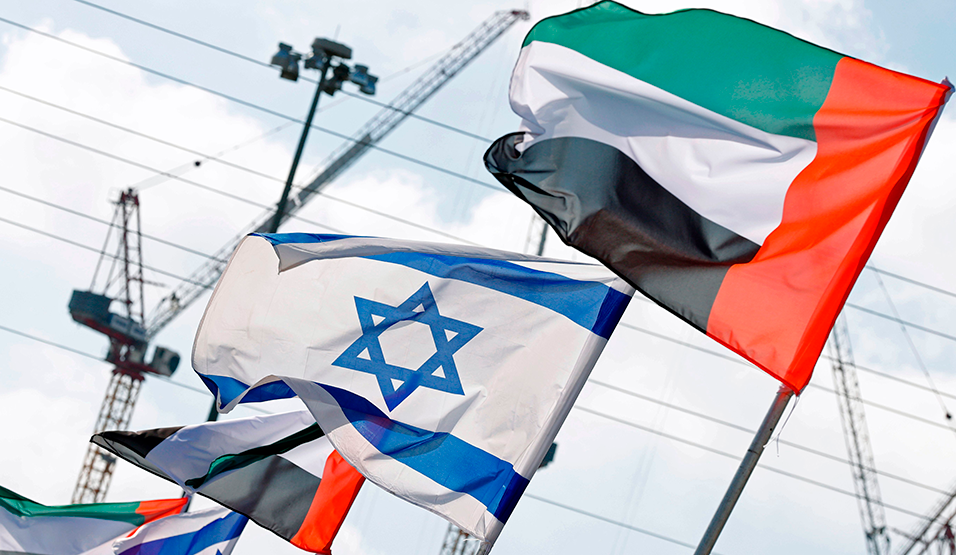
Russian and Chinese views on the Israel-UAE normalization deal
On Aug. 14, Israel and the United Arab Emirates (UAE) agreed to normalize diplomatic relations in exchange for a suspension of Israeli annexation plans in the West Bank. International reactions to this historic deal were sharply polarized, but the two main strategic rivals of the United States, Russia and China, responded cautiously to the announcement.

Jordan’s apparent neutrality conceals deeper discomfort with UAE-Israel deal
The leaders of the Hashemite Kingdom of Jordan have traditionally been known as masters at staying as neutral as possible, especially when it comes to inter-Arab relations. This was on clear display in Amman’s response to the recent UAE-Israel rapprochement.
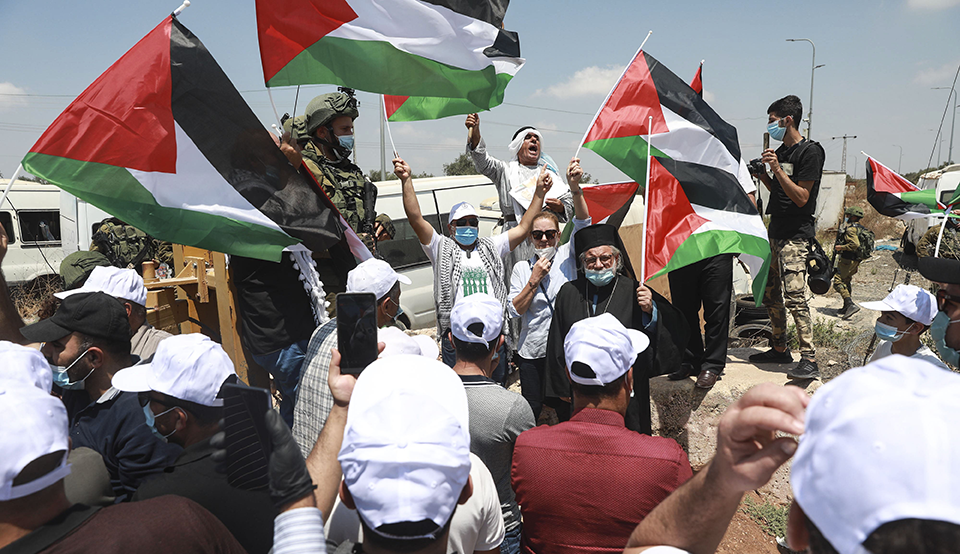
Abraham abandoning the Palestinians
The agreement signed yesterday by Israel and the United Arab Emirates (UAE), in which the two countries agreed to a “full normalization of relations” in return for Israel suspending moves to formally annex parts of the West Bank, has reminded the Palestinians that they cannot count on the Arab states to deliver their freedom or safeguard their rights.
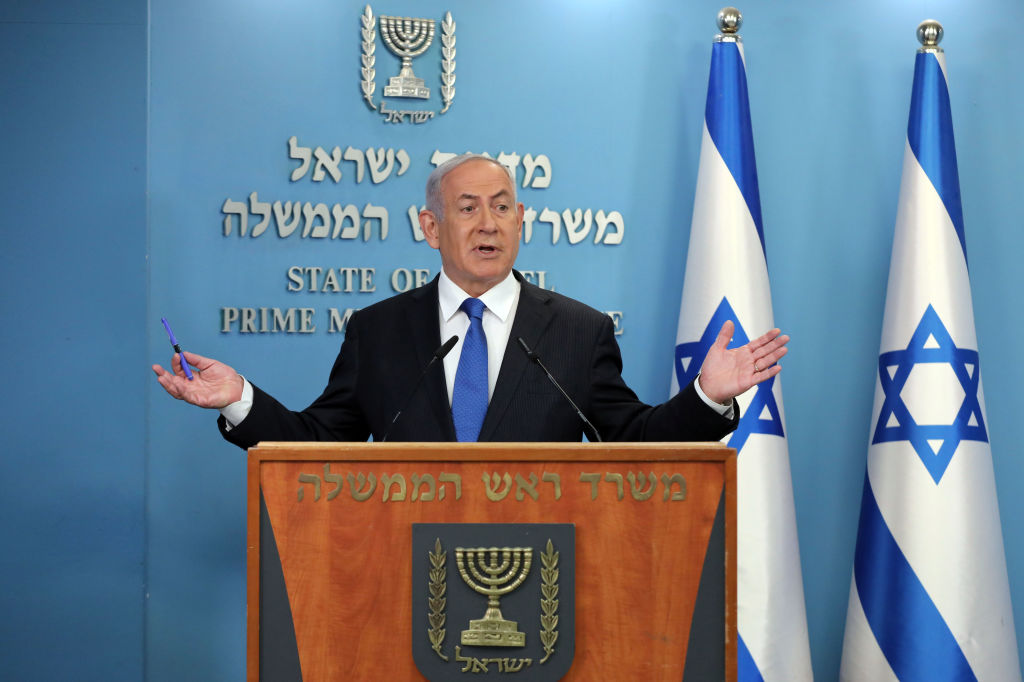
In historic deal with the UAE, Israel is the biggest winner
No matter how one reads the diplomatic deal announced Thursday between Israel and the United Arab Emirates—and there will surely be many supporters and detractors given its historic nature—there is one conclusion that seems irrefutable: Israel was the biggest victor.
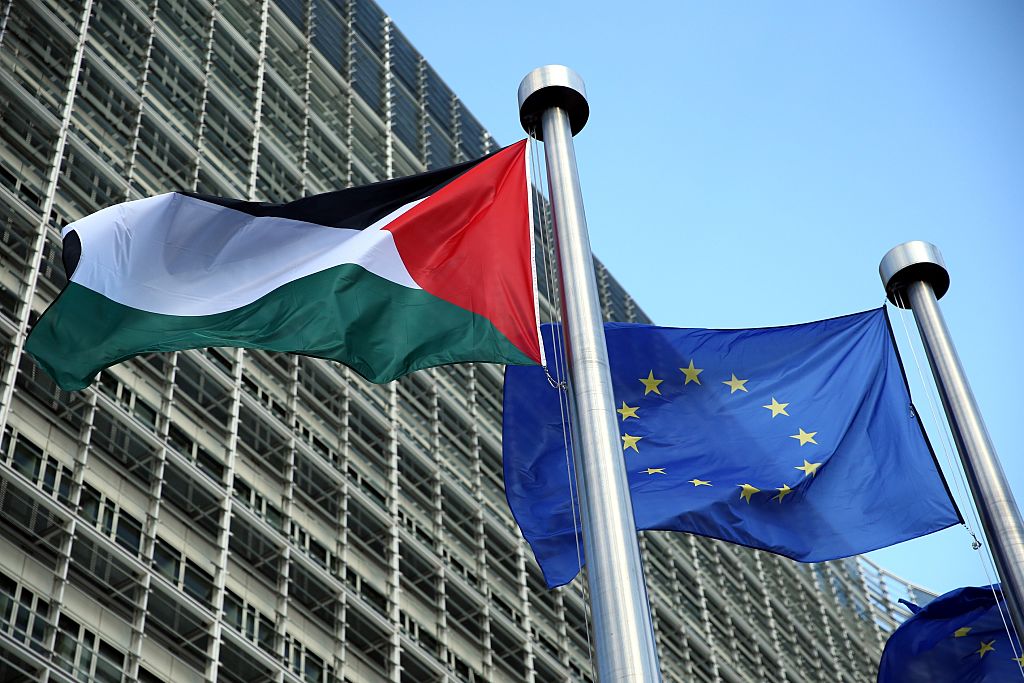
To recognize or not to recognize: EU recognition of Palestine
Recognition of a Palestinian state is one of the potential responses European Union states are mulling in response to an Israeli annexation of territory in the West Bank, with the foreign minister of Luxembourg, for example, declaring such a move “inevitable” in the event of annexation.
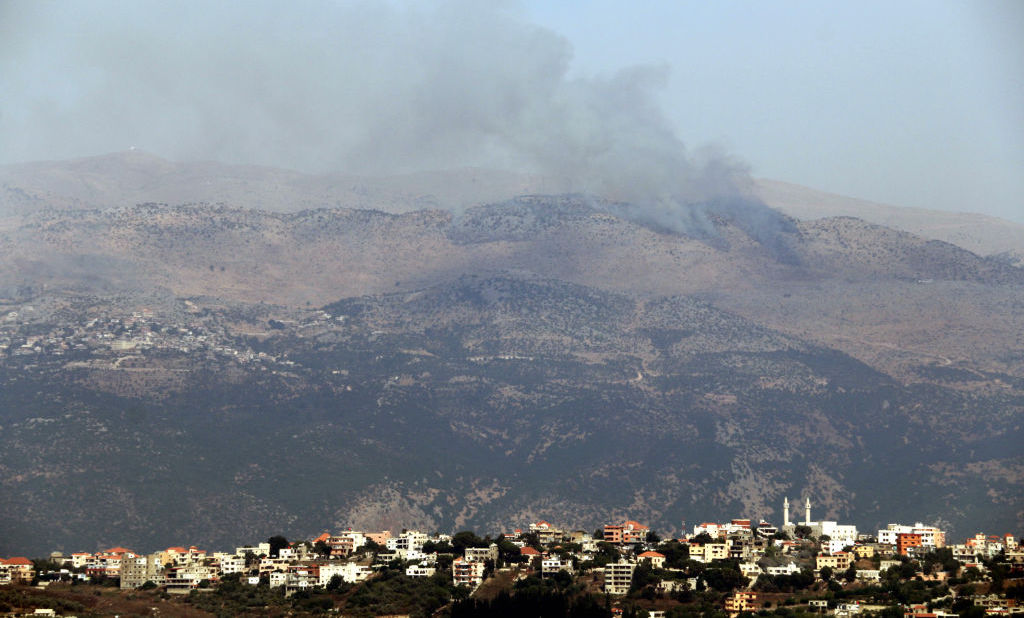
Israel and Hezbollah’s dance of deterrence
The Israelis and Hezbollah are at it again. Earlier this week, they seem to have skirmished in the Shebaa Farms area. In their latest exchange of fire, or fiery statements, Israel and Hezbollah are continuing a new tradition of contained conflicts — one stretching back five years, when the Israelis stepped up efforts to interdict weapons shipments, destroy infrastructure, and kill Iranian or Iranian-supported officials and fighters in Syria (and indeed Iraq).
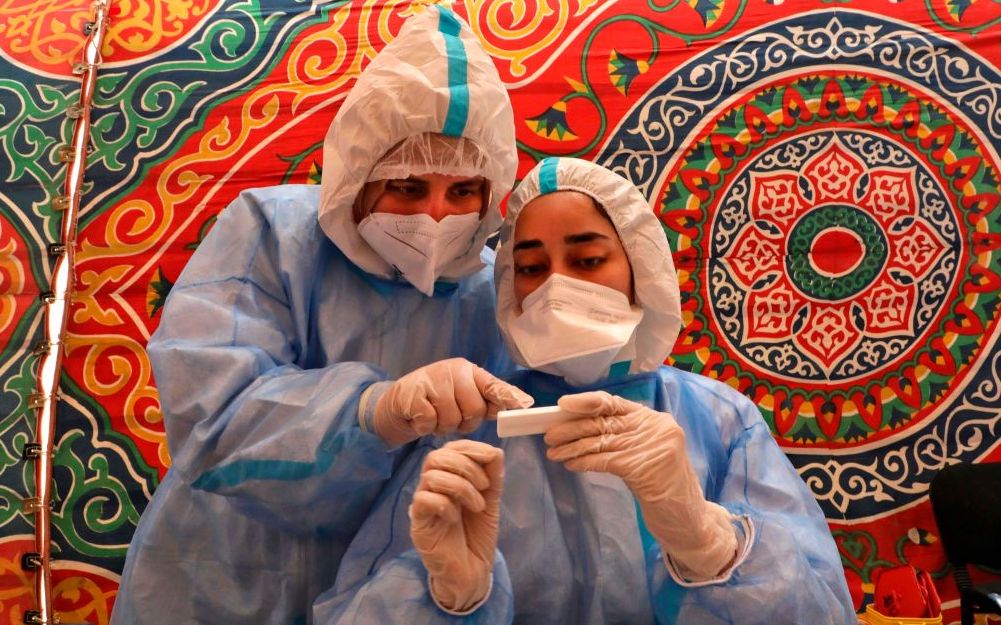
COVID-19 in the West Bank and Gaza: A second wave under military occupation and siege
In the Palestinian West Bank, a brutal second wave began over a month ago with a more than 20-fold increase in COVID-19 infections, putting an immense strain on the health care system. This strain, however, needs to be understood in the context of the ongoing violence of the Israeli settler colonial regime.
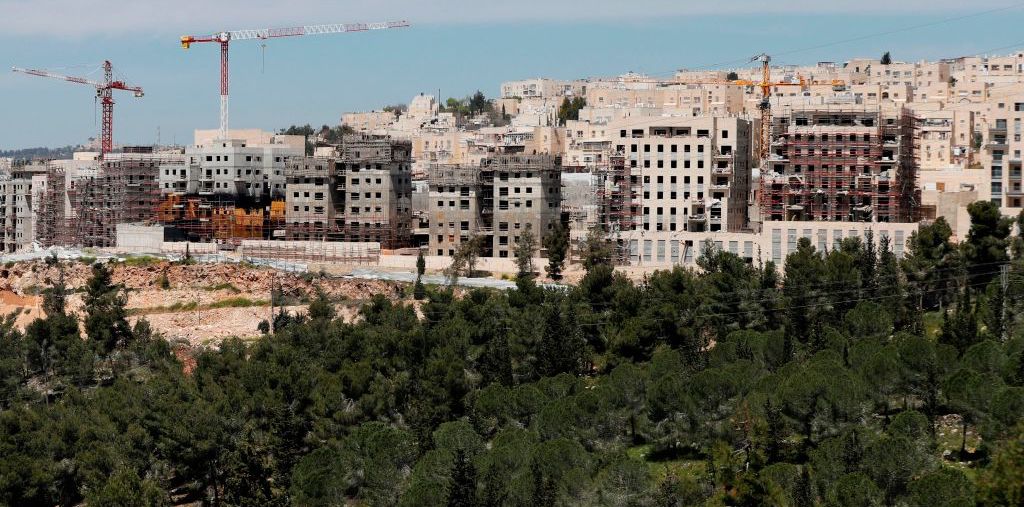
The potential cyber consequences of Israeli annexation of Palestinian territory
While it seems as though the immediate threat of Israeli annexation has, for the time being, faded, the incident raises an interesting new set of questions about how this particular battle will continue to play out in an increasingly digitized Middle East and the potential for retaliation by Palestinian and other actors in cyberspace, whether or not such an annexation takes place.
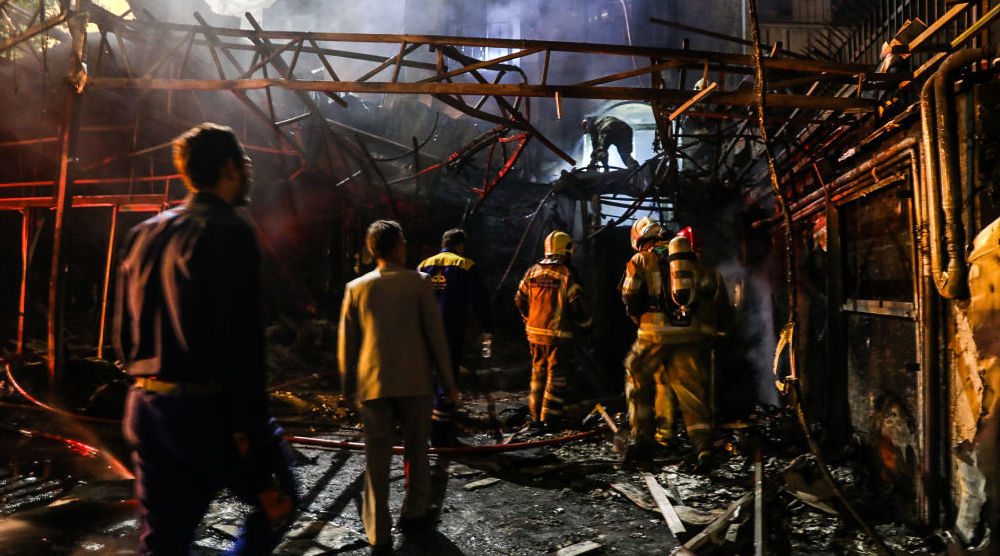
What’s behind the wave of mysterious incidents in Iran?
On the 10th anniversary of the discovery of the Stuxnet computer virus, designed by the U.S. and Israel to target Iran’s nuclear program, the Islamic Republic is facing a new wave of unclaimed acts of sabotage.
For Palestinians, annexation spells further erasure of their history
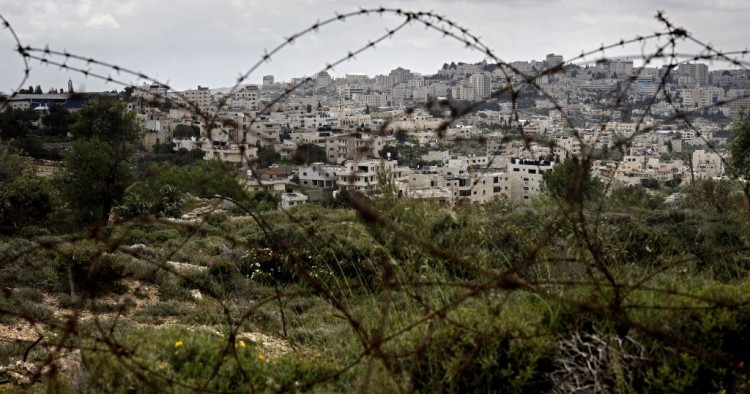
With the impending U.S.-supported annexation of West Bank territory, Palestinians living in these designated areas stand to lose not only their long-held aspirations for an independent state, but further eradication of their presence — a “spacio-cide” — in support of an Israeli-envisaged demographic and political vision.
Monday Briefing: The UN Security Council must act now to save northwest Syria
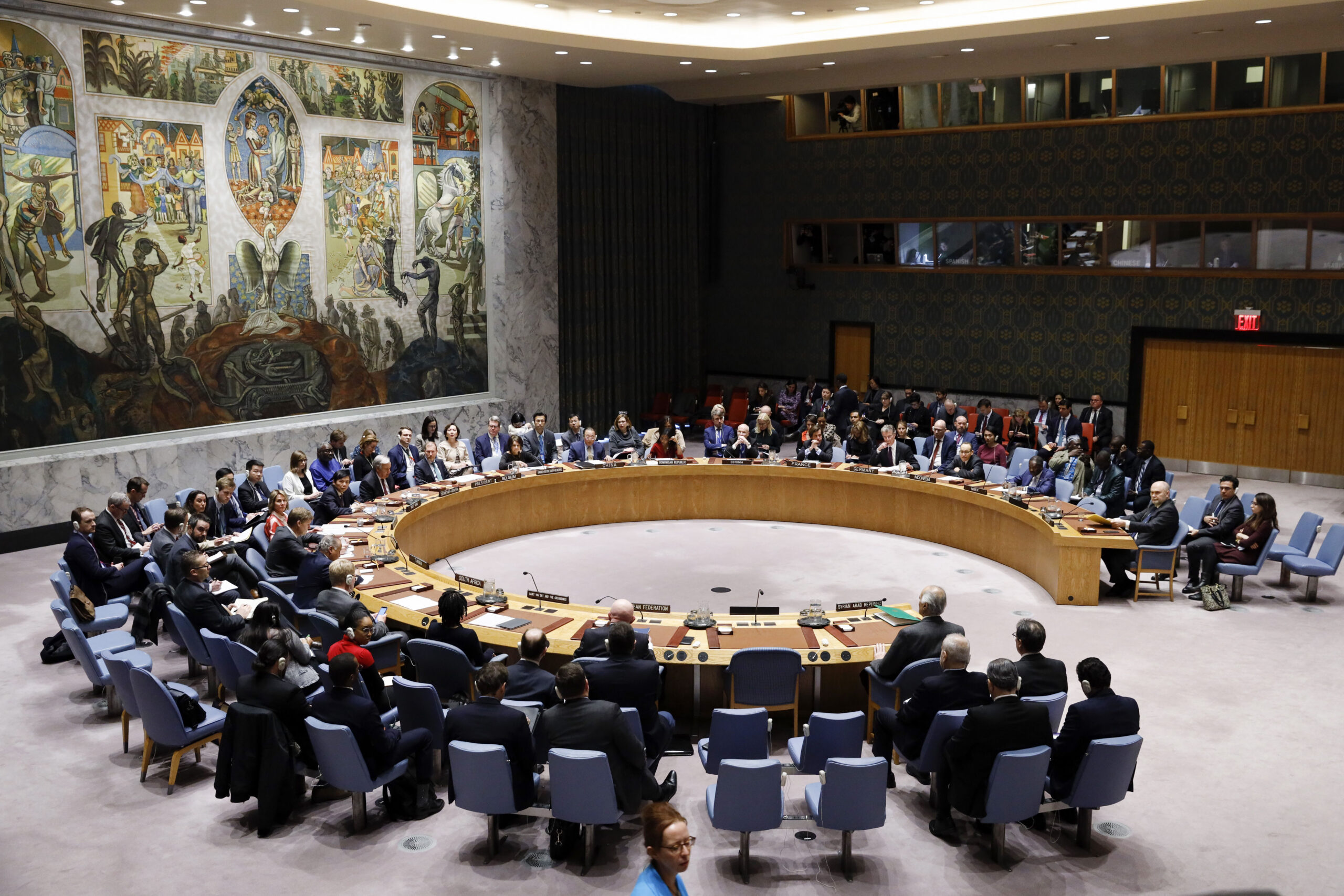
This week’s briefing on recent news and upcoming events in the region featuring Dara Conduit, Marvin G. Weinbaum, Mark Heller, Syed Mohammad Ali, Gonul Tol, and Guled Ahmed.
Read the Middle East Journal
The oldest peer-reviewed publication dedicated to the study of the modern Middle East, MEI’s flagship journal covers politics, society, and culture in the region.