
Reflections on a Diplomatic Career in the Middle East: A Conversation With Ambassador Yael Lempert
Brian is joined by Amb. (ret.) Yael Lempert, Vice President for Outreach at MEI, to discuss her career in diplomacy and the importance of US diplomatic efforts abroad. She shares stories from postings across the Middle East in Baghdad, Cairo, Tripoli, Jerusalem, and Amman and examines how her personal and professional experiences shaped her approach to the work. Together, Brian and Yael discuss the realities of life in the Foreign Service, the core tenets of American diplomacy, and why it matters in today’s Middle East.
The New Old Middle East
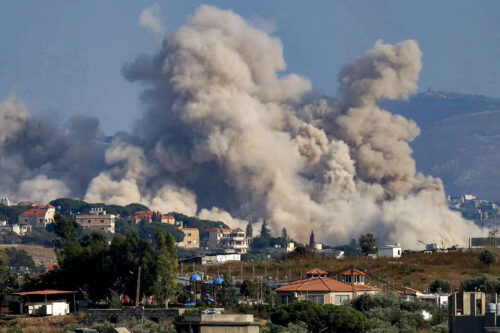
In many ways, the U.S.-Israeli war against Iran and the war in Gaza that preceded it seem transformative. After decades of shadow warfare, Iran and Israel have now attacked each other’s homelands directly. And Israel and the United States have joined forces in a genuinely novel way to wage war against Iran.
Get updates from the Middle East Institute
Featured Experts





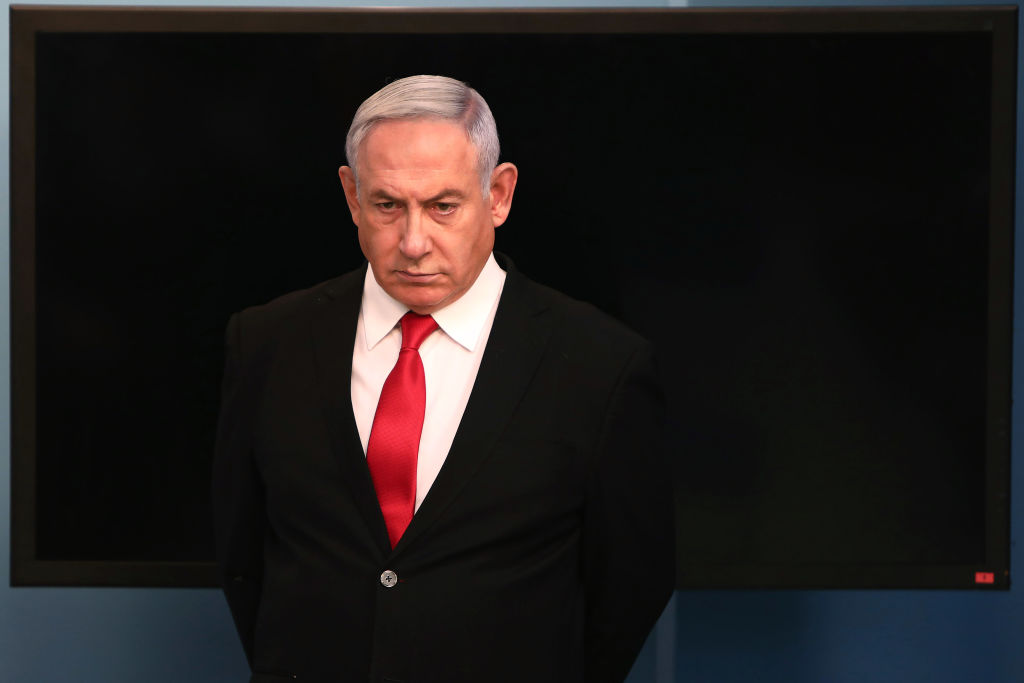
Israel suspends two branches of government, in a battle over democracy with a long history
Israel is fighting two battles at once: one against the coronavirus, which has engulfed the entire world, and another against itself.
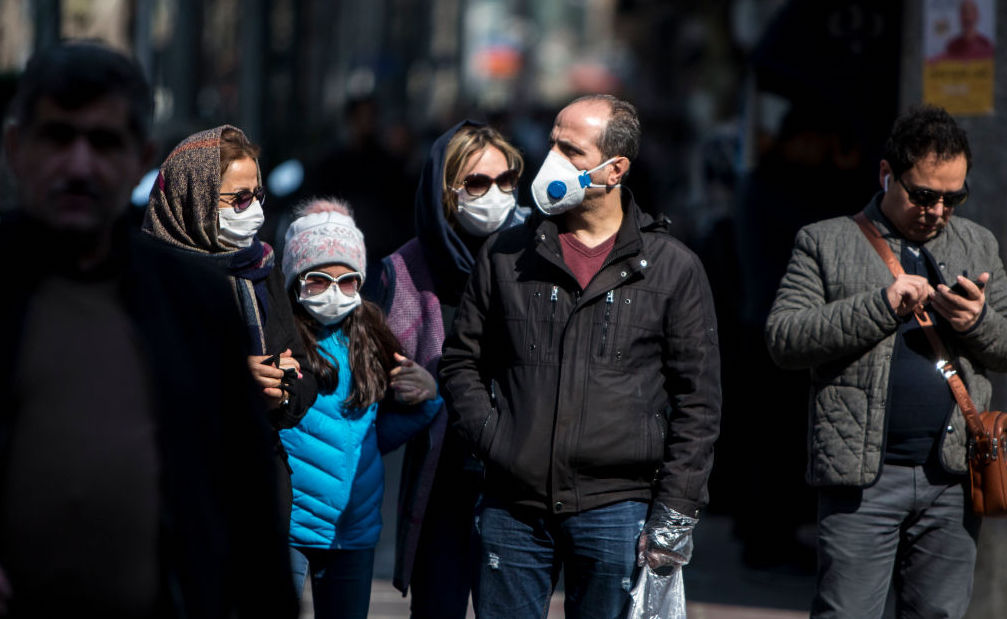
COVID-19 and the Middle East
From Morocco to Afghanistan, the scholars and experts at MEI take a closer look at how the COVID-19 coronavirus pandemic is affecting the Middle East.
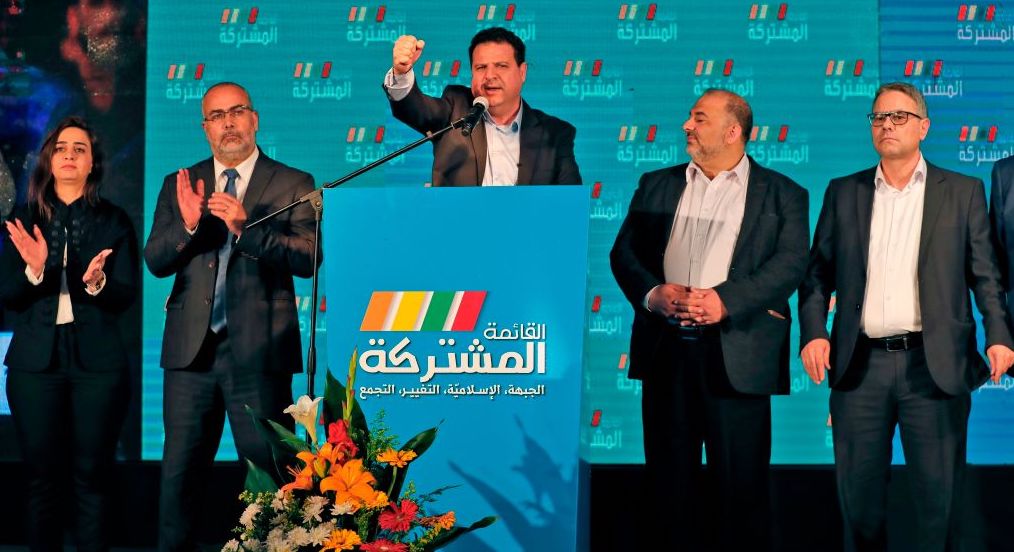
Israeli elections and the Joint List
Whether or not Gantz succeeds in forming a government, the Joint List has cemented its role as “king makers” in Israeli politics.
Little hope for an end to Israel’s political turmoil
Neither Likud nor Kahol Lavan was able to break the political stalemate and clear the path to the immediate formation of a majority government.
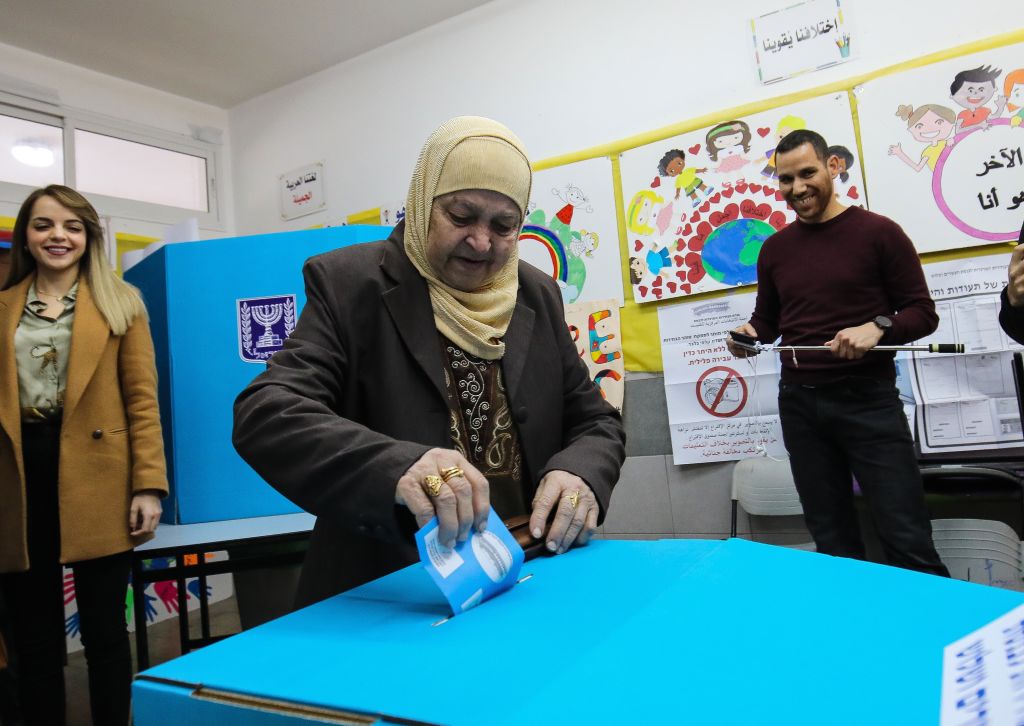
Can Palestinian citizens of Israel teach other Arabs a lesson in democracy?
While attention in the third Israeli general elections in a year has focused on the performance of the caretaker prime minister Binyamin Netanyahu, a powerful light must be shed as well on the successful performance of Israel’s Palestinian citizens, who again increased their representation in Israel’s parliament.
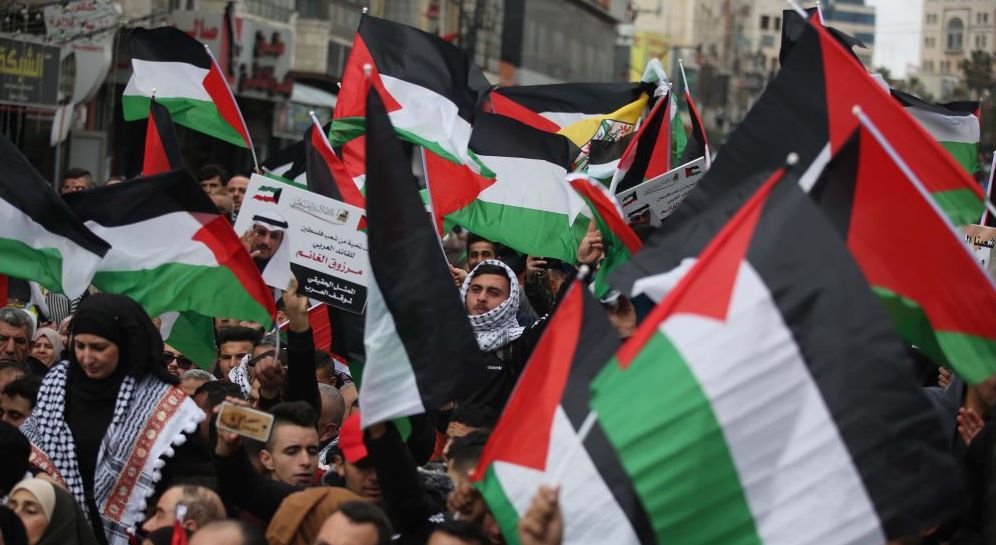
And now what? A realistic approach to the Israeli-Palestinian impasse
The announcement of Donald Trump’s “deal of the century” was a rude shock, roundly condemned by almost everyone concerned with peace and justice between Israelis and Palestinians. But it also presents an urgent challenge for all those who reject it because they realize the dire implications of what it portends for the future of any peaceful negotiated solution. If a genuine two-state solution is truly dead, and an equitable one-state solution is even harder to achieve, then where does that leave us? What is, or should be, the agenda for the foreseeable future for those concerned with the Israeli-Palestinian issue.
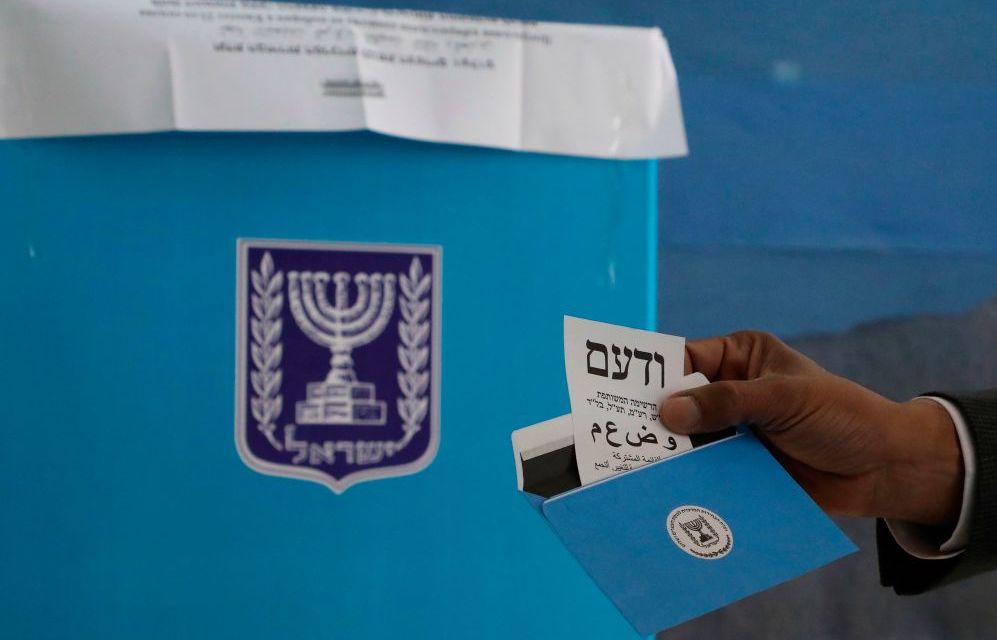
The sad saga of Israel’s elections: Third time’s the charm? Maybe!
Both politicians and populace are sick of a pointless political process.
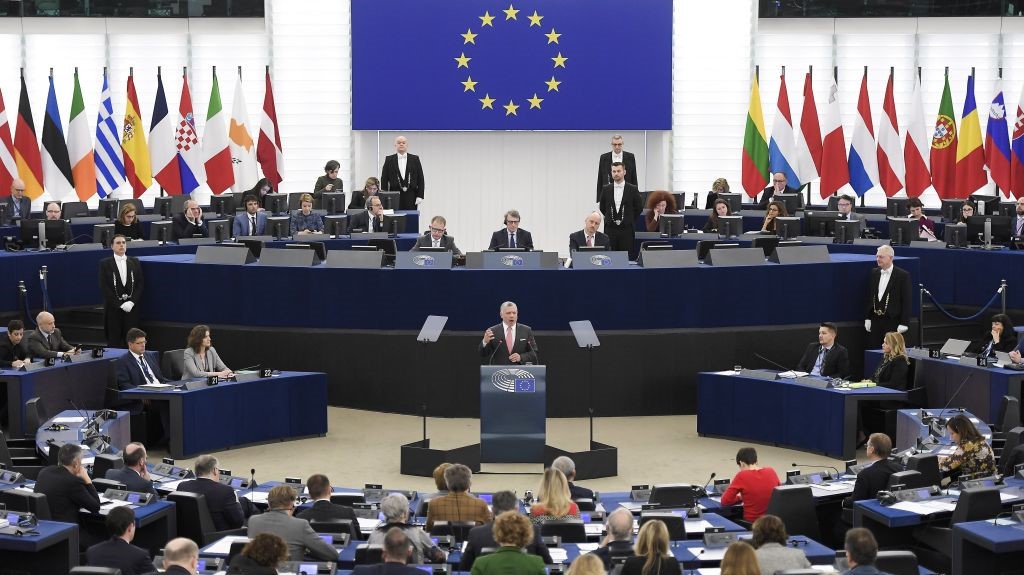
Understanding EU-MENA relations: Current and changing dynamics
This year could mark a turning point in the European Union’s relations with the countries of the MENA region. If the EU is to realize the objectives laid out in its 2016 global foreign and security policy strategy and become a major world power, it has to be more proactive and creative, especially in the Middle East.
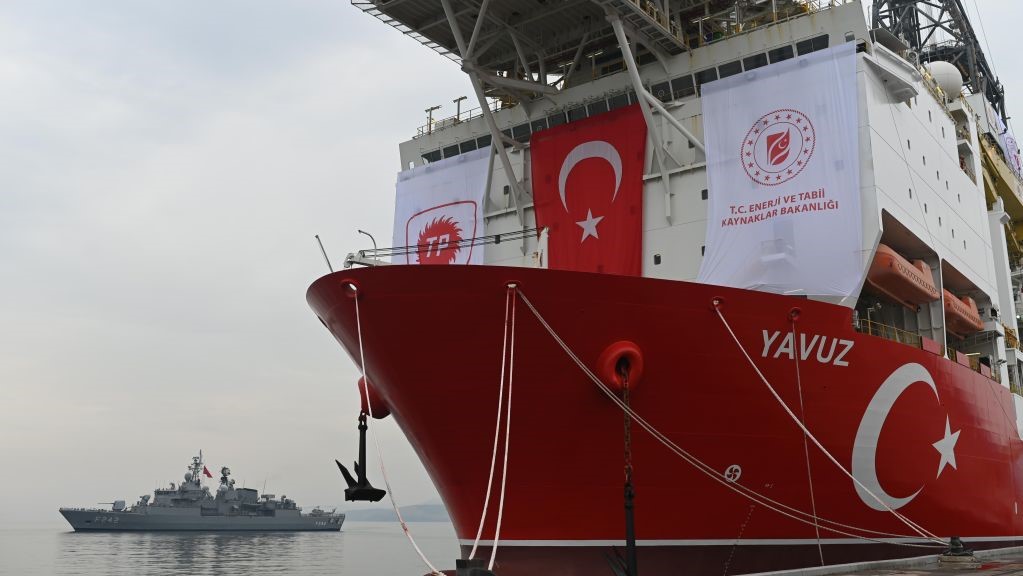
Turkey’s eastern Mediterranean quagmire
The eastern Mediterranean has become an increasingly important focus for Turkey’s foreign and security policy, but the interlocking of new issues like energy politics and sovereignty rights with old problems like Cyprus has created significant challenges for Ankara.
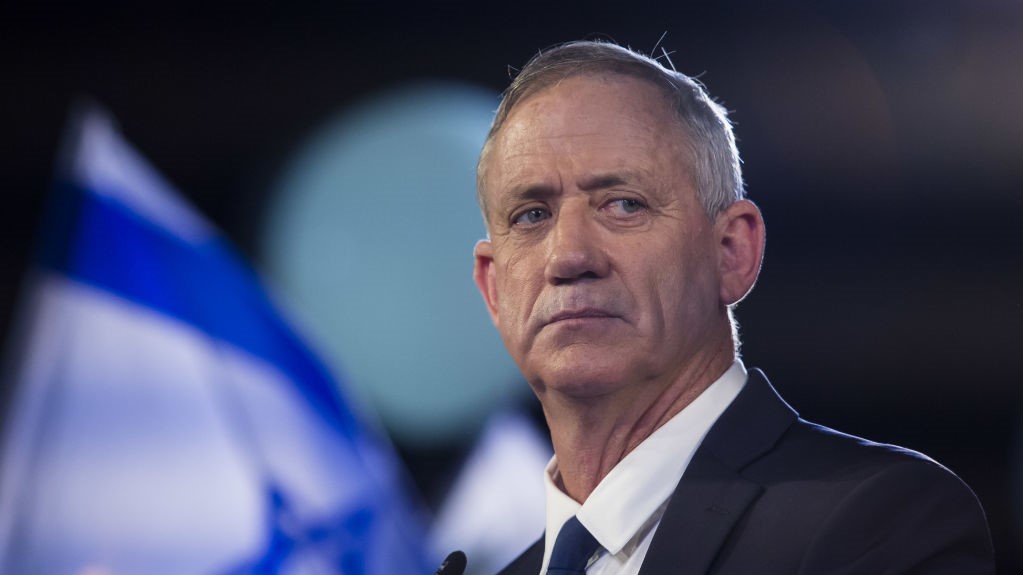
Iran targeted Israel’s April 2019 elections. Was it preparing for the US 2020 elections?
The April 2019 Israeli elections between incumbent Prime Minister Benjamin Netanyahu and his competitor Benny Gantz were fraught with tension even before external entities got involved. But when Israel’s internal security service, Shin Bet, revealed that suspected Iranian cyber actors had accessed Gantz’s mobile phone, there was yet another issue to contend with, albeit one not specific only to Israeli elections: interference.

How did China Win Over the Israeli People?
According to the latest poll published by the Pew Research Center, the Israeli public sees China in a favorable way. Only in Russia and Nigeria does China get a more sympathetic audience. This result seems surprising, when compared to China’s low level of favorability in other Western countries. However, the strong favorability rating registered in the Pew survey is less surprising than it seems, and in fact is a clear indication that the wide-ranging Chinese soft power efforts to appeal to the Israeli public opinion have paid off.
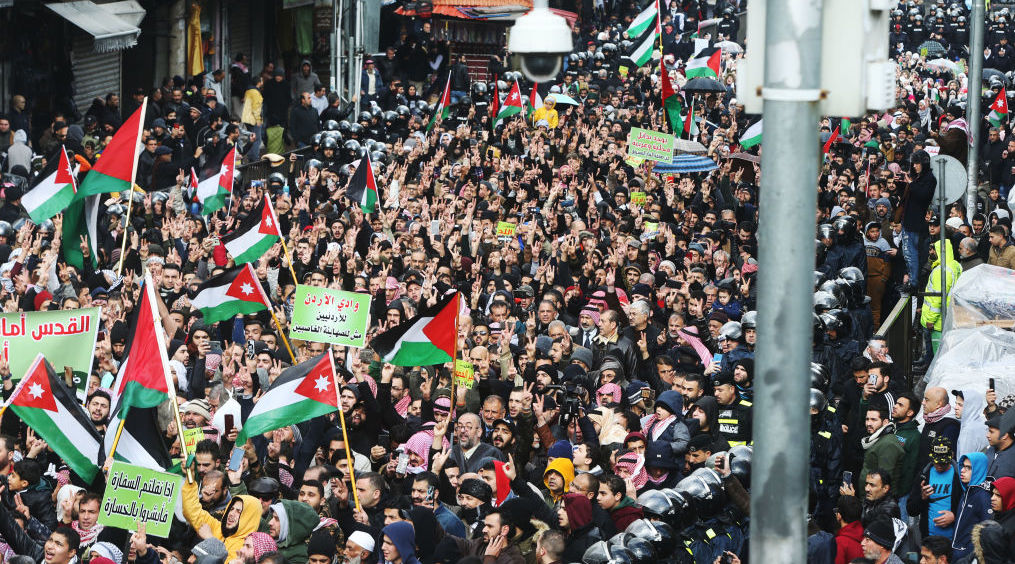
Why Jordan was so quick to reject Trump’s peace plan
Jordan’s response to President Donald Trump’s so-called “deal of the century” has been quick and unequivocal. Less than an hour after the release of the peace plan at a White House ceremony on Jan. 28, Jordanian Foreign Minister Ayman Safadi issued a statement in which he reiterated Amman’s support for the two-state solution and the Arab Peace Initiative (API) as the only path to a just and lasting settlement to the Israeli-Palestinian conflict, without referring directly to the Trump proposal.
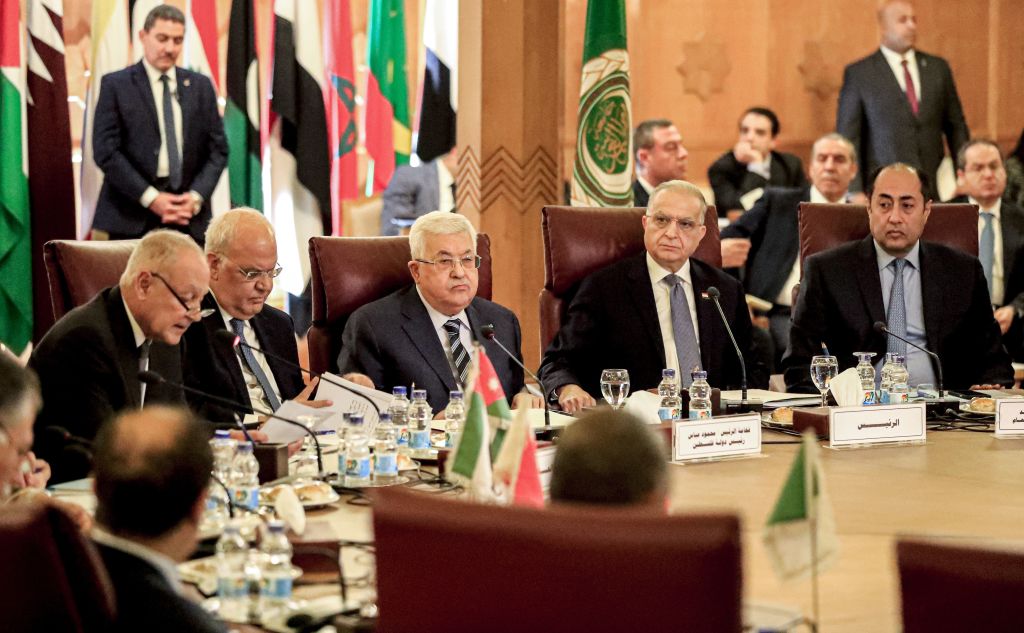
Arab states unanimously reject Trump plan
The communiqué, while largely symbolic, was nonetheless a major victory for Abbas’ beleaguered leadership.
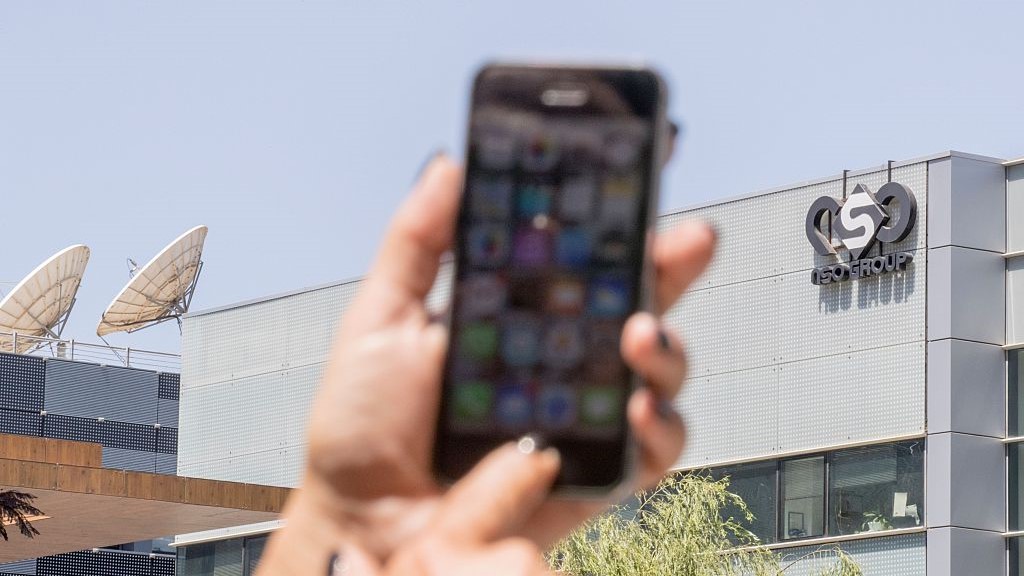
FBI probes NSO Group
Reuters reported on Jan. 30 that the FBI has been investigating Israeli spyware firm NSO Group since 2017. The revelation comes after Sen. Chris Murphy and UN Special Rapporteur Agnes Callamard called on the U.S. to investigate the apparent hacking of Amazon CEO Jeff Bezos’s phone by Saudi Crown Prince Mohammed bin Salman. In its statement, the UN identified NSO Group as a likely source of the malware.
Trump's "Peace Plan"
Khaled Elgindy and Michael Koplow join host Alistair Taylor to discuss the long-awaited “deal of the century” Middle East peace plan. President Trump rolled the plan out at the White House on Tuesday with Israeli Prime Minister Benjamin Netanyahu in attendance, while the Palestinians, who have refused to deal with the administration since it recognized Jerusalem as Israel’s capital at the end of 2017, were not there – and not invited. How has it been received so far, and where might things go from here?
Read the Middle East Journal
The oldest peer-reviewed publication dedicated to the study of the modern Middle East, MEI’s flagship journal covers politics, society, and culture in the region.