Skip to Content

Lebanon

Lebanon: Where the Axis of Resistance Breaks First
  • Analysis
  • Lebanon: Where the Axis of Resistance Breaks First

    The war with Iran has not yet resolved the contest between Tehran and Washington, but it has already begun to reshape the Middle East — and nowhere as clearly in the United States’ favor as in Lebanon. The challenges in Lebanon have presented the US with a defining test: whether Washington and its partners have the determination to convert Iran’s material losses into lasting strategic change.

    Consolidating Sovereignty, Security and Peace: Time to Step up the Game
  • Commentary
  • Consolidating Sovereignty, Security and Peace: Time to Step up the Game

    Although it has been a frustrating summer, Lebanon remains on the right track. My observation after a ten-day visit to Beirut and Jerusalem this month is that leaders in both capitals remain strongly committed to a shared objective.

    Hisham Melhem’s American Crossroads
  • Podcast
  • Hisham Melhem’s American Crossroads

    Brian is joined by Hisham Melhem, a prominent journalist known for his interviews with Presidents George W. Bush and Barack Obama and his role as an honest intermediary between Americans and the people of the Middle East. He reflects on his journey from growing up in Lebanon to building a life in America, discusses how the region has transformed over his lifetime, and offers a candid take on where US foreign policy stands today.

    Filter by
    585 Results
    East Med gas needs clean tech and regional integration to support investment case
    Photo by Athanasios Gioumpasis/Getty Images
  • Analysis
  • East Med gas needs clean tech and regional integration to support investment case

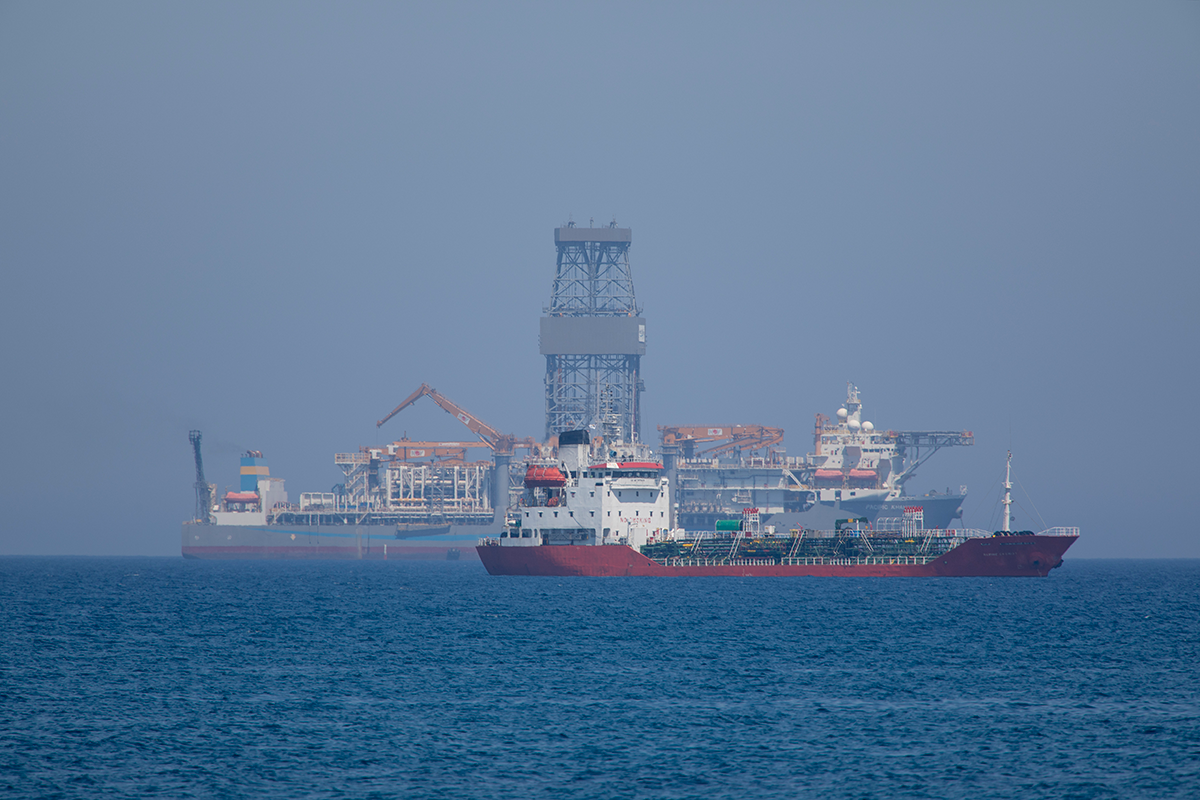
    The viability of Eastern Mediterranean natural gas resources has long been a source of debate for reasons including cost considerations, market demand, and regional geopolitical tensions. The past couple of years have further complicated the debate, introducing new questions about the role of these resources in supporting post-pandemic economic recovery or helping more advanced markets achieve net-zero policies by replacing coal and other fuel sources (a particularly relevant topic of debate given Europe and Asia are key export targets for East Med gas).

    September 14, 2021

    Baghdad, Beirut, and the politics of Lebanon’s power crisis
    Photo by AFP via Getty Images
  • Analysis
  • Baghdad, Beirut, and the politics of Lebanon’s power crisis

    On July 24, Beirut and Baghdad signed a governmental framework agreement under which Iraq pledged 1 million tons of heavy fuel oil to Lebanon over a full year.

    September 7, 2021

    Hezbollah, America, and the race to supply Lebanon with power
    Photo by DYLAN COLLINS/AFP via Getty Images
  • Analysis
  • Hezbollah, America, and the race to supply Lebanon with power

    Amid typical governmental absenteeism, Hezbollah’s Secretary-General Hassan Nasrallah announced on Aug. 19 that the party had secured fuel shipments from Iran. He asserted that the first of many fuel tankers would set sail to Lebanon that same day. Hours later, U.S. ambassador to Lebanon Dorothy Shea declared that the U.S. was working closely with Egypt, Jordan, and the World Bank to find solutions to Lebanon’s crippling fuel shortages. Shea’s comments imply a U.S. willingness to loosen Caesar Act restrictions that would otherwise prevent Lebanon from importing natural gas and electricity through Syria from Egypt and Jordan respectively. The two announcements have been in the making for weeks, but both come at a time when Lebanon’s physical and human infrastructure is crumbling in the absence of essential fuel supplies and energy sources.

    August 20, 2021

    Lebanon is a tinderbox, and Lebanese politicians have started dropping matches
    Photo by Sam Tarling/Getty Images
  • Commentary
  • Lebanon is a tinderbox, and Lebanese politicians have started dropping matches

    Premeditated political paralysis and the absence of economic leadership have brought Lebanon to its knees. Critical infrastructure has collapsed. Reliable electricity and safe water provision are rare. Hospitals and medical services are crippled by the lack of power, medications, and supplies. Food security is at risk for the majority of the population. Desertions from the ranks of security forces are growing. A nationwide security collapse is increasingly likely. The humanitarian collapse is already here.

    August 19, 2021

    The race to reset the Middle East's maritime map
    Photo by Xinhua/Wu Lu via Getty Images
  • Analysis
  • The race to reset the Middle East's maritime map

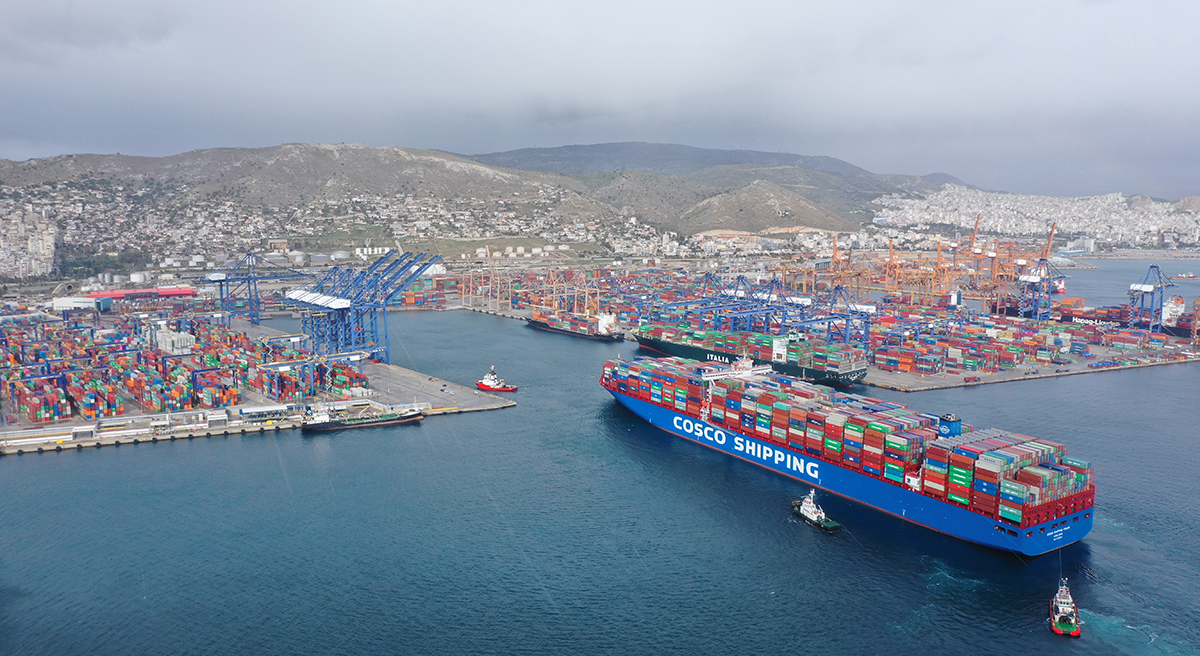
    One of the most consequential changes in the Middle East’s geopolitical map is happening at the water’s edge. Along the entire eastern rim of the Mediterranean basin, global and regional actors are engaging in a spate of port capacity expansions, new private port construction, and the sell-off of major state-owned ports that will determine who sits atop the region’s global trade flows for decades to come. The international competition to rebuild Beirut’s port is one key puzzle piece in this larger process that is reconfiguring the Levant’s maritime commercial architecture and, as a consequence, the geopolitical contours of the Middle East.

    The possibility that the Lebanese government could opt for China to reconstruct Beirut’s port has raised alarm in Washington and European capitals given China’s already outsized commercial port presence in Egypt, Israel, and Greece. Increased Chinese involvement in Lebanon’s port operations could consolidate Beijing’s hold over the commercial connectivity architecture of the Levant. Re-orienting global commercial flows between Europe, the Middle East, and Asia according to Beijing’s priorities would make China’s Belt and Road Initiative a dominant organizing principle in the international relations of the Middle East. The most effective way to offset China’s ambition may be to facilitate Mediterranean rivals France and Turkey to jointly rebuild Beirut’s port.
    Facing the abyss: Refugees and the Beirut port explosion one year later
    Photo by Marwan Naamani/picture alliance via Getty Images.
  • Analysis
  • Facing the abyss: Refugees and the Beirut port explosion one year later

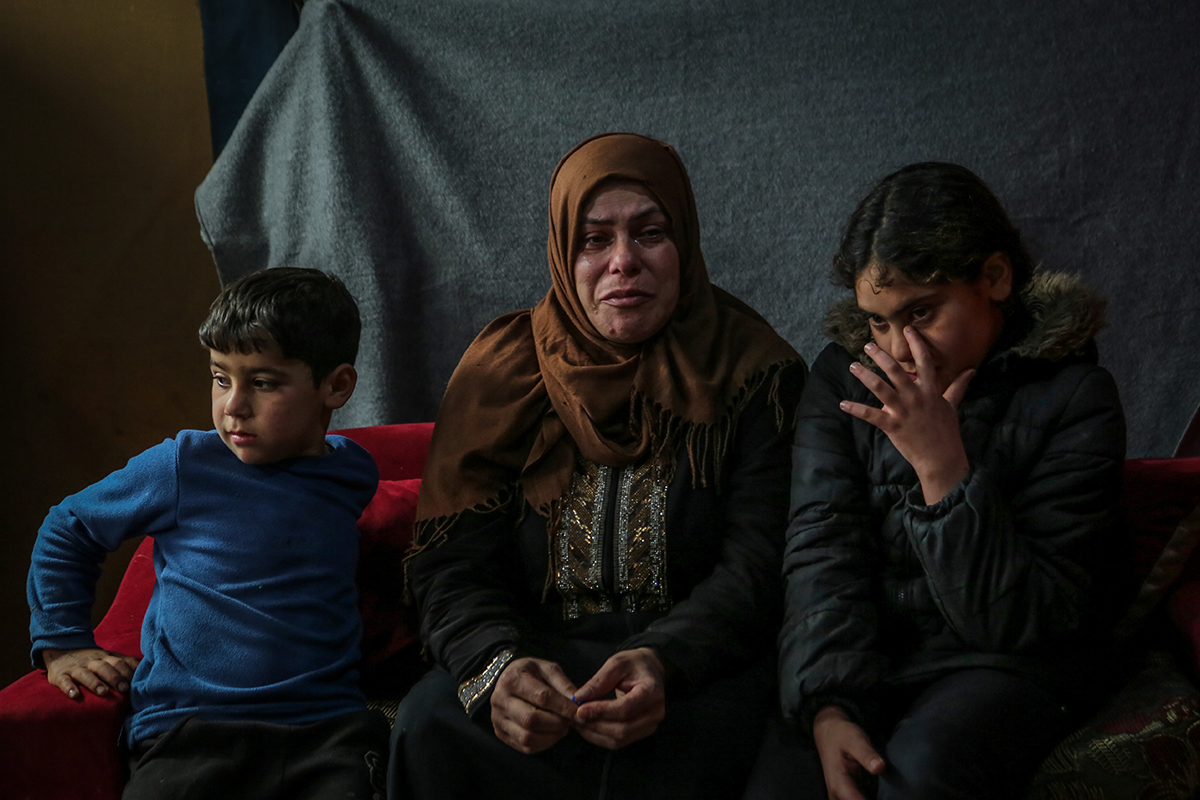
    On the first anniversary of the catastrophic explosion at the Beirut port last August, Lebanon is threatened by political discord and economic collapse. The past year has been difficult for the average Lebanese citizen and it has been even worse for the country’s most marginalized communities. The ripple effects of the overlapping political, economic, and health crises have pushed the vast majority of refugees and migrant workers into extreme poverty. These communities now stand on the edge of the abyss.

    August 3, 2021

    Unforgiven and unforgotten: Beirut’s port blast one year on
  • Analysis
  • Unforgiven and unforgotten: Beirut’s port blast one year on

    On August 4, 2020, images out of Beirut shocked the world. Hundreds of tons of ammonium nitrate exploded in the capital’s port, destroying most of the city and leaving behind 206 victims, thousands of injured, and hundreds of thousands of displaced. In this series, guest contributors join MEI’s resident and non-resident experts to reflect upon the political, legal, urban, and foreign policy implications of what may well be Lebanon’s crime of the century.

    August 3, 2021

    Testimony | “Lebanon: Assessing Political Paralysis, Economic Crisis, and Challenges for U.S. Policy”
    Photo by JOSEPH EID/AFP via Getty Images
  • Analysis
  • Testimony | “Lebanon: Assessing Political Paralysis, Economic Crisis, and Challenges for U.S. Policy”

    The following testimony was presented to the House Foreign Affairs Subcommittee on the Middle East, North Africa, and Global Counterterrorism on July 29, 2021.
     

    Chairman Deutsch, Ranking Member Wilson, distinguished Members of the Subcommittee, thank you for this opportunity to offer my thoughts on the unfolding economic and political crises in Lebanon, and their implications for U.S. policy.

    July 29, 2021

    Lebanon one year on from the Beirut blast
    Middle East Institute
  • Podcast
  • Lebanon one year on from the Beirut blast

    On August 4, 2020, a cache of improperly stored ammonium nitrate caused a devastating blast in the port of Beirut. Chris Abi-Nassif, Mona Fawaz, and Aya Majzoub join host Alistair Taylor to discuss the investigation into the blast, the reconstruction process, and the political, economic, and social impact in Lebanon.

    July 29, 2021

    Read the Middle East Journal

    The oldest peer-reviewed publication dedicated to the study of the modern Middle East, MEI’s flagship journal covers politics, society, and culture in the region.