Skip to Content

Lebanon

MP Fouad Makhzoumi on Lebanon’s Future
  • Podcast
  • MP Fouad Makhzoumi on Lebanon’s Future

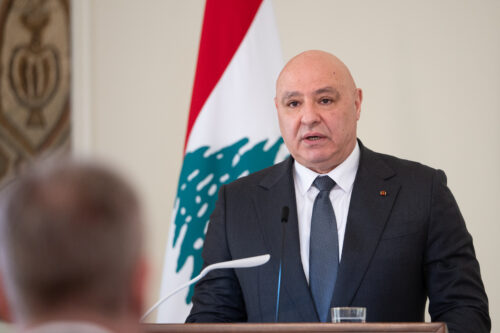
    A fragile cease-fire between Lebanon and Israel is barely holding as military delegations from both countries arrive in Washington for a new round of direct talks scheduled for this Friday. But diplomatic success could mean new strategic opportunities for the Lebanese nation. Guest host and MEI Senior Fellow Brian Katulis is joined by Lebanese Member of Parliament Fouad Makhzoumi to unpack the challenges facing the Lebanese government today, Hizballah’s influence over state institutions, and what all of this means for the country’s future. Makhzoumi also reflects on his personal journey and what inspired him to transition from business to politics in an effort to help shape a better life for his granddaughters in Lebanon.

    May 28, 2026

    Lebanese Heritage Under Siege
  • Arts & Culture
  • Lebanese Heritage Under Siege

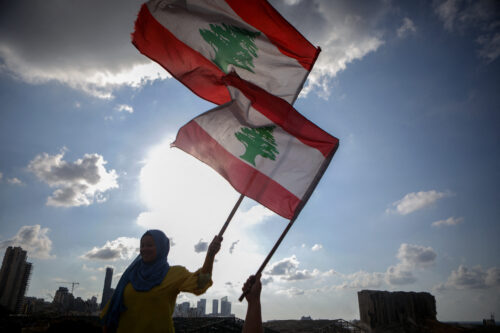
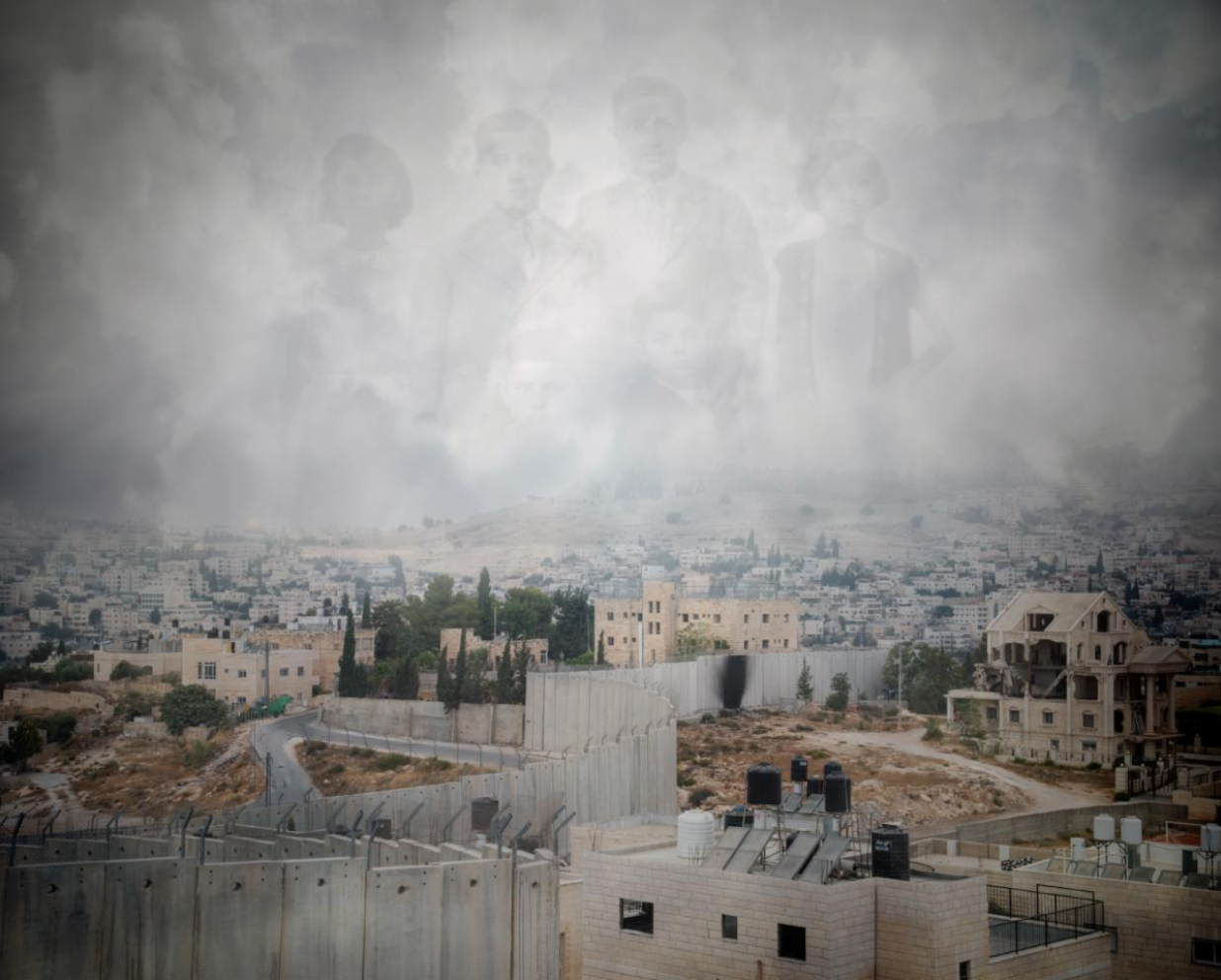
    The news from Lebanon reads like a litany of loss. Since the war began more than two months ago, not only have 2,882 people been killed and 8,768 wounded, according to Lebanon’s Health Ministry, but once again multiple heritage sites — especially those in the south — have been damaged and destroyed. Indeed, Lebanese heritage, inexorably linked to its peoples, shares in their vulnerability and suffering.

    May 14, 2026

    How to Wrest Lebanon From Iran’s Grip
  • Podcast
  • How to Wrest Lebanon From Iran’s Grip

    Despite efforts to extend the cease-fire in Lebanon and disarm Iranian proxy Hizballah, fighting continues between the militant group and Israeli forces. Hosts Alistair Taylor and Matthew Czekaj are joined by MEI Senior Fellow Fadi Nicholas Nassar to examine what the renewed fighting means for attempts to counter Iranian influence in Lebanon and what could lie ahead. They discuss the prospects for a lasting agreement, Iran’s broader proxy strategy, and how Washington can help strengthen the sovereignty of the Lebanese state.

    May 7, 2026

    Filter by
    564 Results
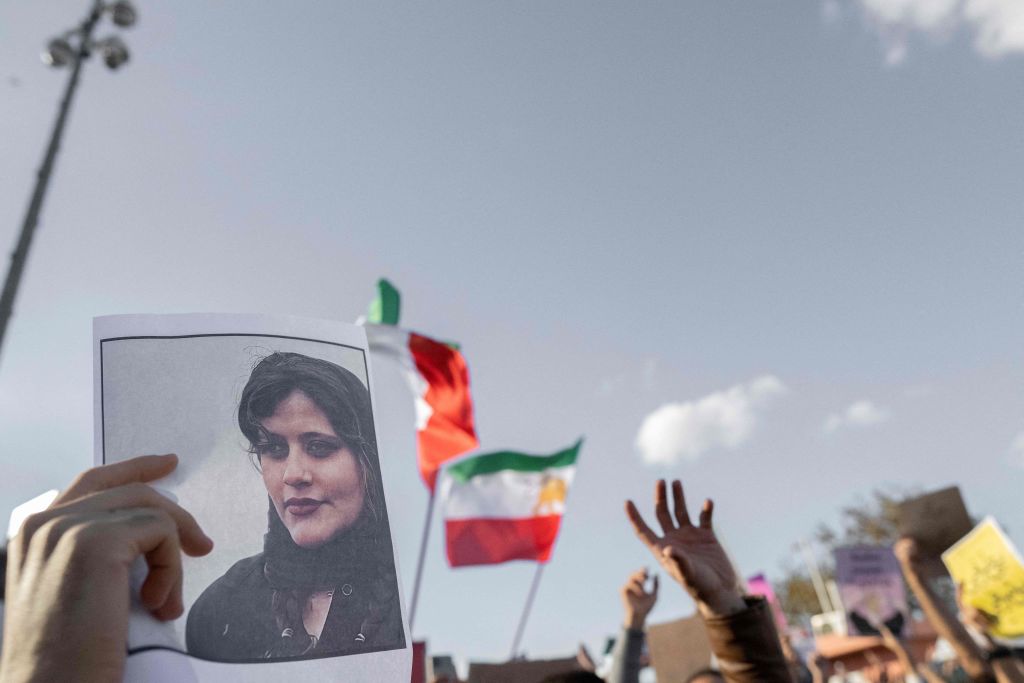
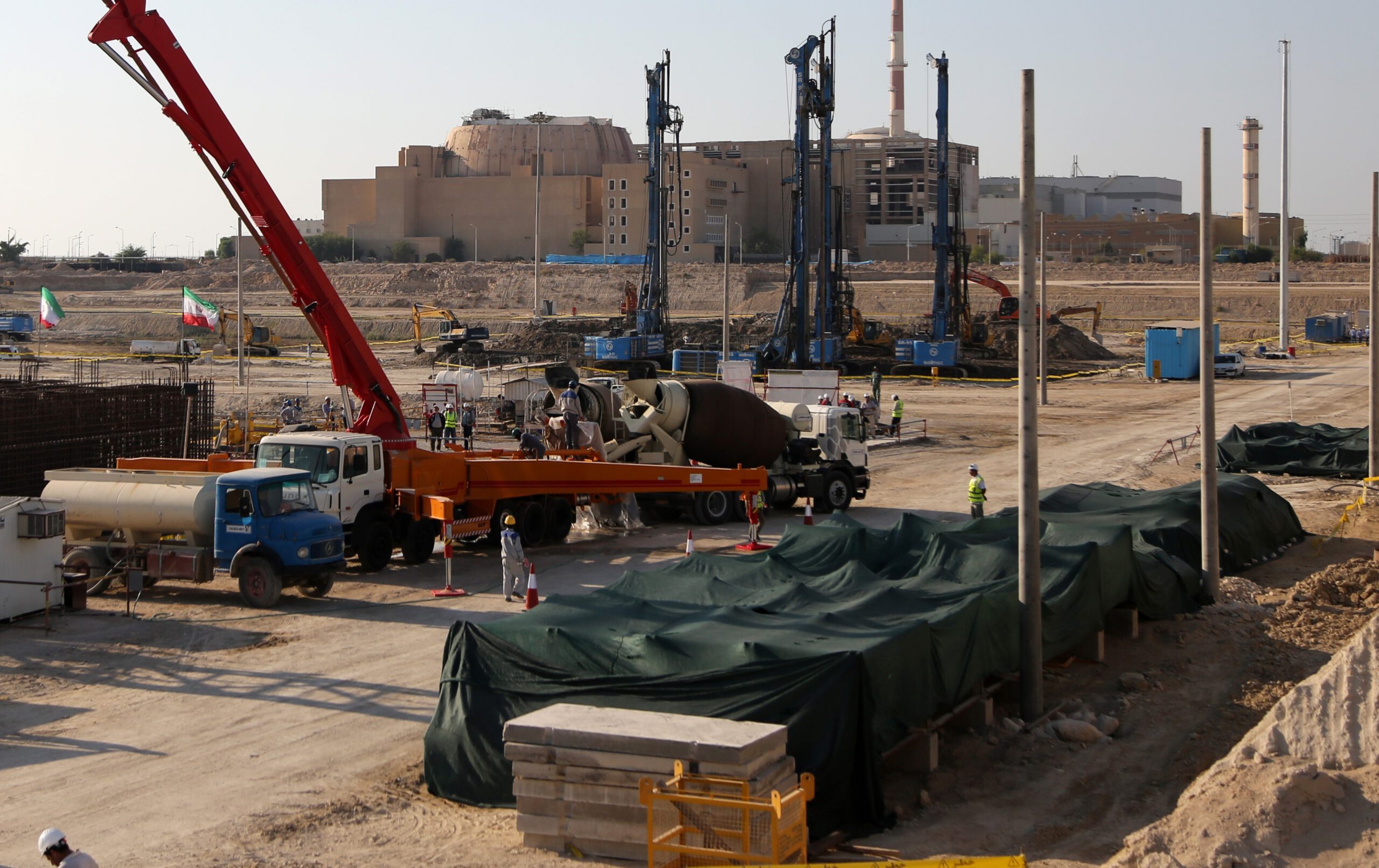
    هزینه سنگین حمایت حزب الله برای اقتصاد و امنیت ایران 
    Photo by Marwan Naamani/picture alliance via Getty Images.
  • Commentary
  • هزینه سنگین حمایت حزب الله برای اقتصاد و امنیت ایران 

    در جمهوری اسلامی ایران, این فرضیه وجود دارد که حمایت از سازمان حزب الله در لبنان, امنیت و قدرت بازدارندگی ایران را افزایش داده است.  در عین حال, شواهد و قرائنی وجود دارند که نتایج انان برعکس این فرضیه را نشان می دهند.

    May 5, 2022

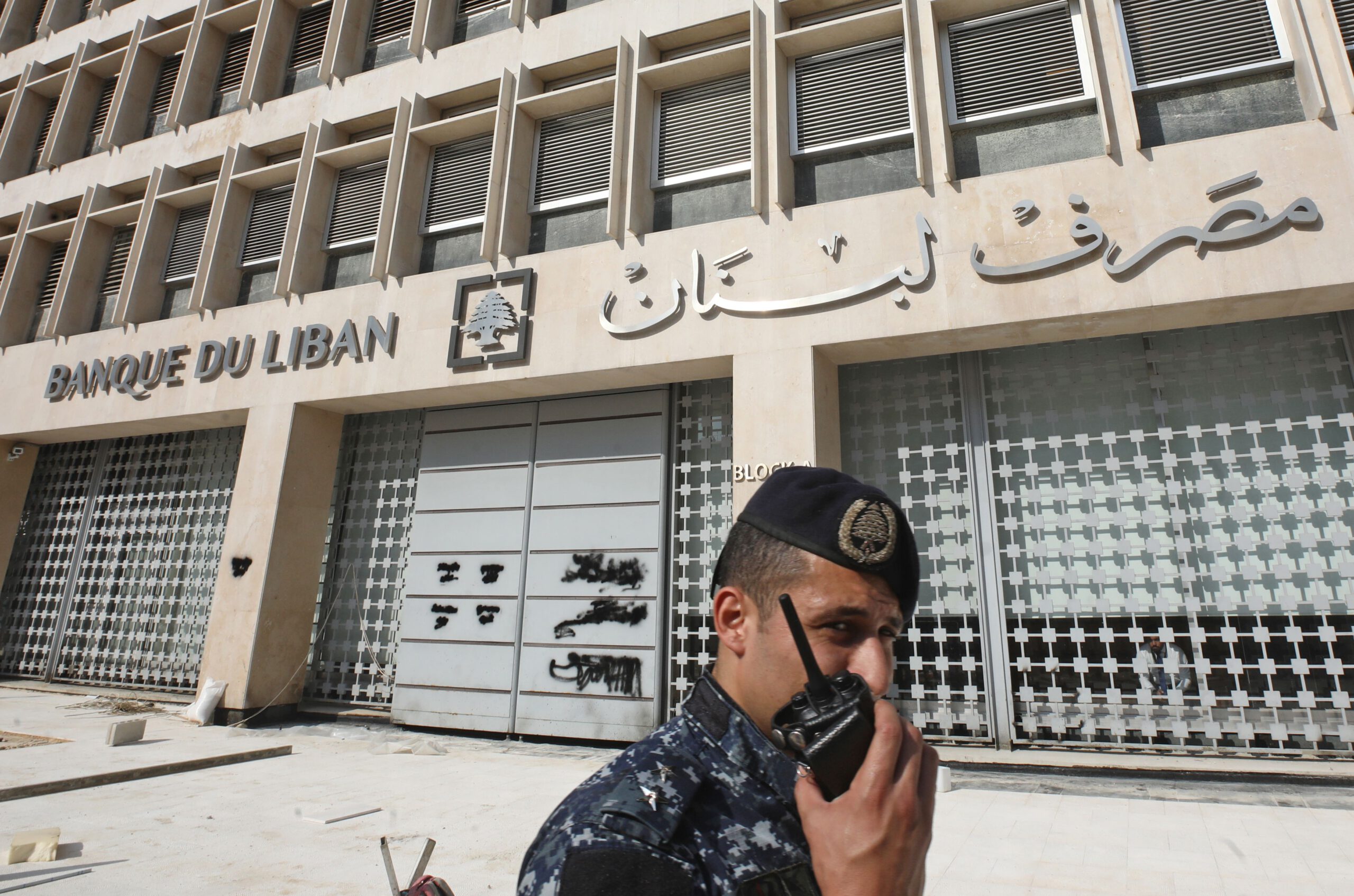
    Lebanon must be saved from its politicians
    Photo by JOSEPH EID/AFP via Getty Images
  • Analysis
  • Lebanon must be saved from its politicians

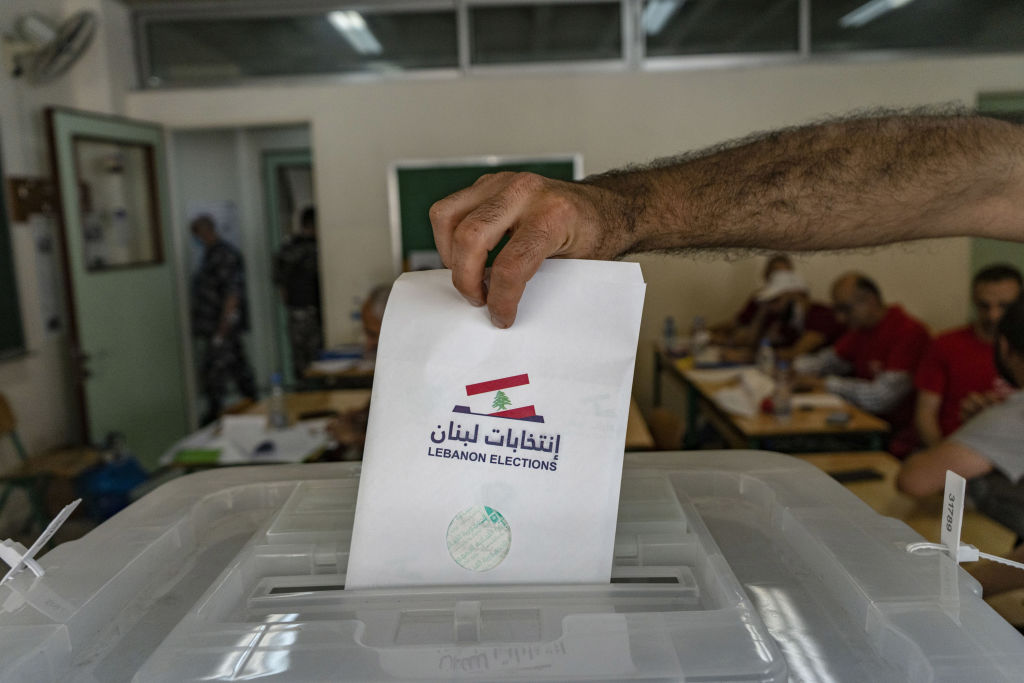
    In two months, Lebanon is scheduled to hold parliamentary elections in the midst of a continuing economic meltdown and total failure of governance. The outcome of the vote is likely to be disappointing for anyone expecting to elect new leaders capable of reforming Lebanon.

    March 15, 2022

    Lebanon is running out of time to avert starvation
  • Commentary
  • Lebanon is running out of time to avert starvation

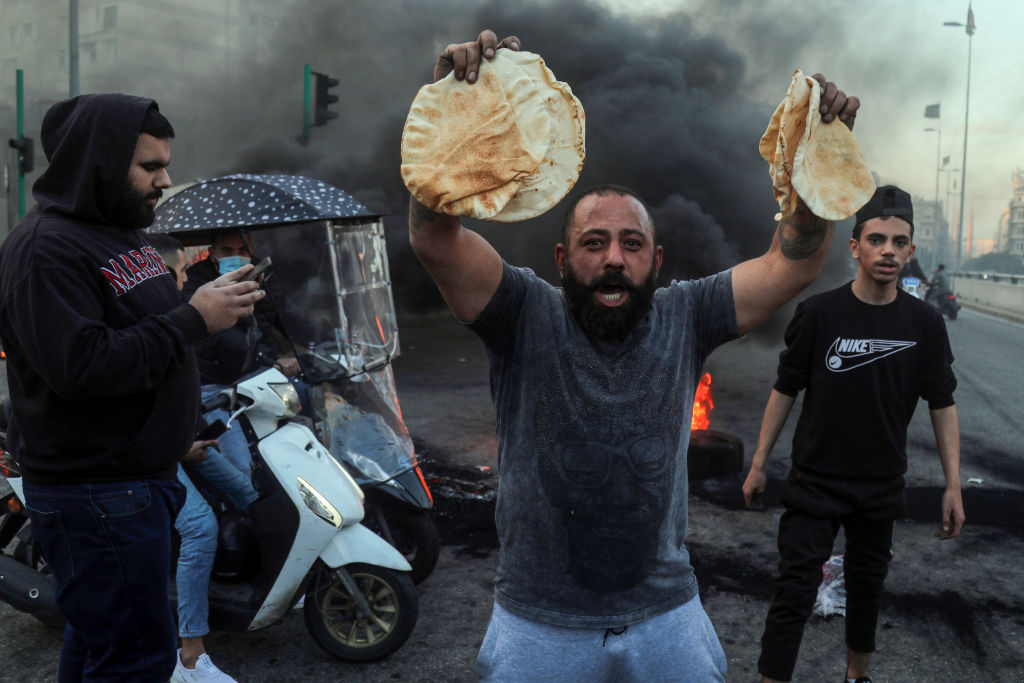
    As Russia’s two-week-old war against Ukraine has brought Lebanon’s wheat imports from the besieged Black Sea nation to a complete standstill, the government in Beirut is racing against the clock to avert a catastrophic food crisis.

    Lebanon in crisis
  • Podcast
  • Lebanon in crisis

    Randa Slim and Amb. Edward Gabriel discuss the daunting trifecta of economic, financial, and political crises Lebanon currently faces and what they anticipate for the country’s future.

    March 4, 2022

    Helping the Lebanese People Move Toward Recovery: Recommendations for US Policy
    Photo by JOSEPH EID/AFP via Getty Images
  • Analysis
  • Helping the Lebanese People Move Toward Recovery: Recommendations for US Policy

    Lebanon is currently at a crossroads as the government faces the daunting tasks of rebuilding the economy, restoring public trust, and clearing the way for free and fair parliamentary elections in May of 2022. The country finds itself spiraling downward — an agreement with the IMF is yet to be realized, poverty and emigration are increasing, and there are growing threats to stability due to a failing economy and widespread corruption. Given this critical situation, it is worthwhile to review U.S. interests in Lebanon’s survival and consider key recommendations for U.S. policy to help Lebanon avoid complete collapse and help the Lebanese people move toward economic recovery, political legitimacy, and a more capable, transparent, and sovereign state.

    February 1, 2022

    Back to basics? Lebanon’s critical role in Biden’s Middle East
    Photo by Fadel Itani/NurPhoto via Getty Images
  • Analysis
  • Back to basics? Lebanon’s critical role in Biden’s Middle East

    In the past several months, Biden administration officials have been pushing back against an encroaching narrative that the United States has abandoned the Middle East. But deepening partnerships built on a shared threat are not enough to assuage the concerns of all valuable allies in the region given the increasing perceptions of U.S. unreliability. To address these concerns, the U.S. needs to identify positive nexuses across policy priorities as well. One ripe option in this frame is Lebanon, where the United States has a reliable and long-standing partner in the Lebanese Armed Forces.

    January 19, 2022

    The case for COVID-19 public inquiries for the Arab world
    Photo by THOMAS SAMSON/AFP via Getty Images.
  • Analysis
  • The case for COVID-19 public inquiries for the Arab world

    The COVID-19 pandemic has revealed a number of weaknesses in government response, including a fragmentation of the decision-making process, inadequate consultation with experts, opacity of epidemiological data, as well as a lack of health care capacity, collective action, and general preparedness. Perhaps above all though, the pandemic has highlighted the inadequacy of communication with the public and their lack of involvement in the decision-making process. While the novel coronavirus caught all governments by surprise, some governments, especially those that enjoy high levels of trust (and not necessarily the wealthiest ones), have fared better than others. This has prompted some countries to hold public hearings to gain more insight into decision-making during the pandemic and rebuild trust in institutions. Strikingly but unsurprisingly, no country in the Arab world has yet called for a public inquiry into COVID-19. While this is even more relevant for countries that have traditionally enjoyed democratic governance and for countries that have suffered disproportionately rom the pandemic, this exercise could be useful for all Arab countries in regaining the trust needed to better respond to future crises.

    December 7, 2021

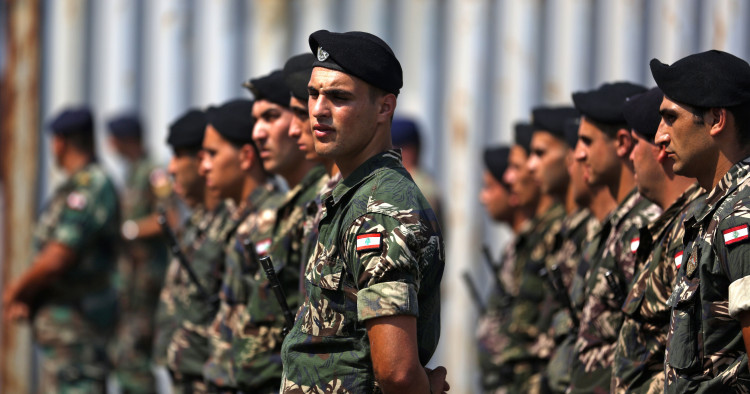
    Leading a Resilient Lebanese Armed Forces Through Crises and for the Long Run
    Photo by PATRICK BAZ/AFP via Getty Images
  • Analysis
  • Leading a Resilient Lebanese Armed Forces Through Crises and for the Long Run

    ​​​​​​​Repeated crises in Lebanon, including the COVID-19 pandemic, have highlighted the need for resilience in the Lebanese Armed Forces (LAF). Amid the current acute economic and financial crisis facing the country, there are warning signs about the LAF’s incapacity to continue, as the resources at its disposal and popular confidence in its effectiveness have both been degraded. In light of the current challenges and those that may lie ahead, the LAF needs to become more resilient, able to both adapt and strengthen as an organization, while also ensuring public security, the conditions of its personnel, and its own long-term status.

    November 9, 2021

    Monday Briefing: COP26 kicks off in Glasgow
  • Commentary
  • Monday Briefing: COP26 kicks off in Glasgow

    Read MEI’s weekly briefing featuring expert analysis of key regional developments for the week ahead.

    November 1, 2021

    Read the Middle East Journal

    The oldest peer-reviewed publication dedicated to the study of the modern Middle East, MEI’s flagship journal covers politics, society, and culture in the region.