Reflections on a Diplomatic Career in the Middle East: A Conversation With Ambassador Yael Lempert
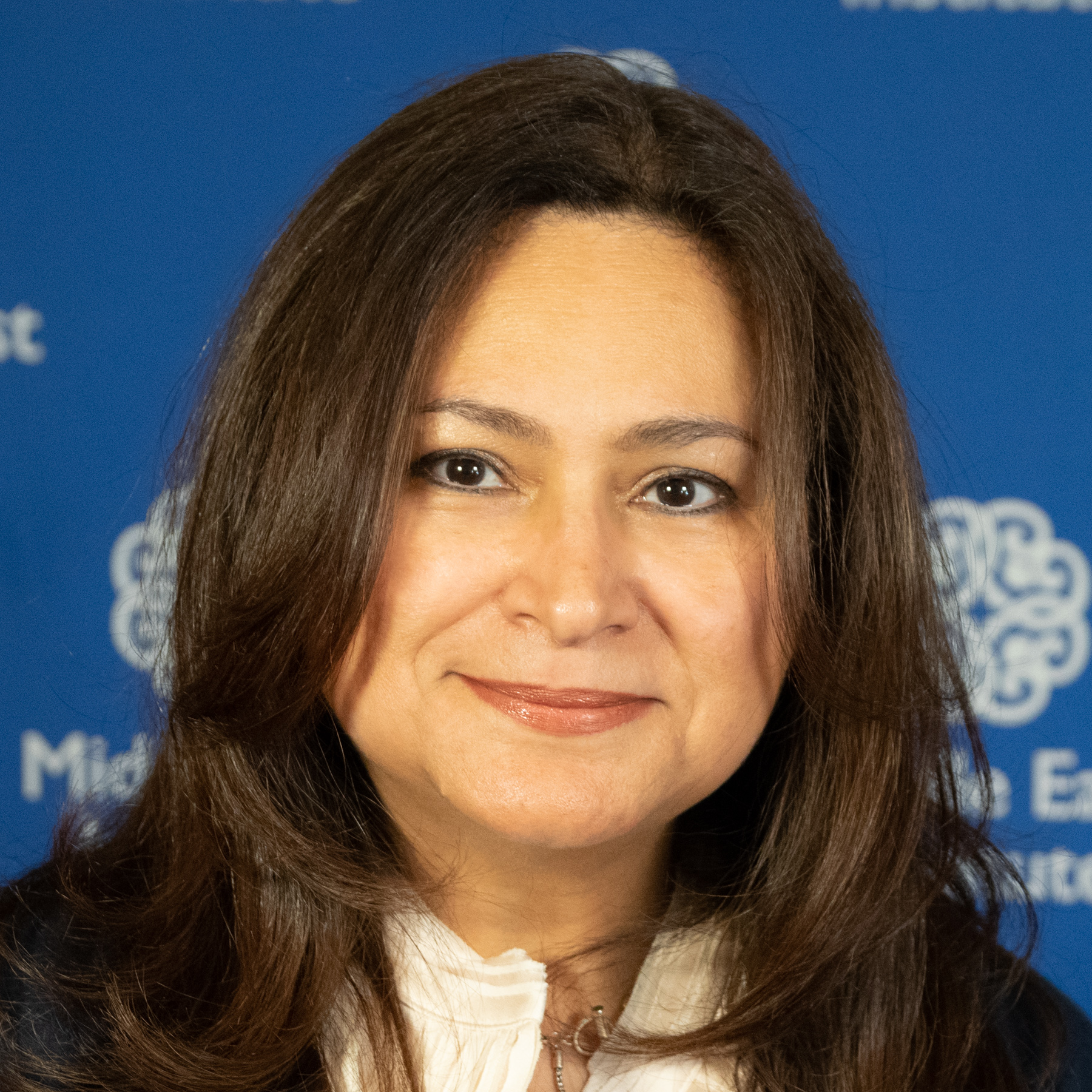
Brian is joined by Amb. (ret.) Yael Lempert, Vice President for Outreach at MEI, to discuss her career in diplomacy and the importance of US diplomatic efforts abroad. She shares stories from postings across the Middle East in Baghdad, Cairo, Tripoli, Jerusalem, and Amman and examines how her personal and professional experiences shaped her approach to the work. Together, Brian and Yael discuss the realities of life in the Foreign Service, the core tenets of American diplomacy, and why it matters in today’s Middle East.
This report considers the lack of Palestinian political agency as a driver of regional insecurity that must be resolved before wider conflicts can be settled. The author analyses the conditions that contributed to the destruction of Palestinian political capacity, including Israeli policies, Palestinian shortcomings, and exploitation by Iran, and makes recommendations for an Arab strategic initiative.
Trump’s Family Business Deals Risk Further Undermining the Credibility of US Middle East Policy
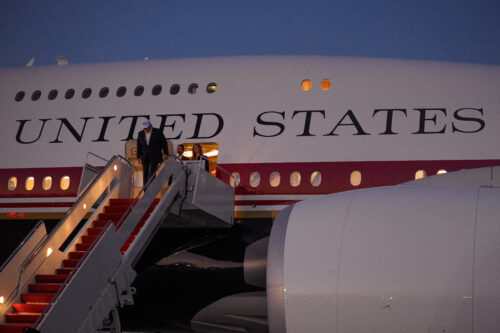
President Trump’s family businesses are once again in the spotlight as a new financial disclosure showed they earned $2 billion in income in 2025 — a dramatic increase on the year before, with much of it coming from Gulf entities, raising emoluments concerns. Mounting perceptions of corruption, combined with unresolved crises in Iran and Israel-Palestine, are eroding trust among key partners in the Middle East. With the 2026 midterms approaching, these entanglements could represent a major political vulnerability and further undermine America’s already-strained standing in the region.
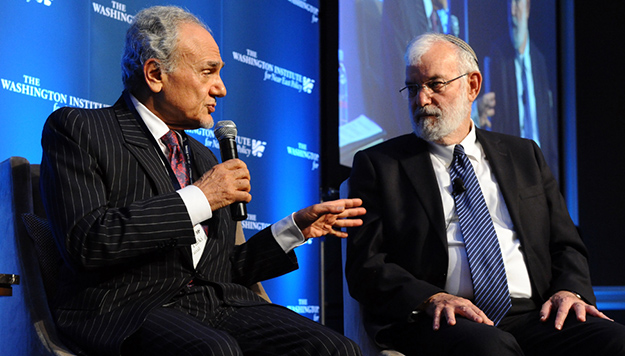
The last surviving leader of Israel’s founding generation, Shimon Peres was a three-time prime minister, the architect of the country’s secretive nuclear program and a winner of the Nobel Peace Prize for his efforts to make peace with the Palestinians.
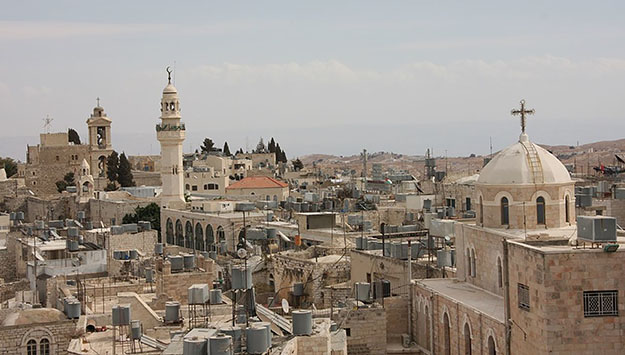
Palestinian Director Leila Sansour Talks Bethlehem
Leila Sansour is an acclaimed filmmaker, best known for “Jeremy Hardy versus the Israeli Army.” She returned to her hometown Bethlehem to document the detrimental effect of the wall on the city and its people. She discusses her latest film, Open Bethlehem.
The following interview was edited for style and clarity.
MEI: Tell me about the genesis of this film and project, and your inspiration for it?
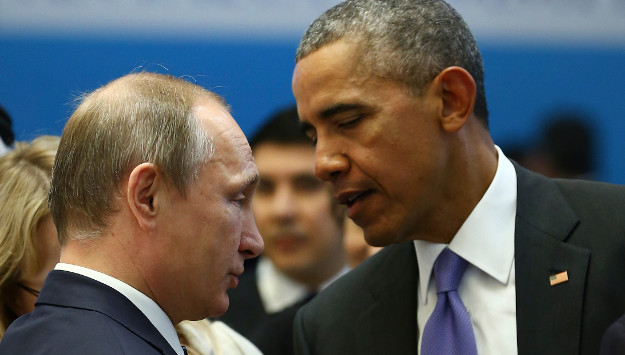
Weekly Briefing: Syria Talks at G20 Summit, Russian Moves on Israel-Palestine, and Iran Energy Policy
In this issues of MEI’s weekly briefing, contributors Daniel Serwer, Randa Slim, Eran Etzion, and Alex Vatanka provide analysis on recent and upcoming events including discussions between the United States, Russia and Turkey on Syria policy at the G20 Summit, the Syrian opposition’s transition plans, Russian moves on Israel-Palestine, and Iran’s energy policy.
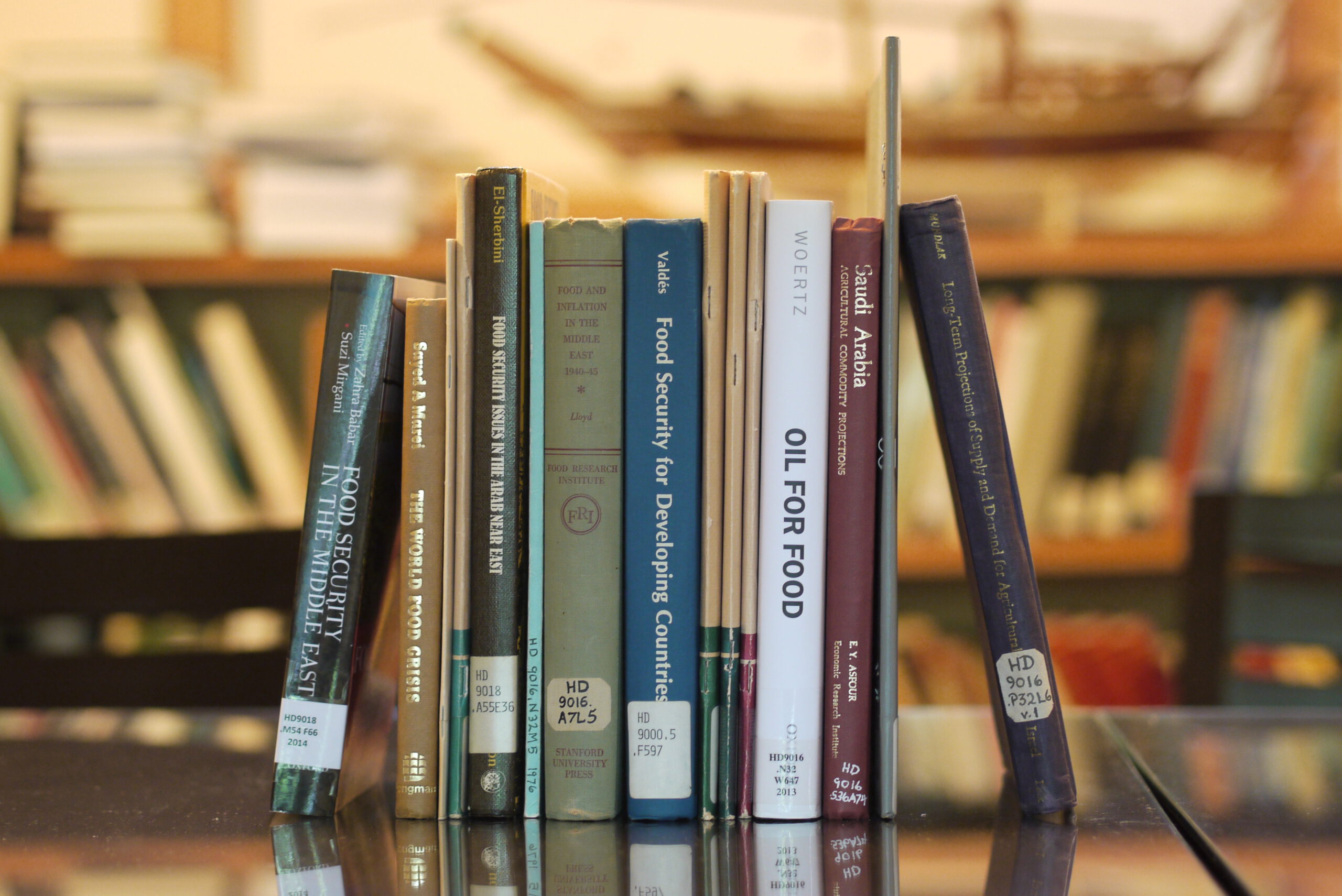
“[Food insecurity has] the potential to amplify destabilization, engender violence, and even accelerate state failure processes in an already geopolitically charged region”
– Andy Spiess in Food Security in the GCC Economies (2012)
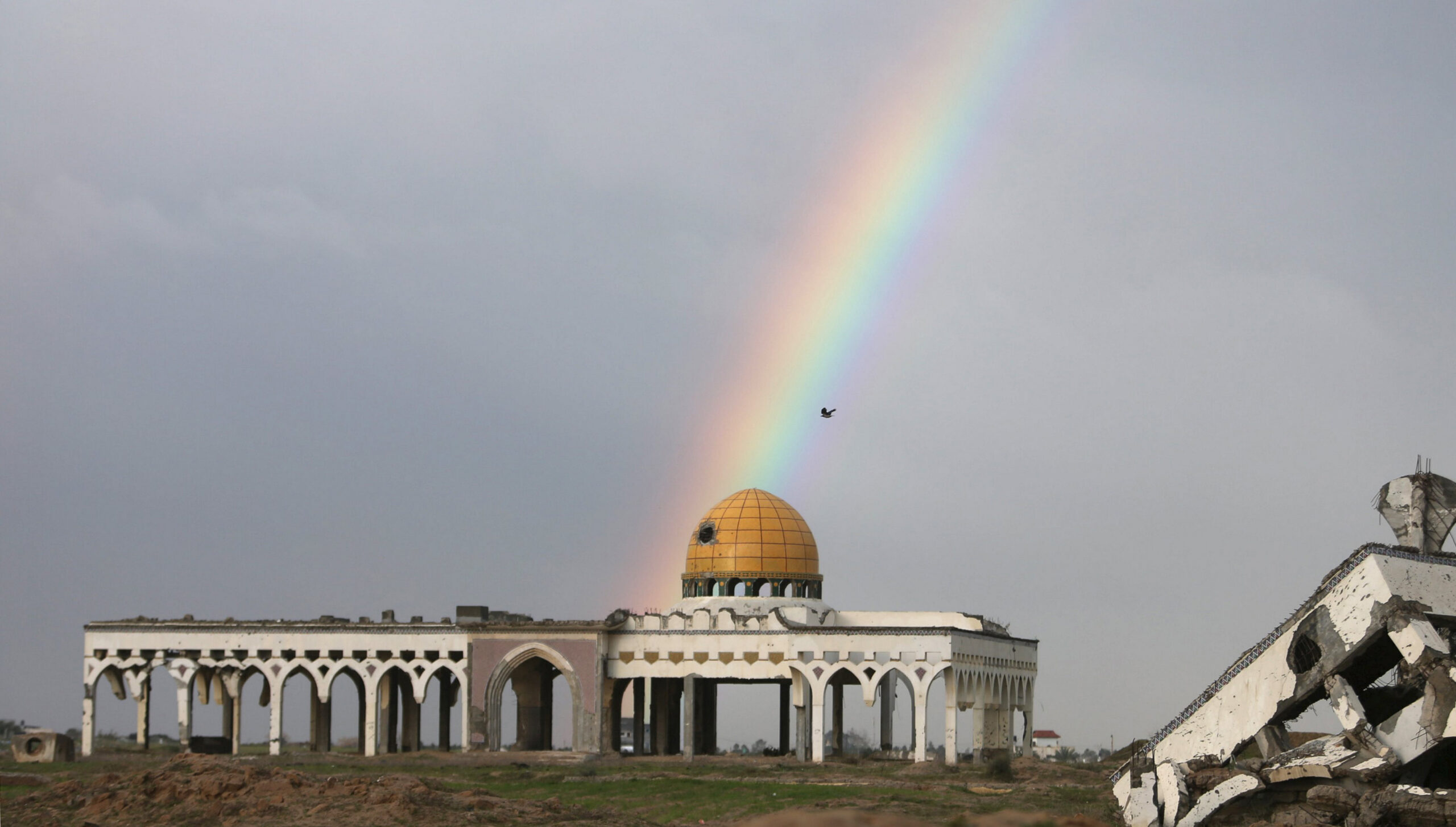
The current Palestinian leadership does not appear ready for sudden independence. Despite the push for Palestinian statehood, there remains weaknesses in the Palestinian political establishment that undermine this quest. Political and social fragmentation, a lack of representative leadership and an inability to apply the rule of law seem to indicate that if Palestine were to become an independent state tomorrow, it would falter.
The walls of the Oman Library are decorated with delicate painted eyes, colored in hazel and warm greys. After only a few steps, their discreet, and grief-stricken nature gives way to boldness and haunting certainty. They are eyes that refuse to be ignored.
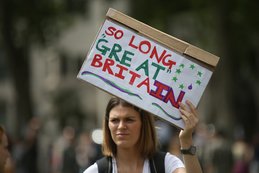
Monday Briefing: Brexit’s Impact on the Middle East; Syria File Changes Hands in Iran
In this week’s Monday Briefing, MEI experts Daniel Serwer, Paul Scham, and Alex Vatanka provide analysis on recent and upcoming events including Brexit’s impact on the Middle East, how Brexit is distracting the E.U. from Israel-Palestine issues, and Iran’s more moderate reshuffling of officials focusing on Syria.
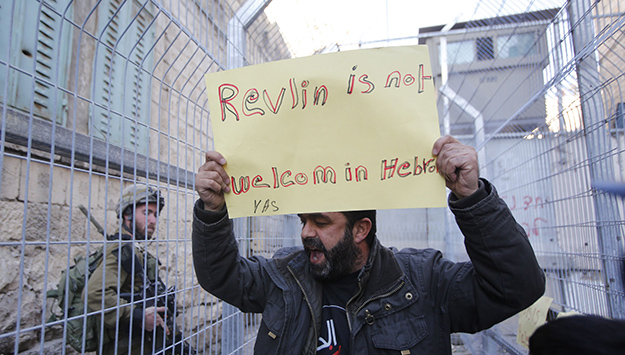
Israeli President Reuven “Ruby” Rivlin was recently asked about the prospects for a two-state solution to Israel’s long conflict with the Palestinians. He described this concept for building a future between Israel and its neighbor as “irrelevant.” Indeed, he claims to have said as much to President Barack Obama when they last met.
What does “irrelevant” mean in this context? The dictionary lists as its synonyms “immaterial” or “beside the point.”
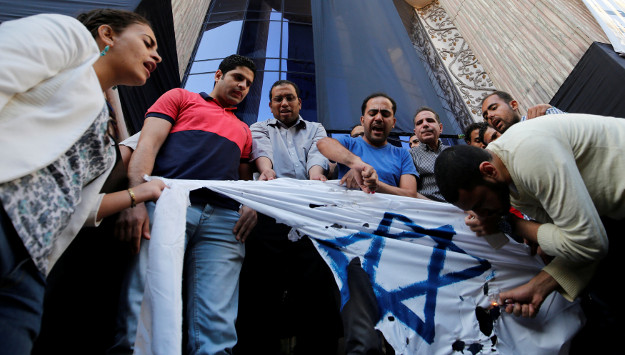
Egypt, which enjoys friendly relations with both the Palestinian Authority and Israel, understands that it must normalize relations with Hamas to be able to act as a mediator between the three parties. The Egyptian government, which has yet to achieve convincing results in the fight against terrorist groups in Sinai, is also in need of Hamas’ cooperation in this area.
Monday Briefing: Responding to Orlando, ISIS in Libya, and Hamas-Fatah Meeting
In this week’s Monday Briefing, MEI chairman Richard A. Clarke responds to the mass shooting in Orlando, and Charles Lister and Antoun Issa provide analysis on events including the pushing back of ISIS in Libya and the upcoming meeting of Hamas and Fatah.
For several years, Israeli-Saudi collaboration over regional geostrategy to check Iranian influence has been the worst kept secret in the Middle East since the advent of Israel’s robust nuclear arsenal. Still, public coordination has been taboo, and while indirect, and even direct, coordination may be taking place behind closed doors, no official relationships can develop. This, of course, is due to the history between the state of Israel and the Arab world.
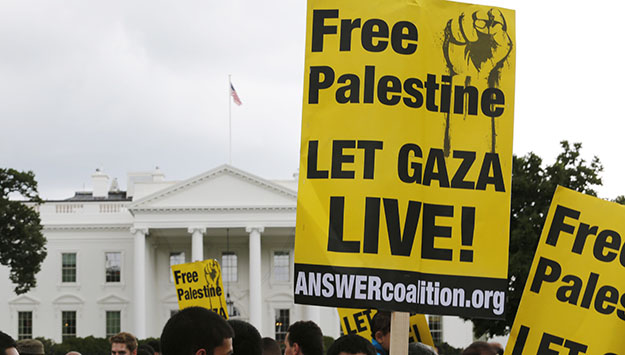
These days even the hint of a renewal of diplomacy on Palestine is enough to set tongues wagging. In recent months, France has led what remains an inchoate effort to fill the diplomatic vacuum created by the Obama administration’s decision two years ago to close its book on Palestine.
Presidential Race Shifts Discourse on Israel-Palestine
The 2016 presidential primaries have upended a wide variety of assumptions about the rules of American politics, and what the traffic will bear. One of these areas is the Israeli-Palestinian conflict.
The oldest peer-reviewed publication dedicated to the study of the modern Middle East, MEI’s flagship journal covers politics, society, and culture in the region.