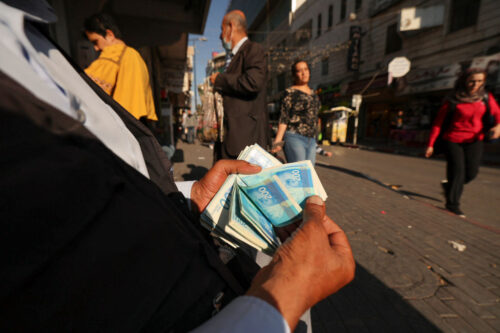
The West Bank economy is in crisis. Since the Hamas attack on Israel on October 7, 2023, Israeli policies, compounded by Palestinian Authority (PA) governance and fiscal management weaknesses, have driven the economy into free fall. The measures are imposing severe hardship on the lives and livelihoods of Palestinians; risk destabilizing the West Bank; carry spillover implications for Israel and its neighbors; and threaten to derail the US administration’s efforts to implement its 20-point plan for Gaza.
The Human Story Behind Gaza: Jaser AbuMousa on the Costs of Survival for Palestinians
Brian sits down with MEI Senior Fellow Jaser AbuMousa to assess the situation on the ground in Gaza three years after October 7 and a year into the ceasefire. Drawing on his own personal experience, Jaser explores the toll that the war and continued destruction have taken on Gaza’s residents, the implications of the recent Israeli and US elections, and the difficult path forward.
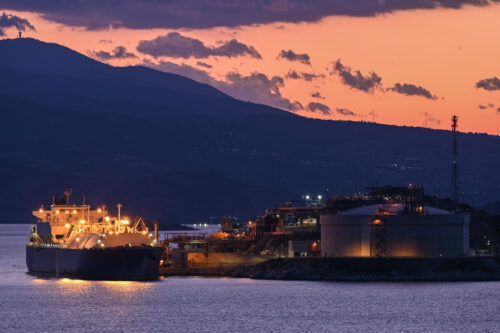
In less than two decades, a string of offshore discoveries has turned the Eastern Mediterranean into a significant gas-producing region, making Israel an exporter, twice lifting Egypt into the ranks of liquefied natural gas (LNG) exporters, and giving Cyprus finds it has yet to bring to market. This backgrounder explores the potential and challenges of exploiting and managing LNG resources in the region.
Introduction to The Legacy of Camp David: 1979-2009
Since the “Six Day War” in June 1967, countless American and other diplomats have sought almost continuously to broker peace between Israel and its surrounding Arab enemies. From that tangled history, one achievement stands tallest in a forest of scrub: the Egypt-Israel Treaty signed on March 26, 1979 on the White House front lawn by President Anwar Sadat, Prime Minister Menachem Begin, and President Jimmy Carter.
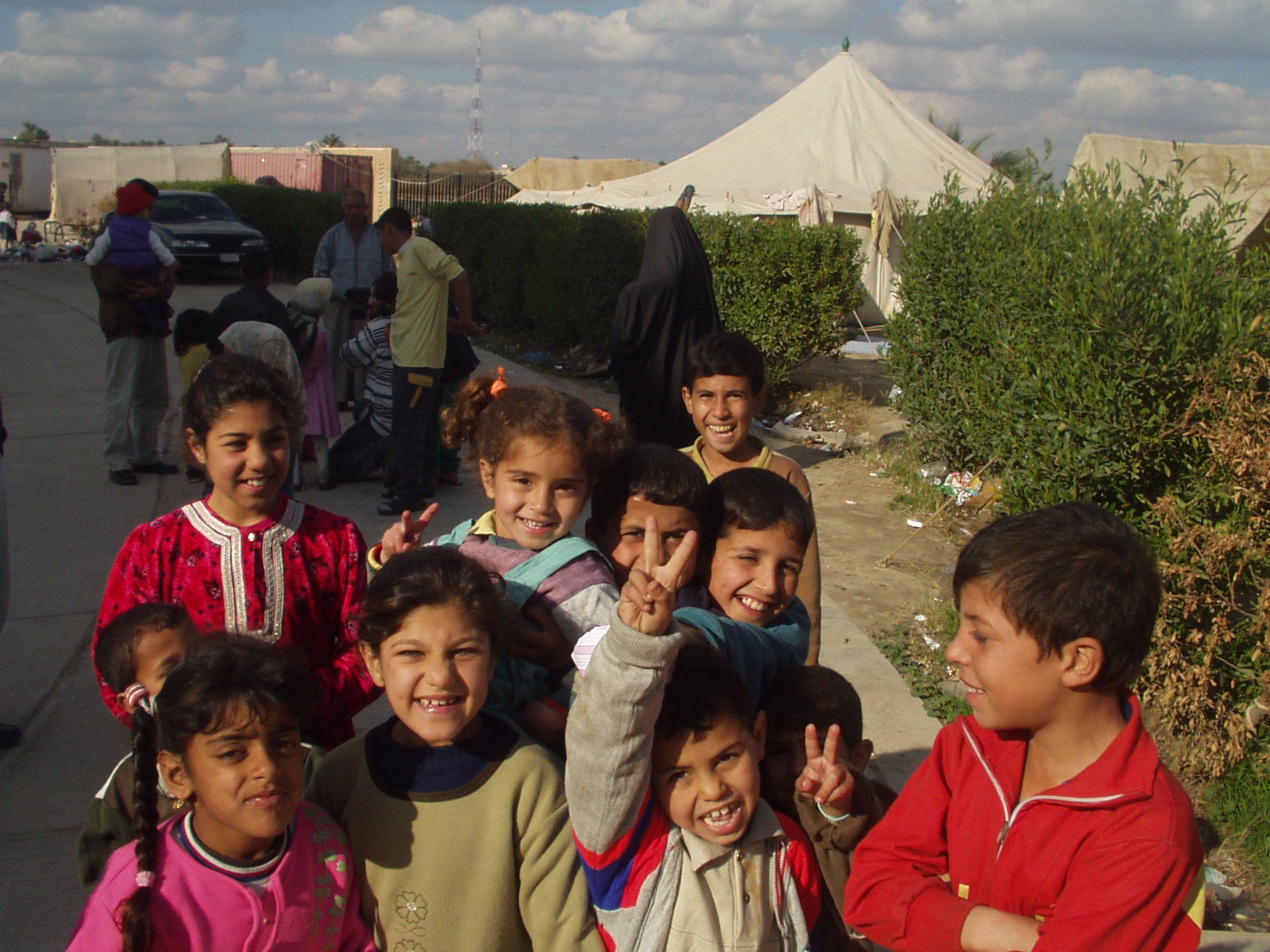
Palestinian Refugees from Iraq in Critical Need of Protection
Originally posted July 2008
“The twice-displaced Palestinian refugees are one of the worst-off groups in a country full of desperate people. … They have no country to go to, no valid travel documents, no protectors inside Iraq, and hardly anyone prepared to support them outside either. … It is to everyone’s dishonor that these human beings are still rotting [in border camps] and — worst of all — in Baghdad where one or more is being murdered virtually every day.”1
The Jordan Valley is a lush, wetland ecosystem that is the biological heart of the Middle East region at large. As the meeting point of the Asian, African, and European continents, the valley is at the crossroads of biodiversity. In addition to the unique flora and fauna, the valley is one of the world’s most important migratory pathways for birds. Over 500 million birds migrate from Europe to Africa twice a year, dependent on the Jordan Valley as a stopping ground on their long journey.
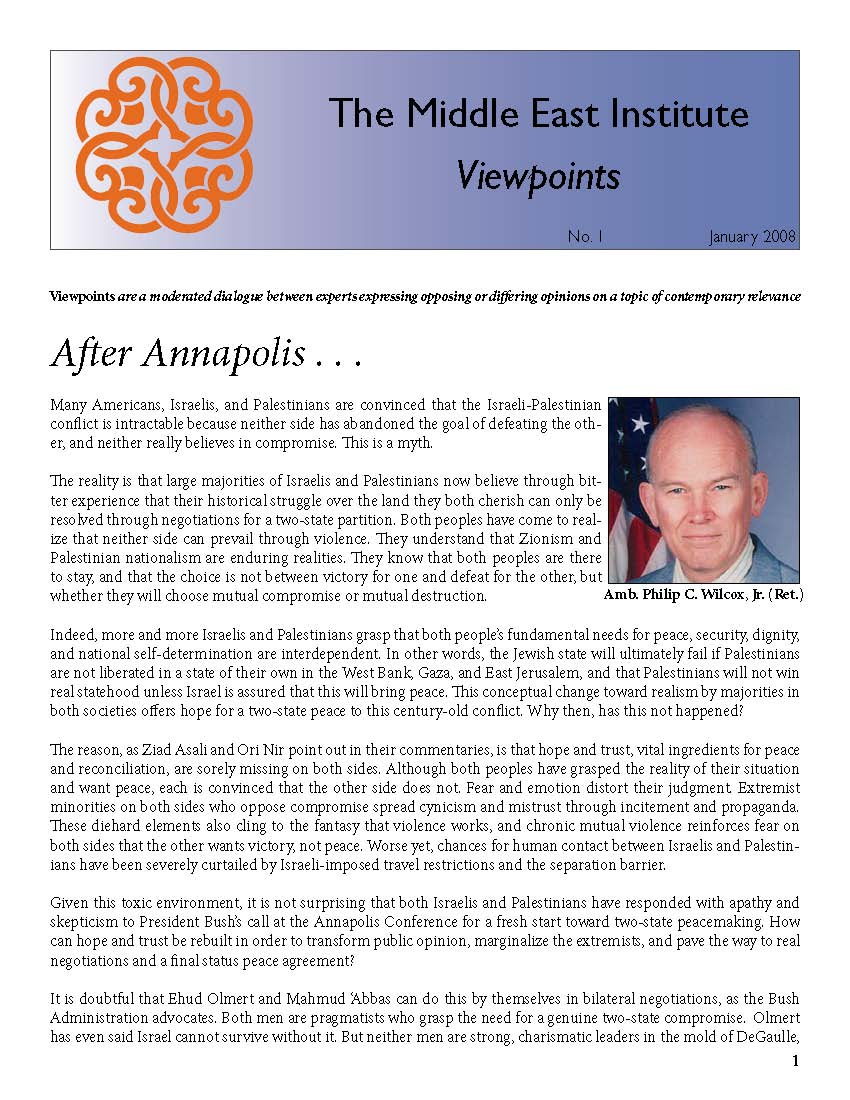
Many Americans, Israelis, and Palestinians are convinced that the Israeli-Palestinian conflict is intractable because neither side has abandoned the goal of defeating the other, and neither really believes in compromise. This is a myth.
Even the most skeptical of us would have to concede that things are better now than they were a few months ago, as they hasten to add that we have been here before and that this too shall pass.
Yes, things are better: Palestinian and Israeli officials are talking, and not about the weather. Final status issues are being discussed, though they are not being resolved.
Last month, I spent seven days in an Israeli living room, sitting “shiva” with my family to mourn the loss of a relative. Hundreds of people came to visit. Hundreds of conversations unfolded on almost any topic imaginable. One of the purposes of the shiva is to distract mourners from their loss through engagement with the living in conversations on the mundane.
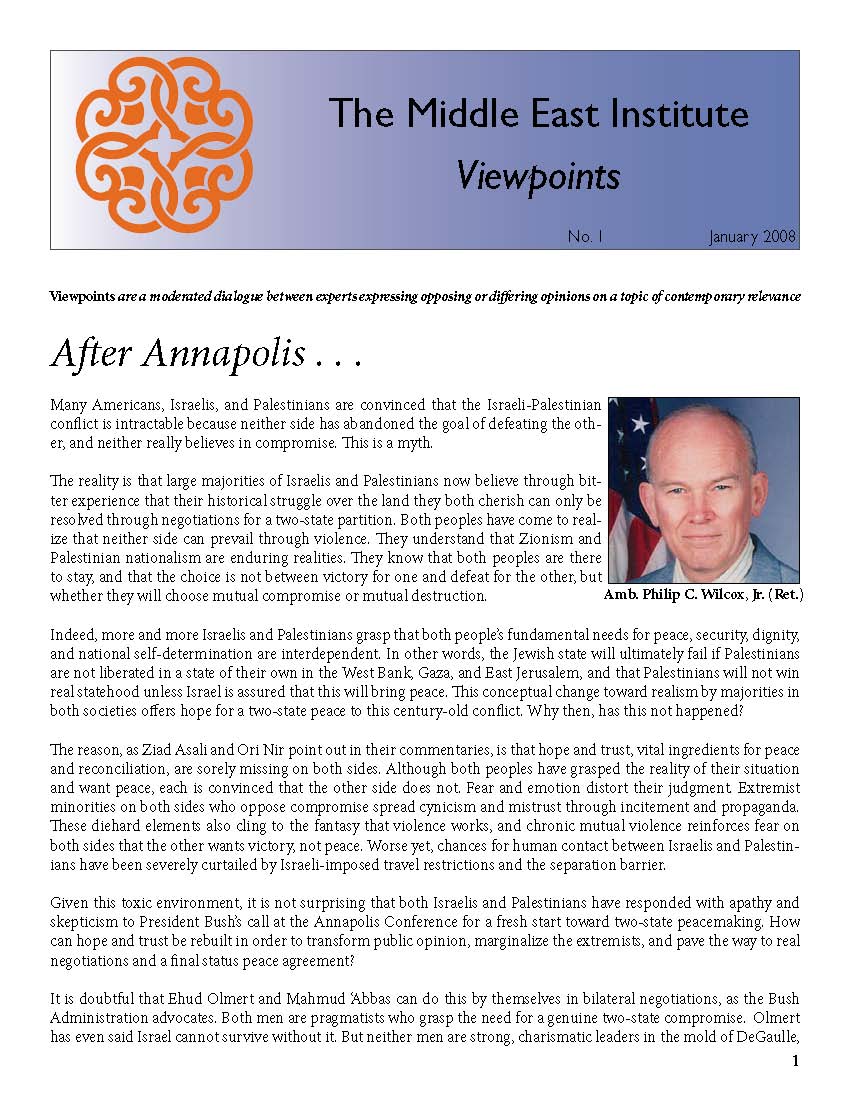
Many Americans, Israelis, and Palestinians are convinced that the Israeli-Palestinian conflict is intractable because neither side has abandoned the goal of defeating the other, and neither really believes in compromise. This is a myth.
The oldest peer-reviewed publication dedicated to the study of the modern Middle East, MEI’s flagship journal covers politics, society, and culture in the region.