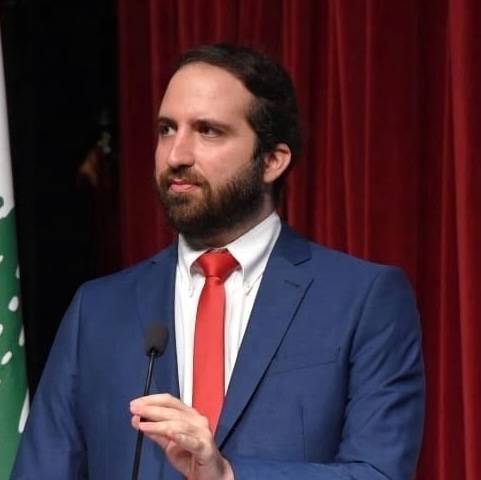
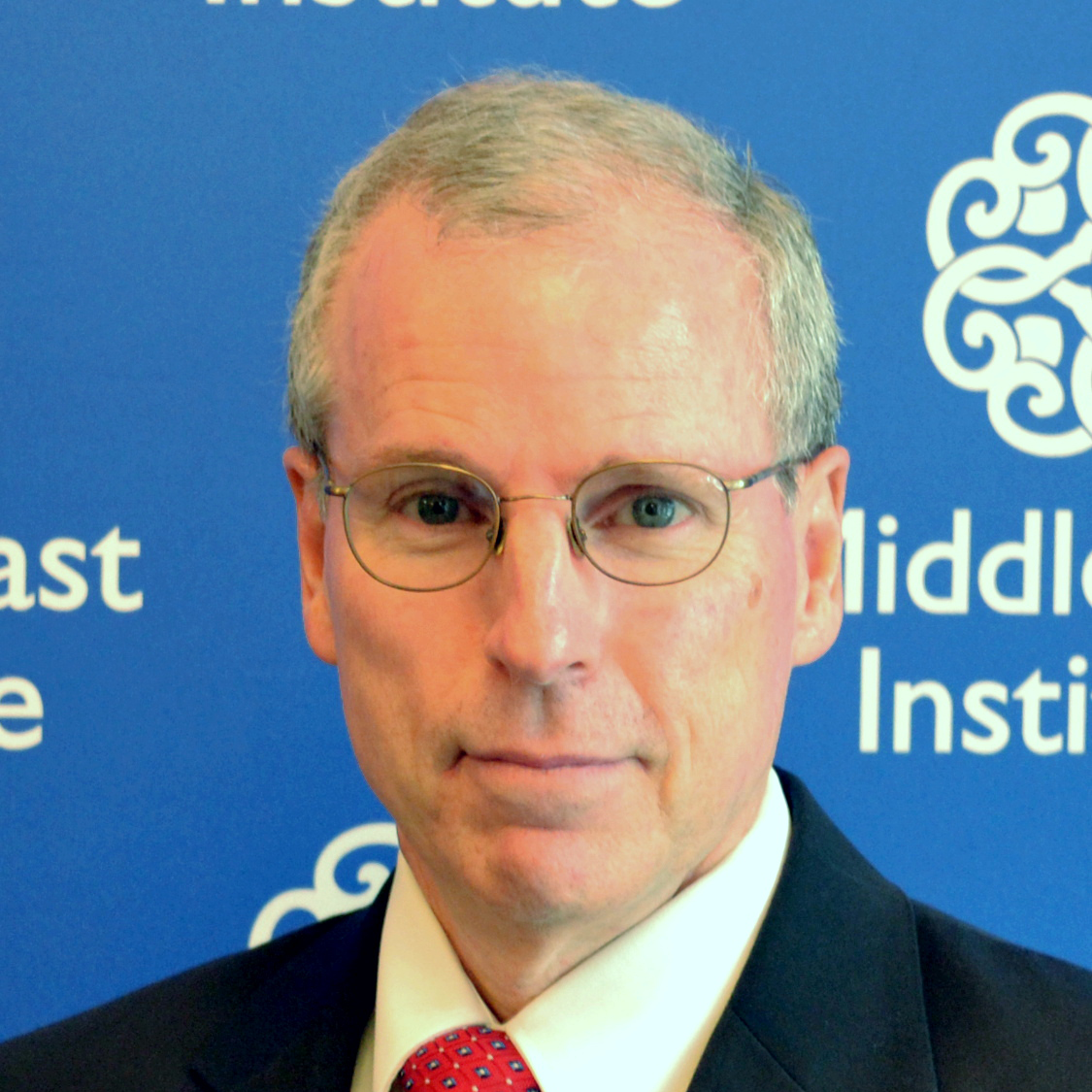
US President Donald Trump recently proposed that Syria intervene militarily against Hizballah in Lebanon. Is that a good idea? This episode of Middle East Focus features a recent MEI Virtual Briefing. Director of Communications Zeina Al-Shaib is joined by Ambassador David Hale, MEI Distinguished Diplomatic Fellow and Charles Lister, MEI Senior Fellow. Together they examine the prospects and implications of renewed Syrian involvement in Lebanon, the potential impact on US relations with both countries, and how evolving dynamics in Lebanon and Syria could reshape the regional balance of power and affect countries such as Turkey and Israel.
ISIS appears to have collapsed in Syria in the wake of the SDF’s military defeat and subsequent integration, followed by the withdrawal of US troops. To the extent that the US prioritizes the group’s enduring defeat in the country, a relationship centered in Damascus is the best way to achieve it.
MEI’s Syria Initiative seeks to provide insightful and grounded research and analysis on all things Syria in order to better inform a wide range of audiences and to help sustain and shape a more meaningful policy-oriented discussion.
The Middle East Institute, The Atlantic Council, and European Institute of Peace collaborate with subject matter experts and policymakers in the US, Europe, and the Middle East to develop a holistic strategy to sustainably forge a pathway to resolving Syria’s crisis.
إيران خسرت أولى معاركها في القامشلي وحدود سيطرة جديدة فرضتها معركة حي طي
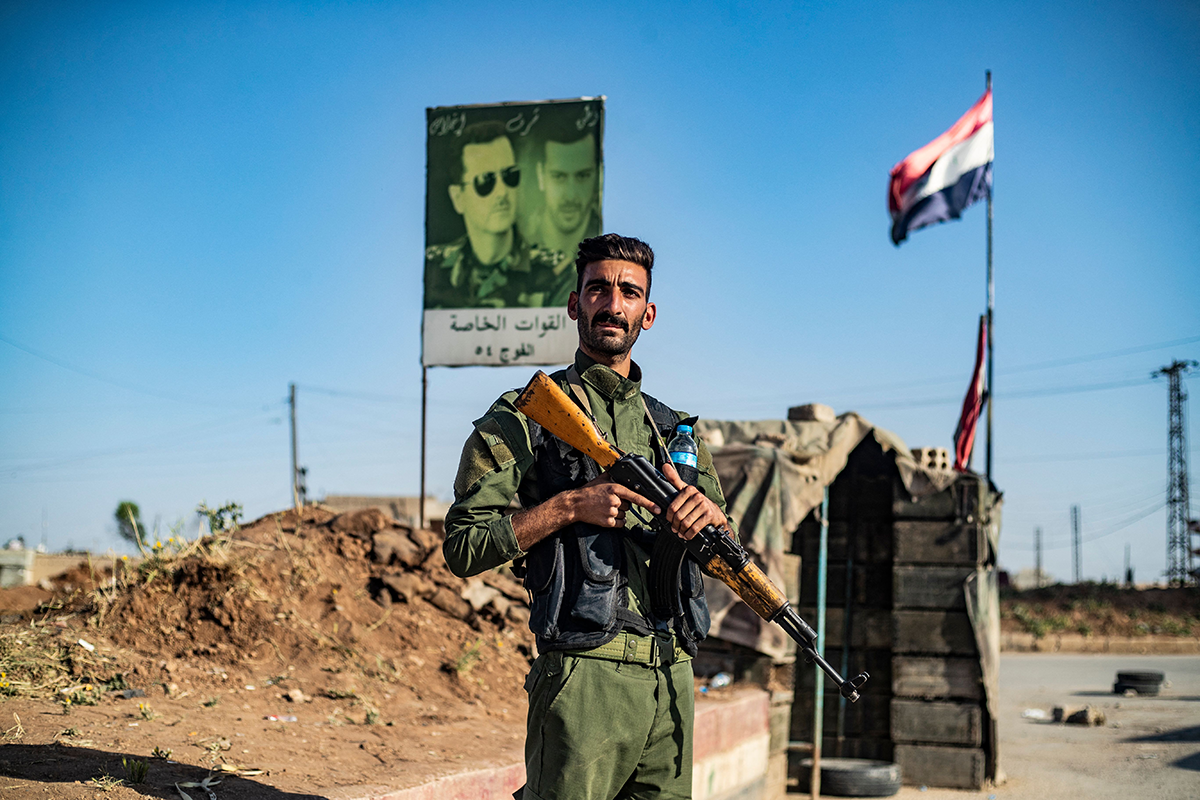
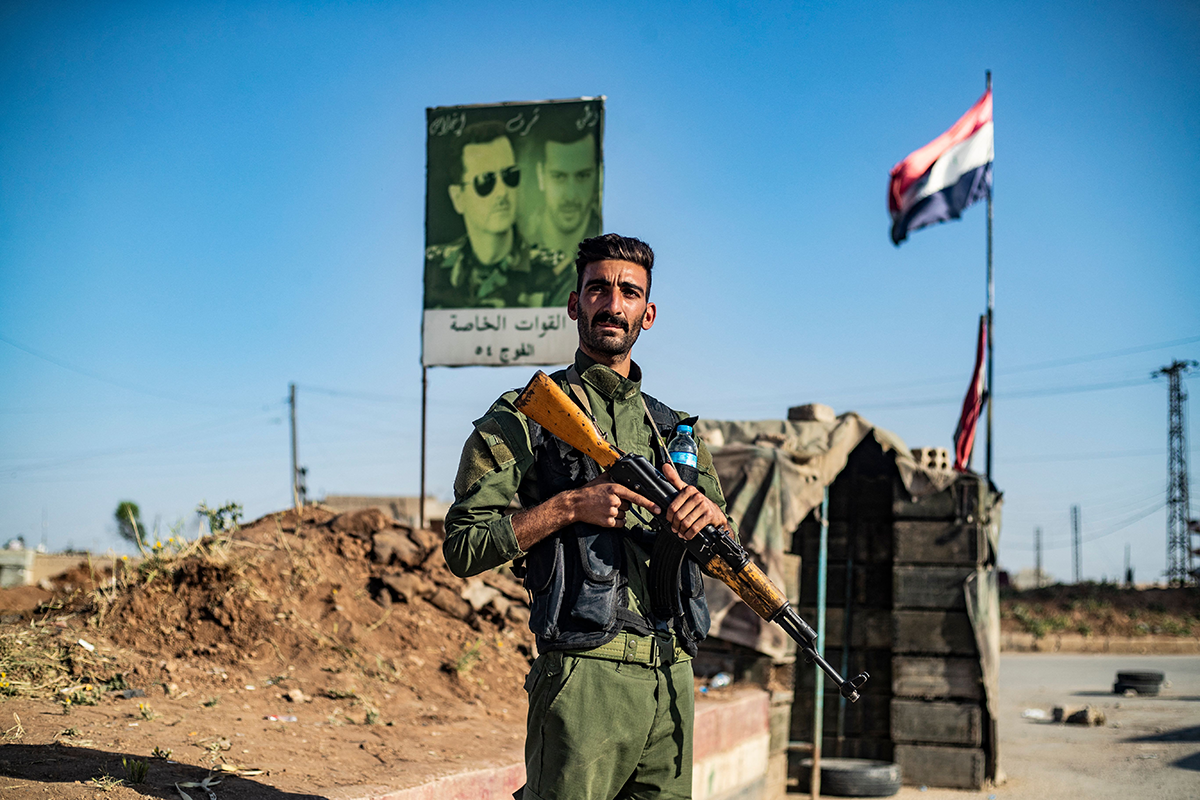
في أواخر شهر نيسان إبريل الماضي، شهد حي طي الواقع جنوبي مدينة القامشلي في محافظة الحسكة السورية، اشتباكات عنيفة بين قوات “الدفاع الوطني” التابعة للنظام السوري وقوات “الأسايش” التابعة للإدارة الذاتية “الكردية”، هذه الاشتباكات انتهت باتفاق تم بين الطرفين برعاية روسية.
Iran’s loss in Qamishli’s Tayy neighborhood results in a shift in the boundaries of control
At the end of April, the Tayy neighborhood, in the southern part of the city of Qamishli in Syria’s Hasaka Province, witnessed violent clashes between the National Defense Forces (NDF) of the Syrian regime and the Internal Security Forces (Asayish) of the Kurdish Autonomous Administration of North and East Syria (AANES). The conflict ended with the negotiation of a permanent truce between the two parties under Russian auspices.
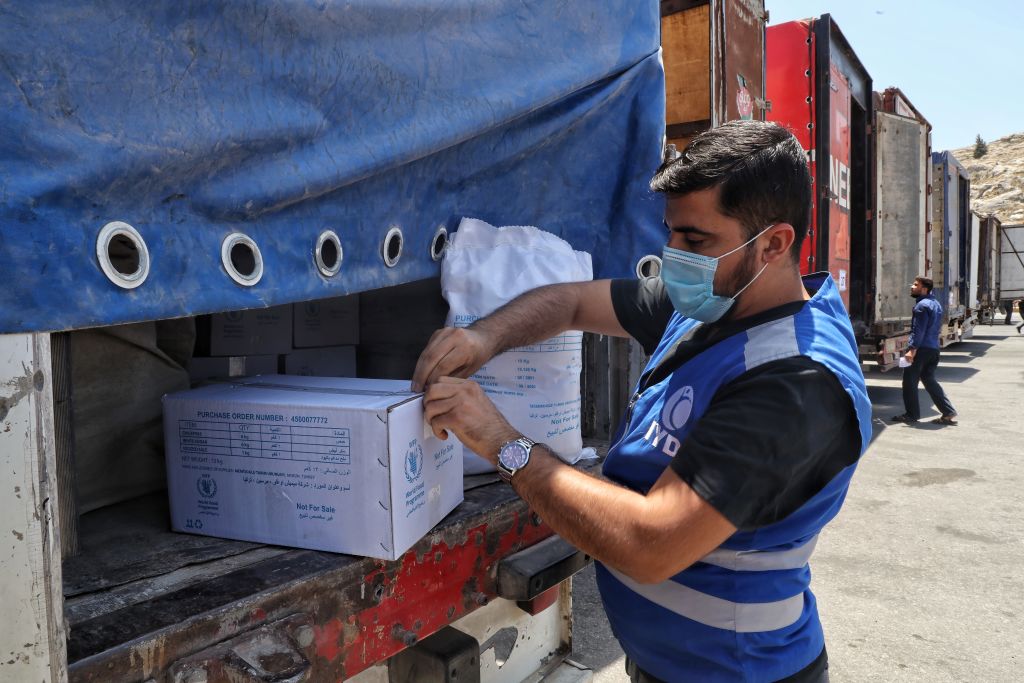
Charles Lister, Mona Yacoubian, and James Jeffrey join host Alistair Taylor to discuss the upcoming UN Security Council vote on the renewal of cross-border assistance for Syria, Russia’s threats of severing access, and how they might impact stability across the region.
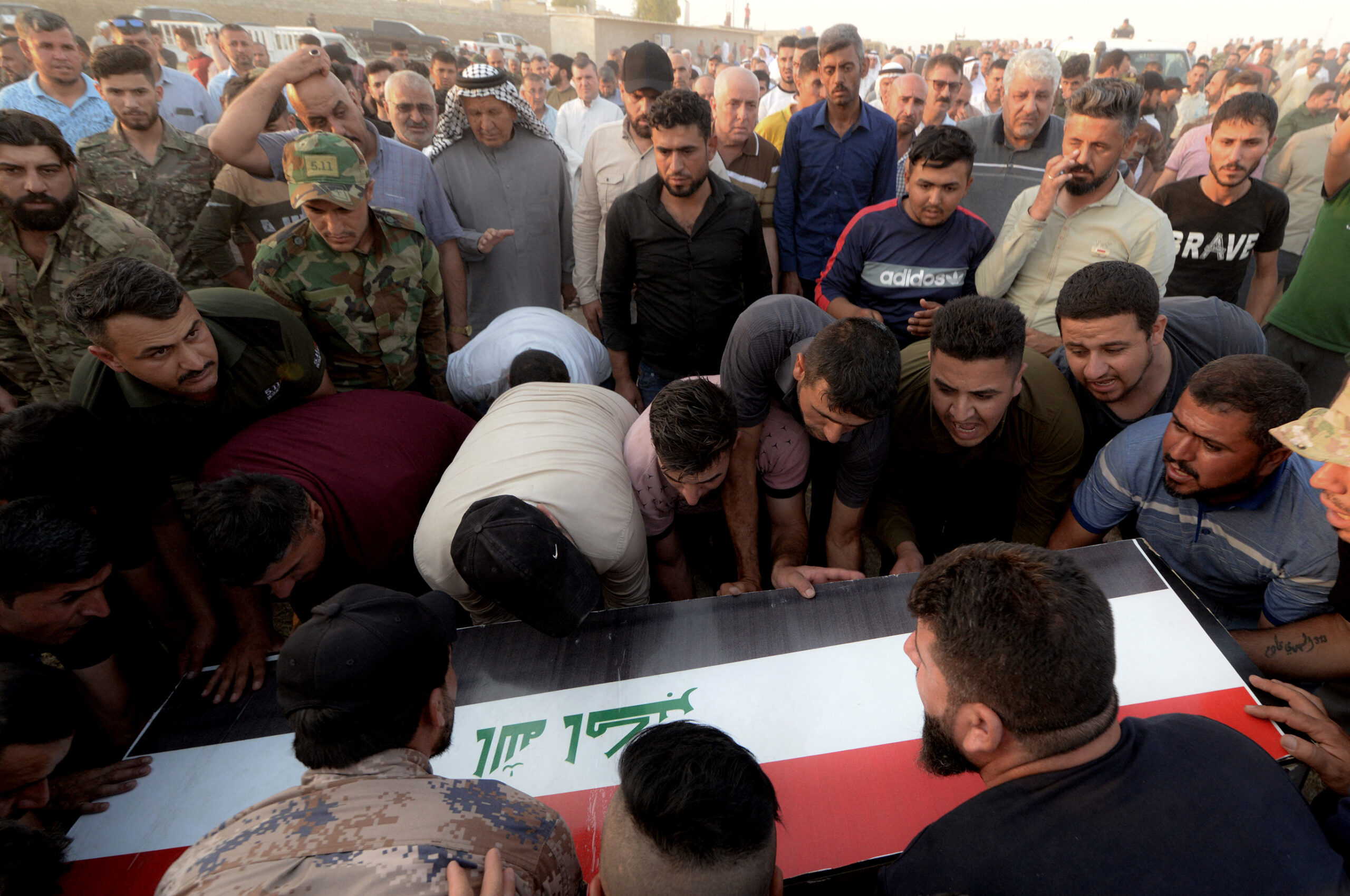
الضربات الجوية الأمريكية على الميليشيات العراقية وخطر دوامة التصعيد
مهما كانت شدة محاولات الحكومة العراقية لتوجيه البلاد بعيدًا عن الصراع الإيراني الأمريكي، فإن الميليشيات العراقية المدعومة من إيران ستظل تسحبها مجددًا لهذا الصراع
HTS is not al-Qaeda, but it is still an authoritarian regime to be reckoned with
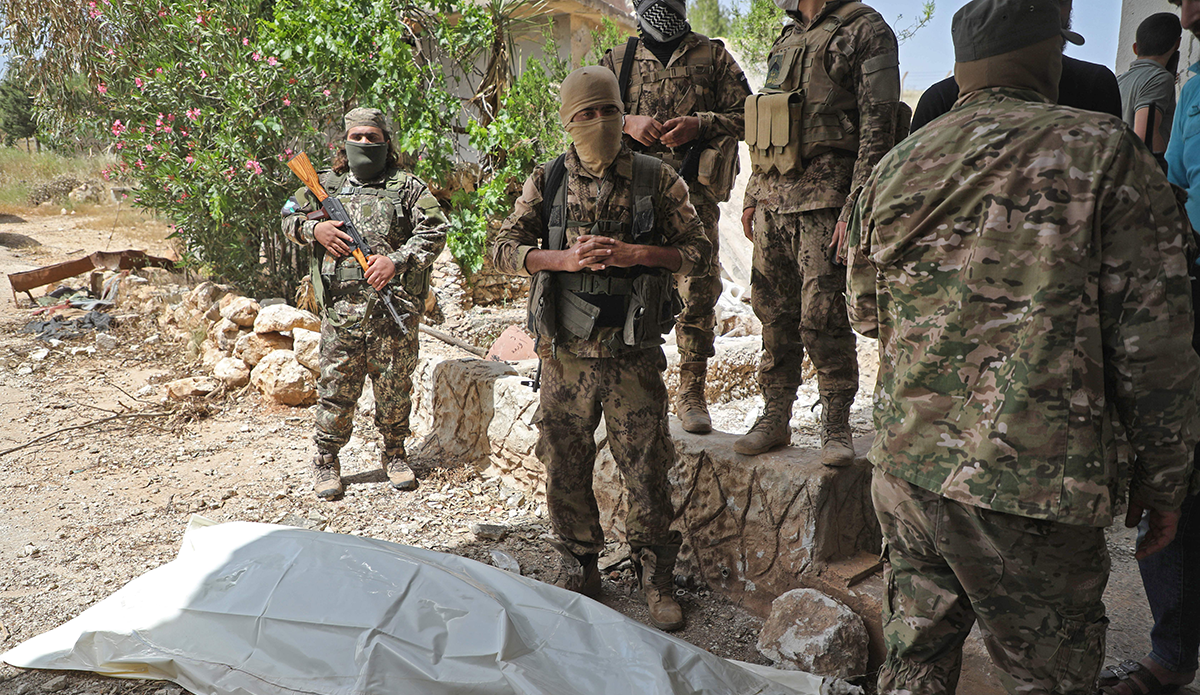
On June 1, PBS Frontline released a documentary entitled “The Jihadist,” which includes an interview by American journalist Martin Smith with al-Jolani, now the leader of Hayat Tahrir al-Sham (HTS), who “opened his heart” about the past, present, and future of his group. The interview revived the question of whether the international community should believe al-Jolani’s claims about his group’s transformation from global jihadism to a local focus and his denial of the allegations of torture in its prisons. This article argues that while HTS’s transformation and split from al-Qaeda is real, al-Jolani must be pressured to share power over Idlib and loosen his group’s authoritarian grip, which is causing grievances that in the long term will push locals into the hands of radical groups like ISIS and al-Qaeda.
Over the past four years, Hay’at Tahrir al-Sham (HTS) has tried to transform itself from a faction of the Global Jihad movement into the de facto local military and governing power in north-west (NW) Syria. This shift requires the group to seek sources of funding other than al-Qaeda and its donors; consequently, HTS has undertaken a slow but steady takeover of the economy in NW Syria, from financial services and oil and gas to internet and telecommunications. This paper lays out how that process has taken place and provides a detailed look at the economics of HTS.
تضغط الدول الغربية وبعض دول الخليج وتركيا وبدرجة أقل حتى واحدة من مؤيديه الرئيسيين، روسيا، على رئيس الدولة السوري بشار الأسد ليكون أكثر مرونة بشأن قبول تسوية سياسية للصراع السوري. لكن الأسد رفض التزحزح شبرًا واحدًا.
في الوقت الحالي، تريد معظم الدول المعارضة للنظام السوري من الأسد قبول قرار الأمم المتحدة رقم 2254، الصادر في عام 2015، والذي يدعو، من بين أمور أخرى، إلى انتخابات نزيهة ودستور وحكم ذي مصداقية يتسم بالشمول واللاطائفية.
لفهم سبب عدم تراجع الأسد، عليك أن تفكر في الخيارات التي يواجهها.
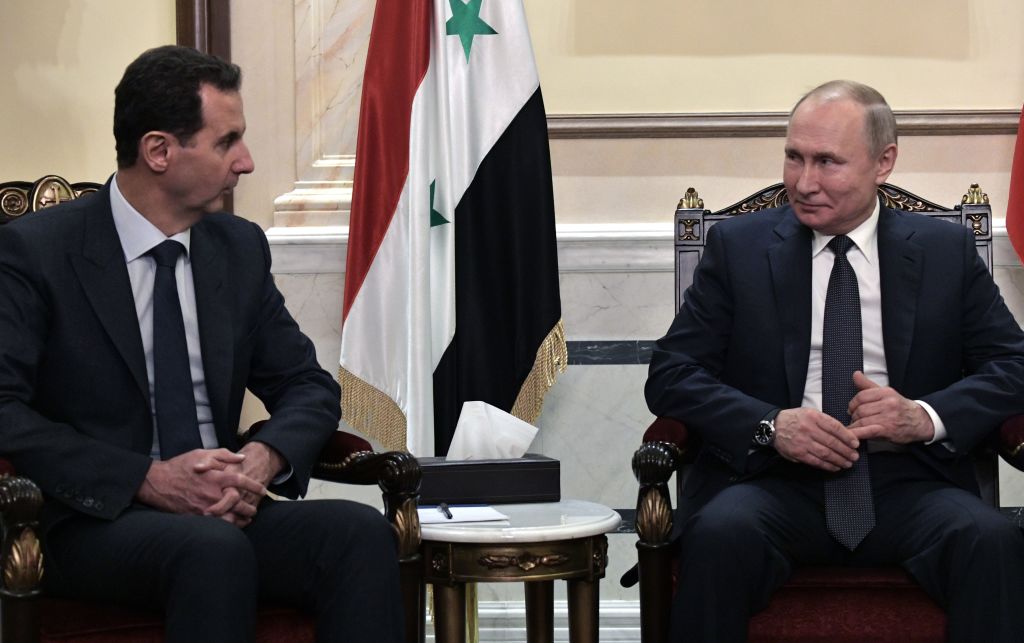
Western countries, some Gulf states, Turkey, and to a far lesser extent even one of his own key backers, Russia, have been pressuring Syrian head of state Bashar al-Assad to be more flexible about accepting a political settlement to the Syrian conflict. But Assad has refused to budge an inch.
The policy consequences of Arab state normalization with the Assad regime
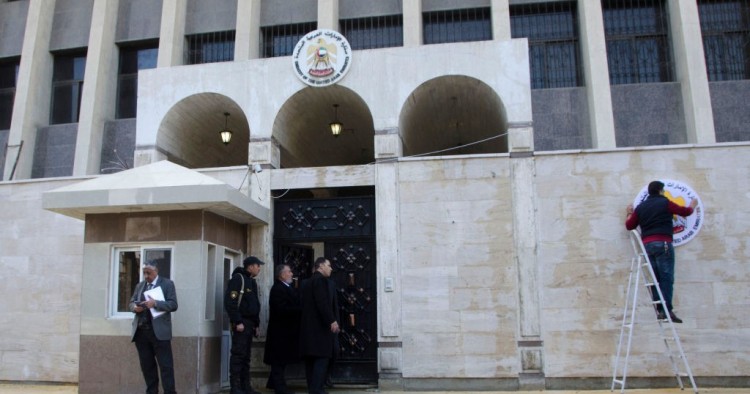
The recent push by a number of Arab states to normalize relations with the Assad regime is based on the false premise that the war is over and it is necessary to restore ties to lobby Damascus to change its relationship with Iran. Other regional dynamics are also a factor: The UAE, for example, sees it as a necessary balance against what it perceives as adversarial actions by Turkey with the Syrian jihadist group HTS in Idlib. Yet these rationales for rehabilitating the Assad regime are completely fallacious. The downsides and policy consequences will not only affect Arab states, but will also harm American interests, making it difficult for the U.S. to fully pivot to address the rising threat from China.
MEI’s Syria Initiative seeks to provide insightful and grounded research and analysis on all things Syria in order to better inform a wide range of audiences and to help sustain and shape a more meaningful policy-oriented discussion. Drawing on the expertise of over a dozen renowned scholars, the Syria Program covers all aspects of Syria and its ongoing crises – from political, economic, legal, social, ethnic and religious dynamics, to conflict, insurgency and terrorism and the country’s history and possible futures.