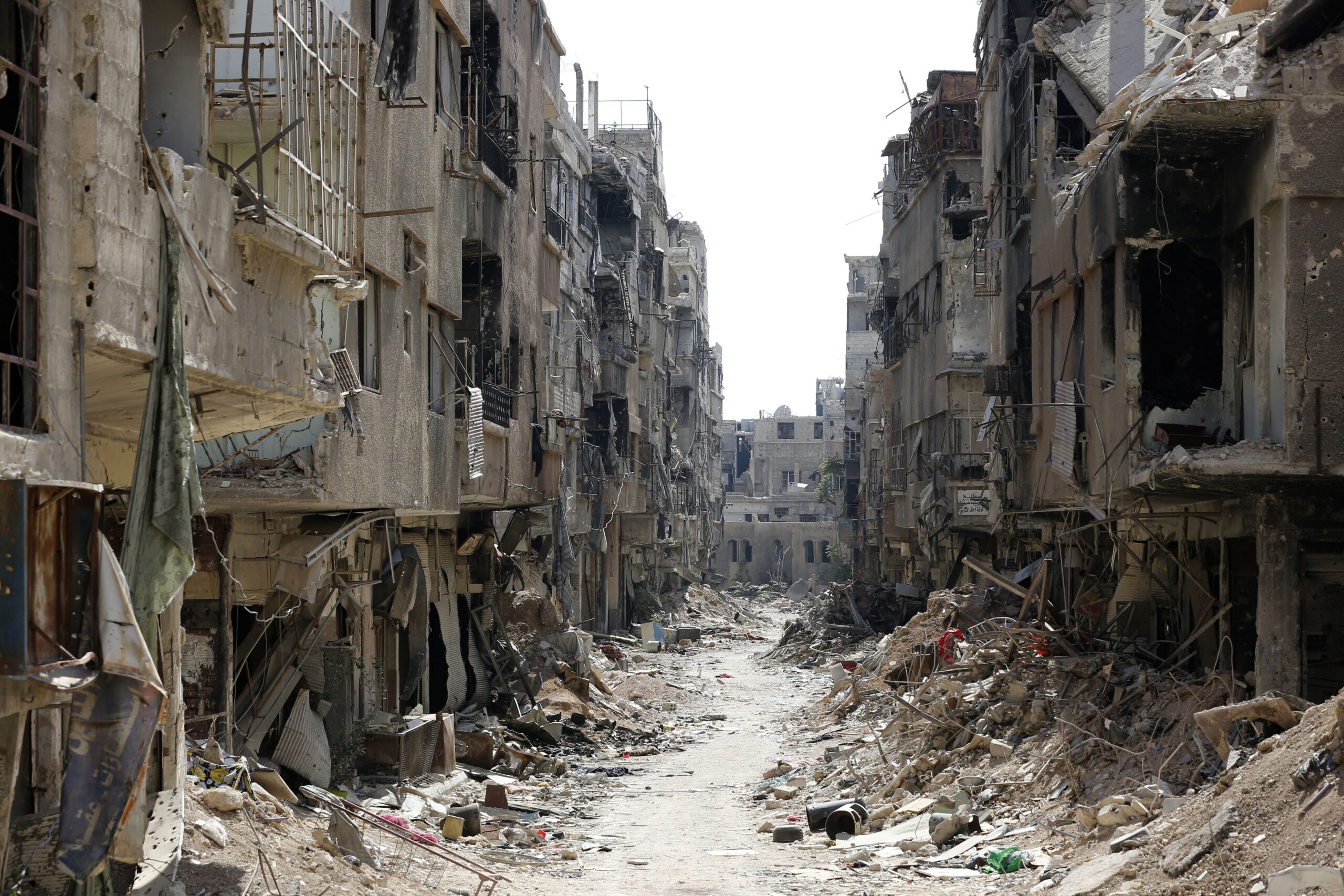
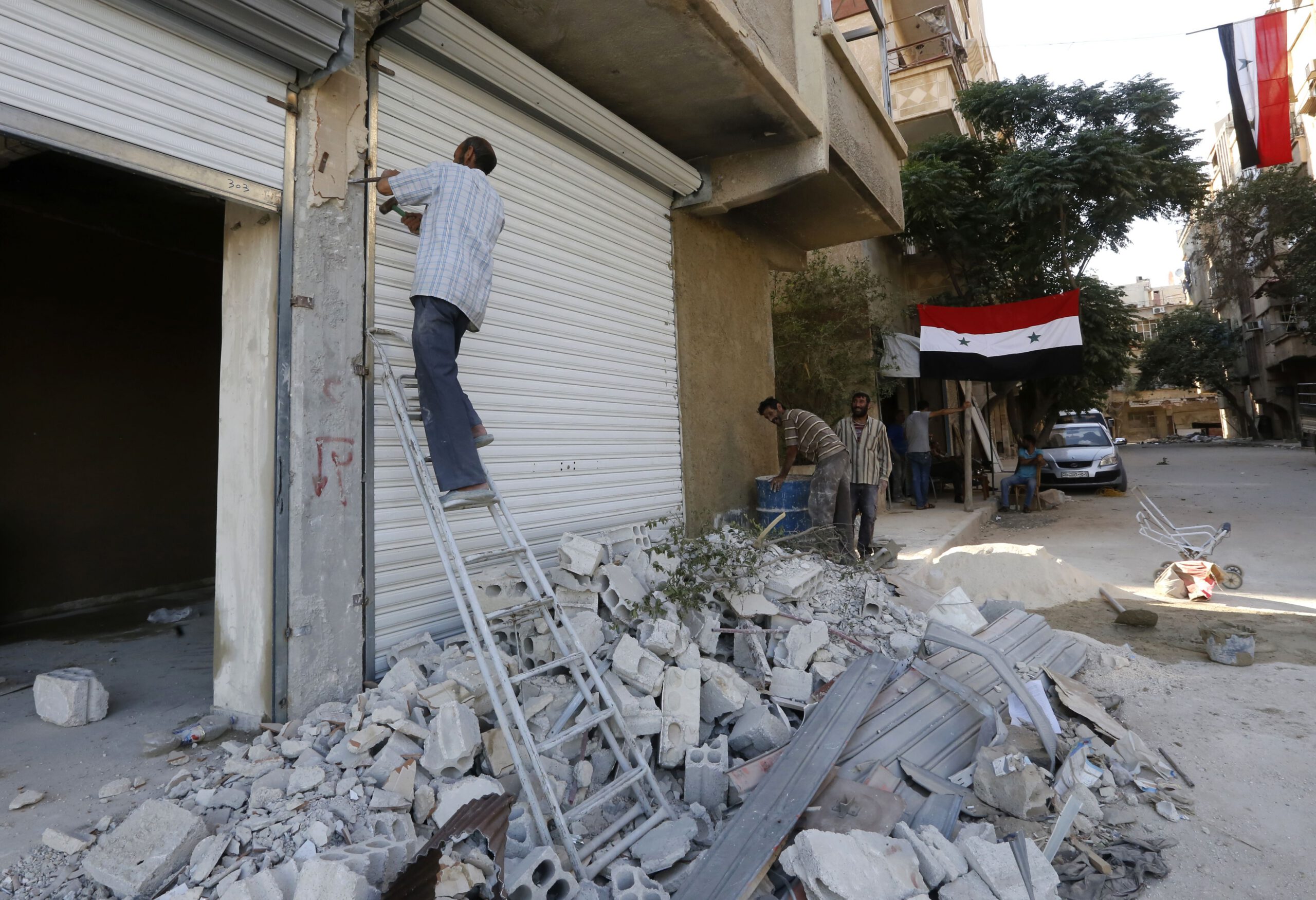
When the US and Israel launched military action against Iran on February 28, 2026, it set in motion a chain of events that saw violence spread across the Middle East. Yet as the region found itself engulfed in conflict, Syria has experienced its most peaceful months in 15 years, and the government in Damascus appears determined to stay its course toward recovery.
Unlocking the Levant: Why the United States and Syria Must Pursue a Bilateral Trade and Investment Agreement
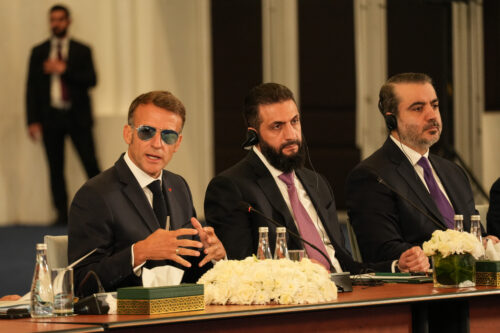
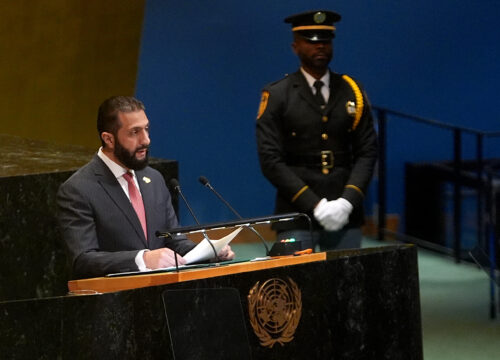
Apart from the brief honeymoon period between 1961 and 1963 under President John F. Kennedy and President Nazim al-Qudsi, US-Syria relations have never held such optimistic potential as they do today. Today, following the fall of Bashar al-Assad regime and the rise of a new government under President Ahmad al-Sharaa at the end of 2024, a new geopolitical window has opened.
Though it has fallen out of the headlines because of the Iran war, Syria has had a dramatically consequential summer. Hosts Alistair Taylor and Matthew Czekaj are joined by MEI Senior Fellow Charles Lister to take stock of recent developments: the dissolution of the Kurdish-led Syrian Democratic Forces, Israeli strikes and the friction with Turkey they have exposed, the standoff in Sweida, as well as Damascus’s bid to turn Syria into a trade corridor between the Mediterranean and the Gulf. Is the transition consolidating or fragmenting nearly two years after the fall of the Assad regime?
MEI’s Syria Initiative seeks to provide insightful and grounded research and analysis on all things Syria in order to better inform a wide range of audiences and to help sustain and shape a more meaningful policy-oriented discussion.
The Middle East Institute, The Atlantic Council, and European Institute of Peace collaborate with subject matter experts and policymakers in the US, Europe, and the Middle East to develop a holistic strategy to sustainably forge a pathway to resolving Syria’s crisis.
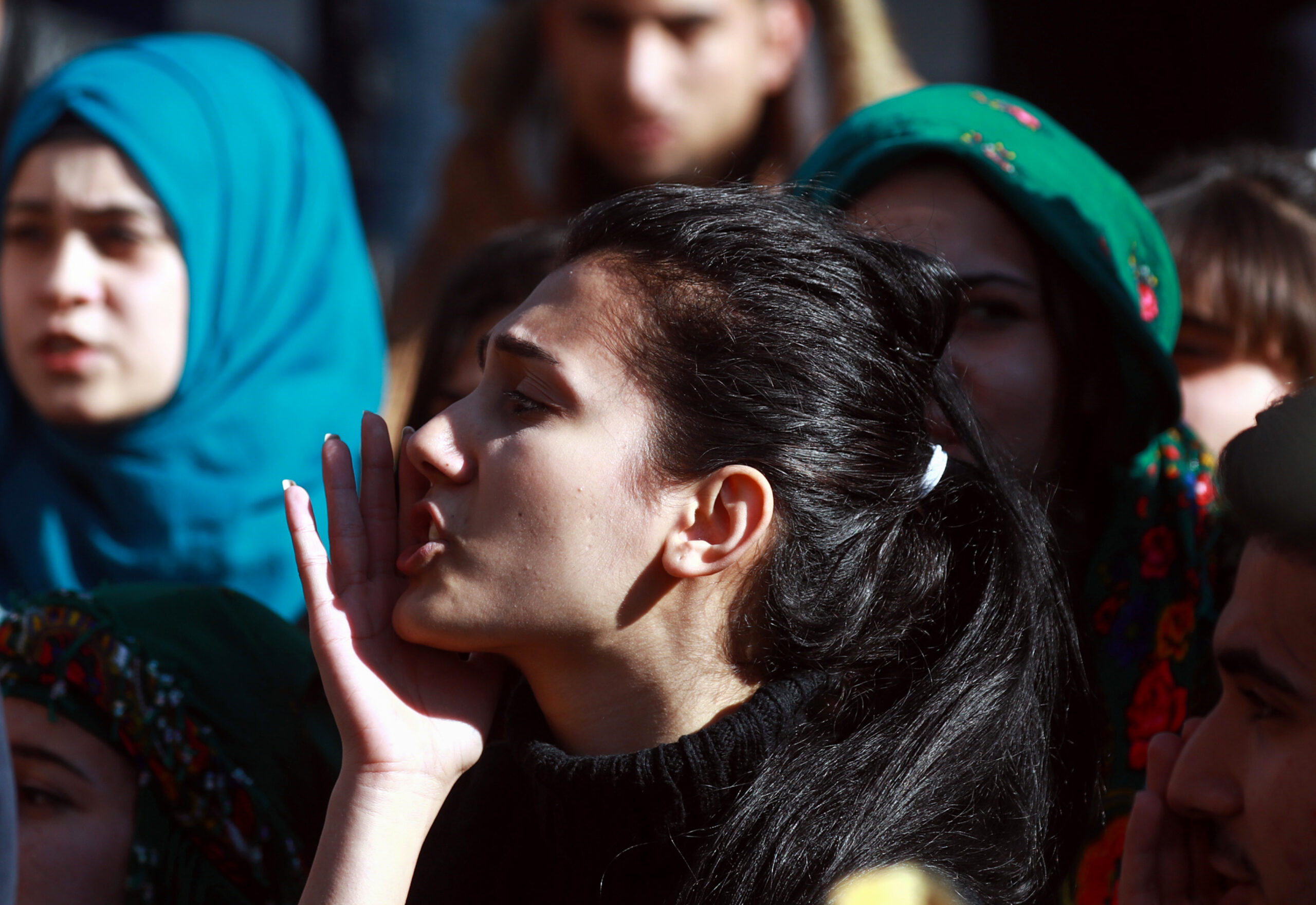
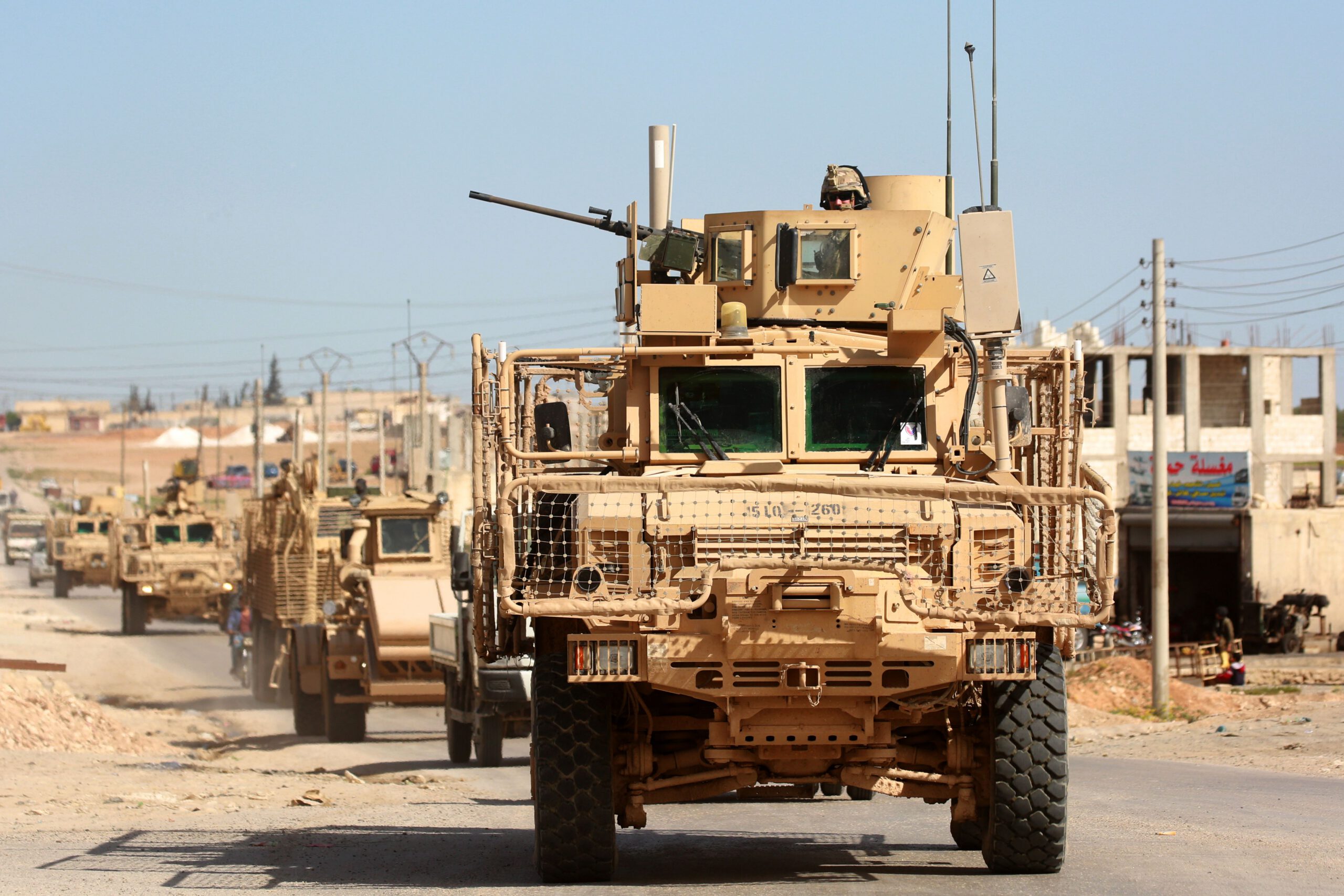
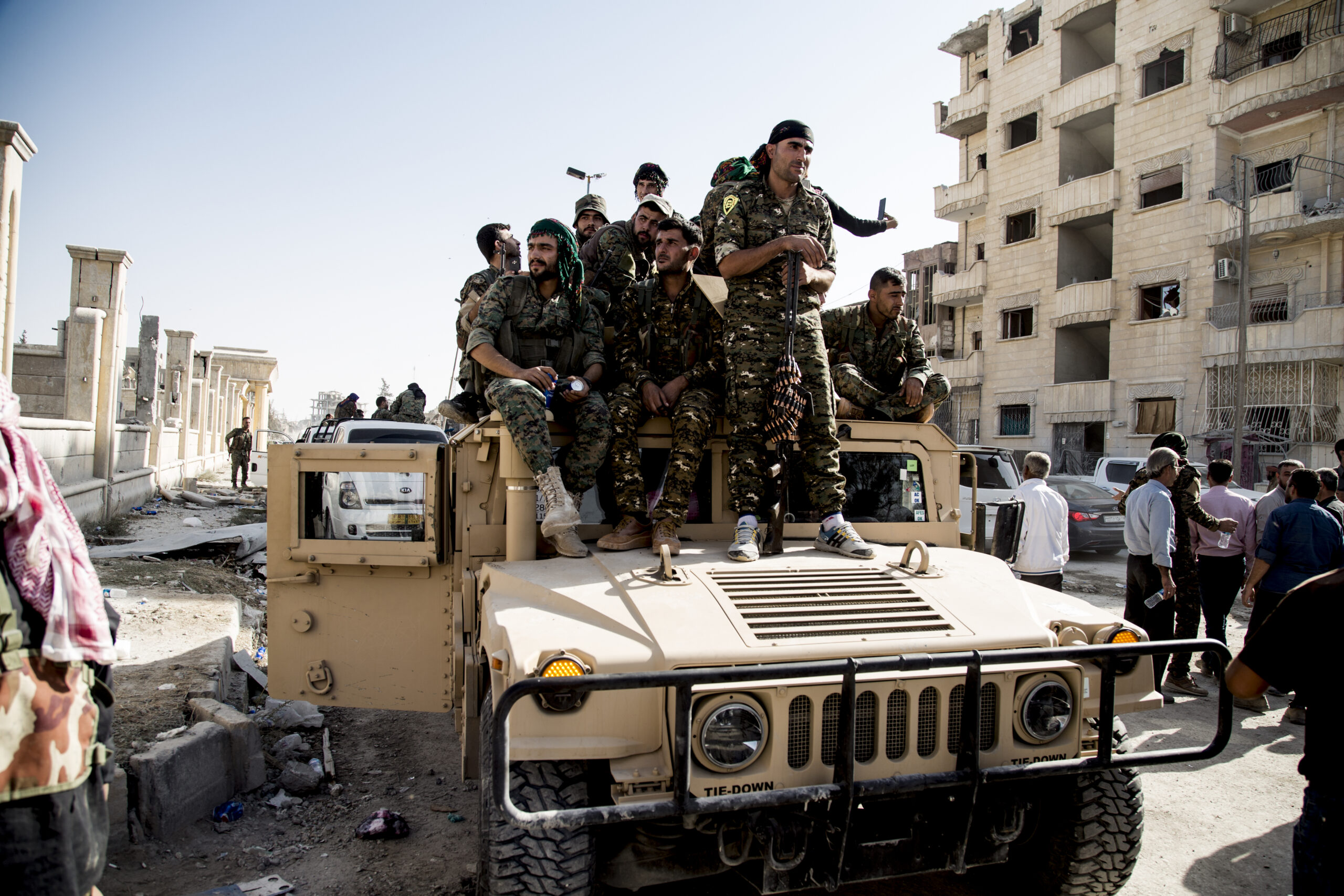
President Donald Trump’s announcement that he would withdraw U.S. troops from Syria came as a surprise to all parties involved, sparking particular concern among America’s Syrian Kurdish allies. This sudden and unexpected decision has been widely criticized not only by allies but also those inside the White House, with many analysts arguing that the U.S. withdrawal will expose the Syrian Kurds to an attack by Turkey. This move may push the YPG to seek the protection of Moscow following the US’s withdrawal in order to secure stability and dialogue with the government in Damascus.
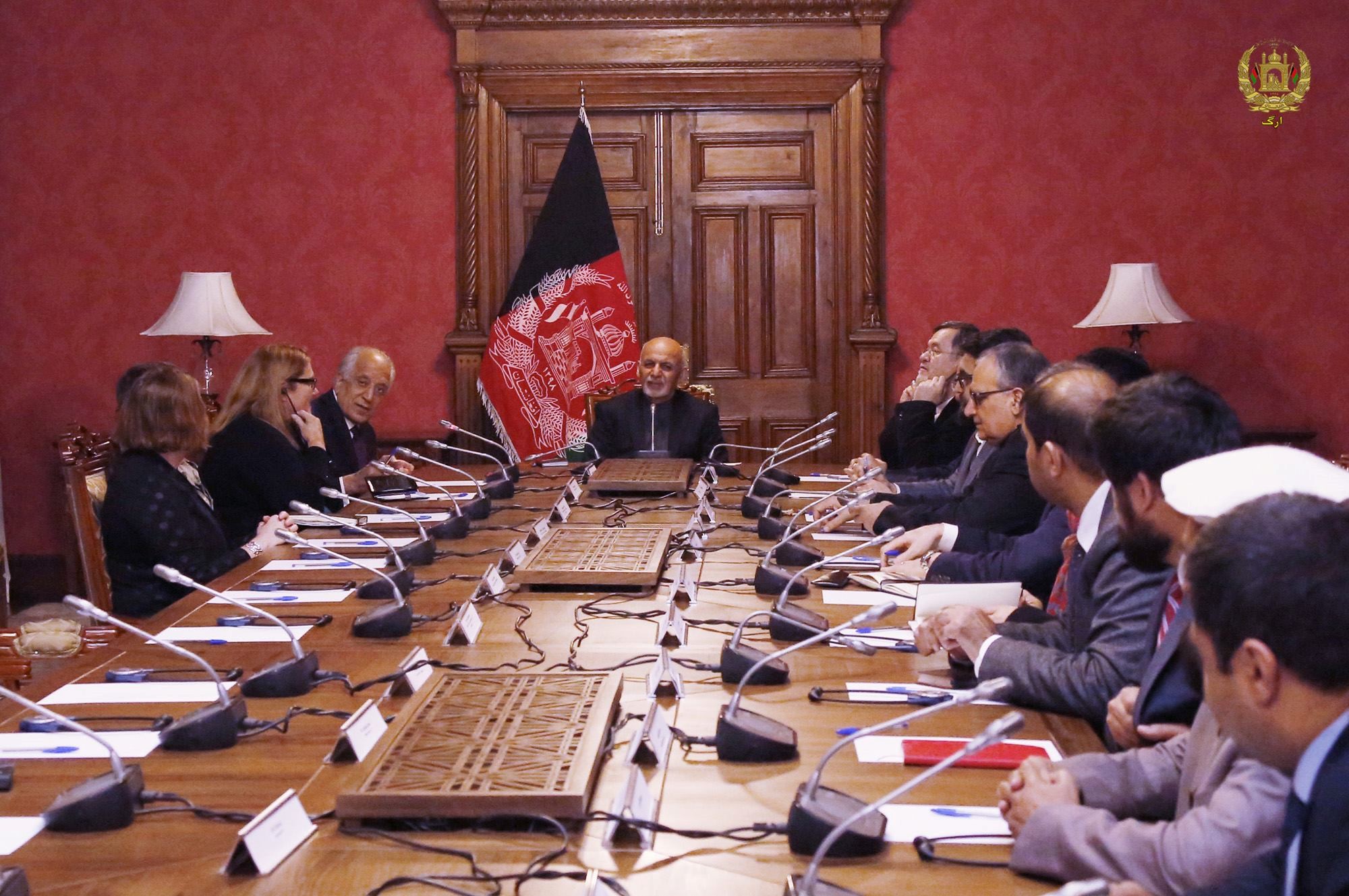
Monday Briefing: US-Taliban talks progress, but major obstacles remain
In this week’s Monday Briefing, MEI experts Ahmad Majidyar, Marvin G. Weinbaum, Randa Slim, Paul Salem, and Guney Yildiz provide analysis on recent and upcoming events including U.S. negotiations with the Taliban in Afghanistan, a warning sent to Israel by Hezbollah leader Hassan Nasrallah, the Sudanese president’s appeal for external support, Turkish-Syrian diplomacy, and Pakistan’s acceptance of Gulf aid.
Zmkin Ali and Mac Skelton of the Institute of Regional and International Studies (IRIS) at the American University of Iraq Sulaimani, join host Alistair Taylor for a discussion on Iraq’s political climate, Baghdad’s relations with Erbil in the aftermath of the 2017 referendum, and other regional dynamics.
Feud between Turks and Kurds only adds to Syrian quagmire
This article was published by The Hill on January 23, 2019.
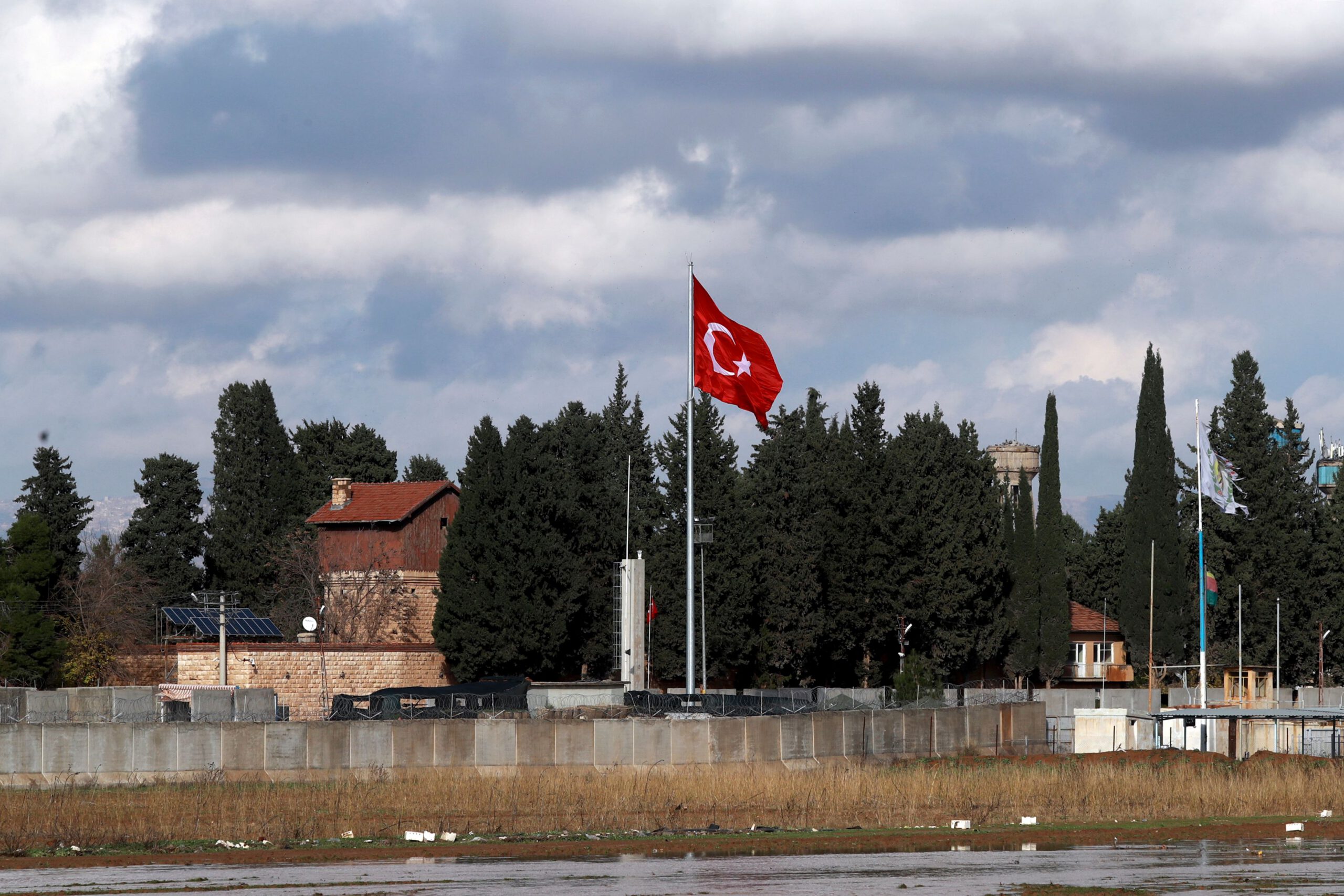
Once again, Turks and Kurds are squaring off to fight. Turks and Kurds have clashed with one another for nearly 1,000 years. The Kurds were in the Middle East first, with roots stretching back millennia. The Turks arrived in historical times and absorbed most Kurds into the Ottoman Empire.
The fight over the spoils of war in Deir ez-Zor heats up
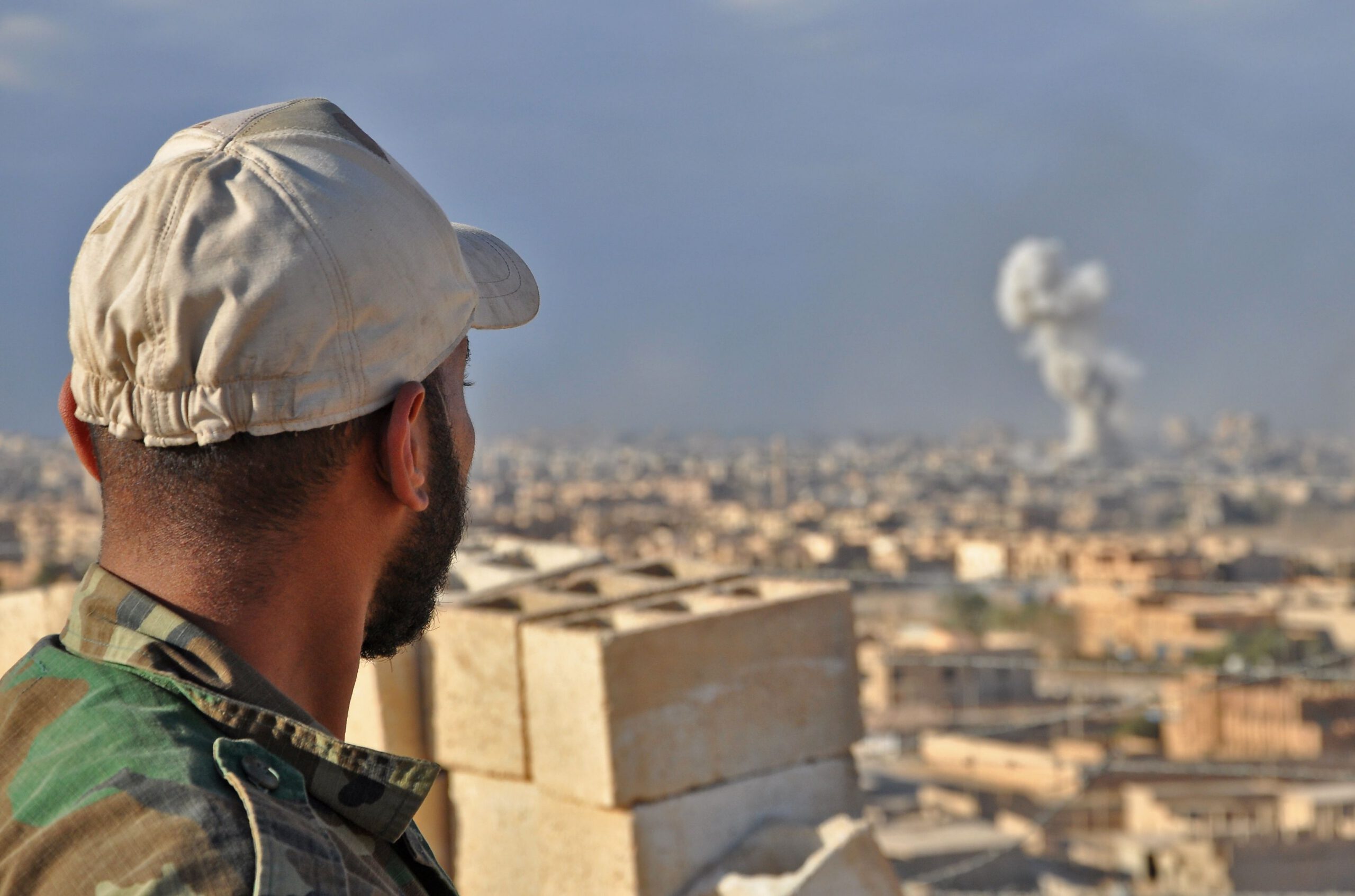
In recent months fighting has repeatedly broken out between Syrian and Iranian-backed militias around Deir ez-Zor, initially over control of taxes and smuggling routes, but increasingly the conflict has taken on a strategic dimension as well.
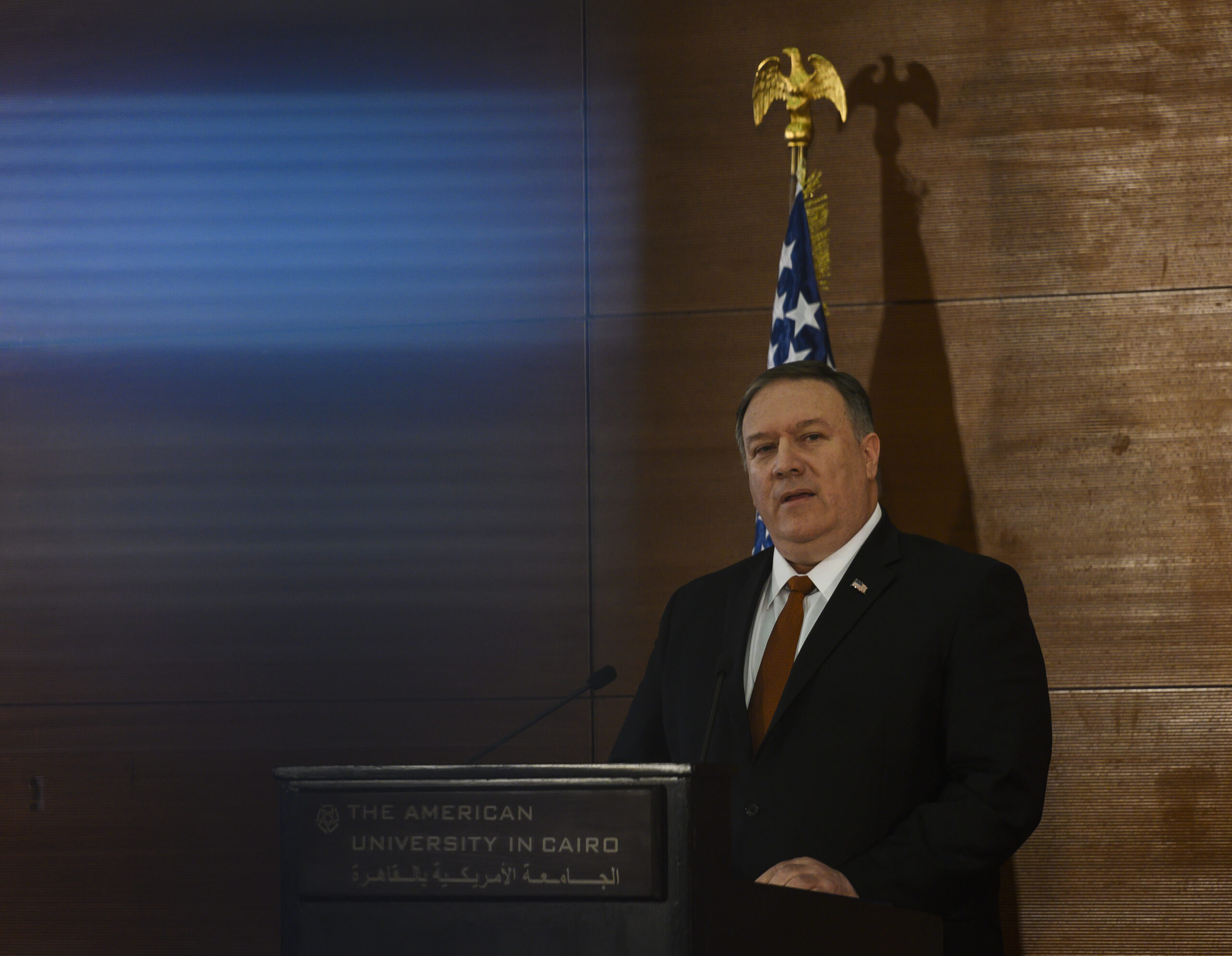
Weekly Briefing: Pompeo’s visit raises more questions than it answers
In this week’s Monday Briefing, MEI experts Gerald Feierstein, Paul Salem, Alex Vatanka, W. Robert Pearson, and Mirette F. Mabrouk provide analysis on recent and upcoming events including Secretary of State Mike Pompeo’s recent visit to the Middle East, recent protests in Sudan, Iranian outreach to Baghdad, President Trump’s discussion with President Erdogan on treatment of the Kurds, and the first meeting of the East Mediterranean Gas Forum.
In our first episode of 2019, MEI experts Paul Salem, Charles Lister, Ahmad Majidyar, Randa Slim, Gonul Tol, Robert Pearson, and Gerald Feierstein discuss the significant policy developments and announcements of the past few weeks and outline the major issues to watch in the year ahead.
A poisoned chalice? US withdrawal from Syria would create new risks for Moscow
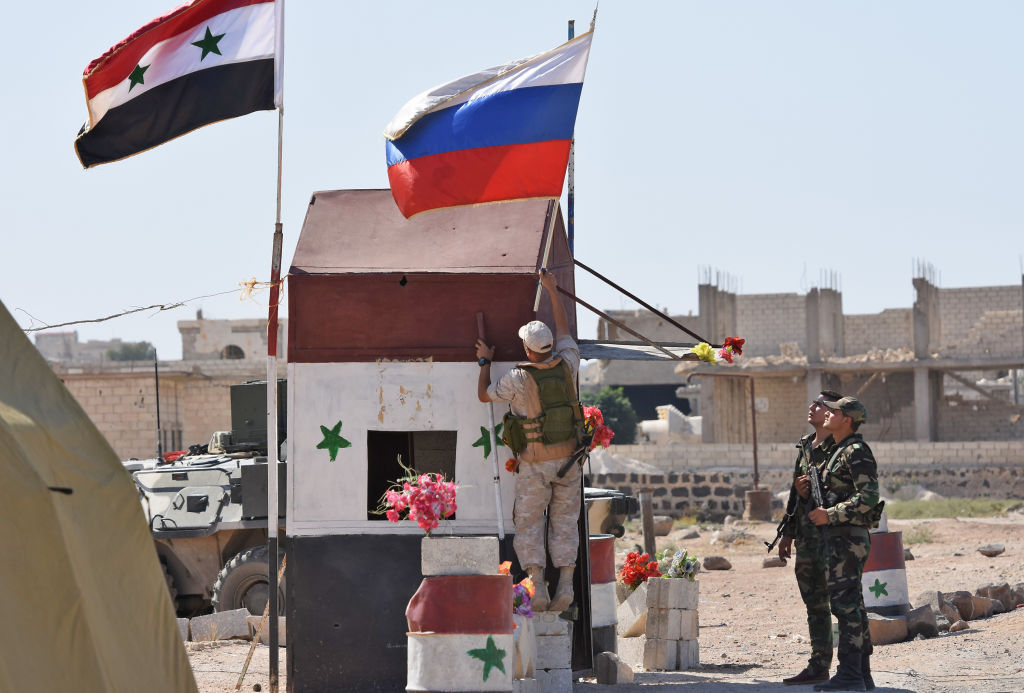
At first glance Trump’s decision to withdraw U.S. troops from Syria might seem to benefit Moscow. But dig a little deeper and the situation becomes much less clear and creates a lot of ambiguity and complexity for Russia.
Making the right move on Syria … for the wrong reasons
President Donald Trump is doing the right thing on Syria — removing U.S. forces — but for the wrong reasons. As a consequence, the value and import of his decision will be less than might otherwise be the case.
Trump’s Syria decision was essentially correct. Here’s how he can make the most of it.
President Trump’s Dec. 23 tweet promising a “slow and highly coordinated” withdrawal of U.S. forces from Syria may ease the gnashing of teeth among officials and analysts in Washington, but it won’t end the criticism of his decision. That is precisely why the president should view the hullabaloo that erupted after he announced the Syrian pullout as an opportunity to take a number of steps to make the most of his essentially correct, but widely unpopular, move.
As Syria looks to rebuild, sanctions remain a major barrier to trade and investment
As the conflict in Syria concludes, the next phase will center on rebuilding and will require hundreds of billions of dollars in investment. For now though, sanctions imposed by the U.S., U.K., and EU block money from flowing in.
Will Turkey attack the US-backed YPG in the eastern Euphrates?
Whether Erdogan will follow through on his threat of military incursion against the YPG in U.S.-protected areas of Syria depends on the reaction of the international community, the Turkish military, and nationalist voters at home.
While non-Arab powers have taken the lead in the Syrian crisis so far, Damascus will need to restore political, economic, and diplomatic ties with regional Arab states as it moves into the phase of postwar reconstruction and development.
MEI’s Syria Initiative seeks to provide insightful and grounded research and analysis on all things Syria in order to better inform a wide range of audiences and to help sustain and shape a more meaningful policy-oriented discussion. Drawing on the expertise of over a dozen renowned scholars, the Syria Program covers all aspects of Syria and its ongoing crises – from political, economic, legal, social, ethnic and religious dynamics, to conflict, insurgency and terrorism and the country’s history and possible futures.