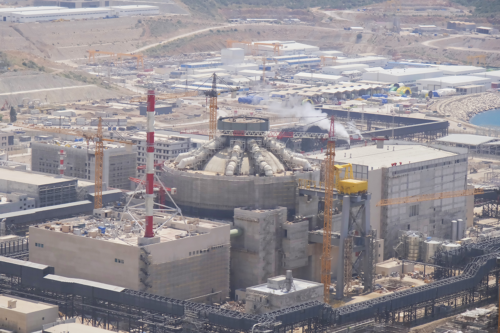
As a result of the Iran war, Turkish thinking about nuclear weapons appears to be shifting. Iran’s emergent ability to threaten regional states (and possible determination to acquire a nuclear weapon itself), growing concern about Israeli aggressiveness, doubts about US security guarantees, and greater Saudi nuclear autonomy are all pushing Ankara to consider a future nuclear option.
In less than two decades, a string of offshore discoveries has turned the Eastern Mediterranean into a significant gas-producing region, making Israel an exporter, twice lifting Egypt into the ranks of liquefied natural gas (LNG) exporters, and giving Cyprus finds it has yet to bring to market. This backgrounder explores the potential and challenges of exploiting and managing LNG resources in the region.
The Mecca Joint Défense Agreement: A New Geometry of Middle Eastern Power?
On August 7, 2026, Saudi Arabia, Turkey, and Pakistan signed the Mecca Joint Défense Agreement, a collective-defense pact widely compared to NATO’s Article 5. This essay argues that the comparison is misleading. Mecca borrows NATO’s language of solidarity without yet possessing NATO’s institutional machinery, and the Houthi offensive against Saudi Arabia in September 2026 provided an early and revealing test of what the agreement actually means in practice. Neither Pakistan nor Turkey automatically entered the fight on Saudi Arabia’s behalf, and Washington, despite an initial reluctance to strike directly, remained indispensable through intelligence support and a major proposed F-35 sale. Drawing on realist alliance theory — Hans Morgenthau, Kenneth Waltz, Stephen Walt, Glenn Snyder, and Steven David — and on the precedent of the Central Treaty Organization (CENTO), the essay contends that the Middle East is not dividing into rival blocs but moving from hierarchy toward a looser, overlapping geometry of hedged partnerships, in which American exclusivity is eroding considerably faster than American primacy.
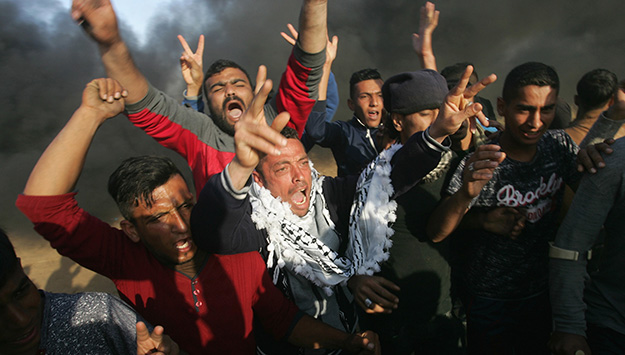
In this week’s Monday Briefing, MEI experts Paul Salem, Bilal Y. Saab, Marvin G. Weinbaum, and Charles Lister provide analysis on recent and upcoming events including the latest violence in Gaza, Gulf Shield-1 military drills, the Taliban’s resistance to peace, and the approaching Syria summit in Ankara.
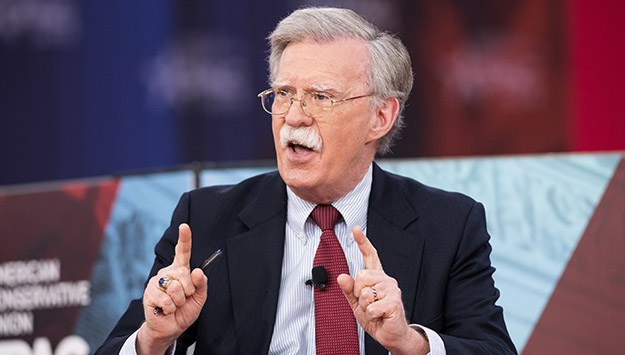
In this week’s Monday Briefing, MEI experts Paul Salem, Bilal Y. Saab, Gerald Feierstein, Gonul Tol, and Ibrahim al-Assil provide analysis on recent and upcoming events including the appointment of John Bolton to national security advisor, the Houthi missile attack on Riyadh, Egypt’s regressive referendum, the Yemeni war’s third anniversary, EU-Turkey diplomacy, and the worsening crisis in Ghouta.
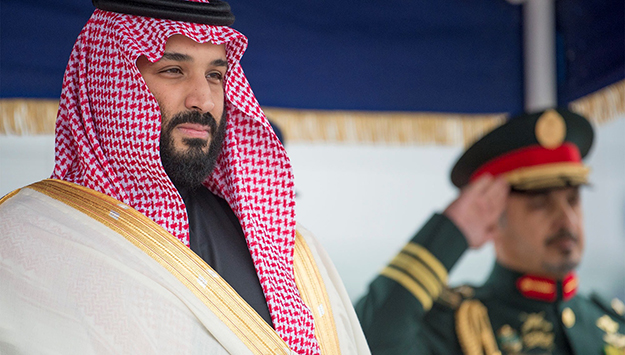
Monday Briefing: Mohammed bin Salman’s American charm offensive
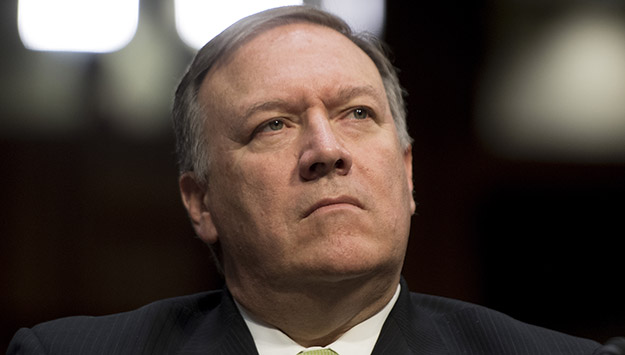
In this week’s Monday Briefing, MEI experts Gerald Feierstein, Paul Salem, Charles Lister, Jean-François Seznec, and Jonathan M. Winer provide analysis on recent and upcoming events including the shaping of U.S.-Saudi relations, Pompeo’s appointment to secretary of state, Turkey’s capture of Afrin, the future of Saudi energy, and Egypt’s efforts to unite the Libyan military.
Monday Briefing: Senate moves to end US engagement in Yemen conflict
In this week’s Monday Briefing, MEI experts Gerald Feierstein, Alex Vatanka, Nathan Stock, and Randa Slim provide analysis on recent and upcoming events including the Senate’s decision to pull out of Yemen, enduring Iran-Pakistan political strain, Egypt’s role in Palestinian reconciliation, and America’s dissolving influence in Syria.
Saudi-Turkish relations hit a new low point this week after Saudi Crown Prince Mohammed bin Salman referred to Turkey as part of a “triangle of evil” alongside Iran and Islamic extremists.
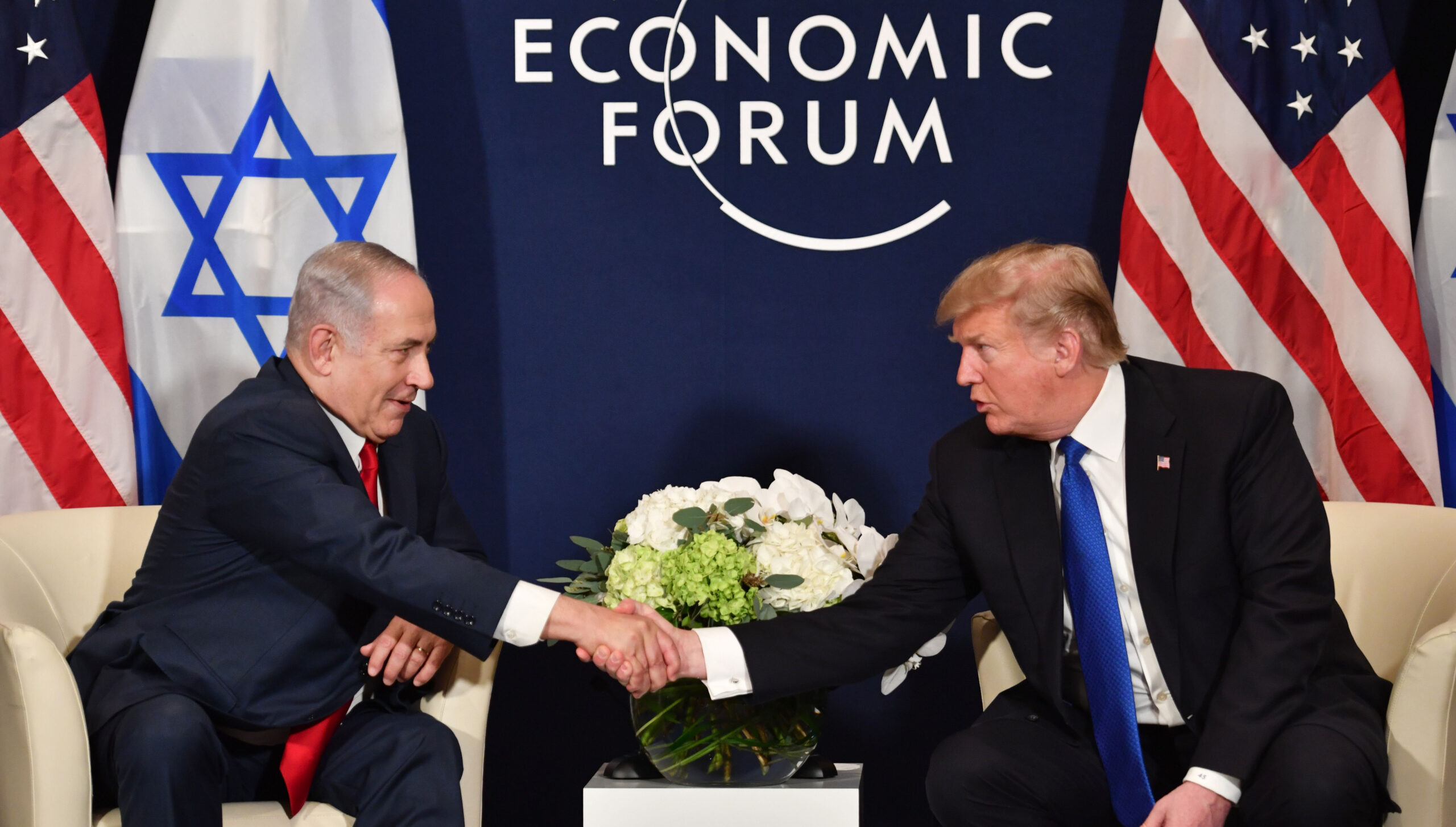
Monday Briefing: Trump and Netanyahu's ultimate deal
In this week’s Monday Briefing, MEI experts Eran Etzion, Gerald Feierstein, Marvin G. Weinbaum, and Gonul Tol provide analysis on recent and upcoming events including Netanyahu’s meeting with Trump, the Saudi Crown Prince’s first extended travel abroad, the Taliban’s call for peace negotiations with the U.S., and Turkey’s pivot to Africa.
Tightening the screws on Pakistan | Monday Briefing
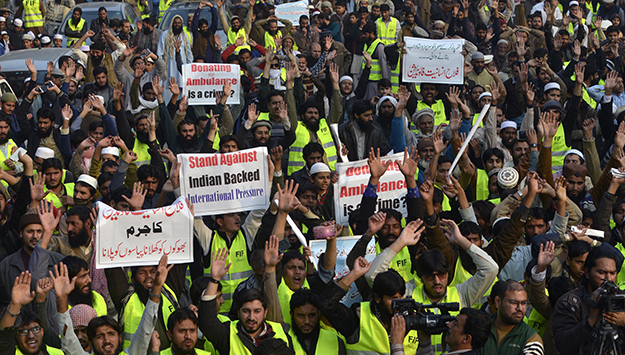
In this week’s Monday Briefing, MEI experts Marvin G. Weinbaum, Charles Lister, and Gerald Feierstein provide analysis on recent and upcoming events including the placement of Pakistan on a global terrorist financing “gray list,” the ongoing assault on eastern Ghouta following a UNSC cease-fire resolution, and diplomatic efforts on the war in Yemen.
It should be no surprise that Washington’s Syrian Kurdish allies—who have long had daggers drawn and pointed at our fellow NATO member Turkey—are now reconciling with our Syrian enemy President Bashar al-Assad.
Turkey is one month into its military offensive against U.S.-backed Syrian Kurdish forces in the area of Afrin in northern Syria. How is the operation going, and how has the strained U.S.-Turkish relationship been affected? Gonul Tol, director of Turkish studies at MEI, and Amberin Zaman, a journalist and columnist for Al-Monitor, join host Paul Salem to discuss.
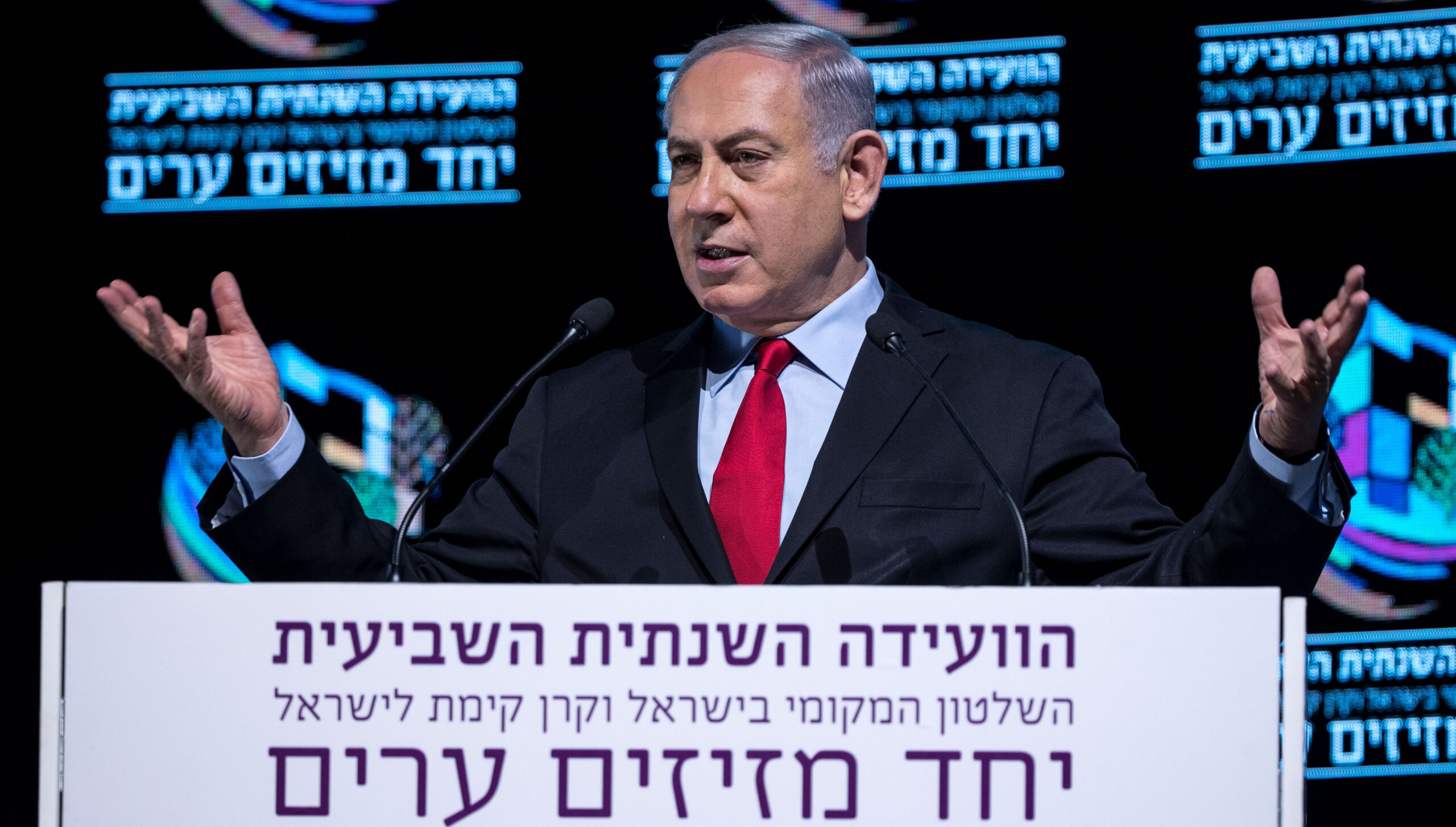
Weekly briefing: Netanyahu faces a whirlwind of investigations
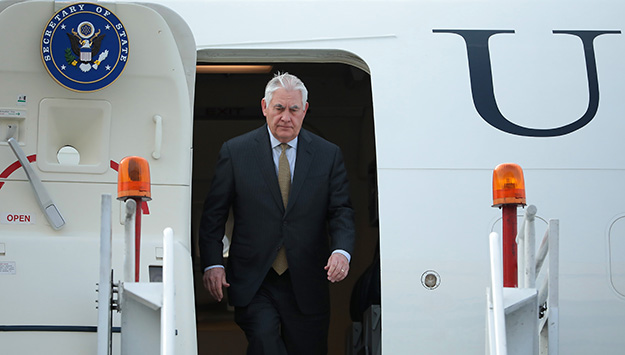
In this week’s Weekly Briefing, MEI experts Eran Etzion, Gonul Tol, and Ibrahim al-Assil provide analysis on recent and upcoming events including Benjamin Netanyahu investigations, the impact of Rex Tillerson’s visit to Turkey, and Russia’s presence in Eastern Ghouta.
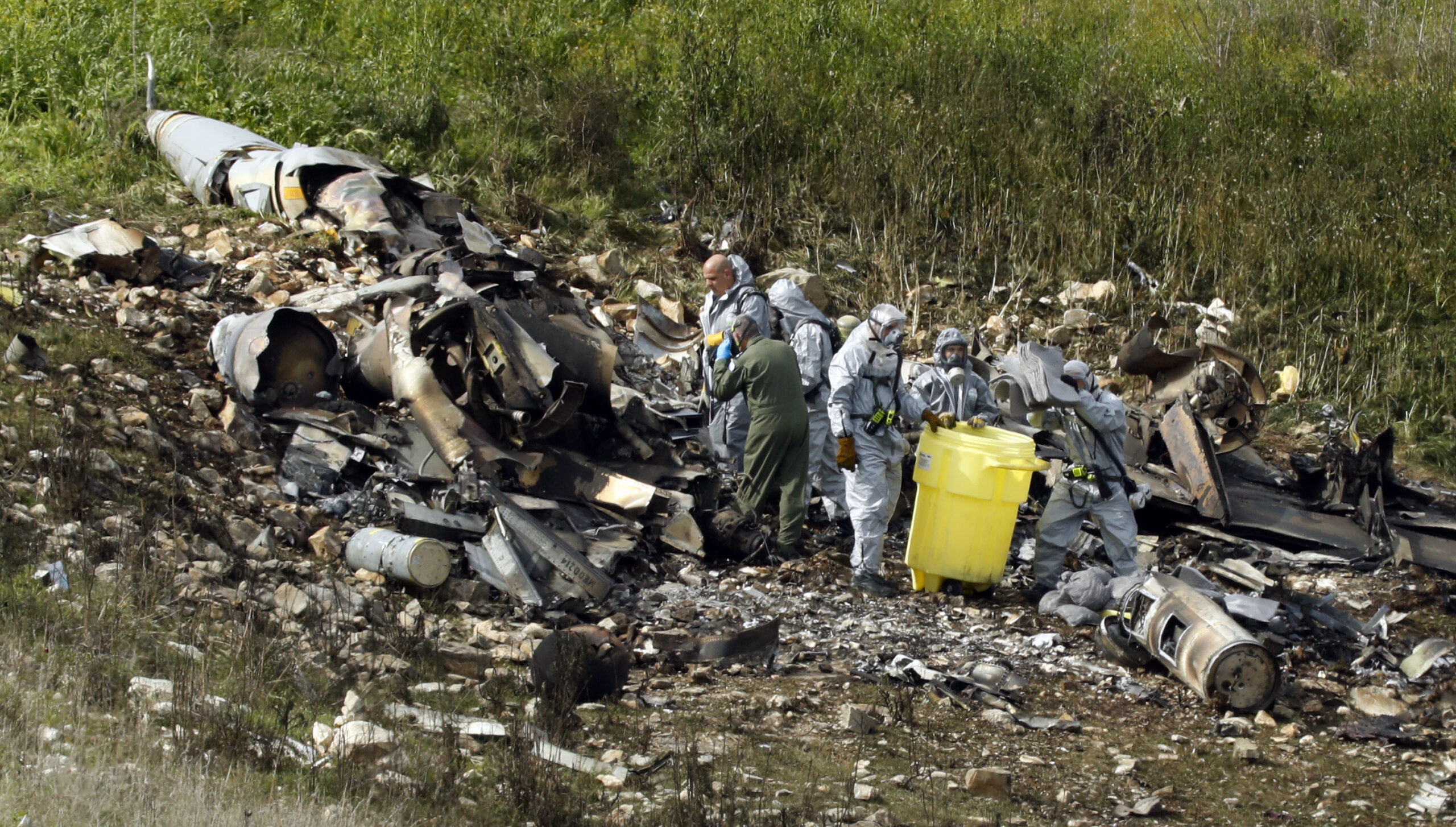
Monday Briefing: The Syrian-Iranian downing of an Israeli fighter jet
In this week’s Monday Briefing, MEI experts Charles Lister, Bilal Y. Saab, Eran Etzion, Gonul Tol, Paul Salem, and Randa Slim provide analysis on recent and upcoming events including the Syrian-Iranian downing of an Israeli fighter jet, the critical crossroads of U.S. and Turkey relations, Rex Tillerson’s upcoming visit to Lebanon, and Iraqi reconstruction plans.
Open letter: US-Turkey cooperation remains vital for Syria
Secretary of State Rex Tillerson and National Security Advisor H.R. McMaster, you will visit Ankara this weekend and next week to address what is now a crisis between the United States and Turkey. We are on a collision course over dramatically opposing goals. The United States is determined to eliminate ISIS as a threat in Syria and prevent its return. Turkey is determined to block any coalition of Kurdish forces from having a viable military presence on its borders. Over the past few years, each country has tried—and failed—to persuade the other to support its strategy.
The oldest peer-reviewed publication dedicated to the study of the modern Middle East, MEI’s flagship journal covers politics, society, and culture in the region.