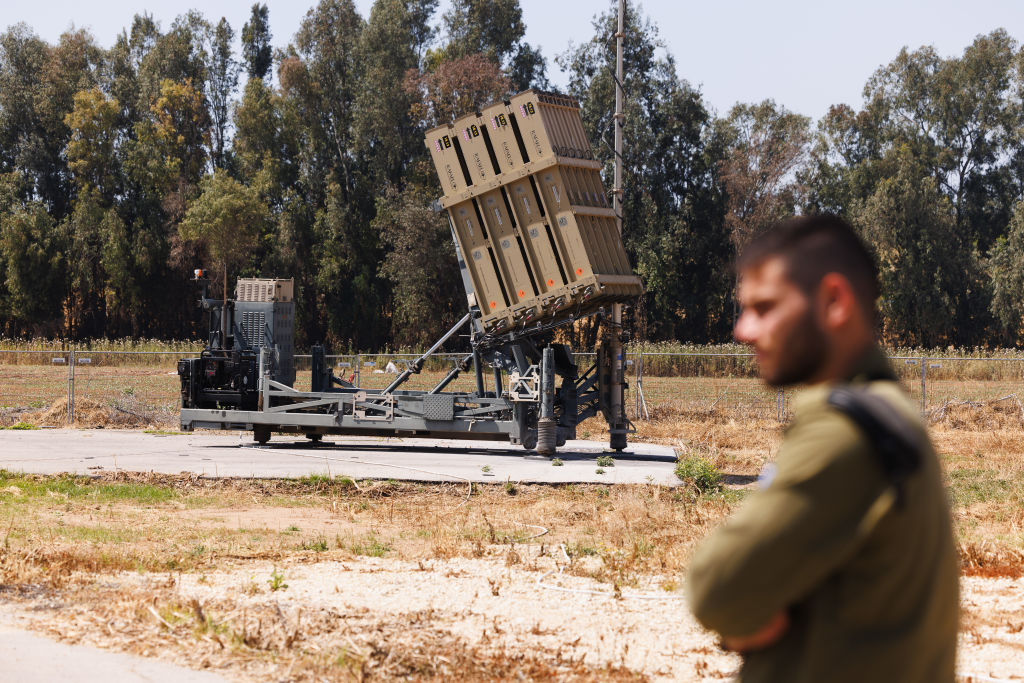
Turkey’s Nuclear Ambitions in the Post-Iran War Environment
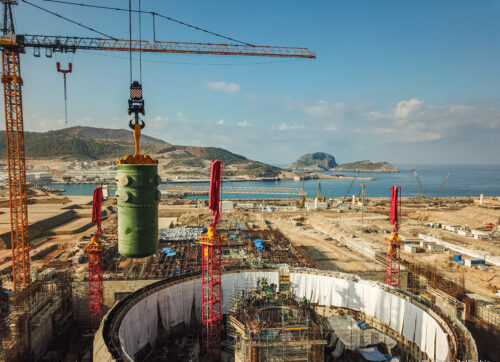
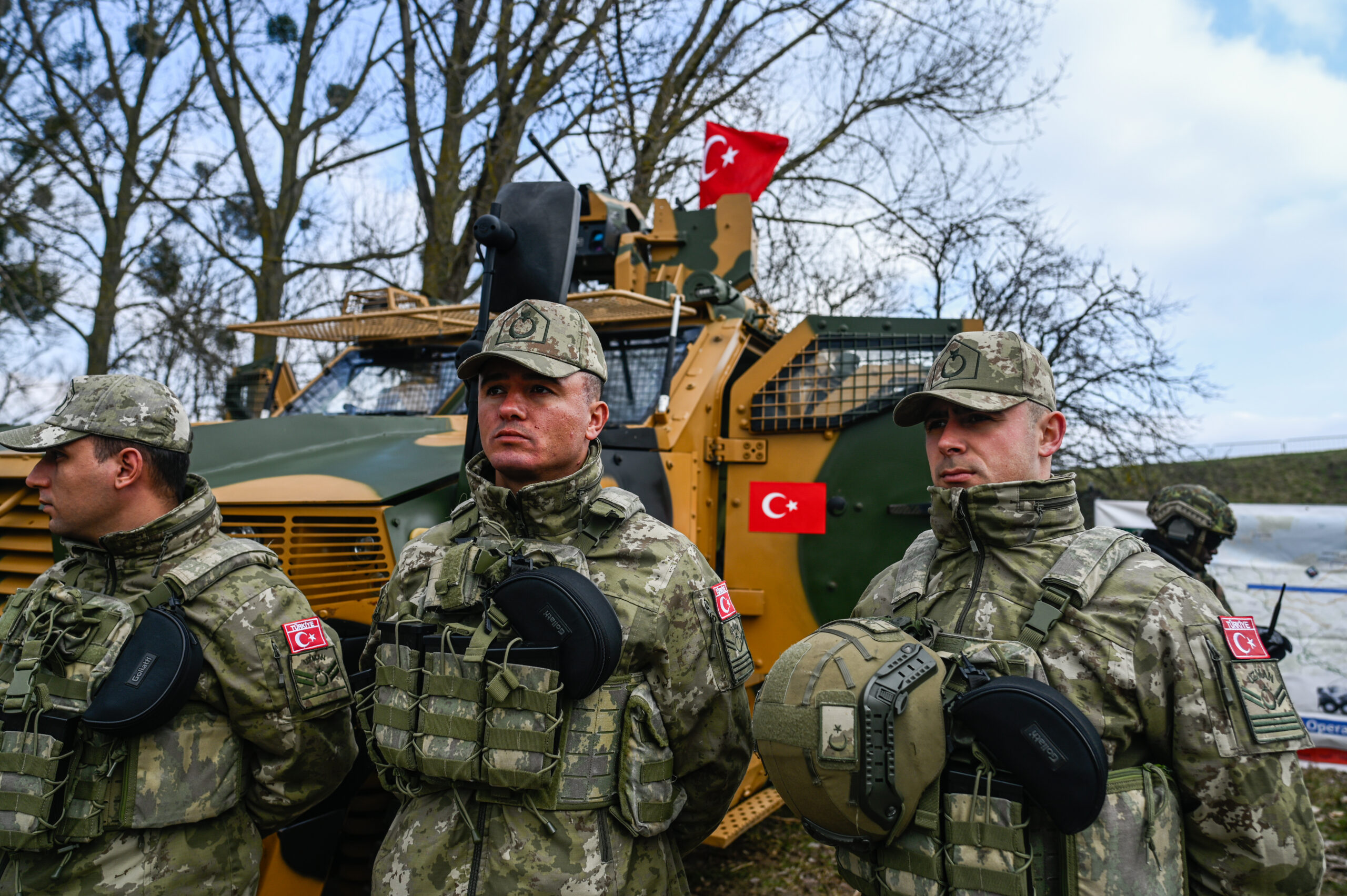
Turkish ambitions to develop nuclear weapons are not new, but the changing security environment is strengthening Ankara’s motivations and rationale for moving away from its longstanding role as a champion of nonproliferation and toward a strategy of preserving the option to build nuclear weapons without actually pursuing them. The challenge for Washington is to manage the nuclear trajectory of regional powers such as Turkey and Saudi Arabia rather than preventing them from acquiring greater nuclear capabilities altogether.
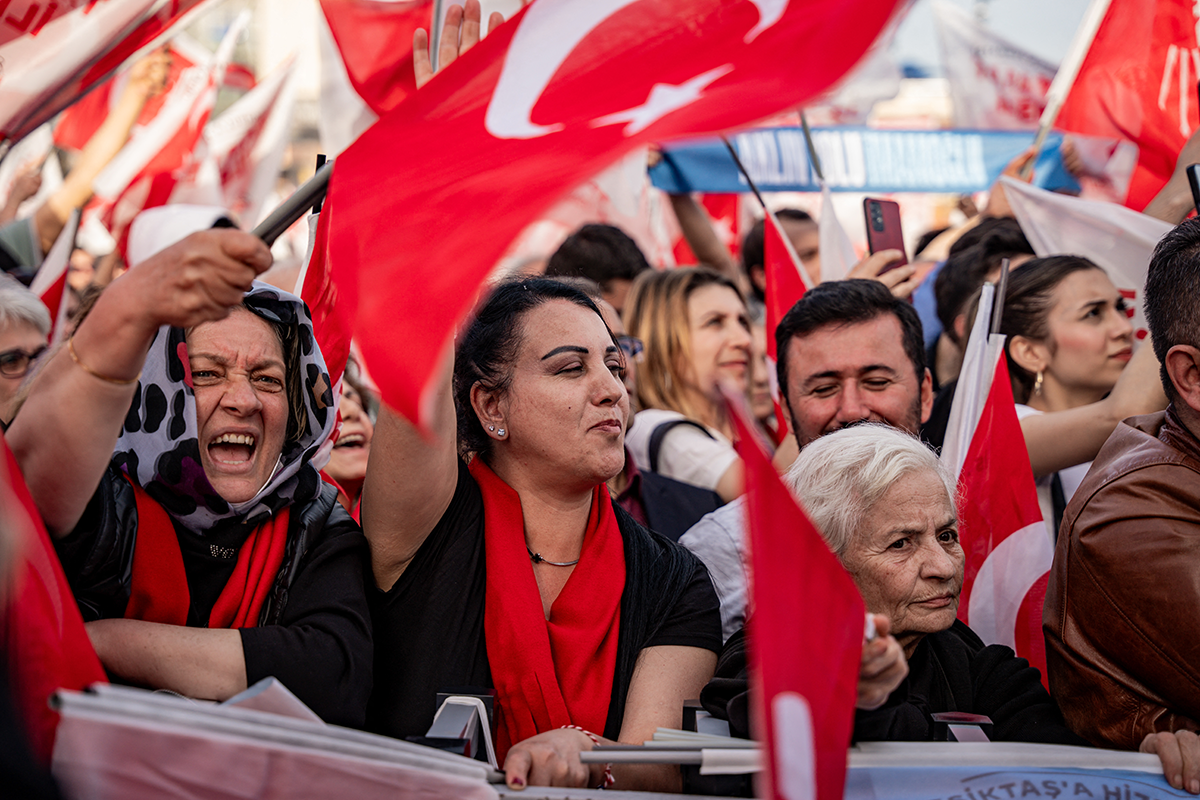
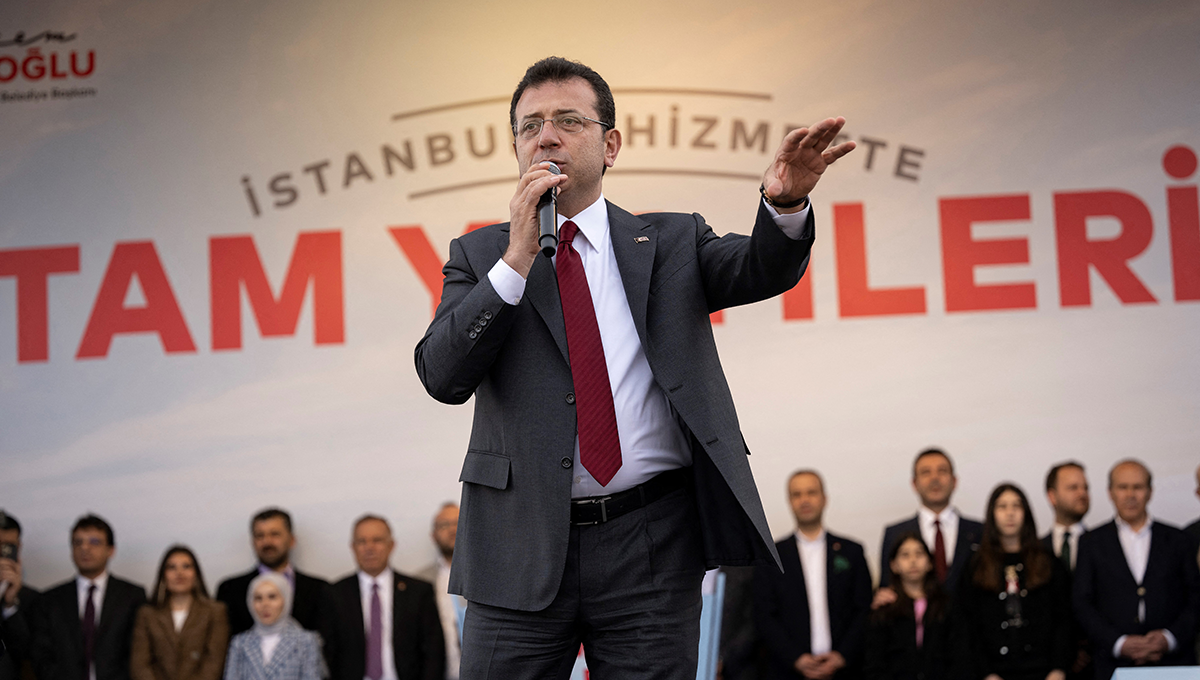
A Turkish court has taken a dramatic step that could reshape the country’s political landscape. It annulled the results of the CHP’s 2023 party congress, effectively overturning the election of Özgür Özel as leader of Turkey’s main opposition party and potentially paving the way for former chairman Kemal Kılıçdaroğlu to return.
Syrian armed groups divided over Turkey-Syria normalization push
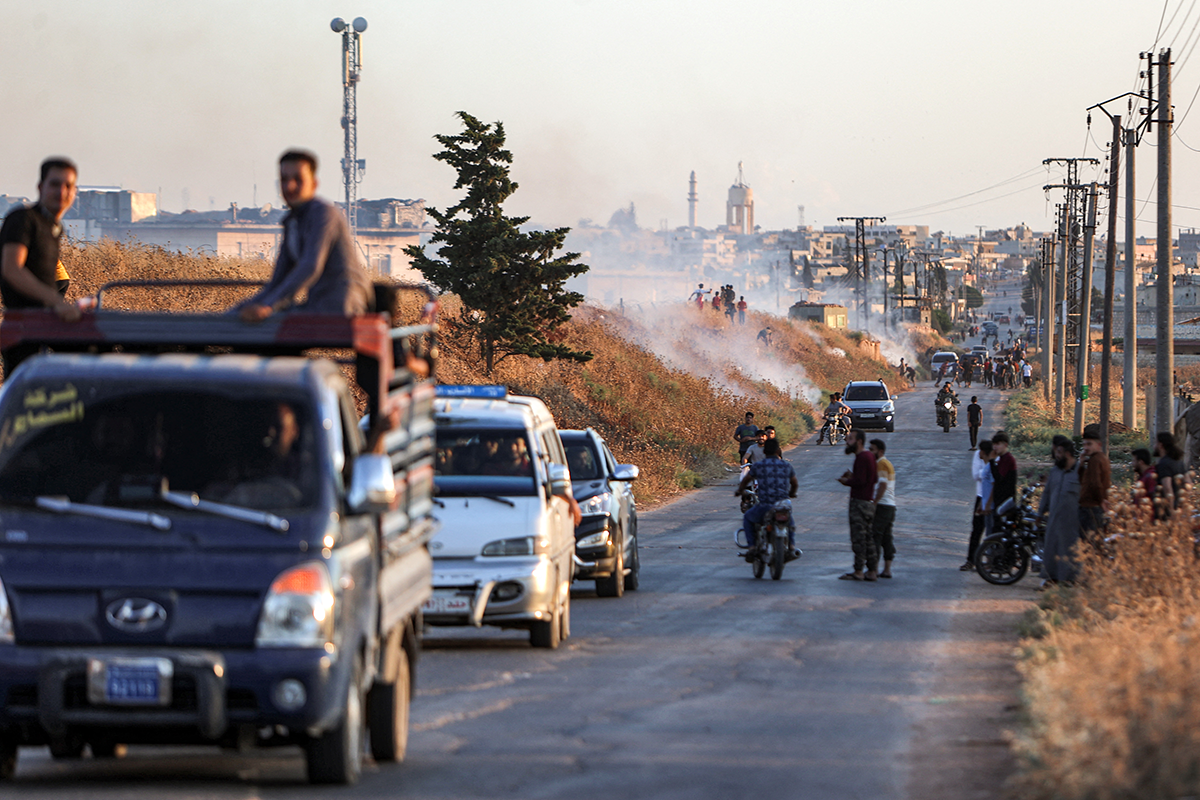
Despite their popular nature, the protests in northwestern Syria, sparked by racist attacks on Syrians over the border in Turkey, have exposed the rifts and divisions between various opposition factions. Bilal Samir explores the positions of the major military groups in Turkish-controlled areas and assesses how closely they align with Turkey’s policy.
What Comes Next for Turkey? Prospects for Change on the Political, Economic, and Foreign Policy Fronts
After two decades in power and following the Justice and Development Party’s historic defeat in the 2024 local elections, Turkish President Recep Tayyip Erdoğan is now at his most vulnerable. What comes next is not only important for the future prospects of Turkish democracy but also holds important lessons for autocrats across the world. Scholars Evren Balta, Seda Demiralp, Edgar Şar, and M. Murat Kubilay seek to answer key questions about the country’s political, economic, and foreign policy trajectory in a new report from the Middle East Institute.
The weight of past mistakes and the post-election push for economic normalization
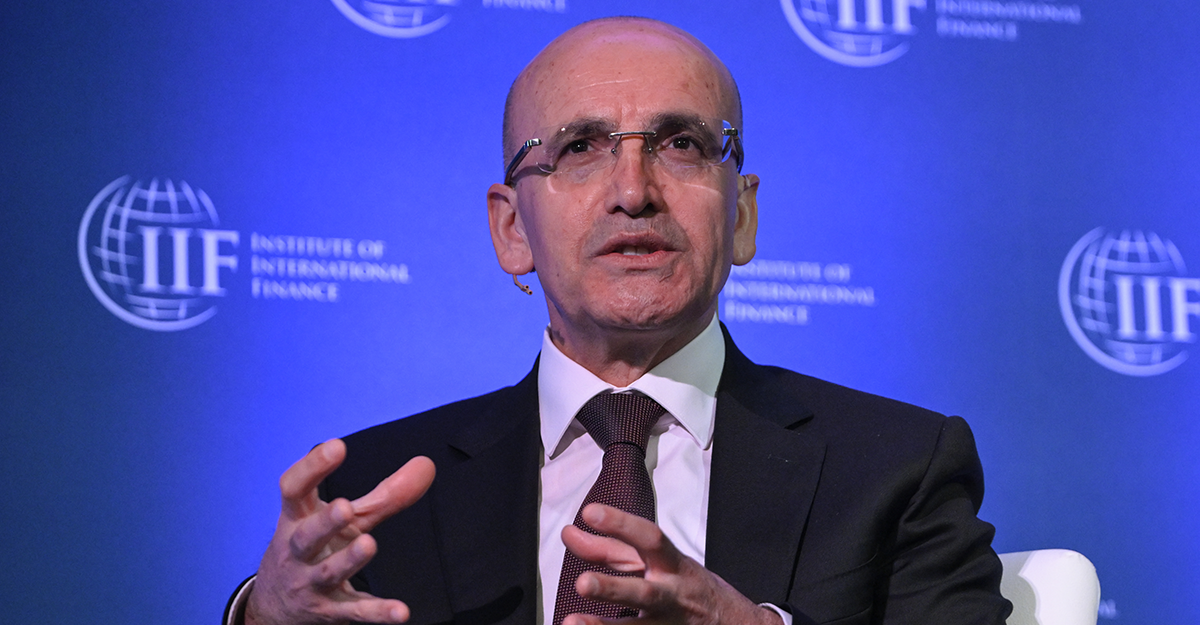
For years under President Recep Tayyip Erdoğan, Turkey pursued an unconventional monetary policy. The situation, long untenable, finally became unsustainable in the run-up to the presidential and parliamentary elections in May 2023. In the immediate aftermath of the vote, President Erdoğan announced a dramatic shift, returning to orthodox monetary policy. While there have been tangible improvements on a number of fronts as a result, the country faces both declining household purchasing power in the short term and a range of broader economic challenges in the longer run.
Normalizing transactionalism: Turkish foreign policy after the 2023 elections
Similar to the normalization trends in domestic politics, the Justice and Development Party (AKP) government has bolstered normalization in foreign policy, aiming for integration into regional and international blocs. The domestic economic and political crises further underscored this trend, and the results of the March 2024 local elections demonstrated to the government that its polarizing discourse no longer resonates either inside or outside the country. This article analyzes the changing domestic political dynamics of foreign policy, Turkey’s role in the Western alliance with a specific emphasis on the Ukrainian War, and the Middle East normalization process in light of the Gaza conflict.
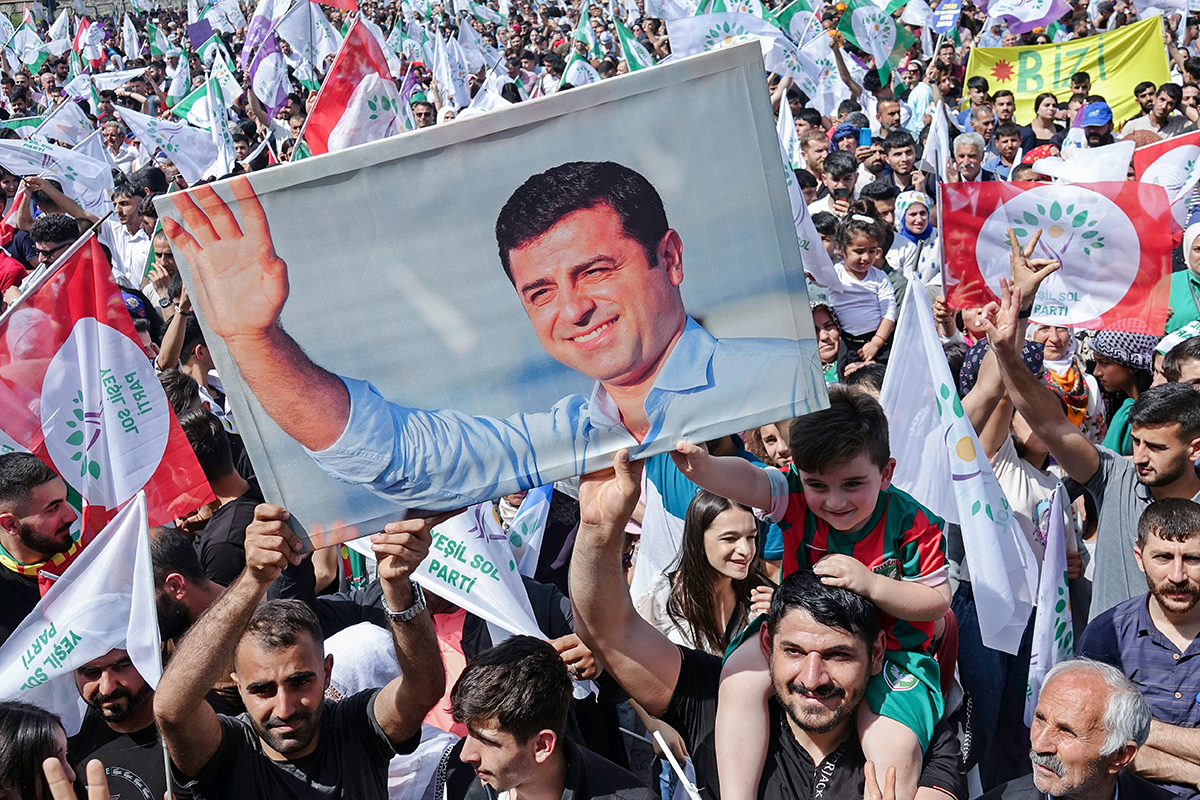
If the pro-Kurdish Peoples’ Equality and Democracy Party (DEM) were to take a more active role in efforts to peacefully resolve the Kurdish issue in Turkey, it could potentially help to break the current impasse. What this role might entail and whether the party is capable of playing it effectively are key questions. This piece will explore these issues by examining the experience of its predecessor, the Peoples’ Democratic Party (HDP), over the past decade, as well as the debates following the May 2023 general elections and March 2024 local elections.
Turkey after the 2024 elections: Transition to democracy or bumpy road to authoritarian consolidation?
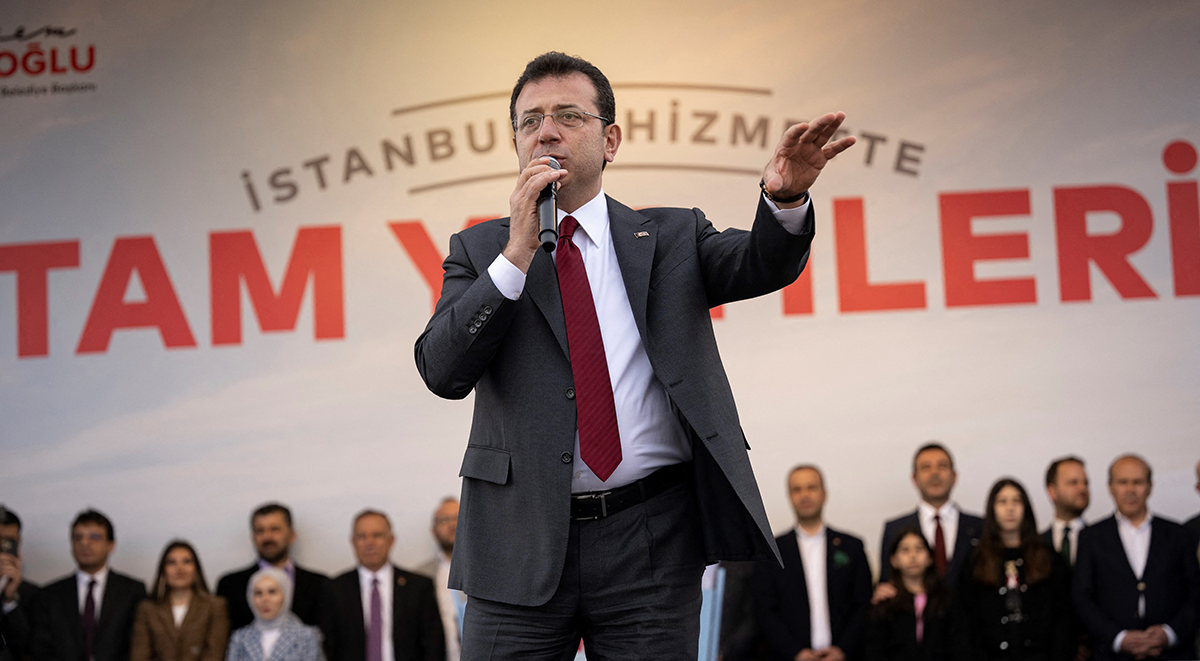
While the 2023 elections caused widespread disappointment among op-position voters and an acute rise in political apathy, the 2024 elections once again restored hopes for Turkish democratization. About a month after the local elections, President Erdoğan held a private meeting with CHP leader Özgür Özel at the AKP headquarters. The meeting ended with both leaders announcing the beginning of a new period in Turkish politics, which Erdoğan described as a “softening” and Özel as a “normalization.”
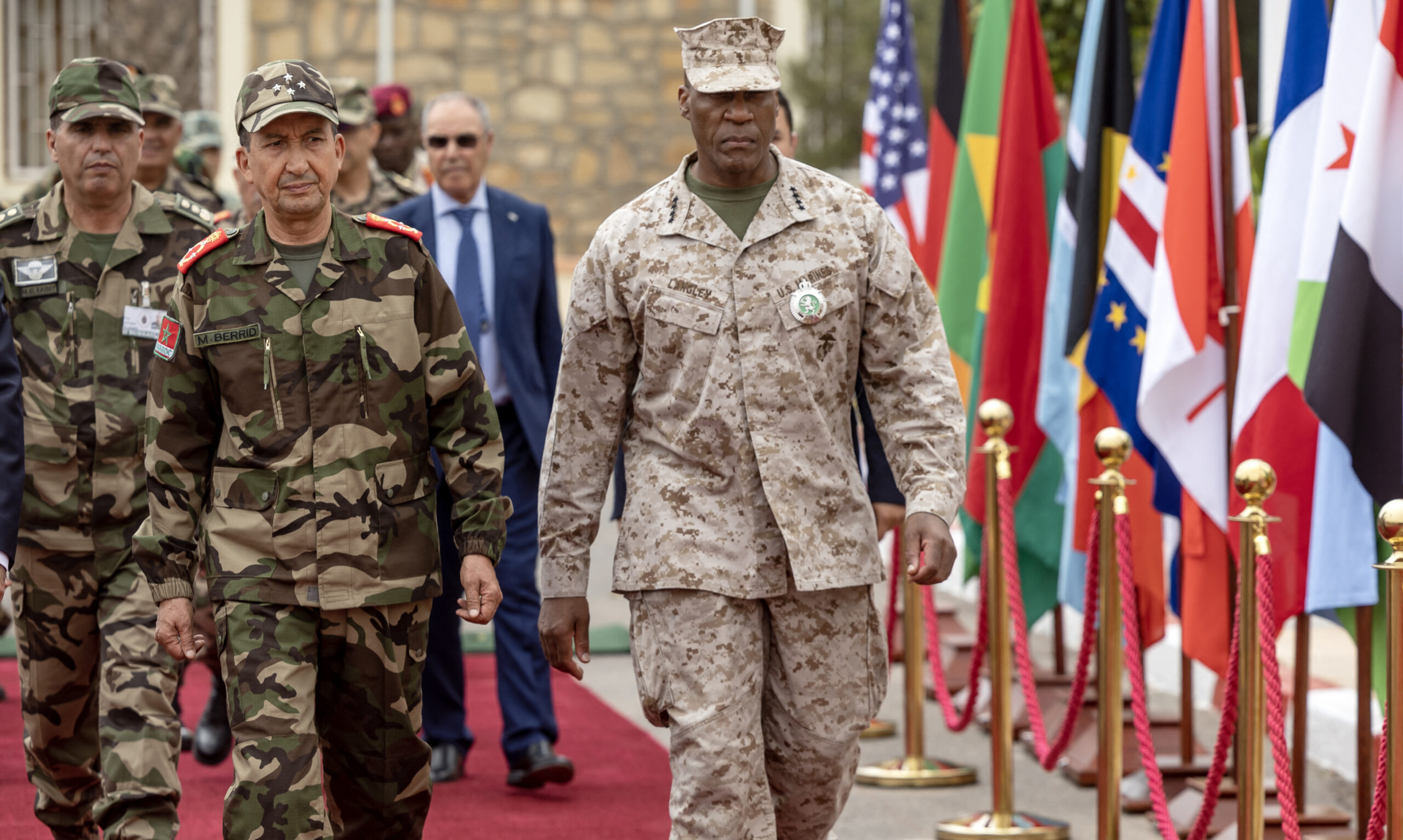
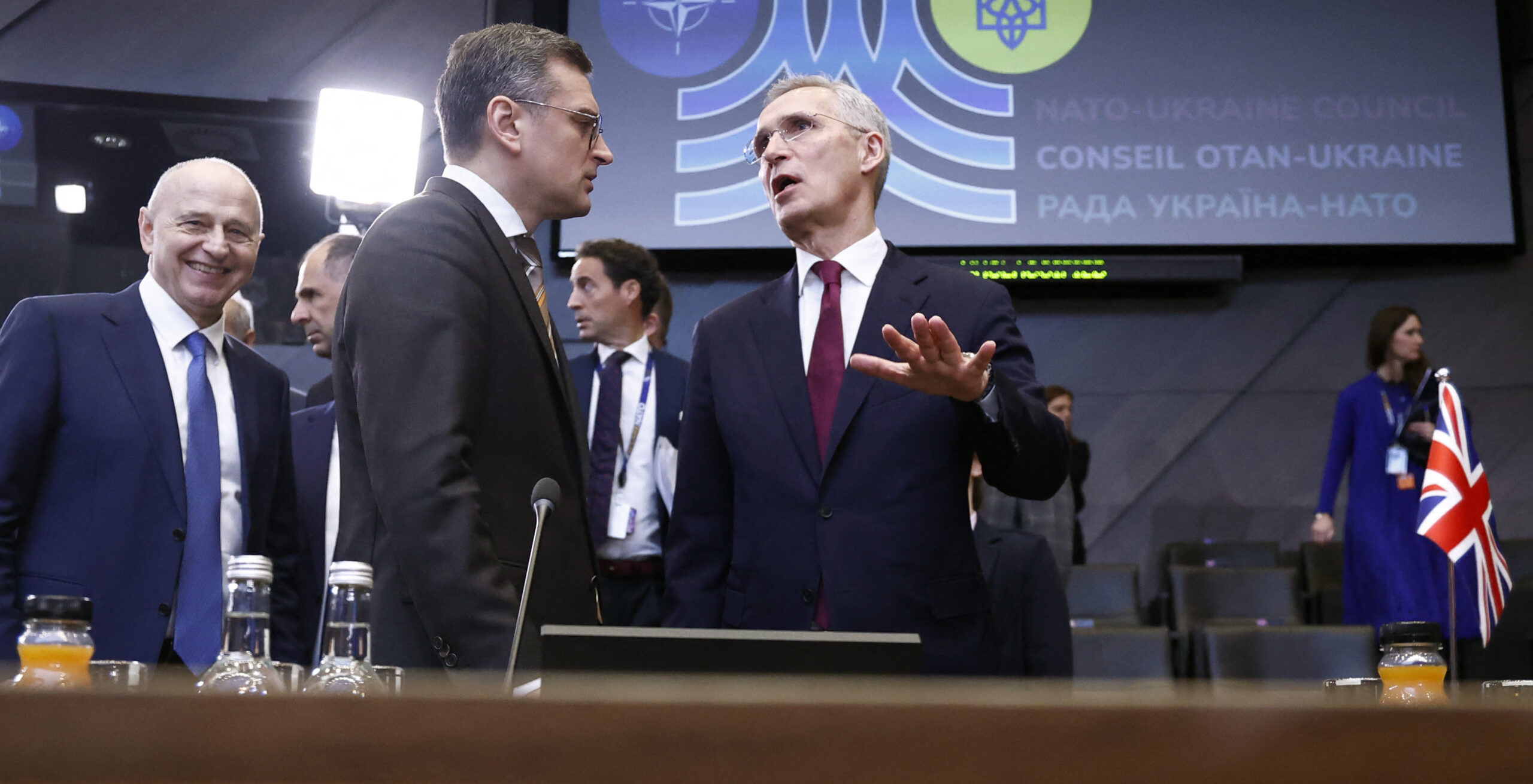
NATO, North Africa, and the Sahel: Squaring the triangle of insecurity
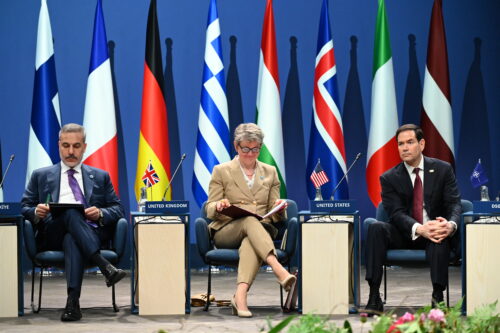
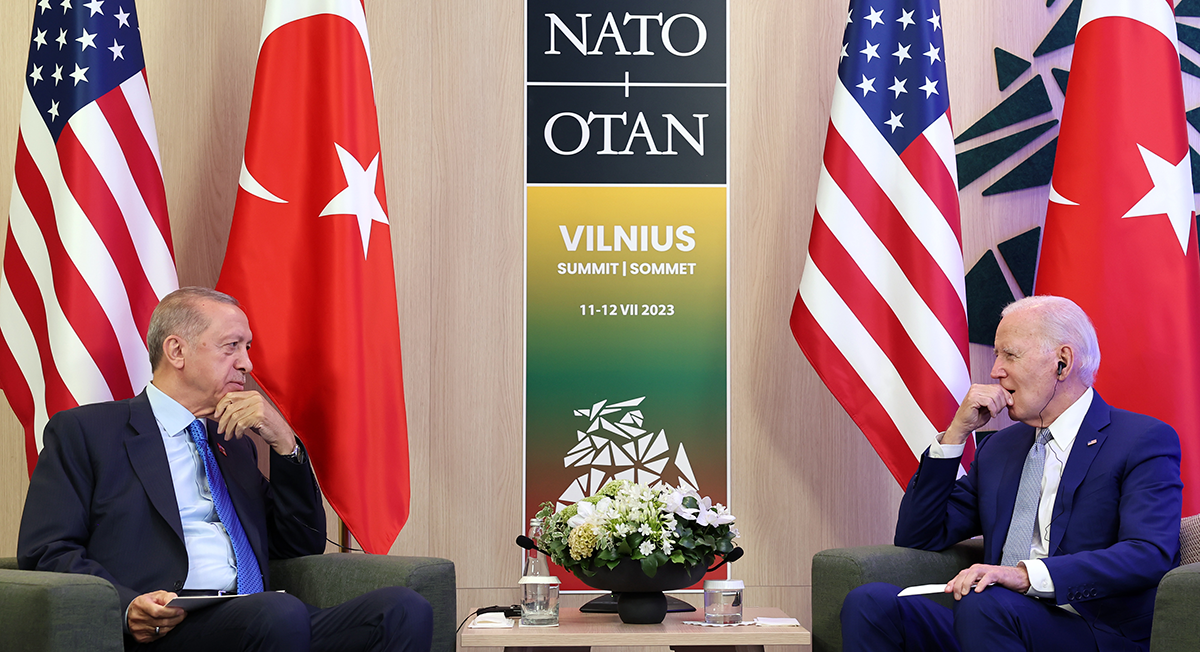
With NATO celebrating 75 years since its founding, Alliance members will gather in Washington, DC, on July 9-11, for a historic summit. Two of the key issues on the agenda will be addressing the acute threats emanating from the Black Sea region and adopting a strategic approach toward the Middle East and Africa.
In its 2022 Strategic Concept, NATO declared the Black Sea Region (BSR) of strategic importance for the Alliance, yet this recognition has never translated into NATO developing a proper strategy toward its critical southeastern flank. That glaring gap must be addressed right away.
NATO’s narrow window of opportunity for an effective Southern Strategy
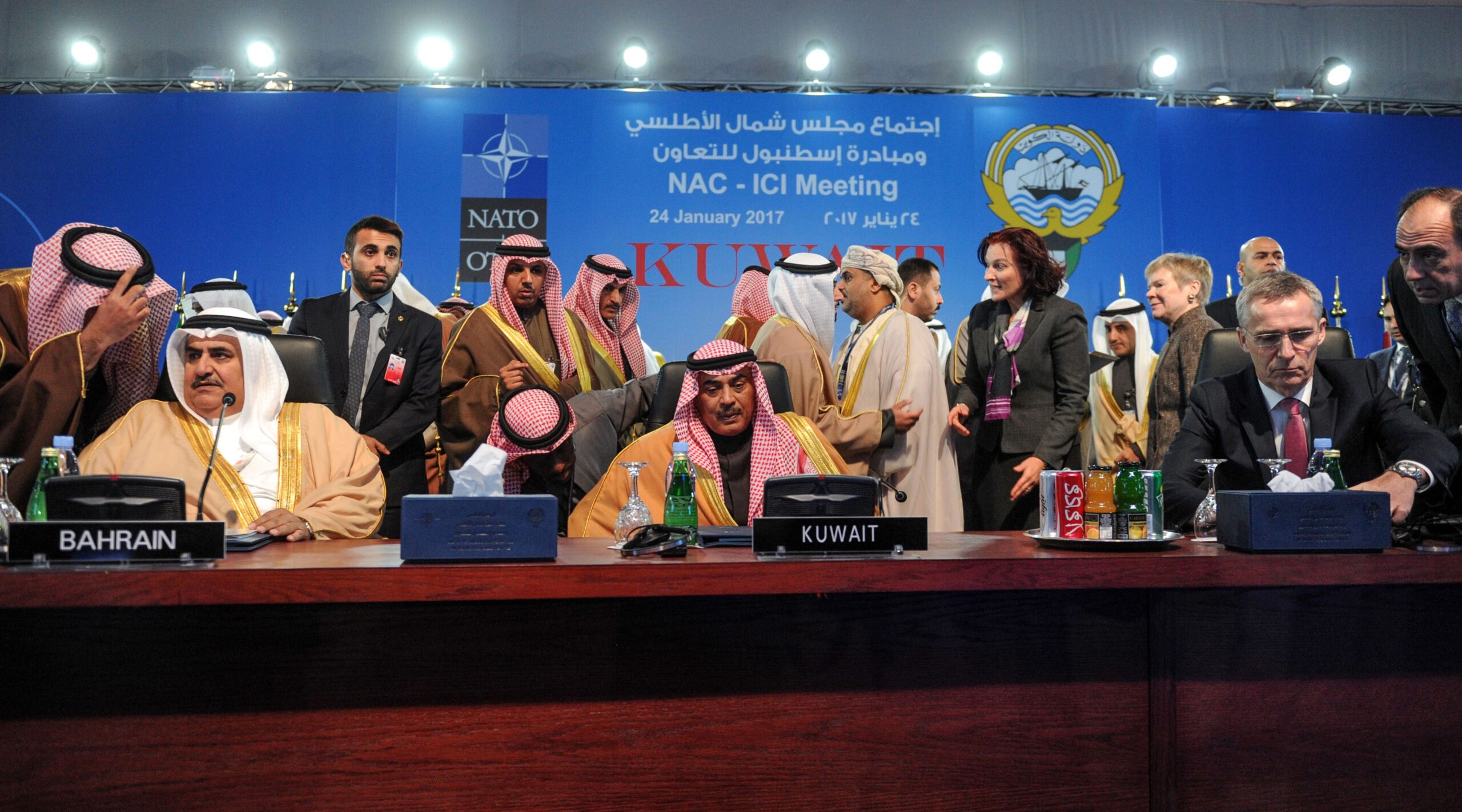
While the Washington Summit is unlikely to deliver any ground-breaking outcome, it certainly offers the opportunity to articulate the nexus between security in Europe and the Mediterranean-African region. NATO also has the opportunity to renew and streamline its partnerships with Middle Eastern and North African countries while strengthening its outreach to Africa.
A Turkish foreign minister in China: Subtitles of a silent visit
The most defining aspect of the Sino-Turkish relationship is the need for Turkey to find economic or geopolitical leverage to attain some semblance of equality with China. During Turkish Foreign Minister Hakan Fidan’s recent visit to Beijing, his subtle references to the Turkic and Islamic credentials of Xinjiang may have gotten lost in translation for the Chinese.
Even as more and more countries move toward authoritarianism, big cities across the world are becoming strongholds for pro-democracy forces, a fact underlined by the recent local elections in Israel and Turkey. So the question is, can cities lead a democratic revival in countries that have experienced a democratic recession?
The oldest peer-reviewed publication dedicated to the study of the modern Middle East, MEI’s flagship journal covers politics, society, and culture in the region.