Turkey’s Nuclear Ambitions in the Post-Iran War Environment
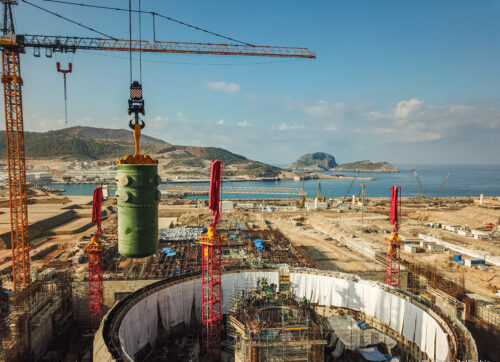
Turkish ambitions to develop nuclear weapons are not new, but the changing security environment is strengthening Ankara’s motivations and rationale for moving away from its longstanding role as a champion of nonproliferation and toward a strategy of preserving the option to build nuclear weapons without actually pursuing them. The challenge for Washington is to manage the nuclear trajectory of regional powers such as Turkey and Saudi Arabia rather than preventing them from acquiring greater nuclear capabilities altogether.
A Turkish court has taken a dramatic step that could reshape the country’s political landscape. It annulled the results of the CHP’s 2023 party congress, effectively overturning the election of Özgür Özel as leader of Turkey’s main opposition party and potentially paving the way for former chairman Kemal Kılıçdaroğlu to return.
To analyze the crossroads Turkey faces in the 2023 elections, it could prove useful to “look back from the alternative futures” and explore how the possible outcomes might play out. What could it look like if we look back from 2030 to another victory by Erdoğan? And how might have the last seven years played out had the opposition won?
Turkish Election Watch: Preparing for a presidential run-off
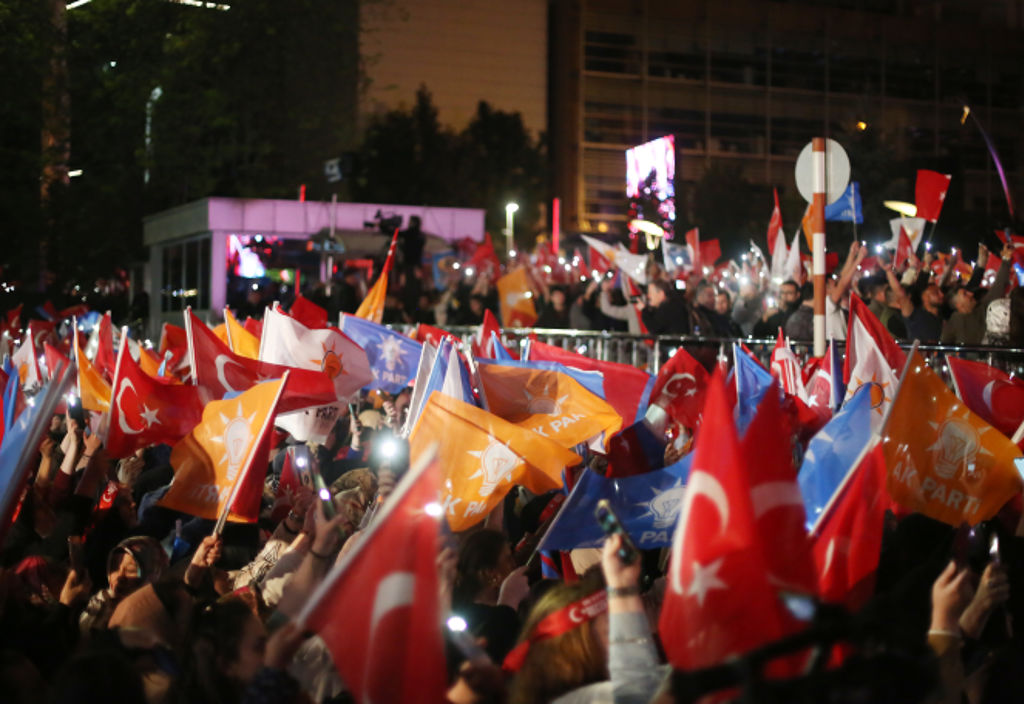
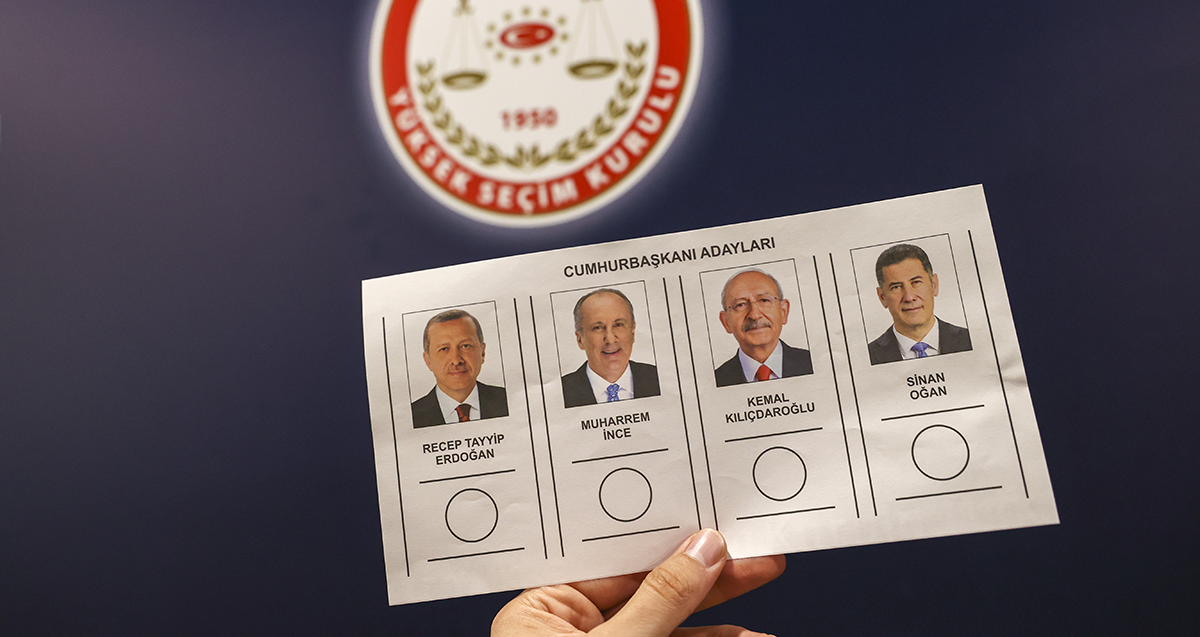
This week on Turkish Election Watch: The May 14 election results, the race to the right ahead of the May 28 run-off and Oğan’s endorsement of Erdoğan, and a closer look at the nature of the election.
In what may or may not be the last edition of Turkish Election Watch: Could minor candidates İnce and Oğan affect the election outcome, Putin votes, Erdoğan meets the young — and makes some threats, and no predictions.
Navigating complex maritime security challenges in the Black and Mediterranean seas: Insights from the updated EUMSS
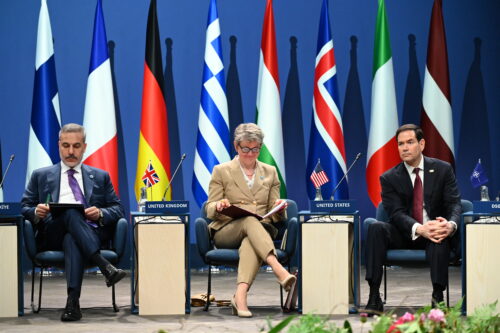
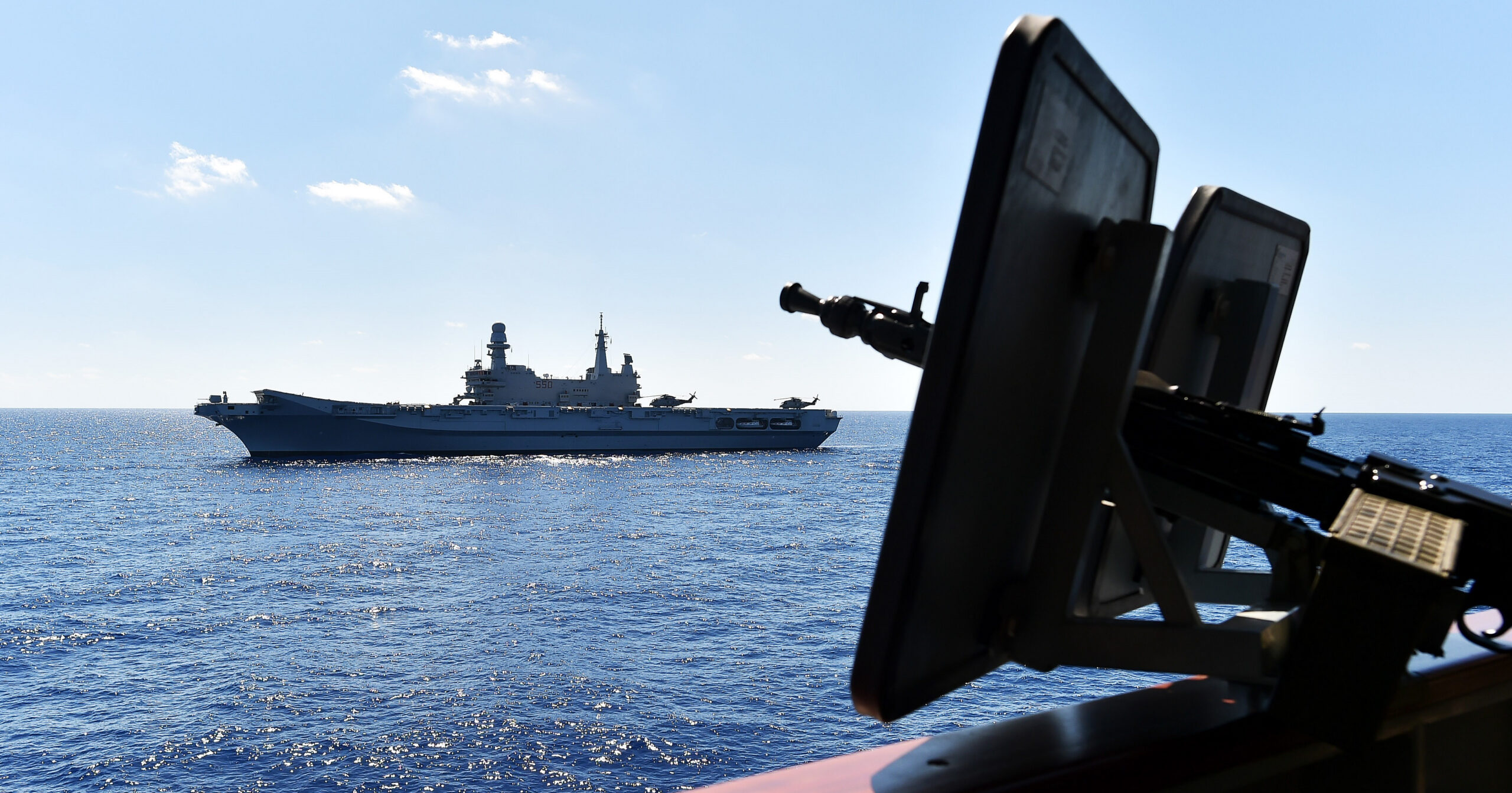
Russia’s February 2022 full-scale invasion of Ukraine helped influence the updated European Maritime Security Strategy’s approach to the Black and Mediterranean seas, with implicit and explicit references to the war dispersed throughout the document. The updated EUMSS showcases the wide array of security issues present in the region, including seaborne UXOs, human and drug trafficking, and threats to critical infrastructure. But security in the Black and Mediterranean seas will require greater cooperation with non-EU countries.
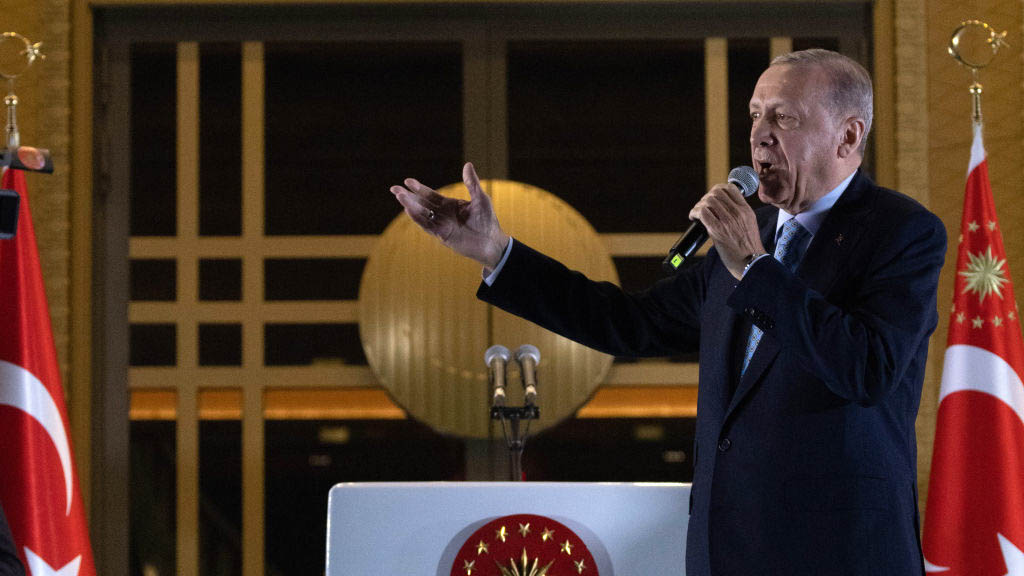
On this week’s episode Alistair Taylor, MEI’s editor-in-chief, is joined by Gönül Tol, the founding director of MEI’s Turkey Program and the author of “Erdogan’s War: A Strongman’s Struggle at Home and in Syria,” to discuss Turkey’s critical upcoming elections. After two decades in power, President Recep Tayyip Erdogan and the Justice and Development Party (AKP) are facing unprecedented challenges, including an economy in shambles, the ongoing impact of the devastating early February earthquakes, and a united opposition.
The economic impact of Turkey’s elections: Six potential scenarios
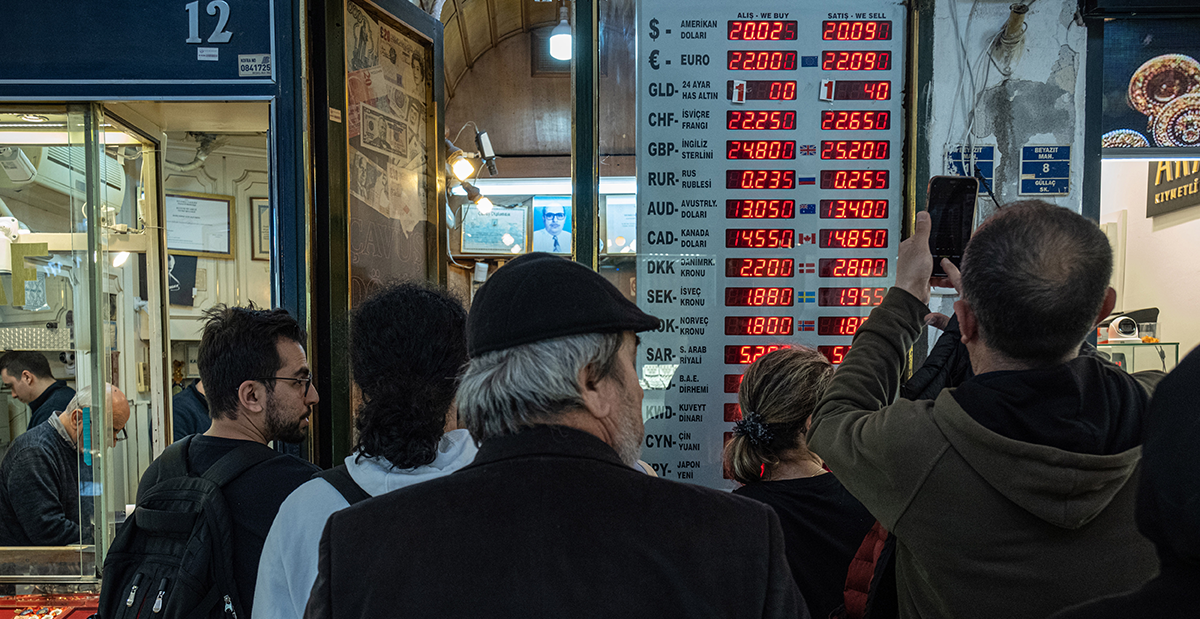
As Turkey heads to the polls for presidential and parliamentary elections this month, the consequences for its troubled economy are likely to be significant and wide-ranging. Financial stability, business confidence, purchasing power, and asset prices all depend on whether President Recep Tayyip Erdoğan’s two-decade-long rule will continue; at the same time these factors will also determine his chances for re-election. There are a number of potential election outcomes that could lead to greater uncertainty and volatility rather than clarity and stability.
If Turkish President Recep Tayyip Erdoğan and his AKP are defeated in this month’s elections, the next government, led by the CHP, will likely prove more agreeable — or at least no more difficult — on virtually every issue of importance to the United States and Turkey’s other allies in the NATO. There undoubtedly will still be areas of contention, including some of the same ones that have bedeviled the West’s relations with Turkey under Erdoğan. For reasons both ideological and economic, however, a new Turkish government would want a closer relationship with the West than Erdoğan has pursued for many years.
Assessing competing scenarios for Turkey’s parliamentary elections
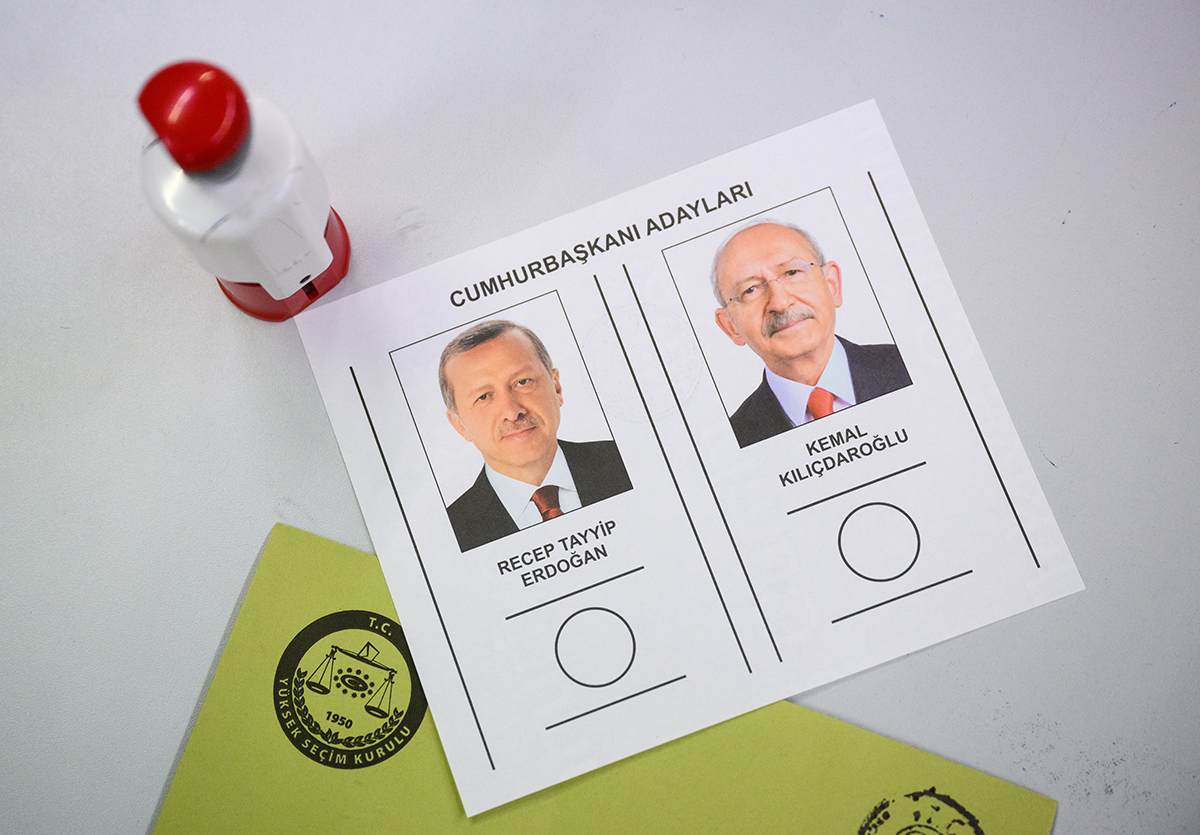
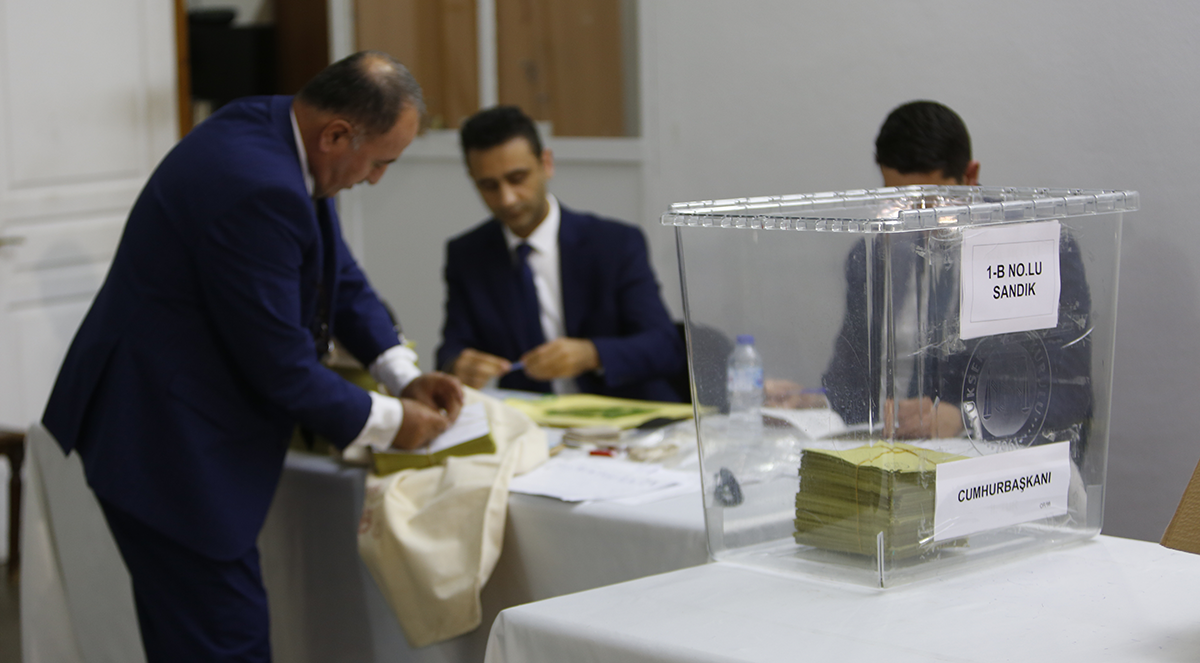
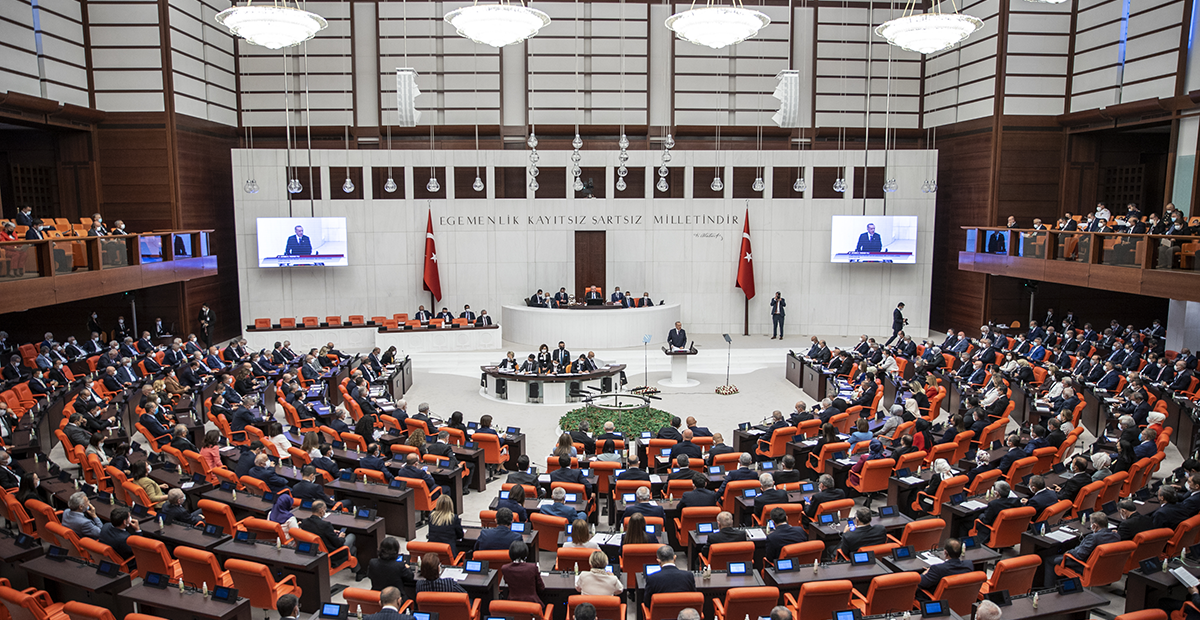
On May 14, Turkish voters are headed to the polls for twin elections — presidential and parliamentary — that are expected to shape the country’s political trajectory for years to come. While the presidential race has generated wide interest in the international media, there is little informed discussion when it comes to the parliamentary elections. Unlike the presidential elections, which quickly turned into a tight contest between President Recep Tayyip Erdoğan and the main opposition leader, Kemal Kılıçdaroğlu, the parliamentary races are more unpredictable at this point.
Polarizing populism vs. inclusive positivity: Erdoğan and Kılıçdaroğlu’s dueling campaign strategies
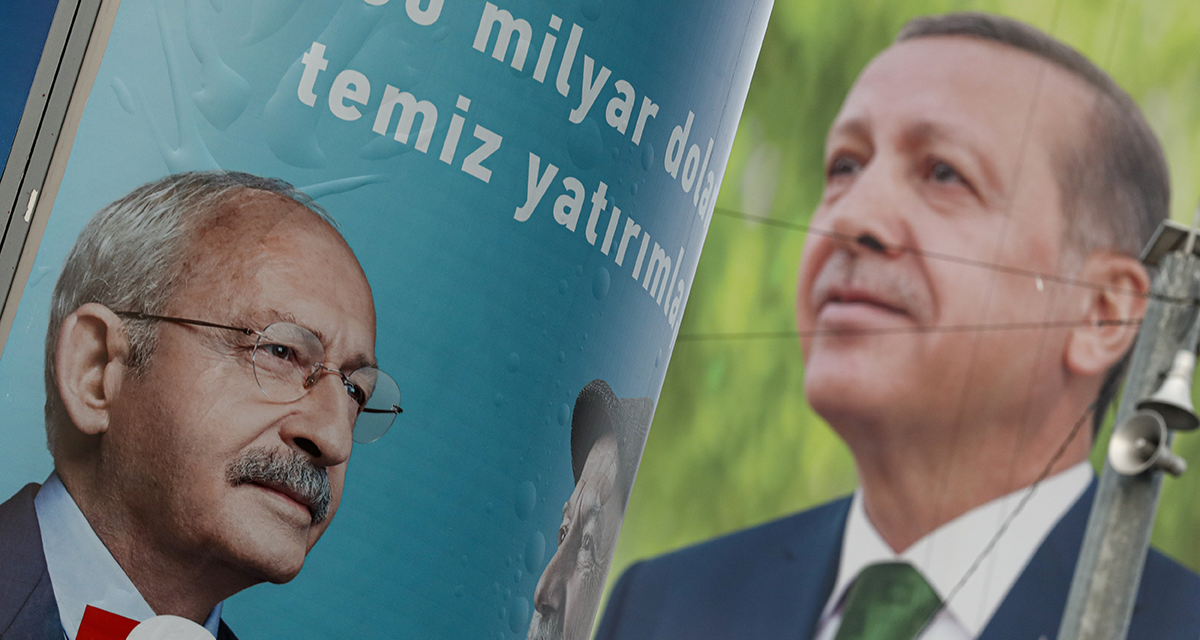
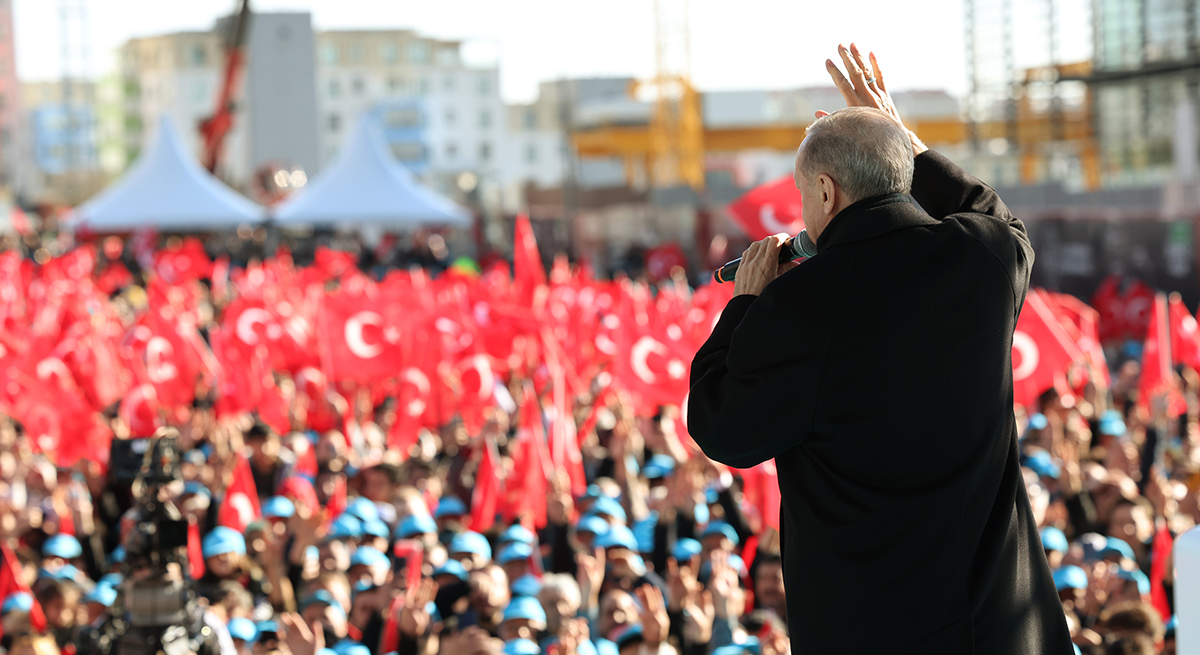
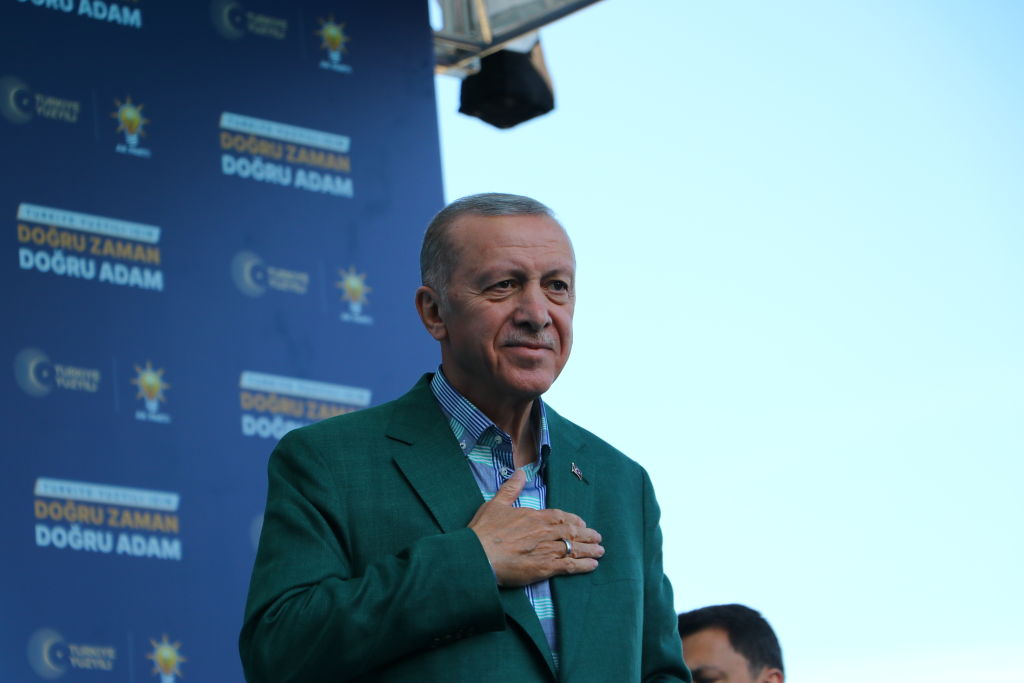
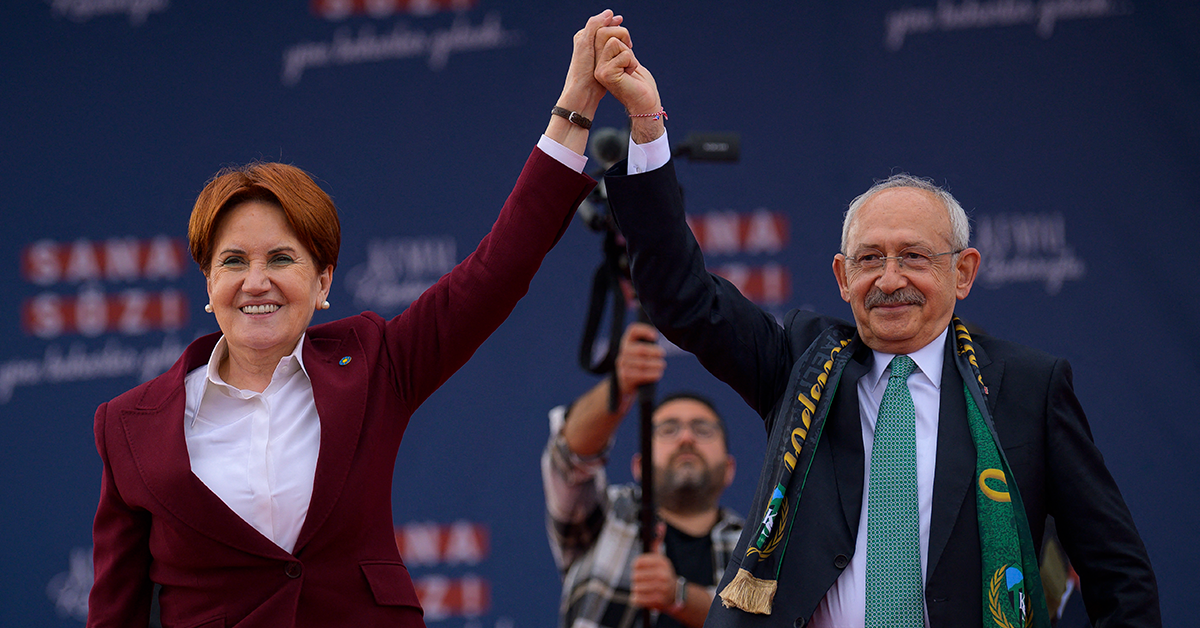
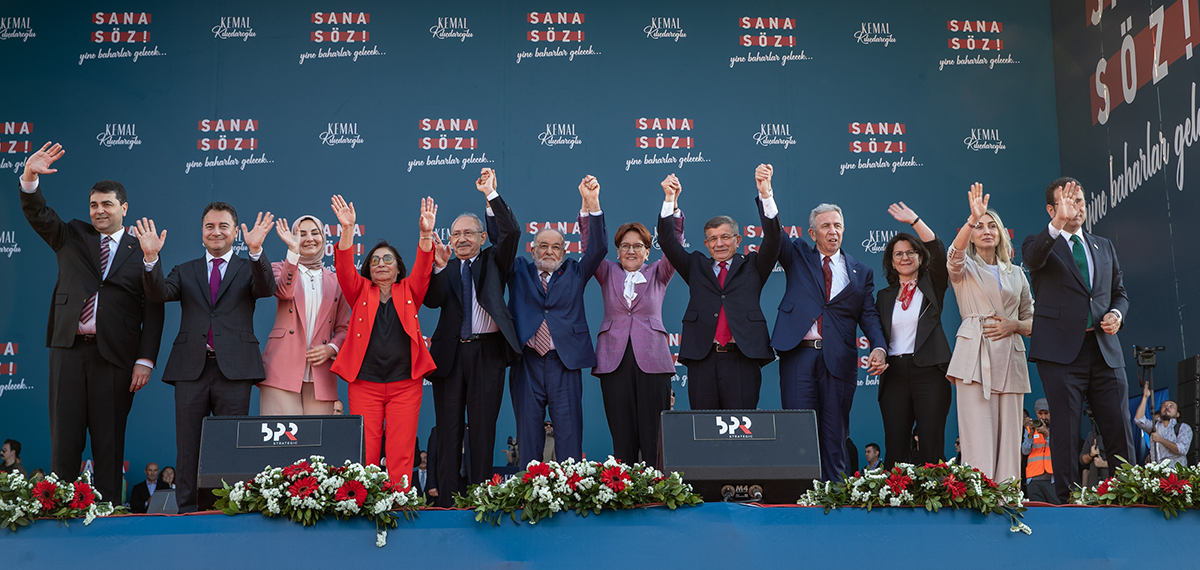
As Turkey gears up for a crucial election, the country is currently witnessing two very different political campaign styles. President Recep Tayyip Erdoğan, who is seeking re-election, is competing against Kemal Kılıçdaroğlu, the joint candidate of the Nation Alliance. The two candidates’ wildly different political and governing styles are apparent in their campaigns: President Erdoğan follows a polarizing, negative, and fear-based approach focused on energizing his base, while Kılıçdaroğlu’s campaign is dynamic, inclusive, and positive.
The dust has not yet settled ahead of Turkey’s elections
We’re only in May but it’s safe to say that 2023 has been one of the longest years in the history of Turkish politics. The main issues in the presidential and parliamentary elections on May 14 are the deteriorating economic conditions and identity politics. For the first time in two decades President Recep Tayyip Erdoğan is heading into an election not in the lead.
The oldest peer-reviewed publication dedicated to the study of the modern Middle East, MEI’s flagship journal covers politics, society, and culture in the region.