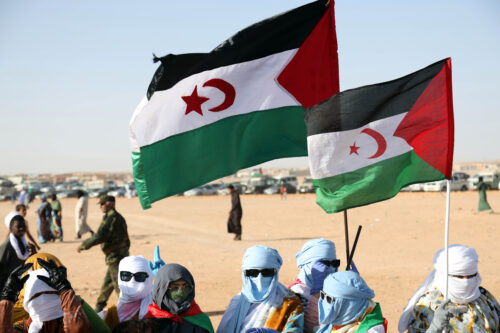
Western Sahara, a sparsely populated territory on the Atlantic coast of northwest Africa, is the site of one of the continent’s longest-running territorial disputes. The conflict dates to Spain’s withdrawal from the territory in 1975, after which Morocco Algeria, and Mauritania vied for control over the former colony.
This article is part of a collection of short essays written by the Fellows of the Middle East Institute to explore aspects of the ongoing war with Iran. The intent of the collection is to help readers see new and unexpected elements of the dynamics and impact of the ongoing hostilities and to think harder, deeper, and broader about the implications of the conflict.
Egypt: How the Iran War Has Affected Egypt’s Calculations
Egypt, which is not party to the war on Iran, has become a target as well as an intermediary in the conflict. As a result, the war has affected Egypt’s future calculations, particularly in three major areas: its economy, its security, and its regional alliances.
Innovating Ways to Face the Effects of Environmental Degradation
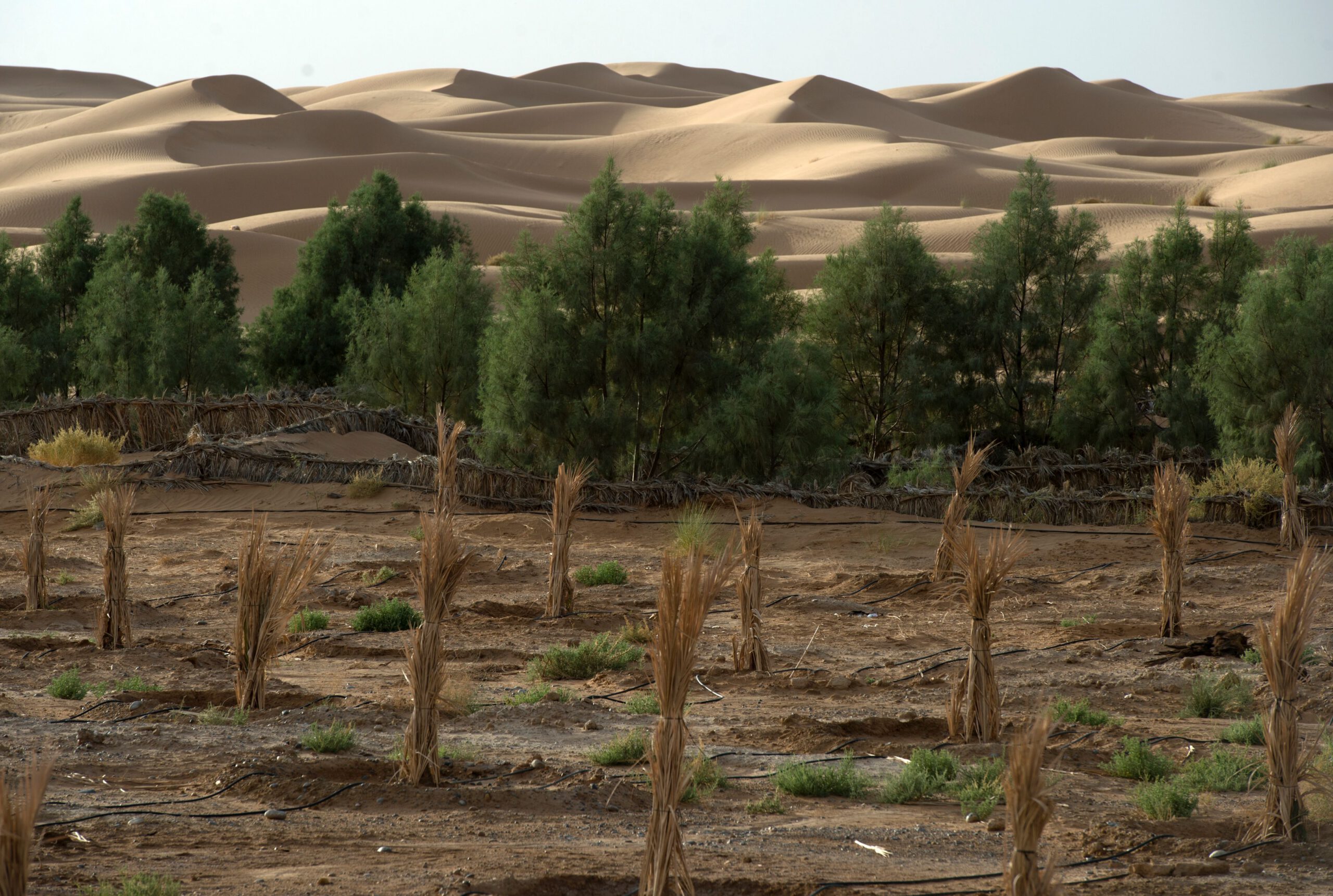
The environmental degradation process in the Maghreb is mainly of natural origin, but has been accelerated by human activities. The most dangerous threats caused by environmental degradation are soil degradation and desertification, pollution, droughts, floods, and water scarcity.
Action is urgently needed to return lands to their original vocation, to implement large-scale reforestation, to rehabilitate the steppe and oasis, and to ensure the stability of rural communities. But what kind of action, and action by whom?
If the current crisis in Egypt is to be resolved peacefully, the Egyptian military will play a central role. Few, if any outside the Egyptian armed forces, however, truly understand the Egyptian military. The following is an attempt to begin the process of better understanding this crucial institution.
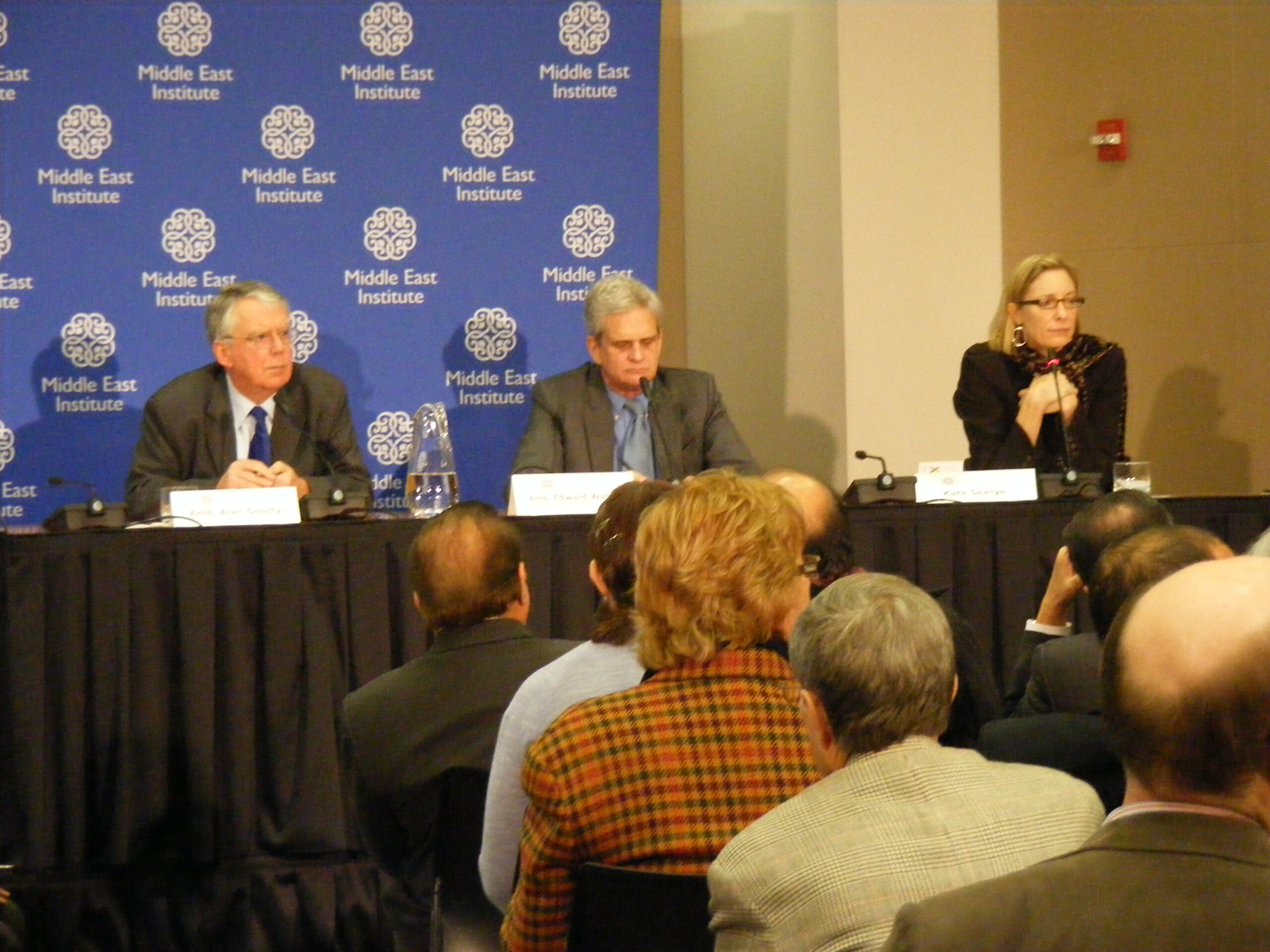
The Middle East Institute is proud to host Amb. Alan Goulty and Amb. Edward Walker for an examination of the unrest roiling Tunisia and Egypt and its implications for the region at large. Between them, Goulty and Walker have more than 60 years of experience serving in the Arab world. They will draw upon their unique experience and understanding of the region to examine the evolving crises in Tunisia and Egypt, the impact of the street protests on regional governments and the role that Western governments can play during this period of transition.
This Commentary first appeared in the American Interest's Middle East Blog on January 31, 2011.
The end is now at hand for the government of Hosni Mubarak, ruler of Egypt for the last thirty years. Two outstanding questions face us now: What will the army do? And how should the United States react?
The US and Libya: Normalization of a Stormy Relationship
*This article was first published in January 2011 by the Foreign Service Journal.
Relations between Libya and the U.S. have a turbulent history: War at the beginning of the 19th century; U.S. government support for Libyan independence after World War II; official and private-sector American engagement in the development of Libya’s oil wealth and human resources in the mid-20th century; Libyan terrorism and U.S. military retaliation in the 1980s; U.S.-engineered economic sanctions and isolation in the late 20th century; and restoration of diplomatic relations in 2006.
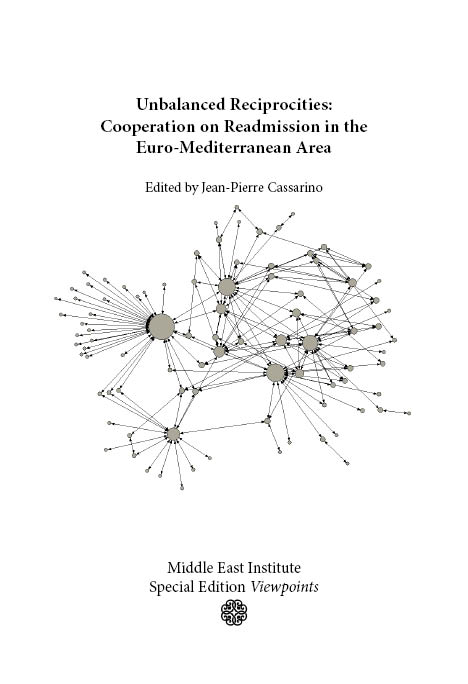
Unbalanced Reciprocities: Cooperation on Readmission in the Euro-Mediterranean Area
Readmission Agreements are a mechanism for countering illegal immigration. Such agreements involve reciprocal undertakings to return illegal residents (or irregular migrants) to their country of origin or transit. This special edition of MEI Viewpoints brings together extensive research on agreements between European and North African states. The following chapters explore what can be argued as the unbalanced costs and benefits for all parties.
The oldest peer-reviewed publication dedicated to the study of the modern Middle East, MEI’s flagship journal covers politics, society, and culture in the region.