This article is part of a collection of short essays written by the Fellows of the Middle East Institute to explore aspects of the ongoing war with Iran. The intent of the collection is to help readers see new and unexpected elements of the dynamics and impact of the ongoing hostilities and to think harder, deeper, and broader about the implications of the conflict.
Egypt: How the Iran War Has Affected Egypt’s Calculations
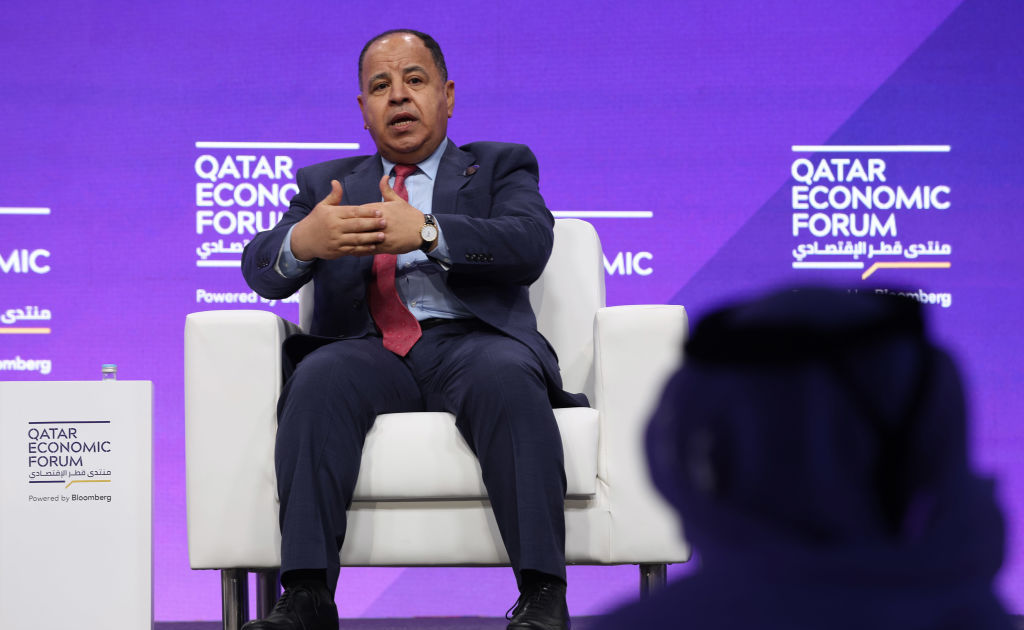
Egypt, which is not party to the war on Iran, has become a target as well as an intermediary in the conflict. As a result, the war has affected Egypt’s future calculations, particularly in three major areas: its economy, its security, and its regional alliances.
Algeria and Morocco have long been at odds, but recent diplomatic moves may signal a widening geopolitical split in North Africa. Hosts Alistair Taylor and Matthew Czekaj are joined by MEI Senior Fellow Intissar Fakir to unpack Algeria’s decision to sever diplomatic ties with the United Arab Emirates and Morocco’s warming relations with both the UAE and Israel. They also explore linkages between these diplomatic shifts and the Western Sahara conflict, Moroccan domestic concerns, particularly in light of this week’s elections, as well as broader regional stability.
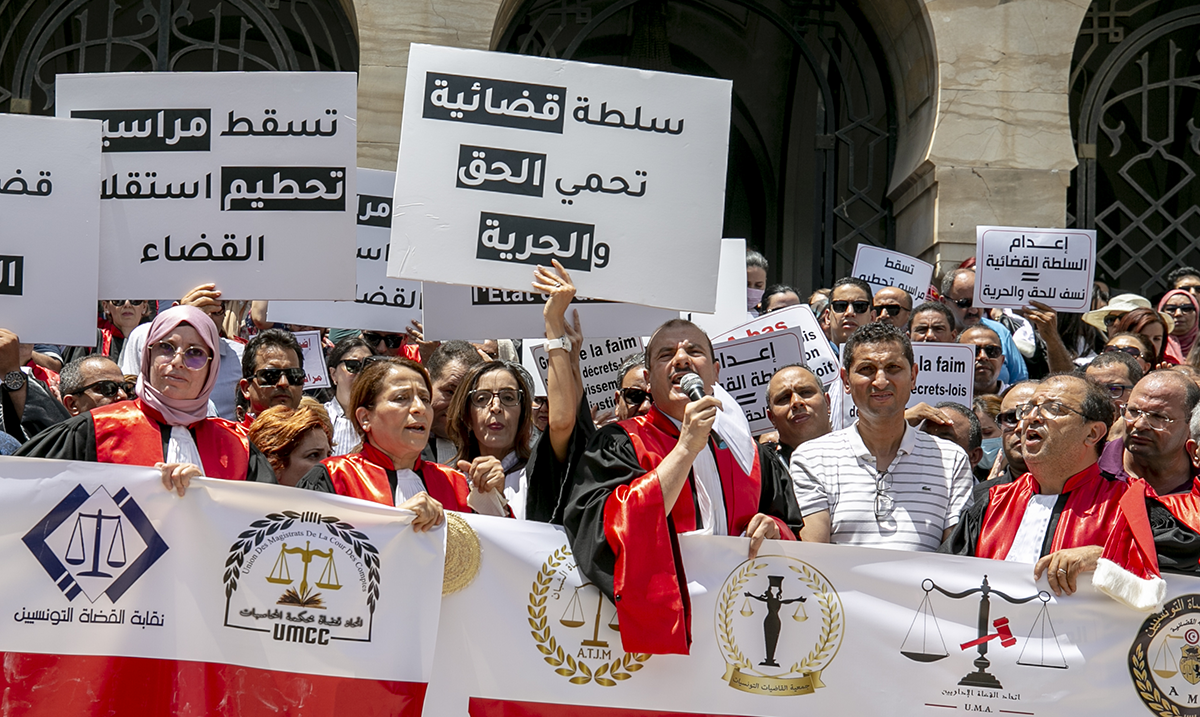
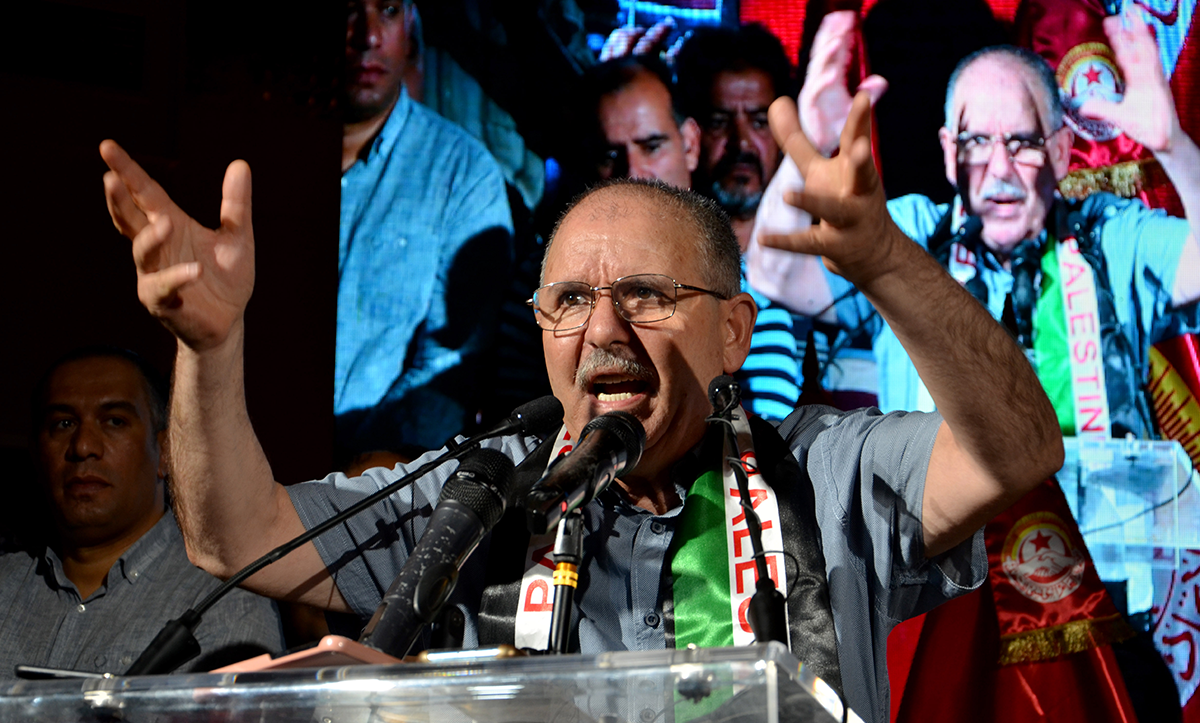
Since the beginning of 2022, Tunisian President Kais Saied has issued decrees reshaping the judiciary in a way that further subordinates it to the executive branch of government. Saied claims that his aim is to “cleanse” it of corruption and other forms of wrongdoing, yet judges counter that the president is interfering in the judiciary and intimidating judges.
أُخُوة يخنقها العداء: التنافس الجزائري المغربي وتحديات الاندماج المغاربي
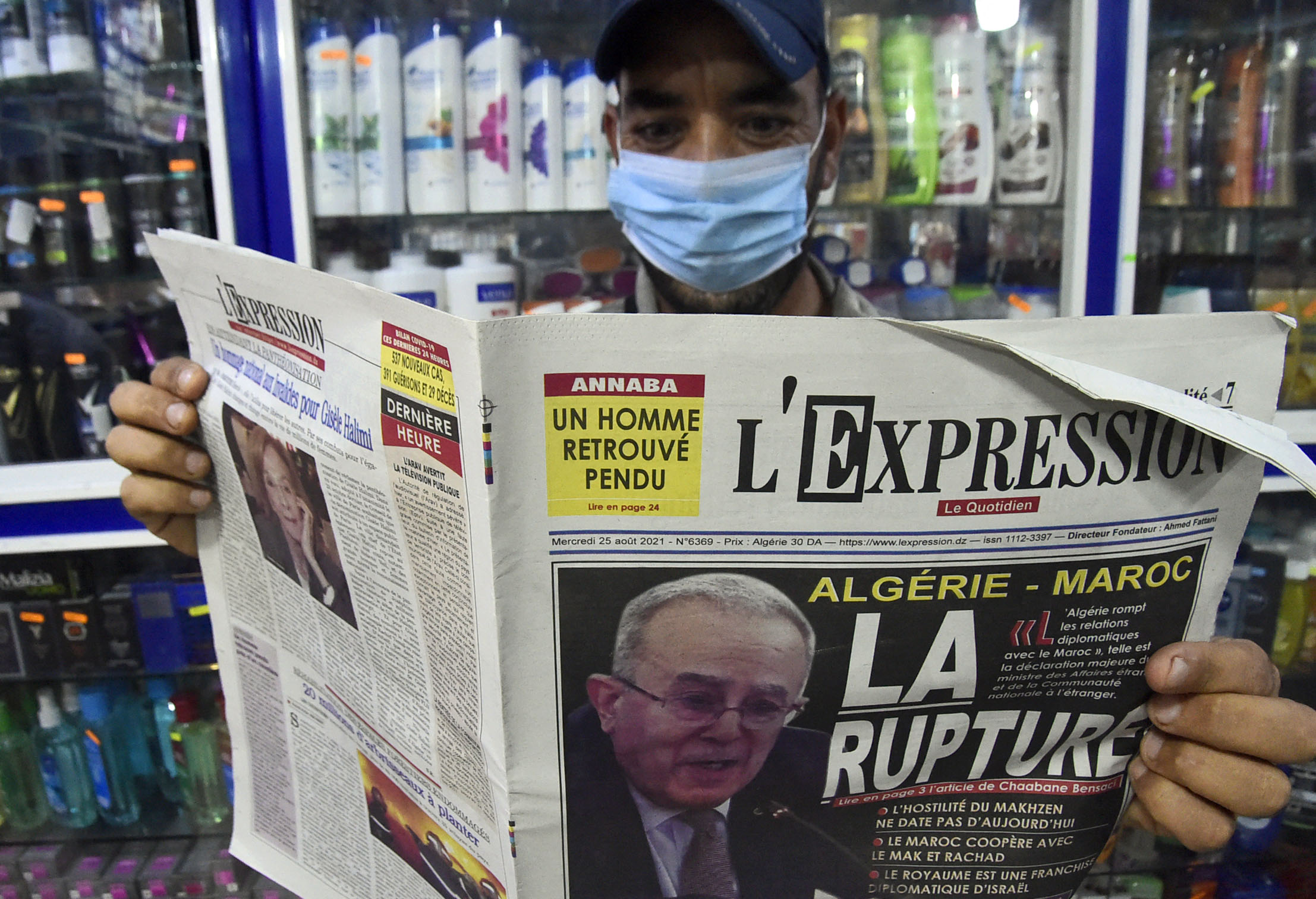
صَدم وزير الخارجية الجزائري، رمطان لعمامرة، العالم بإعلانه القطع المفاجئ للعلاقات الدبلوماسية بين الجزائر والرباط، بعد ثلاثة عقود من تجاور بارد بين القوتين المغاربيتين. واتهم لعمامرة، في بيان رسمي، تلاه أواخر أغسطس/آب 2021، المغرب بالتخلي عن التزامه بتنظيم استفتاء لتقرير المصير في الصحراء الغربية، من بين ما أسماه “أعمال عدائية ومشينة” أخرى ارتكبها ضد الجزائر.
Brothers at arm’s length: Moroccan-Algerian rivalry and the challenge of Maghrebi integration
In late August 2021, Algerian Minister of Foreign Affairs, Ramtane Lamamra, shocked the world by abruptly severing diplomatic relations with Rabat after three decades of a cold modus vivendi between the two Maghrebi powerhouses. In an official statement, Lamamra accused Morocco of abandoning its commitment to organizing a referendum for self-determination in Western Sahara, among other “hostile and despicable acts” against Algeria.
Morocco counters Russia’s weaponization of the food-energy nexus
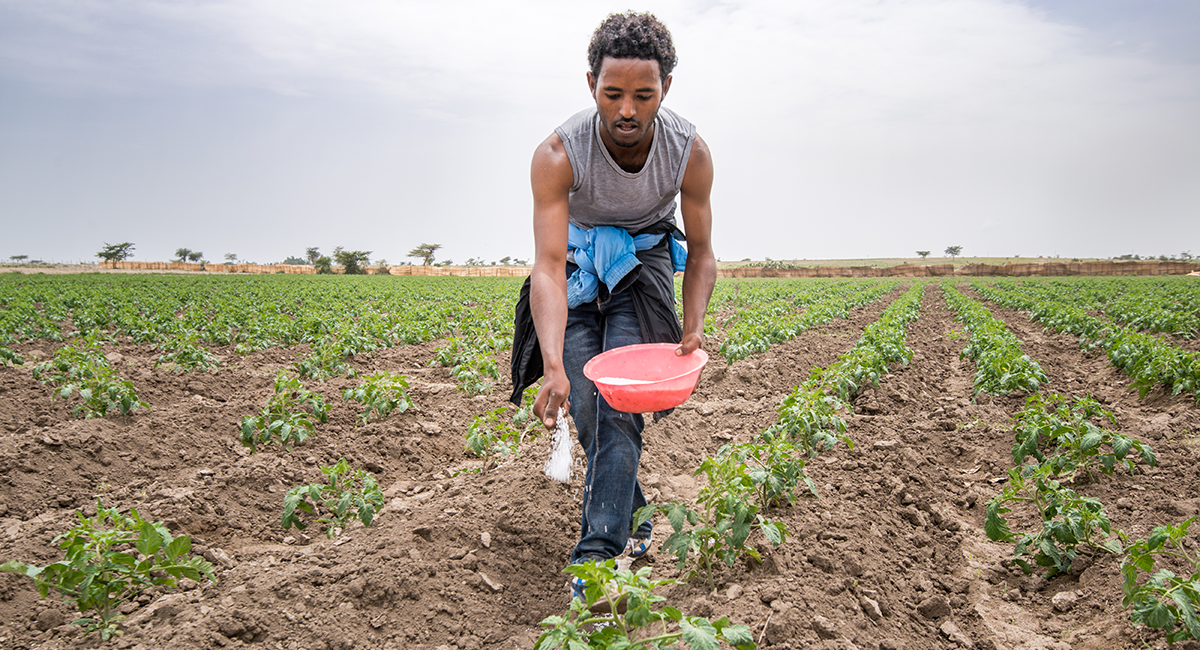
After 100 days of war in Ukraine on Europe’s eastern flank, a critical new front has opened on Europe’s southern flank with the food crisis in Africa. As Europe faces a two-front, geo-economic war of attrition with Russia, Morocco’s plan to increase its fertilizer output by nearly 70% changes the strategic equation by countering Moscow’s ability to weaponize the food-energy nexus. In so doing, Morocco has demonstrated its increasing importance as a geopolitical partner for Europe and the United States in Sub-Saharan Africa.
Guled Ahmed joins the program to discuss the political climate in Somalia, its recent elections, security conditions, and the role of external actors including the African Union, Gulf states, Turkey, and the U.S.
Nathenael Gemechu moderates a conversation with Michael Woldemariam and Guled Ahmed on Ethiopia in the first installment of a two-part series on the Horn of Africa. Woldemariam and Ahmed discuss the ongoing Tigrayan conflict that includes Ethiopia and Eritrea and the influence of external players.
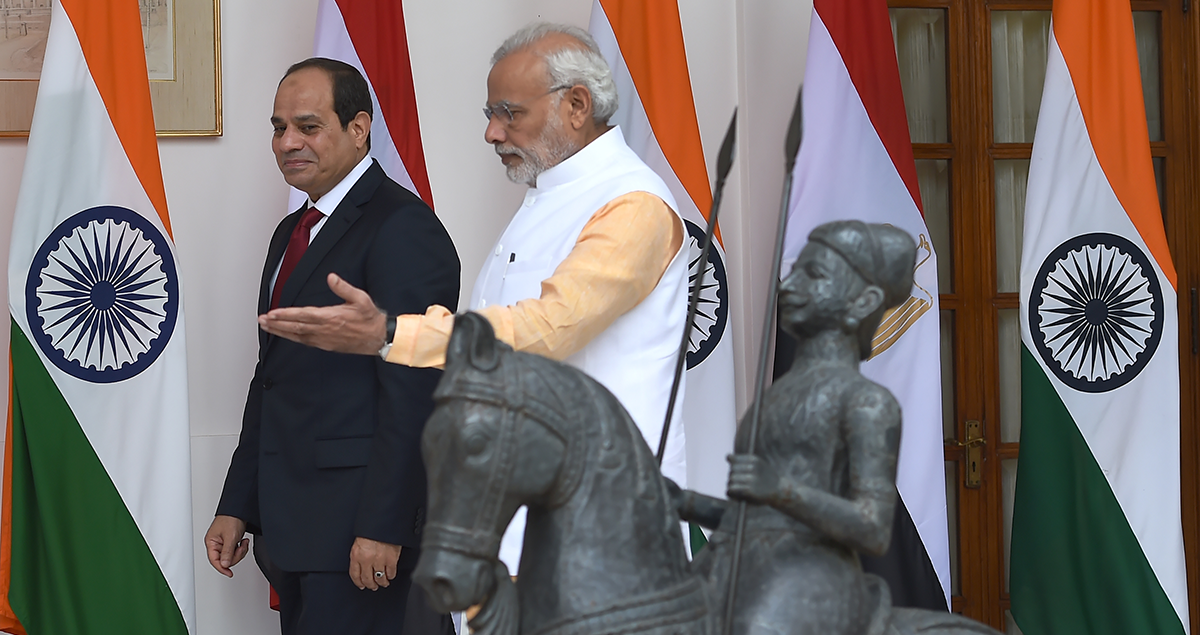
Asia is undergoing a world-historical geopolitical transformation. The rise of the Indo-Pacific as a coherent geoeconomic and geopolitical system coincides with the rise of the “Indo-Abrahamic,” an emerging transregional order connecting India to West Asia and the eastern Mediterranean. Until now, the geographic vastness of Asia and the legacy of “divide-and-conquer” colonialism have kept the continent politically and economically fragmented. By reshaping their bilateral relations, Cairo and New Delhi can seize the opportunity to link the Indo-Abrahamic with the Indo-Pacific, thus realizing this envisioned West Asian system.
Higher oil prices are giving Algeria’s regime breathing room
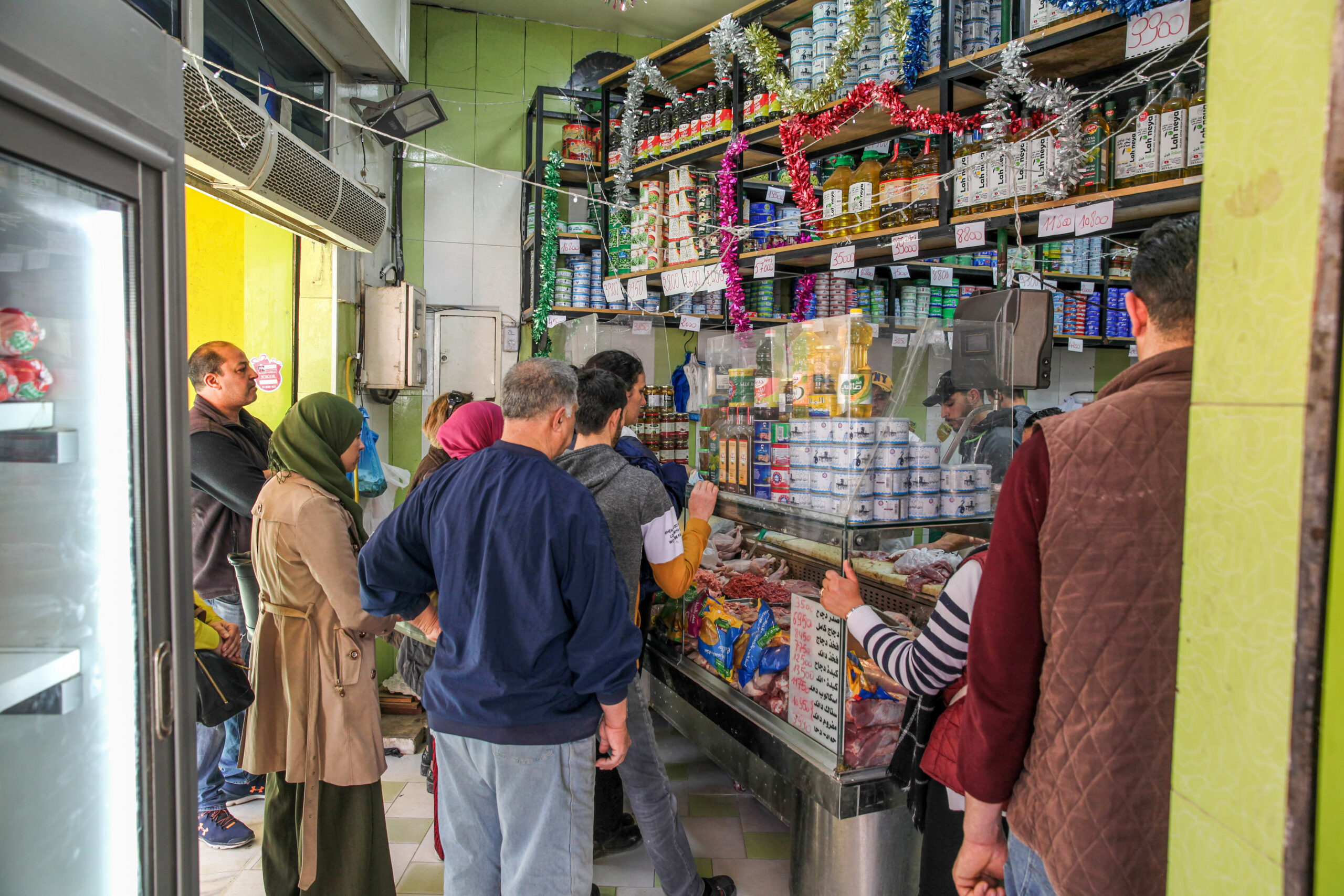
As Russia’s war on Ukraine keeps oil and gas prices high, Algeria’s regime is replenishing its financial reserves after years of depleting them. This renewed budgetary space will make it easier for the government to deal with any hint of popular discontent. But rather than going back to splurging on new salary increases or other forms of accelerated rent distribution as it has done in the past, the regime seems to be adopting a more cautious approach this time around.
The oldest peer-reviewed publication dedicated to the study of the modern Middle East, MEI’s flagship journal covers politics, society, and culture in the region.