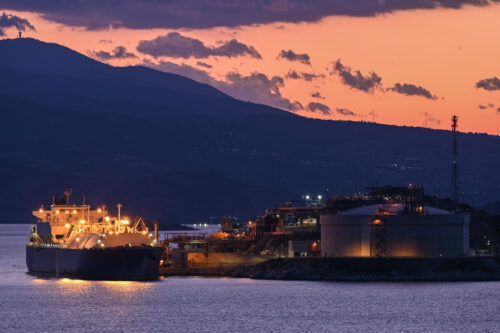
This report explores maritime security conditions in the Mediterranean and the evolving US engagement in the region. As critical infrastructure becomes increasingly vulnerable to sabotage, freedom of navigation is undermined by conflict, and energy disputes generate tension, US policy focus on the region has become fragmented and disengaged. The authors call for a sustained American role to strengthen maritime domain awareness, allied coordination, infrastructure protection, and the capacity to respond when Mediterranean crises affect US and transatlantic interests.
The Multiple Costs of the US–Iran War – From Hormuz to Europe and South Asia: The Widening Economic and Political Geography of the Conflict
Wars are decided by those who hold military power, but their costs are increasingly borne by those who have little or no voice in the decisions that start them. The US–Iran war shows this imbalance very clearly. Its economic consequences have gone far beyond the battlefield and have disrupted energy markets, trade routes, food supplies, public finances and investment in the Gulf, Europe, Africa and Asia. The most striking feature of the conflict, however, is not only the size of the damage but its very unequal distribution.
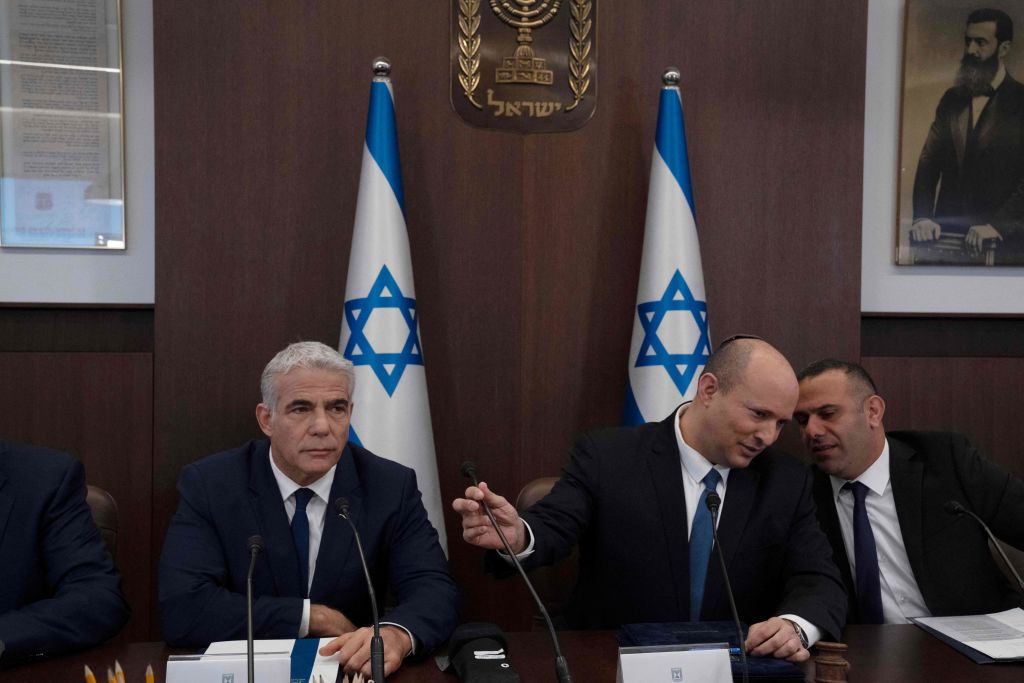
In less than two decades, a string of offshore discoveries has turned the Eastern Mediterranean into a significant gas-producing region, making Israel an exporter, twice lifting Egypt into the ranks of liquefied natural gas (LNG) exporters, and giving Cyprus finds it has yet to bring to market. This backgrounder explores the potential and challenges of exploiting and managing LNG resources in the region.
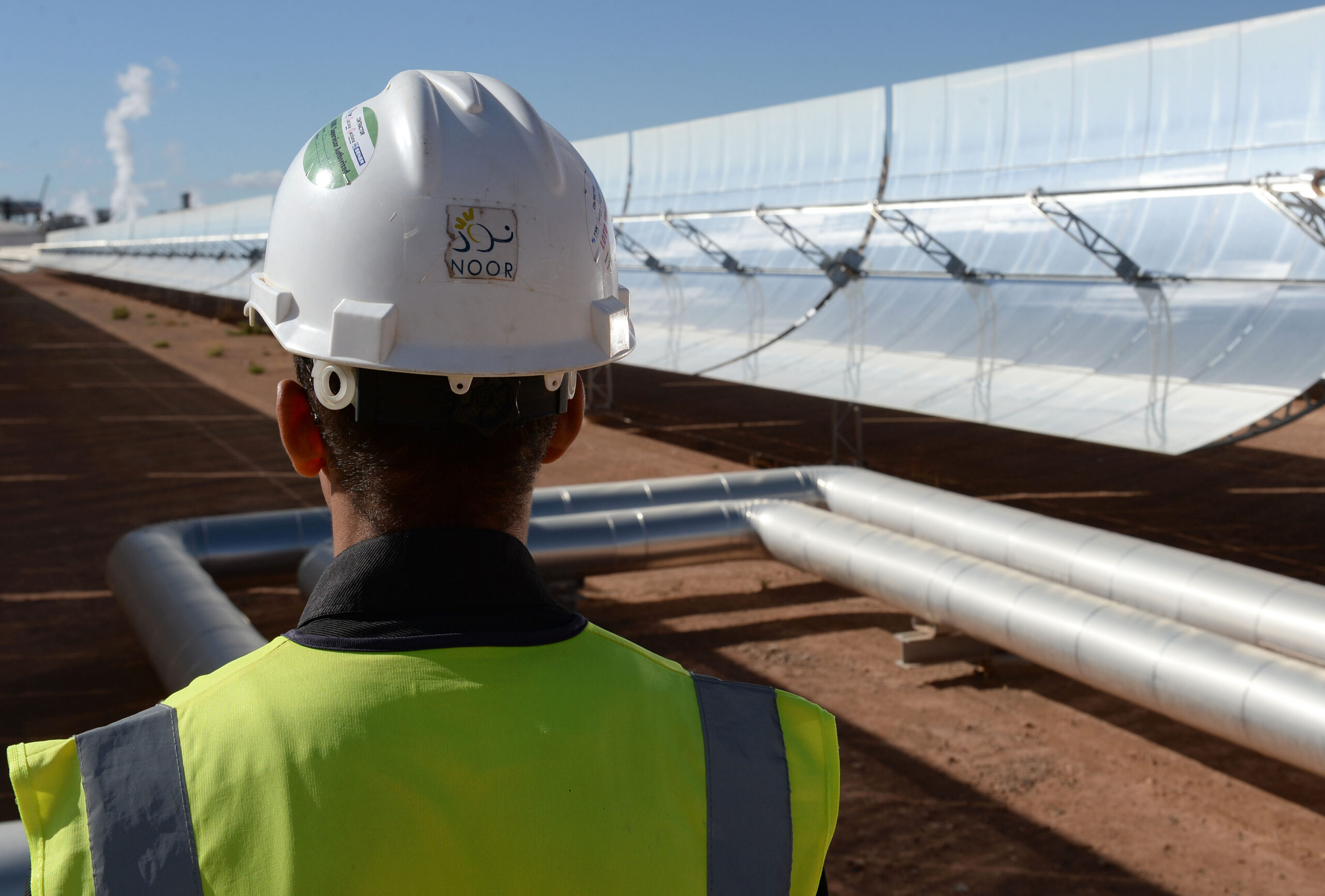
Morocco counters Russia’s weaponization of the food-energy nexus
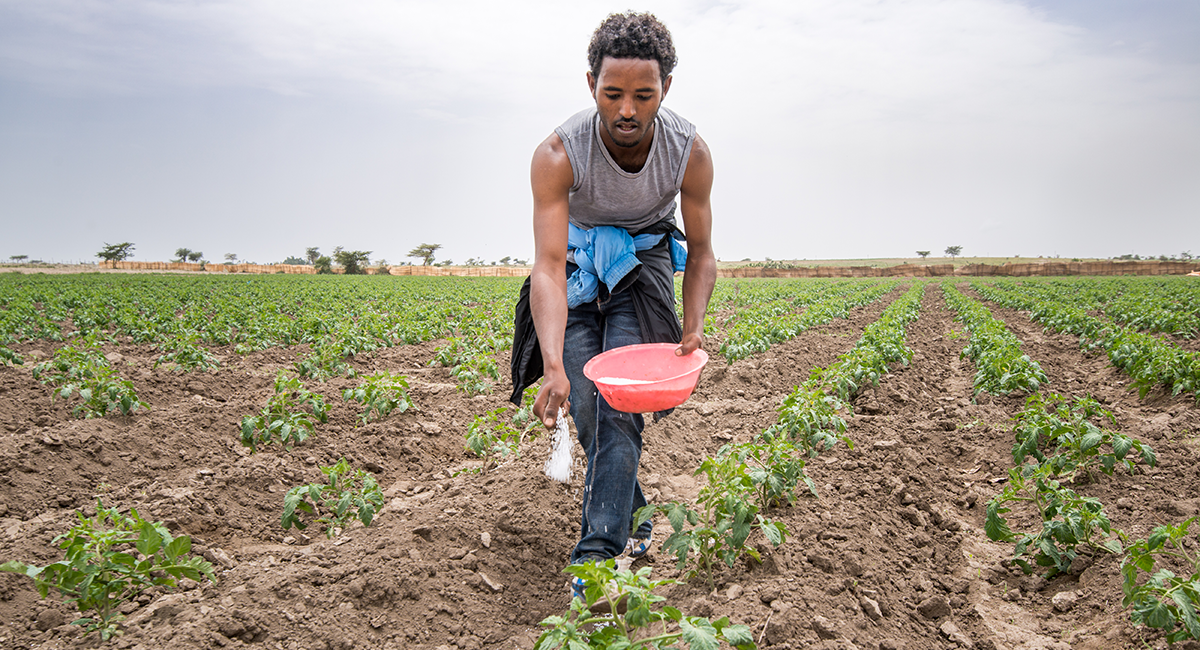
After 100 days of war in Ukraine on Europe’s eastern flank, a critical new front has opened on Europe’s southern flank with the food crisis in Africa. As Europe faces a two-front, geo-economic war of attrition with Russia, Morocco’s plan to increase its fertilizer output by nearly 70% changes the strategic equation by countering Moscow’s ability to weaponize the food-energy nexus. In so doing, Morocco has demonstrated its increasing importance as a geopolitical partner for Europe and the United States in Sub-Saharan Africa.
Guled Ahmed joins the program to discuss the political climate in Somalia, its recent elections, security conditions, and the role of external actors including the African Union, Gulf states, Turkey, and the U.S.
Nathenael Gemechu moderates a conversation with Michael Woldemariam and Guled Ahmed on Ethiopia in the first installment of a two-part series on the Horn of Africa. Woldemariam and Ahmed discuss the ongoing Tigrayan conflict that includes Ethiopia and Eritrea and the influence of external players.
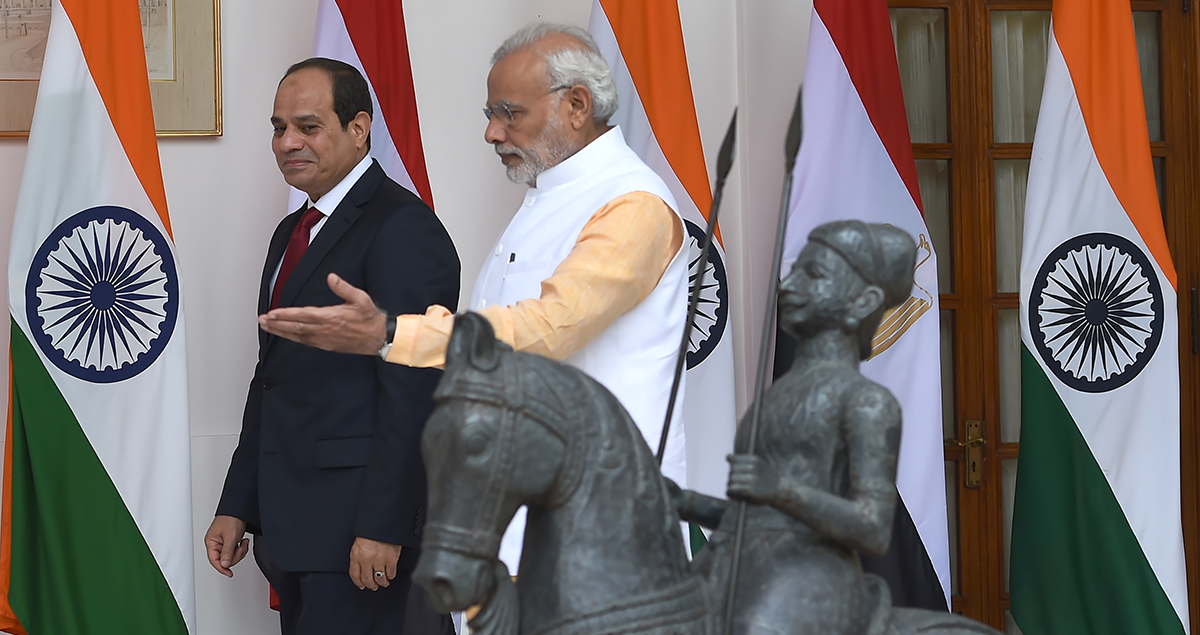
Asia is undergoing a world-historical geopolitical transformation. The rise of the Indo-Pacific as a coherent geoeconomic and geopolitical system coincides with the rise of the “Indo-Abrahamic,” an emerging transregional order connecting India to West Asia and the eastern Mediterranean. Until now, the geographic vastness of Asia and the legacy of “divide-and-conquer” colonialism have kept the continent politically and economically fragmented. By reshaping their bilateral relations, Cairo and New Delhi can seize the opportunity to link the Indo-Abrahamic with the Indo-Pacific, thus realizing this envisioned West Asian system.
Higher oil prices are giving Algeria’s regime breathing room
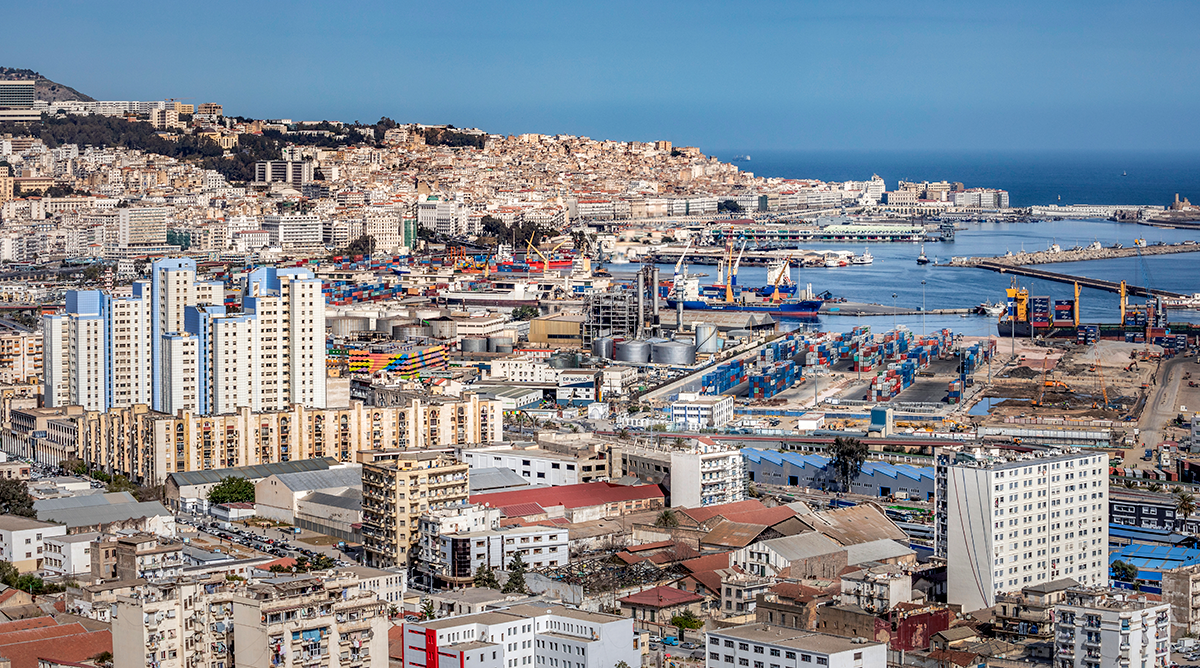
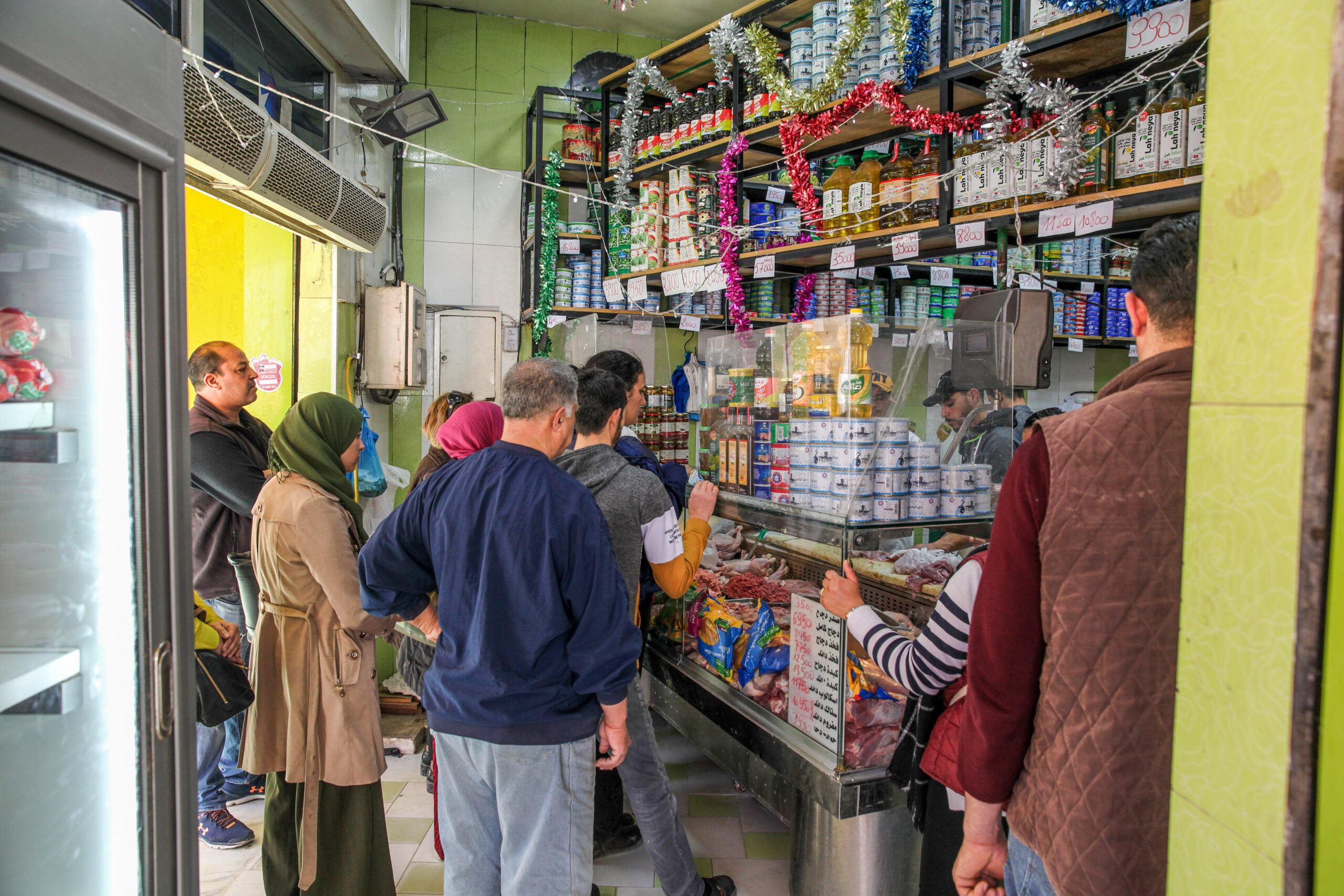
As Russia’s war on Ukraine keeps oil and gas prices high, Algeria’s regime is replenishing its financial reserves after years of depleting them. This renewed budgetary space will make it easier for the government to deal with any hint of popular discontent. But rather than going back to splurging on new salary increases or other forms of accelerated rent distribution as it has done in the past, the regime seems to be adopting a more cautious approach this time around.
Egypt’s Synergy Between Natural Gas and Green Energy Transition: Cairo’s Advances in LNG and Green Hydrogen are Shaping the COP 27 Agenda
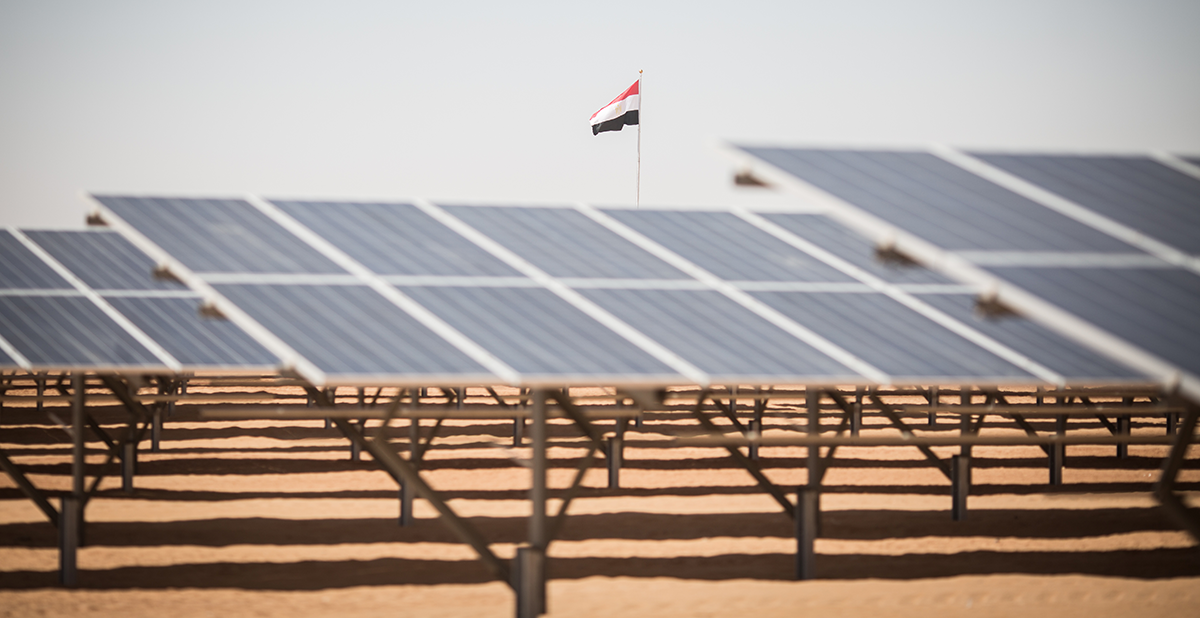
Egypt’s energy policy is helping to change the terms of the global debate on climate change by demonstrating that there is a basic compatibility between developing domestic natural gas resources and developing renewable energy sources. Disproving the dogma that natural gas and renewables are in a zero-sum competition, Egypt is advancing as a leader in renewable energy development while also increasing its offshore natural gas production capacity.
The oldest peer-reviewed publication dedicated to the study of the modern Middle East, MEI’s flagship journal covers politics, society, and culture in the region.