This article is part of a collection of short essays written by the Fellows of the Middle East Institute to explore aspects of the ongoing war with Iran. The intent of the collection is to help readers see new and unexpected elements of the dynamics and impact of the ongoing hostilities and to think harder, deeper, and broader about the implications of the conflict.
Egypt: How the Iran War Has Affected Egypt’s Calculations
Egypt, which is not party to the war on Iran, has become a target as well as an intermediary in the conflict. As a result, the war has affected Egypt’s future calculations, particularly in three major areas: its economy, its security, and its regional alliances.
Algeria and Morocco have long been at odds, but recent diplomatic moves may signal a widening geopolitical split in North Africa. Hosts Alistair Taylor and Matthew Czekaj are joined by MEI Senior Fellow Intissar Fakir to unpack Algeria’s decision to sever diplomatic ties with the United Arab Emirates and Morocco’s warming relations with both the UAE and Israel. They also explore linkages between these diplomatic shifts and the Western Sahara conflict, Moroccan domestic concerns, particularly in light of this week’s elections, as well as broader regional stability.
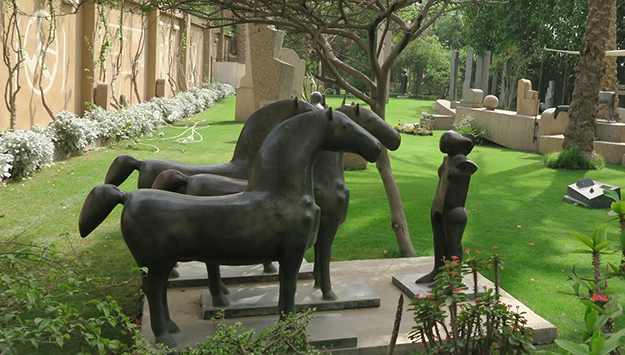
The road to Haraniyya, a formerly rural area just beyond the Giza pyramids, is now an eight-lane highway flanked by red-brick buildings packed and stacked as if designed by some demented cubist. But take the exit, cross a canal and tucked behind a wall of residential towers, the Museum of Adam Henein exists in magical contrast, a verdant stronghold of living art, and one of Cairo’s hidden treasures.
The Influence of North African Militaries in Foreign Policy-Making
This essay looks at five North African states, arguing that the armed forces — for a variety of often case-specific reasons — are actually not as politically powerful and thus influential in foreign policy-making as one might expect. It first discusses the political strength of the military establishments of five North African states — Morocco, Algeria, Tunisia, Libya, and Egypt — and then investigates the difference, if any, that the recent Arab upheavals have made in their involvement in foreign policy-making.
Monday Briefing: ISIS losing territory, President Erdogan visits Sudan
In this week’s Monday Briefing, MEI experts Charles Lister, W. Robert Pearson, and Yousef Munayyer provide analysis on ISIS’ continued threat to security despite losing territory, President Erdogan’s upcoming visit to Sudan as a political calculation, and Mohammed Dahlan’s effort to return to Palestinian politics.
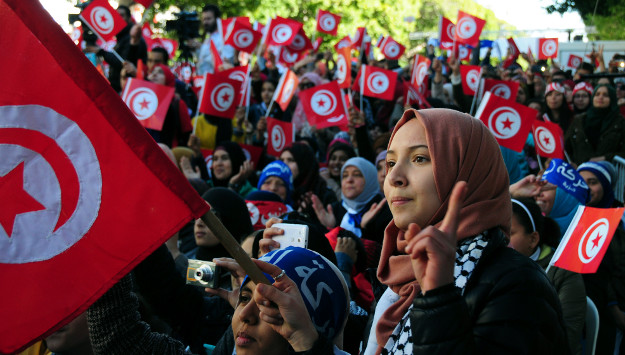
Two weeks ago, Tunisian security forces used excessive force to try to stop peaceful demonstrators in El Kamour Tataouine, killing one of them. Six years after the 2010-2011 uprising, many Tunisians are wondering what is left of their revolution.
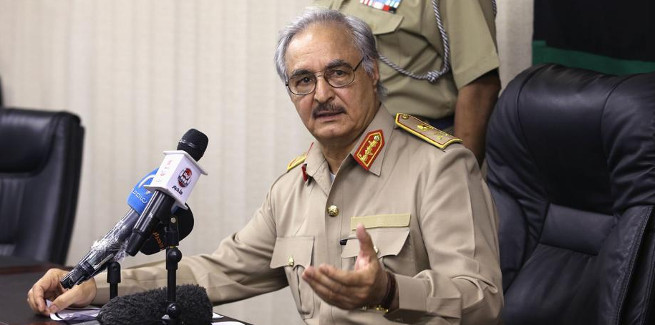
Foreign Powers Should Push for Compromise in Libya
Whenever power is contested in a country—any country—the political fight over who will ascend to the helm provides opportunities for foreign powers to intervene, and in some cases, influence the outcome of the political process.
Such behavior can carry short-term rewards when a new leader, put into power with the help of the foreign government, tilts favorably toward the sponsor; but it also can be counterproductive.
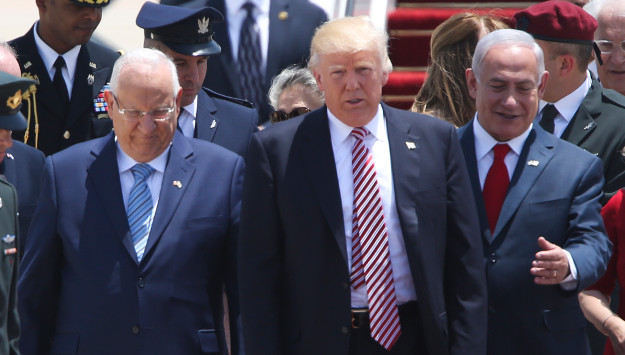
Monday Briefing: Chances for MidEast Peace Remote under Trump
In this week’s Monday Briefing, MEI experts Yousef Munayyer, Alex Vatanka, Jonathan M. Winer, and Marvin G. Weinbaum provide analysis on recent and upcoming events including President Trump’s trip to Israel and the prospects for a peace process, the reelection of Iranian President Hassan Rouhani, Russia’s planned naval drill off the coast of Libya this week, and the Afghan Taliban’s decision to reject peace talks.
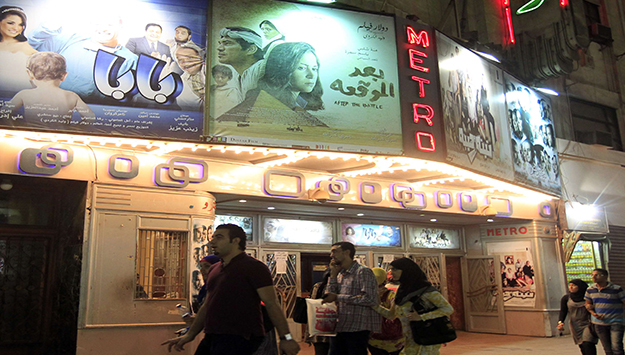
The cinema has long been a contested space in Egypt. Following its nationalization in 1966, a formerly flourishing film industry ran steadily downhill and movie theater operators were subjected to censors’ increasingly puerile whims. The only independent company allowed to operate was Misr International Films—founded in 1972 by Egyptian director Youssef Chahine (1926-2008)—to produce, distribute, and exhibit films while coincidentally enabling the state to posit itself as an indulgent patron of cinematic art. The annual state-run Cairo International Film Festival (CIFF, est.
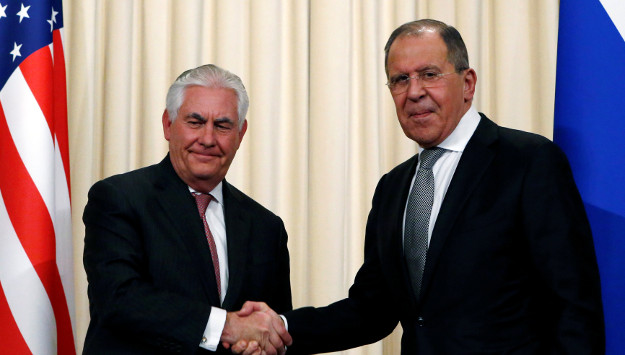
Russia Seeks U.S. Support for Syria Plan | Monday Briefing
In this week’s Monday Briefing, MEI experts Charles Lister, Alex Vatanka, and Jonathan M. Winer provide analysis on recent and upcoming events including the meeting between Russian Foreign Minister Lavrov and Secretary of State Tillerson, Iranian President Rouhani’s battle for re-election, and the efforts to strike a deal for the future of the Libyan state.
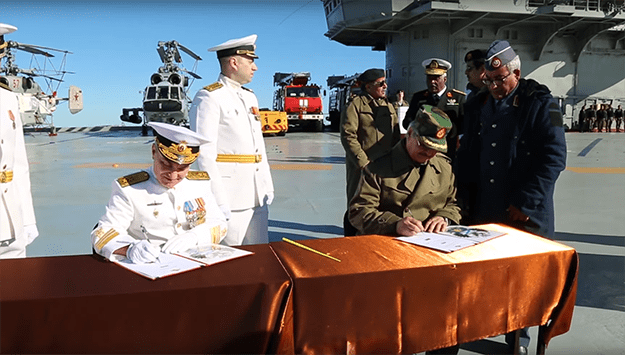
The image of the Russian aircraft carrier Admiral Kuznetsov steaming across the Mediterranean on its way to the Syrian shore became one of the symbols of Moscow’s military support for Syrian President Bashar al-Assad. When the aircraft carrier completed its mission in Syria in January this year and made a surprise port call in eastern Libya, analysts immediately suggested that Libya may become another country where Moscow will project its military power.
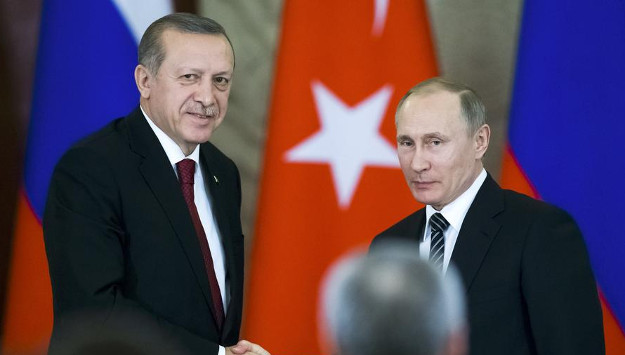
In this week’s Monday Briefing, MEI experts Gonul Tol, Randa Slim, Alex Vatanka, Marvin G. Weinbaum, and Mabrouka M’Barek provide analysis on recent and upcoming events including Turkish President Erdogan’s upcoming meeting with Russian President Putin, the upcoming speech by Hezbollah Secretary General Nasrallah, the suprising popularity of Rouhani’s VP in the Iranian Presidential Race, the Taliban’s new Spring offensive, and protests in Tunisia over a government proposal to give amnesty to the country’s corrupt financial elite.
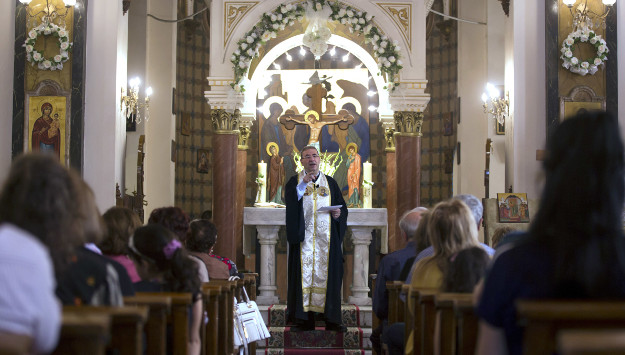
Pope’s Egypt Visit to Reassure MidEast Christians | Monday Briefing
In this week’s Monday Briefing, MEI experts Paul Salem, Alex Vatanka, Eran Etzion, and Gerald Feierstein provide analysis on recent and upcoming events including the Pope’s upcoming visit to Egypt, Ahmadinejad’s public feud with Ayatollah Khamenei, Israeli efforts to draw Russian support away from Iran, and the appointment of Prince Khalid bin Salman as Saudi Ambassador to the U.S.
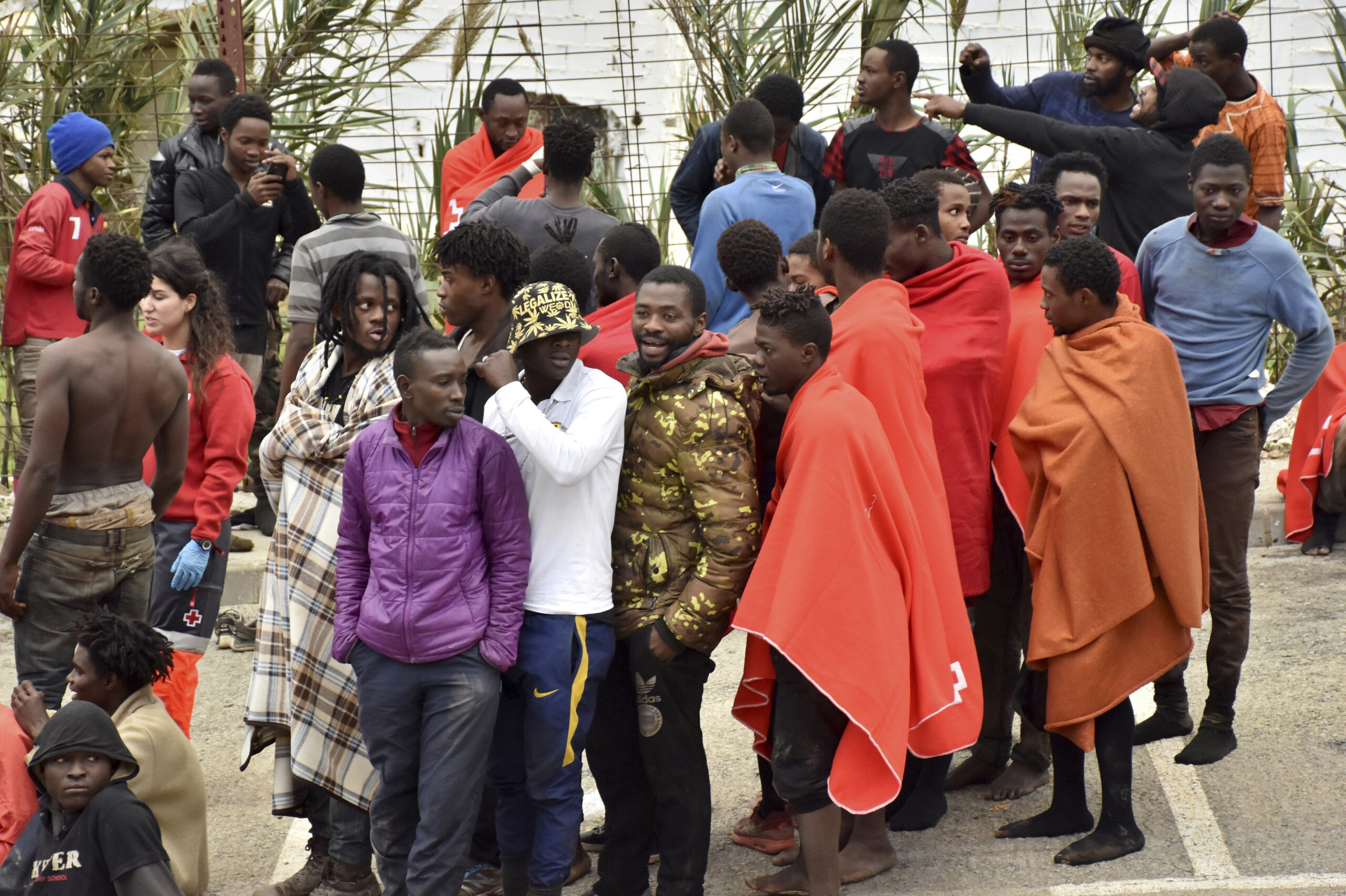
Morocco's Triple Role in the Euro-African Migration System
This essay discusses Morocco’s changing role within the Euro-African migration system — that of a source, transit, and final destination country. It briefly addresses the responsibilities and responses of Moroccan authorities in dealing with the phenomenon of irregular migration, in particular as it relates to Morocco’s role as a destination country.
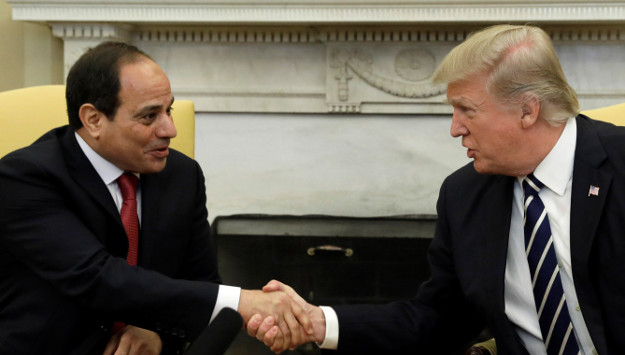
In this week’s Monday Briefing, MEI experts Paul Salem, Yousef Munayyer, and Randa Slim provide analysis on recent and upcoming events including the meeting between Egyptian President Sisi and President Trump, the upcoming meeting between President Trump and Jordan’s King Abdullah, and the Trump administration’s adoption of Obama-era policies in Syria.
The oldest peer-reviewed publication dedicated to the study of the modern Middle East, MEI’s flagship journal covers politics, society, and culture in the region.