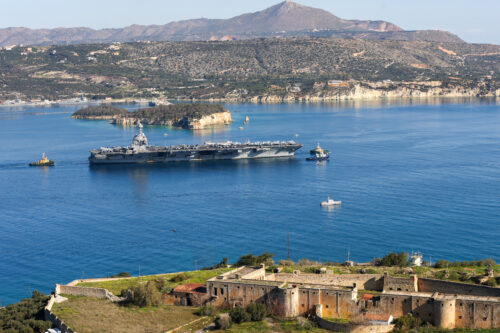
This report explores maritime security conditions in the Mediterranean and the evolving US engagement in the region. As critical infrastructure becomes increasingly vulnerable to sabotage, freedom of navigation is undermined by conflict, and energy disputes generate tension, US policy focus on the region has become fragmented and disengaged. The authors call for a sustained American role to strengthen maritime domain awareness, allied coordination, infrastructure protection, and the capacity to respond when Mediterranean crises affect US and transatlantic interests.
The Multiple Costs of the US–Iran War – From Hormuz to Europe and South Asia: The Widening Economic and Political Geography of the Conflict
Wars are decided by those who hold military power, but their costs are increasingly borne by those who have little or no voice in the decisions that start them. The US–Iran war shows this imbalance very clearly. Its economic consequences have gone far beyond the battlefield and have disrupted energy markets, trade routes, food supplies, public finances and investment in the Gulf, Europe, Africa and Asia. The most striking feature of the conflict, however, is not only the size of the damage but its very unequal distribution.
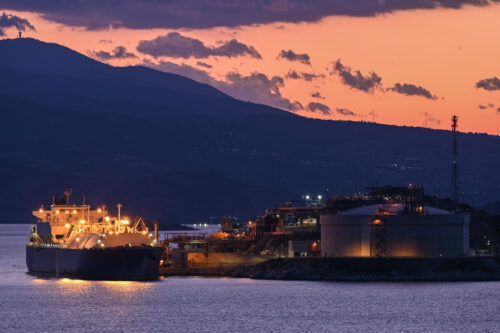
In less than two decades, a string of offshore discoveries has turned the Eastern Mediterranean into a significant gas-producing region, making Israel an exporter, twice lifting Egypt into the ranks of liquefied natural gas (LNG) exporters, and giving Cyprus finds it has yet to bring to market. This backgrounder explores the potential and challenges of exploiting and managing LNG resources in the region.
Egypt: Between Chaos, Authoritarianism, and Democracy
The literature on democratic transitions from the last 50 years has emphasized the process of transforming an authoritarian state into a democracy. Much has been written about negotiations between ancien regimes and democratic forces, particularly the bridges that must be made between elements of old and new regimes. Most studies on democratic transitions also examine the competency or democratic nature of such countries’ institutions.
Defying Gravity: Working Toward a Regional Strategy for a Stable Middle East
In this MEI Policy Paper, Ross Harrison asserts that a new regional order is emerging out of the conflicts of the Middle East. The relationships among the pillars of this order–Egypt, Saudi Arabia, Turkey, and Iran–are crucial, as they will largely determine “whether the future of the Middle East will be a continuation of the current chaos and destruction or a more positive transition toward stability and prosperity.” Harrison argues that global powers must concentrate on creating conditions conducive to cooperation among the pillars.
Egypt's Deregulated Property Market: A Crisis of Affordability
What Egyptians call the azmit al-iskan—the housing crisis—is exemplified by the 1986 movie, Karakon fi-l-Shari‘a, or Prison in the Street. The film depicts a typical middle class family that, evicted from its condemned home, must resort to living in a horse-drawn caravan because a regular apartment is unaffordable. The “prison” in the title is a reference to the father’s numerous altercations with the police, who deem his attempts to make a home quasi-legal—not illegal, but also not legal.
Bringing China and Islam Closer: The First Chinese Azharites
In the 1930s, several groups of Muslim students from China arrived to study at Al-Azhar University in Cairo. They were destined to play an important role in the history of modern Chinese Islam. These 35 Chinese Azharites, all but two from the Sinophone Hui community, helped China to establish lasting links with Egypt and other Muslim countries in the Middle East. They also left a considerable cultural legacy, including translations of crucial texts from both the Islamic and Chinese traditions.
Cairo’s Townhouse Gallery: Social Transformation through Art
As the urban historian Lewis Mumford pointed out, “When a city has reached the megapolitan stage, it is plainly on the downward path: it needs a terrific exertion of social force to overcome the inertia, to alter the direction of the movement, to resist the immanent processes of disintegration.”[1]
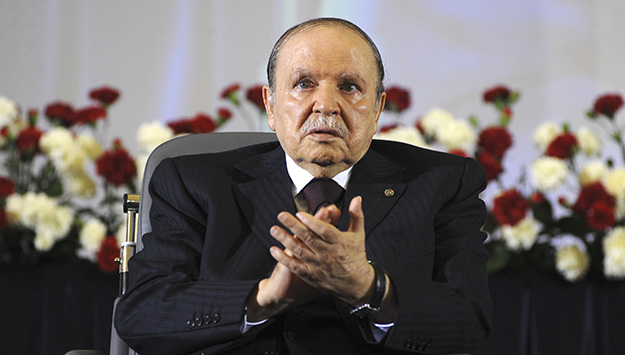
Last week U.S. Secretary of State John Kerry and Algerian Foreign Minister Ramtane Lamamra, an experienced diplomat, concluded bilateral consultations that focused on regional security and Algerian economics. The United States endorsed Algeria’s efforts to resolve the conflict in Mali, and the two countries pledged to work closely on counterterrorism. The United States also voiced support for Algerian efforts to diversify its economy and attract new investment, and the two countries will continue to build their bilateral cooperation in education.
Rebuilding the U.S.-Egyptian Strategic Relationship
President Obama’s decision to lift the freeze on delivery of military aid to Egypt was the right thing to do to shore up a key strategic alliance in a region where risks to U.S. security are multiplying rapidly. The United States needs Egypt’s help in confronting terrorist and conventional threats in the region, in maintaining Arab-Israeli stability, and as a key player in Arab diplomacy and coalition building.
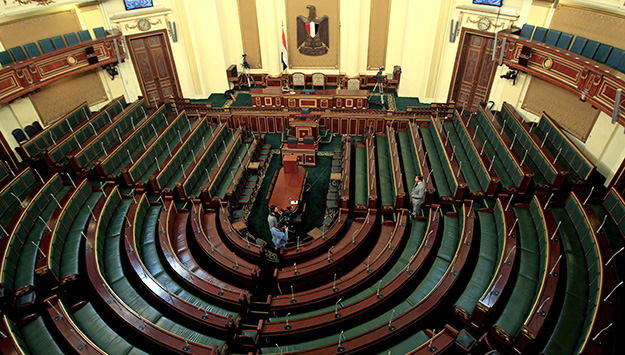
In March, Egypt’s Supreme Administrative Court suspended the country’s long-awaited parliamentary elections,[1] originally scheduled to begin March 21.
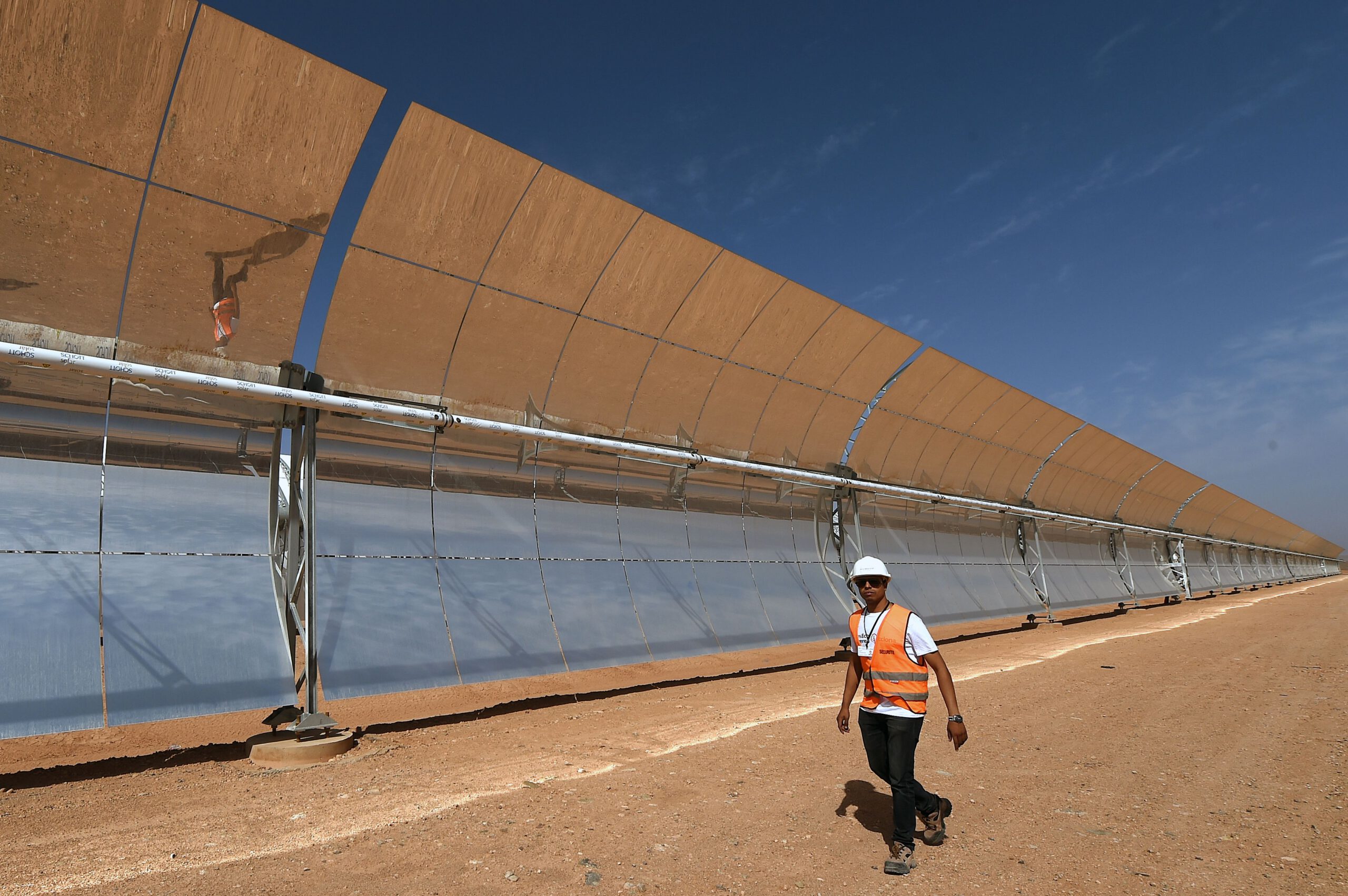
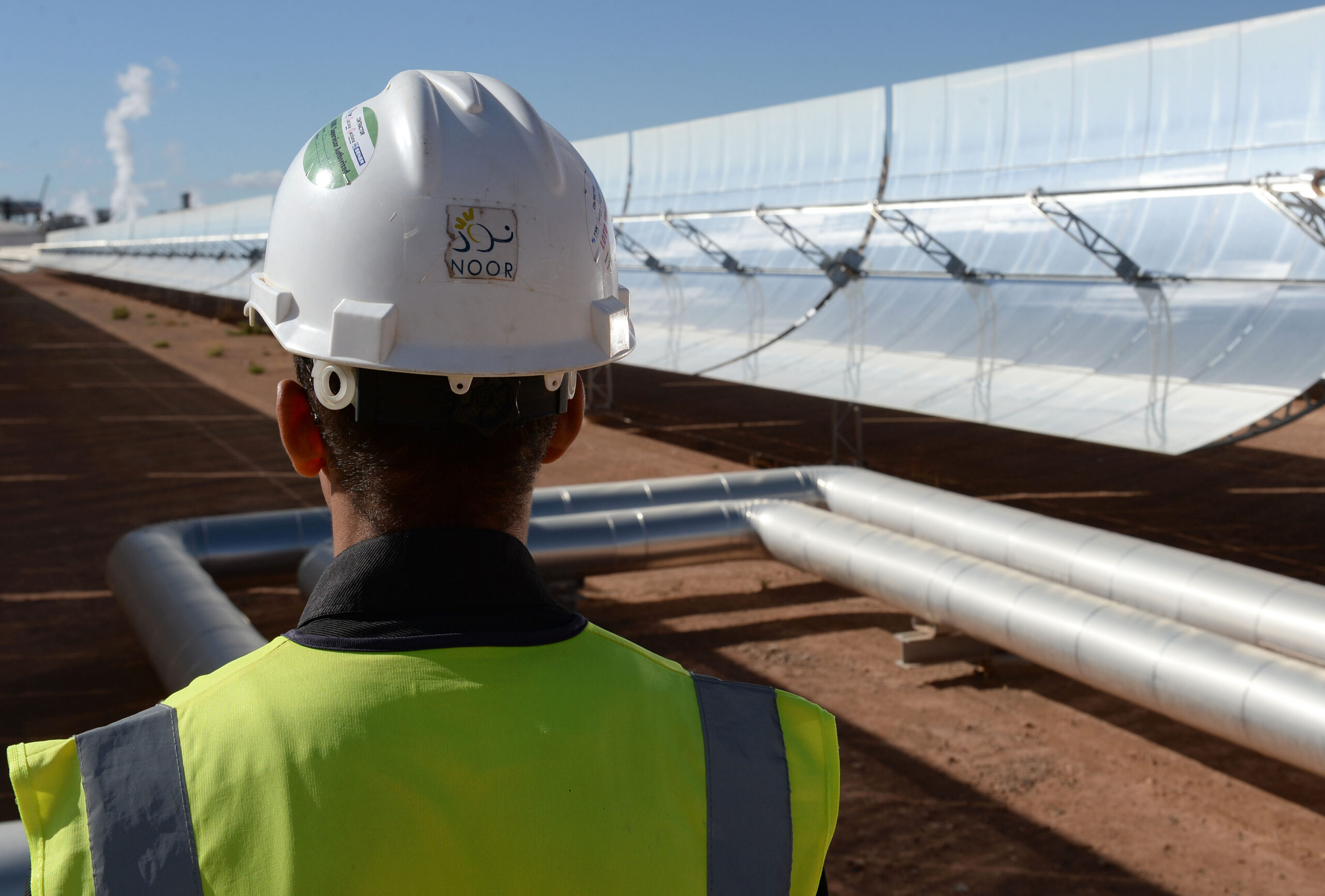
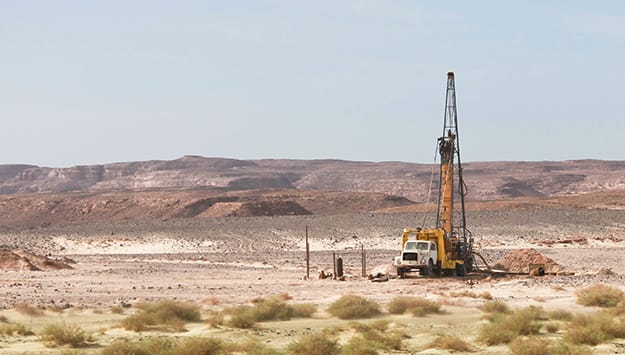
Egypt is not out of the dark, but there is reason to be hopeful. The nation’s energy market reforms and consistent debt repayments have won the attention and approval of international energy companies and investors in the form of significant investment in the Egyptian energy sector. New upstream (exploration and production) oil and gas contracts, a recent increase in renewable energy ventures, and dozens of additional preliminary agreements in both the hydrocarbon and utility sectors are proof of the improved investment climate.
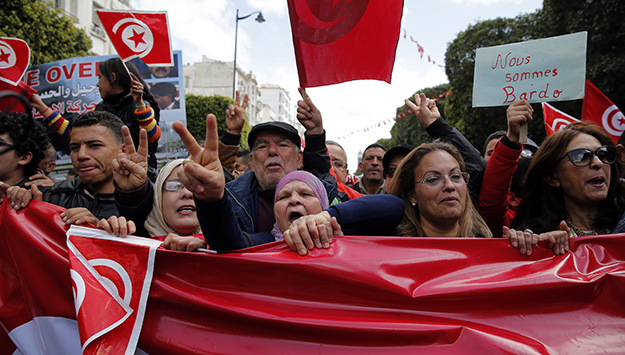
At face value, the targets of the Bardo Museum attack on March 18 in Tunis were Tunisia and the West, the former as the sole survivor of the “Arab Spring,” a country that has been successful in bridging the transition toward a democratic order, and the latter as the foe that radical Islamism seeks to defeat and supplant. A more extreme secular reading of the event may even see in it a punishment for Tunisia for having denied Islamist parties the coveted electoral victory and a reminder that, even from the margins, Islamism will dictate the course of the nation.
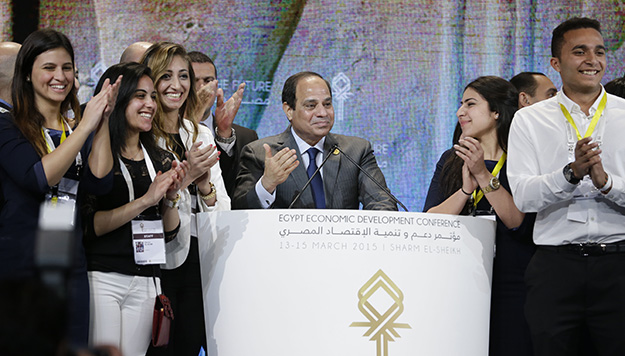
The Egypt Economic Development Conference: Success or Failure?
Saudi Arabia’s late King Abdullah first conceived of the Egypt Economic Development Conference (EEDC) as a means of supporting Egypt and its new government after the toppling of President Mohamed Morsi in June 2013. The plan was to provide a forum through which donors could coordinate their economic assistance, and lengthy preparations finally culminated in a well-organized event on March 13-15.
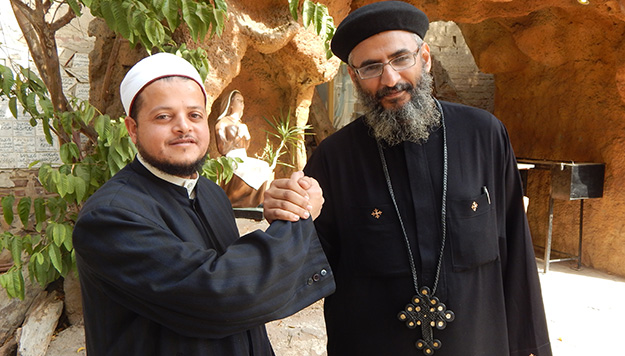
The Egyptian Family House: Fostering Religious Unity
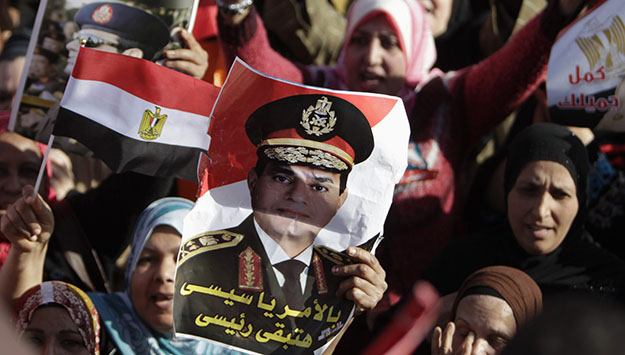
Egypt’s President Abdel Fattah el-Sisi has not been shy about the need to reform religious discourse and relations.[1] He is concerned about how the image of Islam has been marred by Muslims themselves, and how extremist thought has torn the fabric of Muslim-Christian unity. Visiting the Coptic Orthodox cathedral on Christmas Eve, he told the cheering audience, “We will build Egypt together.
Collection Spotlight: In the Name of Oil: Anglo-American Relations in the Middle East, 1950-1958
Ivan L. G. Pearson’s In the Name of Oil: Anglo-American Relations in the Middle East, 1950-1958 provides a comprehensive analysis of the extent to which British interests in the Middle East influenced or were furthered by the United States between 1950 and 1958.
The oldest peer-reviewed publication dedicated to the study of the modern Middle East, MEI’s flagship journal covers politics, society, and culture in the region.










 Ivan L. G. Pearson’s In the Name of Oil: Anglo-American Relations in the Middle East, 1950-1958 provides a comprehensive analysis of the extent to which British interests in the Middle East influenced or were furthered by the United States between 1950 and 1958.