Reflections on a Diplomatic Career in the Middle East: A Conversation With Ambassador Yael Lempert
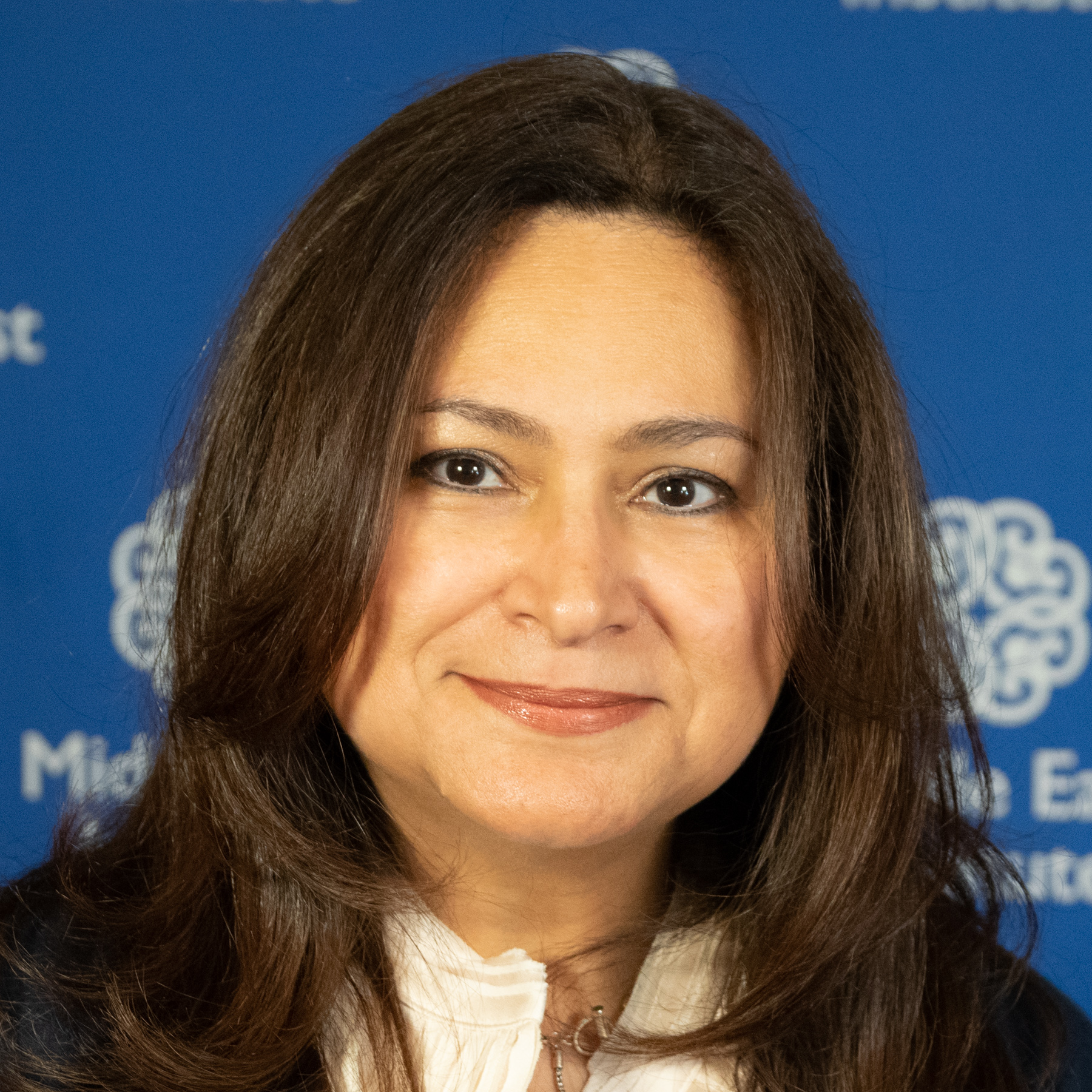
Brian is joined by Amb. (ret.) Yael Lempert, Vice President for Outreach at MEI, to discuss her career in diplomacy and the importance of US diplomatic efforts abroad. She shares stories from postings across the Middle East in Baghdad, Cairo, Tripoli, Jerusalem, and Amman and examines how her personal and professional experiences shaped her approach to the work. Together, Brian and Yael discuss the realities of life in the Foreign Service, the core tenets of American diplomacy, and why it matters in today’s Middle East.
This summer, brutally hot temperatures, deepening water scarcity, and spiking fertilizer costs have put North Africa’s agricultural sector under intense pressure. Host Alistair Taylor is joined by Mohammed Mahmoud, CEO and founder of the Climate and Water Initiative and lead for Middle East Climate and Water Policy at the United Nations University Institute for Water, Environment, and Health, to unpack the region’s food and water security challenges. Drawing on Mahmoud’s new report card on agricultural sustainability in North Africa, they explore the diverging picture across the region, why some countries have weathered the strain better than others, and what it will take to build a more resilient and secure food system.
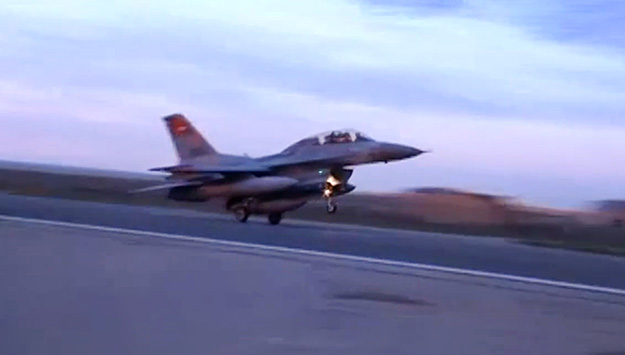
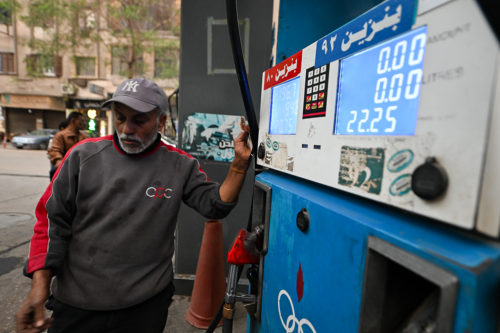
Battered but Still Standing, Egypt Tries to Weather the Economic Ravages of the Iran War
While Egypt is not in the direct line of fire in the US-Israeli war with Iran, its economy is acutely vulnerable to the conflict. In addition to the rising energy prices and shortages that have affected much of the world, it also struggled with issues that reflected its economy’s own underlying structural vulnerabilities.
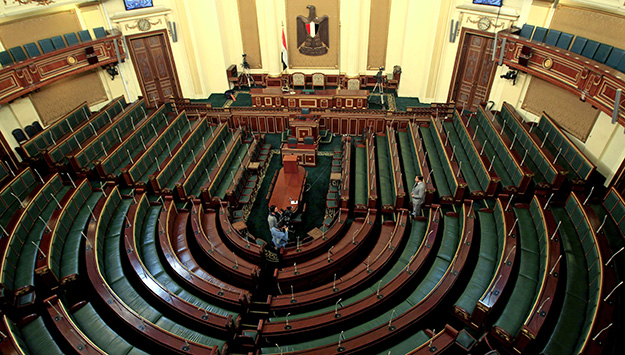
In March, Egypt’s Supreme Administrative Court suspended the country’s long-awaited parliamentary elections,[1] originally scheduled to begin March 21.
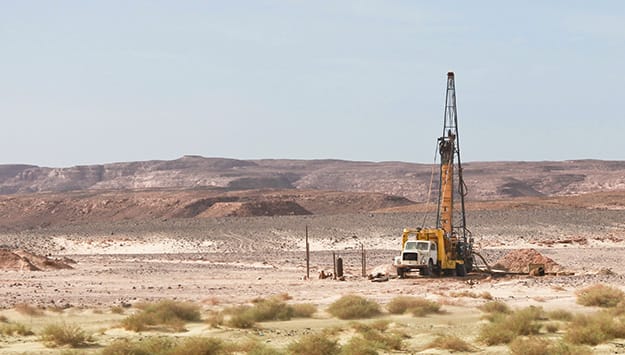
Egypt is not out of the dark, but there is reason to be hopeful. The nation’s energy market reforms and consistent debt repayments have won the attention and approval of international energy companies and investors in the form of significant investment in the Egyptian energy sector. New upstream (exploration and production) oil and gas contracts, a recent increase in renewable energy ventures, and dozens of additional preliminary agreements in both the hydrocarbon and utility sectors are proof of the improved investment climate.
The Egypt Economic Development Conference: Success or Failure?
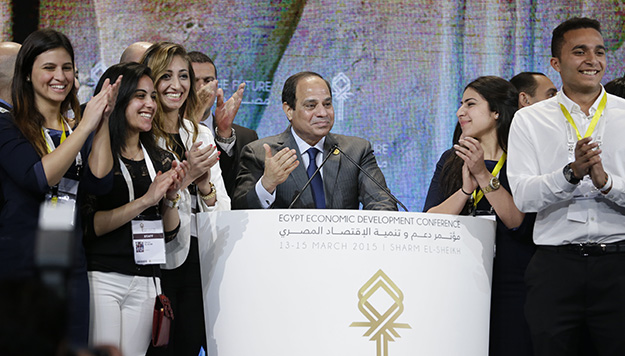
Saudi Arabia’s late King Abdullah first conceived of the Egypt Economic Development Conference (EEDC) as a means of supporting Egypt and its new government after the toppling of President Mohamed Morsi in June 2013. The plan was to provide a forum through which donors could coordinate their economic assistance, and lengthy preparations finally culminated in a well-organized event on March 13-15.
The Egyptian Family House: Fostering Religious Unity
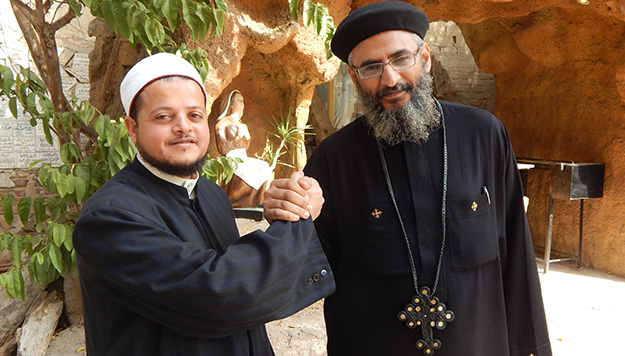
Egypt’s President Abdel Fattah el-Sisi has not been shy about the need to reform religious discourse and relations.[1] He is concerned about how the image of Islam has been marred by Muslims themselves, and how extremist thought has torn the fabric of Muslim-Christian unity. Visiting the Coptic Orthodox cathedral on Christmas Eve, he told the cheering audience, “We will build Egypt together.
Collection Spotlight: In the Name of Oil: Anglo-American Relations in the Middle East, 1950-1958
Ivan L. G. Pearson’s In the Name of Oil: Anglo-American Relations in the Middle East, 1950-1958 provides a comprehensive analysis of the extent to which British interests in the Middle East influenced or were furthered by the United States between 1950 and 1958.
The Egypt Economic Conference: Q&A with Hoda Selim
Egypt’s Economic Development Conference will be held in Sharm el-Sheikh March 13-15, 2015. The conference aims to lay out the Egyptian government’s economic vision and plans for reform and position Egypt as a desirable destination for international investment. We spoke with Hoda Selim, an economist at Egypt’s Economic Research Forum, about the country’s current economic position and how the conference could help.
On March 13, Egyptian President Abdel Fattah el-Sisi will inaugurate the Egypt Economic Development Conference in the resort city of Sharm el-Sheikh. The main objective of the conference is to put Egypt back on the world investment map. Sisi’s government is aiming to achieve a target of $60 billion of foreign investment in the coming five years. This ambitious amount would close Egypt’s resource gap and would generate sufficient growth to absorb growing unemployment.
As 2014 drew to a close, the Egyptian economy was making international headlines. The Financial Times called Egypt the world’s best destination for stock market investment.[1] Meanwhile, the Egyptian press documented a flurry of visits by delegations of businessmen from various economic superpowers.
“Crises left to fester sometimes find their own way to the front burner.” Written on January 5, 2015, this sentence reflected my fear that starving Libya of high-profile international attention was increasingly risky. The beheading of 21 Egyptian Coptic Christians in Libya by Islamic State (ISIS) extremists this week appears to have placed the situation in Libya front and center.
The government of former Egyptian President Hosni Mubarak had a vision for Cairo’s future. In 2007, it put forth a plan dubbed “Cairo 2050,” and among its objectives was to create wide avenues, green spaces, and new or revamped tourist sites, such as near the Pyramids.
Egypt's Security Challenge: ISIS, Sinai, and the Libyan Border
On January 28, 2015, jihadis in Sinai launched multiple, simultaneous attacks against Egyptian security forces in the vicinity of El Arish and the nearby towns of Sheikh Zuweid and Rafah. These attacks occurred only hours after President Abdul-Fattah el-Sisi said that he would die defending the region from terror. “We will never leave Sinai,” Sisi said. “Sinai is ours.
The oldest peer-reviewed publication dedicated to the study of the modern Middle East, MEI’s flagship journal covers politics, society, and culture in the region.




 Ivan L. G. Pearson’s In the Name of Oil: Anglo-American Relations in the Middle East, 1950-1958 provides a comprehensive analysis of the extent to which British interests in the Middle East influenced or were furthered by the United States between 1950 and 1958.