Reflections on a Diplomatic Career in the Middle East: A Conversation With Ambassador Yael Lempert
Brian is joined by Amb. (ret.) Yael Lempert, Vice President for Outreach at MEI, to discuss her career in diplomacy and the importance of US diplomatic efforts abroad. She shares stories from postings across the Middle East in Baghdad, Cairo, Tripoli, Jerusalem, and Amman and examines how her personal and professional experiences shaped her approach to the work. Together, Brian and Yael discuss the realities of life in the Foreign Service, the core tenets of American diplomacy, and why it matters in today’s Middle East.
This summer, brutally hot temperatures, deepening water scarcity, and spiking fertilizer costs have put North Africa’s agricultural sector under intense pressure. Host Alistair Taylor is joined by Mohammed Mahmoud, CEO and founder of the Climate and Water Initiative and lead for Middle East Climate and Water Policy at the United Nations University Institute for Water, Environment, and Health, to unpack the region’s food and water security challenges. Drawing on Mahmoud’s new report card on agricultural sustainability in North Africa, they explore the diverging picture across the region, why some countries have weathered the strain better than others, and what it will take to build a more resilient and secure food system.
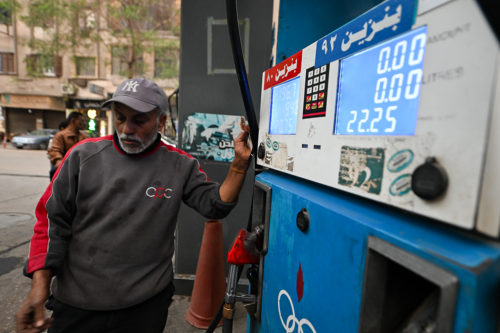
Battered but Still Standing, Egypt Tries to Weather the Economic Ravages of the Iran War
While Egypt is not in the direct line of fire in the US-Israeli war with Iran, its economy is acutely vulnerable to the conflict. In addition to the rising energy prices and shortages that have affected much of the world, it also struggled with issues that reflected its economy’s own underlying structural vulnerabilities.
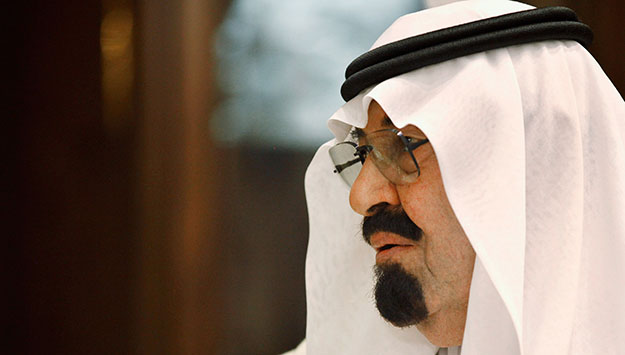
When King Abdullah of Saudi Arabia and his foreign minister, Prince Saud al-Faisal, issued unequivocal pledges of support for Egypt’s military government and its crackdown on the Muslim Brotherhood, their move was widely depicted in the news media as a logical extension of the kingdom’s opposition to revolutionary movements in the Arab world. This simplistic view overlooks the fact that Saudi Arabia has responded differently to different uprisings—it supports the rebels in Syria, helped to crush them in Bahrain—and that aligning itself with Egypt’s new rulers could be a risky strategy.
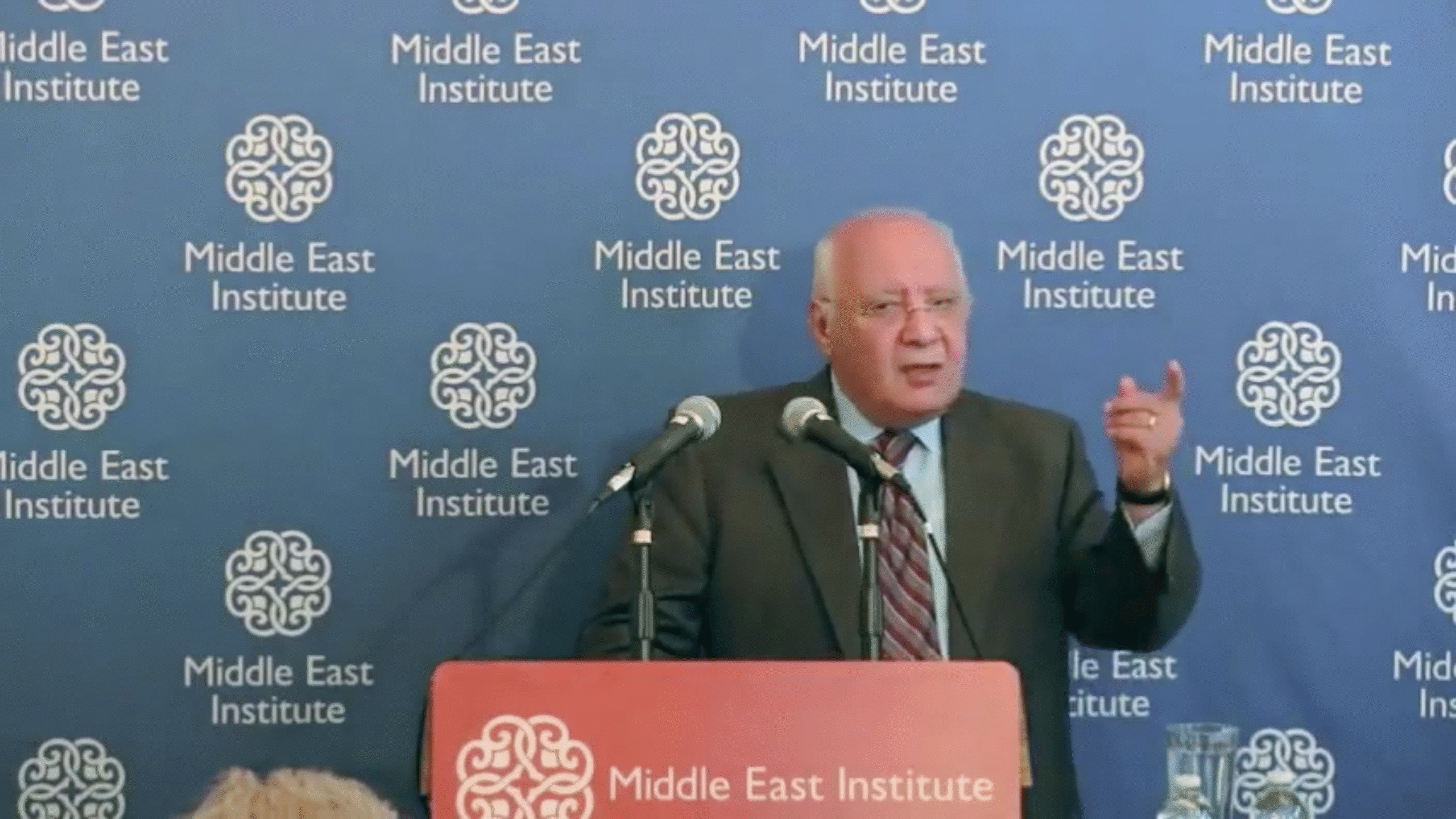
The Middle East Institute is pleased to welcome H.E. Ambassador Raouf Adly Saad, former special envoy to Africa of the interim president of Egypt, for a conversation about Egypt’s political transition and future. In light of Egypt’s many challenges, Ambassador Saad will discuss the transitional government’s goals and priorities and offer his insights about how to get Egypt on a path toward economic stability and democracy.
The American relationship with Egypt needs to change if Washington wants to have substantive influence in Cairo. America’s recent strategy in Egypt has been focused on buying Egyptian compliance through military and economic aid, but it seems to have had little effect.
With the dual announcement this week of the completion of a preliminary constitutional draft by a ten-member committee of experts, in addition to appointments to the quasi-governmental National Council on Human Rights, Egyptians finally have reason to be cautiously optimistic.
Wed, 8/14/2013 12:00 pm to 1:00 pm The Middle East Institute is pleased to welcome H.E. Ambassador Raouf Adly Saad, former special envoy to Africa of the interim president of Egypt, for a conversation about Egypt’s political transition and future. In light of Egypt’s many challenges, Ambassador Saad will discuss the transitional government’s goals and priorities and offer his insights about how to get Egypt on a path toward economic stability and democracy.Bios:H.E. Ambassador Raouf Adly Saad served as the special envoy to Africa for Interim Egyptian President Adly Mansour.
Wed, 8/14/2013 12:00 pm to 1:00 pm The Middle East Institute is pleased to welcome H.E. Ambassador Raouf Adly Saad, former special envoy to Africa of the interim president of Egypt, for a conversation about Egypt’s political transition and future. In light of Egypt’s many challenges, Ambassador Saad will discuss the transitional government’s goals and priorities and offer his insights about how to get Egypt on a path toward economic stability and democracy.Bios:H.E. Ambassador Raouf Adly Saad served as the special envoy to Africa for Interim Egyptian President Adly Mansour.
Wed, 8/14/2013 12:00 pm to 1:00 pm The Middle East Institute is pleased to welcome H.E. Ambassador Raouf Adly Saad, former special envoy to Africa of the interim president of Egypt, for a conversation about Egypt’s political transition and future. In light of Egypt’s many challenges, Ambassador Saad will discuss the transitional government’s goals and priorities and offer his insights about how to get Egypt on a path toward economic stability and democracy.Bios:H.E. Ambassador Raouf Adly Saad served as the special envoy to Africa for Interim Egyptian President Adly Mansour.
Wed, 8/14/2013 12:00 pm to 1:00 pm The Middle East Institute is pleased to welcome H.E. Ambassador Raouf Adly Saad, former special envoy to Africa of the interim president of Egypt, for a conversation about Egypt’s political transition and future. In light of Egypt’s many challenges, Ambassador Saad will discuss the transitional government’s goals and priorities and offer his insights about how to get Egypt on a path toward economic stability and democracy.Bios:H.E. Ambassador Raouf Adly Saad served as the special envoy to Africa for Interim Egyptian President Adly Mansour.
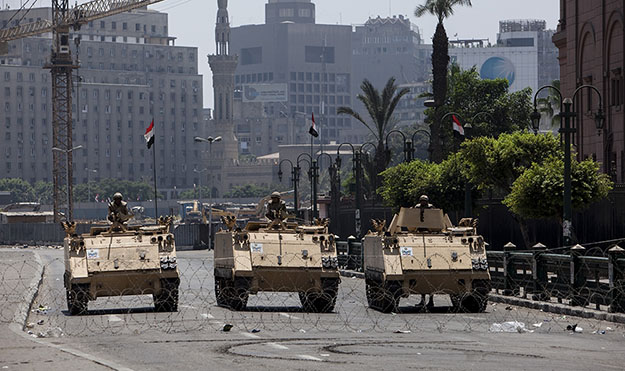
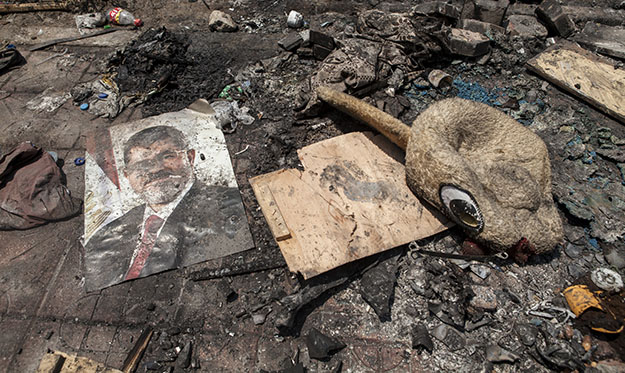
1. The current state apparatus is intent on using force to disperse sit-ins—protests that are a direct response to a genuine political crisis. Blood has been spilled; victims are being shot down. Political solutions have been willfully ignored, and so has the fact that efforts to bring about such solutions are absolutely critical, regardless of what difficulties or obstacles may stand in the way.
Egypt after June 30: Violence in Speech, Politics, & Institutions
The current wave of violence in Egypt, which began in the wake of June 30, 2013, is unlike any other the Egyptian public has witnessed since the January 25 revolution of 2011. Both verbal and political forms of violence are driving Egypt’s state and society toward a dangerous precipice—and to a total departure from the path to democratic transformation.
“What’s interesting about the Christians is that when they elect Shafik, they comprise half the population; when they go down to Ittihadiya [Palace] they are most of the population; when it comes to building churches they are five percent; and right before the elections they are partners in the nation.”
–Egyptian satirist Bassem Youssef, December 14, 2012[1]
The fact that millions of Egyptians welcomed back the military and the police in order to depose Morsi and his Muslim Brotherhood in early July has given the police a regained sense of control and authority. As such, they have returned to the streets in large numbers and, moreover, have been implicated in the shooting deaths of protestors calling for Morsi’s reinstatement.
The oldest peer-reviewed publication dedicated to the study of the modern Middle East, MEI’s flagship journal covers politics, society, and culture in the region.