This summer, brutally hot temperatures, deepening water scarcity, and spiking fertilizer costs have put North Africa’s agricultural sector under intense pressure. Host Alistair Taylor is joined by Mohammed Mahmoud, CEO and founder of the Climate and Water Initiative and lead for Middle East Climate and Water Policy at the United Nations University Institute for Water, Environment, and Health, to unpack the region’s food and water security challenges. Drawing on Mahmoud’s new report card on agricultural sustainability in North Africa, they explore the diverging picture across the region, why some countries have weathered the strain better than others, and what it will take to build a more resilient and secure food system.
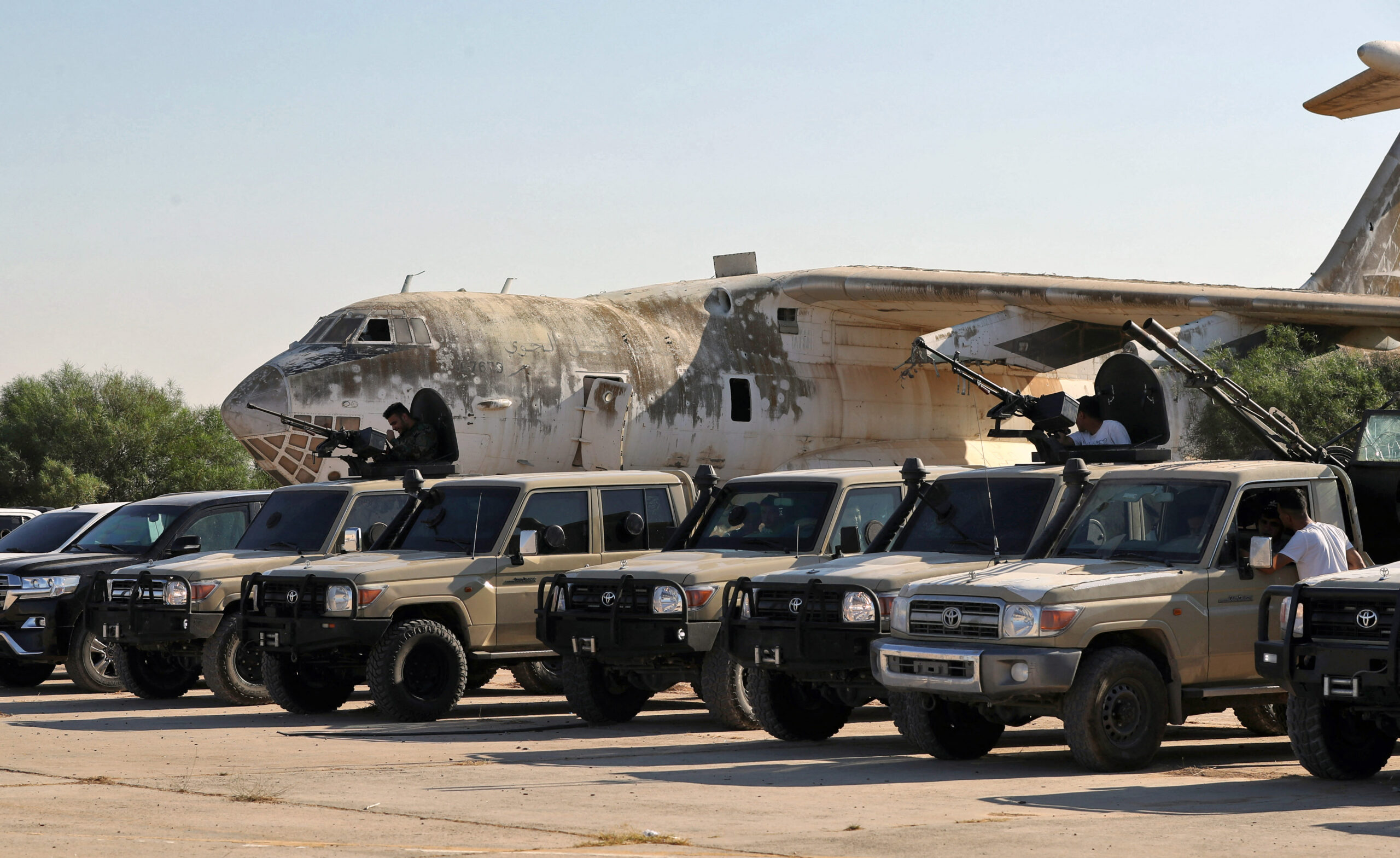
After over a decade of division between rival factions in eastern and western Libya, the Trump administration has put forward a plan to unite the two sides through a power-sharing agreement. Hosts Alistair Taylor and Matthew Czekaj are joined by MEI Distinguished Diplomatic Fellow Jonathan M. Winer to unpack the details of this proposal and its potential consequences for the Libyan people. Winer, who served as United States Special Envoy for Libya, offers analysis of the plan’s viability, the response of various actors on the ground, and whether it can stabilize the country and help resolve its deep-seated challenges.
Libya’s Fragile Equilibrium: Succession Risk and Energy Stability
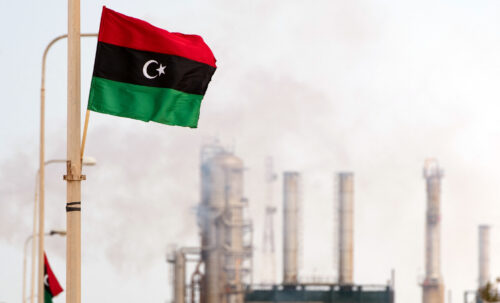
Libya’s stability has taken on renewed strategic importance as the impact of the US and Israeli war with Iran reverberates through global energy markets. Sustaining existing Libyan oil production depends on a governing arrangement capable of keeping ports open, pipelines flowing, and revenues distributed without triggering conflict.
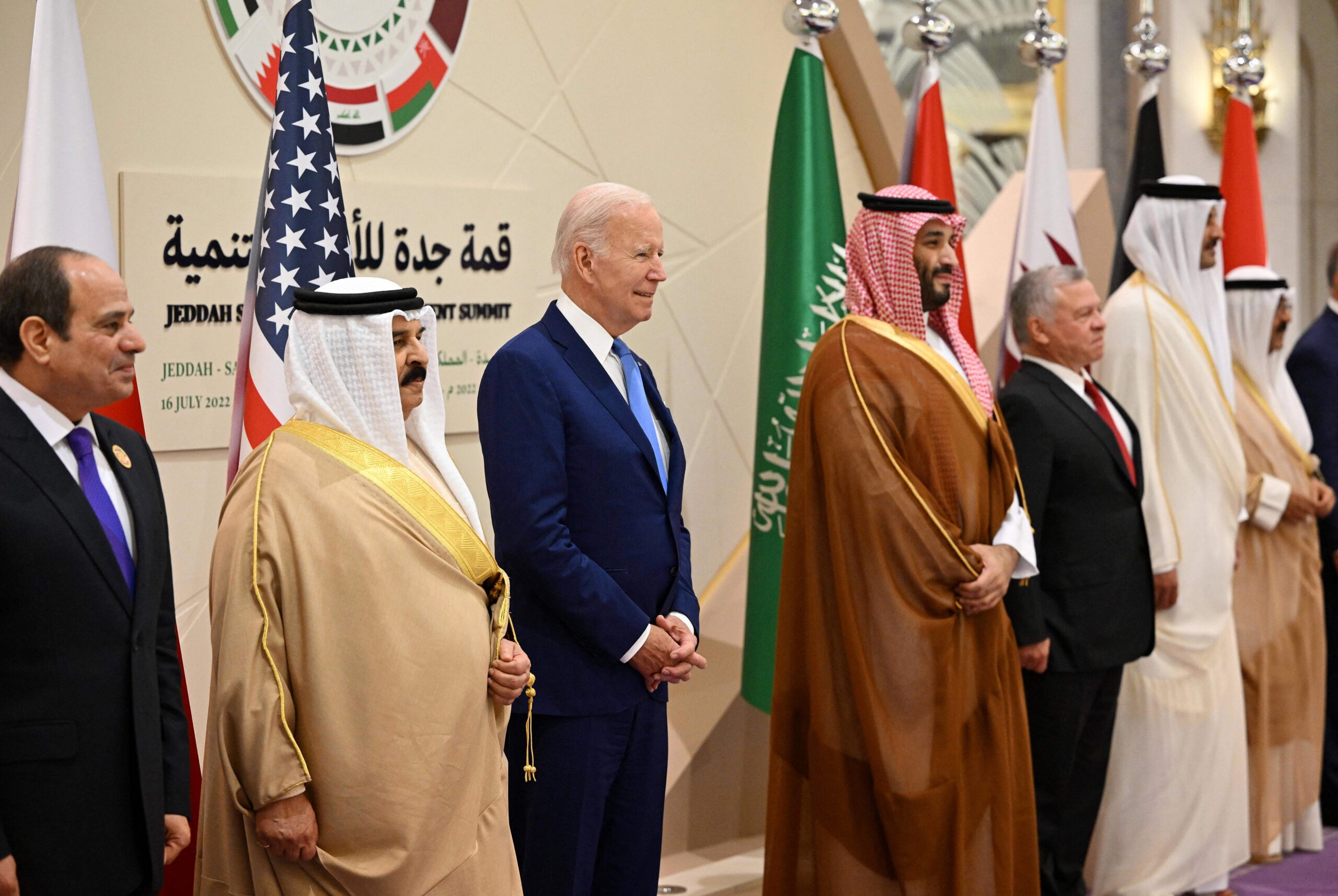
Treading Cautiously on Shifting Sands: An Assessment of Biden’s Middle East Policy Approach, 2021-2023
This report provides an interim assessment of the Biden administration’s overall Middle East strategy and examines the strategic opportunities and risks for U.S. policy in the broader region.
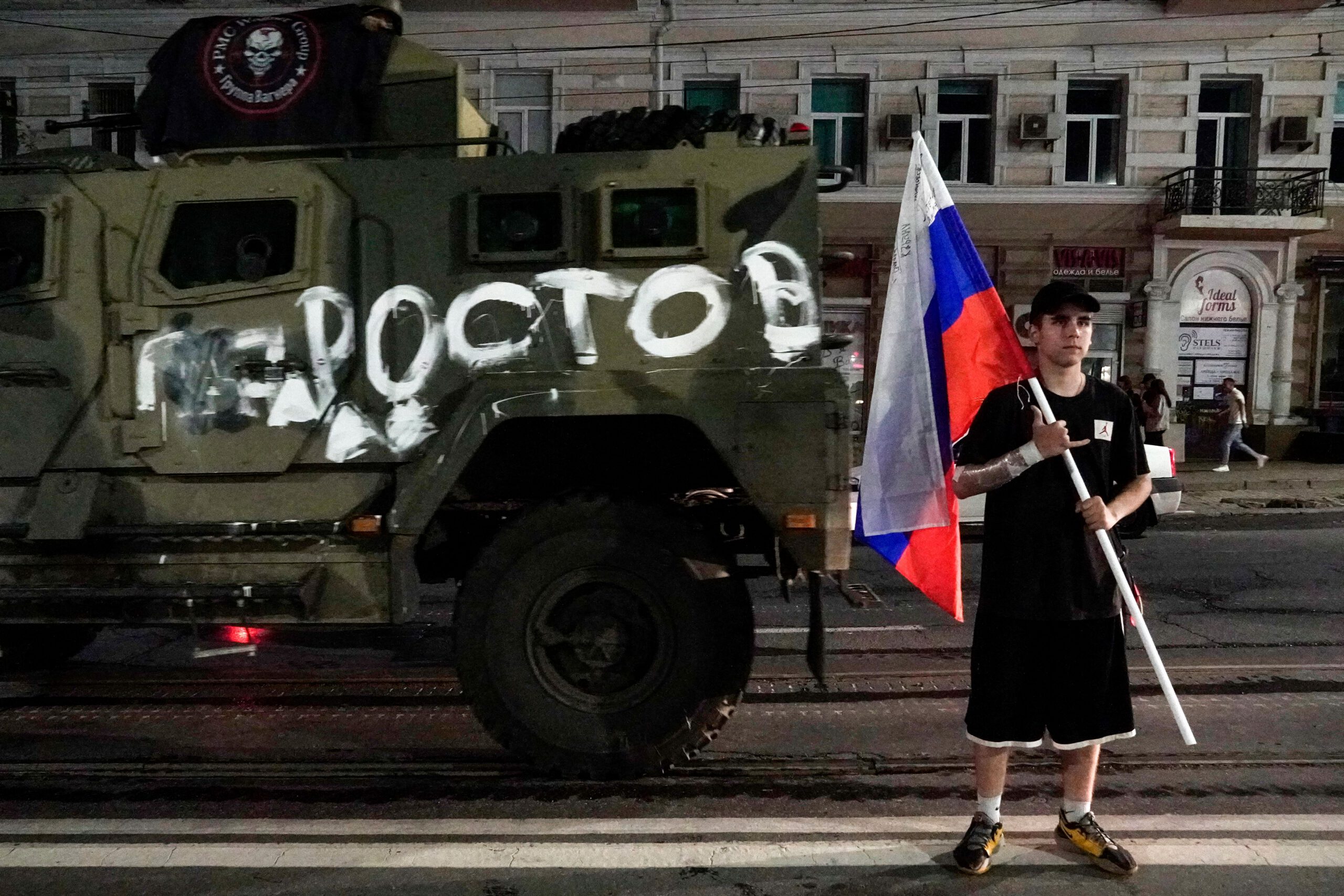
After Prigozhin: The future of Wagner and Russian gray zone activities in MENA
As the Wagner Group has an entrenched military presence in Syria, Libya, and Sudan, the evisceration of its senior leadership will have serious repercussions for Russia’s influence in the MENA region. Wagner’s military contractors are unlikely to depart, since they guard strategically valuable oil and mining facilities; but they are likely to now be swiftly integrated into the regular Russian Armed Forces.
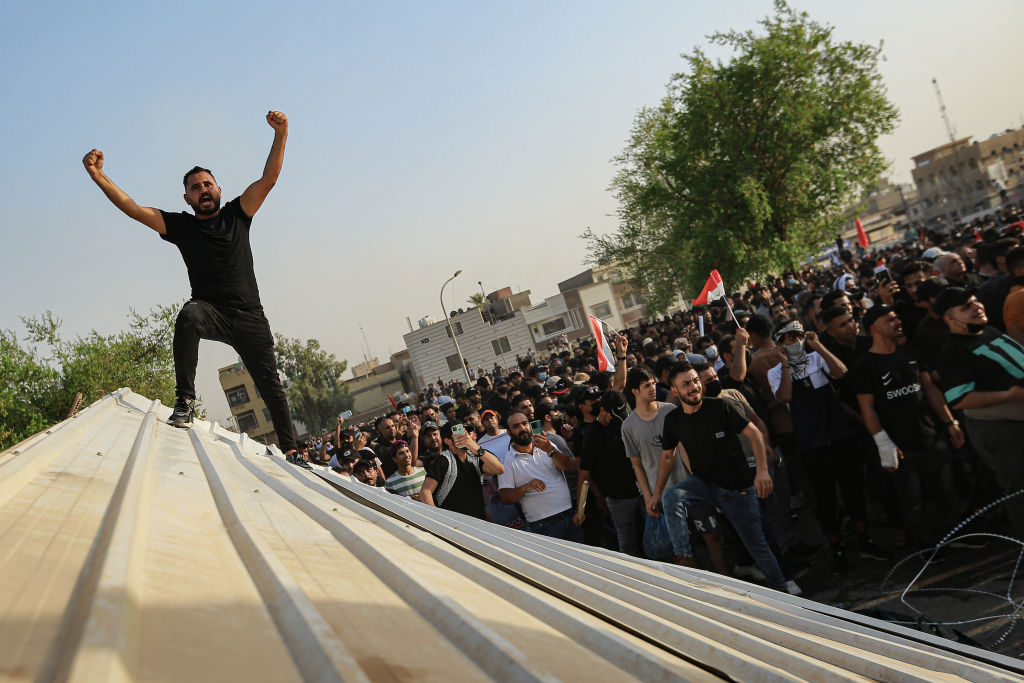
Libya’s ongoing debate over the role of political parties
Libya’s political players have grappled with how to build a political party culture since the country held its first post-Gadhafi elections in 2012. Under Moammar Gadhafi, political organizing was banned. Decades of regime propaganda against outlawed opposition movements made Libyans suspicious of political groups and parties.
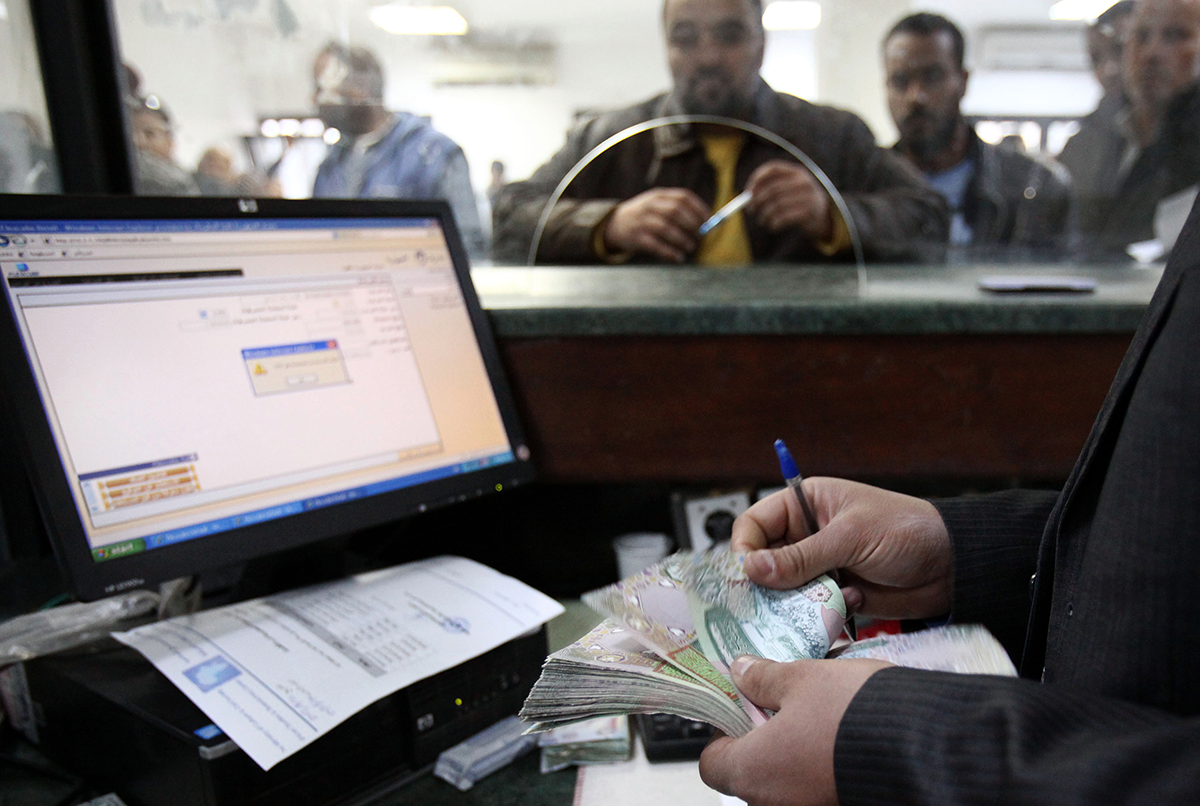
The Libyan Banking Sector: A Microcosm of Global Enduring Disorder
This paper investigates the ongoing Libya conflict through the Enduring Disorder paradigm, focusing on the financial and banking sectors, honing in on stakeholder perceptions of the Central Bank of Libya (CBL), its transparency/opacity, and the “narrative wars” over who is to blame for, and who benefits from, Libya’s economic dysfunction, the lack of an annual budget, and the current lack of a quorum on the CBL board.
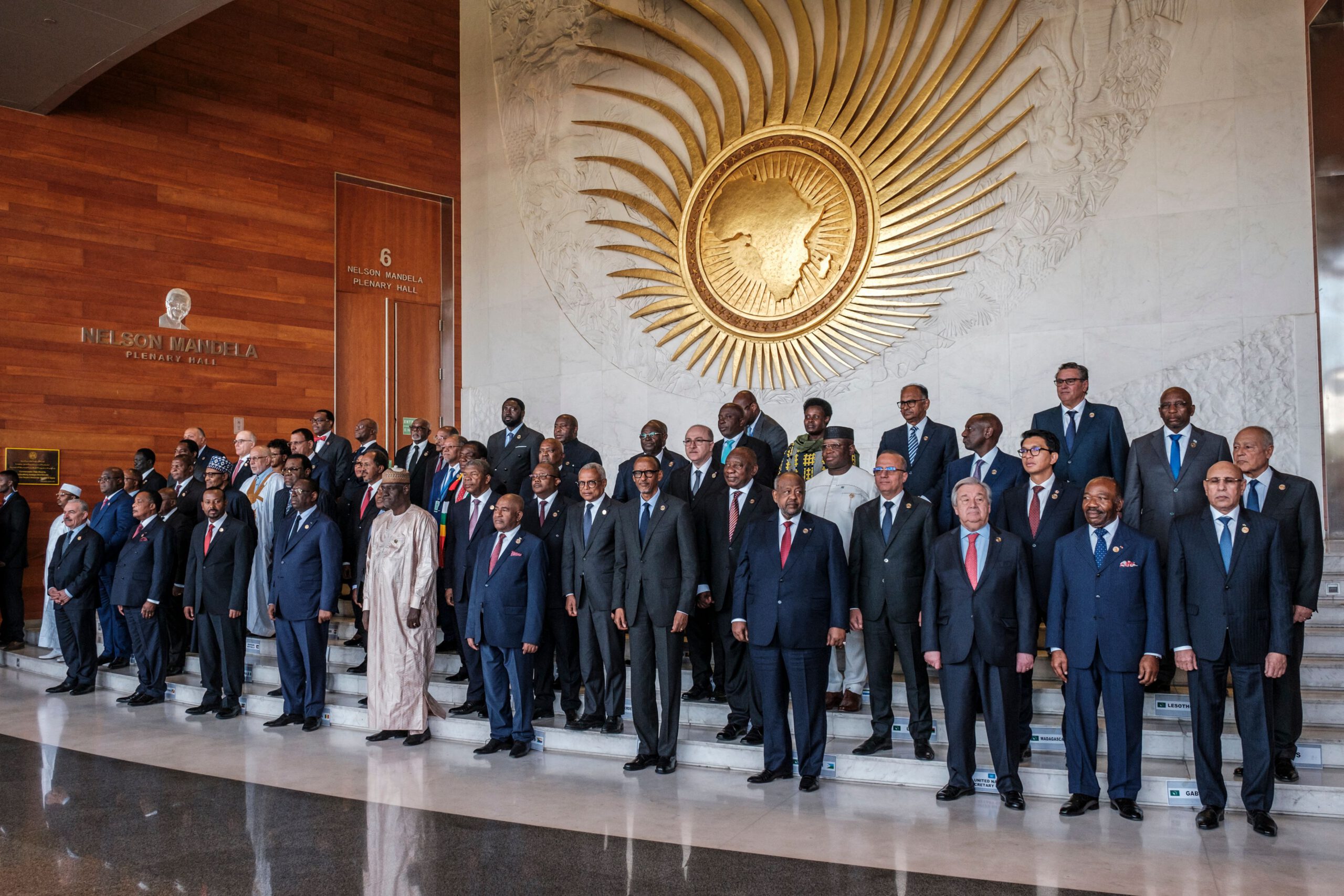
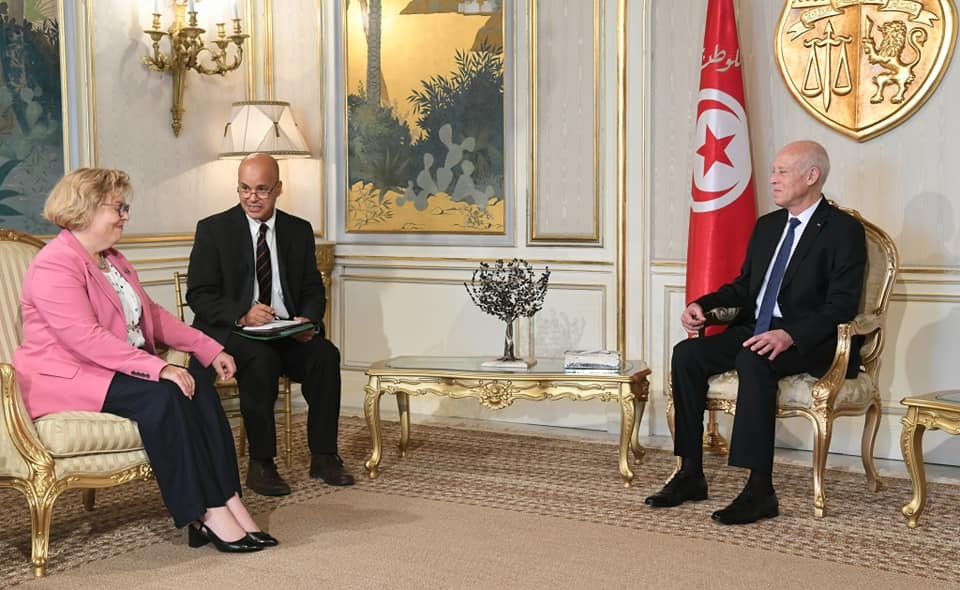
On Sept. 2, the United Nations appointed a new special envoy for Libya, Senegalese diplomat Abdoulaye Bathily. But to have any chance of success, Bathily will need to reach out to local-level Libyan leaders who oppose the status quo preferred by Libya’s national politicians.
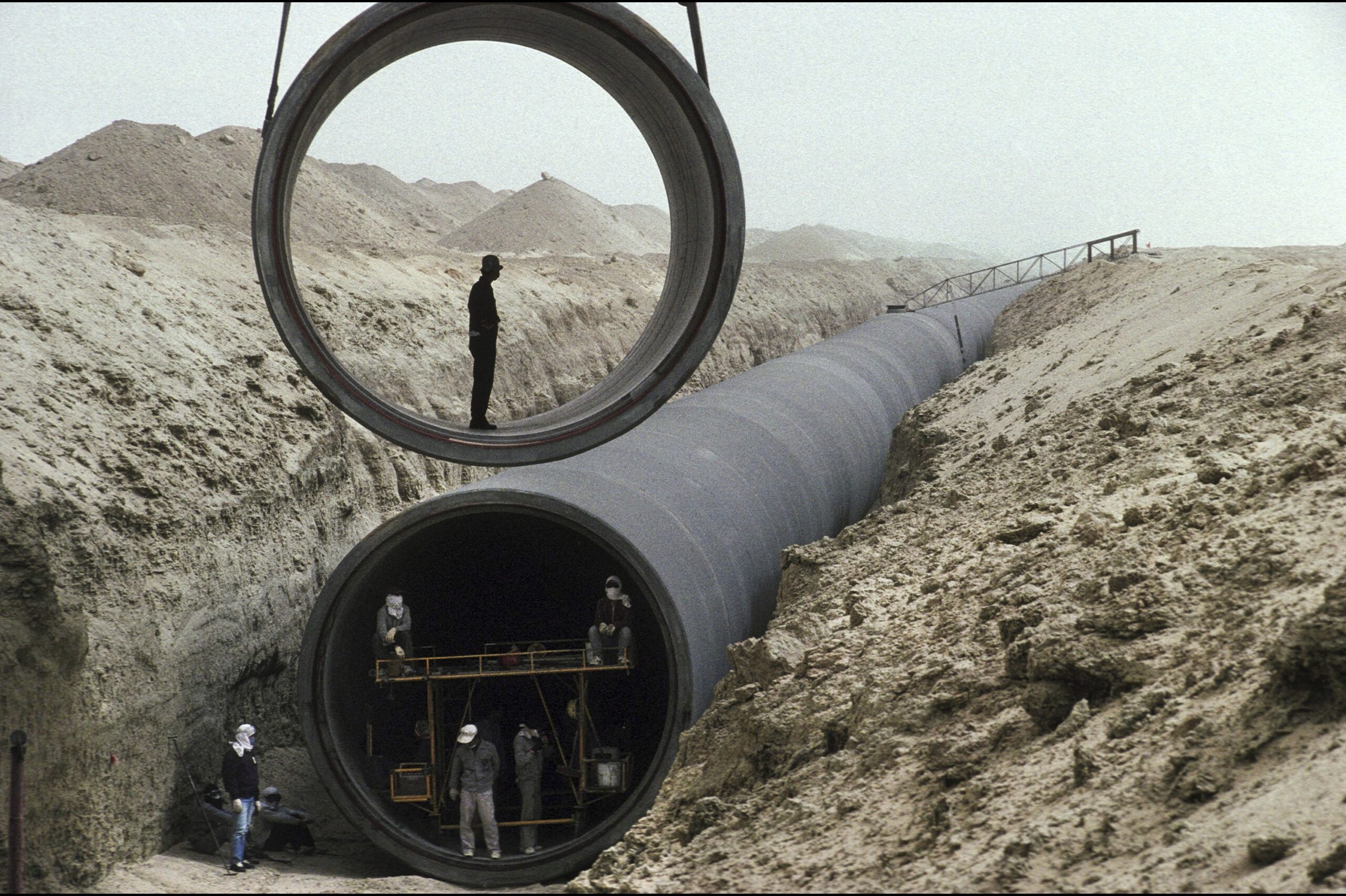
What’s next for Libya’s Great Man-Made River Project?
The Middle East and North Africa are well known for their severe water scarcity. The region’s lack of water resources is the result of many factors, including the harsh climate, intense heat, high evaporation rates, and increasing population growth. Libya is no exception in this regard. According to the World Resources Institute, it ranks 6th among the top countries worldwide facing “extremely high baseline” water stress.
The oldest peer-reviewed publication dedicated to the study of the modern Middle East, MEI’s flagship journal covers politics, society, and culture in the region.