Syria’s Suwayda protests underscore pressing need for a political solution
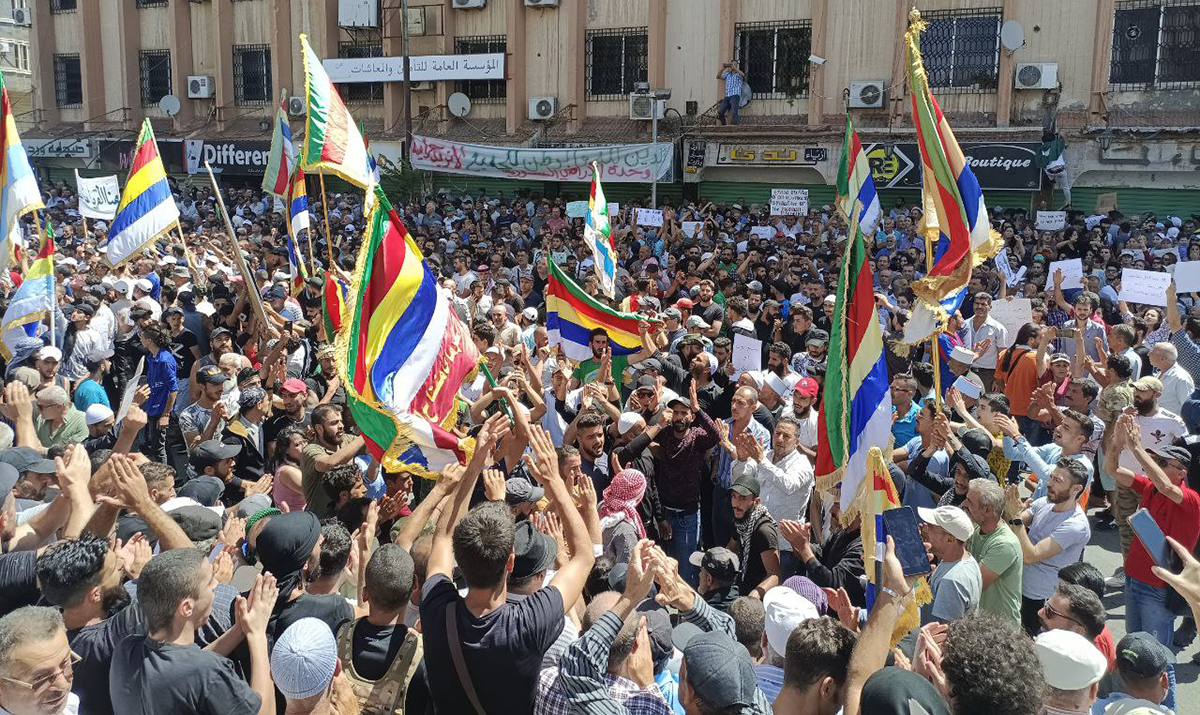
Despite the great magnitude of the disaster that has befallen Syria over the past 12 years, Syrians have not wavered in their perseverance and belief in their right to a free and dignified life. In the city of Suwayda in the south, for the seventh consecutive week now, peaceful popular demonstrations continue with diverse participation from all segments of the Syrian people.
مظاهرات السويداء في سوريا تؤكد الضرورة الملحّة الى الحل السياسي
فمن مدينة السويداء في الجنوب ، وللأسبوع السابع على التوالي، تستمر مظاهراتها الشعبية السلمية وبمشاركة متنوعة لكل أطياف الشعب السوري ممن تمكن من الوصول لساحاتها، وتتجاوب معها بعض من المدن السورية، معيدة احياء مسيرة الثورة السورية التي انطلقت في أذار 2011.
Nagorno Karabakh offers the US a chance to make new friends and weaken old enemies
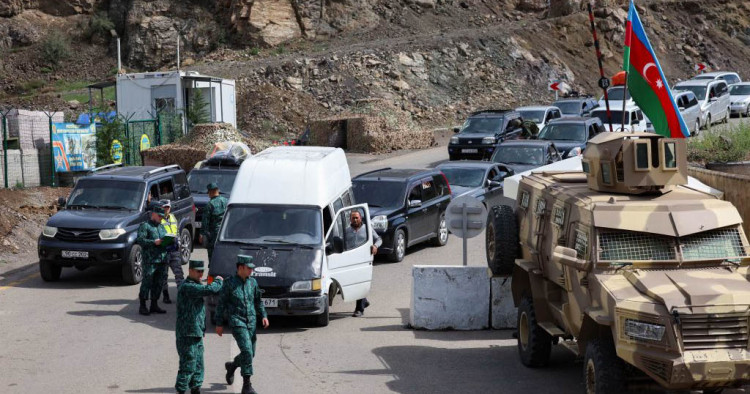
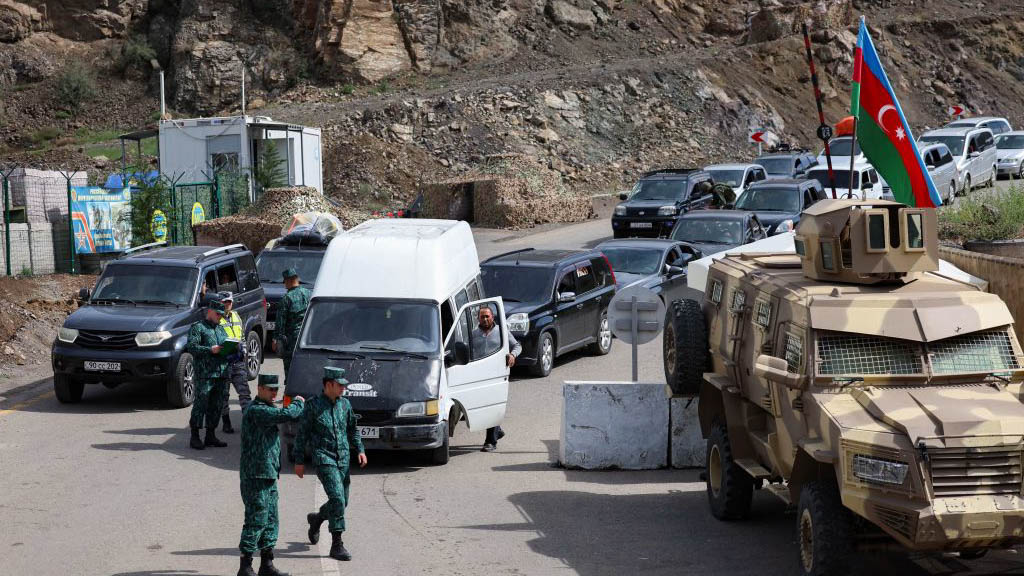
The latest war over Nagorno Karabakh lasted a single day, ending on Sept. 20. It is the third war over the region disputed between Azerbaijan and Armenia in the last three and a half decades.
But this time, it seems there was really only one party to the conflict. Armenia stayed out, leaving it to the Armenians of Nagorno Karabakh to surrender.
A hundred thousand people have fled to Armenia, roughly 80 percent of the Karabakh population. What’s more, Armenia’s most powerful allies, Iran and Russia, appear to be distracted and marginally engaged.
Myths and realities of ‘gender apartheid’ in Afghanistan under the Taliban
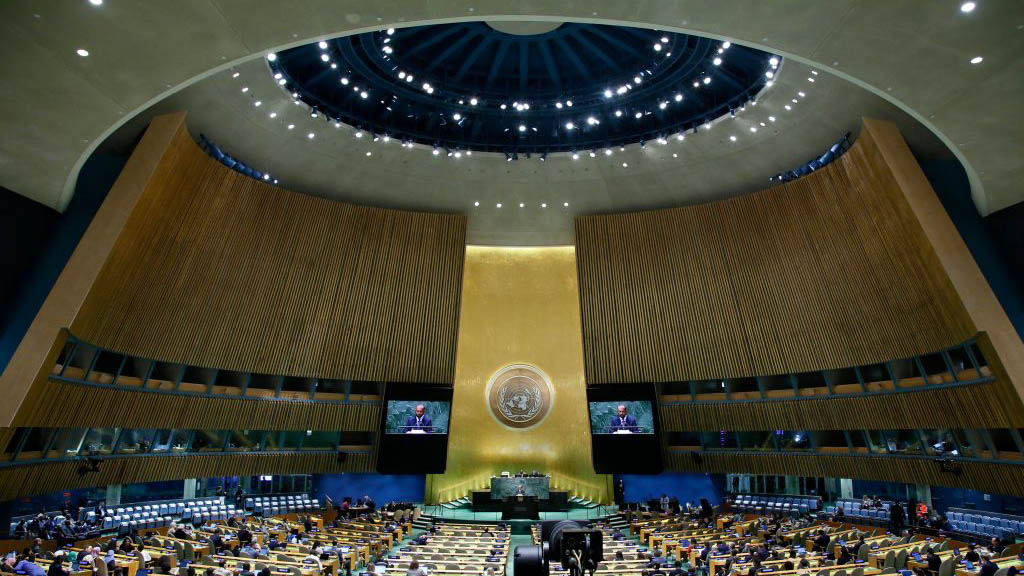
The dire state of girls and women in Afghanistan under the Taliban, a tragedy that has featured frequently in international media reports in the last two years, came up for discussion in the United Nations Security Council (UNSC) on September 27. The UNSC convened for an open briefing, followed by consultations focusing on the severe restrictions imposed on the rights of women and girls in the country.
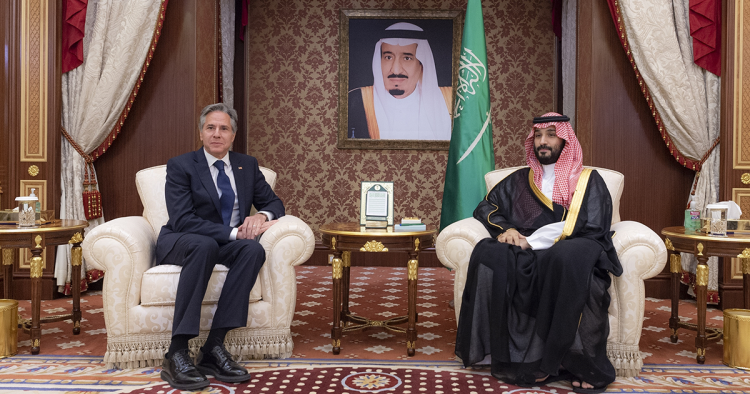
Key takeaways from Mohammed bin Salman’s Fox interview
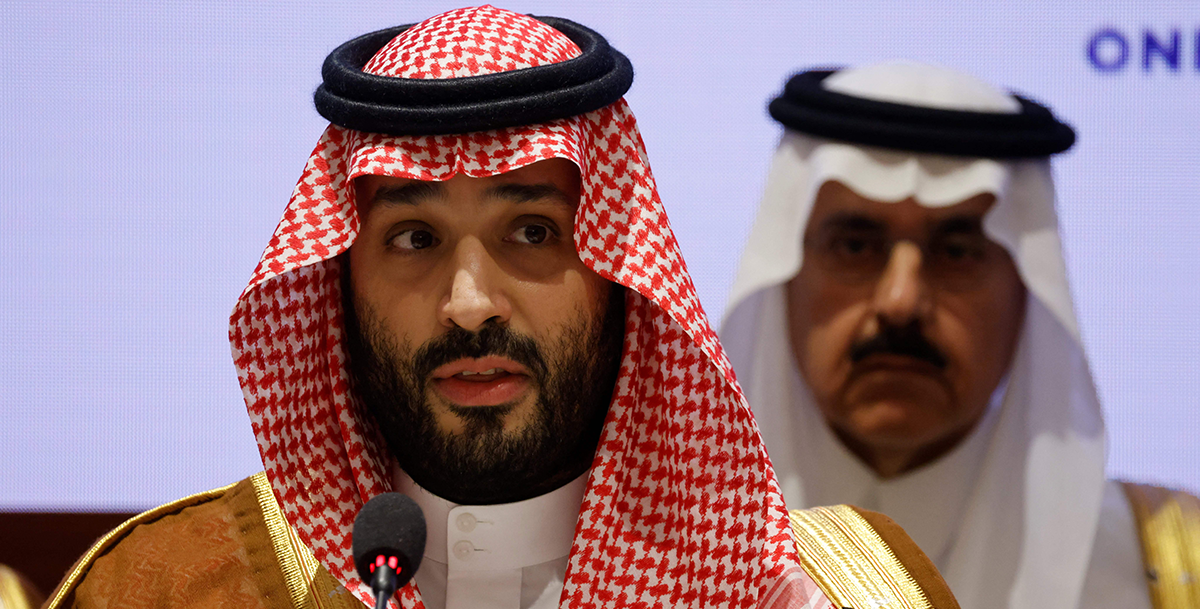
Saudi Crown Prince Mohamed bin Salman’s interview on Wednesday night with Bret Baier of Fox News didn’t break news or produce controversy. But that wasn’t the point of his appearance on one of America’s top networks.
Autocracy not reform remains Erdoğan’s recipe for Turkey
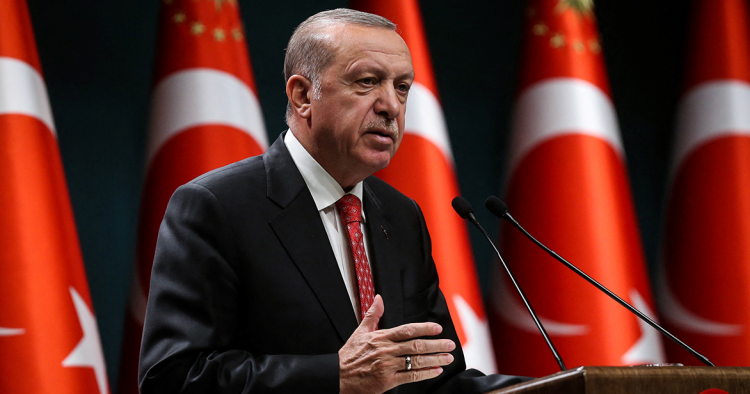
Since Turkey’s presidential election in May, western analysts have held out hope that Recep Tayyip Erdoğan will moderate his strongman style of rule. Feeding their optimism are several steps Erdoğan has taken, including appointing market-friendly technocrats to his economic team, replacing the hardline interior minister, dialling down anti-western rhetoric and voicing support for Sweden’s Nato membership. All these moves, however, are aimed at strengthening Erdoğan’s one-man rule, and the west is helping him.
The costs and benefits of Saudi-Israeli normalisation
For all the hype about the potential normalisation of ties between Saudi Arabia and Israel, it remains vastly unclear whether the United States — the indispensable enabler and guarantor of such a deal — is willing or able to accept the kingdom’s conditions to reach an agreement.
In return for its cooperation, Saudi Arabia wants from Washington a formal defence pact, assistance in building a civilian nuclear programme, and expedited access to high-end US weapons, including F-35 fifth-generation fighter aircraft.
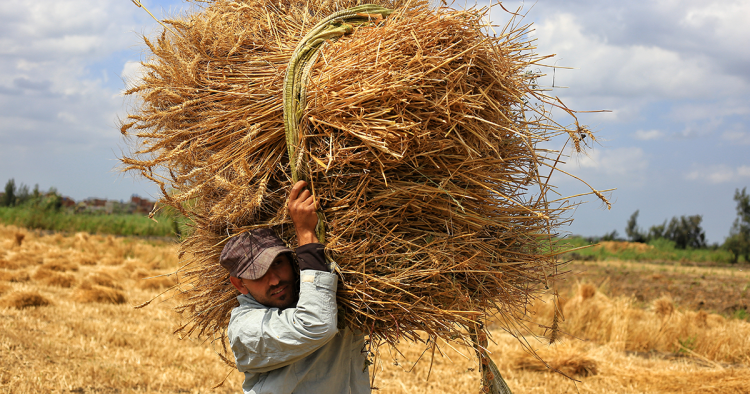
Georgia Can End Russia’s Stranglehold Over its Wheat Supply with NATO Assistance
Georgia’s near total reliance on imported Russian wheat forms an extremely dangerous vulnerability that compromises both its food security and sovereignty. Fifteen years after the 2008 Russia-Georgia war, Tbilisi finds itself depending on Russia for over 90 percent of its wheat supply amidst a growing global shortage. In 2022, NATO reiterated its commitment to Georgia, pledging to help build Georgia’s resilience and uphold its political independence.
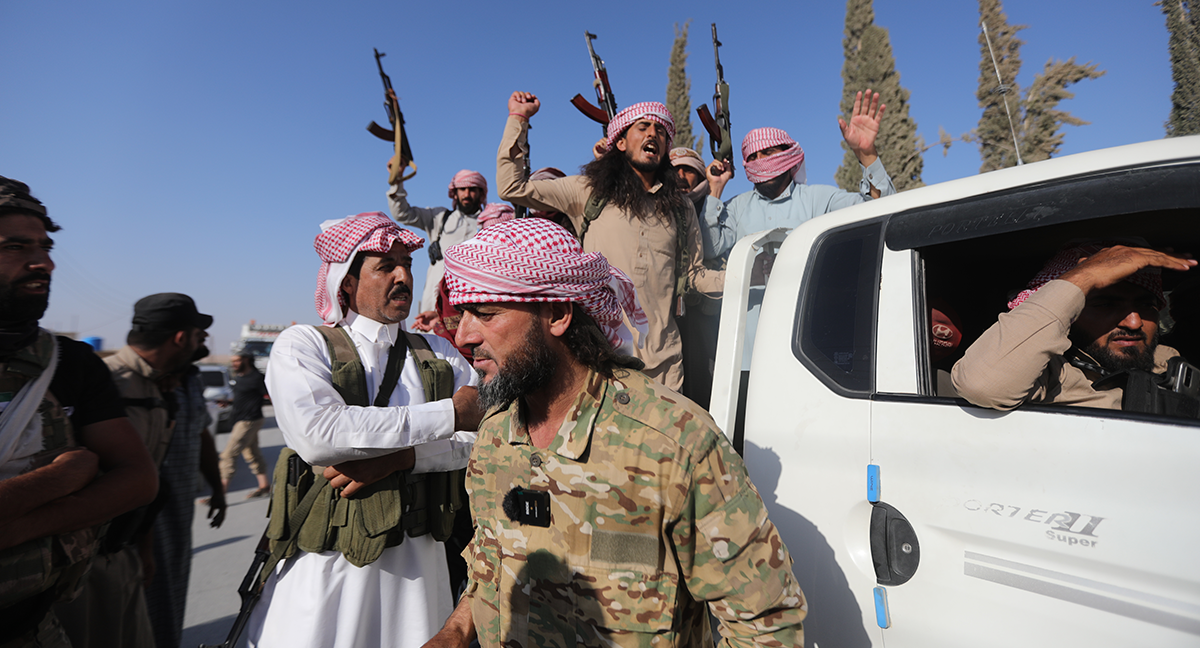
صراع ديرالزور بين دفاع العشائر عن الاستقلالية ومخطط "قسد" للإخضاع
تمكنت قوات سوريا الديمقراطية في الثامن من أيلول/سبتمبر، من الدخول إلى قرى وبلدات ريف ديرالزور الشرقي الممتد من بلدة الطيانة حتى الباغوز، بذلك أعادة السيطرة على جميع المناطق التي شهدت حالة تمرد ضد قواتها، التي بدأت في السابع والعشرين من شهر آب/ أغسطس الماضي.
Looking to the archives: What history tells us about Iran-Saudi relations
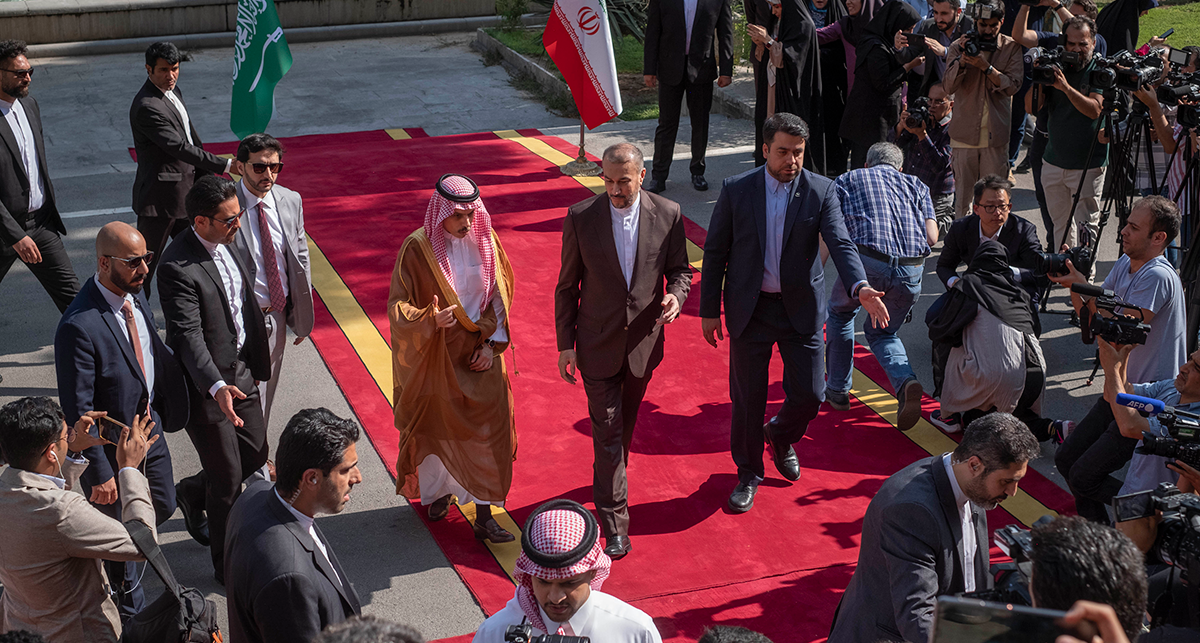
Relations between Iran and Saudi Arabia have been in the spotlight over the past six months, following the March 2023 China-brokered agreement to normalize ties seven years after they were cut off. The connections go back much farther, however. Indeed, as a new archival report on Iranian-Saudi diplomatic history makes clear, they even predate the founding of the current Saudi kingdom in 1932. Below are a series of excerpts from the report, highlighting key themes that emerge from the archives, many of which continue to resonate today.