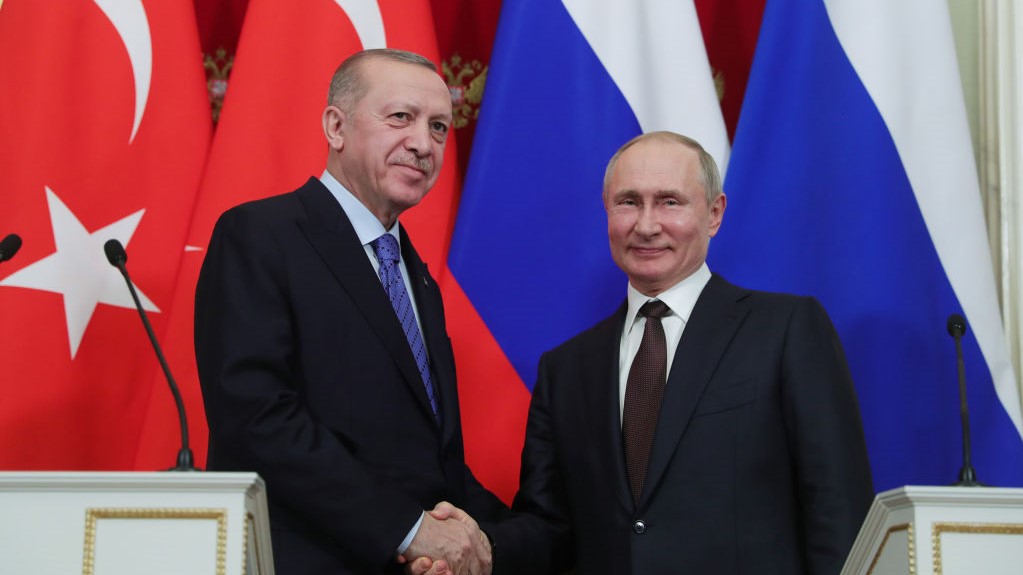
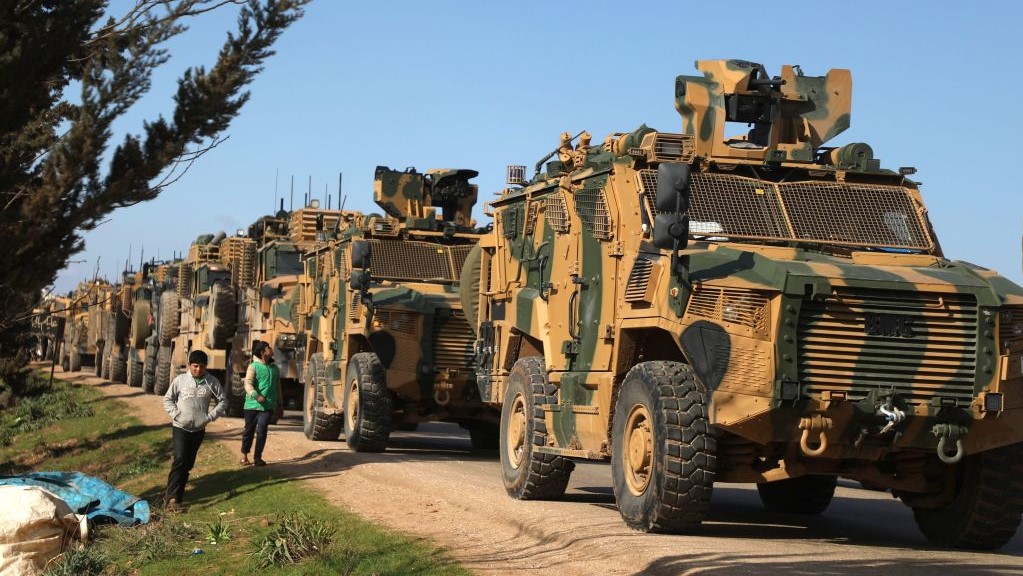
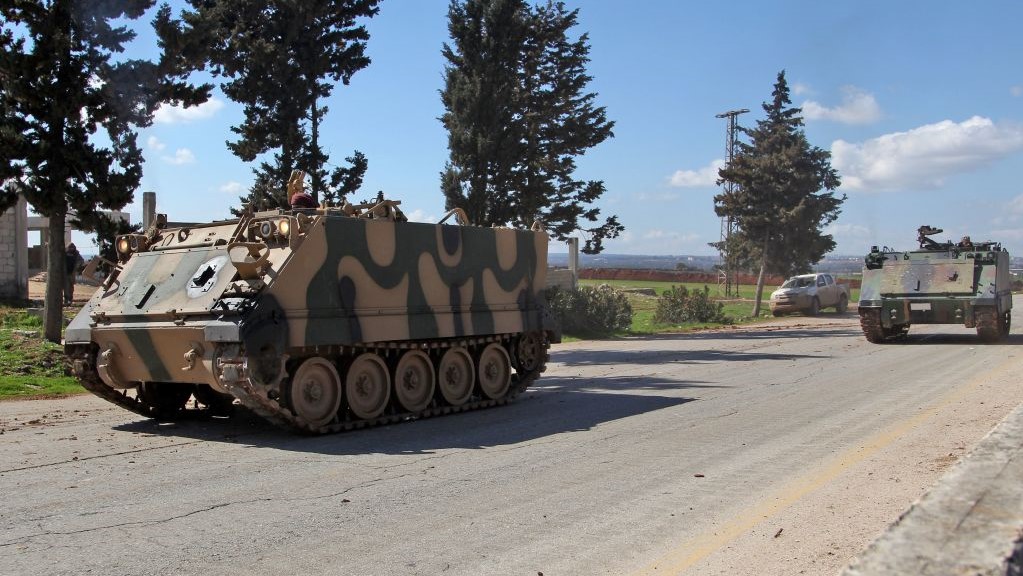
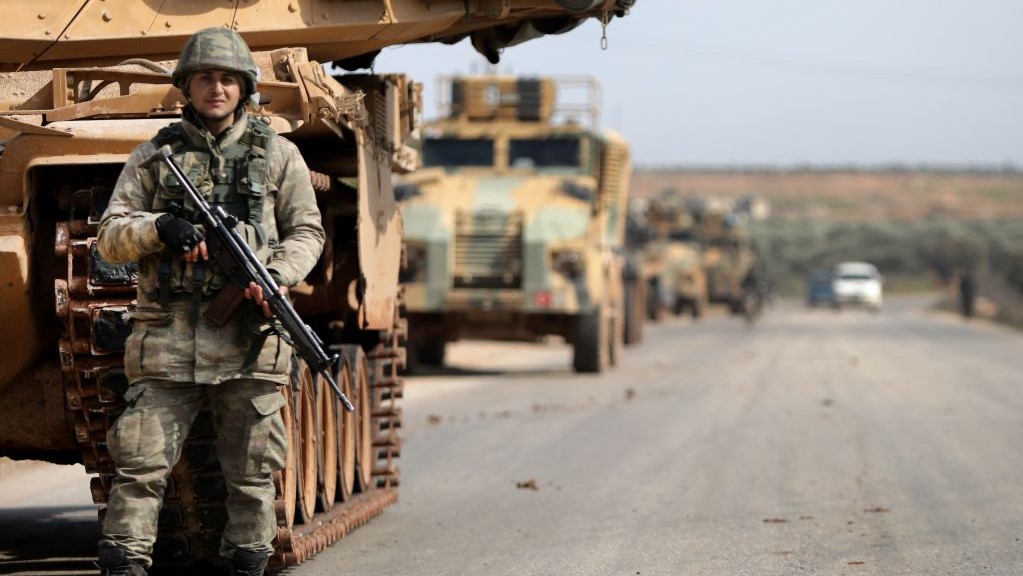
Turkey and Russia agree to a cease-fire in Idlib, but will it hold?
In the past, similar cease-fire agreements ended shortly after they were announced and were followed by more fierce fighting that further consolidated the regime’s control.
As its air campaign in Idlib continues, Turkey looks unlikely to stand down
The scale of Turkey’s intervention will have shaken Moscow and the losses incurred by pro-regime forces are serious and will further strain a Syrian Army that was already overstretched.
Turkey is running out of options in Idlib Province and in Syria. Aggressively taking on a task that is beyond its capabilities, the government in Ankara now is faced with doubling down on a high-risk gamble, hoping someone, somewhere will believe its bluff, or saving Turkey and the area from worse destruction. There are two things the U.S could do, working together with the EU, NATO, and the UN.
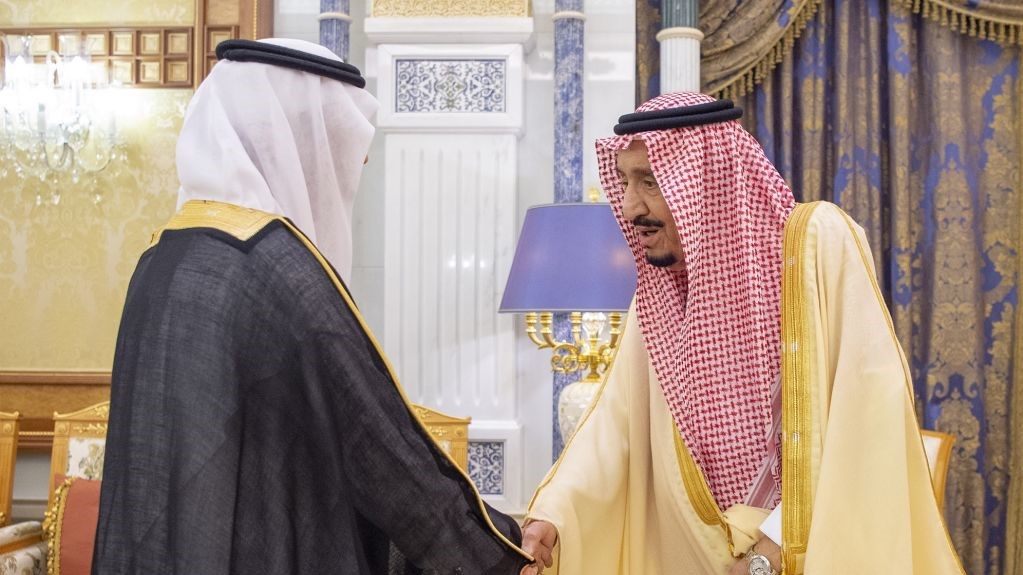
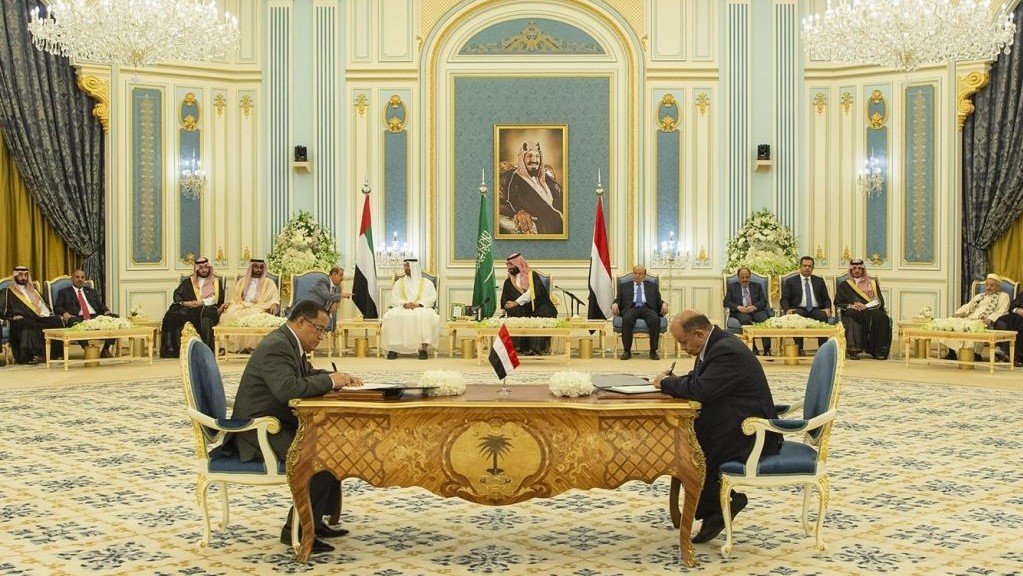
Obstacles to the implementation of the Riyadh Agreement
Now that all of the implementation deadlines have come and gone, where do things stand with the Riyadh Agreement, signed in late 2019 by Yemen’s Hadi government and the Southern Transitional Council?
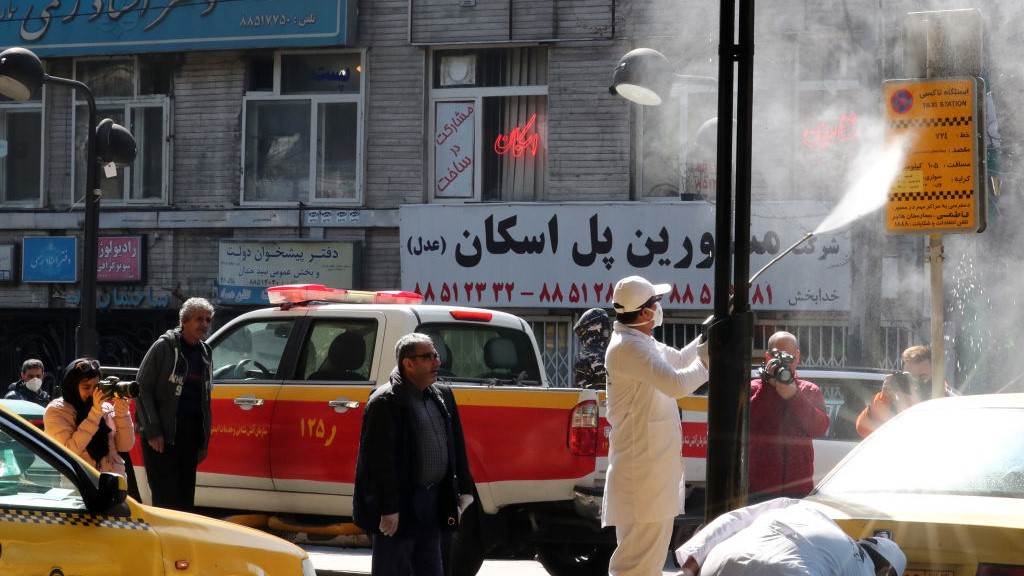
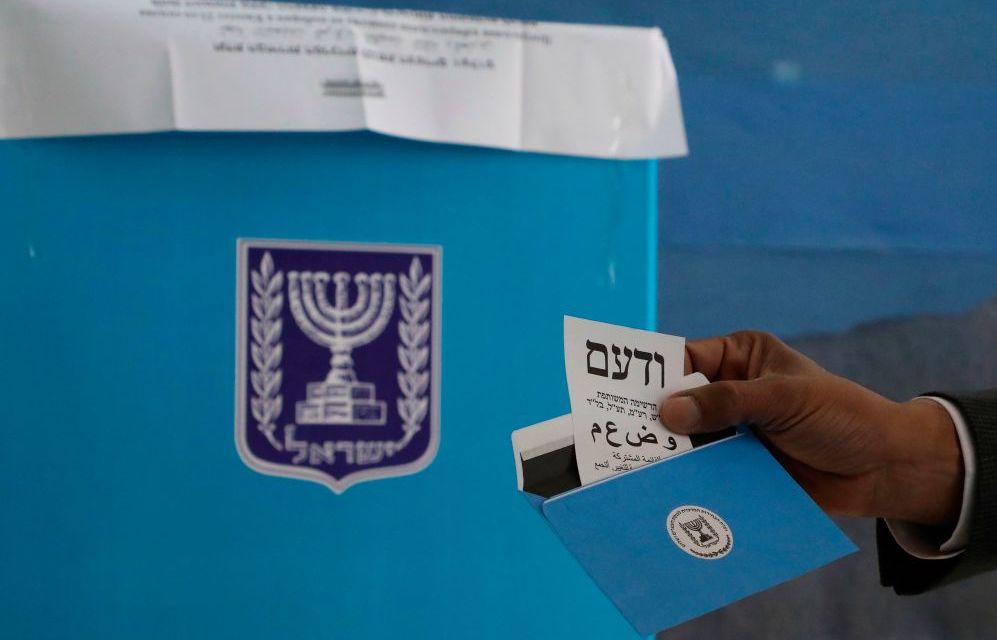
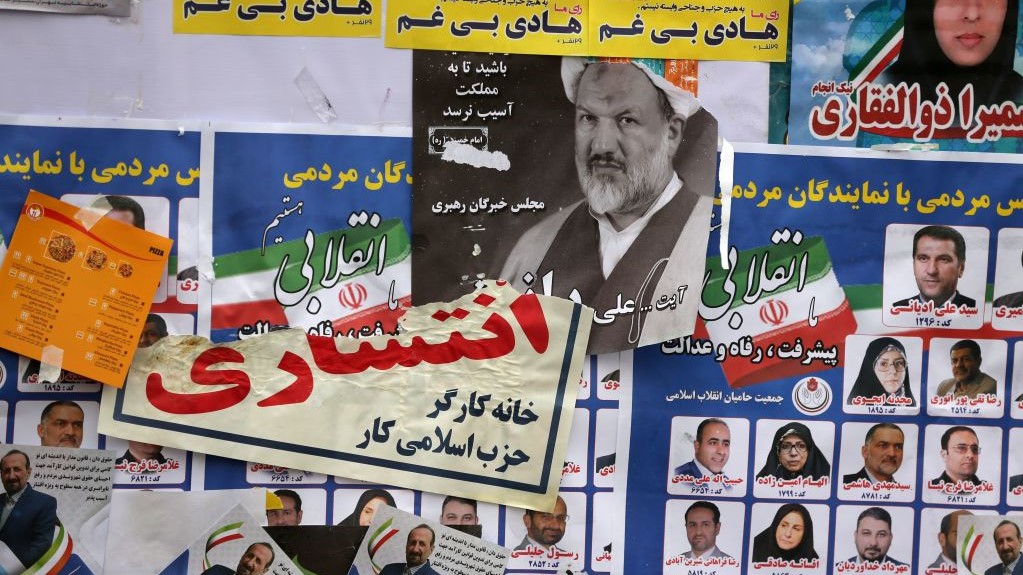
The outcomes of elections in the Islamic Republic are not about the choices the Iranian voters want to make, but about Khamenei’s self-serving calculations.