Preventing the next crisis in U.S.-Israeli relations
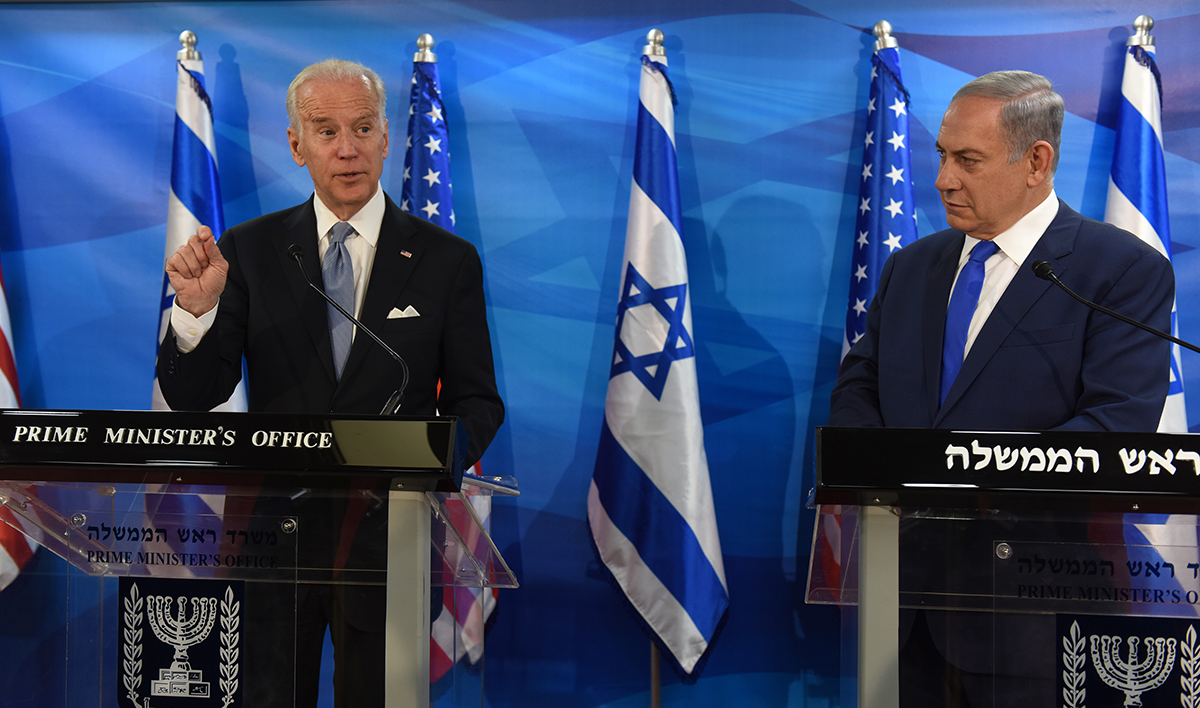
There was little daylight between Washington and Jerusalem during the four years of Donald Trump’s presidency. The new U.S. administration under President Joe Biden appears poised — based on staffing decisions and declared policies — to revert to a U.S. policy in the Middle East that more closely resembles that of Obama. Meanwhile, Netanyahu, who fought bitterly and publicly against Obama’s policies regarding the Israeli-Palestinian conflict and the Iran nuclear issue, remains at the helm in Israel. The stage may be set for a sequel of the acrimonious relationship between Jerusalem and Washington.
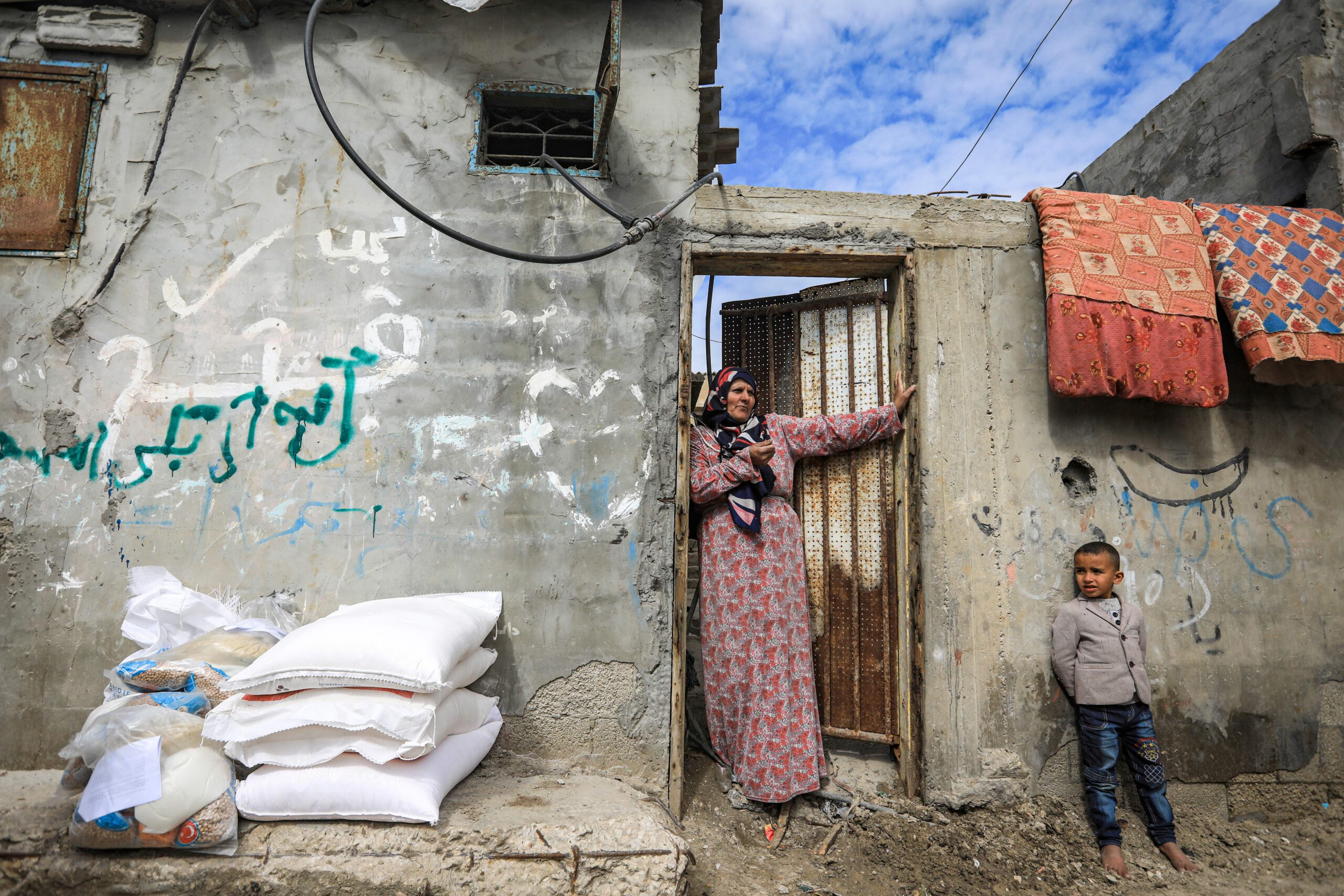
On January 14, 2021, outgoing Secretary of State Mike Pompeo tweeted about Palestinian refugees, proclaiming “(less than) 200,000 Arabs displaced in 1948 are still alive and most others are not refugees by any rational criteria.” A month earlier, on December 11, a group of 22 Republican members of Congress sent a letter to President Trump requesting that he instruct the Bureau of Population, Refugees and Migration to declassify a report on the approximate number of Palestinian refugees, with the intention of redefining and disenfranchising millions of Palestinian refugees of their refugee status. The intent behind the request is made evident by the letter, which states, “The issue of the so-called Palestinian ‘right of return’ of 5.3 million refugees to Israel as part of any ‘peace deal’ is an unrealistic demand, and we do not believe it accurately reflects the number of actual Palestinian refugees
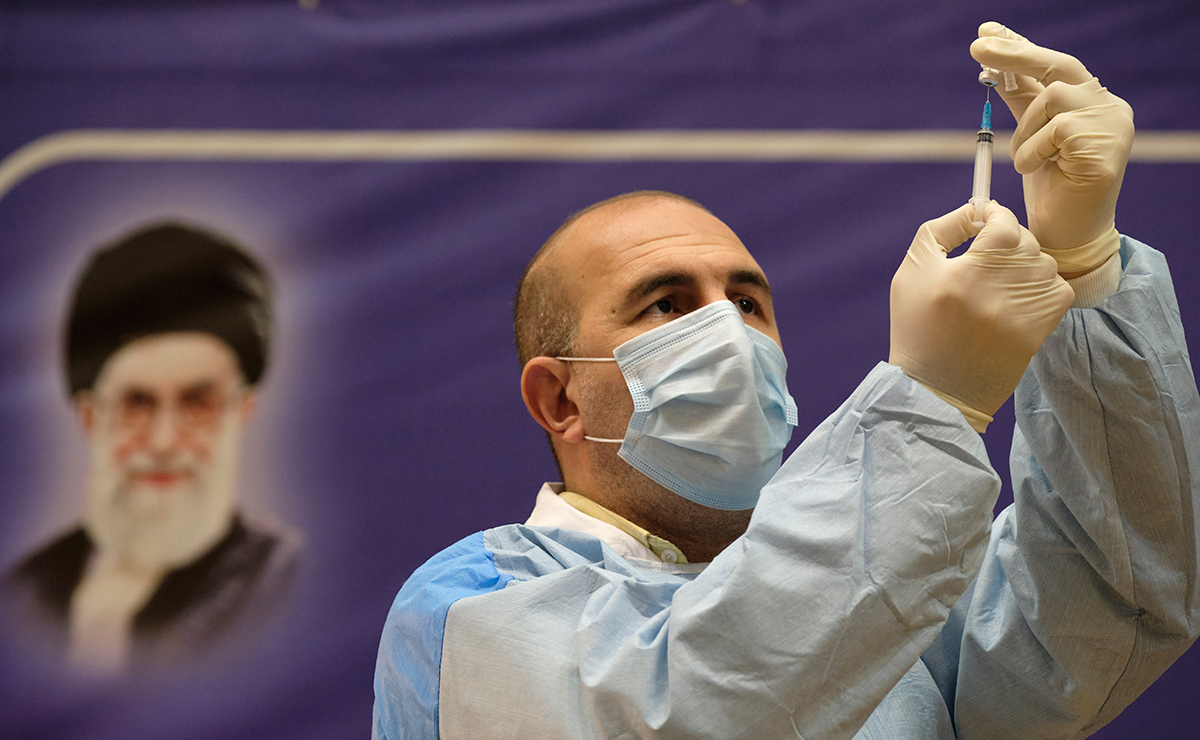
Iran announced last week it had developed one of the world’s most promising COVID-19 vaccines. The news appeared to be part of Tehran’s efforts to satisfy domestic demands for a safe vaccine and to show the country is launching its vaccine rollout independently, despite the crippling economic sanctions imposed by former U.S. President Donald Trump.
The electoral path may not save Lebanon, but its citizens deserve the chance to walk it
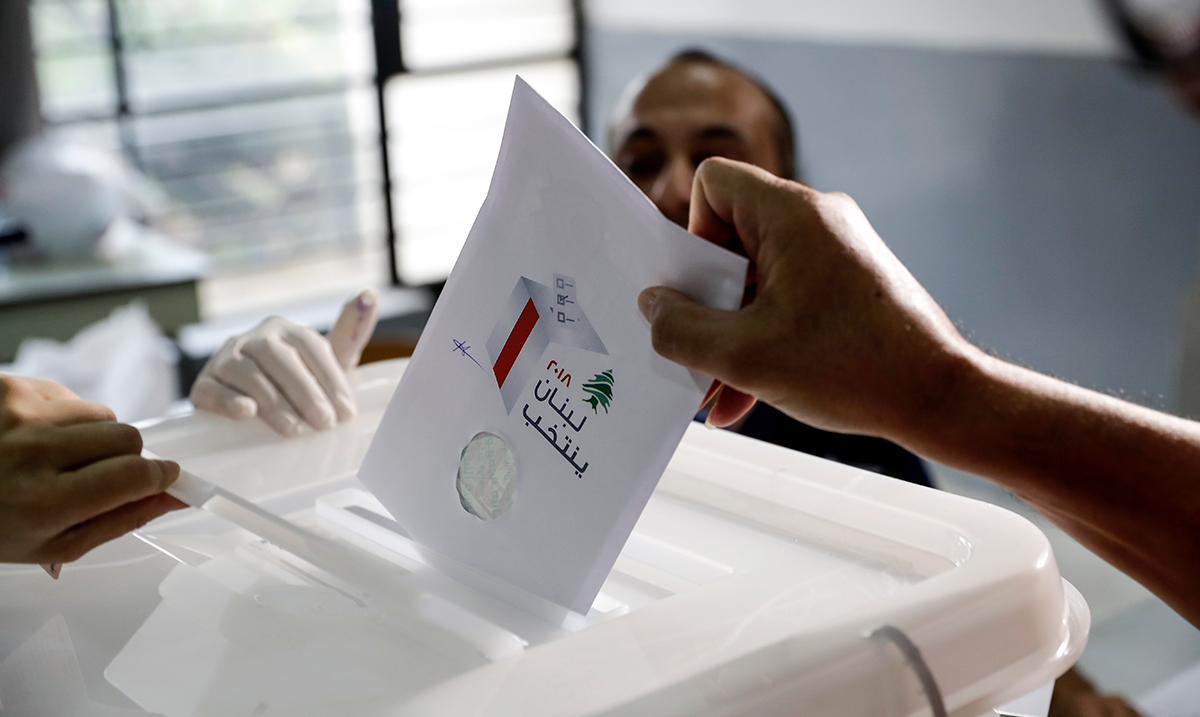
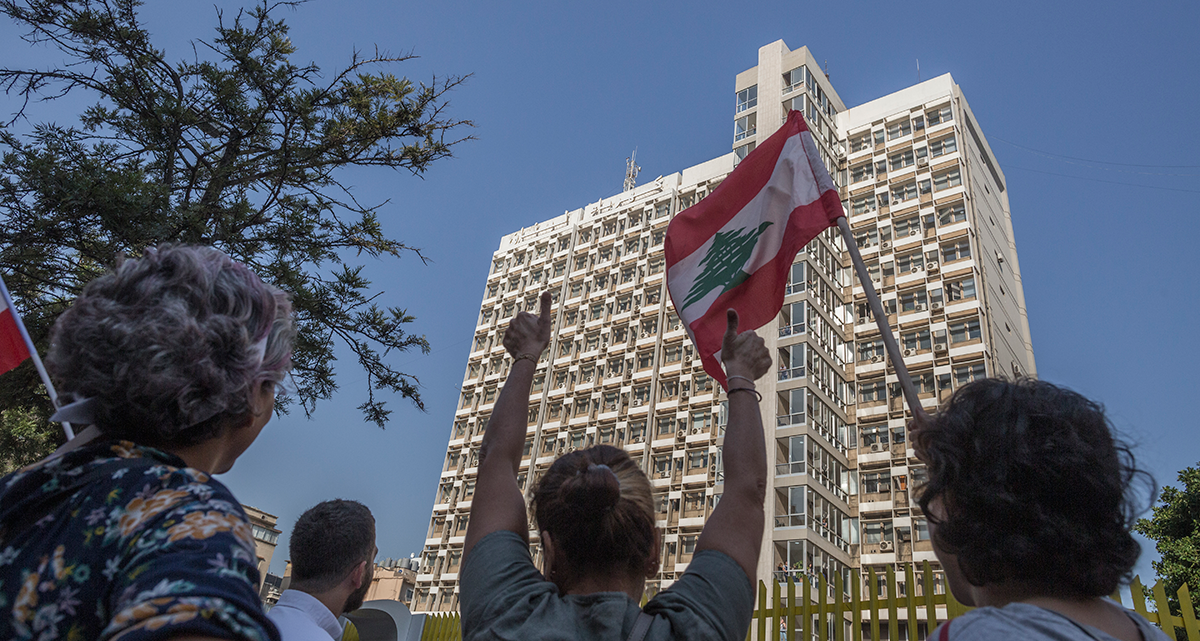
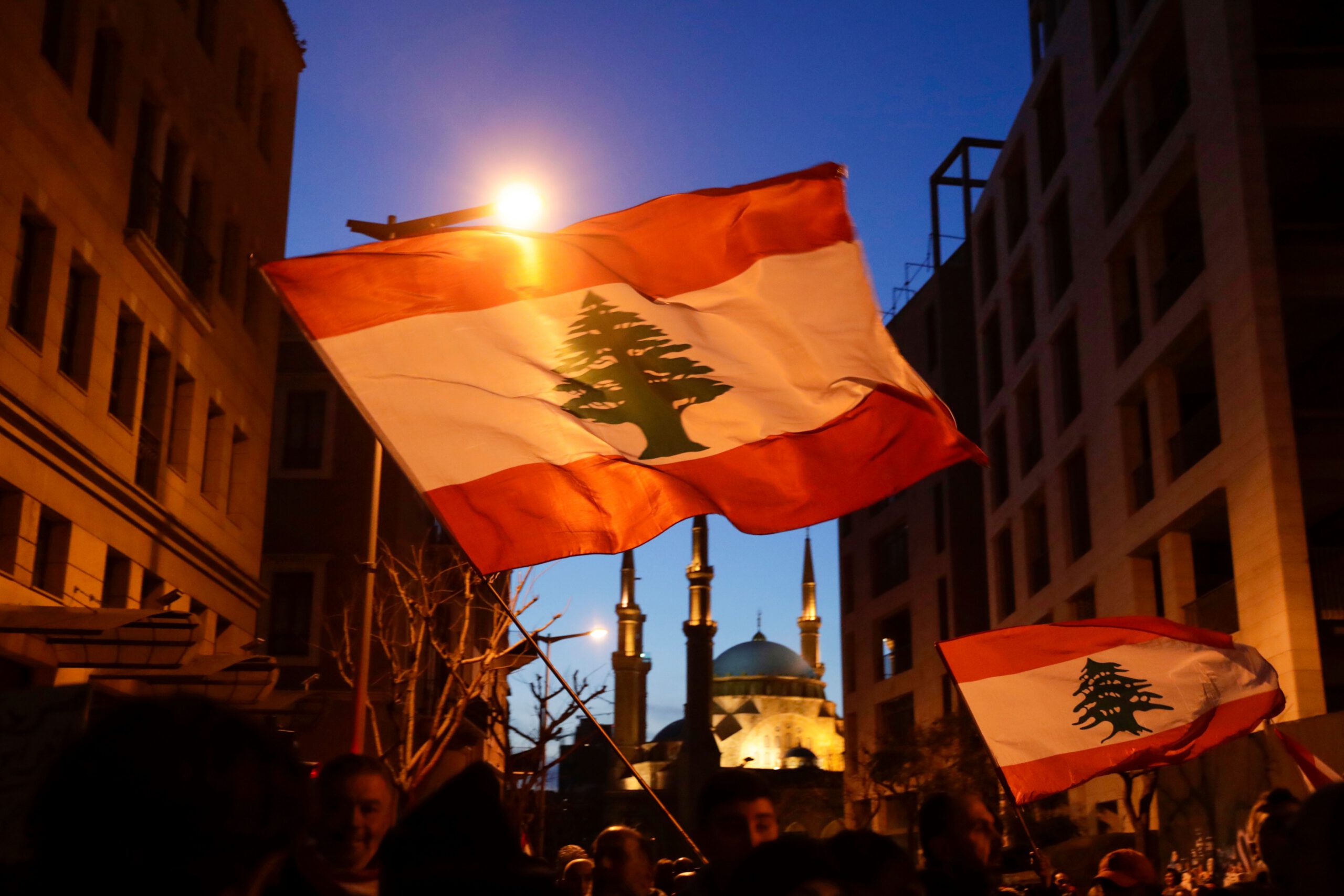
With the increasingly heavy burdens of everyday life, May 2022 may feel like an eternity away in Lebanon. Next spring, however, marks a high-stakes milestone and reality check for the country’s domestic politics. Absent any major surprises, eligible Lebanese citizens at home and in the diaspora will cast their votes in the first general elections since the October 2019 uprising, the financial collapse, and the Beirut port explosion. In fact, the process has already started with the issuance of electoral rolls. But there’s a catch — Lebanese politics are full of surprises.
An integral partner: The growing ties between Amman and Moscow
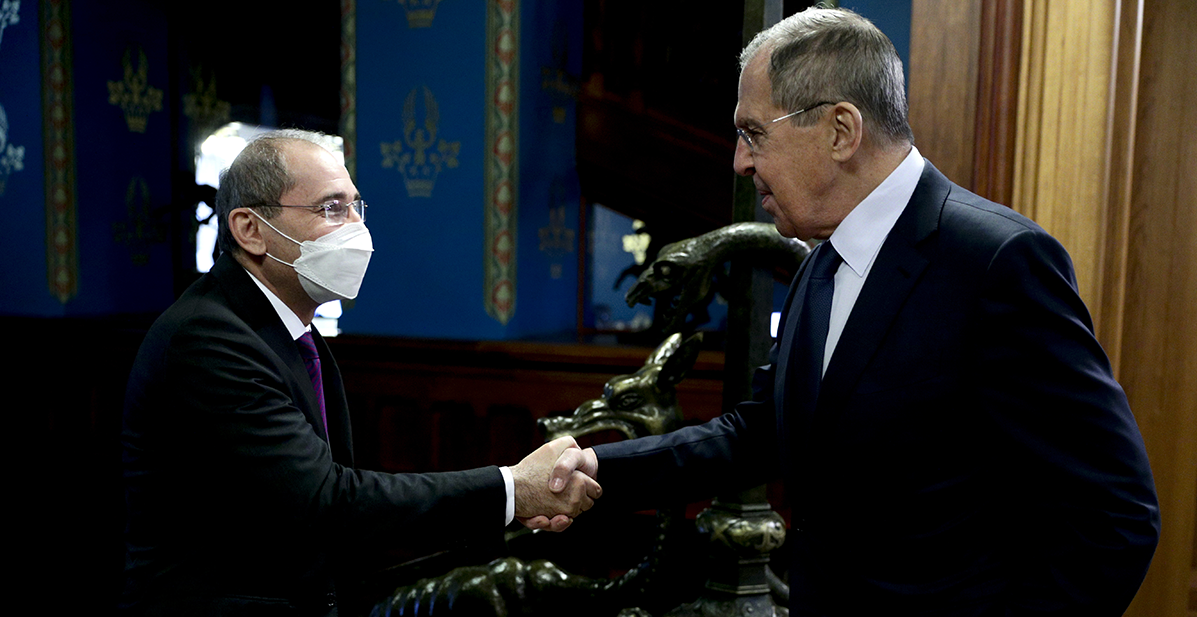
On Feb. 3, Russian Foreign Minister Sergey Lavrov hosted his Jordanian counterpart Ayman Safadi in Moscow. After their meeting, Lavrov emphasized Russia and Jordan’s shared positions on Syria, Gulf security, and Israel-Palestine.
Reforms at the margin: How decentralized power generation could solve Lebanon's energy woes
For years, Lebanon has suffered from chronic electricity shortages, and repeated attempts to resolve the crisis have failed. None have been able to surmount the political impasse that blocks every reform effort in the country.
Two years after the start of Algeria’s popular uprising, the regime is far from stable
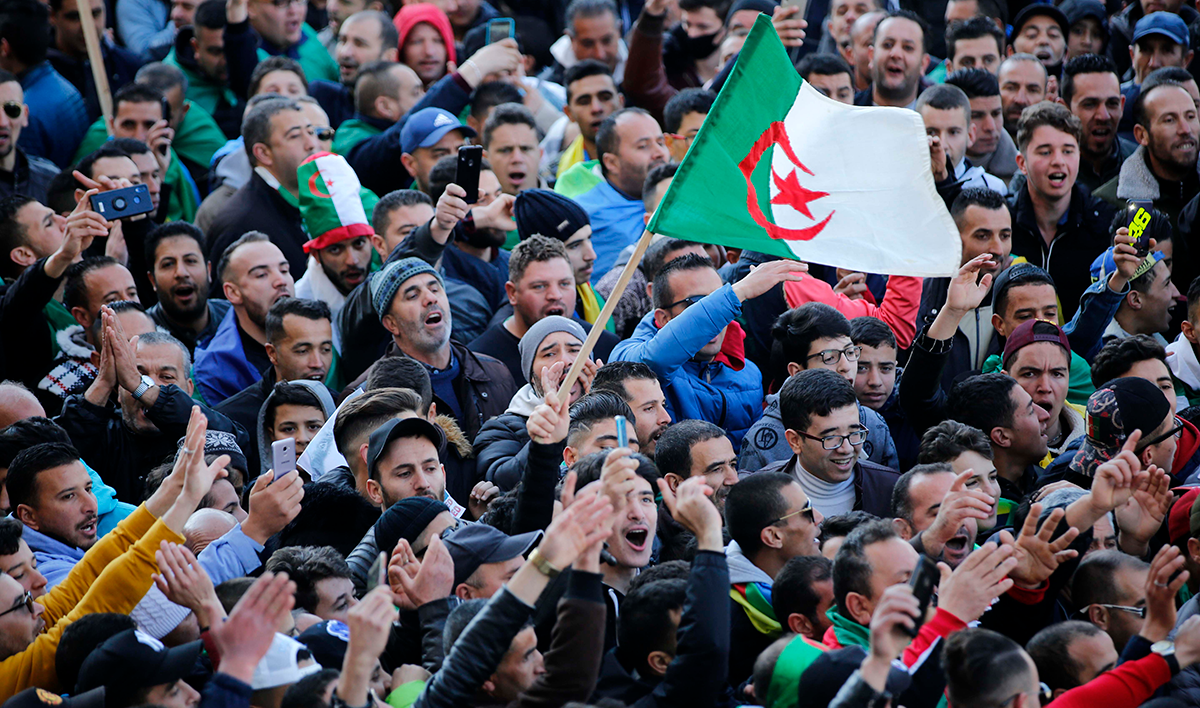
Abdelmadjid Tebboune’s rise to the presidency was supposed to bring a degree of predictability to Algeria’s military rulers. But since he was pronounced the winner of the presidential election in December 2019, the regime has entered a new phase of uncertainty. The COVID-19 pandemic, continued dissent, political volatility, and deepening economic malaise have affected the ruling oligarchy’s calculations. Two years after the start of Algeria’s popular uprising, known as the Hirak movement, the country is stuck in the same impasse it has faced since 2019.
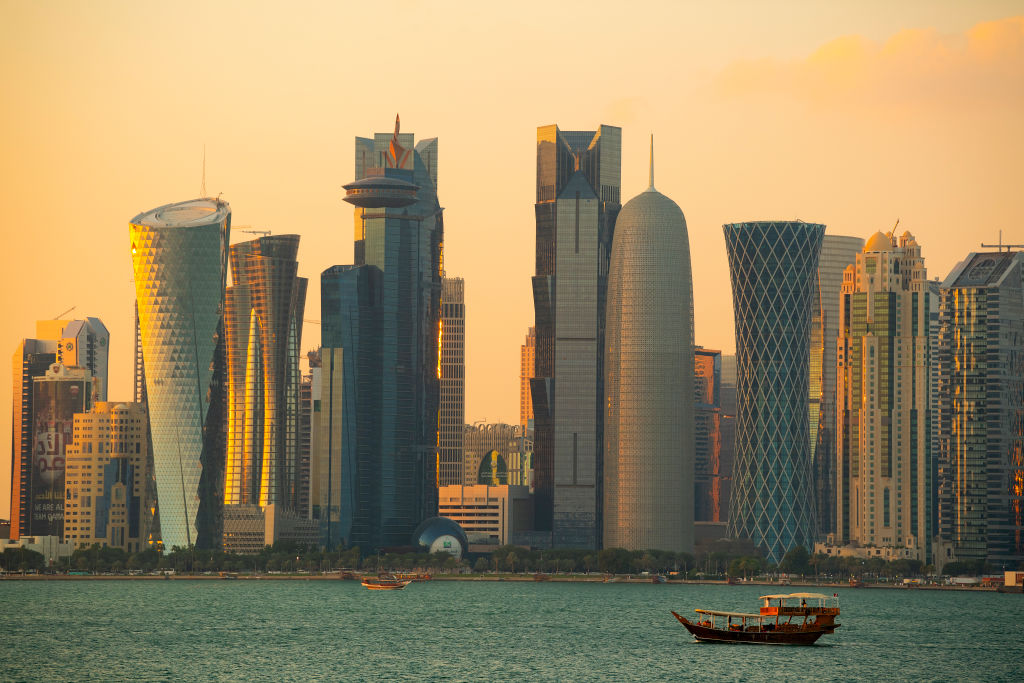
The tiny Persian Gulf country of Qatar has chosen a herculean task for itself: to mediate between the United States and Iran. As Qatar’s Foreign Minister Sheikh Mohammed bin Abdulrahman al-Thani put it on Feb. 10, Doha “is working on de-escalation through a political and diplomatic process.” To this end, al-Thani recently spoke to U.S. National Security Adviser Jake Sullivan and U.S. Special Representative for Iran Robert Malley.
Geo-technology trends to watch in MENA in the 2020s
Ongoing conflicts in Syria, Libya, and Yemen are expected to continue to destabilize the Middle East and North Africa (MENA) in 2021. However, technology will likely add another layer of complexity to these conflicts and reshape the region throughout the 2020s. When the Arab Spring began a decade ago, the biggest challenge facing long-standing Arab autocrats was grappling with the power of social media and the rise of online political opposition by tech-savvy millennial activists. In the 2020s, however, regional governments are now facing a new set of emerging technologies that will shape not only domestic politics but also regional geopolitical dynamics. These advancing technologies include: drone, cyber, and space technologies.
Planning for the day 10 years after the fall of Gadhafi
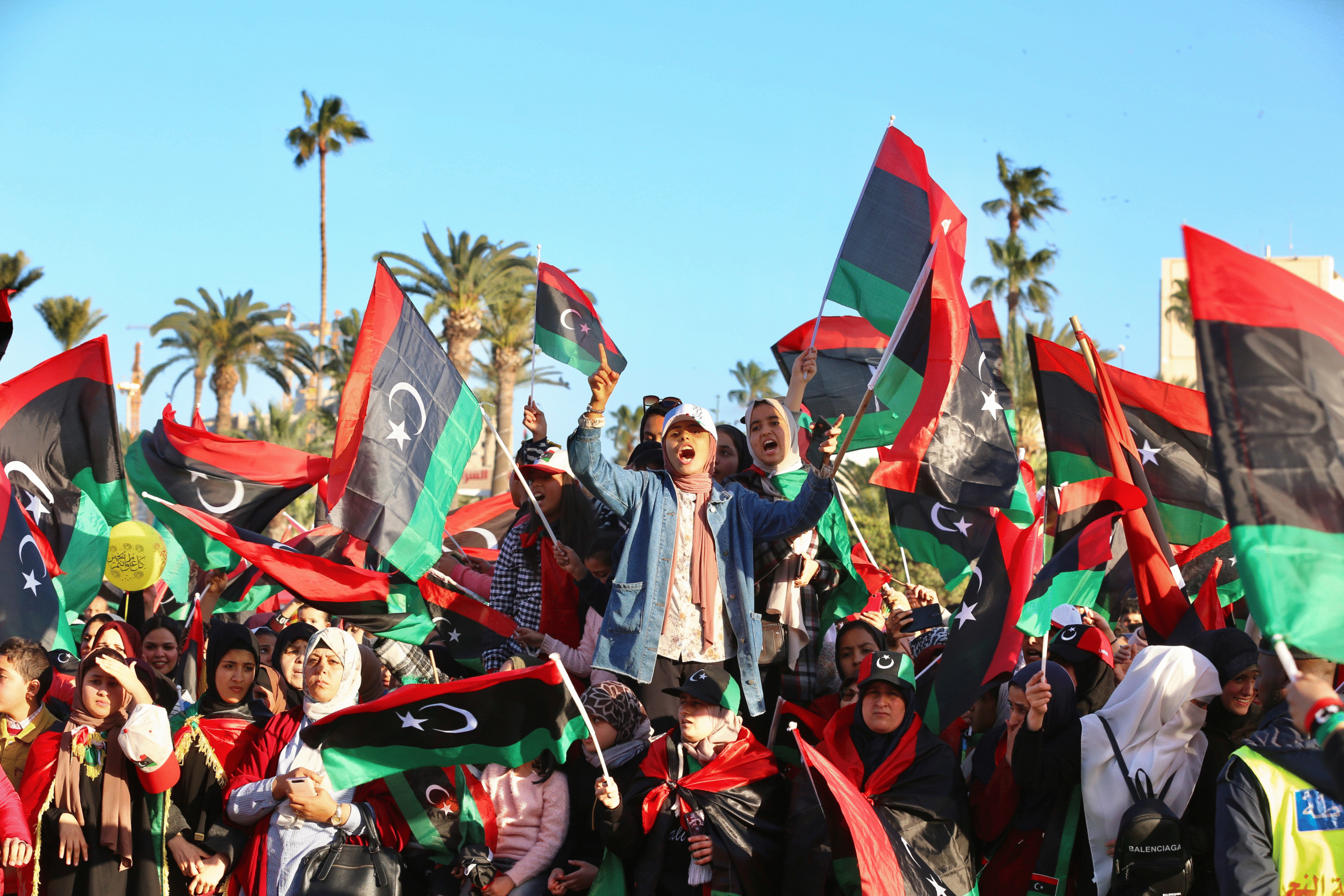
Five years ago, President Barack Obama characterized the failure “to plan for the day after” the U.S. intervention in Libya as his worst foreign policy mistake. Certainly, the aftermath of the decision to provide support for the Feb. 17, 2011 uprising, which ended 42 years of Moammar Gadhafi’s erratic and dictatorial rule, hasn’t been happy. Libya’s past decade has featured recurrent civil war, state collapse, terrorism, militias, and warlords, together with competing foreign interventions despite the continuing U.N. arms embargo.
Fake Paradise For Malaysian Foreign Terrorist Fighters
This article discusses the main factors that moved Malaysian jihadists to participate in the IS movement between 2013 to 2019, the grim circumstances in which they found themselves after having arrived in “paradise” and the status of the survivors who have returned home.
The big question remains how the Lebanese can hit the reset button. How can they overhaul a system that still enjoys the support of a large swath of Lebanese society and has so many powerful political backers both at home and abroad?
Turkey-NATO ties are problematic, but there is one bright spot
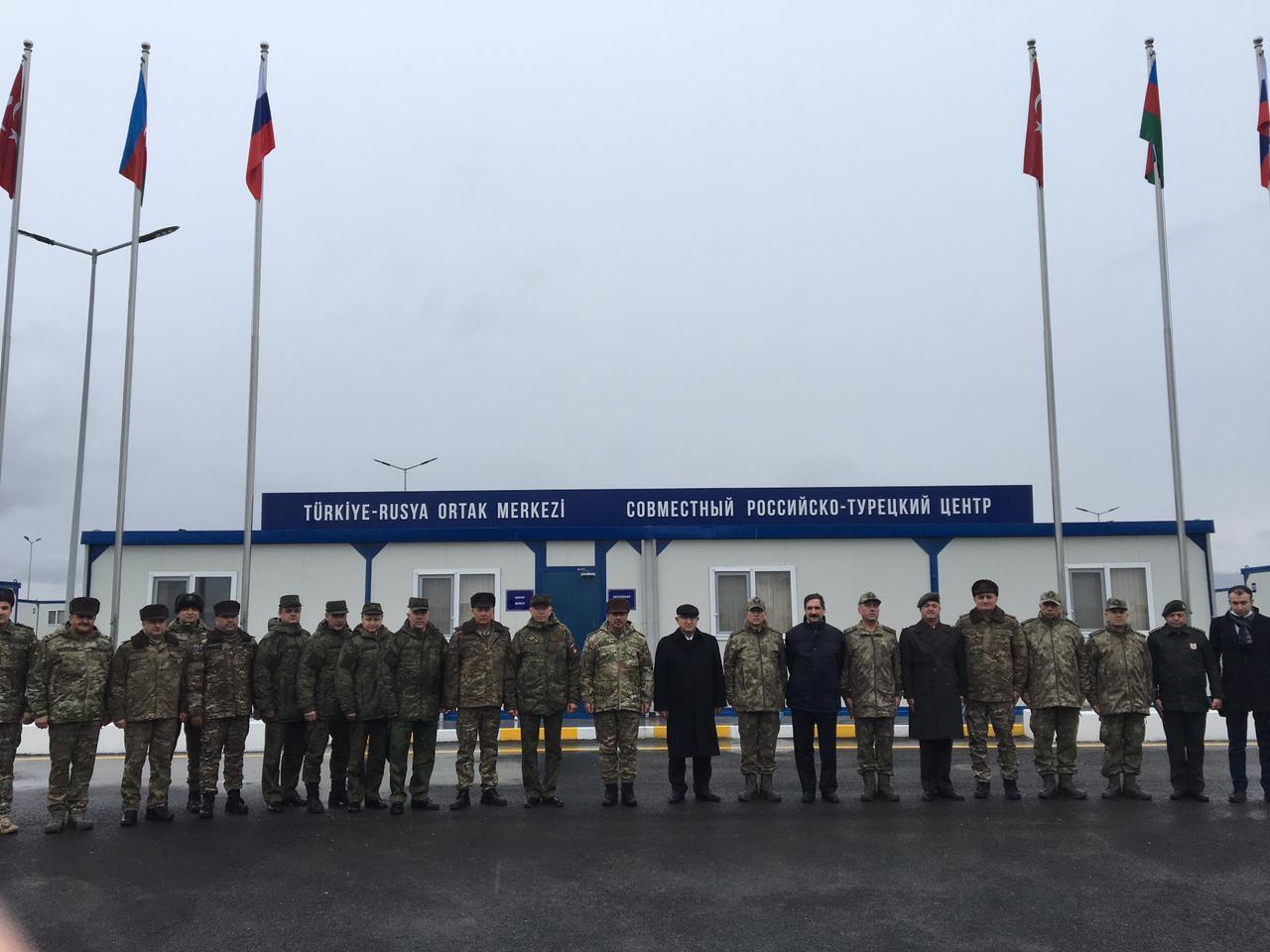
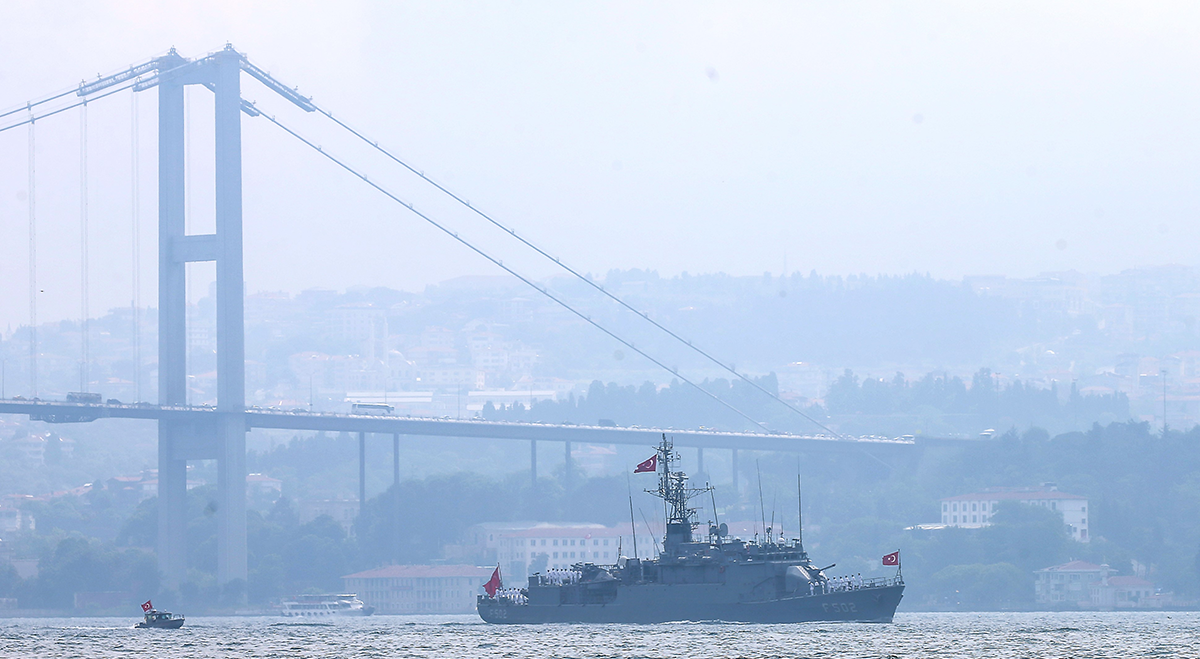
When it comes to Turkey-NATO ties, Ankara is regarded as more of a problem than an ally these days. Not only did it purchase a Russian S-400 air defense system, but its gunboat diplomacy in the eastern Mediterranean also raised the specter of military conflict between NATO allies when Greek and Turkish naval flotillas steamed directly toward each other this past summer. There is one region, however, where Turkey can help NATO efforts: the Black Sea.
With Lokman Slim’s assassination, Hezbollah consolidates its power over Lebanon
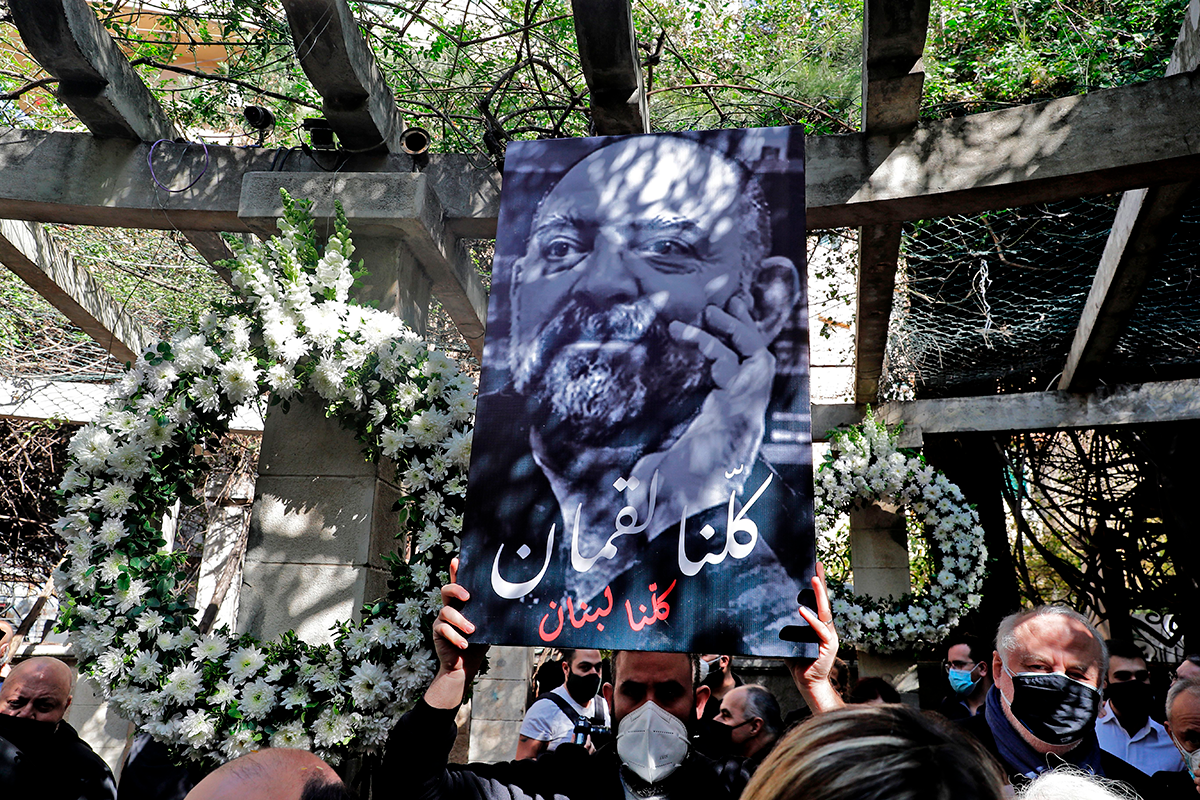
The cold-blooded assassination of Hezbollah critic and Lebanese activist Lokman Slim on Feb. 4 is yet another manifestation of Iran’s growing boldness in the country. Hoping it can once again get away with murder, Iran is mobilizing its repressive proxy in Lebanon and across the region. The question of Hezbollah’s future is key for regional stability and for the U.S. and its partners. As the U.S. prepares to renegotiate a nuclear deal with Iran, curbing the country’s regional ambitions — including its provision of military and political assistance to Hezbollah — needs to be an integral part of any new deal.